Understanding Marine Photo Production
Marine photo production plays a vital role in capturing the dynamic and expansive maritime environments for a variety of professional purposes. This specialized field of photography involves the deliberate planning, execution, and refinement of images that showcase the beauty, scale, and intricacies of marine settings. Quality marine imagery serves essential functions, from promoting maritime industries to supporting environmental conservation efforts. It provides detailed visual documentation of ships, ports, coastal landscapes, marine wildlife, and offshore structures, offering stakeholders a comprehensive perspective on maritime activities.
The significance of marine photo production extends beyond mere visual appeal. It involves a strategic approach that ensures the images portray the intended narrative accurately and compellingly. Industries such as commercial shipping, tourism, maritime construction, and naval operations rely heavily on high-quality imagery to communicate professionalism, safety standards, and operational excellence. Furthermore, marine photography aids in training, research, and marketing initiatives, making it a cornerstone in sectors that depend on precise visual representation of maritime environments.
Within this context, marine photo production encompasses multiple layers, including detailed planning, utilization of specialized equipment, and advanced editing techniques. Its applications are diverse, ranging from promotional campaigns for marinas and cruise lines to archival projects documenting marine biodiversity and coastal changes. The ability to produce striking, professional images in challenging marine conditions requires expertise and understanding, which underscores the importance of working with experienced marine photographers and production teams.
Key Components of Marine Photo Production
Effective marine photo production hinges on several essential elements that ensure the final images meet industry standards and client expectations. These components include specialized equipment, environmental considerations, technical expertise, and creative insight. Each aspect contributes to the overall success, clarity, and impact of the photographs.
- Equipment: High-resolution cameras, underwater housings, drones, and stabilization tools are fundamental for capturing detailed maritime scenes. The choice of equipment varies based on the specific requirements of each project, such as aerial shots, underwater imagery, or macro photography of marine life.
- Environmental Conditions: Weather, lighting, and water conditions significantly influence shot quality. Photographers often plan sessions around optimal sunlight and minimal weather disruptions to achieve clear and vibrant images.
- Technical Skills: Mastery in camera settings, lighting techniques, and composition ensures that the images are sharp, well-exposed, and impactful. Knowledge of maritime-specific challenges, like salt corrosion and movement, is equally critical.
- Creative Approach: Artistic vision guides the framing and storytelling within marine images. Effective use of angles, color, and depth fosters a compelling visual narrative that resonates with viewers.
Planning and Pre-Production Strategies
Successful marine photo production begins long before the camera starts clicking. Detailed planning and pre-production strategies are crucial to handle the unique challenges of capturing maritime environments. This phase involves comprehensive location research, understanding environmental conditions, and coordinating logistics to ensure smooth execution on the actual shoot day.
Key steps in the planning process include:
- Surveying the shooting locations to identify optimal viewpoints and timing.
- Securing necessary permits or clearances for marine and coastal areas.
- Scheduling shoots around weather forecasts and tide schedules for optimal conditions.
- Assembling the appropriate team, including vessel operators, safety personnel, and technical support.
- Conducting equipment checks and preparing backup gear to address potential technical issues.
- Establishing safety protocols to mitigate risks associated with water-based environments.
This meticulous preparation minimizes unforeseen obstacles and maximizes the likelihood of capturing compelling, high-quality imagery that aligns with project goals.
Key Components of Marine Photo Production
Executing a successful marine photo production requires a comprehensive understanding of the vital components that contribute to the quality and reliability of the final imagery. These elements encompass specialized equipment suited for maritime conditions, carefully selected locations, and a team of experienced personnel dedicated to navigating the complexities of marine environments.
- Specialized Equipment: High-performance cameras with water and dust resistance are essential. Camera rigs often include stabilization systems, waterproof housings, and remote-controlled devices for capturing dynamic movements. Drones designed for aerial marine photography provide unique perspectives from above, while underwater housing permits submersion for marine life and subaquatic shot requirements.
- Locations: Accurate selection of coastal sites, harbors, ships, or open waters is critical. Site scouting involves evaluating light conditions, current strengths, and accessibility to ensure optimal shooting conditions. Strategic planning for tides and weather patterns enhances the potential for capturing striking images under natural light and environmental conditions.
- Specialized Personnel: Skilled captains and vessel operators guarantee safe and efficient positioning of boats during shoots. Marine safety experts oversee the adherence to safety standards, especially in unpredictable water conditions. Technical specialists handle equipment setup, troubleshoot technical issues, and manage data storage during shoots.
Planning and Pre-Production Strategies
Effective planning lays the foundation for successful marine photography projects. This phase involves meticulous logistical arrangements, risk assessments, and environmental considerations to optimize the capture process and safeguard personnel and equipment.
- Location Surveys: Conduct thorough reconnaissance missions to identify vantage points with the best lighting and minimal obstructions. The survey aims to pinpoint areas with favorable tide and wind conditions for early morning or late afternoon shoots.
- Permits and Clearances: Securing official authorization for accessing maritime zones and protected areas is vital. This often involves coordination with local authorities, maritime agencies, and environmental agencies to ensure compliance with regulations and to facilitate smooth operations.
- Scheduling: Develop a shooting timetable based on weather forecasts, tide charts, and moon phases. Such synchronization ensures optimal lighting, safe vessel navigation, and minimal interference from adverse weather phenomena.
- Team Assembly: Gather a multidisciplinary crew, including vessel operators, safety officers, technical support, and marine wildlife experts if needed. Clear communication protocols are established to keep the team aligned with the project objectives.
- Equipment Checks: Prepare and test all gear, including backup units, to address potential technical failures. Ensure all batteries are charged, storage devices are formatted, and waterproof cases are sealed and ready.
- Safety Protocols: Implement comprehensive safety procedures covering life jackets, emergency evacuation plans, and communication systems. Training sessions familiarize the crew with potential hazards, including water currents, weather shifts, and equipment handling.
This detailed preparation ensures that the actual shoot proceeds efficiently, minimizing disruptions and maximizing the capture of impactful marine imagery. Proper planning also contributes to the safety of all participants, making it possible to undertake complex and challenging marine photo production projects with confidence.
Essential Skills and Techniques in Marine Photo Production
Executing marine photo production requires a comprehensive mastery of specialized skills and techniques to ensure the delivery of high-quality, impactful images. These skills encompass a deep understanding of both photography and maritime environments, allowing professionals to adapt to the unique conditions of water-based shoots. A seasoned marine photographer must be proficient in high-dynamic-range imaging to handle the broad spectrum of light reflections off water surfaces and the intricate play of natural light during different times of the day.
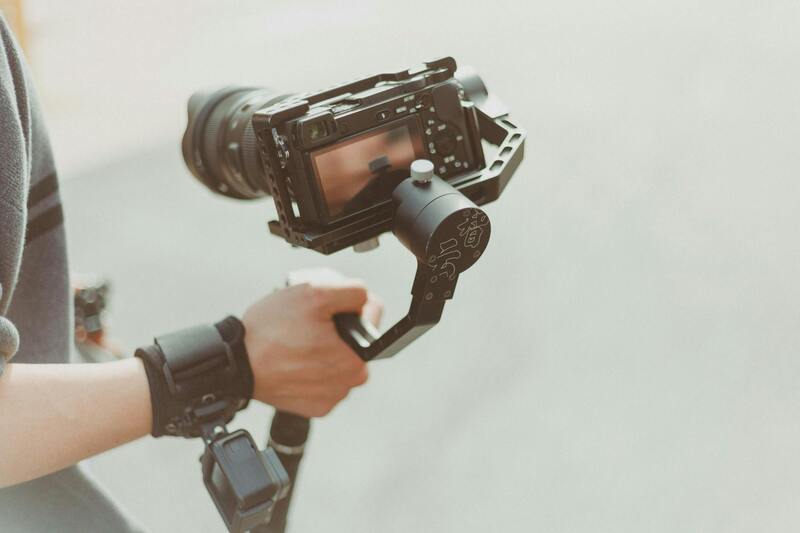
Another critical technique involves the use of polarizing filters, which significantly reduce glare and enhance color saturation, resulting in clearer and more vibrant marine imagery. Mastery of macro photography is also essential, especially when capturing detailed close-ups of marine flora and fauna. Photographers should employ stabilization methods such as waterproof monopods or gimbals to counteract water currents and vessel movement, ensuring sharp and steady images.
In terms of equipment, underwater housing units are vital for extending the camera's capabilities beneath the water surface. These casings must be meticulously maintained, tested regularly for leaks, and fitted with controls accessible for underwater operation. Additionally, high-quality lenses with wide apertures facilitate low-light performance in deeper waters or shaded areas, while drone technology offers dynamic aerial perspectives over marine environments.
Effective communication with the crew, especially vessel operators and safety personnel, is crucial for timing shots and ensuring safety during complex maneuvers. Photographers must also be versatile with post-processing techniques, employing software like Adobe Photoshop and Lightroom to correct color balance, remove unwanted distractions, and enhance the visual storytelling aspect of their images.
Adapting to Environmental Variables and Reducing Risks
Marine photo production is inherently challenging due to unpredictable weather conditions, water clarity variations, and marine life behavior. Successful practitioners anticipate these variables by monitoring weather patterns and utilizing real-time data to inform shooting schedules. Proper planning reduces the risk of compromised shots and ensures safety throughout the operation.
In addition, safety protocols must be strictly applied to mitigate risks associated with water exposure, equipment handling, and vessel navigation. Personal flotation devices, emergency communication devices, and safety briefings are mandatory components before commencing shoots. Continuous risk assessments during the operation allow opportunities to adapt tactics promptly, maintaining a focus on safety and visual objectives.
Understanding Marine Photo Production
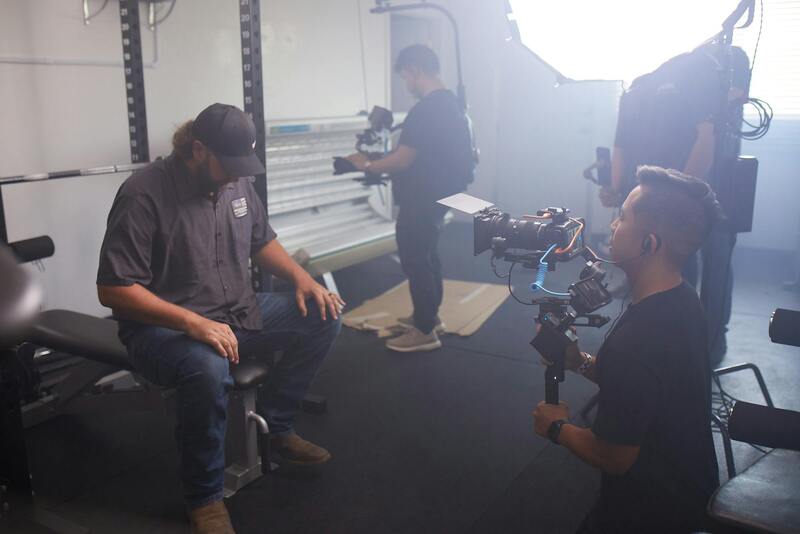
Marine photo production encompasses a specialized set of practices aimed at capturing high-quality imagery of marine environments, vessels, and aquatic life. This process demands a deep understanding of maritime conditions, advanced technical skills, and strategic planning to achieve compelling visual results. It involves not only the art of capturing images but also meticulous coordination with various stakeholders, including boat crews, marine researchers, and safety personnel, to ensure seamless integration of equipment, timing, and safety procedures. The ultimate goal is to produce images that accurately reflect the dynamic beauty and complexity of marine settings, serving diverse industries such as tourism, environmental research, and commercial enterprise.
Key Components of Marine Photo Production
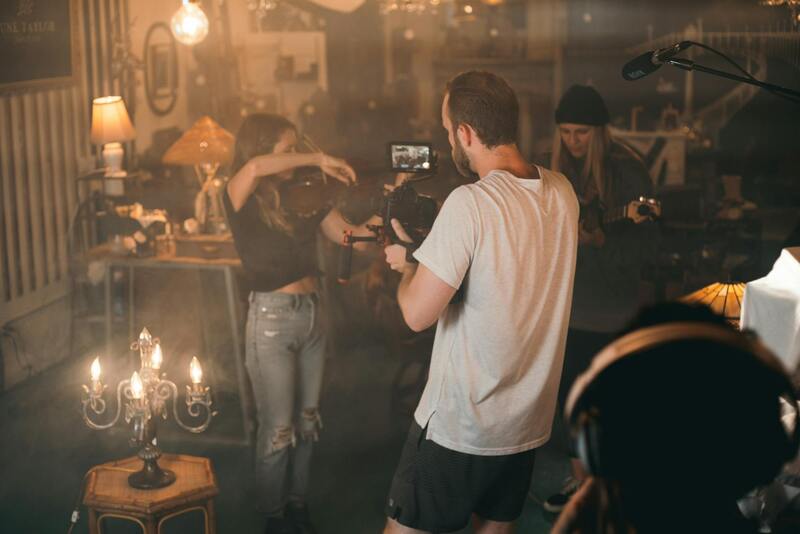
Effective marine photo production hinges on several critical elements. These include the selection of appropriate equipment, understanding environmental influences, and implementing safety measures. High-quality cameras and lenses designed to withstand water exposure and salt corrosion are essential. Equipment such as waterproof housings, stabilizers, and drone technology significantly extend the creative and operational scope, allowing for diverse perspectives from the water surface, aerial viewpoints, and underwater scenes.
Strategic planning involves choosing optimal times for shooting, considering tides, weather conditions, and marine activity. Conditions such as water clarity and light quality directly influence image quality, making real-time monitoring and flexible scheduling paramount. An experienced team will also utilize software tools to review initial shots and adjust camera settings dynamically to maximize image sharpness, color accuracy, and composition.
Planning and Pre-Production Strategies
Preparation is at the core of successful marine imagery. Comprehensive pre-production planning involves scouting locations, studying environmental conditions, and establishing clear objectives for each shoot. Weather forecasts, tide charts, and marine traffic schedules inform the timing of shoots, reducing the likelihood of unpredictable disruptions.
Team coordination is critical: assigning roles for safety oversight, equipment management, and data collection ensures efficiency and safety during operations. Pre-shoot meetings facilitate alignment on goals, safety protocols, and contingency plans, especially for complex scenes involving underwater or aerial photography.
Creating detailed shot lists and storyboards helps visualize the project scope, guiding camera angles, movements, and subject focus. This level of preparation minimizes on-site uncertainties and allows post-production to focus on refining the captured images.
Technical Considerations and Methodologies Used in Marine Photo Production
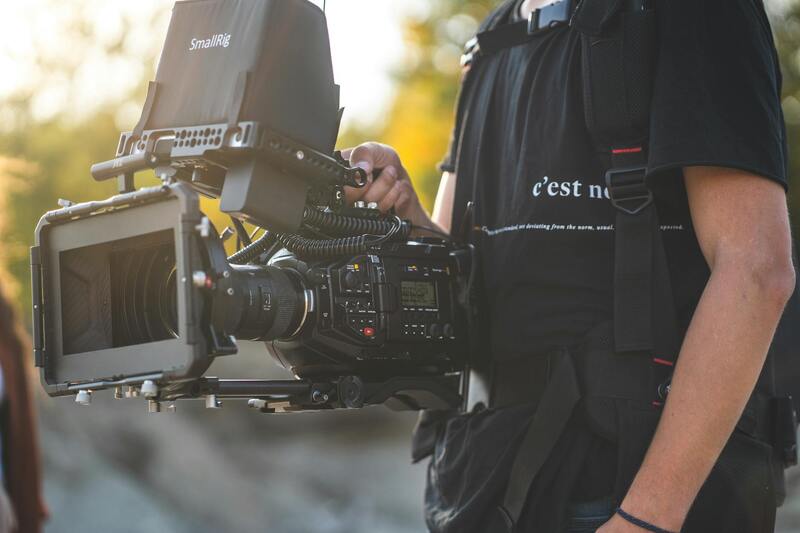
Executing high-quality marine photo production demands a comprehensive understanding of the specialized techniques and technological tools that enhance image quality under challenging aquatic conditions. Photographers and production teams must employ a combination of advanced equipment, environmental management strategies, and innovative photography methods to achieve optimal results.
One of the fundamental aspects involves selecting appropriate lighting equipment suited for underwater and outdoor marine environments. Since natural light varies significantly with depth, weather, and time of day, photographic gear often includes high-performance external flashes, underwater strobes, and filters to adapt to changing conditions. These tools ensure consistent illumination, reduce reflections, and highlight intricate details of marine life or structures.
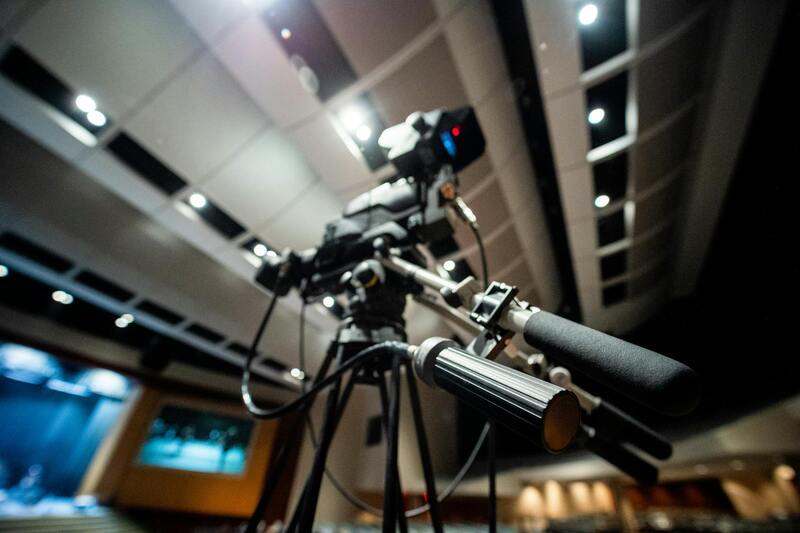
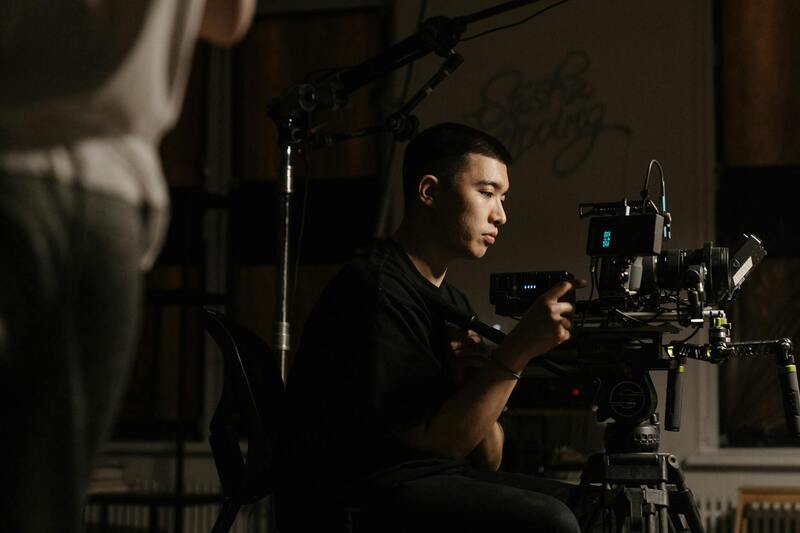
Camera equipment must also be tailored for marine scenarios. Housing units that are waterproof, shockproof, and resistant to corrosion are vital for protecting sensitive gear. High-resolution DSLR or mirrorless cameras paired with macro, wide-angle, or telephoto lenses provide flexibility in capturing diverse marine subjects and landscapes. Employing remote or tethered camera systems allows for meticulous framing and minimizes disturbance to marine environments.
The use of drone technology has revolutionized marine photo production. Drones equipped with stabilized cameras enable artists to achieve aerial shots of coastlines, ships, and marine ecosystems from dynamic perspectives unattainable through traditional means. These aerial images can showcase expansive scenes, ship movements, or coastal formations, adding depth and context to the photographic narrative.
Stabilization techniques are integral to capturing clear images amid water movement or turbulent conditions. Maritime photography often employs monopods, gimbals, or electronic stabilization systems to counteract vibrations caused by waves or boat motion. Software stabilization also plays a vital role during post-processing to correct minor camera shakes and ensure sharpness across the image set.
Operational Strategies for Effective Marine Photo Capture
- Optimizing Shooting Windows: Timing shoots during optimal light conditions, such as sunrise or sunset, enhances color vibrancy and minimizes glare. Tidal schedules influence the accessibility of certain locations and the behavior of marine species, guiding project timelines.
- Environmental Monitoring: continuous tracking of weather patterns and water conditions helps anticipate and adapt to changing scenarios, ensuring safety and image quality.
- Safety and Equipment Protocols: Proper handling, regular maintenance, and secure equipment storage prevent damage and ensure operational readiness during challenging marine conditions.
- Standardized Data Management: Systematic cataloging of images, metadata collection, and backup procedures are essential for preserving the integrity of the photo archive and facilitating efficient editing workflows.
Integrating these methods requires a disciplined approach and technical expertise. Effective marine photo production hinges on meticulous preparation, adaptable execution, and a thorough understanding of both photographic techniques and maritime environment dynamics. The utilization of advanced tools, combined with strategic planning and operational discipline, results in compelling, high-quality images that serve diverse purposes, from scientific research to commercial promotion.
Marine Photo Production Workflow and Techniques
Achieving high-quality marine images involves a comprehensive understanding of specialized photography methods tailored to the unique challenges posed by oceanic and coastal environments. From initial planning to post-production, each phase demands precise execution, technical expertise, and adaptive strategies to capture the dynamic beauty of marine life, ships, and seascapes effectively.
Advanced Marine Photography Equipment and Techniques
Utilizing the appropriate gear is fundamental in marine photo production. High-resolution DSLR or mirrorless cameras paired with weather-sealed bodies withstand the harsh maritime elements. Lenses with wide apertures facilitate stunning depth of field in natural light, while telephoto lenses enable capturing distant marine subjects in detail. Additionally, underwater housings are essential for subaquatic photography, ensuring equipment remains protected against water ingress at various depths.
Supplementary tools such as drone technology provide aerial perspectives, revealing expansive seascapes and the movement of marine creatures from above. Stabilization devices like gimbals or boat-mounted stabilization rigs help mitigate motion blur caused by the vessel's movement, leading to sharper, more compelling images. For capturing fast-moving marine events, high-speed burst modes and fast autofocus systems are indispensable, allowing photographers to seize fleeting moments with precision.
Operational Techniques Upon Water
Effective marine photo production relies heavily on careful operational planning. Shooting during dawn or dusk offers optimal lighting conditions—golden hours bathing subjects in soft, warm light while reducing glare caused by direct sunlight. Tidal patterns influence marine activity and accessibility; scheduling shoots around these cycles ensures access to desired locations and subjects.
Environmental monitoring involves tracking weather forecasts and water conditions, enabling photographers to prepare for rapidly changing scenarios. Safety protocols include the proper handling of all gear, securing equipment on vessels to prevent loss, and wearing protective gear suitable for marine exposure. This disciplined approach minimizes risks and prolongs equipment lifespan.
Data management practices such as meticulous cataloging, metadata entry, and backups are critical. They streamline post-shoot workflows, preserve image integrity, and facilitate professional editing, ensuring the final product meets high-quality standards.
Overcoming Marine Photography Challenges
Marine environments introduce challenges such as unpredictable weather, water disturbances, and shifting tides. These factors demand flexibility and resilience from the photographer. Adaptive techniques, including the use of polarizing filters to reduce glare and enhance color saturation or employing specialized filters to manage reflections, improve image outcomes. Maintaining constant communication with crew and crew members familiar with marine conditions further enhances safety and photo efficiency.
The dynamic nature of marine subjects necessitates patience and readiness to capture spontaneous moments. Continual skill development and familiarity with environmental patterns allow photographers to anticipate marine events, increasing the likelihood of obtaining impactful images.

Understanding Marine Photo Production
Marine photo production stands as a specialized segment within the broader realm of professional photography, emphasizing the capture of images that highlight maritime environments, vessels, and marine-related activities. Executing successful marine photo projects requires a nuanced understanding of both photographic techniques and the unique conditions presented by aquatic environments. From capturing expansive seascapes to detailed shots of marine equipment, each photograph aims to convey the essence of the marine world with clarity, accuracy, and visual appeal.
High-quality marine photos serve multifaceted purposes across commercial, promotional, and educational sectors. Whether used to promote tourism, document maritime construction projects, or capture action during marine events, these images demand a keen eye for detail and an adept command of specialized equipment. The planning process involves a thorough understanding of the specific subject matter, the environmental conditions at play, and the desired outcome, laying the foundation for an effective marine photo production process.
Key Components of Marine Photo Production
Executing high-quality marine photography hinges on several critical components that ensure the final images meet professional standards. These include technical equipment, environmental conditions, safety protocols, and post-processing techniques. Each element must be carefully coordinated to handle the unpredictable nature of marine environments while maintaining artistic integrity.
- Specialized Equipment: Use of waterproof housings, stabilization tools like gyroscopic mounts, and high-end cameras capable of functioning in challenging weather and lighting conditions.
- Environmental Awareness: A deep understanding of tides, weather patterns, and water conditions that influence shooting windows and image quality.
- Safety Measures: Proper protocols to protect personnel and equipment, including protective gear and secure handling of gear on vessels.
- Post-Processing Skills: Techniques such as color correction, contrast enhancement, and removing water disturbances to refine the final images.
Planning and Pre-Production Strategies
Thorough preparation is essential in marine photo production. Detailed planning involves scouting locations, understanding the optimal times for shooting based on natural lighting and marine activity, and coordinating with maritime personnel. Creating a comprehensive shot list ensures that key moments or compositions are not missed, especially given the unpredictable marine conditions.
Pre-production activities also include assessing weather forecasts, securing necessary permits, and arranging for safety equipment and backup plans. Engaging with local maritime authorities and industry stakeholders can provide valuable insights and facilitate smoother operations, leading to more consistent and impactful results.
Marine Photography Equipment and Techniques
Employing the right tools and techniques elevates the quality of marine images. Waterproof camera housings protect sensitive equipment from water ingress while maintaining accessibility for adjustments. Telephoto lenses are invaluable for capturing distant subjects or expansive seascapes, while wide-angle lenses help depict entire vessels or maritime scenes.
Techniques such as using polarizing filters help reduce water glare and enhance colors, providing richer, more vibrant images. High shutter speeds are employed to freeze motion, particularly during dynamic scenes like water splashes or vessel movement. Additionally, drone photography has gained prominence, allowing aerial perspectives and wider compositions that are otherwise difficult to achieve from the deck or water level.
- Use of remote triggers to minimize vibration and camera shake during long exposures.
- Manual adjustments to exposure settings to cope with changing sunlight conditions on open water.
- Emergency procedures and quick-access setups for capturing spontaneous marine phenomena.
Challenges in Marine Photo Production
Marine environments present numerous obstacles that can affect the quality and safety of photo shoots. Dealing with unpredictable weather changes, water disturbances, and shifting tides requires flexibility and rapid adaptation. Sea spray and saltwater exposure pose risks to equipment, necessitating proper protective measures and maintenance routines.
Lighting conditions often fluctuate due to weather variability, requiring dynamic exposure adjustments and real-time decision-making. The physical challenges of working on vessels or in open water also demand physical endurance and safety awareness. Patience and experience enable photographers to anticipate marine behaviors and seize fleeting moments, resulting in compelling images despite environmental hurdles.
Post-Production and Editing for Marine Photos
Post-production is a critical phase in marine photo production, where raw images are refined to achieve desired aesthetic and technical standards. Basic editing includes adjusting exposure, contrast, and color balance to compensate for lighting conditions and water reflections. Removing water disturbances or glare artifacts can enhance clarity and visual appeal.
In advanced workflows, techniques such as focus stacking, noise reduction, and panoramic stitching may be employed to create sharp, expansive views of marine environments. Metadata tagging, cataloging, and backup strategies ensure image management efficiency, making it easier to locate and utilize images for different applications.
Consistent color grading and retouching help maintain a cohesive look across a series of images, essential for branding or professional portfolios. With meticulous editing, marine photos transcend their initial capture, transforming into compelling visual narratives that accurately reflect the vitality and serenity of the marine world.
Advanced Techniques for Marine Photo Production
Capturing high-quality marine imagery requires a mastery of sophisticated photographic methods tailored to the unique conditions of open water environments. Leveraging advanced techniques can significantly elevate the visual impact of marine photos, whether they're intended for commercial campaigns, scientific documentation, or artistic exhibitions.
Utilizing Drone Photography and Aerial Shots
One of the most effective approaches in marine photo production is drone photography, which provides stunning aerial perspectives that are otherwise impossible to achieve with traditional camera setups. Drones equipped with stabilized gimbals and high-resolution sensors facilitate capturing expansive seascapes, vessel maneuvers, and marine life behaviors from above. These aerial shots add depth and scope to marine imagery, offering viewers a comprehensive view of marine environments.
When deploying drones, it is crucial to ensure stability in flight and to adapt camera settings to changing light conditions, water reflections, and weather patterns. Proper calibration and strategic positioning allow photographers to frame dynamic compositions that highlight key marine features, such as coral reefs, shipping lanes, or whale migration routes.
Implementing Underwater and Submersible Photography
Underwater photography dives into the depths to reveal the vibrant world beneath the surface. Utilizing waterproof housings and submersible camera systems, photographers can document marine flora and fauna with vivid detail and clarity. Achieving true color representation underwater often involves using external strobes or underwater lighting to counteract the absorption of light by water, which diminishes color and contrast.
Camera settings should be meticulously adjusted for underwater conditions—shutter speed, aperture, and ISO must be balanced to prevent motion blur and noise, especially when capturing fast-moving aquatic life or turbulent waters. Employing macro lenses enables detailed shots of small marine creatures, while wide-angle lenses capture expansive coral formations and schooling fish.
Employing Time-Lapse and Long Exposure Techniques
Time-lapse photography montages sequences over time, illustrating dynamic marine phenomena such as tidal shifts, whale migrations, or passing clouds over the ocean surface. Proper interval settings and stable mountings are crucial for capturing consistent frames, which, after editing, reveal fascinating patterns and natural rhythms.
Long exposure techniques, on the other hand, can produce stunning images of bioluminescent waters, starry night skies over the sea, or smooth, surreal water surfaces during calm conditions. Using neutral density filters and remote trigger devices ensures optimal shot quality while minimizing vibrations and motion blur.
Optimizing Lighting and Environmental Conditions
Marine photo production relies heavily on natural lighting, with the golden hours around sunrise and sunset providing the most favorable conditions for soft, warm illumination. Photographers must plan shoots around weather, tide, and light angle to maximize image quality. In low-light scenarios or overcast conditions, supplemental lighting techniques become necessary.
Reflection management, glare reduction, and water clarity are critical factors affecting shot clarity. Filters such as polarizers can reduce surface glare, enhance color saturation, and improve contrast, allowing for more compelling compositions without the need for digital corrections.
Ensuring Safety and Compliance
In marine photo production, adherence to safety protocols is paramount. Using appropriate safety gear, maintaining vessel stability, and following environmental regulations help protect both personnel and marine ecosystems. Experienced production teams incorporate comprehensive risk assessments and contingency plans to handle unpredictable weather, vessel malfunctions, or marine animal interactions.
Obtaining necessary permits and permissions from relevant maritime authorities ensures that production activities are conducted responsibly and smoothly, avoiding disruptions or legal complications. Proper planning accommodates marine life conservation efforts, causing minimal disturbance while capturing essential imagery.