Overview of Yacht Photography in Miami
Miami stands out as one of the premier destinations for luxury yachting, attracting high-net-worth individuals, yacht owners, and enthusiasts from around the world. With its vibrant maritime culture and stunning coastal scenery, Miami offers an ideal backdrop for captivating yacht photography. This specialized genre plays a crucial role in showcasing the grandeur and elegance of luxury vessels, serving as a powerful marketing tool for yacht brokers, charter companies, and private owners aiming to enhance their visibility. Capturing the essence of a yacht’s design, craftsmanship, and opulence through high-quality images is essential for marketing, promotional campaigns, and personal collections. The city’s scenic harbors, pristine waters, and spectacular skyline provide countless opportunities for compelling visuals that highlight the unique features of each vessel.
Yacht photography in Miami is not only about capturing beautiful images but also about telling a story of luxury, adventure, and exclusivity. This visual storytelling appeals to prospective clients and connoisseurs, reinforcing the allure of yacht ownership and chartering in this tropical paradise. As the yachting industry continues to grow, so does the need for professional photographers who understand the sophistication and technicalities involved in shooting high-end vessels. Whether working on commercial advertising, magazine spreads, or private commissions, yacht photography in Miami demands precision, creativity, and a keen eye for detail.
The importance of professional yacht photography extends beyond simple aesthetic appeal. It enhances the perceived value of the yacht, assists in sales and leasing processes, and helps build a compelling brand image for yacht-related businesses. Miami’s thriving luxury market makes it a hub for talented photographers who dedicate themselves to capturing the beauty and exclusivity of these floating mansions. For photographers aspiring to excel in this niche, understanding the unique environment and clientele is key to delivering images that stand out.
In this vibrant context, mastering yacht photography in Miami involves more than just technical skills; it requires an understanding of the city’s maritime culture, the dynamics of yacht operations, and a professional approach to client interactions. This comprehensive knowledge ensures that every shot not only captures the vessel’s beauty but also aligns with the client’s vision and branding objectives. As the demand for high-quality yacht images continues to rise, Miami remains a top destination for photographers seeking to specialize in this exclusive and rewarding field.
Key Elements of Yacht Photography
Capturing the essence of a luxurious yacht requires meticulous attention to several core elements that elevate the quality of images. Among these, lighting plays a pivotal role. Natural light, especially during golden hours—shortly after sunrise and before sunset—creates warm tones and long shadows that enhance the yacht’s features. Overcast days can also be advantageous, providing diffused light that minimizes harsh reflections and glare, ensuring all details of the yacht are clearly visible. Angles and perspective are equally critical. Shooting from various vantage points allows for dynamic compositions that highlight the yacht’s scale, design, and unique features. Eye-level shots from the dock can emphasize grandeur, while aerial perspectives, often captured with drones, reveal the vessel’s layout and its relationship to surrounding scenery. Vertical and horizontal framing can be adapted to emphasize length, width, or specific design elements. Timing is essential in yacht photography. Optimal shots are typically captured when the yacht is stationary, as movement can cause unwanted blur or reflections. Coordinating with yacht schedules ensures that photography occurs when the vessel is clean, well-lit, and unobstructed by other boats or infrastructure. The use of polarizing filters can further suppress unwanted reflections on glass surfaces and water, revealing colors and details that might otherwise be obscured. In addition to these elements, paying close attention to background and foreground compositions creates balanced, engaging images. Carefully chosen foreground elements, such as docks or surrounding water, can frame the yacht, adding depth and context to the shot. Utilizing minimal distractions and ensuring the yacht is the focal point guarantees that each image communicates the luxury and exclusivity associated with Miami’s waterfront vessels.
Best Locations and Times for Shooting
Miami’s extensive waterfront provides a diverse array of prime locations for yacht photography. Popular spots include the Miami Marina, Coconut Grove, and the Miami Beach Marina. Each offers unique backdrops—whether it’s the city skyline, lush greenery, or crystal-clear waters—that complement the vessel’s design. Early mornings and late afternoons are ideal for shooting due to optimal natural lighting conditions. Sunrise provides soft, warm light that brings out vibrant colors, while sunset creates dramatic shadows and highlights, emphasizing the yacht’s contours. Midday light, although harsher, can be effectively used with diffusers or reflectors to soften shadows and illuminate shaded areas. Utilizing drone photography from elevated vantage points can capture panoramic views of Miami’s skyline and waterfront, enhancing the storytelling aspect of your imagery. Specific events such as yacht shows, regattas, and marina gatherings also present excellent opportunities to photograph yachts in vibrant, dynamic environments. Working with yacht operators and marina management is vital for gaining access during these optimal times. Scheduling shoots around favorable weather conditions—clear skies, gentle winds, and calm waters—ensures that images remain crisp and aesthetically appealing. Being familiar with Miami’s maritime calendar helps plan shoots that coincide with less crowded times, allowing for more controlled and artistic compositions.
Equipment Needed for Yacht Photography
To achieve professional-quality yacht images, photographers should be equipped with a versatile range of gear suited for marine environments. A high-resolution DSLR or mirrorless camera with low-light capabilities is essential for capturing detailed, sharp images. Wide-angle lenses are invaluable for interiors and establishing shots of the yacht’s length against the scenery, while telephoto lenses allow for close-ups of specific details or distant compositions. Stabilization equipment, such as gimbals or monopods, ensures steady shots in windy conditions. Additionally, polarizing and neutral density filters can enhance image quality by reducing glare and managing exposure levels, particularly when shooting reflective surfaces like water and glass. Drones have become increasingly popular in yacht photography, offering breathtaking aerial perspectives that showcase the vessel’s design and its surroundings from above. When operating drones, compliance with local regulations and safety protocols is paramount, especially around crowded marinas or busy waterways. Protective gear is necessary to safeguard your equipment against the marine environment. Waterproof cases, lens cleaners, and weather-resistant gear help maintain equipment integrity in humid or wet conditions. Carrying extra batteries and memory cards ensures you are prepared for extended shooting sessions, especially during prime lighting windows. Investing in high-quality accessories and maintaining your equipment ensures reliable performance and consistently stunning results that elevate your portfolio and attract clients seeking premium yacht imagery.
Techniques for Shooting Luxurious Yacht Images
Effective yacht photography involves a combination of technical mastery and creative vision. Starting with proper camera settings, utilizing a low ISO reduces noise and ensures clarity. Aperture selection depends on the desired depth of field; wider apertures (f/2.8 - f/5.6) are suitable for focusing on specific yacht details, while narrower apertures (f/8 - f/11) provide comprehensive sharpness for broader scenes. Manual focus is often preferred in challenging lighting conditions to maintain precise control over the focal point. Bracketing exposures can be useful to capture high dynamic range images, especially in scenarios with contrasting light conditions between shaded areas and sunlit surfaces. Post-processing is equally important. Adjustments to contrast, saturation, and sharpness enhance the visual impact without overdoing it. Correcting distortions, removing reflections, and fine-tuning color balance help produce polished images that highlight the yacht’s elegance. Creating compelling compositions involves strategic framing, balancing the yacht against interesting backgrounds or architectural elements. Incorporating water reflections, boat wake patterns, and surrounding scenery adds depth and narrative to the images. For interior shots, employing wide-angle lenses and ensuring sufficient lighting—using portable flashes or reflectors—helps capture luxurious interiors without shadows or underexposure. Attention to detail, such as pristine cleanliness of the yacht before shooting, ensures the vessel looks its best in every frame.
Optimal Locations and Timing for Yacht Photography in Miami
Mastering yacht photography in Miami involves selecting prime locations along the city’s vibrant waterways. Key spots such as Biscayne Bay, Miami Beach Marina, and the Miami River offer not only stunning backdrops but also strategic vantage points for capturing both the yacht’s elegance and the surrounding scenery. Each location provides unique perspectives: Biscayne Bay is renowned for unobstructed panoramic views, while the Miami Marina offers proximity to luxury vessels and busy docks that add context to the images.
Timing plays a crucial role in achieving exceptional yacht photographs. Early mornings, especially during the golden hour shortly after sunrise, provide soft, warm lighting that enhances reflective surfaces and emphasizes the yacht's design details. The calm waters during this period typically yield minimal wave interference, creating ideal conditions for capturing mirror-like reflections.
Late afternoons leading into sunset also present excellent opportunities. The warm amber hues cast a luxurious glow over the yacht, accentuating its contours and exterior features. Additionally, the low angle of the sun enhances color saturation and depth, producing striking, magazine-worthy images.
Weather conditions should be monitored closely. Clear skies with gentle breezes minimize water disturbances, enabling smooth water surfaces that reflect the yacht and scenery vividly. Conversely, overcast days can diffuse light evenly, which is advantageous for interior shots or reducing harsh shadows on the vessel’s surface.
In summary, selecting the right location that complements the yacht’s style and timing the shoot during optimal light conditions are fundamental components of successful yacht photography in Miami. These factors ensure that each image captures the vessel’s grandeur against Miami’s stunning natural and urban landscapes.
Equipment Needed for Yacht Photography
Achieving high-quality yacht images in Miami requires a combination of specialized equipment designed to withstand maritime conditions and to capture the vessel’s grandeur with precision. The primary gear includes high-resolution cameras capable of capturing fine details even in challenging lighting conditions. DSLR or mirrorless cameras with full-frame sensors are preferred for their exceptional image quality and low-light performance.
Lenses play a crucial role; wide-angle lenses are essential for capturing expansive views of the yacht and surrounding scenery, while telephoto lenses enable detailed shots of specific features from a distance. An aperture range that allows for both sharp focus and pleasing background blur enhances visual storytelling.
Drones have become essential tools in yacht photography, providing an aerial perspective that showcases the yacht’s size, design, and its position within Miami’s marina or open waters. Modern drones equipped with high-resolution cameras and stable gimbals ensure smooth footage and sharp images even in slightly windy conditions.
Additional accessories include sturdy tripod stands, especially for stable interior shots or long exposures, and polarizing filters to reduce reflections and enhance color saturation on sunny days. Weather-resistant gear is advantageous, as maritime environments expose equipment to salt, humidity, and spray.
Proper lighting equipment, such as portable LED panels, can supplement natural light when necessary, especially for interior shots or during overcast weather. For post-shoot editing, high-capacity memory cards and portable storage devices facilitate efficient file management.
In terms safety and maintenance, using protective covers for camera gear during transportation and photography sessions is advisable, considering the humid, salt-laden air typical of Miami’s marine settings.
Legal and Safety Considerations
When conducting yacht photography in Miami, adhering to established procedures ensures a smooth and secure experience for both the photographer and clients. It is essential to secure appropriate permissions and coordinate with yacht crews and marina authorities prior to shooting. This proactive approach minimizes disruptions and helps maintain a professional relationship with stakeholders involved.
Furthermore, understanding local maritime regulations is crucial. Photographers should familiarize themselves with Miami’s boating and marina regulations to ensure compliance while operating equipment on or near the water. This includes adhering to no-fly zones for drones, respecting privacy boundaries, and following safety protocols for onboard activities.
Safety protocols entail wearing suitable maritime gear, especially when moving on deck or around water. Shoes with non-slip soles and personal flotation devices should be readily available, particularly in rougher conditions or during early morning shoots when surfaces may be damp. Conducting a thorough equipment check before departure to ensure all gear is functioning properly reduces the risk of malfunctions during critical moments.
It’s also wise to prepare for weather variability typical of Miami, including sudden storms or high winds. Keeping an eye on weather forecasts and planning shoots during stable conditions helps mitigate potential hazards. Using protective covers for camera equipment against salt spray and humidity preserves gear longevity and ensures optimal image quality.
Engaging with local maritime authorities or marina management can clarify specific safety requirements or restrictions related to drone usage, vessel access, and photography zones. This collaboration helps in avoiding penalties or logistical issues that could arise from unpermitted activities.
In addition, when working on a vessel, especially during navigation or docking, maintaining clear communication with crew members ensures that everyone is aware of the photography activities and safety protocols. This teamwork contributes to a seamless process that aligns with maritime safety standards and client expectations.
Safety Protocols and Best Practices for Yacht Photography in Miami
Capturing stunning images on yachts in Miami requires meticulous attention to safety protocols, especially due to the unique maritime environment. Photographers should prioritize the stability of their equipment andpersonal safety while working on moving vessels. Securely mounting cameras using stabilizers or gimbals can significantly reduce the risk of equipment damage and ensure sharp images, even amidst the yacht's motion.
Clear communication with the yacht crew is essential to coordinate activities and maintain safety. Establishing a working plan beforehand helps in managing client expectations, vessel movement, and access points. Photographers must also familiarize themselves with the vessel’s layout, including emergency exits and life-saving equipment, to respond swiftly if necessary.
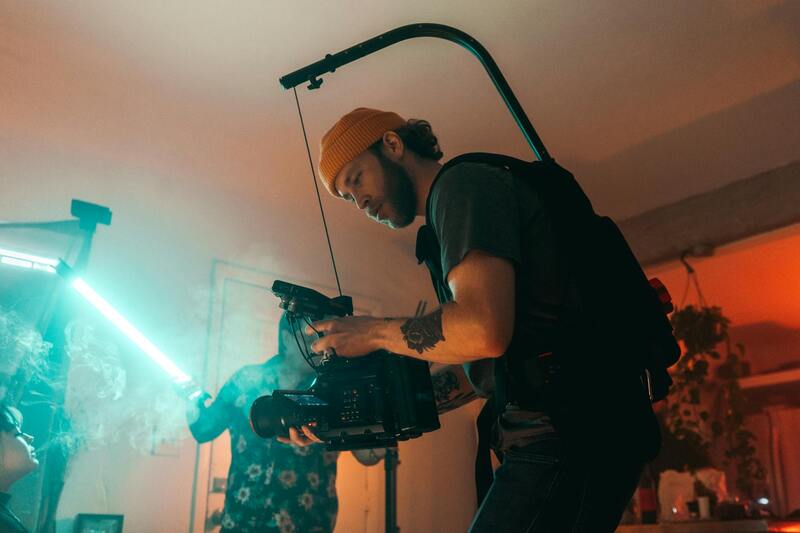
Protective gear, such as life jackets and non-slip footwear, should be readily available and used appropriately, especially during exterior shots or on deck. Weather conditions can change rapidly in Miami, with sudden storms or high winds impacting both safety and shot quality. Monitoring weather forecasts closely helps in scheduling shoots during stable conditions.
In addition to personal safety measures, safeguarding your equipment from harsh environmental factors — like salt spray and humidity — is crucial. Using weather-resistant covers or housings can prevent damage and maintain image quality. For drone operators working near or around yachts, adhering to local maritime guidelines for drone use guarantees safety and smooth operation, avoiding interference with navigation or onboard activities.
Implementing safety checklists before each shoot ensures all procedures are followed systematically. Regularly updating this list to include specific safety considerations for Miami’s maritime conditions enhances overall safety and efficiency.
By integrating these safety protocols into your workflow, you not only safeguard yourself and your equipment but also foster trust and professionalism with yacht owners and clients. This approach helps in establishing a reputation for reliable and responsible yacht photography, essential for serving high-profile clients in Miami’s luxury yacht industry.
Legal and Safety Considerations in Yacht Photography Miami
Engaging in yacht photography within the bustling waters of Miami requires meticulous attention to safety protocols and adherence to established maritime guidelines. Ensuring a secure environment during photoshoots not only protects the photographer and crew but also maintains the integrity of the shoot itself. Preparation involves detailed planning of the shoot location, timing, and equipment placement, with an emphasis on minimizing risks associated with water, weather, and moving vessels.
Before any session, comprehensive safety checklists should be reviewed and customized to the specific conditions of Miami’s maritime environment. These checklists typically encompass verifying the stability of the yacht, inspecting equipment for salt and moisture exposure, and confirming that all personnel are equipped with proper safety gear, such as life jackets and non-slip footwear. Crew members should be briefed thoroughly about potential hazards, including sudden weather changes or turbulent waters that can impact safety and shot quality.
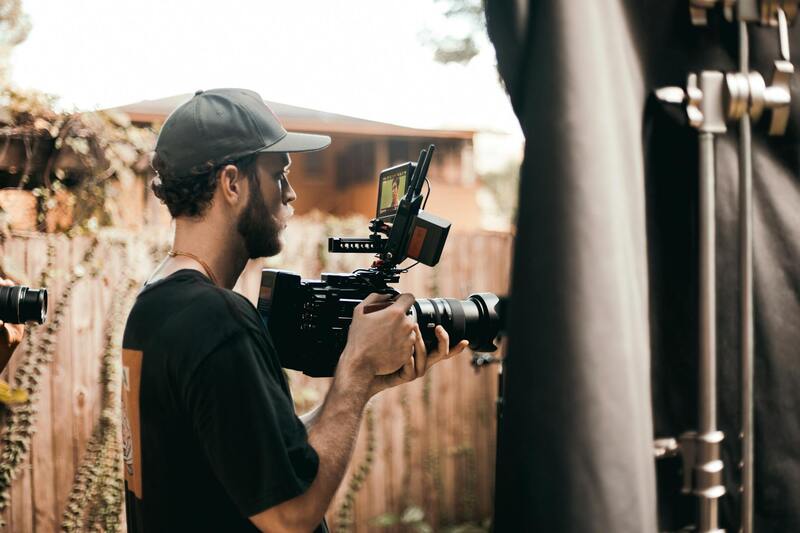
Weather monitoring is crucial in Miami, where quick shifts in weather conditions can pose challenges. Photographers should schedule shoots during stable weather periods, ideally early mornings or late afternoons when sunlight is softest. Having contingency plans in place helps in managing unexpected weather events, such as thunderstorms or high winds, which can compromise both safety and photography outcomes.
For drone operators working around luxury yachts, adherence to specific maritime regulations is essential. This includes maintaining safe distances from vessels and avoiding interference with navigation systems. Using flight restrictions and obtaining necessary permits ensures smooth operations during shoots, reducing the risk of incidents or disruptions.
Protecting equipment from maritime elements is another critical aspect of safe yacht photography in Miami. Salt spray, high humidity, and direct sunlight can accelerate equipment deterioration. Employing weather-resistant gear, such as waterproof housings and protective covers, preserves camera and drone functionality, guaranteeing high-quality results throughout the shoot.
Furthermore, safety extends beyond equipment and weather considerations. Clear communication with yacht crew and owners helps in establishing boundaries and setting expectations for the shoot. Ensuring that everyone involved understands safety protocols and emergency procedures enhances confidence and professionalism across all parties. This collaborative approach fosters a positive working environment conducive to capturing stunning images in the securest manner possible.
Legal and Safety Considerations in Yacht Photography
Engaging in yacht photography around Miami's luxurious vessels necessitates adherence to specific maritime protocols and safety measures, ensuring a seamless and professional experience. Photographers must familiarize themselves with maritime navigation standards and establish clear communication channels with yacht crew and owners. This collaboration is essential for coordinating shoot schedules, understanding vessel operations, and respecting designated safety zones.
Maintaining a safe distance from moving vessels during photography sessions mitigates risks associated with unpredictable boat maneuvers. It is important to verify that all equipment used, whether cameras, drones, or stabilizers, meets maritime safety standards and can withstand the marine environment's challenges. Equipment should be secured and protected against elements such as salt spray and humidity, which can impair functionality and damage gear over time.
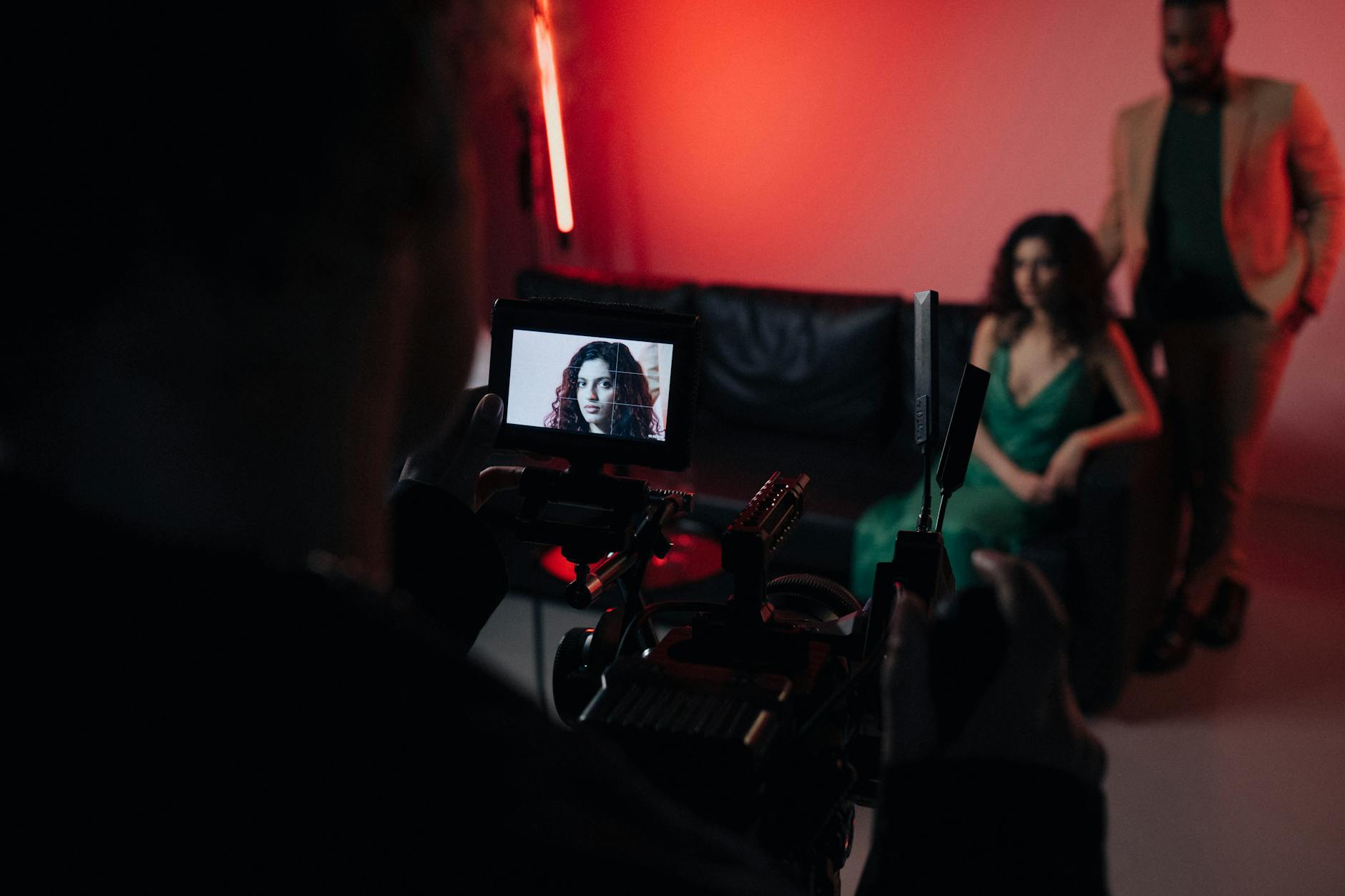
For drone operators, obtaining the appropriate operational permits and respecting airspace restrictions are critical steps. This includes understanding Miami's specific drone flight zones, altitude limits, and no-fly areas, particularly near busy maritime channels and sensitive zones. Using certified drones with safety features like geofencing reduces the risk of accidental intrusions that could disrupt vessel operations or compromise safety.
Establishing emergency procedures prior to a shoot ensures that all team members are prepared for unforeseen incidents. This includes having first aid kits on hand, clear evacuation routes, and emergency contact protocols. Regular safety briefings with crew and clients foster an environment of professionalism and shared responsibility, vital for protecting both personnel and valuable equipment.
Best Practices for a Safe and Successful Yacht Photography Session
- Pre-shoot Planning: Collaborate with yacht crew to understand vessel movements, security protocols, and preferred shooting angles.
- Weather Monitoring: Schedule shoots during stable weather conditions, avoiding periods of high wind or storms which pose safety risks and can impact photo quality.
- Equipment Preparation: Use maritime-rated gear with weather-resistant casings, ensuring durability and safety in a saltwater environment.
- Compliance: Secure necessary permits and permissions for drone flights and vessel proximity, respecting maritime restrictions and airspace regulations.
- Communication: Maintain continuous contact with vessel crew, providing updates and receiving real-time feedback to adapt the shoot as needed.
By meticulously following these protocols and maintaining a professional approach, yacht photographers in Miami can deliver stunning images while upholding the highest safety standards. This not only preserves the integrity of the yacht and equipment but also enhances reputation and trust among high-end clients seeking luxury yacht photography experiences.