Understanding Yacht Photography
Yacht photography is a specialized branch of professional imaging that focuses on capturing the elegance, power, and luxury of yachts. This genre plays a vital role in marketing high-end vessels, showcasing their design, interior features, and external aesthetics to potential clients, brokers, and enthusiasts. Unlike general marine photography, yacht photography emphasizes a combination of technical precision, artistic composition, and attention to detail to highlight the vessel’s unique characteristics.
Common styles within yacht photography include exterior shots that emphasize the yacht’s profile and setting, interior images that reveal the craftsmanship and comfort of the vessel’s living spaces, and aerial photography that captures the yacht’s placement within marine environments. These images are often used in advertising, brochures, and online listings to attract discerning buyers and renters.
What sets yacht photography apart from other marine or lifestyle photography is its focus on meticulous detail and the sophisticated presentation of luxury. The photographs must evoke a sense of exclusivity, tranquility, and grandeur, often requiring photographers to blend technical skill with creative vision. This art form requires an understanding of lighting, angles, and environmental factors to capture images that truly embody the allure and prestige of each yacht.
Strategic composition, precise lighting, and the selection of appropriate angles are essential to highlight the yacht’s best features. Whether capturing the gleam of polished surfaces, the serenity of a tranquil harbor, or dynamic scenes of a yacht in motion, the goal is to produce impactful images that resonate with the target audience. Effective yacht photography bridges the gap between technical excellence and emotional appeal, making it an indispensable tool in luxury vessel marketing and sales.
Key Equipment and Gear for Yacht Photography
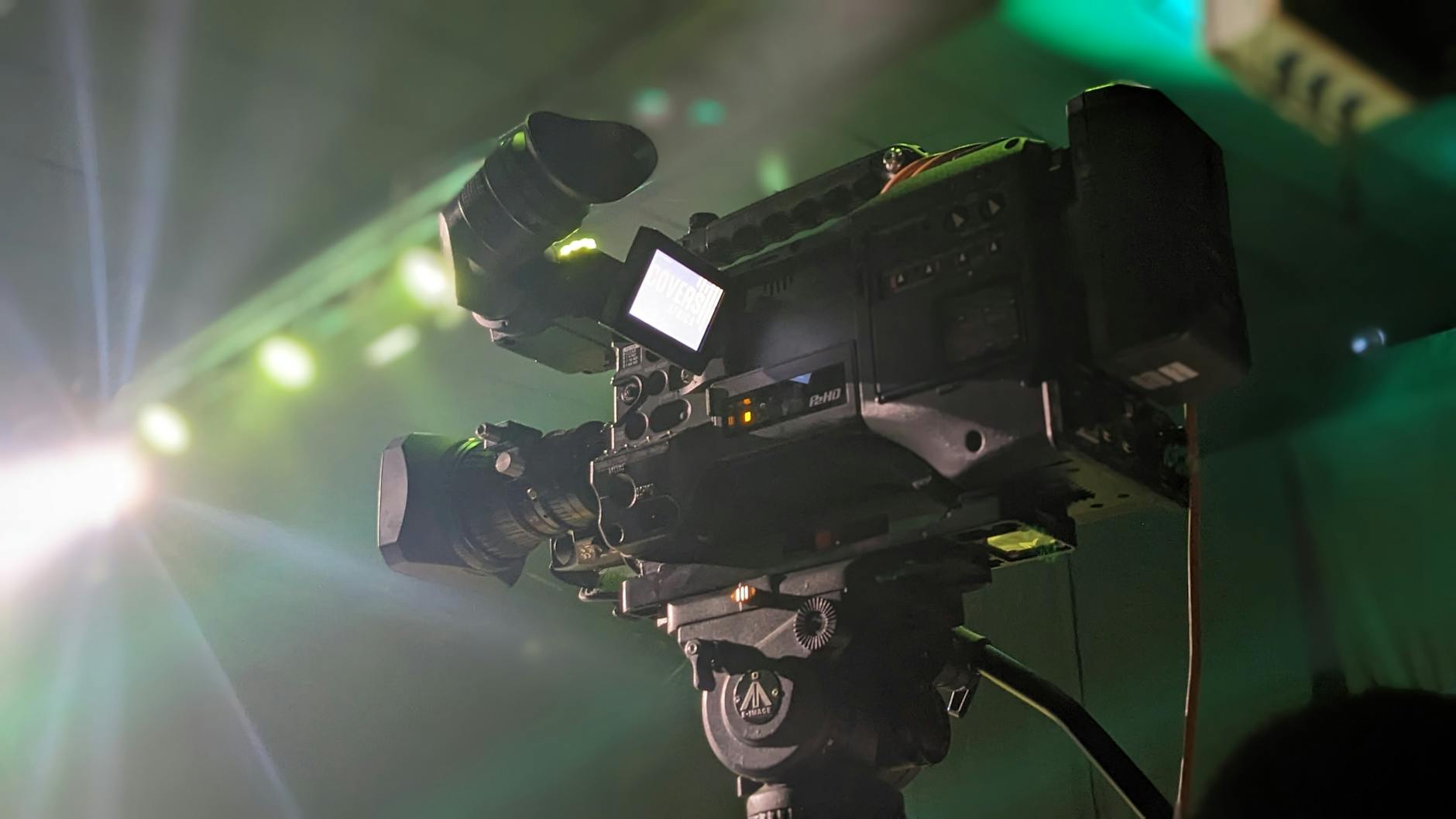
Achieving exceptional yacht photography requires more than just a good eye and technique; it demands the right equipment that can withstand marine conditions while delivering crisp, vibrant images. Photographers specializing in yacht photography typically invest in professional-grade cameras, such as full-frame DSLR or mirrorless models, which provide superior image quality, dynamic range, and low-light performance. These cameras are vital for capturing the intricate details and luxury features of a vessel, both in natural daylight and in less-than-ideal weather conditions.
To complement the camera bodies, a selection of versatile lenses is essential. Wide-angle lenses are often used to showcase the yacht's grandeur and overall profile, especially in cramped dockside environments where space is limited. Telephoto lenses enable capturing distant scenes, such as yachts in motion or vibrant coastal backdrops, without disturbing the scene. Additionally, macro lenses, with their close-focusing capabilities, are employed to highlight fine details like hardware and interior finishes.
Stabilization equipment, such as drone gimbals and handheld stabilizers, plays a significant role in producing steady images during movement or in turbulent weather conditions. For aerial shots, drones equipped with high-resolution cameras allow the photographer to capture breathtaking perspectives from above, emphasizing the yacht’s design and its environment. When operating aerial platforms, it's crucial to select models with robust safety features and the ability to handle coastal wind conditions.
In addition to cameras and lenses, various accessories enhance the quality and efficiency of the shoot. Polarizing filters are used to reduce glare and reflections on shiny surfaces, essential for capturing the yacht’s smooth exterior surfaces without unwanted light reflections. ND filters help manage exposure during bright daylight, allowing for more control over the aperture and shutter speed for creative effects.
Proper lighting equipment, such as portable flashes, LED panels, and reflectors, provides additional control when natural lighting is insufficient or requires supplementation. Given the unpredictable weather around Miami’s coast, weather-resistant gear is recommended to protect equipment from moisture and salt spray. Carrying a comprehensive kit ensures adaptability and the ability to produce consistently high-quality images regardless of environmental challenges.
Techniques for Capturing Stunning Yacht Images
Achieving exceptional yacht photography requires mastery of various shooting techniques that highlight the vessel’s elegance, craftsmanship, and the surrounding environment. Photographers often employ a combination of strategic angles, proper timing, and equipment settings to produce compelling images that resonate with prospective clients or showcase yachts effectively.
One fundamental technique is utilizing natural light to its fullest advantage. During the golden hour — shortly after sunrise or before sunset — the warm, diffuse light enhances the yacht’s sleek surfaces and emphasizes textures without harsh shadows. Weather conditions, such as a slightly overcast sky, can also diffuse sunlight evenly, creating a balanced scene that minimizes glare and reflection.
Angles and framing play a vital role in emphasizing the yacht's design features. Low-angle shots can accentuate the yacht’s length and grandeur, making it appear more imposing and luxurious. Aerial perspectives captured by drone offer comprehensive views of the vessel’s layout and integration with the surrounding scenery, delivering spectacular visuals that are difficult to achieve from the deck alone.
The use of foreground elements, like marina fixtures or nearby boats, can add depth and context to the composition, making images more dynamic. For interior shots, maximizing natural light through large windows or skylights, combined with strategic interior lighting, can highlight the yacht’s comfort and luxurious finishes. Proper aperture settings should be used to keep both the interior and exterior sharply in focus, especially in wide-angle shots.
The deliberate use of motion blur can also suggest a sense of elegance and speed when capturing yachts in motion, such as during docking or departure. Slower shutter speeds, combined with stabilized camera equipment, can create smooth, impactful images that portray the yacht’s grace amid the movement.
In challenging lighting conditions, high dynamic range (HDR) photography allows capturing the entire range of light, from the brightest reflections to shadowed areas, ensuring no detail is lost. When photographing intricate details like luxurious interiors or tailored deck features, focus stacking and macro techniques can help highlight textures and craftsmanship.
Ultimately, mastering the balance between technical precision and creative vision results in images that not only demonstrate the yacht’s features but also evoke the lifestyle and luxury associated with maritime elegance. Skilled photographers continually refine their approach by analyzing their shots, experimenting with different techniques, and understanding the nuances of marine and natural lighting, ensuring each image stands out effectively in a competitive marketplace.
Utilizing Approaches to Legally Capture Yacht Photography
When engaging in yacht photography, it is essential to employ approaches that respect the property's rights and adhere to established protocols. This includes establishing clear permissions beforehand, often through formal agreements or authorization from the yacht owner or responsible parties. Ensuring that necessary documentation is in place safeguards the photographer and guarantees access during specific times and conditions suitable for capturing the yacht’s best features.
Choosing appropriate locations for shoots outside of the yacht is equally important. Selecting public or designated areas where photography is permitted helps avoid conflicts with private property restrictions. When planning to shoot on or near a yacht, it is crucial to confirm access rights and obtain any required permits to avoid unintentional infringements.
Careful coordination with marina officials and yacht managers can facilitate hassle-free access and scheduling. This entails discussing potential shoot times when the yacht is accessible and ensuring adherence to marina policies, such as restrictions on flash usage or equipment limits. Respect for the vessel’s operational schedule and safety protocols must be maintained at all times for a professional and seamless shoot.
In addition, leveraging official channels to verify identities and credentials can foster trust and demonstrate professionalism. Such transparency reassures yacht owners and management that the creative process will be conducted responsibly, avoiding misunderstandings or disruptions during the photoshoot.
Using legal and official methods not only ensures compliance but also builds a reputable portfolio image, leading to more opportunities within the yacht industry. By adhering to industry standards and respecting the privacy and safety of those involved, photographers establish themselves as trustworthy professionals, capable of capturing luxurious yacht images that meet the highest industry expectations.
Post-Processing and Editing Yacht Photos
Post-processing plays a vital role in transforming raw yacht images into polished, captivating visuals that highlight the vessel’s luxurious features and the surrounding environment. Effective editing enhances details, colors, and overall composition while maintaining an authentic appearance that accurately represents the yacht’s grandeur.
A professional approach to editing begins with color correction. Adjusting brightness, contrast, and saturation can bring out the vibrant hues of the yacht’s exterior and the vividness of the marine backdrop. It’s essential to avoid over-saturation, which can distort the true elegance of the vessel. Instead, subtle enhancements create a more immersive and appealing visual experience.
Sharpness and clarity are crucial in yacht photography. Post-processing techniques such as sharpening and noise reduction ensure images are crisp and free from distracting artifacts. Delving into finer details like chrome finishes, wood textures, and reflective surfaces requires careful attention to avoid over-editing, which can detract from the image’s authenticity.
Composite editing can be used judiciously to improve composition or correct minor flaws. For instance, removing unwanted reflections or distractions in the water can help focus attention on the yacht itself. Additionally, graduated filters or vignette effects can draw the viewer's eye toward the main subject while framing the scene effectively.
However, it is imperative to balance enhancements with realism. Over-editing can create a sense of misrepresentation and undermine the professional integrity of the photographs. Consistent color grading and tonal adjustments across a series of images ensure a cohesive portfolio that reflects the yacht’s true elegance.
Achieving high-quality yacht images through post-processing not only elevates the visual appeal but also boosts credibility and trustworthiness in a competitive market. When combined with skillful composition, these editing techniques showcase the yacht’s luxury features in the best possible light, appealing to potential clients and partners alike.
Understanding Yacht Photography
Yacht photography requires a strategic approach to authentically capture the grandeur and elegance of luxury vessels. This specialization focuses on showcasing the yacht's design, craftsmanship, and lifestyle appeal, demanding a keen eye for detail and mastery of the environment. Professional yacht photographers must understand lighting conditions, angles, and the yacht’s architectural elements to produce compelling images that resonate with prospective buyers or charter clients. The approach involves a mix of technical skill and artistic vision, ensuring each shot highlights the yacht’s best features while conveying a sense of luxury and exclusivity. Effective yacht photography also communicates the vessel’s scale, comfort, and style through well-chosen compositions and perspectives, often emphasizing scenic backgrounds, water reflections, and dynamic angles that enhance the yacht’s visual narrative.
Key Equipment and Gear for Yacht Photography
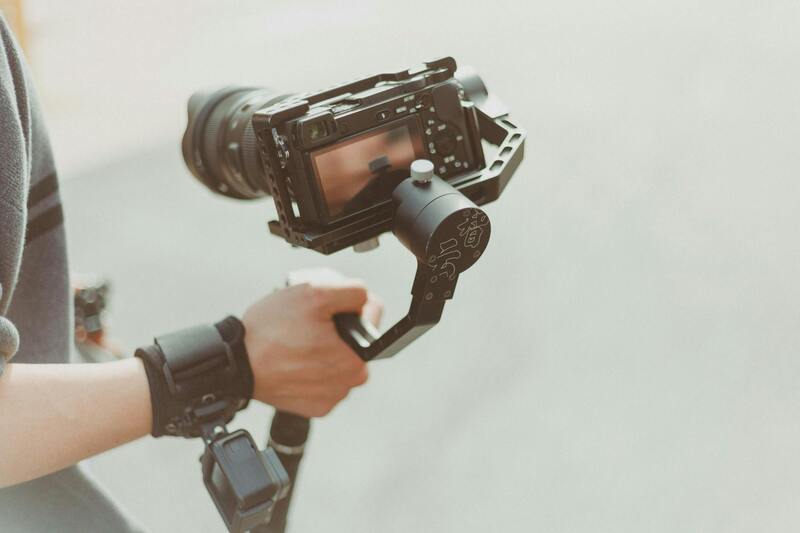
To achieve high-quality yacht images, photographers rely on specialized equipment tailored to marine environments and outdoor conditions. Essential gear includes a weather-sealed professional DSLR or mirrorless camera capable of capturing high-resolution images. Wide-angle lenses are vital for showcasing the spaciousness and exterior design of the yacht, while telephoto lenses allow for capturing detailed shots from a distance, ideal for water reflections and intricate features. Additionally, sturdy tripod stability is crucial for long exposure shots, especially during early dawn or dusk shoots when lighting is softer.
Given the reflective surfaces and outdoor setting, filters such as polarizers help reduce glare and enhance water clarity. Drone photography has also become an integral part of yacht shoots, providing dynamic aerial perspectives that emphasize the yacht’s size and environment. To adapt to changing weather and lighting, portable lighting kits, including diffusers and reflectors, help control shadows and highlight key yacht features. Safe and reliable waterproof gear ensures equipment can withstand marine conditions without damage. Maintaining a comprehensive set of batteries and extra memory cards is essential for uninterrupted shooting, especially on multi-day shoots in remote locations.
Planning and Preparing for Yacht Photo Shoots
Thorough planning starts with understanding the yacht’s unique features, layout, and designated selling points. Conducting pre-shoot consultations with the yacht owner or manager ensures clarity on expectations, preferred angles, and key highlights to emphasize. Timing is critical; early mornings and late afternoons provide softer, more flattering natural light, enhancing the yacht’s appearance and water reflections. Weather conditions are also a crucial consideration, as clear skies or calm seas contribute to optimal shooting conditions.
Creating a shot list helps organize the sequence of images, balancing exterior and interior views along with lifestyle scenes that depict use and luxury. Arranging for boat movement and location scouting beforehand minimizes logistical challenges during the shoot. Equipment checks, including battery charges and lens cleanliness, are vital to avoid interruptions. Safety protocols, like securing all gear and being aware of water hazards, are essential to protect both the crew and equipment. Communicating with the crew and ensuring the yacht’s operational readiness contribute significantly to a smooth and efficient shoot.
Techniques for Capturing Stunning Yacht Images
- Optimal Framing and Angles: Selecting vantage points that highlight the yacht’s length and silhouette enhances visual impact. Shooting from low angles can accentuate the yacht’s grandeur, while aerial shots provide an impressive overview of the vessel in its environment.
- Use of Natural and Artificial Light: Harnessing the golden hours creates warm, inviting tones. Reflectors and diffusers help manage harsh sunlight, ensuring even illumination on interior and exterior spaces.
- Reflections and Water Effects: Capturing water reflections adds depth and visual interest. Positioning the yacht to maximize water surface visibility and stability can create captivating mirror images.
- Moving Perspectives with Drones: Aerial drone shots reveal the yacht’s scale and surrounding scenery. Flying at different heights and angles provides diverse compositions that enhance storytelling.
- Interior Detailing: Highlighting luxurious finishes, fixtures, and amenities through close-ups or wide shots communicates quality and comfort. Proper lighting within interior spaces reveals textures and finishes effectively.
Post-Processing and Editing Yacht Photos
Post-processing elevates yacht photography by refining images for maximum visual appeal while maintaining authenticity. Basic adjustments include correcting exposure, contrast, and color balance to ensure the yacht’s appearance aligns with real-life conditions. Noise reduction and sharpening enhance clarity, especially in low-light scenarios or high-resolution images. Enhancing water reflections and improving the smoothness of surfaces can add a polished, professional feel without overdoing it.
Composite techniques, such as removing minor distractions or reflections, help focus attention on the yacht’s most impressive features. Graduated filters and vignette effects guide the viewer’s eye toward key areas, framing the yacht effectively within its environment. It’s essential to maintain a natural look, avoiding overly saturated colors or exaggerated features that could distort the yacht’s true character. Consistent editing styles across a portfolio foster cohesive presentation, demonstrating professionalism and attention to detail.
High-quality editing not only enhances aesthetics but also supports marketing efforts by showcasing the yacht in its best light, attracting discerning clients who appreciate craftsmanship and luxury. Properly processed images can significantly improve online listings, brochures, and promotional materials, helping yachts stand out in a competitive marketplace.
Techniques for Capturing Stunning Yacht Images
Achieving breathtaking yacht photos requires mastery of various photographic techniques that highlight the vessel's elegance, design, and environment. Using natural light optimally is crucial; shooting during golden hour, which occurs shortly after sunrise or before sunset, provides warm, diffused lighting that enhances the yacht’s features and creates a captivating ambiance. Photographers often utilize backlighting or side-lighting angles to accentuate the yacht's curves and textures, emphasizing its sleek lines and luxurious details.
Perspective plays a significant role in yacht photography. Low-angle shots from the water level can give the yacht a sense of grandeur and dominance, making it appear larger and more impressive. Conversely, aerial shots captured with drones can illustrate the yacht's position within its environment, showcasing its size relative to the surrounding water and landscape. Combining wide-angle shots to establish context with close-up details of luxurious fittings, polished woodwork, or intricate deck features creates a comprehensive visual story.
Manual settings such as aperture, shutter speed, and ISO must be meticulously adjusted to ensure clarity and sharpness, especially in varying lighting conditions often encountered on water. A narrower aperture (high f-stop number) sharpens the entire vessel, from bow to stern, while a faster shutter speed helps freeze motion, such as moving water or waves. Using a low ISO minimizes grain, ensuring pristine image quality.
For dynamic scenes, such as yachts underway, panning techniques can be employed to convey motion while keeping the vessel in focus. When photographing stationary yachts, employing a tripod can prevent camera shake and allow for longer exposures that capture serene water reflections or ambient lighting conditions. Employing polarizing filters can reduce glare from the water and windows, revealing the yacht’s surface details more vividly.
Incorporating environmental elements, like surrounding water, sky, and landscape, enriches the composition. Capturing the yacht against a vibrant sunset, with reflective waters, enhances its luxurious appeal. Precise framing ensures every aspect, from the sleek hull to outdoor deck areas, is showcased in an aesthetically compelling manner.
To elevate the visual impact, some photographers employ HDR (High Dynamic Range) techniques. This involves taking multiple shots at different exposures and merging them during post-processing to achieve balanced lighting, bringing out details in both the shadowed and bright areas of the yacht. This method is particularly useful in complex lighting scenarios, like interiors with large windows or exterior shots with contrast between sky and water.
Overall, combining technical precision with creative vision results in compelling yacht imagery that captures the vessel’s opulence and navigates the viewer’s eye through a captivating visual journey. Skilled use of perspective, lighting, and environmental composition ensures each image communicates the yacht’s luxury lifestyle effectively and artistically.
Legal and Safety Considerations in Yacht Photography
Safeguarding both the crew and the photographer is paramount when conducting yacht photography sessions, especially in dynamic marine environments like Miami’s waterfront. Ensuring that proper safety protocols are adhered to not only protects your clients and equipment but also maintains a professional standard that clients trust.
One fundamental aspect is awareness of maritime safety regulations. Photographers should familiarize themselves with local navigational rules, restricted zones, and designated anchoring areas to prevent interference with vessel operations. Prior to shooting, coordinate with yacht crew members to understand the vessel’s operation schedule and any specific safety guidelines they follow.
Personal safety gear plays a crucial role during shoots on or around yachts. Wearing life jackets, especially when working on decks or near water, is essential. For shoots involving drone photography, operators should ensure drones are compliant with local airspace regulations and maintain a safe distance from the yacht and passengers to avoid accidents or disturbances.
Equipment safety is equally important. Secure all gear thoroughly to prevent accidental drops into the water, and use stabilization tools like tripods or monopods to ensure steady shots in windy conditions. When working at heights or on elevated decks, always prioritize stability and use harnesses or safety lines if available.
Environmental conditions can change quickly over water, bringing sudden weather shifts, high winds, or sea spray that may damage equipment or compromise safety. Regularly monitor weather forecasts and remain prepared to pause or reschedule inspections to avoid adverse conditions. Protect cameras and accessories with waterproof covers or cases, particularly during long exposures or when capturing in the rain.
Another critical aspect is respecting privacy and operational boundaries. Avoid photographing crew members or passengers without explicit consent, especially in intimate or sensitive situations. Establish clear communication with yacht operators to understand the permissible scope of photography, ensuring that all activities are coordinated and non-intrusive.