Role and Importance of a Superyacht Photographer
In the realm of luxury yachting, visual representation plays a pivotal role in showcasing the opulence and craftsmanship of superyachts. A superyacht photographer is entrusted with capturing the essence of these floating palaces, emphasizing their design intricacies, luxurious interiors, expansive decks, and breathtaking exterior views. Their work not only serves marketing and promotional purposes but also preserves memories for yacht owners and enthusiasts alike. High-quality imagery in this niche demands a meticulous approach, combining technical expertise with an artistic eye to highlight the glamour and elegance of each vessel.
The significance of a superyacht photographer extends beyond mere documentation. They create compelling visual narratives that attract discerning clients and industry stakeholders, aiding in yacht sales, charter bookings, and branding efforts. Exceptional photos can influence decision-making, elevate the yacht’s reputation, and set new standards in immersive visualization. Their role is integral to the luxury yachting industry, where first impressions are often made through captivating images.
Key Skills and Equipment for Shooting Superyachts
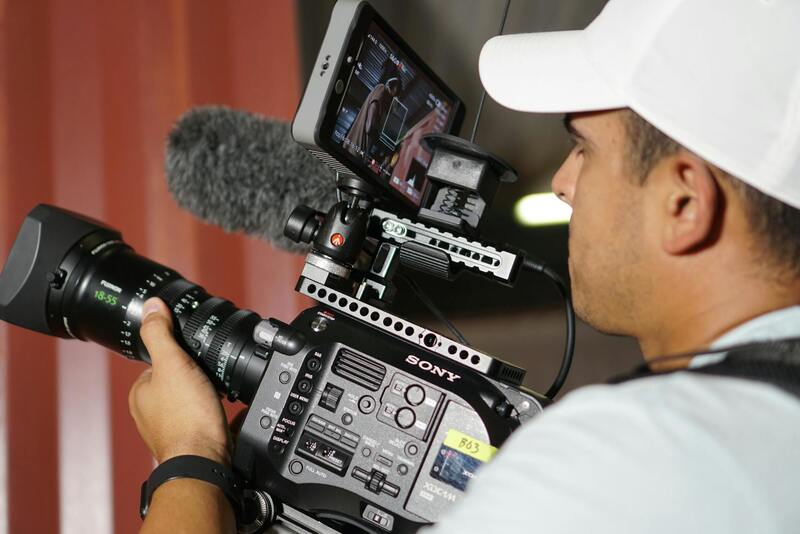
Superyacht photographers must possess a diverse skill set to excel in this specialized field. Technical mastery of camera systems, lighting, and composition is essential. They often employ wide-angle lenses to encompass entire decks or yacht exteriors and utilize high-resolution gear to ensure sharpness and detail. An understanding of natural lighting conditions and how to manipulate artificial light enhances the aesthetic quality of images, especially during sunrise or sunset shoots.
Creative vision and attention to detail are equally important. The ability to perceive how interior design, decor, and exterior architecture interact visually allows for capturing images that evoke luxury and elegance. Moreover, strong staging skills help in arranging elements within the frame to create harmonious and inviting compositions.
Equipment commonly used includes professional digital cameras with full-frame sensors, drone cameras for aerial shots, stabilizers for smooth footage, and editing tools for post-processing. The utilization of advanced lighting equipment can also help illuminate interior spaces and highlight their intricate features effectively.
Location and Lighting Conditions in Miami
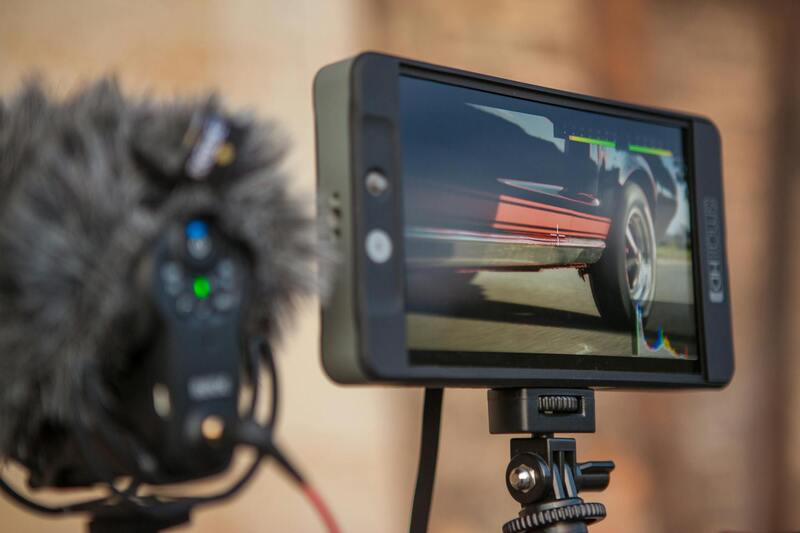
Miami, renowned for its vibrant maritime culture, offers an ideal backdrop for superyacht photography. Its scenic waterfronts, clear blue waters, and stunning coastlines provide perfect lighting conditions and diverse locations to showcase yachts under different ambient settings. The city’s renowned sunrise and sunset hours yield warm, golden light, creating compelling visual moods that enhance the yacht’s allure.
The tropical climate and often bright, consistent sunlight facilitate outdoor shoots, allowing for optimal natural illumination. However, photographers must also be prepared to adapt to sudden weather changes, such as cloud cover or rain, which can affect lighting and visibility. Understanding local conditions enables strategic planning, ensuring the best shots are achieved within optimal windows.
Additionally, Miami's marina hotspots and exclusive yacht clubs present unique opportunities to capture yachts in dynamic environments, blending urban sophistication with nautical elegance.
Role and Importance of a Superyacht Photographer
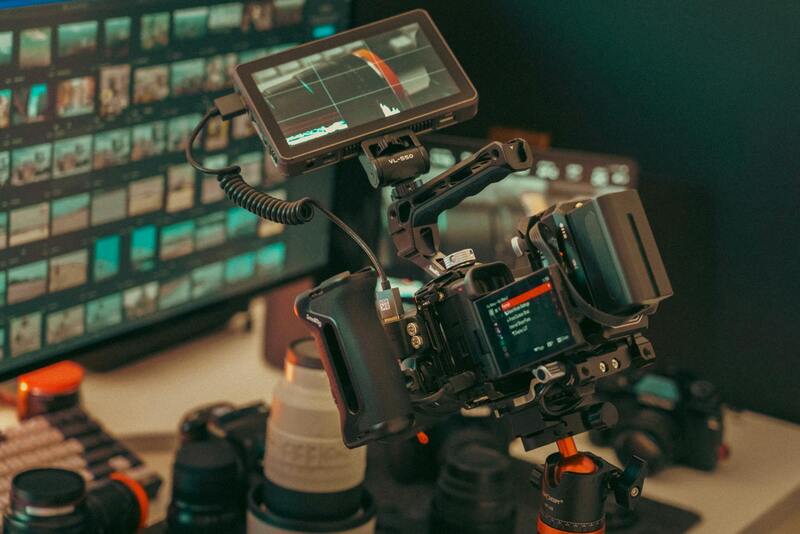
Superyacht photographers play a vital role in capturing the essence of luxury, elegance, and craftsmanship that these magnificent vessels embody. Their skillset extends beyond basic photography to include a deep understanding of maritime aesthetics, lighting conditions, and the unique requirements of high-end clients. These professionals are tasked with creating images that not only showcase the yacht’s exterior grandeur but also highlight interior details, from luxurious cabins to state-of-the-art navigation equipment. Their work is crucial for yacht owners, brokers, and charter companies who rely heavily on high-quality visuals to promote their fleet and attract discerning clients interested in the exclusivity and sophistication their vessels offer.
In the realm of superyacht photography, expertise in both technical and artistic aspects is paramount. This includes mastery of drone photography for capturing aerial views, proficiency in using telephoto lenses for detailed close-ups, and a keen eye for composition that emphasizes the yacht’s design lines, craftsmanship, and environment. The significance of a superyacht photographer extends into marketing and branding, where compelling imagery can influence purchasing decisions and elevate a yacht’s profile within a highly competitive luxury market.
To succeed in this field, a superyacht photographer must also possess excellent knowledge of maritime regulations, local policies, and safety protocols. Their ability to navigate these rules ensures seamless cooperation with yacht crews, marina staff, and event organizers, which facilitates access to the vessel and its surroundings. Furthermore, their reputation depends on consistent delivery of images that meet precise client expectations, reinforcing their credibility and securing future projects. This blend of artistic talent, technical mastery, and logistical awareness underscores the indispensable nature of a professional superyacht photographer in the luxury maritime industry.
Key Skills and Equipment for Shooting Superyachts
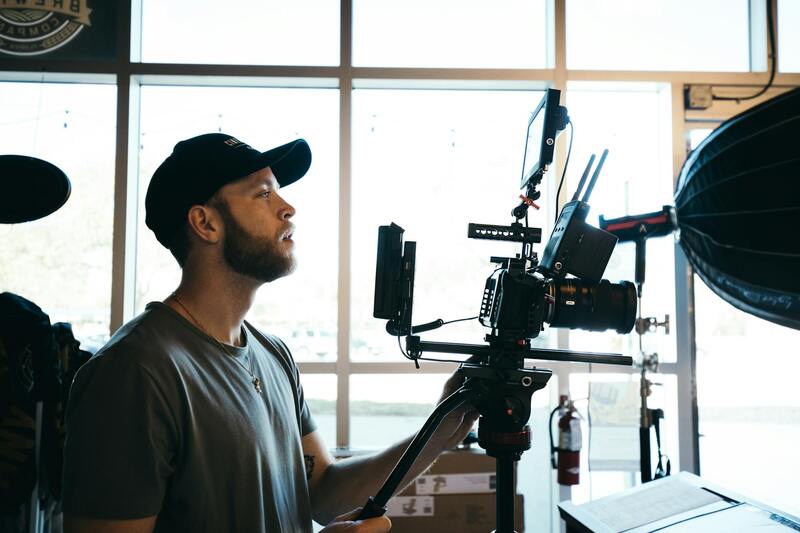
Capturing the grandeur of superyachts requires a specialized set of skills and tools that enable photographers to produce flawless and impactful images. Core skills include a keen sense of lighting, a refined sense of composition, and the ability to adapt to rapidly changing environmental conditions. The mastery of natural light is especially important, given the emphasis on outdoor shots during sunrise and sunset, which can dramatically influence the mood and appeal of the images.
Additionally, technical proficiency with advanced photographic equipment enhances the quality of final outputs. This includes high-resolution DSLR or mirrorless cameras capable of capturing fine details, as well as wide-angle lenses to encompass the vessel’s full scope in a single shot. Telephoto lenses are essential for detailed close-ups of yacht features or capturing scenes from a distance without compromising image quality.
Drone technology has revolutionized superyacht photography by providing aerial perspectives that showcase the yacht in relation to its environment, marina, or coastline. These aerial shots are invaluable for marketing materials, offering clients a comprehensive view of their vessel's size, design, and setting. Gimbals and stabilizers further ensure smooth footage, particularly when shooting moving boats or during drone operations, preventing image shake and blurring.
Additional equipment such as lighting setups—portable flashes, diffusers, and reflectors—enables enhancement of interior shots in challenging lighting conditions. Post-processing software like Adobe Photoshop and Lightroom allows photographers to fine-tune images, balancing color, contrast, and sharpness to achieve a polished final product. Mastery of these tools and techniques ensures the creation of striking images that reflect the yacht's luxurious character and attract high-end clients.
Preparation for a Superyacht Photoshoot
Meticulous planning is fundamental to producing high-impact images of superyachts. The process begins with comprehensive research of the vessel, including understanding its design features, key aesthetic elements, and the owner's preferences if accessible. This knowledge allows the photographer to tailor the shoot with precise angles and focal points that highlight the yacht's unique character. Scheduling the session during optimal weather conditions, ideally when natural light enhances the boat’s features, is crucial. Weather forecasts should be monitored to avoid overcast days, rain, or harsh sunlight that could compromise image quality.
Logistics coordination plays a vital role in a seamless photoshoot. Arranging access to the yacht, understanding the vessel’s layout, and establishing safe zones for equipment setup are necessary steps. Ensuring all necessary permits and permissions are secured in advance avoids interruptions and legal complications. Equipment checks and transportation logistics are also part of the preparation — ensuring cameras, drones, stabilization tools, and lighting equipment are in optimal condition and ready for engagement.
On-site preparation involves scouting the location to identify the best angles, considering the yacht’s orientation relative to natural light sources, and potential surrounding elements that could enhance or detract from the shot. Crew collaboration might be necessary to manage onboard subjects or assist with positioning vessels to capture ideal compositions. An organized shot list and a flexible approach enable capturing a variety of images, from panoramic views and detailed close-ups of design features to lifestyle shots that showcase the yacht's luxury amenities.
Evaluating and Optimizing Location and Lighting Conditions in Miami
Miami’s vibrant waterfront provides an exceptional backdrop for superyacht photography. The city’s extensive marinas, pristine beaches, and urban skyline offer diverse settings that can be incorporated creatively into the imagery. Optimal lighting conditions, especially during the golden hours of sunrise and sunset, add warmth and depth to photographs, accentuating the yacht’s contours and luxurious finishes.
Location scouting involves identifying vantage points that maximize the vessel's visibility while considering environmental factors like tidal movements and nearby structures. For aerial shots, drone operations should be planned around the sun’s position to achieve well-lit, shadow-free images. The interplay of natural light with reflective surfaces on the yacht can be harnessed to create dramatic, visually compelling compositions.
In Miami, the humid climate and frequent cloud cover can influence lighting conditions. Hence, understanding local weather patterns and adjusting schedules accordingly helps ensure consistent results. On overcast days, diffused natural light softens the scene, which can be advantageous for interior shots or detail-oriented photography.
Role and Importance of a Superyacht Photographer
A superyacht photographer plays a pivotal role in capturing the essence of luxury vessels through compelling imagery that highlights their design, craftsmanship, and grandeur. These professionals possess a keen eye for detail, understanding how to portray the yacht’s unique features—from sleek exterior lines to opulent interiors—in a way that appeals to high-net-worth clients and yacht brokers alike. Their work not only functions as a marketing tool but also as a historical record of these impressive maritime assets.
Superyacht photographers must grasp the nuances of scale and perspective to effectively communicate the yacht’s size and luxury value. They are tasked with creating images that evoke emotion and convey the lifestyle associated with owning or chartering such vessels. This requires a strong sense of storytelling through visuals, capturing moments that emphasize the yacht’s functionality, elegance, and the exclusivity it offers. Their images often serve as the primary visual content for sales listings, marketing campaigns, and promotional materials within the luxury yacht industry.
Furthermore, superyacht photographers contribute to building brand identity for yacht builders, brokers, and charter companies. Their expertise ensures that the visual presentation accurately reflects the craftsmanship and bespoke features of each vessel, making an immediate impact on prospective clients. Skilled photographers also adapt their approach based on the target audience, whether focusing on lifestyle, craftsmanship, or adventure aspects of the yacht experience.
Key Skills and Equipment for Shooting Superyachts
To excel in superyacht photography, professionals must develop a diverse skill set complemented by specialized equipment. Mastering techniques such as composition, lighting control, and post-processing ensures that every shot highlights the yacht’s luxury details in the best possible way.
- Technical Proficiency: Advanced understanding of camera settings, lens selection, and stabilization methods is essential for capturing sharp, high-resolution images under varying conditions.
- Lighting Skills: Operating natural and artificial light sources optimally helps emphasize textures, contours, and reflective surfaces of the yacht.
- Aerial Photography: Drone operation is often employed to obtain dramatic, panoramic shots that showcase the vessel within its environment. This requires expertise in drone piloting and understanding of aviation regulations.
- Post-Processing: Editing software skills are necessary for color correction, retouching, and enhancing details to ensure that images meet luxury branding standards.
Location and Lighting Conditions in Miami
Miami’s waterfront presents a striking canvas for superyacht photography, offering a mix of urban, beachside, and natural backdrops that enhance the vessel’s features. The city’s extensive marinas, such as Miami Beach Marina and Coconut Grove, provide varied vantage points to capture the yacht in dynamic settings. The interplay of natural sunlight, water reflections, and Miami’s striking skyline can be leveraged to produce vivid, engaging images.
Lighting plays a fundamental role in maritime photography. The golden hours at dawn and dusk deliver warm, diffuse light that softens reflections and accentuates details on the yacht’s surface. During midday, light tends to be harsher, which can create challenging glare and shadows, making the use of polarizing filters or diffusers necessary to manage reflections and highlights.
Understanding weather conditions is vital in Miami, where humidity, cloud cover, and sudden showers can influence light quality. Cloud cover can serve as a natural diffuser, creating even lighting conditions that are ideal for interior shots or capturing textured surfaces. Conversely, clear skies offer the high-contrast lighting suited for dramatic exterior shots. Planning shoots around local weather forecasts helps maximize optimal lighting windows while minimizing disruptions.
Additional environmental considerations include tidal changes and boat traffic, which can impact shot angles and safety protocols. Pre-shoot site visits and coordination with marina authorities ensure that the vessel is positioned ideally, and that aerial shots capture the yacht in the most flattering light. Moreover, knowledge of Miami’s specific climate nuances allows photographers to adapt their schedules, ensuring consistent, high-quality results that showcase the yacht’s luxury and elegance at their best.
Role and Importance of a Superyacht Photographer
Superyacht photographers serve a vital role in the maritime luxury industry by capturing the essence of these magnificent vessels. Their work extends beyond simple image capturing; it involves portraying the yacht's grandeur, craftsmanship, and exclusivity. Expertise in this field helps yacht owners, brokers, and marketers present their vessels in a manner that appeals to high-net-worth clients and potential charterers. The images they produce should evoke a sense of aspiration, elegance, and sophistication, reflecting the yacht’s unique features and interior design.
High-quality superyacht photography also plays a fundamental role in advertising campaigns, promotional materials, and online listings. It boosts the vessel’s visibility in a competitive marketplace, helping potential clients envision themselves aboard. Additionally, these images can also serve as timeless keepsakes for owners, commemorating their investment. The photographer’s ability to document the yacht in different lighting and weather conditions enhances its allure and helps differentiate it from competitors.
A superyacht photographer must understand the nuanced demands of maritime environments, including safety protocols and environmental considerations, to produce compelling images that capture the yacht’s luxury in natural settings. The images convey not just the vessel’s physical attributes but also evoke the lifestyle associated with such a vessel, emphasizing exclusivity and opulence.
Key Skills and Equipment for Shooting Superyachts
Successful superyacht photography hinges on a combination of technical mastery, artistic sensibility, and advanced equipment. Essential skills include a thorough understanding of composition, lighting, and post-processing techniques tailored specifically for marine environments. Photographers must be adept at managing challenging lighting conditions, reflections on water surfaces, and the intricacies of capturing interior spaces with precision.
Proficiency with high-resolution digital cameras is crucial, along with the use of wide-angle lenses that can capture expansive exterior shots and intricate interior details. Telephoto lenses enable close-up images of yacht features and can help create compelling compositions from a distance, ideal for aerial shots or when access to certain angles is limited.
Specialized equipment such as drone cameras has become increasingly important in superyacht photography. Drones provide unique aerial perspectives that underscore the vessel’s scale and design, offering clients stunning views from above. Additionally, accessories like polarizing filters help mitigate reflections and glare from water surfaces, ensuring sharp, vibrant images.
A tripod and remote shutter releases provide stability and reduce vibrations, especially during long exposure shots or low-light conditions. Memory cards with large storage capacities and fast data transfer rates are essential for handling high-resolution files efficiently. Photographers also benefit from portable lighting solutions and diffusers to manage interior lighting scenarios.
Location and Lighting Conditions in Miami
Miami’s location and climate create an ideal backdrop for superyacht photography, offering a diverse range of lighting conditions that can enhance the vessel’s visual appeal. The city’s proximity to the Atlantic Ocean results in a humid subtropical climate, characterized by warm temperatures and abundant sunshine, especially during peak seasons.
The golden hours—dawn and dusk—are prime times for shooting, as the soft, warm light minimizes harsh shadows and reflections, revealing intricate surface details and interior features in a flattering manner. Early mornings provide calm waters and less boat traffic, enabling cleaner shots and unobstructed angles, while late afternoons allow for capturing dynamic sunsets and vibrant sky colors.
Clear days afford high-contrast lighting that emphasizes the yacht’s contours and reflective surfaces. Conversely, partially cloudy days serve as natural diffusers, producing even lighting on exterior surfaces and interior lines, thus reducing glare. Sudden weather changes, common in Miami, can present challenges; managing reflections and shadows becomes essential, often necessitating the use of polarizing filters and diffusers.
Environmental considerations like tidal movements and marina traffic influence the timing and composition of shots. Planning around low tide can reveal more of the vessel’s hull and underwater features, while coordinating with marina authorities ensures access to optimal vantage points. A pre-shoot reconnaissance visit allows for assessing the best angles and understanding local conditions.
Legal and Ethical Considerations in Superyacht Photography
Engaging in superyacht photography involves navigating a landscape rich with responsibilities and protocols aimed at maintaining professionalism and respect for client privacy. Ensuring clear communication and obtaining express permissions are fundamental steps in establishing trust and safeguarding the interests of all parties involved. Photographers must seek explicit approval before capturing images, especially when shooting in sensitive areas or near private events, to prevent misunderstandings and uphold the reputation of their practice.
In addition to permissions, respecting the client's privacy and discretion is paramount. This entails avoiding intrusive angles and refraining from capturing or disseminating images that could compromise confidentiality or reveal proprietary vessel features. For instance, photographing specific navigation systems, security equipment, or interior layouts without consent can breach ethical standards.
Adhering to industry standards also involves compliance with local regulations governing maritime activities and photography. Many maritime zones enforce specific rules related to drone usage, aerial photography, or capturing images near restricted areas. Familiarity with these rules minimizes potential conflicts and ensures smooth operations during shoots.
Moreover, photographers should always consider environmental impacts, such as minimizing disturbances to marine life and avoiding areas with fragile ecosystems. Being environmentally conscious aligns with industry best practices and demonstrates a commitment to sustainable practices.
Developing a comprehensive understanding of these factors helps to differentiate a superyacht photographer as an ethical, respectful professional, reinforcing credibility within the luxury yachting community. Transparency with clients about usage rights, image licensing, and distribution channels safeguards both parties and fosters long-term relationships based on integrity.
Post-Processing and Deliverables
Once the superyacht photoshoot concludes, the editing phase becomes vital in ensuring each image aligns with the highest standards of quality and professionalism expected in luxury yachting marketing. This process involves meticulous attention to detail, balancing color correction, exposure adjustments, and retouching to enhance the vessel's features without losing authenticity. Skilled superyacht photographers leverage advanced editing software to refine images, ensuring they accurately represent the yacht’s aesthetics and grandeur.
Consistent color grading is particularly important when portraying the yacht against the vibrant backdrop of Miami's waters, capturing the natural sunlight and reflections to create compelling visuals. Moreover, perspective correction and cropping help compose shots that emphasize unique design elements and onboard luxury while maintaining a clean, polished appearance.
Deliverables typically include a curated selection of images optimized for various uses, such as marketing brochures, online listings, and promotional campaigns. It is common for a superyacht photographer to provide high-resolution images suitable for large-scale prints and digital files for web publication. Ensuring timely delivery is critical in meeting client expectations, especially when images are part of ongoing marketing efforts.
Many professional photographers offer additional services, such as creating virtual tours, 360-degree panoramas, or drone imagery, which can significantly enhance the yacht’s visual presentation in the competitive Miami yacht scene.
Advanced Techniques and Trends in Superyacht Photography
Staying at the forefront of superyacht photography involves adopting advanced techniques that elevate the visual impact of vessel images. High dynamic range (HDR) photography is frequently employed to capture the full range of light on a yacht, especially during sunrise or sunset shoots, maximizing details in shadows and highlights. This technique ensures that the intricate design features and reflections on the yacht’s surface are vividly represented, even under complex lighting conditions.
Moreover, the integration of drone photography has become increasingly prevalent within the superyacht sector. Drones provide unique aerial perspectives, showcasing the yacht’s layout, surrounding environment, and overall grandeur from angles inaccessible via traditional means. This not only broadens the scope of visual storytelling but also accentuates the yacht’s size and elegance in relation to Miami's stunning coastline.
Implementing 360-degree virtual tours has also gained popularity, offering potential clients an immersive experience of the vessel. Such interactive media allow viewers to explore the yacht's luxurious interiors and exteriors at their own pace, giving a comprehensive understanding of the vessel's offerings. Skilled superyacht photographers utilize specialized software to stitch panoramic images seamlessly, creating engaging online presentations that stand out in competitive listings.
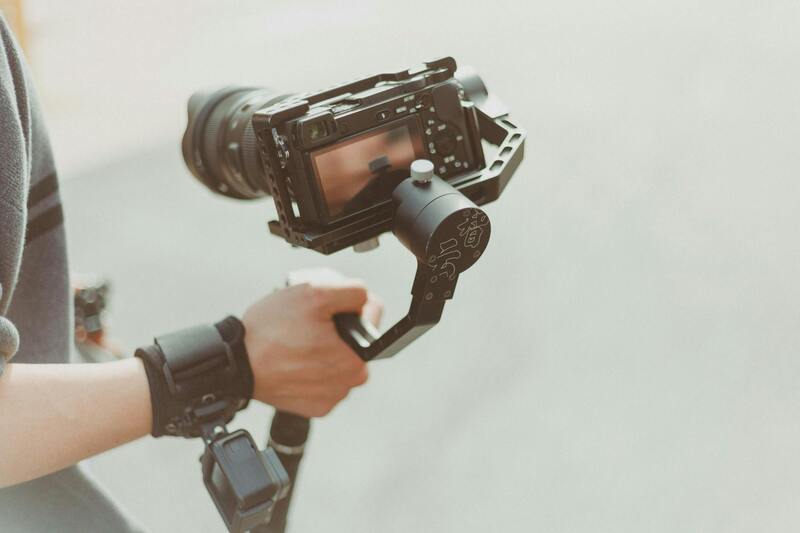
Additionally, the rise of high-resolution digital cameras with advanced stabilization features enables photographers to execute sharp, detailed shots even in dynamic environments, such as while aboard moving vessels. These tools, combined with sophisticated lens options—including wide-angle and telephoto lenses—empower photographers to creatively frame shots that highlight both the yacht’s exterior splendor and its interior opulence.
Post-production techniques continue to evolve, with push towards realism and fine detail preservation. Modern editing tools facilitate precise adjustments in sharpness, color fidelity, and perspective, ensuring images are both captivating and true to life. As trends shift toward more personalized and experiential marketing, superyacht photographers incorporate these innovative strategies to produce visually compelling content aligned with market expectations.
Furthermore, the integration of environmental elements such as Miami’s natural scenery, vibrant skies, and iconic cityscapes adds contextual richness to the images, reinforcing the yacht’s luxurious lifestyle appeal. Through mastery of these advanced techniques and an understanding of emerging trends, professional superyacht photographers continue to set the standard for excellence in the industry.