Overview of Marine Video Production
Marine video production encompasses the creation of high-quality visual content focused on aquatic environments, ships, marine life, and maritime activities. This specialized form of videography serves various purposes across commercial, environmental, and entertainment sectors. Companies engaged in marine tourism, shipping, offshore oil and gas, and conservation efforts leverage marine videos to promote their brands, educate audiences, and document oceanic phenomena.
Producing effective marine videos requires an understanding of the complexities inherent in filming in water-based environments. The motion, reflections, and unpredictable nature of marine settings demand technical expertise and advanced equipment. Unlike terrestrial filming, marine videography involves managing dynamic lighting conditions, water movement, and equipment stability challenges that can impact the quality of the footage.
Common uses of marine video production include promotional videos for cruise lines and yacht charters, documentary films exploring marine ecosystems, safety and training videos for maritime workers, and corporate communications for companies involved in ocean-related industries. Additionally, conservation organizations utilize marine videos to raise awareness about ocean health, highlighting issues like pollution, overfishing, and habitat destruction.
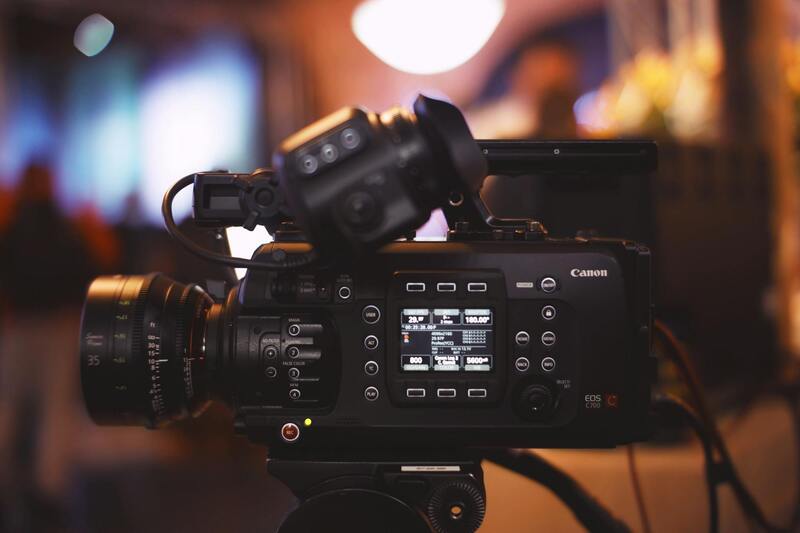
Filming in marine environments presents distinct challenges. Water clarity, changing weather, and the movement of vessels impact shot stability and visibility. Moreover, equipment must withstand saltwater, high humidity, and potentially harsh conditions. Skilled marine videographers employ waterproof housings, stabilization systems, and remote-controlled cameras to mitigate these obstacles. They must also plan their shoots meticulously, considering tides, sunlight angles, and marine activity schedules.
This sector of videography demands a combination of artistic vision, technical knowledge, and adherence to safety protocols. When executed correctly, marine videos can deliver visually stunning and impactful content that captures the essence of oceanic environments and maritime operations with precision and clarity.
Pre-Production Planning for Marine Videos
Effective pre-production planning is fundamental to the success of marine video projects, ensuring smooth execution and high-quality results. This phase involves detailed research about the specific marine environment, understanding weather patterns, water conditions, and marine life behaviors to optimize filming schedules. Establishing clear objectives for the video—whether promotional, documentary, or educational—guides every subsequent step, from equipment selection to location scouting.
Developing a comprehensive shot list is crucial, considering the unique challenges of marine environments such as fluctuating tides, wave action, and varying light conditions. Permitting and permissions are also vital components; collaborating with maritime authorities and environmental agencies guarantees compliance with regulations and access rights. This reduces potential delays or disruptions during production.
Creating a detailed storyboard helps visualizing the sequence of shots, especially when capturing marine life or complex maritime operations. It also aids in coordinating drone flights, underwater dives, and vessel movements, ensuring safety and efficiency. For underwater filming, selecting the right waterproof housings and dive plans minimizes risks associated with equipment damage or mishaps.
Engaging stakeholders early—including vessel operators, marine biologists, and safety experts—enhances the collaborative effort, aligning all parties with project goals. This proactive communication supports on-site problem-solving and tactical adjustments, especially under unpredictable marine conditions. The pre-production stage ultimately sets the foundation for capturing compelling marine footage that communicates the intended message with clarity and professionalism.
Filming Techniques in Marine Environments
Marine filming requires specialized techniques to ensure high-quality visuals despite the challenging conditions. Stabilization methods such as gyroscopic stabilizers and remote control camera systems help maintain smooth footage when the vessel is in motion. When shooting in rough waters, videographers often utilize gimbal systems or floating platforms to stabilize their cameras and reduce motion blur.
Underwater filming introduces additional complexities, requiring waterproof housings and lighting equipment designed for submerged conditions. Deploying remote cameras or tethered underwater drones allows capturing scenes in hard-to-reach places with minimal disturbance to marine life. Filtering natural light using underwater light panels or employing vibrant color correction ensures vivid, true-to-life visuals.
Incorporating aerial shots with drones provides expansive views of coastline, ship operations, or marine habitats, adding depth to the narrative. However, drone operators must adhere to strict altitude and distance guidelines to prevent disturbance and ensure safety. Employing a combination of above and below water filming techniques offers a comprehensive perspective, enriching the storytelling process.
Understanding tide schedules is essential for timing shots involving boats or marine organisms, as low and high tides drastically alter the scene. Planning shoots around marine traffic and avoiding sensitive spawning or nesting periods helps protect ecosystems and ensures authenticity in the footage. When employing innovative techniques and equipment, marine videographers create immersive visual narratives that capture the essence of oceanic environments with precision and artistic flair.
Key Equipment and Technology for Marine Filming
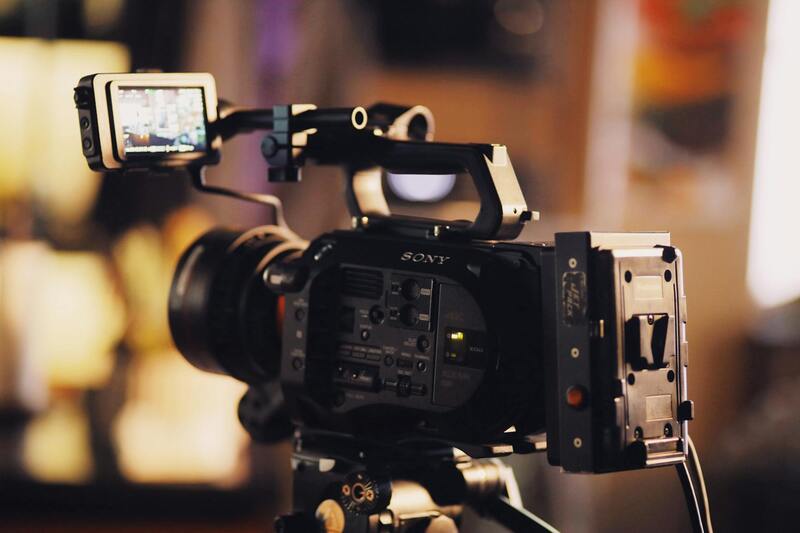
To capture high-quality marine videos, filmmakers rely on specialized equipment that withstands the demanding conditions of oceanic environments. Waterproof housings are essential, providing protection for cameras against water ingress while maintaining operational functionality. These housings are often customizable to fit various camera models, ensuring flexibility across different filming situations. Stabilization gear, such as gimbals designed for marine use, helps maintain steady shots despite the constant movement of the water or the vessel, resulting in smooth, professional footage.
Lighting solutions tailored for underwater settings are crucial for illuminating scenes effectively. Underwater LED lights offer adjustable brightness and color temperature, allowing filmmakers to adapt to different depths and water clarity. Additionally, light diffusers and filters can enhance color accuracy, compensating for the loss of red and warm tones underwater. Drones equipped with high-resolution cameras play an increasing role in marine video production, providing aerial perspectives of coastlines, ships, and marine habitats, with operators following strict flight protocols to minimize environmental impact.
Remote and tethered underwater drones extend the reach of filmed scenes to areas that are otherwise difficult or dangerous to access. These devices can dive to significant depths and navigate complex underwater terrain, capturing detailed imagery of coral reefs, shipwrecks, and marine life without human presence, thereby reducing disturbance. In tandem, these technologies enable comprehensive coverage of marine environments, producing visuals rich in detail and movement.
Pre-Production Planning for Marine Videos
Effective marine video production begins well before any footage is shot. Detailed pre-production planning ensures that every aspect of the shoot aligns with the project’s goals and accommodates the unique challenges of filming in marine environments. This phase involves comprehensive site assessments to identify optimal locations, considering water clarity, tidal patterns, currents, and marine life activity periods. Understanding these elements allows filmmakers to anticipate operational challenges and plan accordingly.
Script development plays a vital role in guiding the visual narrative, especially when aiming to educate or promote environmental awareness. Crafting a storyboard that reflects key scenes, underwater sequences, and aerial shots helps in visualizing the final product. This planning also includes mapping out the logistical aspects such as vessel scheduling, crew coordination, and equipment deployment.
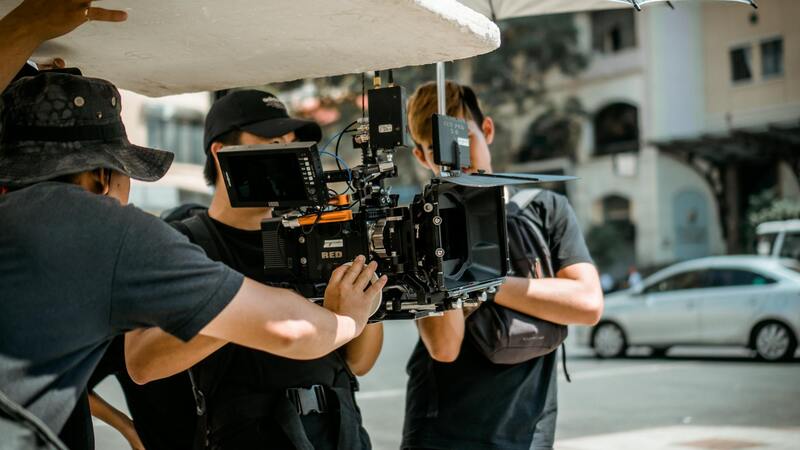
Equipment logistics are meticulously organized to match the specific demands of marine filming. This involves selecting appropriate waterproof and corrosion-resistant gear, as well as specialized stabilization systems to counteract water movement and maintain shot stability. Additionally, securing permits and establishing communication protocols with local authorities and environmental agencies safeguards the operation and aligns with official guidelines.
Environmental considerations are imperative during the pre-production phase. Each shoot is designed to minimize ecological disruption, employing eco-friendly filming practices whenever possible. This includes choosing non-intrusive filming methods, avoiding sensitive habitats during breeding or migration periods, and coordinating with conservation agencies for real-time updates.
Thorough pre-visualization and planning facilitate efficient on-water operations, reducing downtime and costs while maximizing footage quality. When all these elements are coordinated meticulously, marine videos will faithfully capture the dynamic beauty of oceanic environments, providing compelling content that resonates with audiences and supports conservation efforts.
Legal and Safety Considerations
When engaging in marine video production, adherence to official protocols and established safety procedures is essential to ensure an efficient and compliant filming process in aquatic environments. This involves following formal procedures for obtaining necessary permits for maritime filming activities, which often require collaboration with maritime authorities, environmental agencies, and local governing bodies. Securing these permits ensures that the filming operations align with maritime navigation rules, protected area regulations, and environmental guidelines established by relevant agencies.
Implementing comprehensive safety measures is crucial during on-water shoots. This includes conducting risk assessments tailored to marine environments, establishing clear emergency protocols, and ensuring all crew members are trained in water safety, first aid, and emergency response procedures. The use of proper safety gear, including life jackets, waterproof communication systems, and safety harnesses, minimizes hazards during high-risk activities such as drone flights over water or close-up underwater filming.
Marine conditions can be unpredictable, with weather changes, water currents, and vessel movements posing potential risks. Maintaining constant communication with maritime traffic control, weather stations, and local authorities helps coordinate activities and avoid conflicts with shipping lanes or restricted zones. Setting up secure communication channels between crew members and safety officers enhances situational awareness, enabling quick responses to any unforeseen changes or emergencies.
Vessel safety is also paramount. Ensuring that all boats are seaworthy, properly equipped with navigation and safety technology, and operated by licensed professionals helps prevent accidents. Regular safety drills and clear evacuation plans bolster crew preparedness, especially when conducting prolonged or complex filming operations at sea.
Official documentation, including safety certifications, vessel registration, and crew qualifications, often form part of the compliance requirements. Maintaining meticulous records of these documents supports smooth operations, especially when coordinating with regulatory authorities or addressing inspection procedures.
By rigorously following these official methods and safety procedures, marine video production projects in Miami can be executed effectively, fostering an environment of professionalism, safety, and respect for maritime and ecological protocols. This disciplined approach not only assures operational efficiency but also helps protect the crew, equipment, and marine environment, fostering trust among stakeholders and audiences alike.
Legal and Safety Considerations
When engaging in marine video production, adherence to official protocols and safety measures is paramount to ensure seamless operations and compliance. This includes securing the necessary permissions and documenting approvals from maritime regulatory bodies, which verify that filming activities do not interfere with vessel navigation, environmental protection zones, or protected marine habitats. Prior to filming, conducting thorough risk assessments aligns shooting plans with safety standards, pinpointing potential hazards related to weather conditions, equipment handling, or marine wildlife interactions.
Implementing safety protocols such as the use of personal flotation devices, safety harnesses for aerial drone operations, and secure vessel moorings prevent accidents throughout the production. Crew members should undergo safety training tailored to marine environments, focusing on emergency evacuation procedures, handling hazardous materials, and operating specialized marine equipment responsibly.
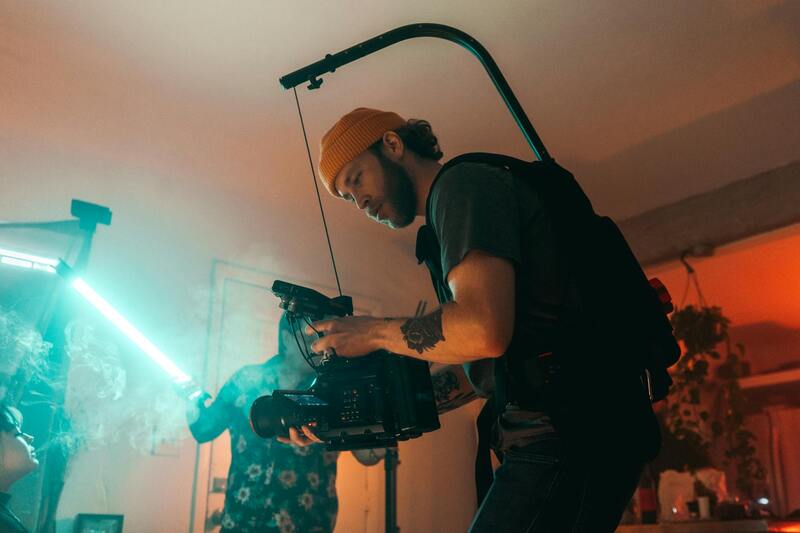
Environmental stewardship plays a significant role in marine filming activities. Utilizing environmentally sensitive practices, such as minimizing the disturbance to marine flora and fauna, follows established ecological protocols. This includes maintaining a respectful distance from wildlife to prevent habitat disruption and avoiding areas with active marine conservation measures. Officiating agencies often require detailed environmental impact assessments, especially for extensive filming projects, to safeguard delicate ecosystems.
Documentation of all official approvals, safety certifications, and environmental assessments forms part of the operational records required for marine video production. These documents facilitate smooth coordination with authorities, streamline inspections, and demonstrate a commitment to responsible filmmaking that respects maritime and ecological considerations.
Legal and Safety Considerations in Marine Video Production
Implementing comprehensive safety protocols is fundamental to the success of marine video projects. Crew members must be equipped with appropriate personal protective equipment, including life jackets and harnesses, tailored to the unique demands of marine environments. Regular safety drills are essential for ensuring that everyone on board is prepared for emergency situations such as man-overboard incidents, vessel malfunctions, or adverse weather conditions.
Official permissions are a crucial aspect of marine filming. Prior to commencing a shoot, production teams should obtain all necessary clearances from maritime authorities, environmental agencies, and property owners. This includes navigation permits, drone flight approvals, and access rights to protected marine areas. These authorizations facilitate smooth operations and demonstrate adherence to regulatory frameworks designed to uphold safety and environmental integrity.
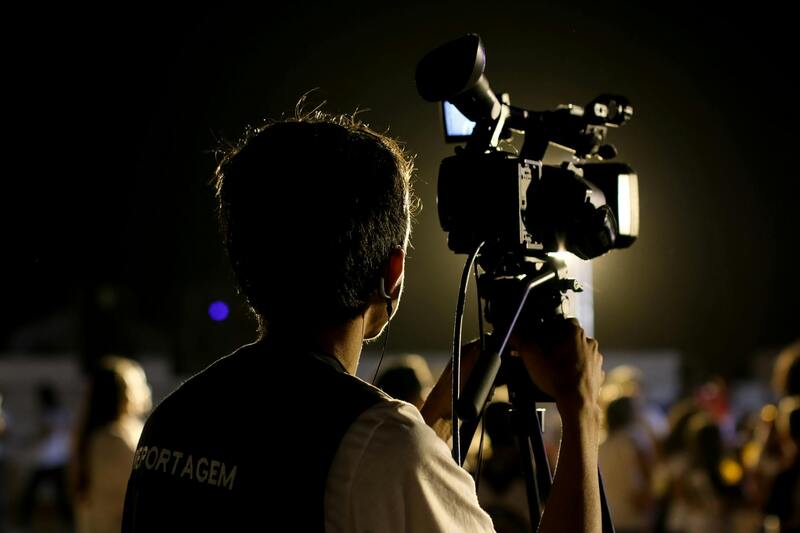
Safety planning must also encompass security measures to protect crew and equipment from potential risks posed by unpredictable marine conditions. Continuous weather monitoring, hazard assessments, and contingency plans are integral components of operational readiness. For aerial drone operations, adherence to designated flight zones, altitude restrictions, and operator certifications mitigate risks associated with drone navigation over water bodies.
Environmental stewardship remains a cornerstone of responsible marine video production. Minimize the disturbance to marine life by maintaining respectful distances from wildlife habitats and avoiding sensitive ecological zones. Environmental impact assessments, often mandated by regulatory bodies, should be meticulously documented to reflect compliance with ecological protections and sustainable practices.
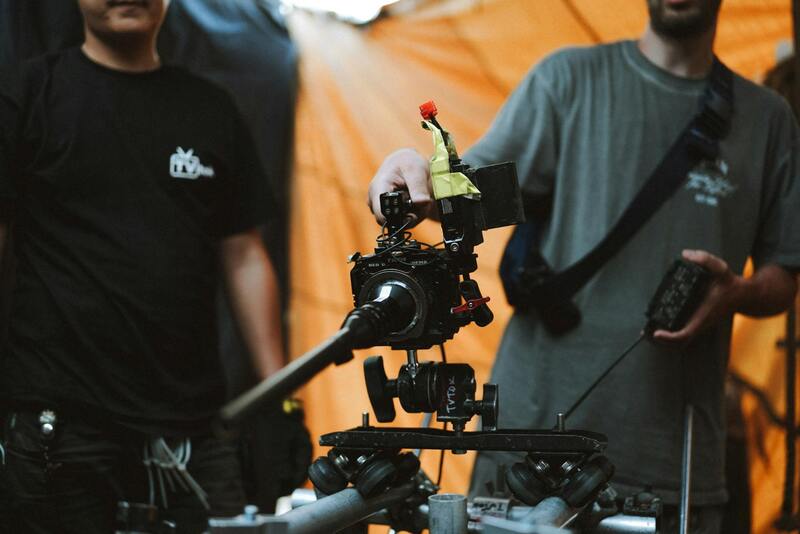
All documentation of permits, safety certifications, and environmental assessments should be meticulously maintained. These records guarantee transparency and facilitate streamlined interactions with authorities, ensuring that all activities align with established standards. This proactive approach not only promotes safety and compliance but also embodies a commitment to protecting marine ecosystems and ensuring sustainable production processes.
Rigorous safety and official protocols reinforce the credibility and professionalism of marine video productions. By integrating meticulous planning, obtaining proper authorizations, and prioritizing environmental and crew safety, production teams can capture compelling marine footage while upholding high standards of responsibility and respect for maritime surroundings.
Working with a Miami Marine Video Production Agency
Collaborating with a specialized Miami marine video production agency offers numerous advantages that elevate the quality and efficiency of your project. Local agencies bring an in-depth understanding of regional maritime conditions, permitting processes, and ecological considerations, which can significantly streamline production workflows.
One of the primary benefits of partnering with a Miami-based team is access to an extensive network of experienced professionals and advanced equipment tailored for marine environments. These agencies typically maintain a fleet of specialized vessels, waterproof cameras, and stabilized filming platforms that are essential for capturing high-definition footage amidst challenging water conditions. Their familiarity with local marine routes and protected zones ensures adherence to operational guidelines, reducing delays and maximizing the quality of your footage.
Local agencies also possess comprehensive knowledge of Miami’s regulatory landscape, including required permits and environmental compliance standards. This expertise minimizes the risk of procedural complications, allowing your project to proceed smoothly within scheduled timelines. Additionally, their proximity enables on-site consultations and swift adjustments to filming plans, which is crucial in dynamic marine settings where weather and sea conditions can change rapidly.
Furthermore, Miami’s marine videographers have established relationships with local maritime authorities, conservation groups, and community stakeholders. This connectivity proves invaluable for obtaining necessary permissions, ensuring environmental considerations are respected, and maintaining a positive community presence. These agencies often prioritize sustainability and eco-friendly practices, aligning your project with responsible production standards that emphasize minimal ecological disruption.
Partnering with a Miami marine video production agency also enhances collaborative creativity. Their familiarity with Miami’s unique maritime scenery, cultural elements, and marine life enriches storytelling, resulting in visually stunning content that resonates with audiences. They can advise on optimal filming times, locations, and techniques to capture the most captivating footage for your project, whether it’s sourced for commercial advertising, educational purposes, or documentary filmmaking.
In addition to technical expertise, these agencies often provide comprehensive project management services—from initial concept development and pre-production planning to post-production editing and distribution. Their local presence ensures continuous communication and coordination, making the complex process of marine videography more manageable and efficient.
In summary, engaging a Miami-based marine video production agency assures access to specialized equipment, local expertise, and a network of professional contacts that collectively elevate the production value of your marine footage. Their commitment to responsible and sustainable practices underscores the importance of safeguarding Miami’s vibrant marine ecosystems while delivering compelling visual narratives.