Understanding the Role of a Yacht Photographer
A yacht photographer holds a specialized position within the realm of professional photography, focusing on capturing the elegance, engineering marvels, and luxurious elements of yachts. This role demands a unique blend of technical expertise, artistic vision, and an understanding of maritime aesthetics. Yacht photographers are responsible for showcasing vessels in the most compelling manner, often working with high-net-worth clients, yacht brokers, and charter companies to produce images that highlight the yacht's design, features, and the maritime environment. Their responsibilities extend beyond mere photography; they must incorporate the yacht’s ambiance and context, creating visuals that evoke sophistication and exclusivity.
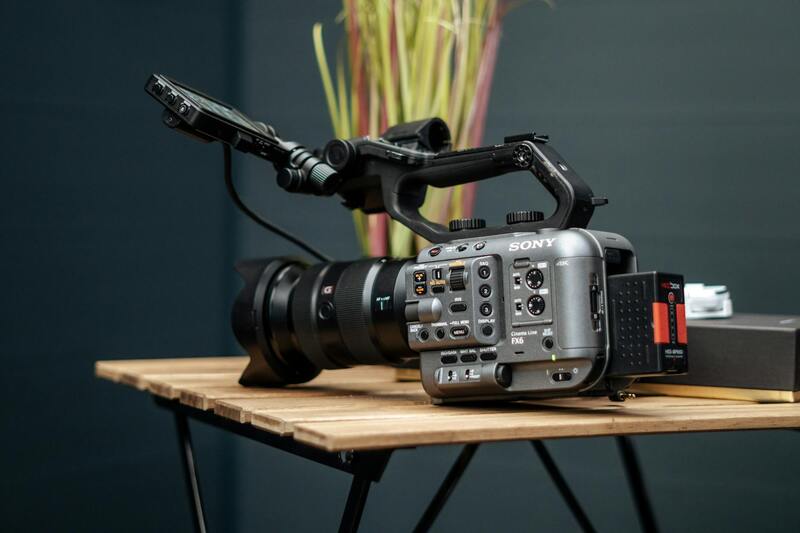
To succeed in this niche, a yacht photographer must possess a broad skill set. Technical proficiency with high-resolution cameras, drones, and stabilization equipment is essential to capture sharp, dynamic images. An eye for detail is critical, as every element of a yacht—from its sleek exterior lines to intricate interior details—must be framed to perfection. Experience in outdoor and marine environments is also vital, as shooting on water introduces challenges like reflections, changing light conditions, and weather variability. Strong post-processing skills complement the ability to enhance images without compromising authenticity.
Furthermore, a yacht photographer needs a keen appreciation for maritime culture and luxury branding to produce images aligned with client expectations. The capacity to work efficiently in locations that vary from harbors and marinas to open waters is invaluable. Such photographers often work closely with clients to understand their branding goals, ensuring that each shot effectively communicates the yacht’s prestige and unique features. An understanding of marketing and visual storytelling is a crucial part of the skill set for anyone aspiring to excel in this specialized field.
Ultimately, the role of a yacht photographer is to translate the vessel's luxury, craftsmanship, and environment into compelling visual narratives. This requires not only mastering the technical facets of photography but also developing an artful eye for composition, lighting, and perspective that can beautifully portray the lifestyle associated with yachting. The ability to produce high-quality images consistently paves the way for success in this highly competitive niche, where both skill and reputation are paramount.
Equipment and Techniques for Yacht Photography
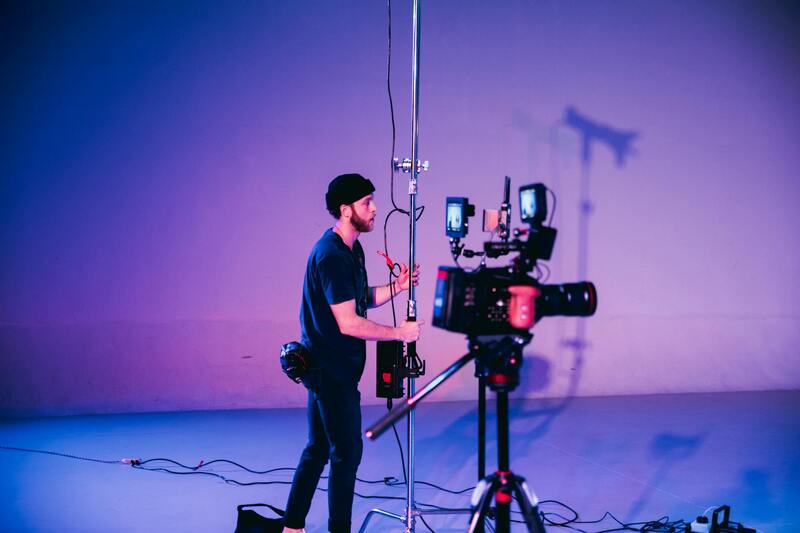
Achieving stunning imagery of luxurious yachts entails utilizing specialized equipment and proven techniques tailored to the marine environment. High-resolution digital cameras with advanced autofocus systems are fundamental, enabling photographers to capture intricate details of the vessel’s exterior and interior with clarity. Professional-grade telephoto lenses are often employed to shoot from a distance, especially when working in open waters or from boats, providing flexibility to frame shots without disturbing the scene.
In addition to cameras, drone technology has become a game-changer in yacht photography, offering aerial perspectives that showcase the vessel’s size, design, and surroundings from captivating angles. When operating drones, precise control and understanding of airspace regulations are essential to capture steady, high-definition footage safely.
Lighting is another critical factor. Photographers often rely on natural sunlight to enhance the yacht’s features, particularly during the golden hours of dawn and dusk, when warm tones add a luxurious feel. In situations with inconsistent lighting or harsh midday sun, portable lighting equipment and reflectors are used to soften shadows and highlight details.
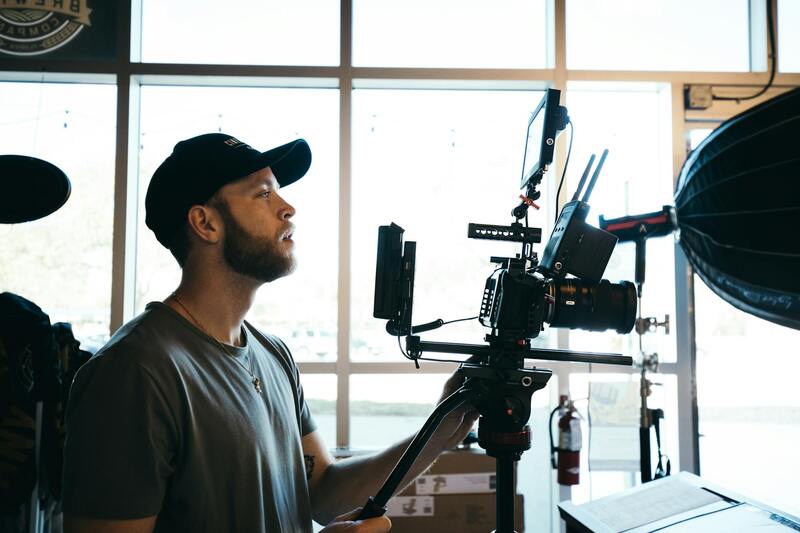
For interior shots, a wide-angle lens is invaluable for capturing expansive spaces, while tripod setups ensure stability during long exposures, especially in low-light conditions found inside cabins or salons. Post-processing tools further refine images by adjusting brightness, contrast, and color balance, all while maintaining an authentic representation of the scene.
Mastering techniques like panoramic stitching allows for wide, sweeping views of the yacht and its surroundings, creating immersive visual stories. Effective composition, including the rule of thirds and leading lines, directs viewers’ attention to key features, emphasizing the yacht’s craftsmanship and luxury appeal. Consistent use of these equipment and techniques forms the backbone of a professional yacht photographer’s portfolio, underlining their ability to deliver images that resonate with high-end clientele.
Equipment and Techniques for Yacht Photography
Professional yacht photographers rely on a combination of specialized equipment and refined techniques to produce striking, high-quality images that capture the essence of luxury vessels. The choice of gear often includes weather-resistant DSLR or mirrorless cameras equipped with high-resolution sensors, capable of capturing intricate details both in daylight and low-light settings. Lenses vary from wide-angle options for expansive interior shots to telephoto lenses that allow for close-up images of specific yacht features without intrusion.
Lighting plays a pivotal role when photographing yachts, especially in outdoors settings where natural light varies significantly. Photographers often harness the golden hours — shortly after sunrise and before sunset — for soft, warm illumination that enhances the yacht's gleaming surfaces. When natural light is insufficient, portable flashes, diffusers, and reflectors are strategically employed to soften shadows and highlight surface textures.
In terms of techniques, a meticulous approach to composition is fundamental. The rule of thirds, leading lines, and framing are utilized thoughtfully to create balanced and engaging images that draw viewers into the scene. For panoramic shots, stitching multiple images with specialized software offers expansive views that showcase both the yacht and its surroundings seamlessly.
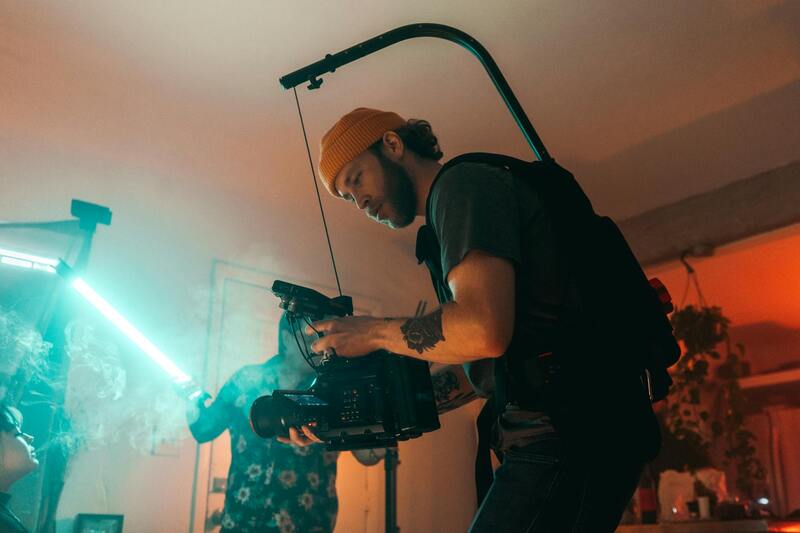
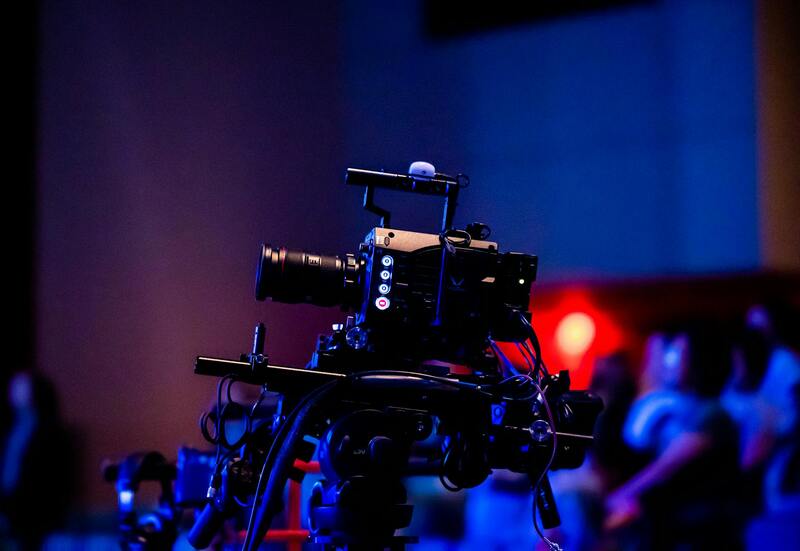
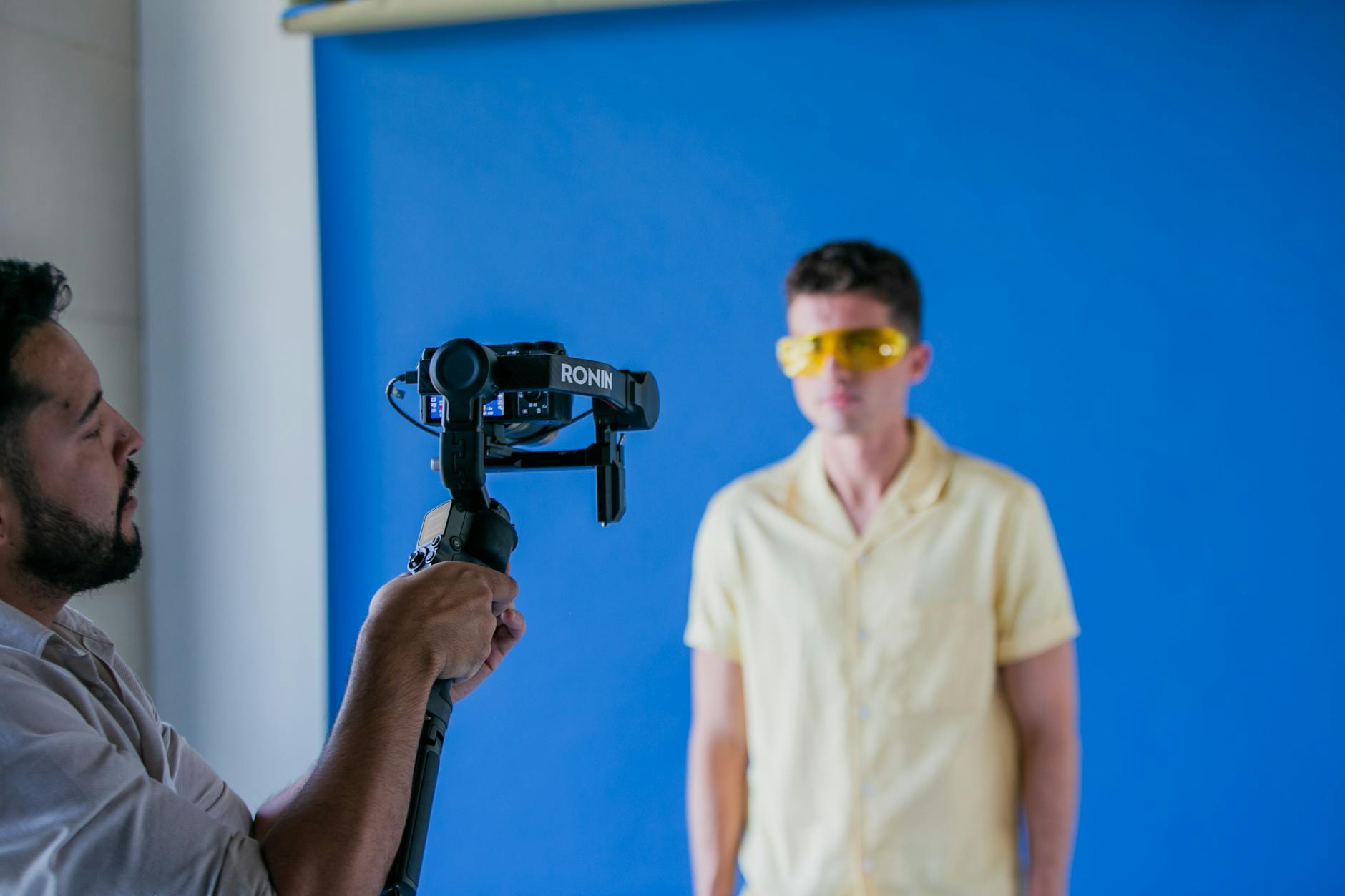
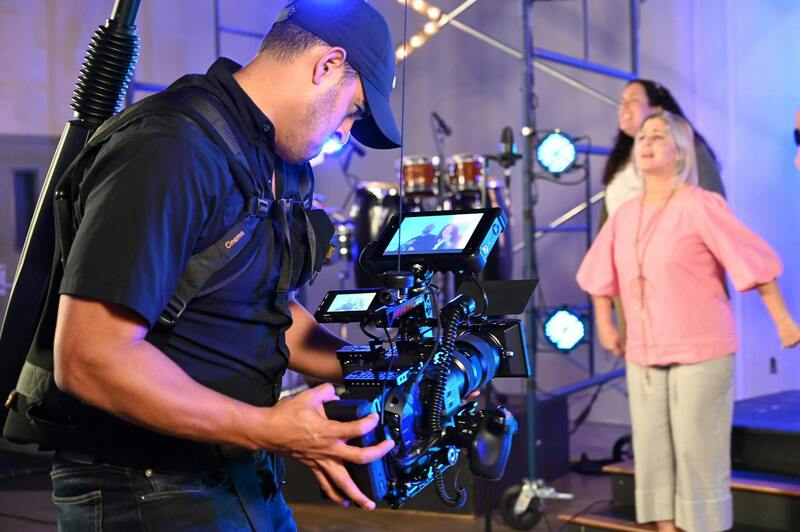
Stability is achieved through the use of sturdy tripods and gimbals, which are essential during long exposures or when shooting interior spaces where handheld shots risk blurring. For exterior photography, drones equipped with high-resolution cameras provide aerial perspectives that highlight the yacht's size and design, offering a comprehensive view unattainable from the ground.
Post-processing is equally vital. Adjustments in contrast, color saturation, sharpness, and perspective corrections refine images, ensuring they meet the high standards expected by luxury yacht owners and charter clients. Consistent editing style across a portfolio reinforces branding, making the photographer’s work instantly recognizable and highly desirable in the competitive Miami market.
Legal and Commercial Aspects of Yacht Photography
Engaging in yacht photography involves navigating a complex landscape of legal and commercial considerations that safeguard both the photographer's interests and those of the clients. A thorough understanding of these aspects ensures a smooth and professional operation within the industry. This includes securing proper agreements that outline the scope of work, usage rights of images, and compensation terms. Clearly defined contracts help prevent misunderstandings and provide legal clarity, especially when images are used for promotional purposes, sales, or advertising campaigns.
In yacht photography, licensing of images is a critical component. Photographers must specify whether images are licensed exclusively or non-exclusively, and detail the duration and geographical limits of usage. This guarantees that both parties have aligned expectations regarding the reach and longevity of image rights.
Additionally, adherence to regulations related to aerial drone photography is essential. This involves understanding the specific airspace rules, restrictions around certain locations, and respecting privacy rights. Proper navigation of these rules minimizes potential conflicts and ensures that aerial shots comply with local policies. Many professional photographers invest in acquiring necessary permits or certifications for drone operation, which emphasizes their commitment to responsible and lawful practice.
Commercial contracts should also address issues such as payment schedules, cancellation policies, and procedures for handling additional requests or revisions. Offering transparent pricing structures and clear communication fosters trust and repeat business, which are vital in the competitive Miami market for yacht photography.
Building a reputable brand within this industry relies heavily on maintaining legal compliance and ethical standards. This includes protecting client confidentiality when required, ensuring all photographic activities are conducted safely, and respecting the proprietary rights of other creatives involved in any collaborative projects.
Optimal Techniques for Capturing Stunning Yacht Images
Achieving high-quality yacht photography requires a combination of advanced techniques and a keen understanding of the unique environment presented by marine settings. Professionals in this field leverage specialized methods to ensure every shot highlights the yacht’s elegance, craftsmanship, and the surrounding scenic backdrop.
One fundamental approach involves strategic positioning and timing. Photographers often shoot during the golden hours—shortly after sunrise or before sunset—to harness natural lighting that enhances the yacht's features and creates a warm, inviting atmosphere. This low-angle sunlight not only reduces harsh shadows but also adds a shimmering glow to the water, accentuating the yacht's sleek lines.
Additionally, the use of polarizing filters is crucial. These filters help reduce glare and reflections from the water surface and windows, delivering clearer images with vibrant colors. They also enhance contrast, ensuring the yacht stands out sharply against the backdrop of the sea or sky.
In terms of equipment, high-resolution cameras with fast autofocus and wide dynamic range are essential. Telephoto lenses allow photographers to capture distant or hard-to-access angles without disturbing the scene, while wide-angle lenses are perfect for capturing the yacht in its entirety within the scenic environment.
Post-processing also plays an important role. Skilled editing enhances colors, sharpens details, and corrects exposure issues, resulting in visually striking images that align with client expectations and brand standards. Layering techniques such as HDR (High Dynamic Range) can be particularly effective in balancing the bright sky with darker yacht details, producing well-exposed images under challenging lighting conditions.
Finally, incorporating innovative methods like drone photography has become increasingly popular. Drones provide aerial perspectives that showcase the yacht’s design and its connection to the surrounding environment in ways ground-based shots cannot achieve. When executed responsibly and with proper planning, drone footage adds a dynamic and modern touch to a yacht photographer’s portfolio.
Legal and Commercial Aspects of Yacht Photography
For professional yacht photographers operating within Miami, understanding the formal aspects of conducting business is essential. This includes establishing clear contracts that specify the scope of each photo shoot, usage rights, and delivery timelines. Proper agreements protect both the photographer and the client, ensuring mutual understanding and smooth transactions.
Having a comprehensive pricing structure tailored to different types of projects—ranging from interior shots and exterior angles to aerial drone footage—is crucial. Factors influencing costs include the complexity of the shoot location, the equipment used, and post-processing requirements. Transparency in pricing fosters trust and attracts clients who value professionalism.
Certification and licensing are also important, especially when employing sophisticated equipment like drones. Registering drone operations with local authorities ensures compliance with regulations, enhances safety, and demonstrates a commitment to responsible practices.
In addition, maintaining appropriate insurance coverage for equipment, liability, and potential damages provides a safeguard against unforeseen issues. Insurance not only mitigates risks but also reassures clients of the photographer’s professionalism.
Marketing efforts should emphasize a strong online presence, including a dedicated website that showcases high-quality work, client testimonials, and a clear service catalogue. Utilizing targeted advertising and participating in industry events can also expand a photographer's network within the luxury maritime market.
By adhering to these protocols and maintaining a professional approach, yacht photographers in Miami can build a reputable brand that attracts discerning clients and sustains a thriving business.
Legal and Commercial Aspects of Yacht Photography
Licensing and Permits Specific to Yacht Photography in Miami
Operating as a yacht photographer in Miami involves compliance with specific licensing requirements that safeguard both the professional and the client. These licensing procedures often include obtaining a business license dedicated to maritime and photography activities, which demonstrates adherence to local regulations. Furthermore, utilization of aerial drone equipment mandates registration with relevant authorities, ensuring operations are conducted safely and within designated flight zones. Securing these permits also involves understanding restrictions on flight altitudes, no-fly zones around sensitive maritime areas, and permissions for commercial drone use.
Obtaining appropriate permissions for shoot locations, especially on private yachts or restricted maritime zones, may require written consent or contractual agreements with vessel owners and regulatory bodies. Clear documentation not only facilitates smooth shoot operations but also reinforces professionalism, assuring clients of compliance and responsible practices.
Contracts and Copyright Considerations
Drafting comprehensive contracts serves as the backbone of any successful yacht photography enterprise. These agreements should clearly specify the scope of work, deliverables, usage rights, and payment terms. Explicit clauses regarding image licensing are crucial. Photographers should retain rights to their images while granting clients specific rights for promotional or personal use, as outlined in the contract.
Copyright management can become complex in yacht photography, especially when images are used across different media channels. Photographers should include clauses that specify copyright ownership, the extent of license granted to clients, and protocols for image distribution. Clear licensing terms protect intellectual property while ensuring clients can utilize photographs effectively within agreed parameters.
Pricing Strategies Tailored to the Miami Market
Pricing in yacht photography should reflect factors such as project complexity, equipment used, duration of the shoot, and post-processing requirements. In Miami’s luxury maritime environment, premium pricing can be justified through high-quality deliverables, rapid turnaround times, and bespoke services that cater to high-net-worth clients.
Developing tiered packages that include various levels of photography, from simple interior shots to comprehensive aerial and video content, allows flexibility for clients with different needs. Transparent pricing models that articulate costs upfront build trust and demonstrate professionalism, encouraging repeat business and referrals in the competitive Miami market.
Legal and Commercial Aspects of Yacht Photography
Operating as a yacht photographer involves navigating a range of legal and commercial considerations that ensure the protection of both the photographer’s rights and the client’s expectations. Establishing clear contractual agreements is fundamental, particularly concerning image rights, usage rights, and licensing terms. These contracts should specify how images can be used post-shoot, whether for promotional material, social media, or resale, and delineate any restrictions or limitations.
In terms of licensing, photographers typically retain the copyright to their images but grant clients a license to use the photographs under predetermined conditions. This approach ensures the photographer maintains control over their work while providing clients with necessary usage rights for their marketing campaigns, yacht advertisements, or personal collections.
In addition to licensing agreements, comprehensive contracts should include clauses related to project scope, deliverables, deadlines, and payment terms. Clear delineation of these points minimizes misunderstandings and facilitates smooth project execution. For yacht photography, it’s also essential to outline provisions related to the handling of high-value equipment, sensitive locations, and the scope of aerial or drone images, which may require specific permissions or notices.
Photographers should also be aware of the protocols related to personality releases when individuals are identifiable in the images. Securing model releases or authorization for the use of likenesses helps prevent potential disputes. Additionally, documentation for permits, especially for drone use in yacht environments or restricted areas, is crucial for seamless operation.
Proper copyright management extends beyond individual projects. Maintaining an organized archive of images, including metadata and licensing information, facilitates licensing negotiations and ensures prompt response to usage requests. When working with high-net-worth clients or luxury yacht owners, professionalism in contractual negotiations and transparency in licensing terms will foster long-term relationships and referrals.
Overall, entering the yacht photography market with a solid understanding of legal and commercial frameworks not only protects the photographer's creative work but also demonstrates reliability and integrity to clients in Miami's competitive luxury maritime landscape.