Defining the Role of a Miami Photojournalist
A Miami photojournalist plays a vital role in capturing the dynamic stories that unfold within the city’s vibrant and diverse community. These professionals are dedicated to documenting newsworthy events, societal movements, cultural celebrations, and everyday life with the intent of informing and engaging the public. Their work goes beyond simply taking pictures; it involves creating visual narratives that reflect Miami’s multifaceted identity, from its bustling urban neighborhoods to its serene beaches and cultural enclaves.
In Miami, a photojournalist’s responsibilities extend to covering local news, political developments, social issues, and community events that shape the city’s landscape. They serve as visual reporters, providing the public with compelling images that can influence perceptions, foster understanding, and even inspire action. Whether it's capturing the energy of a Miami street festival, the impact of a community outreach program, or the aftermath of a significant event, their photography serves as an essential tool for storytelling.
A Miami photojournalist must possess the ability to adapt quickly to fast-paced environments, often working under tight deadlines to deliver impactful visuals. Their work provides authentic glimpses into the city’s diverse population and socio-cultural fabric, making their contributions invaluable for local news outlets, magazines, and digital platforms. Through their lens, they help forge a deeper connection between the community and the stories that matter most.
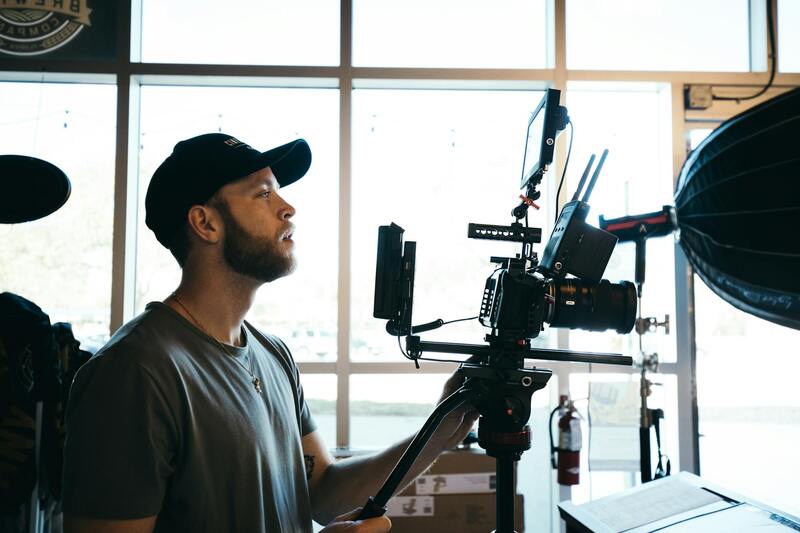
Mastery of visual storytelling, combined with an understanding of Miami’s unique cultural and social dynamics, defines the core of a Miami photojournalist’s work. They do more than document—they illuminate, provoke thought, and create lasting impressions through powerful imagery that resonates with residents and audiences around the world.
Skills and Qualifications of a Miami Photojournalist
To excel in the dynamic environment of Miami, a photojournalist must possess a diverse set of skills that combine technical proficiency with a deep understanding of the city’s social and cultural landscape. Proficiency with a variety of camera equipment and lighting techniques is fundamental, enabling the photographer to adapt to different lighting conditions and environments quickly. Mastery of both digital and analog photography ensures flexibility in assignments, whether working on fast-paced news coverage or long-term storytelling projects.
Storytelling ability lies at the core of effective photojournalism. A Miami-based photojournalist needs to interpret and convey complex narratives through compelling images that evoke emotion and provoke thought. This often involves an intuitive grasp of visual composition, timing, and the ability to anticipate decisive moments that encapsulate the essence of an event or story.
Familiarity with Miami’s local issues, cultural nuances, and diverse communities is also essential. An understanding of the city’s social dynamics helps the photographer approach subjects with sensitivity and respect, fostering trust and authentic representations. Knowledge of local languages, customs, and history can significantly enhance the depth and relevance of their work.
Moreover, excellent communication skills are vital for collaborating with editors, reporters, and community stakeholders. The capacity to adapt to rapid changes and operate efficiently under tight deadlines is equally important, especially during breaking news events or urgent assignments.
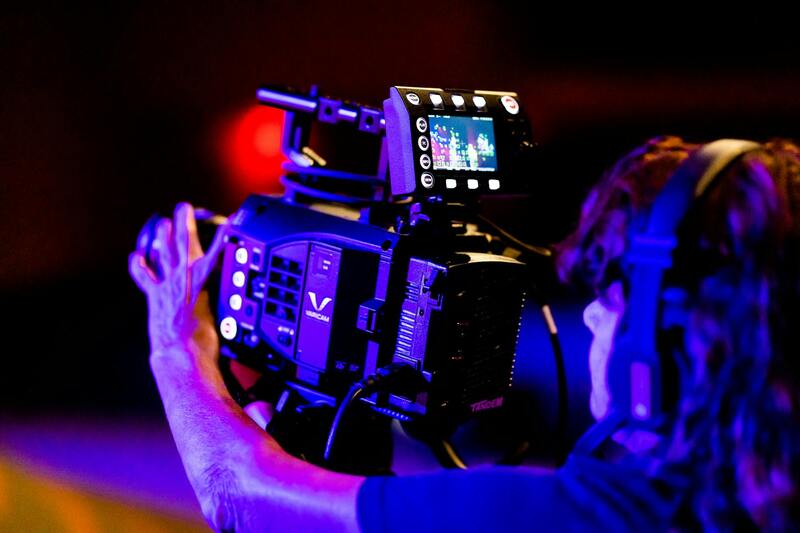
Overall, a Miami photojournalist combines technical expertise, storytelling talent, cultural insight, and professionalism to create impactful visual reports. Their ability to navigate the city’s vibrant and complex environment ensures that they can capture stories that matter, inform the public, and contribute to a richer understanding of Miami’s multifaceted identity.
Importance of Local Knowledge and Cultural Sensitivity
In the vibrant and diverse environment of Miami, a seasoned photojournalist leverages local knowledge to deepen the impact of their storytelling. Understanding the cultural fabric, historical context, and social nuances of different communities allows a Miami photojournalist to approach subjects with authenticity and respect. This awareness helps avoid misrepresentation and fosters genuine connections with the subjects, which is crucial for capturing honest and compelling images.
Furthermore, familiarity with local customs, traditions, and language nuances enables photographers to navigate sensitive situations skillfully. Whether photographing a cultural festival or a community meeting, a Miami photojournalist’s sensitivity ensures that they portray events in a manner that respects the dignity of subjects and resonates with local audiences. This cultural competence enhances the credibility of their work, increasing its influence and relevance within the community.
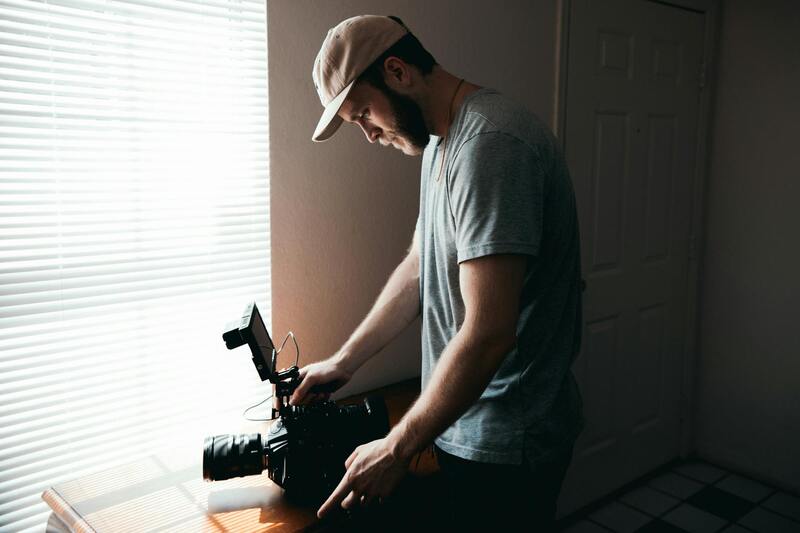
Presence and trust are vital for effective photojournalism. By building rapport with community members and understanding their perspectives, a Miami photojournalist can access more intimate and meaningful moments that enrich their storytelling. This approach not only elevates the quality of images but also ensures responsible representation, contributing positively to public awareness and community relations.
Tools and Equipment Used by Miami Photojournalists
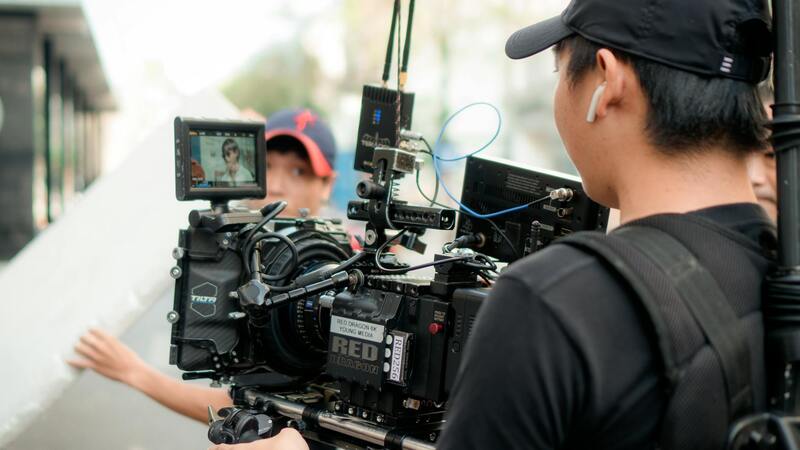
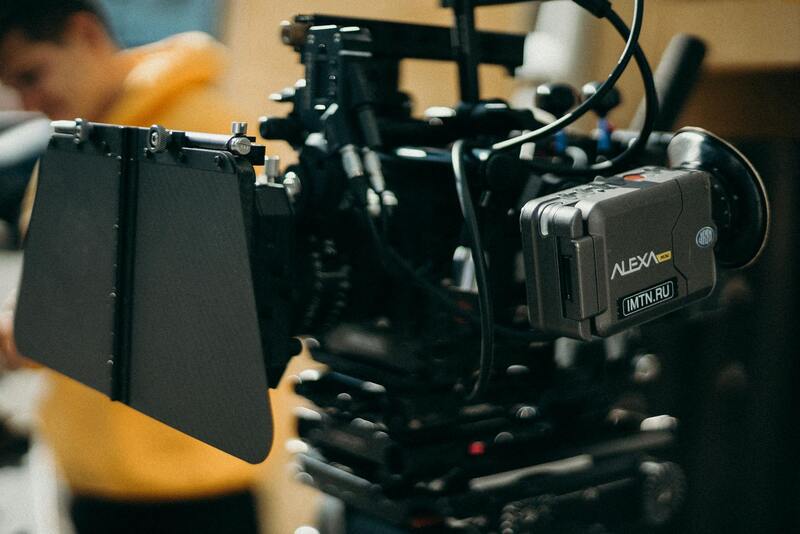
Professional photojournalists in Miami equip themselves with a versatile array of tools to succeed in dynamic environments. High-quality digital cameras with fast autofocus and excellent low-light performance are essential, especially when covering events that occur at night or in indoor settings. Lenses such as wide-angle, telephoto, and prime lenses provide adaptability for capturing wide scenes, close-ups, or candid moments.
Accessory equipment like portable lighting, stabilizers, and backup power sources further ensure seamless coverage during extended assignments. Many Miami photojournalists also rely on durable camera bags and protective gear to navigate urban and outdoor environments efficiently. Additionally, the integration of modern editing software enables timely post-processing, which helps refine images for publication or client delivery.
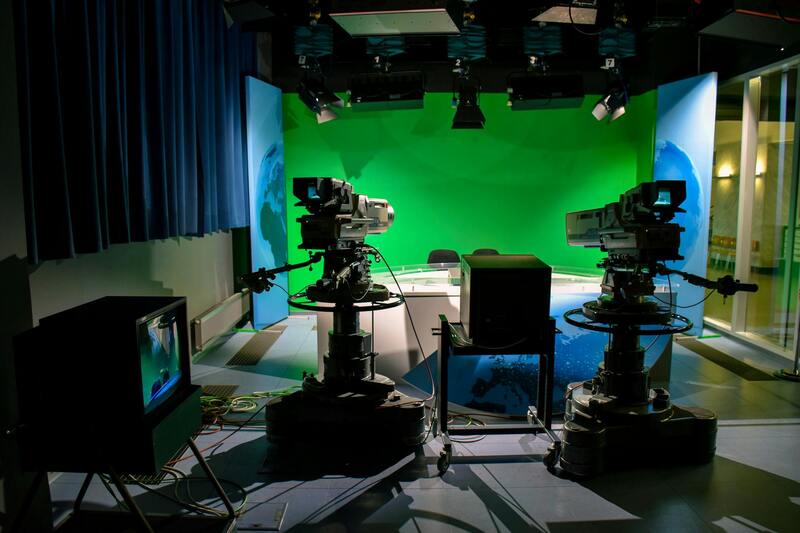
In an environment as lively and unpredictable as Miami, adaptability in equipment and technique is key. The latest technology ensures that photojournalists can quickly respond to fleeting moments, deliver high-quality images under varying conditions, and uphold their professional standards.
Official Methods to Discover and Verify a Miami Photojournalist’s Credentials
Ensuring that a Miami photojournalist’s background is verified through official channels is fundamental in establishing trust and authenticity. Reputable organizations, such as professional journalism associations, collect credentials and membership data from licensed practitioners within the industry. Many Miami-based photojournalists align themselves with nationally or locally recognized organizations, which often require proof of experience, ethical standards, and ongoing professional development. Accessing membership directories or certification records from these associations provides a reliable method to confirm credentials.
Another verified approach involves consulting licensing or registration databases maintained by local or state agencies that oversee media and journalism activities. In some cases, Miami’s media outlets and press agencies maintain official lists or directories of credentialed journalists, including photojournalists, who are recognized for their adherence to journalistic standards. These resources are instrumental in verifying a professional’s legitimacy and role within the community.
Official portfolios and recordings of work are valuable tools to authenticate a Miami photojournalist’s experience. Many credentialed professionals maintain digital or print portfolios that showcase their published work, awards, and recognitions. When these portfolios are hosted on official websites or provided through reputable media outlets, they serve as verifiable evidence of their expertise and specialization.
Utilizing Reputable Media and Industry Resources for Validation
Consulting established media outlets and journalism industry resources further aids in validating a Miami photojournalist’s professional standing. Well-known news organizations in Miami often feature their staff or trusted freelancers who contribute to their storytelling efforts. These publications tend to have rigorous editorial standards, which implicitly endorse the credibility of their contributors. Accessing contributor bios and credentials on these platforms provides additional assurance of a photojournalist’s professionalism. Additionally, industry-specific platforms that host verified portfolios or professional profiles enable stakeholders to assess the experience and reputation of a Miami photojournalist before engagement. These platforms often require user verification and vetting processes, ensuring that only reputable professionals are showcased.
Current industry awards, recognitions, or certifications listed on official websites or professional profiles further substantiate a Miami photojournalist’s qualifications. Recognized accolades from reputable institutions highlight a commitment to journalistic excellence and adherence to ethical standards, reinforcing their reliability.
Engaging with Local Media and Community Networks
Another critical method involves direct engagement with local media organizations, community groups, and professional networks. Many Miami-based agencies and associations conduct vetting processes for journalists and photographers seeking to collaborate or be featured. Building relationships through transparent communication enhances credibility and provides opportunities for official verification. Furthermore, community recognition or endorsements from Miami’s local media and civic organizations serve as testament to a photojournalist’s reputation and authenticity. Such endorsements often reflect sustained contributions to community storytelling and engagement, which are vital markers of a credible professional in the field.
For those seeking official proof of a Miami photojournalist’s standing, requesting verified references or documented testimonials from reputable clients and media outlets remains a practical approach. These references provide corroborative evidence of a professional’s track record, ethical standards, and industry recognition.
Tools and Equipment Used by Miami Photojournalists
Miami photojournalists depend on a diverse range of advanced tools and equipment to effectively capture moments across dynamic environments. High-performance digital cameras, such as full-frame DSLRs and mirrorless models, are staples in their toolkit, offering exceptional image quality, fast autofocus, and versatility in challenging lighting conditions. These cameras enable professionals to adapt seamlessly from bright outdoor scenes to dim indoor settings, ensuring clarity and detail in every shot.
Moreover, a selection of lenses—ranging from wide-angle for capturing expansive events to telephoto for distant subjects—is essential. Wide-angle lenses facilitate immersive shots of urban landscapes, crowded street scenes, or large public gatherings, while zoom lenses are invaluable for candid moments where proximity is limited. Prime lenses with fast apertures further enhance low-light performance, critical for evening or indoor reportage.
Accessories such as high-capacity memory cards, durable camera bags, and portable lighting solutions are also integral. External flashes, reflectors, and diffusers assist in controlling natural and artificial lighting, allowing photojournalists to maintain consistent image quality regardless of environmental challenges. For stabilization, tripods and gimbals help in capturing smooth footage or sharp images during lengthy exposures.
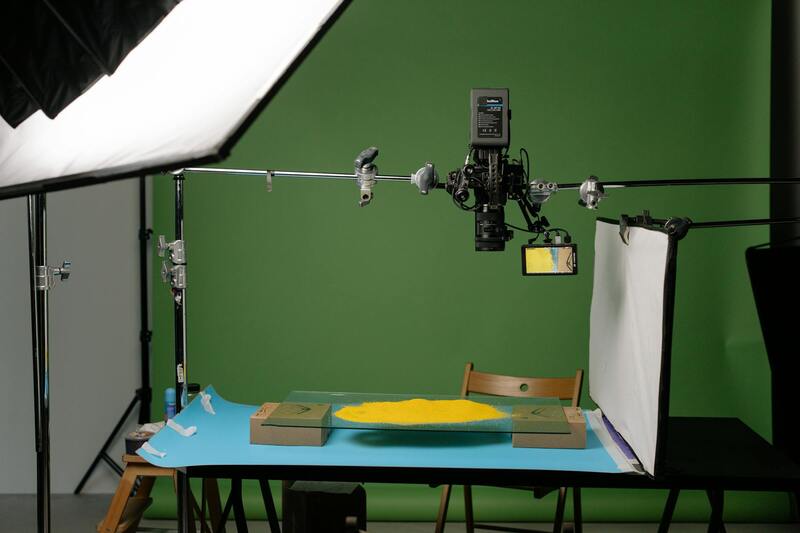
- Video equipment: Camcorders and professional microphones enhance storytelling through multimedia content.
- Editing tools: Laptop computers with advanced editing software like Adobe Photoshop and Premiere Pro are vital for post-production work.
- Communication devices: Reliable smartphones and radios ensure constant connectivity during coverage of live events.
Investing in robust, weather-resistant gear is crucial given Miami’s diverse climate. Equipment designed to withstand humidity, sudden rain, and urban dust ensures continuous operation without compromising image quality. Many Miami photojournalists also utilize drones for aerial perspectives, especially during large-scale events or urban infrastructure stories, expanding their storytelling capabilities beyond ground-level photography.
Tools and Equipment Used by Miami Photojournalists
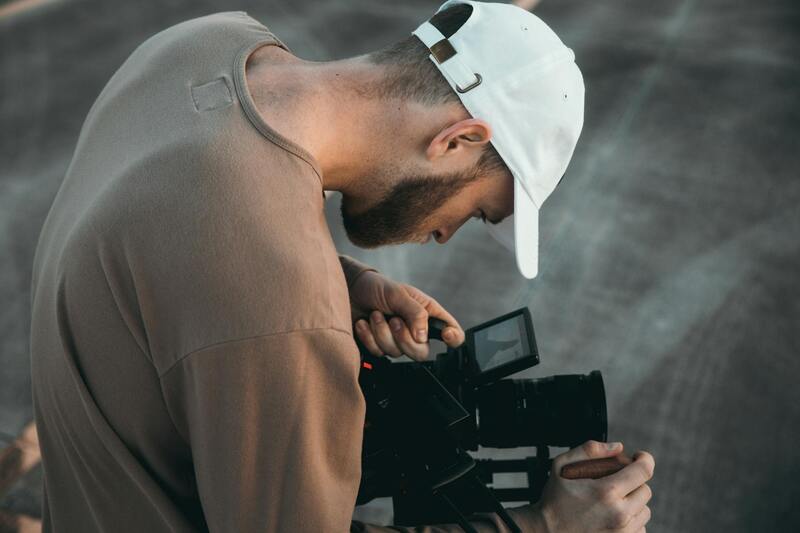
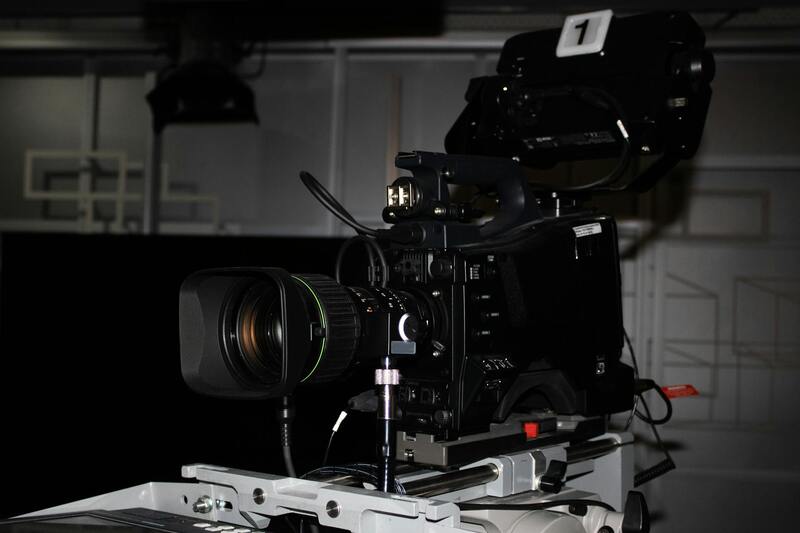
Miami photojournalists rely on a diverse array of equipment tailored to capture dynamic stories across a variety of environments. The backbone of their toolkit is their camera bodies—typically full-frame DSLRs or mirrorless systems—chosen for their superior image quality, fast autofocus, and low-light performance. These cameras allow photojournalists to document Miami’s vibrant scenes with clarity and precision, whether capturing candid street moments or formal events.
Lenses are selected based on the nature of the assignment. Wide-angle lenses are ideal for capturing expansive cityscapes or crowded gatherings, providing a broad perspective that encapsulates the environment. Telephoto lenses enable discreet shots from a distance, essential during sensitive situations or when maintaining a non-intrusive presence is required. Prime lenses with wide apertures facilitate shooting in low-light conditions, such as Miami’s nightlife or indoor events, ensuring images remain sharp and well-exposed.
Ethics and Responsibilities in Photojournalism
In the vibrant and diverse environment of Miami, photojournalists carry the crucial responsibility of capturing images that truthfully represent events, individuals, and communities. Authentic storytelling demands a commitment to accuracy, integrity, and fairness. Miami photojournalists must diligently verify the facts behind their visuals, ensuring their images accurately convey the story without distortions or misrepresentations.
Respect for privacy is paramount, especially when documenting sensitive situations or vulnerable populations. Photojournalists often navigate complex ethical landscapes, balancing the need to inform the public with respect for individuals’ dignity and consent. This is particularly relevant during coverage of social issues, protests, or personal tragedies where the emotional impact of imagery can be profound.
It is equally important to be transparent about the purpose and context of the photographs. When editing images, maintaining honesty by avoiding excessive filters or manipulations preserves credibility and trust among viewers. This commitment to ethical standards safeguards the reputation of the journalist and the trusted role they play within the community.
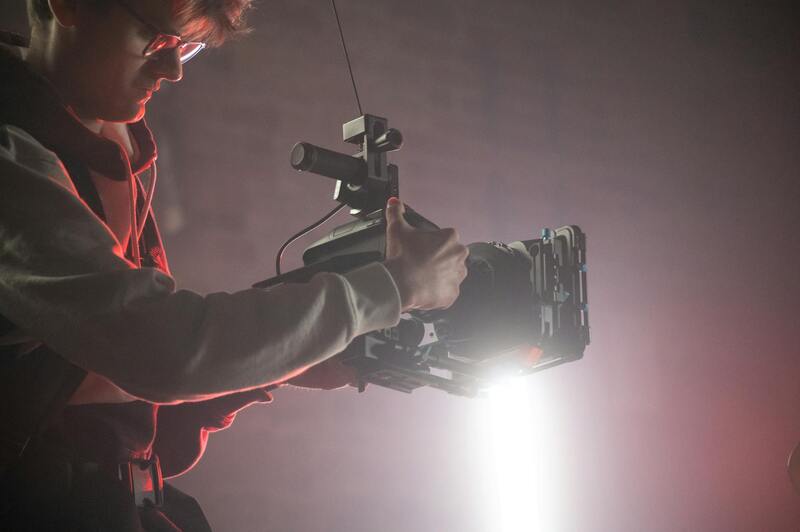
Furthermore, adherence to safety guidelines is essential when covering potentially hazardous situations, such as natural disasters or civil unrest. Proper planning, risk assessment, and respect for safety protocols help ensure that the pursuit of impactful images does not compromise the well-being of the journalist or those depicted.
Legal considerations also shape the responsibilities of a Miami photojournalist. Understanding copyright laws, image rights, and permissions helps prevent misuse or misrepresentation. Photographers often collaborate with legal advisors or media organizations to navigate these complexities and uphold responsible journalism standards.
Ultimately, the ethical principles guiding Miami photojournalists foster responsible storytelling, build public trust, and reinforce the vital role visual journalism plays in shaping informed, engaged communities.
Understanding the Significance of a Miami Photojournalist's Role
A Miami photojournalist plays an essential part in capturing the essence of the city’s dynamic social landscape. By documenting events, cultural moments, and pressing issues, they provide the public with a visual narrative that educates, informs, and fosters community engagement. Their work often requires quick thinking, adaptability, and a keen eye for detail to relay stories that resonate deeply with viewers, emphasizing the vibrancy and complexity of Miami life.
Essential Tools and Equipment Employed by Miami Photojournalists
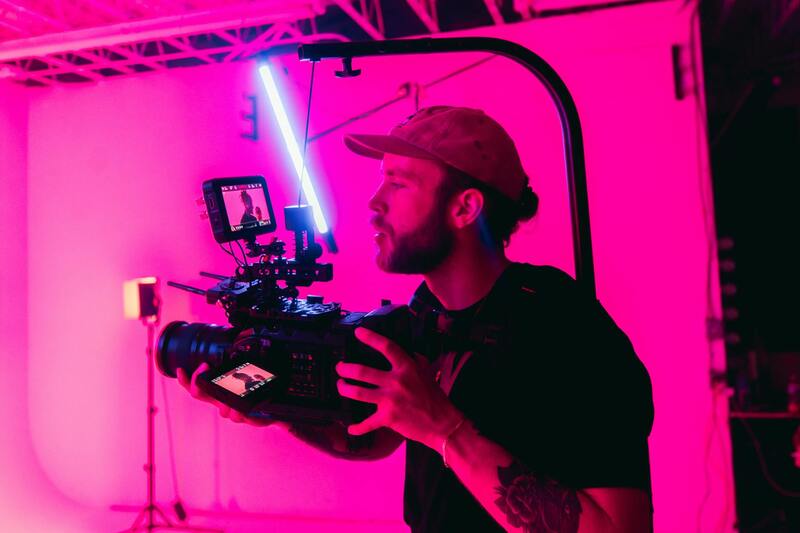
Efficiency and quality in visual storytelling are largely driven by the tools a Miami photojournalist chooses. Typical equipment includes high-resolution digital cameras capable of performing under diverse lighting conditions, compact and lightweight for mobility around the city, and a variety of lenses to capture both wide-angle scenes and close-up details. Accessories such as external flashes, stabilizers, and portable storage devices complement their gear to ensure they can work seamlessly in fast-paced environments. Additionally, many employ editing software on portable devices to perform quick adjustments and prepare images for immediate publication.
Ethical and Professional Responsibilities in Photojournalism
A core aspect of being a Miami photojournalist involves adhering to unwavering ethical standards. This encompasses respecting the privacy and dignity of individuals, especially when covering sensitive topics such as social conflicts or personal tragedies. Photographers are tasked with portraying scenes truthfully without manipulation that could alter the story’s integrity. Properly contextualizing images ensures viewers understand the circumstances behind each shot, thereby maintaining trust and credibility.
- Strictly avoiding misleading edits or filters that can distort reality.
- Securing permissions when photographing individuals in private or sensitive settings.
- Being transparent about the purpose and relevance of the images shared.
- Prioritizing safety for themselves and those involved during coverage of hazardous situations.
Influence of a Miami Photojournalist on Community Awareness
By capturing compelling images that spotlight social issues, cultural events, and community stories, Miami photojournalists foster a greater understanding of the city’s diverse population. Their work has the power to highlight overlooked problems, celebrate local achievements, and promote social dialogue. This visual storytelling not only informs residents but also attracts broader attention to critical matters, inspiring action and empathy.