Overview of the Photography Scene in Miami
Miami, Florida, stands as a premier destination for professional photography, boasting a dynamic and diverse industry that attracts both seasoned photographers and emerging talent. The city’s vibrant culture, iconic landmarks, and scenic landscapes contribute to a thriving photography community that specializes in various genres—from fashion and commercial to fine art and event photography. Miami’s unique blend of urban sophistication and natural beauty provides ample opportunities for stunning visual storytelling, making it a compelling hub for photographic pursuits.
The local photography scene is characterized by a rich array of styles and approaches, reflecting the city’s multicultural identity. Modern studios and independent freelancers alike leverage Miami’s picturesque settings, such as its renowned beaches, colorful neighborhoods like Wynwood, and stylish downtown districts, to craft compelling images. The industry’s scope encompasses everything from high-fashion shoots in sleek studio spaces to candid street photography capturing Miami’s vibrant everyday life.
Community engagement plays a vital role in maintaining Miami’s robust photography network. Numerous professional associations, workshops, and events foster collaboration and continuous learning among photographers. Establishments such as boutique studios and large commercial agencies serve a clientele seeking top-tier photography solutions for personal, promotional, and corporate projects. Additionally, the city’s year-round warm climate allows photographers to operate conveniently outdoors, contributing to the city’s reputation as an ideal location for all types of photographic endeavors.
In summary, Miami’s photography industry is distinguished by its versatility, creative vibrancy, and collaborative spirit. From innovative studios to freelance artists, the city’s photographic community continues to grow and adapt, embracing new technologies and trends while celebrating its distinctive local flavor. This ongoing development ensures that Miami remains a leading center for high-quality photography, attracting clients from around the world seeking exceptional visual content.
Legal and Permitting Aspects for Photography in Miami
Understanding the legal frameworks surrounding photography in Miami is essential for ensuring smooth and compliant photoshoots. While shooting in public spaces, photographers often need to be aware of specific regulations related to commercial photography, especially when using equipment such as drones, lighting rigs, or large setups that may require special permissions. It’s also important to respect private property rights; obtaining permission from property owners before conducting shoots on privately owned land or buildings can prevent potential disputes.
In Miami, certain locations may have designated zones where commercial photography is either restricted or requires a permit. Local government agencies or city departments oversee these regulations, and acquiring the necessary authorization involves submitting detailed plans of the shoot along with any equipment specifications. These permits often stipulate restrictions on the use of amplified sound, certain types of lighting, or the presence of large crew teams.
For drone photography, Miami has specific guidelines that govern aerial imagery, particularly in sensitive areas or near airports. Drone operators should familiarize themselves with the Federal Aviation Administration (FAA) regulations and local ordinances to ensure compliance. This includes registering drones, adhering to flight altitude limits, and obtaining waivers if necessary for certain shoots.
Engaging with local authorities early in the planning process can facilitate obtaining permits and understanding any specific restrictions tied to a chosen location. Some spots may require scheduling in advance during peak tourist seasons or special events, which can impact timing and availability. Additionally, professional photographers often consult with legal or licensing experts to ensure all necessary paperwork is completed accurately—saving time and avoiding costly delays.
Respecting intellectual property rights is another critical aspect. When photographing murals, artworks, or private properties, securing permission and understanding usage rights can prevent miscommunications or potential copyright issues. For commercial projects, contracts should clearly specify licensing terms and image usage, ensuring both parties agree on how the photographs will be utilized.
Essential Permitting Processes for Photography in Miami
While capturing the vibrant essence of Miami through photography can be highly rewarding, working within the framework of local regulations and permit requirements is crucial to ensure a smooth shoot. Specific locations, particularly public parks, beaches, or private properties, often require prior approval to conduct professional photography sessions. Securing permits not only complies with local policies but also guarantees access to prime spots that are popular amongshooters and clients alike.
For outdoor shoots in public spaces, photographers should initiate permit applications well in advance, especially during peak seasons or special events when locations are in high demand. The Miami Department of Parks, Recreation, and Open Spaces usually handles permits for parks and beaches, while city planning departments oversee other public areas. Providing detailed information about the scope of work, number of crew members, equipment used, and proposed dates helps streamline the approval process.
Private property photography requires explicit permission from property owners. In many cases, securing written consent or a licensing agreement is necessary to prevent any future disputes over image rights or usage rights. When photographing murals, artworks, or copyrighted private properties, obtaining permission from the rights holders safeguards against potential copyright infringement issues.
Additionally, drone photography in Miami is subject to specific regulations designed to protect airspace safety and privacy. Pilots should register their drones, follow FAA flight restrictions, and obtain any necessary waivers from local authorities for aerial shoots. This proactive approach prevents disruptions during the shoot and aligns with city guidelines.
Proper documentation and adherence to all permit requirements significantly help in avoiding delays or legal hurdles. Engaging legal professionals or licensing consultants familiar with the Miami area can further ensure all paperwork, including permits and licensing agreements, are accurate and comprehensive. This diligence not only contributes to a hassle-free production but also enhances the professional reputation of the photographer or agency involved.
Legal and Permitting Aspects for Photography in Miami
Executing photography projects in Miami requires adherence to official protocols that ensure all activities are conducted smoothly and without interruption. Photographers planning to utilize public spaces, private properties, or aerial drone equipment should familiarize themselves with the required permits and approvals. These procedures are designed to safeguard the rights of property owners, residents, and other stakeholders, fostering a professional environment for creative work.
For on-location shoots in public areas such as beaches, parks, or streets, city ordinances often specify permitted activities and any necessary permits. Applying for these permits well in advance ensures that the shoot aligns with local regulations, preventing potential disruptions or fines. It’s essential to provide detailed information about the scope and duration of the project to the relevant municipal agencies.
Private property photography demands explicit authorization from property owners. Securing written consent through licensing agreements or official permissions not only respects property rights but also clarifies usage rights, thereby minimizing future disputes. When photographing murals or copyrighted artworks, obtaining permission from the rights holders maintains compliance with intellectual property laws.
Drone photography introduces additional layers of regulation focused on airspace safety and privacy. Operators must register their drones with the FAA, adhere to flight restrictions, and obtain required waivers from local authorities if flying in restricted zones or for commercial purposes. This proactive process helps maintain safety standards and align drone activities with city guidelines, avoiding any operational issues during aerial shoots.
Comprehensive documentation, including permits, licenses, and waivers, is crucial for a hassle-free production. Engaging with legal professionals or licensing consultants familiar with Miami's specific policies can streamline this process, ensuring all paperwork is accurate and complete. Such due diligence not only guarantees compliance but also enhances the credibility and professionalism of the photography team, enabling creative pursuits to proceed without unnecessary hurdles.
Legal and Permitting Aspects for Photography in Miami
In Miami, a comprehensive understanding of the legal landscape surrounding photography is vital for ensuring smooth and professional operations. While Miami offers a vibrant backdrop for countless photographic endeavors, capturing images in public and private spaces requires adherence to established rules and procedures. These regulations are designed to balance creative pursuits with community standards and individual rights, fostering an environment where photographers can operate confidently and responsibly.
When planning to shoot in public areas, such as beaches, parks, or city streets, securing the appropriate permits is essential. City authorities often require a permit for commercial shoots or large-scale production activities. These permits help coordinate the use of public spaces, manage potential disruptions, and ensure safety standards are met. Applying for permits involves submitting detailed proposals that outline the scope of the shoot, equipment to be used, number of personnel involved, and intended duration. It is recommended to engage with the Miami municipal government or relevant agencies early in the planning process to navigate the application procedures efficiently.
Private property photography also necessitates explicit authorization from the property owner. This can be managed through written agreements that delineate the scope of the permission granted, usage rights, and any associated restrictions. Such documentation is crucial to protect all parties involved and establish a clear understanding of the terms of the shoot. Additionally, when photographing copyrighted artworks, murals, or privately owned installations, obtaining permission from the rights holders safeguards against intellectual property disputes and guarantees lawful use of the images.
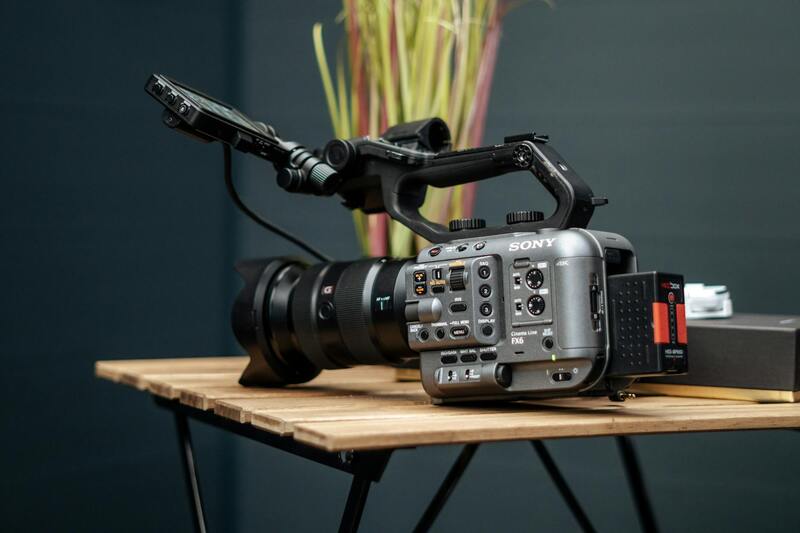
Regarding drone photography, special regulations are in place to address aerial safety and privacy concerns. Drone operators must register with the Federal Aviation Administration (FAA), comply with no-fly zones, and obtain waivers if necessary, especially when shooting in restricted areas or for commercial purposes. Local authorities may also require additional permits for drone flights in certain public spaces, which involve submitting flight plans and safety protocols. This layered regulation ensures responsible drone operation and minimizes conflicts with civilian airspace and privacy expectations.
Proactively managing all permissions and documentation—permits, licenses, waivers—is crucial for a hassle-free recording process. Consulting with legal professionals or permit specialists familiar with Miami’s specific policies can facilitate the process, ensuring all paperwork is duly completed and compliant with local and federal guidelines. Proper documentation not only mitigates legal risks but also reinforces the professionalism of the photography team, allowing creative projects to proceed seamlessly and efficiently.
Legal and Permitting Aspects for Photography in Miami
In Miami, navigating the official procedures for photography involves understanding the necessary steps to ensure compliance with city regulations and property rights. While the city hosts a vibrant arts and cultural scene, certain locations and subjects may require specific permissions to photograph legally. Securing these permissions helps avoid disputes and fosters a smooth workflow for professional photographers.
Many iconic Miami landmarks and private properties have owners or managing authorities who require prior approval before photographs are taken, especially for commercial purposes. Engaging with property managers or relevant authorities ahead of the scheduled shoot guarantees that all agreements are clear. This proactive approach not only prevents potential interruptions but also demonstrates professionalism and respect for property rights.
Public spaces, such as popular parks, beaches, and streets, often have guidelines or regulations in place for commercial photography. These may include obtaining permits from local authorities or the Miami Parks and Recreation Department. These permits typically specify designated areas, timeframes, and any restrictions to ensure public safety and privacy are maintained during photo sessions. Planning ahead and securing necessary permits minimizes disruptions and supports a seamless photographic experience in busy urban environments.
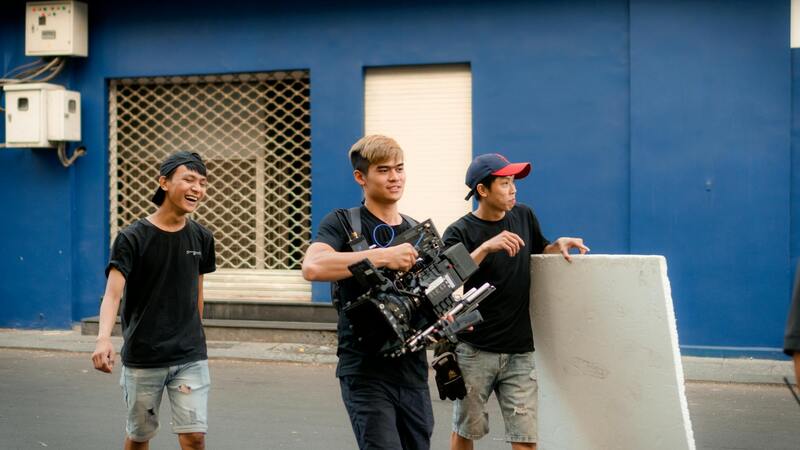
For aerial or drone photography, Miami enforces specific regulations meant to uphold safety and privacy standards. Drone operators must register their aircraft with the Federal Aviation Administration (FAA), adhere to no-fly zones—including near airports, helicopter routes, and sensitive facilities—and secure waivers when necessary. Local authorities may impose additional requirements for drone flights in public parks or restricted neighborhoods, often involving the submission of detailed flight plans and safety checklists.
Managing all documentation—permits, licenses, and waivers—before the shoot is essential. Collaborating with legal or permit specialists familiar with Miami’s landscape streamlines the process, ensuring all paperwork meets current federal, state, and local guidelines. Properly documented permissions demonstrate a professional approach, protecting against unforeseen issues during filming or photo sessions and underscoring the seriousness of the project.
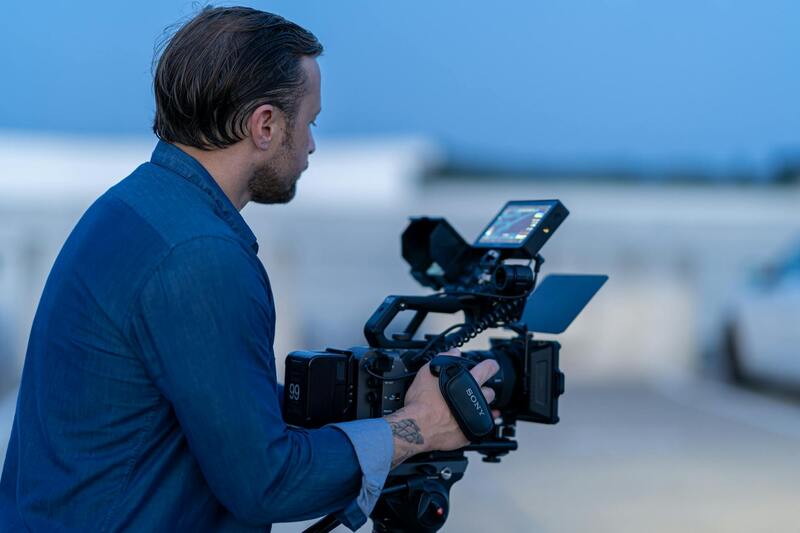
In summary, understanding and complying with the official procedures for photography in Miami involves detailed planning, early engagement with authorities, and thorough documentation. By respecting property rights, securing necessary permits, and adhering to safety regulations, photographers can focus on capturing stunning imagery while maintaining professional standards and avoiding potential legal complications.
Legal and Permitting Aspects for Photography in Miami
Photographers operating in Miami must navigate a comprehensive framework of official procedures to ensure compliance during shoots. This includes understanding the particular regulations concerning the use of drones, commercial filming, and the employment of certain equipment in public and private spaces. Proper planning and adherence to these policies are imperative to avoid disruptions and maintain professional standards. Approval processes often involve submitting detailed itineraries, safety plans, and property access permissions to relevant authorities.
In Miami, specific zones such as airports, helicopter routes, and protected natural reserves are subject to restrictions, which require prior notification and sometimes approval. When using drones, operators are required to register their aircraft with the Federal Aviation Administration (FAA) and comply with regional no-fly zones. Additional local regulations may mandate obtaining specific permits for aerial photography, especially if it involves capturing footage over private properties or sensitive locations.
Securing permits involves meticulous documentation, including detailed flight plans or shoot itineraries, proof of liability insurance, and, when applicable, signed property authorizations. It's strategic to engage with professionals who specialize in navigating Miami’s permitting landscape, as their familiarity with local agencies, regulations, and procedural nuances can streamline the approval process. Early consults with legal or permit consultants can prevent delays and help clarify the scope of allowable activities.
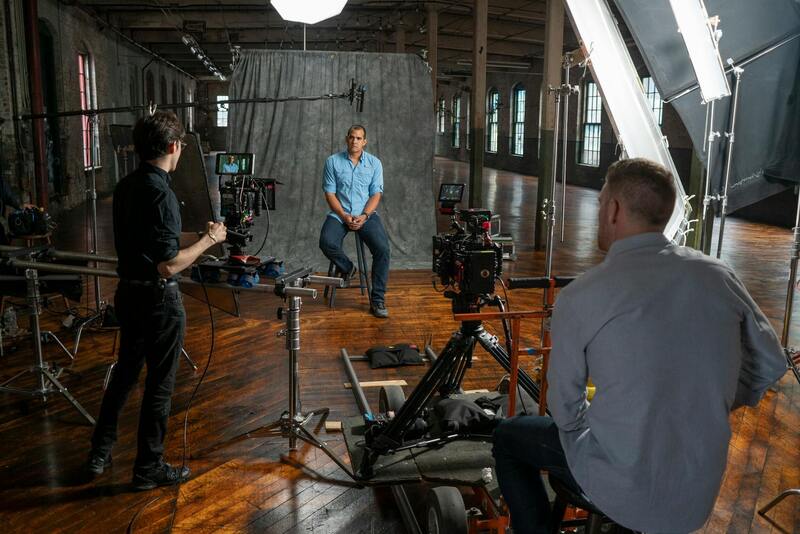
Photography professionals and studios often have established relationships with permitting bodies, which can expedite the process. As part of due diligence, acquiring all necessary approvals before the shoot not only ensures legal compliance but also demonstrates a serious, professional approach to clients and collaborators. Proper permits serve as an official acknowledgment that the planned activities meet all safety, privacy, and property guidelines.
Additionally, knowing the boundaries around public parks, historic districts, and private property is essential. While some areas may require special permissions or have designated zones for commercial photography, others may impose restrictions on times and methods of photography to safeguard public interests. When shooting in natural environments such as beaches or parks, contacting park authorities or municipal offices for explicit permissions helps avoid interference during a shoot.
Post-Production and Delivery in Miami Photography Projects
In the vibrant and diverse landscape of Miami, the post-production phase is critical to transforming raw images into compelling visual stories that meet client expectations and capture the city’s unique essence. This process involves meticulous editing, color correction, and retouching tailored to the specific style of each project. Miami’s natural sunlight, dynamic urban settings, and colorful environments demand an experienced eye to enhance these elements without compromising authenticity.
Photographers and editing teams often utilize advanced software such as Adobe Photoshop, Lightroom, and Capture One to refine images. Color grading in Miami photos frequently emphasizes sun-kissed tones, vibrant contrasts, and crisp details, ensuring the final images resonate with the energetic atmosphere of the city. For portrait and event photography, retouching aims to highlight the subject’s best features while maintaining a natural appearance, especially when capturing Miami’s diverse population.
Delivery methods are just as crucial as the editing process. Digital galleries, cloud-based sharing platforms, and professional online proofing tools facilitate seamless delivery of high-resolution images to clients. Many photographers in Miami adopt a structured workflow that includes initial previews, client feedback, and final edits, ensuring the images align with the vision and purpose of each project. Timely delivery not only enhances client satisfaction but also demonstrates professionalism, which is vital when working in such a competitive market.
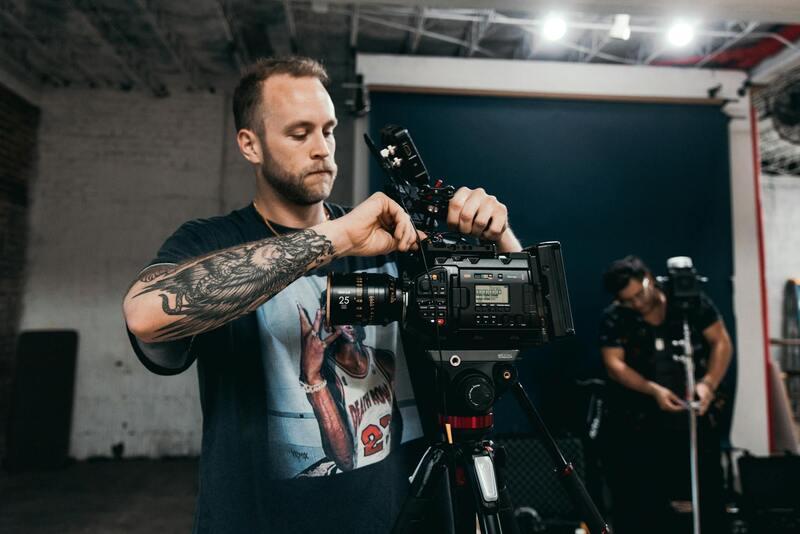
Moreover, when dealing with commercial projects such as real estate, hospitality, or promotional campaigns, high-quality post-production can significantly influence marketability and brand perception. Consistency in editing style across a series of images helps reinforce branding and message delivery. For event photography, delivering polished, eye-catching images swiftly enhances client experience and encourages future collaborations.
Adopting a clear licensing and usage agreement is also essential during the delivery phase. It delineates how and where the images can be used, whether for online marketing, print publications, or social media campaigns. Ensuring that these terms are well-understood and agreed upon before project completion helps avoid misunderstandings and fosters lasting professional relationships.