Popular Photography Spots in Miami
Miami stands out as a premier destination for photographers seeking breathtaking scenery, striking architecture, and lively urban environments. The city's diverse landscapes offer an array of options for capturing captivating images, whether you're an enthusiast or a seasoned professional. South Beach, with its iconic oceanfront, pristine sands, and the historic Art Deco District, provides a vibrant backdrop for both daytime and sunset photos. The colorful facades of the Art Deco buildings create captivating scenes that highlight Miami’s unique architectural style.
Elsewhere, Wynwood Walls presents an extraordinary opportunity to photograph vivid murals and street art, embodying Miami's contemporary, creative spirit. The bustling streets of Downtown Miami and Brickell offer sleek cityscapes and towering skyscrapers, perfect for urban photography that emphasizes modern design and dynamic city life. For nature lovers, Bayfront Park and the Miami Seaquarium showcase lush greenery and marine life against the backdrop of the city skyline, ideal for capturing a blend of urban and natural environments.
Additionally, the picturesque Coconut Grove and Coral Gables neighborhoods feature tree-lined streets, historic estates, and lush landscapes, offering a more tranquil setting for portrait and landscape photography. Visiting Key Biscayne and the nearby islands allows for seascape and wildlife shots, with scenic views of the Atlantic Ocean and abundant birdlife. Whether it's the vibrant nightlife, the shimmering beaches, or the architectural marvels, each location in Miami offers a unique perspective, making it a versatile city for photographers aiming to capture its vibrant spirit.
Popular Photography Spots in Miami
Miami's diverse landscape offers an array of exceptional locations that inspire both amateur and professional photographers. Among the most iconic is South Beach, renowned for its expansive sands and vibrant city ambiance. The early morning light over the ocean provides soft, natural illumination, ideal for capturing serene seascapes or intimate portrait sessions against the backdrop of pastel-colored lifeguard stations. As the day progresses, the vivid hues of sunset cast a warm glow on the shoreline, transforming the scene into a captivating masterpiece.
Walking inland, the Art Deco Historic District in Miami Beach offers a wealth of photographic opportunities with its preserved architecture. The neon-lit facades illuminated at dusk create vibrant scenes perfect for night photography, capturing Miami’s lively nightlife. The bold, geometric shapes and pastel palettes of the buildings are captivating elements that highlight Miami’s distinctive architectural style. Photographers can experiment with different angles to emphasize symmetry and pattern, capturing the district’s historic charm.
Wynwood Walls stands out as a hub of creativity, featuring large-scale murals created by renowned street artists. This outdoor gallery is constantly evolving, offering fresh visual elements for every visit. Street art photography in Wynwood emphasizes vivid colors, textures, and dynamic compositions. The area’s energetic vibe makes it a prime location for capturing candid moments, artistic detail shots, and vibrant graffiti scenes that embody Miami’s modern cultural expression.
For those interested in urban landscapes, Downtown Miami and Brickell provide towering skyscrapers and bustling streets. Early morning shoots can leverage the reflective surfaces of glass buildings, while night photography benefits from the city’s illuminated facades and busy street scenes. These urban environments give photographers the chance to explore long exposures, capturing streaks of light from moving vehicles and the vibrant pulse of city life.
Natural scenery can be found nearby in spaces like Bayfront Park and the Miami Seaquarium, where lush greenery, waterfront views, and marine life create compelling subjects. Early morning or golden hour lighting enhances these scenes, enriching the natural textures and colors. For wildlife photographers, nearby islands such as Key Biscayne offer vantage points for capturing seabirds, coastal landscapes, and marine ecosystems, all framed against Miami’s iconic skyline.

Beyond urban exploration, neighborhoods like Coconut Grove and Coral Gables provide tranquil settings with tree-lined boulevards, historic architecture, and lush gardens. These areas are perfect for portrait shoots or quiet landscapes that showcase Miami’s elegant, relaxed lifestyle. For panoramic landscapes or scenic portraits, early mornings or late afternoons deliver the best natural lighting, highlighting the beauty of these refined neighborhoods.
Finally, Key Biscayne and the surrounding islands offer pristine seascapes, wildlife, and rugged coastlines. Capturing the Atlantic Ocean’s vastness against the delicate flight of seabirds or the gentle waves lapping against rocky shores can produce stunning, natural images. The interplay of light, water, and movement in these locations makes them especially attractive for landscape and wildlife photography.
Popular Photography Spots in Miami
Miami boasts a diverse array of iconic locations that serve as prime settings for capturing stunning images. The vibrant streets of Wynwood Walls are renowned for their colorful murals and street art, offering a dynamic backdrop for urban photography. The historic Art Deco District in South Beach features pastel-colored buildings and geometric designs that shine during golden hour, making it a favorite among photographers seeking retro charm.

For breathtaking waterfront shots, Miami Beach's Ocean Drive provides scenic vistas of the Atlantic Ocean, along with bustling nightlife and stylish hotels that add energy to photographs. Everglades National Park, just a short drive from the city, offers unique opportunities to photograph exotic wildlife, lush marshlands, and expansive sky views—perfect for nature and wildlife photography enthusiasts.
Other notable spots include the Miami Tower for striking cityscape images with a modern skyline silhouette, and Coconut Grove's quiet neighborhoods with tree-lined streets that evoke a relaxed, tropical vibe. These locations provide a broad spectrum of Miami’s aesthetics—from urban landscapes to natural beauty—catering to various photography styles and preferences.
Styles of Photography in Miami
Miami’s diverse environment lends itself to numerous photography styles, each highlighting different facets of the city’s vibrant character. Urban and street photography capture the city’s bustling streets, colorful neighborhoods, and lively cultural scenes. Candid shots of locals mingling or street performances can convey authentic Miami energy, especially in areas like Little Havana and Wynwood.
Landscape photography emphasizes Miami’s scenic coastal views, urban horizons, and nearby parks. Early morning or late afternoon light enhances the textures and colors of beaches, parks, and cityscapes, creating atmospheric and dramatic images. For those interested in architectural photography, Miami’s historic Art Deco buildings, modern skyscrapers, and unique houses offer numerous opportunities to explore shapes, patterns, and historical narratives.
Wildlife photography in Miami is increasingly popular due to the region’s rich marine and terrestrial ecosystems. Photographers can capture seabirds, marine mammals, and other native species in their natural habitats, especially around protected areas like Biscayne Bay and the Everglades. Macro photography also finds a niche here, with opportunities to document intricate details of flora and fauna in lush gardens or natural reserves.
Fashion and portrait photography thrive in Miami’s vibrant urban settings and luxurious beaches. The city’s stylish vibe coupled with the tropical climate provides ideal conditions for outdoor shoots, emphasizing bright colors, relaxed fashion, and lively expressions. Multi-style projects often combine urban backgrounds with natural elements, creating compelling visuals that showcase Miami’s multifaceted identity.
In summary, Miami’s diverse scenery and energetic atmosphere make it a versatile destination for photographers seeking to explore a variety of styles—from urban grit to natural tranquility. The city’s unique blend of cultural influences, architectural landmarks, and picturesque landscapes offers endless opportunities for creative expression.
Permissions, Permits, and Legal Considerations
When planning photography sessions across Miami, understanding the official procedures for obtaining necessary permissions and permits is essential for a seamless experience. For commercial shoots, including advertisements, fashion, or professional portfolios, securing permits from relevant municipal authorities is often required, especially if the shoot involves equipment that could obstruct public spaces or if it aims to utilize specific landmarks or private properties.
In public areas such as beaches, parks, or city streets, permissions might involve applying through local government agencies or parks departments. It's advisable to review Miami-Dade County regulations regarding commercial filming and photography to determine the scope of necessary permits and associated fees. Private property owners, including owners of popular venues or specific urban spots, may require direct permission or rental agreements before conducting commercial shoots.
For hobbyist or casual photography, such as personal portfolios or artistic captures, permits are generally not required on public beaches, parks, or city streets, though respecting local guidelines and maintaining discretion is encouraged. It is vital to familiarize oneself with Miami’s specific regulations regarding drone photography, as many areas have restrictions to protect privacy and safety.
Utilizing official channels for permit applications and adhering to local rules helps prevent disruptions or legal complications, enabling photographers to focus on capturing Miami’s vibrant scenes without concerns. Engaging with local photography associations or industry groups can also offer guidance and support throughout the process, ensuring compliance while accessing the city’s diverse photographic opportunities.
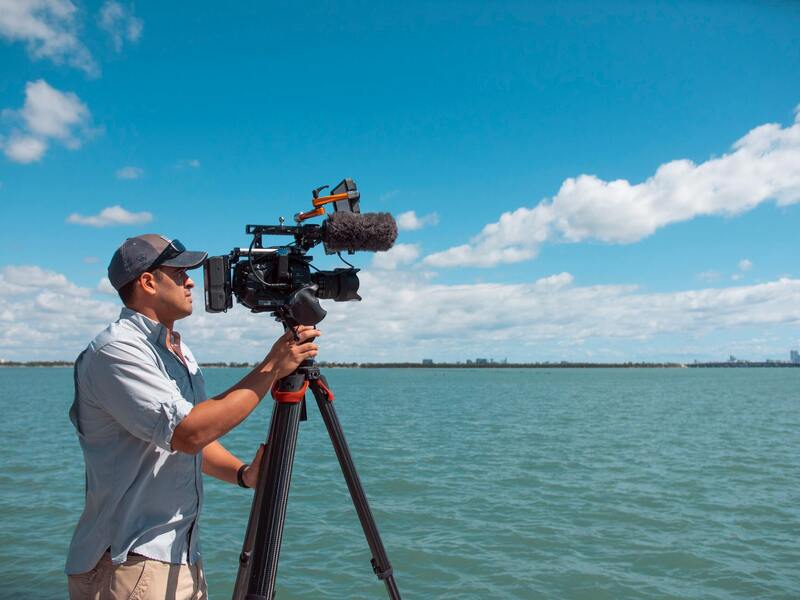
In addition, maintaining proper insurance coverage for equipment and liability can be beneficial when conducting professional shoots. Collaborating with local permitting agencies or consulting legal professionals familiar with Miami’s regulations helps streamline the planning process, keeping the focus on producing compelling imagery of the city’s iconic sights and hidden gems.
Permissions, Permits, and Legal Considerations
Securing official permissions and understanding the regulatory landscape are crucial steps for any photographer aiming to operate within Miami’s bustling environment. For commercial photography projects, such as advertising campaigns, magazine shoots, or promotional content, obtaining the appropriate permits from city authorities ensures lawful access to public and private spaces. These permits often require detailed project descriptions, proof of insurance, and adherence to specific guidelines regarding the use and setup of equipment.
When photographing in Miami’s city streets, parks, or waterfronts, it is essential to familiarize oneself with local regulations concerning drone operation, flash usage, and equipment restrictions. Many areas have designated zones where drone flights are prohibited or limited to safeguard privacy and security. Public parks may also have restrictions on commercial activities, require permits, or impose time limitations to minimize disruption to visitors.
For private property, permission from the property owner or manager is mandatory before conducting any commercial or high-volume photography. Respect for private spaces not only ensures legal compliance but also fosters positive relationships within the local community.
Developing relationships with local authorities, permitting agencies, and industry groups can facilitate a smoother application process. These entities often provide clear guidelines and support for photographers seeking to navigate Miami’s regulatory framework efficiently.
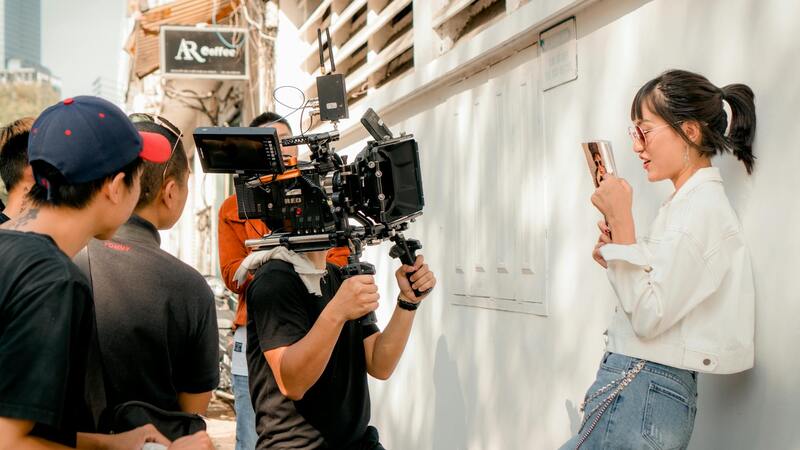
Investing in proper insurance coverage for professional equipment and liability can also mitigate risks during shoots. This step is highly recommended for commercial projects or sessions involving complex setups. Legal professionals or local industry associations can advise on contracts, permits, and insurance requirements to ensure full compliance.
By adhering to official procedures and respecting legal boundaries, photographers can capture Miami's iconic sights and hidden gems without disruptions, paving the way for a seamless creative process and high-quality imagery.
Permissions, Permits, and Legal Considerations in Miami
Engaging in photography within Miami’s diverse landscapes and urban settings often involves understanding specific policies that govern the use of equipment and the scope of permitted activities. For professional photographers aiming to capture the city’s iconic skylines, beaches, or bustling neighborhoods, securing appropriate permissions and permits ensures a smooth process and respects the rules set by local authorities.
Many public areas in Miami, including parks, beaches, and certain historic sites, may have designated zones where photography activities are regulated. For instance, commercial shoots or large-scale projects generally require obtaining permits from the relevant city agencies. Applying well in advance is crucial, as processing times can vary based on the scope and complexity of the project.
Private property in Miami, whether residential estates, commercial buildings, or private beaches, obligates photographers to seek explicit permission from owners before conducting shoots. Establishing clear communication and agreements with property owners helps avoid misunderstandings, and often results in a more cooperative environment for capturing authentic Miami moments.
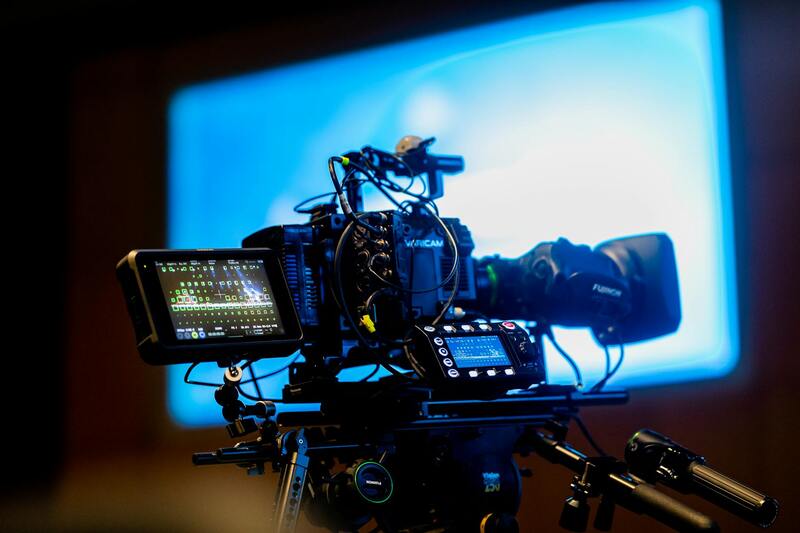
For drone photography, additional considerations come into play. Many areas enforce strict no-fly zones around sensitive sites or crowded public spaces to prioritize safety and privacy. Drone operators should familiarize themselves with Miami-Dade County’s specific airspace rules, which often include restrictions on altitude, proximity to airports, and use in certain districts. Consulting with local authorities and obtaining the right permits beforehand can prevent interference during critical moments of your shoot.
Moreover, understanding the permitting process helps foster good relationships with local regulatory bodies. Proper documentation, adherence to prescribed guidelines, and transparent communication demonstrate professionalism and facilitate smoother approval processes for both small and large-scale projects.
Advancing in your photography career in Miami also entails being prepared with insurance coverage for your equipment and liability. This safeguards against potential damages or claims during shoots. For commercial endeavors, consulting with legal professionals or industry associations familiar with Miami’s specific regulations provides valuable insights into contractual obligations, permit requirements, and best practices for lawful operations in this vibrant city.
Ultimately, respecting official procedures, obtaining all necessary permissions, and maintaining open communication channels help unlock Miami’s photographic potential. This approach not only ensures legal compliance but also reinforces positive relationships with local communities and authorities, paving the way for capturing Miami’s dynamic spirit responsibly and effectively.
Permitted and Responsible Use of Drone Photography in Miami
Drone photography provides a breathtaking perspective of Miami’s iconic skyline, lush parks, and vibrant beaches. However, to ensure that drone operations enhance rather than disrupt the city’s daily life, adhering to prescribed guidelines for aerial imagery is essential. This includes respecting no-fly zones, especially near airports like Miami International and within certain city districts. These zones are designated to maintain safety and prevent interference with air traffic.
Operators should stay informed about Miami-Dade County’s regulations, which specify altitude limits, time-of-day restrictions, and operational boundaries. Before any drone shoot, securing appropriate permissions from relevant authorities ensures smooth execution. This process involves submitting detailed flight plans and, in some cases, demonstrating insurance coverage for potential liabilities involving the drone or third parties.
Engaging with local authorities during the planning phase not only clears the path for a successful shoot but also fosters a collaborative relationship with the community. Properly documented permits and compliance help prevent unexpected interruptions or fines. Drones equipped with cameras should be maintained regularly for optimal performance, and operators must always respect people's privacy by avoiding intrusive filming in private spaces.
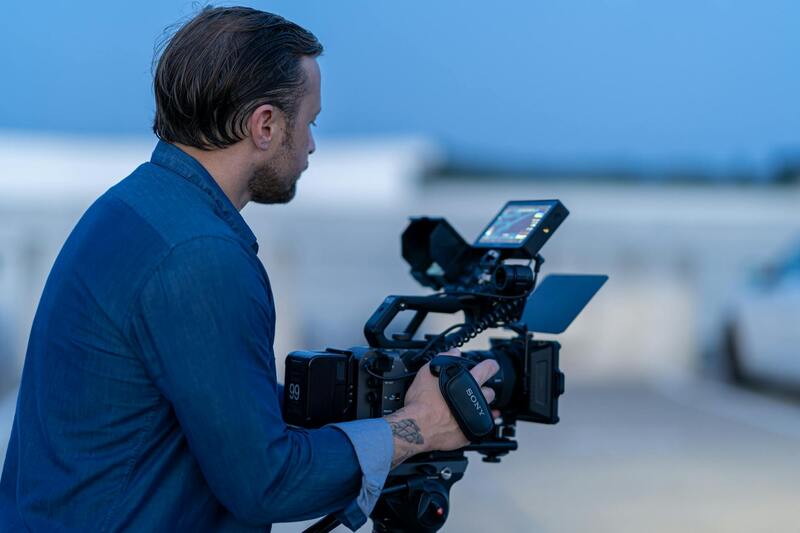
Understanding the finer points of drone usage in Miami is crucial for professionals seeking to incorporate aerial shots in their portfolio. These methods not only provide a distinctive visual appeal but also ensure that work remains within the boundaries of local guidelines, maintaining a positive reputation within the community. Responsible drone use exemplifies professionalism and dedication to ethical photography practices in this dynamic city.
Additional Tips for Successful Photography in Miami
Understanding Miami's Cultural and Environmental Context
To maximize the impact of your photography sessions in Miami, it is essential to deepen your understanding of the city’s rich cultural tapestry and diverse environments. Miami boasts a melting pot of influences, from Latin American heritage to Caribbean flavors, which are vividly reflected in its architecture, street art, and community events. Incorporating these elements into your photographs not only honors the city’s identity but also adds layers of authenticity and vibrancy to your visuals.
Miami’s tropical climate and proximity to water bodies significantly influence the lighting and mood of photos. Bright, sun-drenched scenes are characteristic of the city’s outdoor environments, but different times of day and weather conditions can drastically change the atmosphere. Overcast days, for instance, provide softer, diffused lighting ideal for portrait work or capturing intricate architectural details without harsh shadows. Conversely, clear sunny days excel for capturing reflections on water and emphasizing the colorful vibrancy that Miami is known for.
Leveraging Dynamic Urban Landscapes
The urban core of Miami offers an ever-changing backdrop for photography. From contemporary skyscrapers to historic Art Deco buildings, the city’s architecture provides a versatile canvas. Photographers should consider exploring neighborhoods such as South Beach for iconic Art Deco scenes, Brickell for sleek modern aesthetics, and Wynwood Walls to capture vibrant street art. Utilizing wide-angle lenses can emphasize the grandeur of Miami’s skyline, while telephoto lenses help isolate and highlight architectural details or candid street moments.
Urban environments also incorporate lively street scenes, markets, and nightlife, which are perfect for dynamic, candid shots. Patience and timing are crucial for capturing spontaneous moments of genuine emotion and interaction among locals and visitors alike. For authentic city life imagery, pay attention to the rhythm of daily activities and natural light transitions to frame compelling compositions that embody Miami’s energetic spirit.
Planning for Optimal Shots and Client Expectations
Preparation is key to capturing Miami’s best visual moments. Conducting preliminary site visits and scouting well-lit spots during different times of day ensures you are ready to shoot under the most favorable conditions. When working with clients, communicate clearly about desired outcomes, preferred styles, and the specific features of Miami that should feature prominently in the photos. Clarifying these expectations beforehand helps in planning your shoot schedule and equipment setup, ultimately leading to more successful results.
Using aperture controls and filters can enhance the natural colors and mood of your images. Polarizing filters, for example, can reduce glare from water and glass surfaces, bringing out the richness of the scene. Graduated ND filters can balance the exposure between bright skies and darker foregrounds, creating images that are well-exposed from top to bottom.
Incorporating Miami’s Nightlife and Seasonal Events
Miami’s nightlife offers unique opportunities for capturing vibrant, illuminated scenes. Neon signage, bustling streets, and nightlife venues provide fascinating subjects for night photography. Utilize tripods for long-exposure shots to capture the motion and energy of the city after dark, emphasizing light trails and lively crowds.
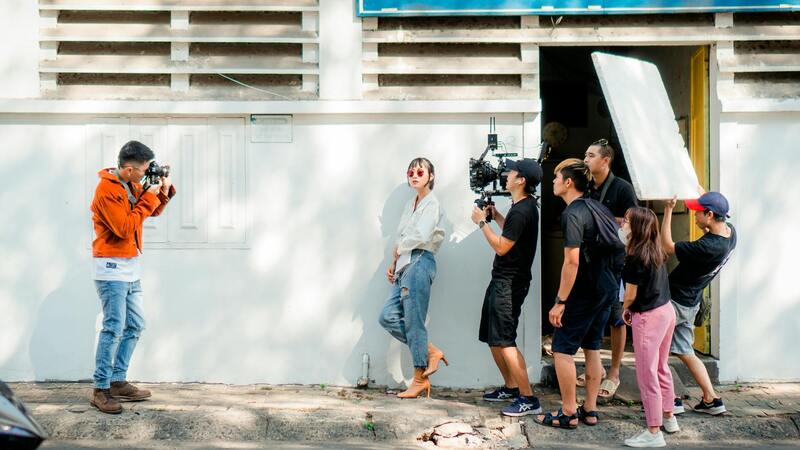
Seasonal events, such as Miami Carnival, Art Basel Miami Beach, and various music festivals, serve as excellent occasions for distinctive event photography. Planning ahead to secure access to these events and understanding the optimal timing for capturing peak moments can significantly enhance your portfolio. The dynamic atmospheres and colorful displays of these festivals add a compelling narrative to your collection of Miami photography.
Summary
Effective photography in Miami involves more than technical skill; it demands an appreciation of the city’s vibrant culture, strategic planning, and adaptability to changing light and environmental conditions. By immersing yourself in the local scene, planning thoroughly, and leveraging the city’s unique landscapes, you can produce captivating images that resonate with authenticity and visual impact.