Importance of Professional Property Photography
In the competitive real estate market, the quality of property images significantly impacts an estate agent’s success. High-resolution, professionally captured photographs can enhance a property's appeal, capturing attention across various marketing platforms. Listings with clear, well-lit images tend to attract more potential buyers, leading to increased inquiries and viewings. This visual appeal plays a crucial role in initial impressions, often determining whether a property moves from online interest to an actual visit.
Effective property photography not only boosts online visibility but also elevates the perceived value of a property. Investors and homebuyers are more inclined to consider listings that display meticulous attention to visual presentation. In addition, professionally taken images can reduce the time a property remains on the market by attracting serious buyers right from the start.
Property photographs serve as the first point of contact for prospective buyers, making it essential for estate agents to prioritize quality. Poorly lit, blurry, or cluttered images can deter interest and diminish a property's attractiveness, no matter how desirable it may be in reality. Therefore, investing in experienced property photographers ensures that each space is presented in the best possible light, highlighting its strengths and the lifestyle it offers.
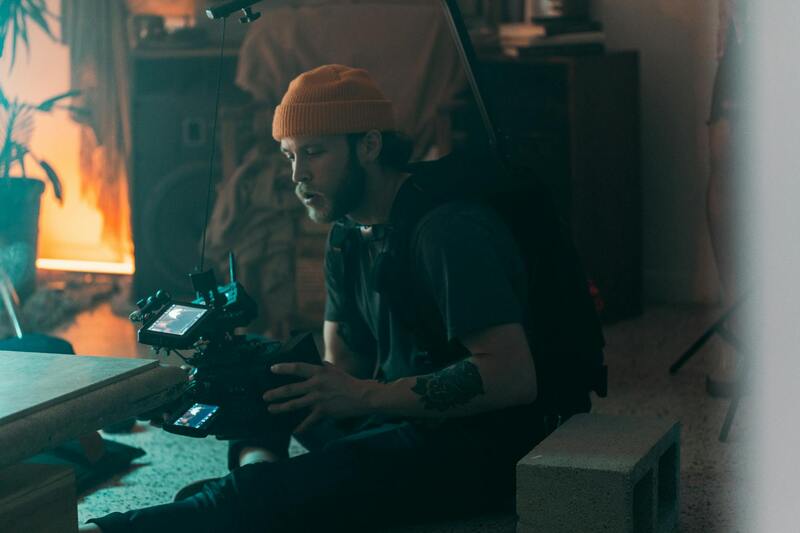
Furthermore, professional property photography supports a cohesive marketing strategy, allowing estate agents to present properties consistently across online portals, social media, and print materials. By elevating visual standards, agents can distinguish themselves within a crowded marketplace, showcasing properties in their most compelling form and amplifying their overall sales potential.
Key Elements of Effective Property Photography
Creating compelling property images requires a strategic approach that highlights the property's best features while maintaining a true representation of the space. The foundational elements of effective property photography include proper lighting, thoughtful composition, and strategic staging. These factors work synergistically to produce images that not only attract viewers but also evoke a genuine sense of the property's potential.
Lighting as the Cornerstone
Quality lighting is paramount in property photography. Natural light enhances a space's warmth and openness, making rooms appear larger and more inviting. Photographers often schedule shoots during daylight hours to leverage sunlight, ensuring windows and open areas are bathed in soft, diffused light. Artificial lighting, including softboxes and LED panels, can supplement natural light, especially in darker or interior spaces, reducing shadows and equalizing exposure.
Composition and Perspective
Proper composition involves framing shots to emphasize the room's key features, such as architectural details, spaciousness, and focal points. The use of wide-angle lenses can help capture more of the room in a single shot, but they should be used judiciously to avoid distortion. A balanced perspective ensures that viewers can perceive depth and scale accurately, providing a realistic sense of the space.
Staging and Decluttering
Staging plays an integral role in property photography. Well-staged interiors highlight a property's potential, demonstrating lifestyle opportunities to prospective buyers. This includes tidying spaces, removing personal clutter, and arranging furniture to maximize flow and functionality. Incorporating decorative touches—such as fresh flowers, neutral textiles, or tasteful artwork—can evoke a warm, welcoming atmosphere without overwhelming the space.
Image Uniformity and Consistency
Ensuring a consistent style across all property images supports a cohesive marketing portfolio. Uniform lighting, color temperature, and framing create a polished presentation that reinforces branding and professionalism. This consistency improves online listing readability and enhances the overall perceived quality of the property portfolio.
External and Landscape Shots
Exterior images are equally critical and should portray the property's curb appeal. Shots of the façade, garden, driveway, and outdoor amenities should be captured during optimal lighting conditions, often early morning or late afternoon, to avoid harsh shadows and unflattering reflections. Including aerial or drone photography can provide unique perspectives that showcase the property's positioning within its surroundings and its scale relative to neighboring features.
High-quality photography serves as an essential touchstone within a comprehensive marketing strategy for estate agents. Consistent, visually appealing images can significantly enhance online listings, printed brochures, and social media campaigns. They reinforce the professionalism of the agency and appeal directly to prospective buyers by presenting properties in the most advantageous light. Successful property photography is a blend of technical skill, artistic sensibility, and strategic presentation, all aimed at capturing the essence of what makes each property unique.
Choosing the Right Equipment and Techniques
For estate agents aiming to showcase properties at their finest, selecting suitable equipment and employing precise techniques are crucial for achieving compelling images. The foundation begins with a high-quality digital camera capable of capturing images in RAW format, which provides greater flexibility during post-processing. Wide-angle lenses are indispensable for interior shots, enabling the photographer to encompass more space within a single frame and render rooms with a sense of spaciousness. These lenses typically have focal lengths ranging from 14mm to 24mm, but should be used judiciously to avoid distortion, especially in tight or cluttered spaces.
Tripods are essential to ensure stability and consistency in shots, particularly in rooms with limited natural light. Utilizing remote shutter releases or camera timers minimizes vibrations that could blur images. For outdoor photography, drones equipped with high-resolution cameras offer unique aerial perspectives, effectively highlighting the property's scale and surrounding landscape. When appropriate, HDR (High Dynamic Range) techniques can balance exposure in scenes with contrasting light levels, ensuring that both shadowed areas and bright highlights are accurately captured. These practices collectively contribute to producing balanced, crystal-clear images that appeal to prospective buyers.
Best Practices for Interior and Exterior Shots
Success in property photography hinges on adhering to established best practices tailored to interior and exterior environments. For interior images, natural light should be maximized by opening curtains and blinds. Shooting during the day when sunlight filters through windows helps create vibrant and inviting images. It’s essential to declutter and stage spaces, removing personal items or excess furniture that could distract viewers. Properly arranging furniture and adding tasteful accessories can highlight a room’s potential while maintaining a sense of style and homeliness. Ensuring that vertical lines are straight and that images are level contributes to a professional appearance.
Exterior shots demand attention to lighting and composition. The ideal window for capturing outdoor images is during the so-called golden hours—early morning or late afternoon—when sunlight adds warmth and depth to the scene. Wide-angle shots of the facade, gardens, driveways, and outdoor amenities should be composed to showcase the property's best features. Incorporating different angles provides depth and variety, making listings more attractive. Consider including context shots that reveal the property’s proximity to local amenities or notable landmarks, adding perspective for prospective buyers.
Editing and Post-Processing for Market-Ready Images
Post-processing plays a pivotal role in transforming captured images into market-ready presentation tools. Adjustments to brightness, contrast, and color balance can correct lighting inconsistencies and enhance the overall visual appeal. Clipping, straightening, and perspective correction ensure architectural lines are true to reality, eliminating distortions that may arise from wide-angle lenses or camera positioning. Removing minor flaws, such as distracting reflections or blemishes, results in cleaner images that highlight the property’s best features. It is vital to maintain authenticity throughout editing—overediting can mislead viewers and diminish trust.
Using professional-grade editing software allows for precise control over image tone and clarity. Consistency in editing style across all images in a portfolio reinforces branding and guarantees a cohesive presentation. High-resolution images are necessary for print marketing materials, ensuring sharpness and detail are preserved regardless of the viewing medium. Well-edited images that accurately reflect the property's condition and ambiance significantly increase online engagement and improve the chances of attracting qualified buyers.
Choosing the Right Equipment and Techniques
For estate agents seeking to showcase properties effectively, selecting appropriate photography equipment and mastering specialized techniques are essential. High-quality images can significantly influence potential buyers' impressions and engagement levels, making investment in suitable gear worthwhile.
At the core of professional property photography is the use of a DSLR or mirrorless camera with a full-frame sensor. These cameras provide superior image quality and better performance in varied lighting conditions, which is crucial when capturing interiors and exteriors with natural or artificial light sources. Pairing the camera with a wide-angle lens, typically ranging from 14mm to 24mm, enables photographers to capture more of the room in a single shot, creating a sense of spaciousness and allowing viewers to see the whole layout clearly.
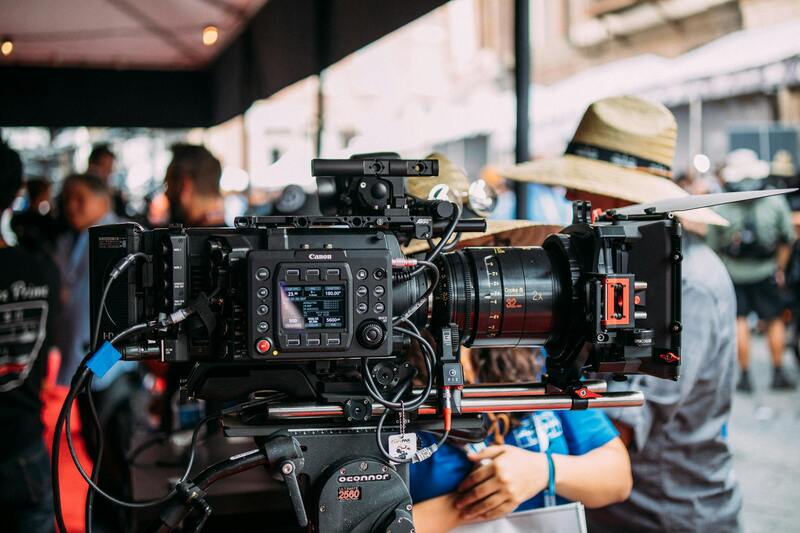
Using a tripod is another key consideration. It stabilizes the camera during long exposures, prevents motion blur, and ensures shots are straight and level, especially in low-light conditions. Incorporating remote shuttles or timers helps avoid camera shake when pressing the shutter button. Additionally, employing HDR (High Dynamic Range) photography techniques can balance exposure between bright windows and darker interior areas, resulting in well-lit images that faithfully represent the property’s ambiance.
Beyond equipment, mastering shooting techniques such as optimal camera angles, proper composition, and natural lighting utilization enhances photo quality. For interior shots, photographing during daylight hours when natural light flows in through windows produces warm, inviting images. Positioning the camera at eye level or a slight downward angle minimizes distortion and provides a realistic perspective. For exteriors, capturing images from vantage points that showcase the property's frontage, driveway, and surrounding landscape adds context and curb appeal.
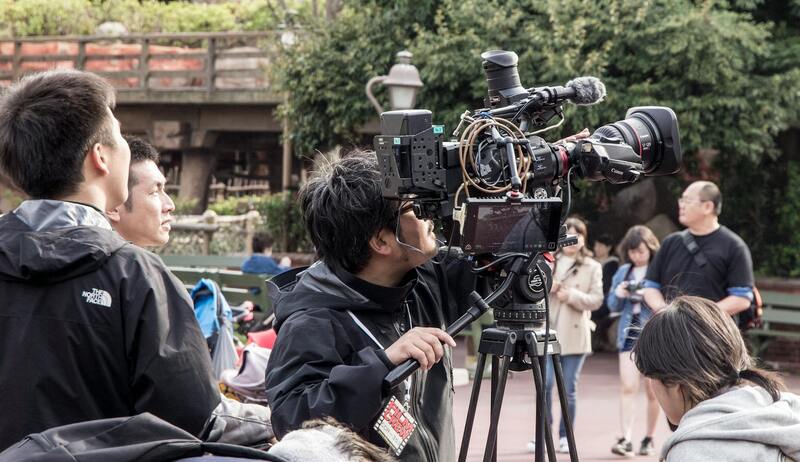
Furthermore, employing panoramic shooting techniques, when appropriate, allows for creating immersive views that draw viewers into the space. This is especially beneficial for larger properties or outdoor areas where capturing the full scope enhances visual storytelling. Coupling this with professional editing ensures high-resolution images maintain clarity regardless of the viewing platform, whether online listings or print brochures.
In summary, choosing the right camera gear, utilizing specialized lenses, and applying refined shooting methods form the foundation of successful property photography. These elements work together to produce compelling images that elevate property listings and resonate with targeted audiences, ultimately accelerating the sale process and increasing engagement.
Effective Techniques for Capturing Interior and Exterior Property Shots
For estate agents aiming to showcase properties at their best, employing precise and strategic photographic techniques is essential. Interior photos should emphasize spaciousness, lighting, and design features. To achieve this, consider using wide-angle lenses that allow capturing more of a room in a single shot, creating an inviting sense of space. When photographing interiors, it is crucial to declutter and stage each room to highlight its purpose and potential. Adequate natural lighting should be prioritized — opening curtains and shooting during daylight hours minimizes shadows and enhances the vividness of colors.
For exterior shots, choosing optimal lighting conditions—preferably during the golden hour—can dramatically improve the image's appeal. Clear, unobstructed views of the property's facade, garden, driveway, and surrounding landscape are key to providing context and a strong first impression. Employing a tripod ensures stability and consistency in framing, especially in lower light conditions. Capturing multiple angles from strategic vantage points helps convey the property's full character and curb appeal. Additionally, including images of outdoor features such as patios, pools, and landscaping can further attract potential buyers.
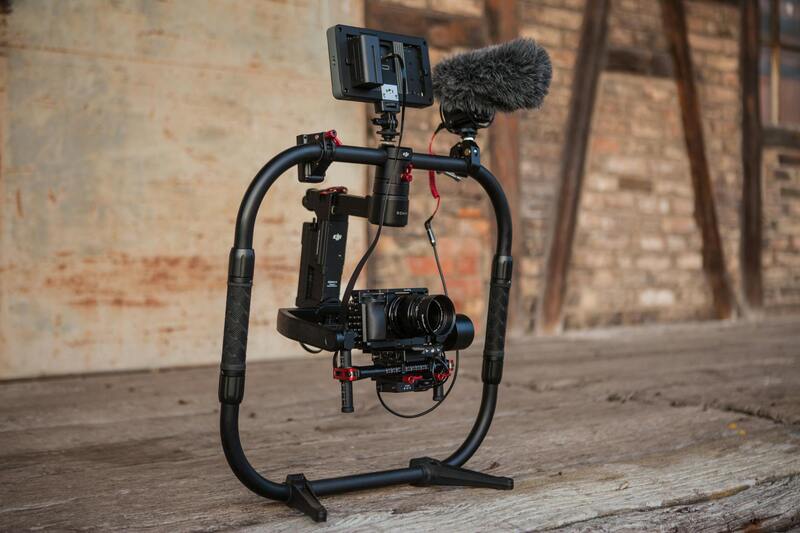
Using panoramic scenes selectively can demonstrate larger outdoor areas or open-plan interiors, giving prospective buyers an immersive experience. For exteriors, incorporating elements like the front door, driveway, and garden from different angles creates a comprehensive visual story. Interior shots should be taken from doorways or corners to avoid distortion and ensure each space is represented accurately. When photographing during different times of the day, adjusting exposure settings can prevent overexposure or underexposure, maintaining a natural and appealing look throughout the images.
Post-processing plays a vital role in refining these images. Adjustments to brightness, contrast, and color saturation should be made carefully to preserve authenticity while enhancing visual impact. Proper editing ensures high-quality visuals that stand out in online listings, print brochures, and digital campaigns. By mastering these techniques, estate agents can produce compelling and professional images that accurately represent the property’s appeal, ultimately attracting more inquiries and accelerating sales.
Editing and Post-Processing for Market-Ready Images
Once the initial photography session is complete, the next critical phase is editing and post-processing. Maintaining a balance between enhancement and authenticity is essential to present the property in a way that appeals to prospective buyers without overestimating or misrepresenting its features.
Editing involves fine-tuning various elements of the images to ensure they capture the property's true essence. Brightness and contrast adjustments can make the photos more vibrant and inviting, while maintaining natural tones helps preserve the property's real appearance. Correcting colors is vital—over-saturation can distort the visual truth, so subtle enhancements often yield the best results.
In addition, perspective correction is often necessary to fix any distortion caused by wide-angle lenses. Straightening lines and aligning vertical and horizontal elements ensure rooms appear proportionate and accurately represented. Cropping can also be utilized to declutter images and emphasize key areas, directing the viewer’s attention towards the property's highlights.
Retouching should be used judiciously, especially for interior shots. Minor blemish removal, cleaning up clutter, and ensuring surfaces are spotless contribute significantly to a polished final product. It's important, however, to avoid excessive alterations that would mislead viewers about the property's actual condition.
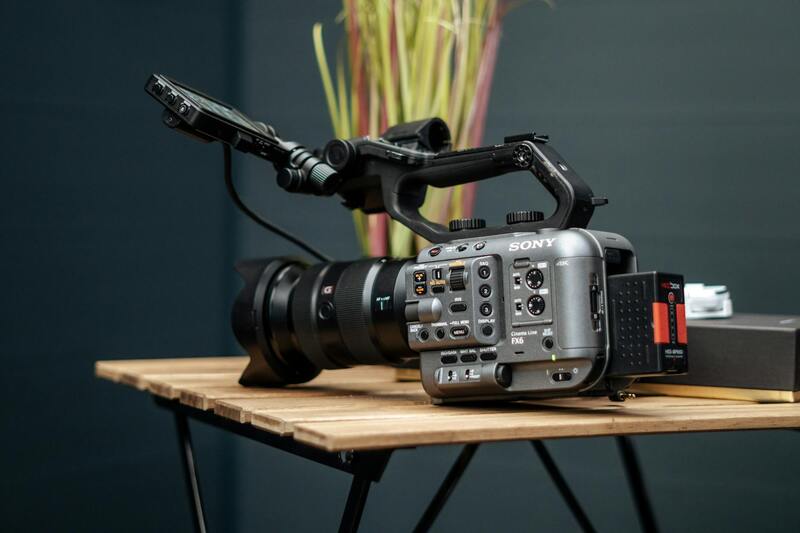
Advanced editing techniques, such as HDR (High Dynamic Range) processing, allow estate agents to showcase details in both shadowed and brightly lit areas simultaneously, creating well-balanced images suitable for all lighting conditions. Similarly, adjusting shadows and highlights can add depth and dimension to interior spaces, making them appear more spacious and welcoming.
Consistency across all images is another vital aspect of post-processing. A cohesive visual style, achieved through uniform color grading and editing standards, reinforces brand identity and makes listings more professional and appealing. Properly finished images foster trust, demonstrate professionalism, and increase the likelihood of engagement from potential buyers.
Integrating Photographic Content into Broader Marketing Campaigns
High-quality images are crucial components of a larger marketing strategy. They can be incorporated into online property portals, social media platforms, email campaigns, and printed brochures, offering prospective buyers a compelling visual narrative of the property. Optimized images, tailored for each platform’s specifications, ensure consistency and maximum impact.
Estate agents should prioritize timely updates of images to reflect any changes or improvements to the property. Consistently high standards in photography and post-processing elevate the overall marketing effort, leading to increased visibility, more inquiries, and ultimately, faster sales.
Utilizing Advanced Shooting Techniques for Outstanding Property Imagery
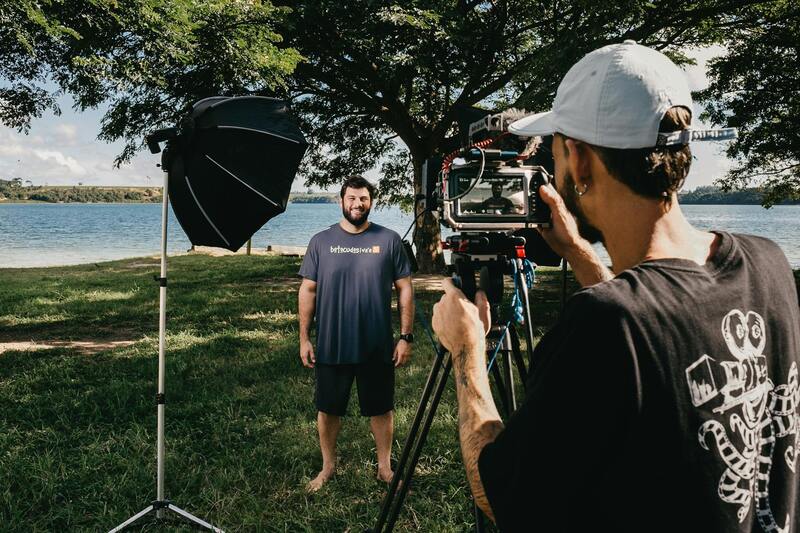
Implementing advanced photographic methods is essential to capture the true essence of a property while highlighting its most compelling features. Techniques such as HDR (High Dynamic Range) photography allow estate agents to produce images that accurately reflect both shadowed and brightly lit areas, ensuring that no details are lost in extremes of light. This is particularly vital for properties with large windows or mixed lighting conditions, where maintaining balanced exposure across the scene enhances visual clarity and appeal.
Another effective approach involves the use of panoramic or 360-degree imaging, providing prospective buyers with immersive virtual tours. These methods invite viewers to explore the space interactively, offering a comprehensive understanding of layout and spatial relationships. Properly executed, these visual tools can significantly increase engagement and interest from potential clients.
Additionally, strategic angled shots and creative compositions can emphasize the property’s best features, guiding the viewer’s eye toward focal points such as a modern kitchen or a spacious backyard. Utilizing leading lines, symmetry, and framing techniques can evoke a sense of harmony and balance, making the images more aesthetically pleasing and memorable.
Optimizing Lighting Conditions for High-Quality Shots
Maximizing natural light is fundamental for capturing vibrant interior images that feel welcoming and authentic. Scheduling photography sessions during daylight hours, preferably in the late morning or early afternoon, allows natural light to fill rooms evenly. Diffused sunlight tends to produce softer shadows, reducing harsh contrasts and creating a more natural, flattering appearance in photos.
For exterior shots, the golden hour—the period shortly after sunrise or before sunset—can lend a warm, inviting glow to the property’s façade, enhancing curb appeal. When natural light is insufficient, supplemental lighting such as softboxes or reflectors can be employed to illuminate darker areas without creating unnatural shadows or hotspots.
Enhancing Stylization and Consistency in Market-Ready Images
Post-processing plays a vital role in polishing images for professional presentation. Techniques such as adjusting white balance and color saturation help produce true-to-life colors that accurately represent the property. Correcting lens distortions, straightening lines, and cropping for optimal framing contribute to a clean, cohesive look across all visual content.
Maintaining consistency in style—through uniform color grading, contrast levels, and font choices for overlays—creates a recognizable visual identity. This consistency reinforces branding efforts, communicates professionalism, and improves the overall attractiveness of property listings.
By adopting these specialized photography techniques and maintaining high standards in post-production, estate agents can present properties in their best light, attract more inquiries, and facilitate quicker sales. Precision in every phase—from initial setup to final editing—ensures each image effectively communicates the property's value and unique features, ultimately supporting the broader marketing objectives of estate agencies.
Legal Considerations and Compliance in Property Photography
Ensuring adherence to professional standards and regulations is a pivotal aspect of property photography for estate agents. Photographers must have access to necessary permissions and respect property rights, which often entails obtaining proper consent from property owners before conducting photo shoots. Clear communication about usage rights and intended purposes safeguards all parties involved and prevents potential disputes.
It's essential that property images accurately reflect the real state of the property without misrepresentation. This involves capturing true-to-life spaces, colors, and features, avoiding any manipulations that could mislead prospective buyers or tenants. Staying within the bounds of ethical photography practices not only fosters trust but also enhances the reputation of estate agencies in the market.

Maintaining Privacy and Respect in Property Shoots
Respect for privacy remains paramount when photographing properties. This entails informing residents and obtaining their consent if the property is owner-occupied or inhabited. Sensitive areas or personal belongings should be unobtrusively managed during the shoot to prevent privacy breaches.
For properties with security measures such as surveillance systems or restricted access zones, photographers must coordinate with estate agents to avoid capturing intrusive images or compromising security protocols. Such diligence not only aligns with legal standards but also demonstrates professionalism and respect towards property stakeholders.
Data Security and Image Management
Secure handling of digital images is crucial. Estate agents and photographers should establish protocols for storing, sharing, and archiving photographs. Encryption and restricted access help protect proprietary images from unauthorized use, while proper backup procedures prevent data loss.
Additionally, clear documentation of image usage rights, licensing agreements, and consent forms contributes to an organized framework that supports responsible marketing efforts. This approach ensures images are consistently employed within agreed parameters, providing clarity and reducing potential conflicts.
Technical Compliance and Quality Standards
Adherence to technical guidelines guarantees high-quality images that meet industry standards. Photographers should employ calibrated equipment and standardized shooting protocols to produce sharp, correctly exposed images. Regular calibration of cameras, lenses, and lighting equipment ensures consistency across shoots.
Post-production editing should also follow professional standards, avoiding excessive enhancements that could distort the property's appearance. Maintaining transparency about editing practices with clients and adhering to established quality benchmarks safeguards the integrity of visual marketing materials.
Continuing Education and Industry Updates
The landscape of property photography is continually evolving, with new techniques, tools, and regulations emerging. Estate agents and photographers should stay informed through industry seminars, professional associations, and training programs. This proactive approach ensures compliance with current standards, enhances technical skills, and keeps marketing strategies competitive.