Definition and Role of a Certified Real Estate Photographer
A certified real estate photographer is a specialized professional trained to capture high-quality images of properties for the purpose of marketing and selling real estate. Their role extends beyond simple photography; they focus on showcasing a property's best features through expertly composed and illuminated images, aiming to attract potential buyers and investors. Certification in this field signifies that the photographer has met specific industry standards, demonstrating their competence, technical skill, and commitment to excellence.
Certification acts as a benchmark for quality assurance, providing reassurance to clients that their property will be presented through visually compelling images. It ensures the photographer possesses the necessary knowledge of real estate marketing, lighting, and camera techniques to deliver images that truly represent the property’s potential. As a result, certified real estate photographers are often preferred by real estate agents and property owners looking to maximize their listings' appeal in a competitive market.

Skills and Qualifications Required
To excel as a certified real estate photographer, an individual must possess a blend of artistic talent and technical expertise. Key skills include proficiency in camera operation, an understanding of lighting, and the ability to compose images that highlight a property’s best attributes. Strong knowledge of digital editing software is also essential to enhance images while maintaining realism.
Additional qualifications often include a background or familiarity with real estate marketing principles, spatial awareness, and the capacity to work quickly under deadlines. Certification programs typically evaluate these skills through rigorous training modules, practical assessments, and ongoing education to keep pace with evolving industry standards.
Certification Process and Industry Standards
The process of becoming a certified real estate photographer involves completing specialized training courses that cover technical photography skills, real estate marketing strategies, and post-processing techniques. Candidates usually participate in practical shooting exercises and are required to submit a portfolio demonstrating their competence.
Industry standards emphasize the importance of consistent image quality, accurate color representation, wide-angle shots, and proper lighting. Certification organizations set these benchmarks and regularly update their criteria to reflect technological advancements and market demands. Certified photographers must adhere to these standards to maintain their credentials, ensuring clients receive images that meet professional expectations.
Essential Skills and Qualifications for a Certified Real Estate Photographer
To achieve certification as a real estate photographer, candidates must demonstrate a comprehensive set of skills that combine technical expertise and industry-specific knowledge. Proficiency in camera operation is fundamental, with a focus on mastering DSLR or mirrorless cameras that support wide-angle lenses, essential for capturing expansive indoor shots. Understanding the nuances of aperture, shutter speed, ISO, and white balance allows photographers to produce images with optimal clarity, depth, and color accuracy, regardless of lighting conditions.
Beyond technical camera skills, advanced post-processing abilities are crucial. Proficiency in editing software such as Adobe Lightroom and Photoshop enables photographers to correct exposure issues, enhance colors, and remove imperfections while preserving the authenticity of the property’s appearance. These editing skills must be balanced carefully to respect the integrity of the image, avoiding over-processing that can mislead viewers.
In addition to technical competencies, a profound understanding of real estate marketing principles is vital. This includes recognizing how images influence potential buyers' perceptions and knowing how to highlight a property’s best features through composition and lighting. Spatial awareness is also essential; it helps in creating compelling, well-balanced images that showcase a property’s layout and flow.
Time management is a significant skill, allowing photographers to efficiently execute shoots and deliver high-quality images within tight deadlines. Communication skills are equally important, ensuring clear collaboration with clients, real estate agents, and staging professionals to meet specific marketing goals.
Furthermore, continuous professional development through industry workshops, online courses, and certifications ensures that photographers stay current with technological advancements and evolving market standards. Such dedication to ongoing education not only improves individual skillsets but also reinforces their reputation as experts in real estate imaging.
Certification Process and Industry Standards
Becoming a certified real estate photographer involves a structured process designed to verify expertise, ensure consistency, and uphold professional standards within the industry. The journey often begins with comprehensive training programs offered by reputable institutions or industry associations. These courses cover essential topics such as camera settings, lighting techniques, staging, and editing approaches tailored specifically for real estate properties.
Candidates are typically required to build a diverse portfolio showcasing their ability to capture different types of properties, lighting conditions, and architectural styles. This portfolio serves as a practical demonstration of their skills and an essential component for certification approval.
Adherence to industry standards is a critical aspect of the certification process. These standards establish benchmarks for image quality, composition, and ethical practices, ensuring that certified photographers produce consistent, high-quality results. Certification bodies frequently update their guidelines to incorporate technological advancements and evolving market expectations, prompting photographers to stay current through ongoing education and practice.
Moreover, many certification programs include assessments or examinations that test both practical skills and theoretical knowledge. Successful candidates often receive credentials or certificates that validate their expertise and commitment to professional growth. This certification not only enhances credibility but also reassures clients of the photographer’s dedication to high standards, positioning them as trusted partners in real estate marketing endeavors.

In addition to the certification process, industry standards emphasize the importance of ethical practices, including honest representation of properties and respecting client confidentiality. These standards serve as a framework that guides professional conduct and ensures clients and real estate professionals receive dependable, high-quality imagery that accurately reflects their properties' true nature.
Understanding the Importance of Certification for Real Estate Photographers
Certification acts as a benchmark for photographers to demonstrate their mastery of the technical and artistic aspects of real estate photography. A certified real estate photographer has undergone a rigorous validation process that confirms their ability to produce images that effectively showcase property features, maximize visual appeal, and align with industry standards. This credential also signifies a commitment to continuous improvement and adherence to best practices, ensuring clients receive consistently high-quality visual representations of their properties.
Key Skills and Qualifications of Certified Real Estate Photographers
To attain certification, photographers typically need a comprehensive skill set, including mastery of camera equipment, lighting techniques, and composition principles. They should be proficient in high dynamic range (HDR) imaging, virtual staging, and post-processing software to deliver polished images that meet promotional standards. Knowledge of real estate market trends also plays a critical role, as it guides photographers in capturing compelling perspectives that attract potential buyers.
Formal education or industry-specific training often provides foundational knowledge, but practical experience is vital. Many reputable certification programs require candidates to submit a diverse portfolio demonstrating technical proficiency and an eye for detail. These standards ensure that certified professionals can handle various property types and lighting conditions, producing images that stand out in a competitive market.
The Certification Process and Industry Standards
Becoming a certified real estate photographer involves comprehensive coursework, hands-on training, and assessments designed to evaluate technical precision and creative judgment. Candidates often undergo portfolio reviews, practical exams, or both, with the goal of verifying their ability to deliver optimal results under real-world conditions. Certification bodies also impose strict standards regarding ethical practices, such as providing honest property representations and protecting client confidentiality.
These certifications are typically renewed periodically through continuing education, ensuring photographers stay current with technological innovations and evolving industry demands. The process emphasizes staying updated on new tools, techniques, and market expectations, fostering professional growth and a reputation for excellence within the industry.

Advantages for Clients and Real Estate Professionals
Engaging a certified real estate photographer delivers tangible benefits, including heightened image quality that captures the essence and features of a property with clarity and depth. High-quality imagery helps properties stand out on listing platforms, leading to increased viewer engagement and faster sales cycles. Moreover, certification assures clients and agents that they are working with a dependable expert committed to ethical practices and professional excellence.
Modern Equipment and Techniques in Certified Real Estate Photography
Certified professionals leverage advanced camera gear, including wide-angle lenses, drone photography, and tripod stabilization systems, to achieve unparalleled clarity and perspective. They utilize techniques such as HDR imaging, which balances exposure across different areas of a photo, ensuring interior and exterior elements are vividly displayed in a single shot. Additionally, virtual staging and 3D tours are increasingly integrated into their offerings, providing dynamic, immersive views designed to excite prospective buyers.
The Role of Quality Photography in Effective Real Estate Marketing
Exceptional images serve as the cornerstone of modern property marketing strategies. They influence first impressions and significantly impact online engagement rates. When properties are showcased through professionally captured, high-resolution photos, they appear more inviting and trustworthy, encouraging more inquiries and showing potential buyers that the listing is a serious, well-presented opportunity.
How to Select a Certified Real Estate Photographer in Miami, FL
Potential clients should verify a photographer’s certification credentials, review their portfolio, and seek references within the local market. A certified professional familiar with Miami’s unique real estate landscape brings nuanced insights into area-specific staging, lighting conditions, and architectural styles. Transparency about their certification status, technology capabilities, and prior success stories helps ensure you make an informed decision that aligns with your marketing goals.
Equipment and Techniques Used in Professional Real Estate Photography
Certified real estate photographers utilize a sophisticated blend of cutting-edge equipment and advanced techniques to produce captivating images that accurately represent a property's appeal. High-quality gear is fundamental in capturing every detail with clarity and precision, which is vital for distinguishing online listings in a competitive market. This includes specialized wide-angle lenses that allow for expansive shots of interior spaces, revealing the full scope of rooms without distortion, while maintaining proportion and perspective.
Lighting plays a crucial role in professional real estate photography. Certified photographers often employ multiple lighting sources, including external flashes and strobes, to eliminate shadows and highlight key architectural features. Proper lighting ensures that details such as textured walls, intricate trim, and the overall ambiance are vividly conveyed. Additionally, they are proficient in using natural light, optimizing time-of-day to enhance the visual appeal and warmth of the images.

Techniques such as high dynamic range (HDR) imaging are standard among certified professionals. HDR involves capturing multiple exposures and blending them to create images with perfectly balanced lighting, ensuring both shadowed and brightly lit areas are clearly visible. This technique is essential for properties with large windows or varying interior lighting conditions, producing images that are both realistic and appealing.
Moreover, certified photographers leverage post-processing techniques to enhance colors, straighten lines, and remove minor imperfections, all while maintaining the integrity of the property’s representation. Such meticulous editing ensures that each photograph accurately reflects what potential buyers will see during an in-person visit, fostering trust and interest.
Beyond still photography, many certified real estate photographers incorporate virtual staging, where digital enhancements visualize potential furnishings and interior designs, helping prospective buyers imagine living in the space. 3D virtual tours and interactive floor plans are also increasingly adopted, offering immersive experiences that engage viewers deeply before they visit in person.
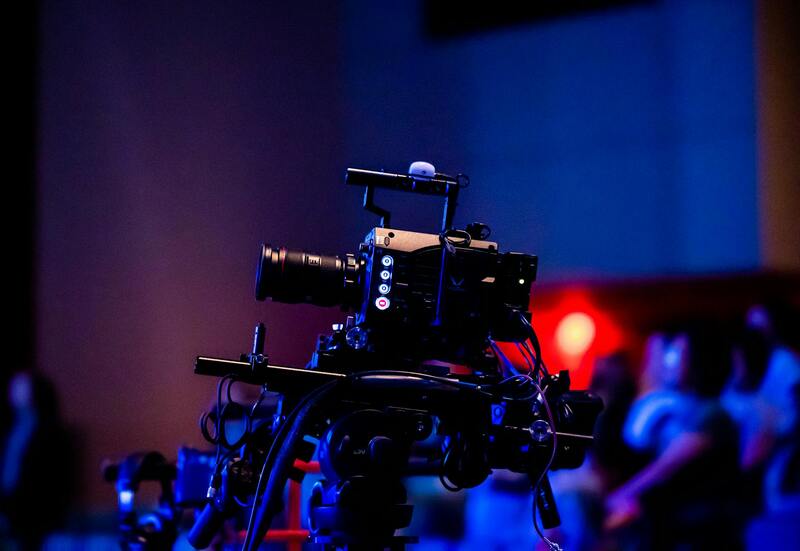
In summary, the use of specialized equipment combined with refined techniques distinguishes certified real estate photographers from other professionals. Their mastery ensures each listing is presented at its best, attracting qualified buyers and accelerating the sales process. When selecting a photographer, understanding their technical capabilities can significantly influence the effectiveness of your property marketing efforts and ultimately lead to a quicker, more successful transaction.
Choosing a Certified Photographer in Miami, FL
Selecting a qualified real estate photographer in Miami involves careful consideration of their credentials, experience, and portfolio. While there are many professionals offering photography services, those with certified training demonstrate a higher level of expertise and adherence to industry standards. Recognizing the importance of local market nuances, a photographer familiar with Miami’s diverse neighborhoods can tailor their approach to showcase properties in the best light, appealing to the specific tastes and expectations of regional buyers.
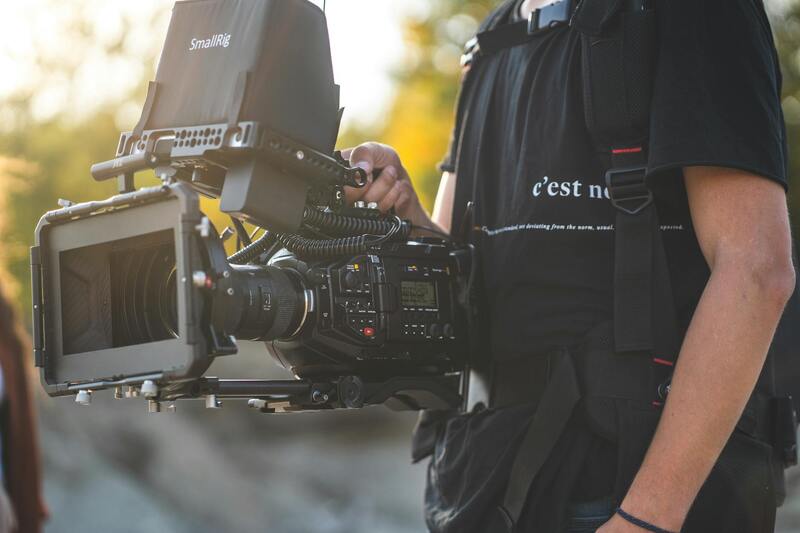
When evaluating potential photographers, examine their portfolio for consistency, image quality, and diversity. Certified professionals often highlight their credentials, testimonials from satisfied clients, and examples that demonstrate their ability to capture both interior and exterior spaces effectively. Additionally, a consultation provides insight into their technical knowledge, customer service approach, and understanding of real estate marketing strategies specific to Miami’s vibrant market.
Factors to Consider When Hiring a Certified Real Estate Photographer
- Experience and Specialization: Look for photographers with proven experience in real estate, especially within commercial or residential sectors relevant to Miami.
- Certification Credentials: Verify industry-specific certifications from reputable organizations or programs that set standards for professional real estate photography.
- Technical Skillset: Confirm familiarity with high-end camera equipment, drone photography, HDR imaging, and advanced editing techniques that produce compelling visuals.
- Local Knowledge: A photographer understanding Miami’s property styles, neighborhoods, and lighting conditions will enhance the authenticity and appeal of the images.
- Client Feedback: Reviews and testimonials offer valuable insights into a photographer’s reliability, timeliness, and effectiveness in real estate marketing.
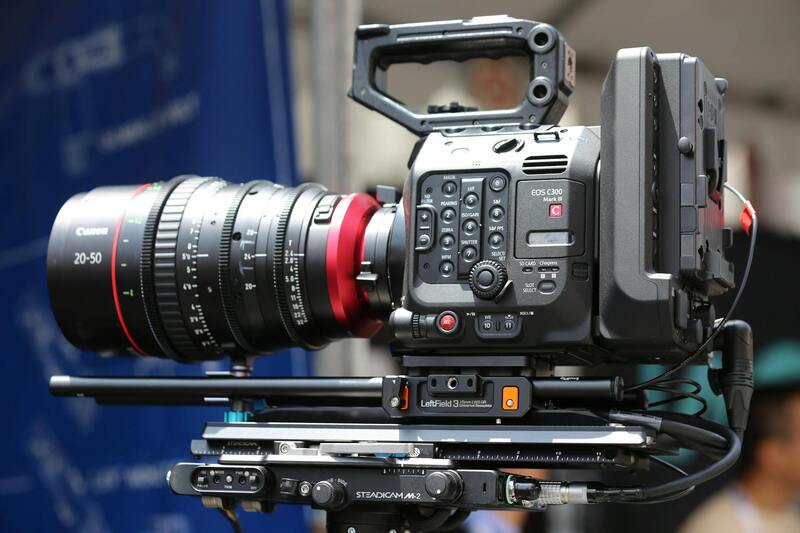
Engaging a certified real estate photographer ensures that each listing benefits from expert visual presentation, boosting online engagement and attracting serious inquiries. Their professional approach minimizes the need for extensive revisions and provides peace of mind that the marketing assets are of the highest standard, significantly impacting the property’s marketability and sale potential in the competitive Miami real estate landscape.
Impact of Quality Photography on Real Estate Marketing
High-caliber visual content remains an indispensable element of effective real estate marketing, especially within competitive markets such as Miami. The role of a certified real estate photographer extends beyond capturing images; it encompasses the strategic presentation of properties to maximize appeal, evoke emotional responses, and facilitate faster sales. Excellent photography leverages lighting, composition, and advanced imaging techniques to highlight a property's best features, ensuring that online listings stand out in a crowded digital landscape.
Investing in professionally captured imagery can dramatically enhance a listing’s visibility across various digital platforms, including real estate portals, social media, and the developer’s own website. When high-quality visuals are employed, listings receive increased engagement, resulting in more inquiries from prospective buyers or tenants. This heightened interest often translates into quicker transactions and better offers, as buyers are more inclined to invest in properties that prominently showcase their potential.
The importance of professional photography is particularly evident in Miami’s vibrant real estate environment, where luxury properties, waterfront estates, and modern condos demand images that reflect their unique character and opulence. Certified real estate photographers possess the technical skills and artistic sensibility necessary to portray these properties in their most favorable light, capturing aspects such as natural lighting, spatial dimensions, and architectural details. Such images foster a sense of trust and credibility with potential clients, who often begin their property searches online and rely heavily on visual content to inform their decisions.
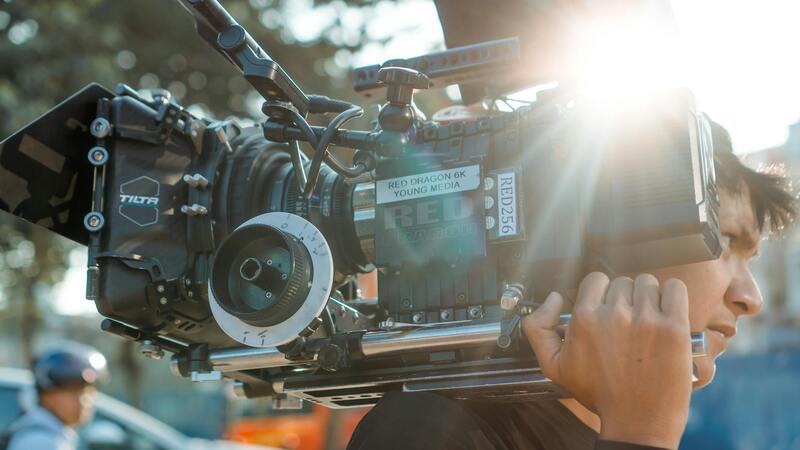
Furthermore, the consistent quality delivered by certified professionals helps establish a recognizable and reputable brand for real estate agencies and individual agents. When a property presentation aligns seamlessly with a company's branding, it enhances overall credibility and leaves a lasting impression on prospective clients. This consistency also mitigates the risk of misrepresenting properties, which can lead to disappointed buyers and lost sales.
In addition to attracting buyers, superior real estate imagery plays a critical role in supporting other marketing efforts, such as virtual tours, print advertising, and open house promotions. The compelling visuals generated by certified photographers can be integrated across all channels, creating a cohesive and impactful marketing narrative. As the real estate market continues to evolve, the value of investing in professional, certified photography becomes increasingly evident, solidifying its position as a fundamental component of modern property marketing strategies.
Impact of Quality Photography on Real Estate Marketing
Professional imagery captured by a certified real estate photographer significantly elevates the marketing potential of property listings. High-resolution images highlight the property’s best features, allowing prospective buyers to visualize living spaces more vividly. These images translate into increased online engagement, as they tend to attract more views, clicks, and inquiries compared to amateur photos.
In a digital-driven real estate landscape, the first impression often occurs through online listings. Exceptional photographs foster a sense of professionalism and trustworthiness, encouraging potential buyers to explore further. They enhance the property's appeal by accurately representing lighting, space, and architectural details, which can be decisive factors in a buyer's decision-making process. As a result, listings with high-quality images tend to sell faster and at better prices, making professional photography a valuable investment for sellers and agents alike.
Moreover, consistent and compelling visual content strengthens the branding efforts of real estate agencies and individual agents. When every property depicted maintains a high standard of imagery, it creates a recognizable aesthetic that can differentiate a business in a competitive market. This uniformity enhances credibility and adds a layer of professionalism that resonates with discerning clients.
Beyond online listings, the impact of superior real estate photography extends to other marketing avenues such as virtual tours, social media advertisements, print brochures, and open house promotions. The consistent, high-quality visuals integrate seamlessly across various platforms, creating a cohesive marketing story that amplifies the property's appeal. This holistic approach to marketing ensures that the property remains memorable, encouraging quicker sales and maximizing return on investment.
Choosing a Certified Photographer in Miami, FL
When selecting a certified real estate photographer in Miami, FL, it’s essential to prioritize professionals who adhere to industry standards and possess a proven track record of quality work. Certification signifies a commitment to ongoing education and mastery of the latest technologies and techniques, which directly benefits the property’s presentation and marketing effectiveness.
Clients should evaluate a photographer's portfolio to assess their style, consistency, and ability to capture properties under various lighting and environmental conditions. Additionally, engaging with those who have local market knowledge ensures an understanding of regional preferences and architectural nuances that resonate with Miami's diverse real estate landscape.
It is equally important to verify that the photographer employs advanced equipment, such as high dynamic range (HDR) imaging, wide-angle lenses, and drone photography, where appropriate. These tools enable the creation of captivating images that can highlight a property's unique features from multiple perspectives, including aerial views that showcase larger properties or scenic surroundings.
Future Trends in Certified Real Estate Photography
Emerging technologies are poised to revolutionize the industry further. The integration of 3D virtual reality and 360-degree panoramic imagery allows prospective buyers to virtually walkthrough properties from the comfort of their homes, a feature increasingly sought after in the Miami market. Enhanced drone footage and stabilized aerial photography will continue to offer dynamic perspectives, captivating viewers and providing comprehensive views of larger or waterfront properties.
As standards evolve, certified photographers are expected to adopt adaptive techniques to meet the increasing demands for immersive and interactive visual content. Existing and emerging platforms may impose new technical criteria, emphasizing the importance of ongoing training and certification to stay ahead in a competitive landscape.