Overview of 3d House Photography
3d house photography has emerged as a vital tool in the landscape of modern real estate marketing. Unlike traditional photographs captured through standard cameras, 3d house imaging involves the use of advanced digital technology to create highly detailed, interactive virtual representations of properties. This technique not only provides prospective buyers with an immersive experience but also allows them to explore homes remotely, offering a comprehensive view of the property’s layout, design, and spatial relationships.
The primary goal of 3d house photography is to enhance the visual presentation of a property, making it more appealing and accessible to a broader audience. It serves as an innovative approach that transcends the boundaries of stationary images, offering panoramic views, virtual walkthroughs, and detailed floor plans—all within a user-friendly digital environment. This method significantly reduces the necessity for multiple physical visits, saving time and resources for both buyers and sellers.
When comparing 3d house photography to traditional methods, the differences become quite apparent. Conventional real estate photography relies on static images taken from various angles, often requiring additional staging and lighting adjustments. In contrast, 3d imaging captures the entire space as a cohesive, navigable model, allowing users to explore the home from multiple perspectives at their own pace. This depth of interaction fosters a more engaging and realistic experience, which can increase interest and accelerate the decision-making process.

Technological advancements in this field have made 3d house photography more accessible and precise. Utilizing specialized 3d cameras, lidar sensors, and sophisticated software, real estate professionals can generate 3d models that accurately reflect the physical dimensions and aesthetics of a property. This digital representation not only enhances online listings but also serves as a valuable tool during open houses, virtual consultations, and marketing campaigns, thereby transforming traditional property presentation into a cutting-edge experience.
Key Tools and Technologies Used in 3d House Photography
Implementing high-quality 3d house photography relies on an array of advanced equipment and software solutions that ensure precision and realism. The core technologies include specialized 3d cameras, laser scanning devices such as LiDAR sensors, and powerful post-processing software. These tools work in harmony to capture intricate details of a property, from architectural features to interior finishes, in a highly accurate manner.
Modern 3d cameras are designed to capture spatial data rapidly and with high resolution. They often utilize light detection and ranging (LiDAR) technology, which emits laser pulses to measure distances between the camera and various points within the scene. This data forms the backbone of a comprehensive 3d model, ensuring that every nook, cranny, and surface dimension is precisely mapped.
Once raw data is collected, specialized software like Matterport, Autodesk, or Cubicasa is employed for processing. These platforms allow professionals to generate detailed, interactive virtual models, with capabilities for editing, annotating, and enhancing images to obtain a polished, market-ready digital presentation.

This integration of hardware and software not only optimizes the accuracy of virtual representations but also streamlines the workflow, enabling real estate agents to produce immersive home tours efficiently. As technology continues to evolve, expect even more refined tools that further improve speed, detail, and realism in 3d house photography.
The Process of Creating 3d House Images
Producing professional 3d house images involves a systematic approach that combines capturing initial data, processing, and final rendering. The first stage involves scanning or photographing the property using specialized 3d cameras or LiDAR sensors. This step requires careful planning to ensure comprehensive coverage, including all essential rooms and exterior features.
Subsequently, captured data is imported into advanced software platforms which stitch, align, and convert the raw scans into a cohesive 3d model. During this phase, technicians correct any distortions, refine textures, and add annotations or labels to highlight key features of the property.
Once the model is finalized, it can be integrated into virtual tour environments, allowing clients to navigate through the property seamlessly. Virtual walkthroughs can be enhanced with interactive elements, such as clickable hotspots revealing additional information or multimedia content.

This meticulous process ensures that every aspect of the property is accurately represented, providing viewers with an immersive and trustworthy experience. High-quality 3d imagery reduces uncertainties during the purchasing decision, making it a crucial asset in modern real estate marketing.
Key tools and technologies used in 3d house photography
To achieve highly accurate and immersive 3d house visualizations, professionals rely on a combination of advanced equipment, specialized software, and innovative techniques. The foundation of quality 3d house photography begins with precise data collection, often utilizing cutting-edge hardware designed to capture comprehensive spatial information.
One of the primary tools is the 3d camera, which may include devices like laser scanners, LiDAR sensors, or photogrammetric setups. These tools gather detailed point cloud data or high-resolution images that serve as the building blocks of the final 3d model. LiDAR (Light Detection and Ranging), in particular, plays a crucial role, as it swiftly captures millions of spatial points, ensuring every nook and cranny of the property is accurately documented.
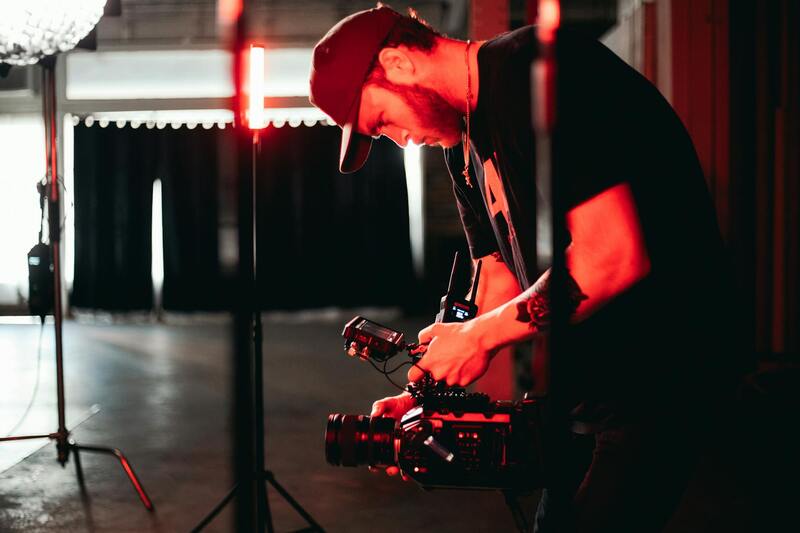
Once data collection is complete, specialized software transforms raw scans into detailed 3d models. Programs such as Autodesk ReCap, Faro Scene, or Matterport MatterPak are commonly used to process point cloud data, align multiple scans, and create textured 3d environments. These platforms also assist in refining textures, correcting distortions, and adding relevant annotations that enhance the viewer's understanding of the property.
Further, virtual tour platforms and visualization tools enable the integration of these models into interactive environments. Web-based viewers or dedicated virtual reality (VR) applications allow clients to explore properties remotely with remarkable fidelity. Features like clickable hotspots, multimedia overlays, and floor plan overlays contribute to a comprehensive viewing experience that accurately mirrors physical visits.
The combination of high-end hardware and sophisticated software ensures that each 3d house image provides a precise, detailed, and immersive representation of the property, thereby elevating the standards of real estate marketing efforts in Miami.
Steps Involved in Creating Professional 3D House Images
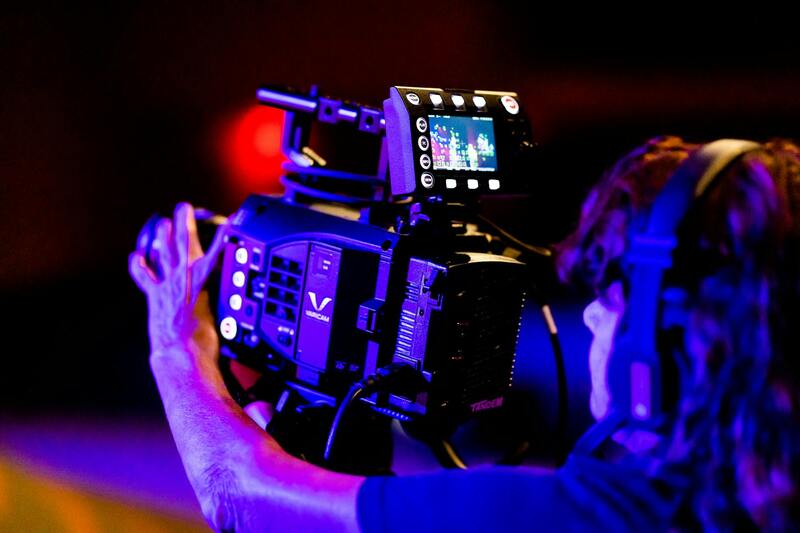
Producing high-quality 3D house images involves a systematic process that integrates advanced technology with meticulous planning. The journey begins with comprehensive data acquisition, where specialized scanning equipment, such as laser scanners or structured light devices, captures detailed spatial information of the property. This step requires precise positioning and calibration to ensure every aspect, from the spacious living rooms to the intricate architectural details, is documented with accuracy. Once the raw data collection is complete, it transitions into the processing phase where robust software tools come into play.
Programs like Autodesk ReCap or Matterport’s proprietary platform analyze the point cloud data generated during scanning. These tools align multiple scans, correct distortions, and generate textured 3D models that mirror the actual condition of the property. The digital reconstruction steps are critical in enhancing visual fidelity, as they enable the correction of any discrepancies that may occur during scanning. Subsequently, textures are mapped onto the 3D models to provide realistic appearances of surfaces, walls, and furnishings.
After the initial model creation, editing and refinement take place. This includes adding annotations, optimizing lighting, and sometimes integrating multimedia components such as audio guides or video walkthroughs. Virtual staging can also be incorporated to showcase different interior design options without physically altering the space. The final output is rendered using professional visualization tools that produce immersive, high-resolution images or interactive tours. These outputs are prepared for deployment across various platforms, ensuring they deliver a seamless experience for viewers, whether on a website, a virtual reality headset, or a mobile device.

This comprehensive workflow ensures the production of precise, engaging, and highly detailed 3D representations of properties that considerably enhance real estate marketing strategies. As technology continues to evolve, these processes are becoming faster, more accessible, and more adaptable to diverse property types, making 3D house photography an indispensable tool in modern real estate efforts in Miami.
Applying 3d house photography in Miami real estate market
Miami’s dynamic real estate landscape benefits significantly from the integration of 3D house photography, which caters to the market’s unique demands. The vibrant, diverse property inventory in Miami, ranging from luxurious waterfront estates to modern condominiums, requires innovative marketing visuals that stand out in a competitive environment.
Local market trends show an increasing preference for immersive, high-quality digital representations that attract potential buyers remotely. As a result, real estate professionals often utilize 3D imaging to showcase properties in a compelling way that transcends static photos. The style and approach of 3D visuals are heavily influenced by regional preferences, emphasizing spaciousness, natural light, and architectural details that appeal to both domestic and international clients.
Furthermore, client expectations in Miami have evolved to favor virtual experiences that minimize physical visits, especially for international buyers or those relocating from other states. By adopting advanced 3D house visualization techniques, agents can provide comprehensive virtual tours, enabling clients to explore properties extensively from anywhere in the world. This digital convenience significantly accelerates decision-making processes and enriches the visual storytelling of each property.
Incorporating local culture and lifestyle into 3D visualizations also enhances appeal. For instance, highlighting exceptional views, outdoor living spaces, or luxurious amenities through virtual staging and interactive tours aligns with Miami's reputation for stylish, resort-like living. Tailoring these virtual representations to regional tastes ensures that listings resonate more deeply with prospective buyers, effectively capturing their imagination and interest.
In essence, the strategic application of 3D house photography tailored to Miami’s vibrant real estate environment leverages current market trends, meets evolving client expectations, and creates compelling, accessible property narratives that foster faster sales and increased engagement.
Key tools and technologies used in 3d house photography
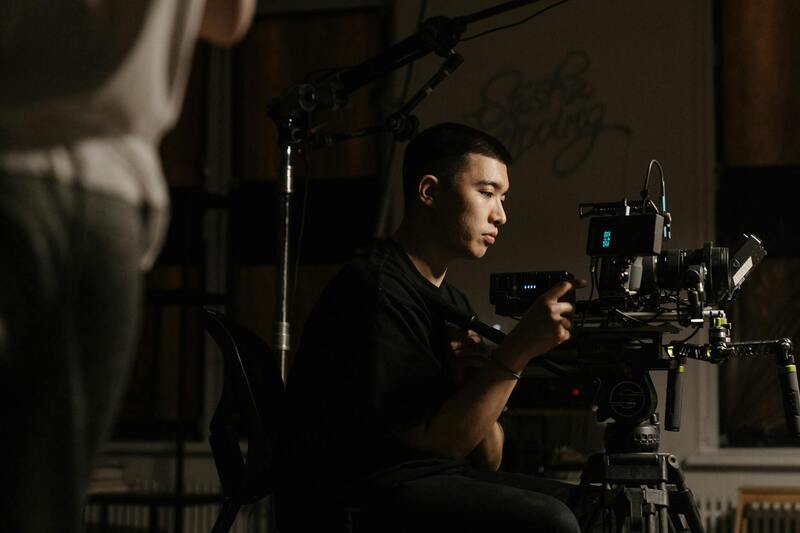
Implementing high-quality 3D house photography relies on several advanced tools and cutting-edge technologies. These encompass sophisticated hardware and software that work together to produce immersive, precise virtual representations of properties. The core hardware often includes professional-grade 3D cameras, LiDAR scanners, and rotation mounts, which facilitate rapid capturing of detailed spatial data and high-resolution images. These devices are capable of collecting comprehensive environmental information, including textures, lighting conditions, and spatial dimensions, which form the foundation for accurate 3D reconstructions.
On the software front, specialized programs are essential for processing the raw data into coherent, interactive models. Photogrammetry software analyzes multiple photographs to generate detailed point clouds and mesh models. These models are then refined using rendering tools that enhance visual quality, lighting, and material accuracy. Popular software solutions used in this process can include Matterport, Autodesk Revit, and SketchUp, among others. They offer capabilities like virtual staging, interactive walkthroughs, and customizable viewpoints, elevating the overall client experience.
In addition, virtual reality (VR) and augmented reality (AR) technologies are increasingly integrated into 3D house photography workflows. These tools enable potential buyers to navigate properties in an immersive environment, offering a spatial understanding that surpasses traditional imagery. The combination of high-quality hardware, sophisticated software, and interactive visualization platforms ensures that 3D property presentations are both realistic and engaging, solidifying their role as a vital asset in modern real estate marketing strategies.

Key Tools and Technologies Used in 3D House Photography
Implementing high-quality 3D house photography relies on a suite of advanced tools and cutting-edge technologies designed to capture, process, and present comprehensive spatial data. Among the most critical equipment are laser scanners, such as LiDAR (Light Detection and Ranging) devices, which emit laser pulses to measure precise distances within a property. These scanners generate dense point clouds that form the foundational dataset for constructing accurate three-dimensional models.
Complementing hardware are sophisticated software solutions that transform raw data into detailed visualizations. Photogrammetry software processes overlapping images to produce accurate 3D reconstructions by analyzing features detected in multiple photographs. This process involves generating 3D point clouds, creating mesh models that mirror the physical structure with high fidelity, and refining textures to enhance realism.
Additionally, rendering platforms like Matterport, Autodesk Revit, and SketchUp are employed for model refinement, virtual staging, and creating interactive virtual walkthroughs. Such platforms allow users to manipulate viewpoints, explore rooms from different angles, and even customize interior features, making the virtual experience akin to an actual onsite visit.
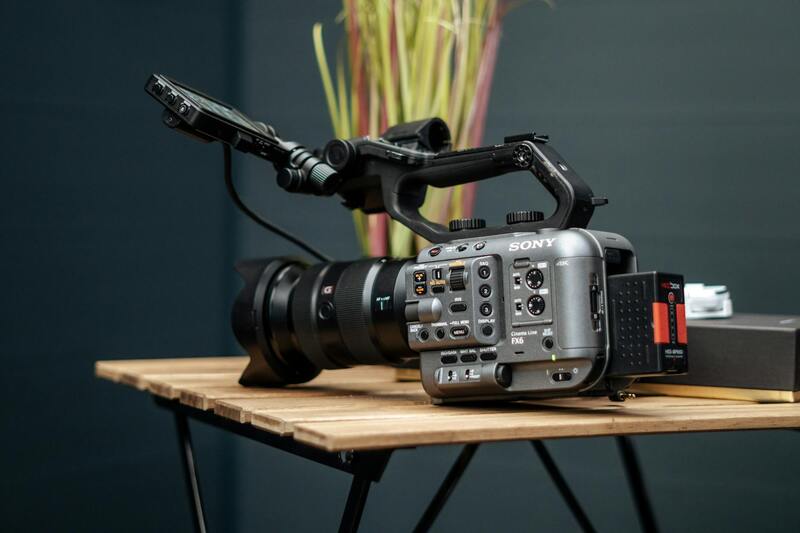
Emerging innovations such as virtual reality (VR) and augmented reality (AR) integration are expanding the capabilities of 3D imaging. VR headsets enable immersive property walkthroughs, allowing prospective buyers to virtually navigate through the space with a level of interactivity and spatial awareness unattainable through traditional photographs. AR applications, on the other hand, facilitate overlaying digital objects onto physical environments, enabling potential homeowners to visualize furniture, décor, or renovation options directly within the virtual model.
The combination of laser scanning hardware, photogrammetry software, powerful rendering tools, and immersive visualization technologies ensures that 3D property representations are highly detailed, accurate, and engaging for potential buyers and real estate professionals alike. Maintaining the latest technological advancements is key for staying competitive in the Miami real estate market, as the quality and interactivity of 3D visuals significantly influence client interest and decision-making.
Overview of 3d house photography
3D house photography has transformed property marketing by providing highly detailed and interactive virtual images of real estate properties. Using advanced imaging techniques, it captures the spatial layout, design elements, and intricate details of homes, creating a comprehensive digital replica. This method surpasses traditional photography by offering a more immersive experience, allowing potential buyers to explore every corner of a property without physically visiting the site. The technology relies on a combination of lasers, photogrammetry software, and high-resolution cameras to generate precise three-dimensional models, which can be navigated remotely with ease. By translating physical spaces into digital environments, 3D house photography enhances visualization and facilitates more accurate decision-making for clients and agents alike.
Advantages of 3d house photography in Miami real estate
- Enhanced Visual Appeal: 3D models provide a realistic and detailed view of properties, highlighting features that may be overlooked in standard photos.
- Increased Engagement: Interactive virtual tours capture prospective buyers’ attention longer and foster deeper interest in the property.
- Time and Cost Efficiency: Virtual walkthroughs reduce the need for multiple in-person showings, saving time for agents and clients.
- Wider Reach: Digital representations can be shared across various platforms, expanding the property's visibility beyond traditional channels.
- Support for Remote Transactions: With Miami's diverse buyer pool and global interest, 3D visuals enable remote clients to experience properties as if they were physically present.
Key tools and technologies used in 3d house photography
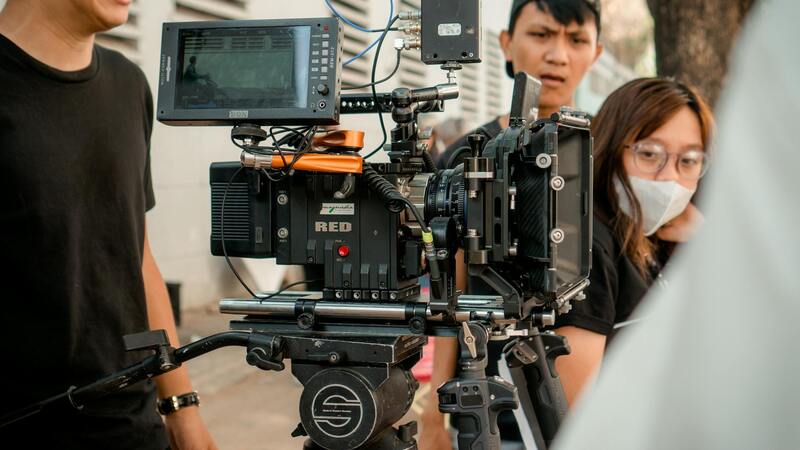
Effective 3D house photography relies on a suite of advanced tools designed to capture, process, and visualize property data accurately. Laser scanners and photogrammetry software form the backbone of the imagery, enabling precise capture of spatial dimensions and surface textures. High-resolution digital cameras are used to gather visual details, which are then integrated into 3D modeling platforms like Revit, SketchUp, or proprietary rendering software. Emerging technologies such as virtual reality (VR) and augmented reality (AR) are increasingly incorporated to enhance interactivity. VR headsets can deliver fully immersive property tours, while AR applications allow users to visualize modifications or furniture placements within a virtual space. Combining these technologies ensures that real estate professionals can present properties in engaging, realistic formats that resonate with prospective buyers.
The process of creating 3d house images
The creation of 3D house images involves several key stages:
- Initial Scanning and Data Collection: Employ laser scanners and high-definition cameras to gather comprehensive spatial and visual data of the property.
- Data Processing: Use photogrammetry and 3D modeling software to stitch images and data, building a detailed digital replica of the home’s interior and exterior.
- Model Refinement: Incorporate architectural plans and design elements, refining the digital model to ensure accuracy and completeness.
- Rendering and Visualization: Apply advanced rendering techniques to generate realistic lighting, textures, and materials, producing polished images and interactive models.
- Delivery and Integration: Deploy the 3D models across various platforms or virtual tour systems for client access and marketing use.
This systematic approach guarantees the production of high-quality, engaging visuals that meet the rigorous standards of Miami's competitive real estate market.
Applying 3d house photography in Miami real estate market
The Miami real estate scene benefits immensely from the strategic application of 3D house photography. Realtors leverage these visuals to showcase luxury condos, waterfront homes, and commercial properties, giving remote buyers an authentic sense of space and ambiance. Virtual tours created with 3D images serve as a powerful marketing tool on MLS listings, property websites, and social media campaigns, attracting a broader audience. Additionally, real estate developers integrate 3D visualizations during the planning and marketing phases of new projects, enabling investors and clients to explore designs virtually before construction begins. This technology also facilitates detailed virtual walkthroughs that highlight property features, amenities, and interior design elements, making it an essential component of modern property presentation in Miami's fast-paced market.
Benefits for real estate agencies and agents
- Enhanced Professional Image: Offering cutting-edge visual marketing demonstrates expertise and a commitment to innovative practices.
- Greater Client Satisfaction: Clients benefit from detailed and realistic previews, which help in making informed decisions without prior physical visits.
- Market Differentiation: Incorporating 3D visuals sets agencies apart in a competitive market, appealing to tech-savvy buyers.
- Streamlined Sales Process: Virtual tours reduce logistical constraints and streamline negotiations, leading to quicker closings.
- Expanded Reach: Digital assets enable agencies to reach national and international audiences seamlessly, broadening their market footprint.