Overview of Virtual Real Estate Photography
Virtual real estate photography has become an essential component of contemporary property marketing, offering a dynamic way to showcase properties without the need for physical visits. This specialized form of photography leverages high-quality images, 3D renders, and virtual tours to provide prospective buyers with an immersive viewing experience from anywhere in the world. In markets like Miami, where luxury condominiums, waterfront estates, and commercial properties dominate, the demand for compelling virtual content has surged significantly. Virtual real estate photography not only amplifies the property's digital presence but also enhances engagement, attracting a broader audience of potential buyers and investors.
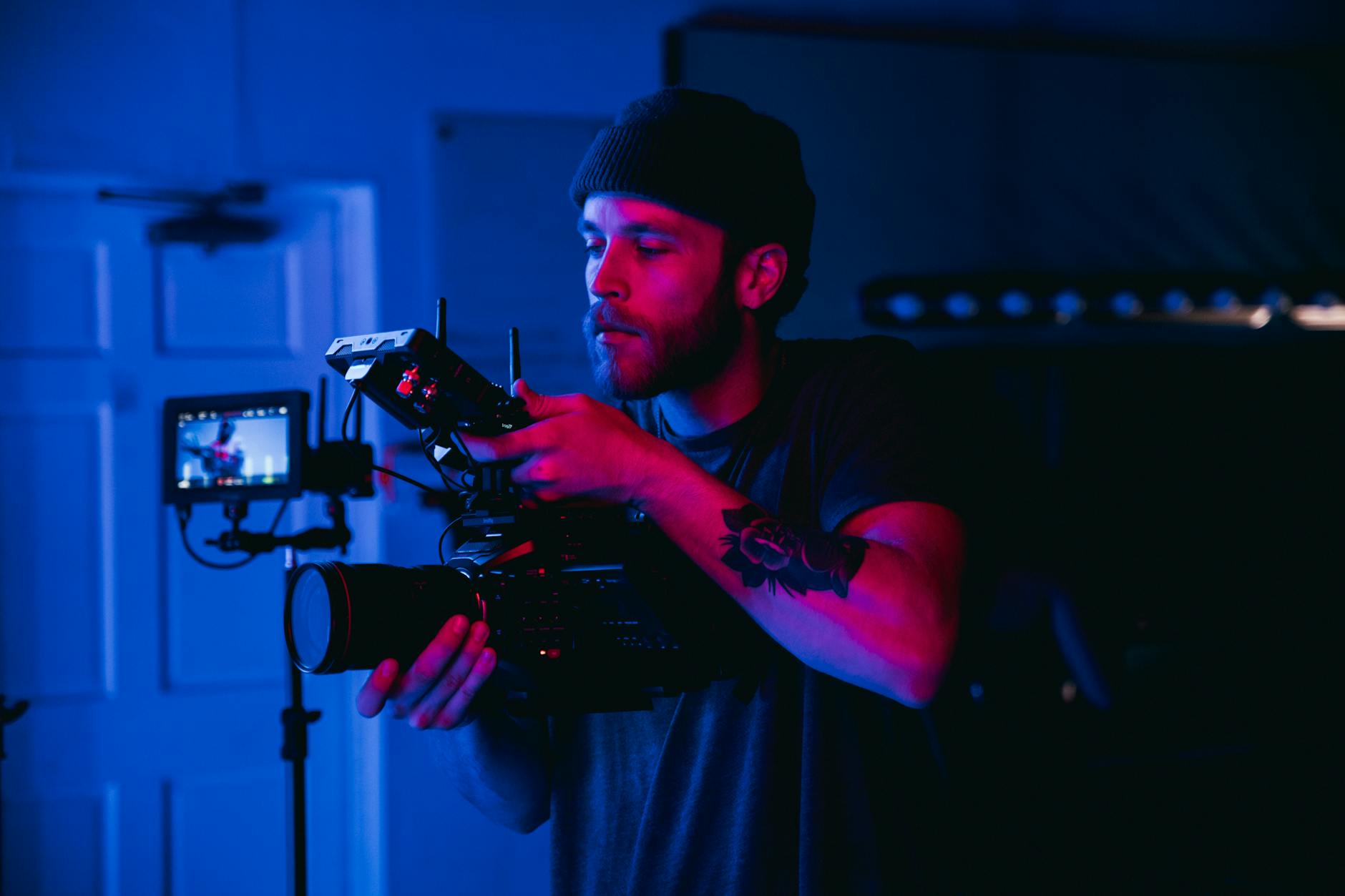
This approach transcends traditional photography by incorporating interactive elements and 3D visualizations, allowing viewers to navigate through property spaces seamlessly. As technology advances, the importance of high-resolution imagery, precise lighting, and accurate spatial representation becomes increasingly vital in capturing the true essence of a property. As a result, virtual real estate photography has established itself as a fundamental tool for real estate professionals aiming to offer detailed, realistic views of properties in an efficient and engaging manner.
In the vibrant and competitive Miami real estate market, utilizing virtual photography techniques can significantly streamline the sales process. It enables potential buyers to explore multiple listings remotely, compare options efficiently, and make informed decisions without the constraints of physical property visits. This evolution in marketing strategies not only saves time and resources but also widens the reach of property advertisements, making virtual real estate photography an indispensable asset for agents and property owners alike.
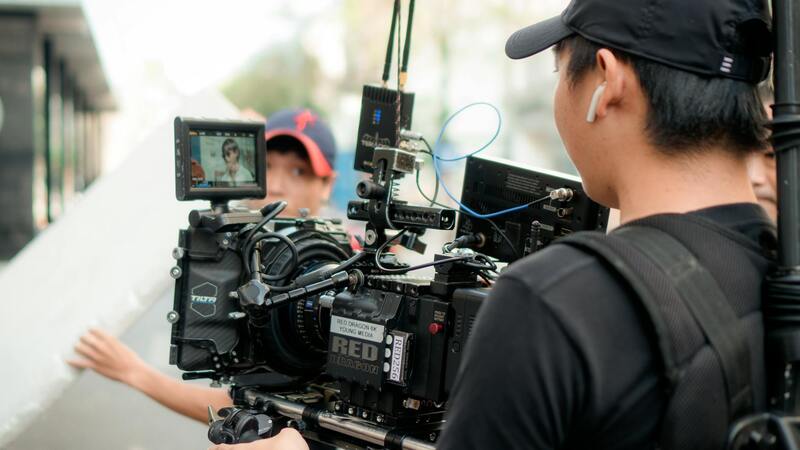
Moreover, the growing popularity of virtual real estate content aligns with the broader digital transformation across industries. Enhancing digital listings with sophisticated virtual images and tours transforms static photos into interactive experiences, helping properties stand out in a crowded marketplace. As technology continues to evolve, the expectations for visual content in real estate will only increase, emphasizing the need for professional-grade virtual photography to meet the demands of discerning buyers and competitive sellers.
Key Equipment and Software for Virtual Real Estate Photography
Achieving high-quality virtual real estate photographs demands the right combination of advanced equipment and sophisticated software. The core hardware essentials include a high-resolution DSLR or mirrorless camera capable of capturing detailed images under various lighting conditions. Wide-angle lenses, typically ranging from 10mm to 24mm, are essential for encompassing more of a space in a single shot, reducing the need for multiple images and creating a seamless visual experience. Additionally, a sturdy tripod ensures stability during shooting, minimizing blurriness and maintaining consistent framing across images.
To enhance the fidelity of virtual representations, professional photographers often utilize panoramic heads, which facilitate smooth and accurate 360-degree captures. Drone photography equipment may also be employed to showcase expansive outdoor areas, aerial views, and property surroundings, providing a comprehensive picture for prospective buyers.
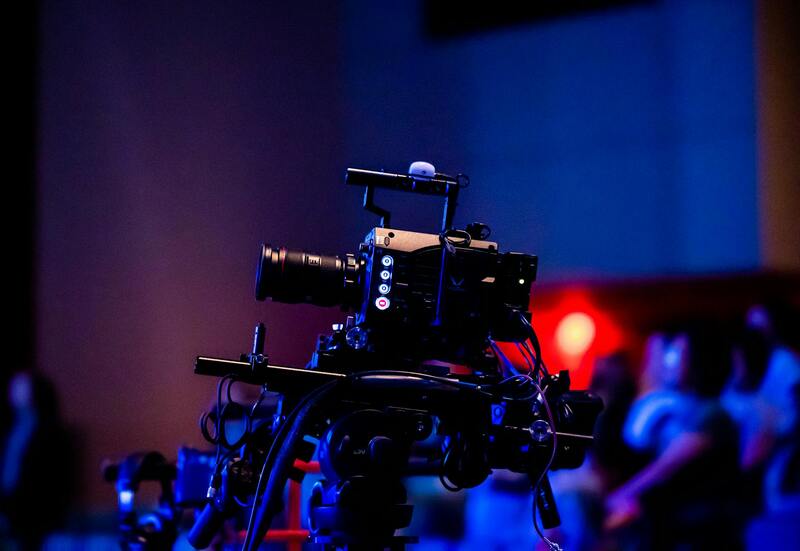
Complementing hardware, powerful editing and stitching software includes programs like Adobe Lightroom and Photoshop for post-capture adjustments, color correction, and minor retouching. For creating immersive virtual tours, specialized applications such as Matterport, Crypto360, and Pano2VR enable the stitching of multiple images into interactive 3D environments or panoramic walkthroughs. These tools allow for precise alignment, seamless transitions, and interactive hotspots that elevate the virtual experience for viewers.
To streamline the workflow and ensure consistent quality, many professionals leverage automated exposure bracketing and HDR (High Dynamic Range) techniques. These methods combine multiple exposures into a single balanced image, capturing details in highlights and shadows alike—crucial for accurately representing both interior lighting and exterior vistas.
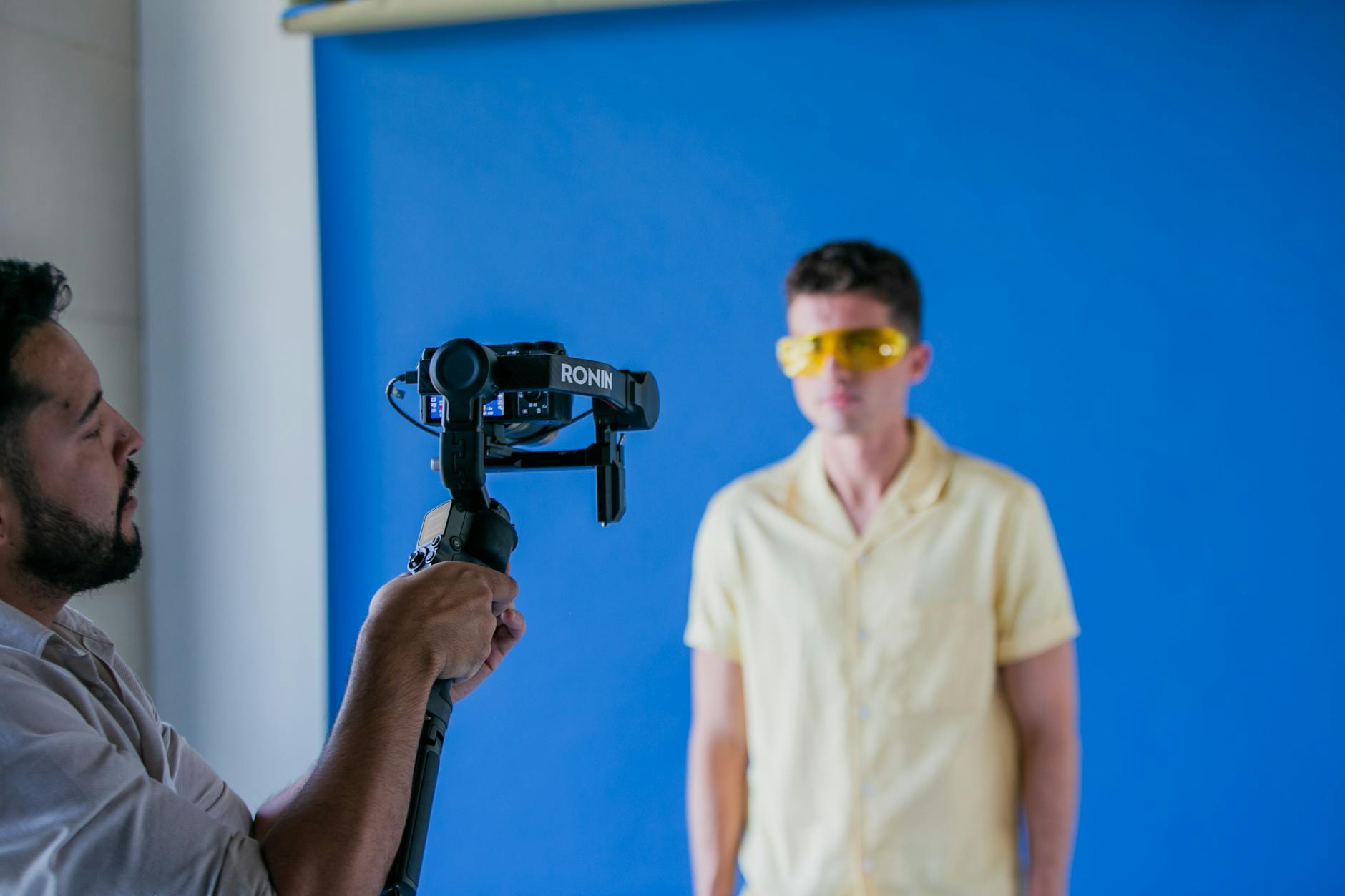
Choosing the right combination of equipment and software is vital for producing compelling virtual listings that meet modern buyer expectations, especially in competitive markets such as Miami’s luxury real estate sector. Consistent, professional-grade imagery not only broadens the appeal of a property but also builds trust with prospective clients who seek thorough and visually accurate representations of their potential investment.
Key Equipment and Software for Virtual Real Estate Photography
Achieving top-tier virtual real estate visuals hinges on the right combination of advanced equipment and sophisticated software tools. A fundamental asset is the 3D camera, designed specifically to capture comprehensive spatial data and high-resolution imagery that serve as the foundation for immersive virtual experiences. These cameras offer features like automatic alignment, multiple-lens configurations, and enhanced low-light performance, enabling photographers to efficiently produce detailed and cohesive virtual environments.
In addition to specialized cameras, drone imaging expands the scope of virtual property presentations. Drones equipped with high-quality cameras facilitate aerial shots that showcase a property's exterior, landscaping, and surrounding neighborhood views—offering prospective buyers an encompassing perspective that static images alone cannot provide.
From a software standpoint, several platforms are essential for transforming raw captures into engaging virtual tours. Panorama stitching software such as Pano2VR and Kolor Autopano are commonly used to seamlessly blend multiple images into panoramic views. More advanced applications like Matterport and Crypto360 integrate 3D scanning, allowing the creation of interactive walkthroughs that mimic an on-site visit.
These platforms support features like interactive hotspots, embedded informational tags, and navigational cues, enriching the user experience and enabling potential buyers to explore properties intuitively. For post-production editing, programs like Adobe Lightroom and Photoshop play a crucial role, refining image quality through adjustments in brightness, contrast, and color balance. Ensuring consistent lighting and accurate color reproduction enhances realism, fostering trust and engagement among viewers.
Editing and Post-Production for Virtual Tours
In the realm of virtual real estate photography, after capturing high-quality images and 3D scans, the post-production phase is crucial for creating a polished, engaging, and accurate virtual tour. This stage involves refining visuals to ensure they accurately represent the property while also enhancing aesthetic appeal. Skilled editing not only improves image clarity but also helps maintain consistency across all visual content, which is vital for a professional presentation.
Post-production includes a variety of techniques such as color correction, brightness and contrast adjustments, and noise reduction to establish a uniform look throughout the virtual tour. These adjustments help mitigate the effects of variable lighting conditions during shooting, ensuring that the images are vibrant yet true to reality. For instance, correcting color balance ensures that whites appear truly white and that the property’s natural colors are preserved, fostering trust with prospective buyers.
Furthermore, advanced editing may involve retouching irrelevant or distracting elements within the images, like clutter or unintended reflections, to showcase the property in its best light. It’s imperative that edits are subtle and maintain authenticity, avoiding any perception of misrepresentation. Maintaining transparency and accuracy in visuals ensures viewers receive an honest depiction of the space, establishing credibility and facilitating smooth transactions.
When working with virtual tours that incorporate 3D scans or interactive elements, editing also extends to optimizing the embedded features such as interactive hotspots, informational tags, or navigational cues. Properly calibrated and seamless integration of these components enhances user experience and fosters intuitive exploration of the property.
High-quality virtual real estate visuals demand not only sophisticated hardware for initial capture but also precise editing software. Tools like Adobe Lightroom and Photoshop are primary choices for fine-tuning images, while specialized platforms support editing 3D walkthroughs and virtual staging. Ensuring compatibility between various editing tools streamlines the workflow, leading to faster turnaround times without compromising quality.
In an increasingly competitive real estate market, the importance of meticulous post-production cannot be overstated. It allows real estate professionals to craft compelling virtual representations that attract more viewers, generate greater interest, and ultimately, facilitate faster sales. Regular updates to editing techniques and software capabilities ensure that virtual tours stay current with technological advancements, maximizing their impact and effectiveness in marketing strategies.
Integrating Virtual Photography into Real Estate Marketing Strategies
Effective integration of virtual real estate photography into broader marketing strategies enhances property visibility and engagement. Real estate professionals leverage high-quality virtual tours and images to reach a wider audience across multiple channels, including social media, websites, and email campaigns. By embedding immersive virtual experiences, agents and agencies can significantly increase the time prospective buyers spend engaging with property listings, thus boosting the likelihood of inquiries and showings.
To maximize impact, virtual photographs should be coordinated with traditional marketing elements. For example, listing descriptions can highlight the virtual tour's features to entice viewers, while promotional posts on social media platforms should include clickable virtual tour snippets or previews. Incorporating high-resolution virtual images into email marketing campaigns allows for an interactive experience that captures attention and encourages further exploration of the property.
Moreover, integrating virtual real estate content with data-driven advertising tools enables targeted outreach. By analyzing viewer engagement metrics, real estate marketers can refine their strategies, focusing on segments most likely to convert. Consistent branding across all virtual content further reinforces a professional presence, making each virtual tour not just a visualization but a comprehensive marketing asset.
Adopting a strategic approach to virtual content deployment ensures that each virtual tour contributes to the overall marketing ecosystem. This includes scheduling regular updates, integrating virtual open houses, and utilizing analytics to assess performance. A well-executed virtual real estate photography strategy transforms static listings into dynamic marketing tools capable of generating higher engagement rates, producing faster sales, and establishing a competitive edge in the Miami property market.
Legal Considerations and Ethical Standards
Implementing virtual real estate photography within property marketing practices involves adherence to established legal frameworks and ethical guidelines. While the focus remains on the pursuit of accurate, fair, and transparent representations of properties, understanding the essential parameters that govern these visual assets is vital for maintaining professionalism and trustworthiness in the digital marketplace.
Ensuring that virtual tours and high-quality images accurately depict the property's true condition, features, and spatial layouts is paramount. Misrepresentations, whether intentional or accidental, can lead to disputes or diminished credibility among prospective clients. Certification standards or compliance checks might be employed in certain regions to validate that virtual content aligns with actual property facts, fostering buyer confidence and reducing miscommunication.
In addition to authenticity, respecting privacy rights is a fundamental aspect of ethical virtual real estate photography. This involves obtaining proper consent to include any personal or private areas within virtual tours, especially in cases where neighboring properties or sensitive spaces are visible. Privacy considerations extend beyond legal obligations, reflecting a commitment to integrity and professional responsibility in showcasing properties.
Moreover, the ethical deployment of virtual content should include clear disclosure of the virtual nature of the tour, avoiding any attempts to mislead potential buyers into believing they are viewing in-person experiences when they are not. Transparency about editing or enhancements ensures potential buyers receive an honest and comprehensive understanding of the property.

Real estate professionals and photographers should also prioritize consistent branding and professional conduct throughout the virtual marketing process. This encompasses accurate, high-resolution imagery, careful staging of virtual spaces, and detailed descriptions that reflect the property's true features without exaggeration. Such practices uphold a reputable image and promote ethical relationships with clients and prospective buyers alike.
Finally, staying informed about evolving industry standards and technological advancements helps maintain ethical integrity in virtual real estate photography. Engaging with recognized industry bodies, participating in professional training, and seeking feedback from clients can further refine practices and reinforce commitment to ethical excellence in digital property marketing.
Legal Considerations and Ethical Standards in Virtual Real Estate Photography
In the realm of virtual real estate photography, adhering to established standards ensures that both clients and viewers maintain trust in the virtual content presented. This involves a series of responsible practices that prioritize transparency, accuracy, and professionalism. To start, it is essential to obtain explicit consent from property owners before capturing images or creating virtual tours, ensuring rights are respected and documented appropriately.
Disclosures about any modifications or enhancements made during post-production are equally important. Clear communication regarding photo editing, color adjustments, or virtual staging helps set accurate expectations for prospective buyers. This level of transparency can prevent misunderstandings and fosters confidence in the virtual representations of properties.
Furthermore, virtual real estate images and tours should accurately reflect the property's current condition and features without exaggeration. Manipulating images to create an unrealistic portrayal can mislead viewers, potentially leading to dissatisfaction or disputes during the transaction process. Ethical standards mandate that virtual content faithfully represents the living spaces, including nuances such as lighting, space dimensions, and overall ambiance.
Another vital aspect involves safeguarding privacy rights. Virtual tours should respect the privacy of individual occupants or neighboring properties by excluding any identifiable personal information or sensitive areas. When using third-party or publicly accessible features in virtual content, appropriate permissions should be secured to avoid any infringement issues.
Engaging with professional organizations or industry bodies related to virtual real estate marketing can provide valuable guidance on evolving standards and best practices. Continuous training, ethical review, and client feedback are instrumental in refining practices and upholding high standards within the virtual property visualization domain.
Finally, digital data security is a crucial concern. Ensuring that virtual content is stored, shared, and distributed securely helps prevent unauthorized usage or theft. Protecting proprietary images and virtual assets demonstrates professional integrity and respect for intellectual property rights.
Adopting these practices not only aligns with professional standards but also fosters a reputation of trustworthiness within the real estate community, which ultimately benefits every stakeholder involved in the virtual property marketing process.
Legal Considerations and Ethical Standards in Virtual Real Estate Photography
Adhering to established legal and ethical standards is fundamental for maintaining integrity and consumer trust in the virtual real estate sector. While focusing on lawful methods, agents and photographers must ensure that all virtual content accurately represents the properties without embellishment or omission that could mislead potential buyers or renters.
Transparency is the cornerstone of ethical virtual real estate photography. Providing truthful visuals that correspond with the actual state of the property ensures that prospective clients make informed decisions. Overstating features or digitally altering images to enhance the property’s appeal should be avoided, as such practices can undermine professional credibility and customer trust.
Respect for privacy rights is equally essential. When capturing virtual content, particular attention should be paid to exclude areas or features that could compromise occupant privacy or reveal sensitive information. This includes avoiding the inclusion of identifiable personal belongings, private spaces, or neighboring properties without explicit consent. If drone photography or aerial shots are used, ensure proper permissions are obtained, and legal flight boundaries are observed.
Securing permissions before incorporating third-party content or publicly accessible features into virtual tours is necessary to prevent potential infringements. This process involves obtaining clear documentation of rights from property owners, neighbors, or copyright holders for any images, videos, or virtual elements included in the presentation.
Engagement with recognized industry organizations and adherence to their standards fosters continuous improvement in practices. These bodies often provide comprehensive guidelines, best practices, and updated regulations that help professionals operate responsibly and ethically within the virtual property marketing landscape.
- Ongoing training and certifications can deepen understanding of current legal frameworks and industry expectations.
- Regular review of virtual content and client feedback helps identify areas for ethical enhancement.
- Maintaining detailed records of permissions and content sources safeguards against disputes.
Protecting proprietary virtual content through digital security measures demonstrates professionalism and respect for intellectual property. Methods include secure storage solutions, controlled access, and encrypted sharing channels to prevent unauthorized use or distribution of virtual assets.
By aligning virtual real estate photography practices with established legal and ethical standards, professionals foster trust and credibility within the industry. These standards serve as the foundation for sustainable growth and reputation, ensuring that virtual tours remain a reliable, honest, and respectful marketing tool for all stakeholders involved.