The Importance of Video Content in Real Estate Marketing
In today’s competitive real estate landscape, visual storytelling has become a vital component for agents aiming to distinguish their property listings. High-quality video content offers an immersive view of properties, providing potential buyers with a realistic and engaging experience that static photos alone cannot achieve. Well-executed videos not only enhance the visibility of listings across digital channels but also evoke an emotional response that can accelerate decision-making processes.
Real estate videos serve as dynamic marketing tools that showcase the full layout, architectural details, and unique features of a property in a compelling manner. Properties presented through detailed walkthroughs and aerial views attract more attention, increase inquiries, and often shorten the sales cycle. For agents, investing in professional video production is a strategic move that maximizes outreach, builds credibility, and ultimately drives higher conversions.
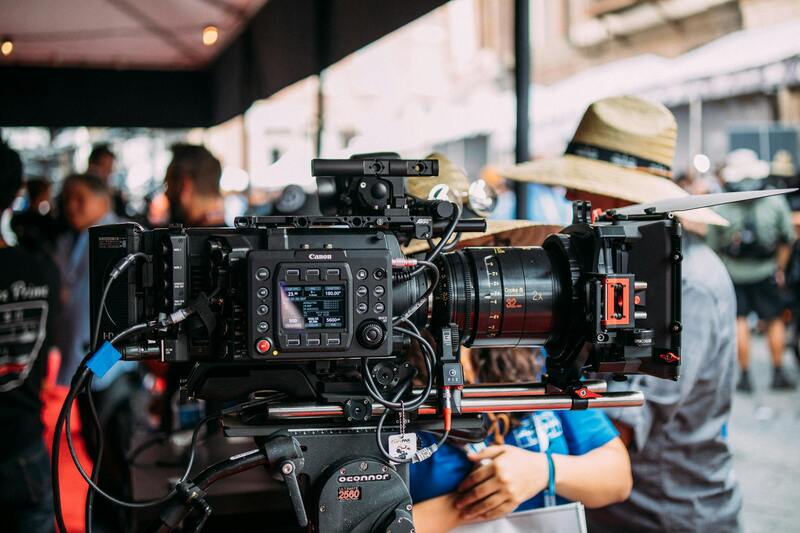
Furthermore, high-quality videos create a competitive edge in saturated markets where visual differentiation is critical. Digital platforms prioritize engaging content, and professionally produced videos align with the expectations of modern homebuyers who increasingly rely on online property searches. As a result, real estate agents leveraging superior video content can establish a stronger online presence and generate leads more effectively.
Enhanced Property Visibility and Engagement
Effective real estate videos make listings more memorable, encouraging viewers to share and revisit properties of interest. This increased exposure can lead to a broader reach, attracting qualified buyers from various demographics. Additionally, videos can highlight not just the property itself but also the lifestyle and community that surrounds it, adding additional appeal to prospective tenants or purchasers.
Incorporating professional video content into your real estate marketing strategy also supports your branding efforts. It demonstrates your commitment to quality and modern marketing practices, reinforcing your reputation as a knowledgeable and trusted agent.
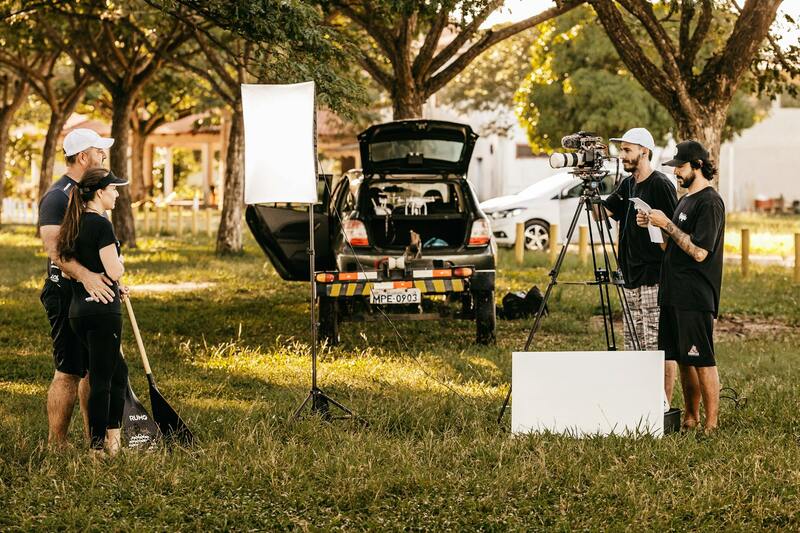
By using a combination of high-resolution video tours, drone footage, and virtual walkthroughs, real estate agents can offer multiple layers of engagement that appeal to a broad audience. This multi-format approach ensures that properties stand out in crowded online marketplaces, fostering quicker transactions and sustained interest from prospective buyers.
Key Elements of Effective Real Estate Videos
Crafting compelling real estate videos involves more than just capturing footage; it requires strategic integration of several core elements that enhance viewer engagement, trust, and interest. High-quality visuals are fundamental, but the effectiveness of a real estate video extends to its storytelling, clarity, and technical execution. Well-planned scripts, professional narration, and seamless editing work together to showcase a property’s best features and convey its unique appeal.
Lighting plays a critical role in highlighting architectural details and creating an inviting atmosphere. Natural sunlight, complemented by professional lighting equipment, ensures spaces appear warm and welcoming. Equally important is the choice of camera angles—dynamic shots that emphasize space and flow convey a more accurate sense of the property's layout. Smooth camera movements, whether via gimbals or sliders, help maintain a polished presentation, preventing distracting shakes or jitters.
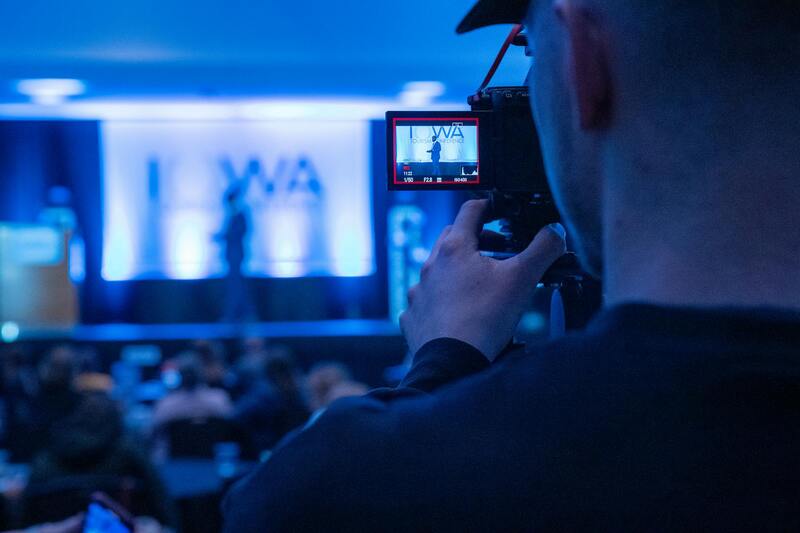
An engaging video narrative should focus on storytelling that connects viewers emotionally with the property—highlighting features that appeal to target buyers while providing context about the lifestyle it offers. Incorporating drone footage offers sweeping views of the neighborhood and surrounding amenities, adding depth and perspective that static images cannot provide. Virtual walkthroughs combined with aerial shots deliver an immersive experience, which is especially valuable for remote buyers or those reviewing many listings.
Clear, well-structured calls-to-action can subtly guide viewers to inquire further or schedule a viewing. Incorporating branding elements, such as the agent’s logo or contact information, reinforces recognition and builds trust. To maximize the impact, videos should be concise yet comprehensive, typically lasting between two to five minutes, ensuring viewers remain engaged without information overload.
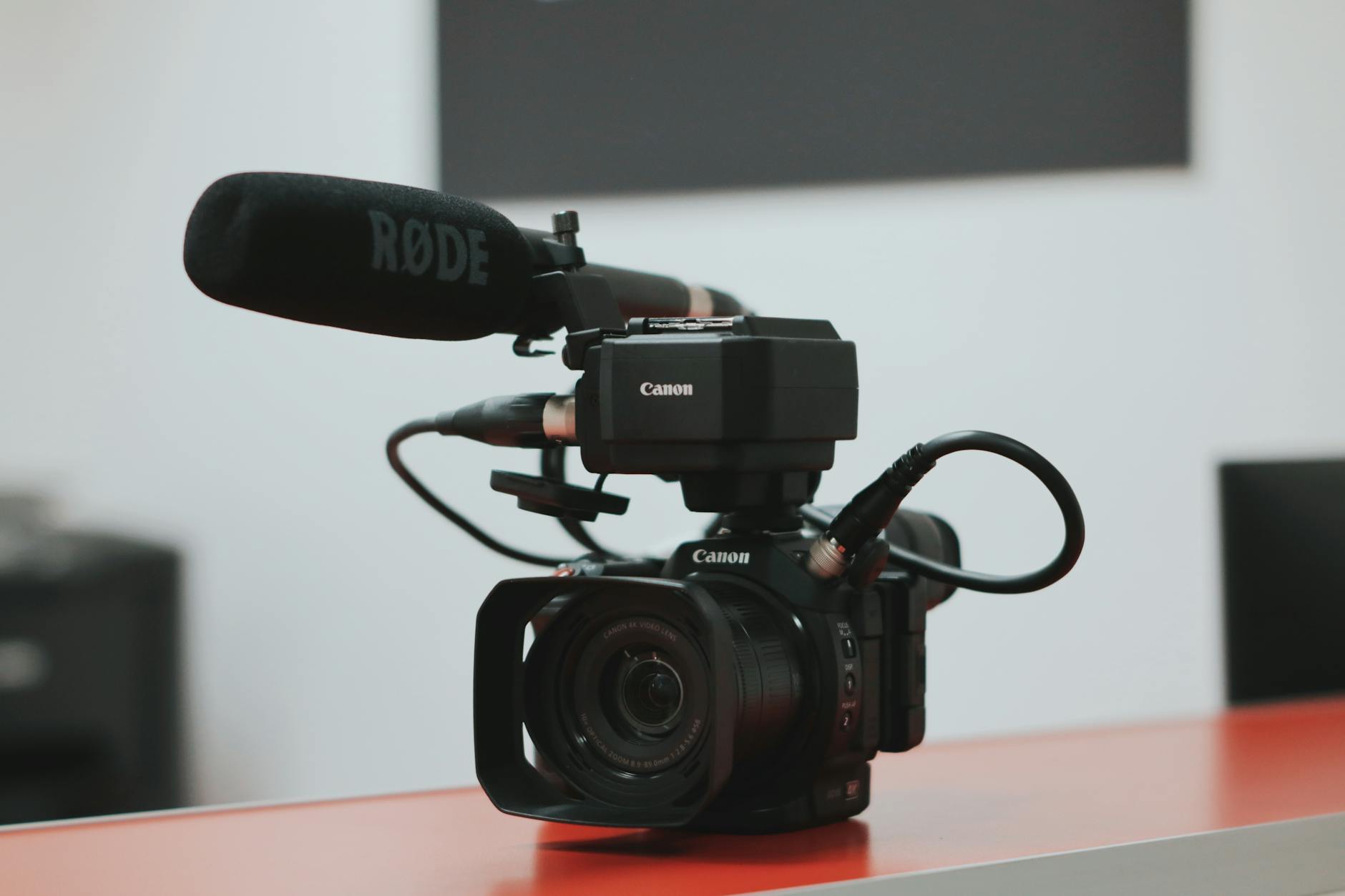
Partnering with a Miami Video Production Agency
Collaborating with an experienced video production team local to Miami ensures that real estate agents have access to cutting-edge technology, local knowledge, and creative expertise. A professional agency understands the nuances of Miami’s real estate market and can tailor content to highlight regional attractions, architectural styles, and community assets that resonate with targeted buyers. This localized approach enhances the authenticity and appeal of the videos produced.
Professional agencies also bring technical proficiency, including camera work, lighting, sound, and post-production editing, resulting in a polished final product. They can advise on the best formats and platforms for distribution, ensuring that videos are optimized for social media, websites, and listing portals. Establishing a partnership with a Miami-based production company streamlines the process—from concept development to final delivery—saving time and ensuring quality standards are met.
Key Elements of Effective Real Estate Videos
Creating compelling real estate videos requires attention to several core components that collectively enhance appeal and professionalism. High-quality lighting is essential to showcase the property’s best features, emphasizing natural light and ensuring interior spaces appear bright and welcoming. Proper staging enhances visual storytelling, helping viewers imagine themselves in the space, and involves decluttering, strategic furniture placement, and highlighting focal points within each room.
Camera angles can dramatically influence how a property is perceived. Utilizing a variety of perspectives—such as wide-angle shots to display room dimensions, low angles to accentuate ceilings, and aerial views for exterior and neighborhood context—adds depth and interest to the video. Smooth camera movements, achieved through stabilizers or gimbals, maintain viewer engagement and convey a polished look.
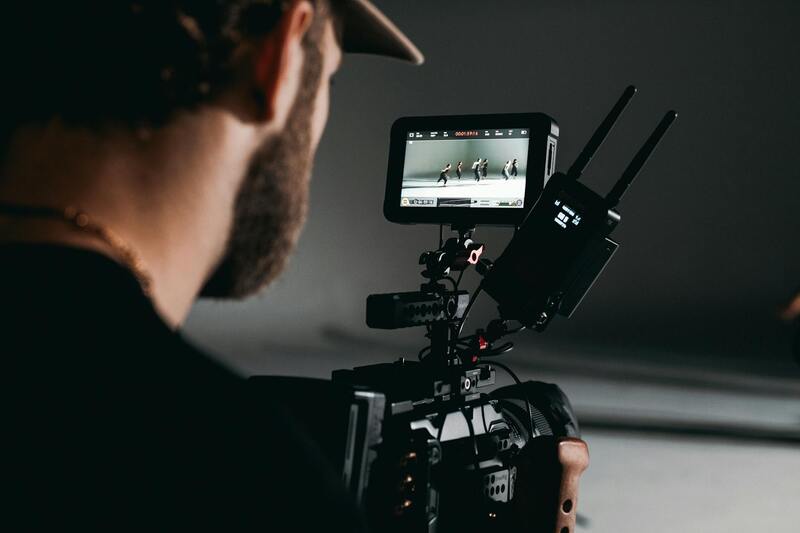
Effective editing techniques are crucial to maintaining a professional appearance. Quick cuts between shots should flow seamlessly to keep the viewer engaged, while incorporating transitions and overlays can highlight key features or provide additional information. Color correction and sound editing further enhance the overall quality—brightening images, balancing audio, and removing distractions—resulting in a clean, captivating final product.
In addition to technical prowess, storytelling plays a vital role. Structuring the video to follow a logical flow—from exterior shots to interior walkthroughs and neighborhood highlights—helps craft a cohesive narrative that appeals to prospective buyers. Incorporating subtle branding elements, such as the agent’s logo or contact details, reinforces recognition and trust without overwhelming the visual presentation.
Effective Distribution Strategies for Real Estate Videos
Maximizing the reach and impact of real estate videos requires strategic distribution across multiple online platforms. This ensures that the property gains maximum visibility among potential buyers, agents, and other interested parties. Proper dissemination also enhances engagement metrics and broadens the audience base.
Central to this approach is utilizing the right channels tailored to the target market. While property listing websites are fundamental, social media platforms such as Facebook, Instagram, and LinkedIn play a crucial role in amplifying exposure. These channels allow for targeted advertising and organic sharing, which can significantly increase visibility.
For instance, on Facebook and Instagram, property videos should be optimized for mobile viewing with vertical or square aspect ratios, as most users access these platforms via smartphones. Utilizing paid social media campaigns can further promote the videos to specific demographics based on location, age, interests, and other relevant criteria, ensuring the content reaches the most interested prospects.
Embedding videos on property listing pages enhances user experience by providing immersive visual tours directly within the property’s online presence. Additionally, email marketing campaigns featuring high-quality videos can nurture leads and keep prospective buyers engaged with personalized updates.
Beyond social platforms, integrating videos into your website’s SEO strategy can improve overall search engine rankings. Embedding videos on property pages and blog posts, coupled with optimized titles, descriptions, and tags, helps search engines understand the content better, making it more discoverable to potential clients searching for real estate in specific Miami neighborhoods.
To further refine distribution efforts, consider leveraging real estate-specific platforms and virtual tour aggregators, which are increasingly popular in today’s market. These sites often attract serious buyers seeking comprehensive property views, and featuring high-quality video content here can differentiate your listings from competitors.
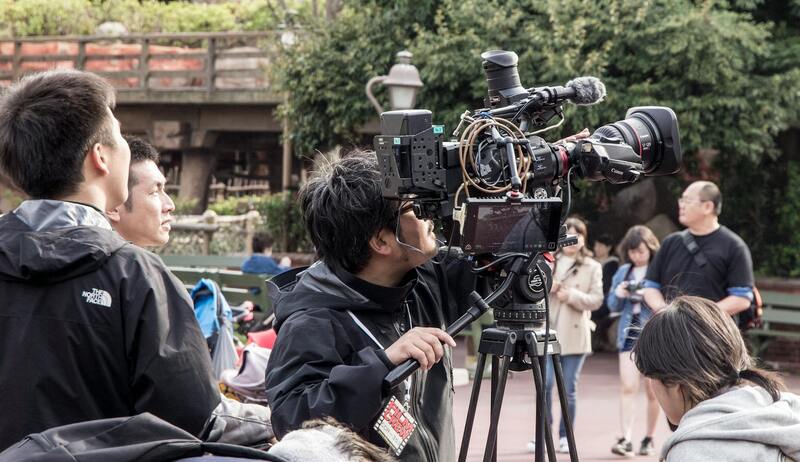
Consistent analysis of engagement metrics—such as views, shares, click-through rates, and average watch time—provides insights into which channels and content styles resonate best with your audience. This data-driven approach allows for ongoing optimization, ensuring each video campaign delivers maximum return on investment and elevates your overall real estate marketing strategy.
Legal Considerations and Best Practices
Creating high-quality real estate videos involves adhering to established protocols that ensure clarity, professionalism, and respect for all parties involved. As with any marketing endeavor, it is essential to obtain appropriate permissions prior to filming. This includes securing consent from property owners and tenants, when applicable, to avoid misunderstandings or disputes that could impact the promotional campaign.
Clear communication of the scope of the video shoot, including cameras, drones, and other recording devices, helps manage expectations and ensures participants are aware of how their likeness and property will be showcased. Written agreements should explicitly outline the intended use of the footage, distribution channels, and any rights retained by the client or production agency.
When utilizing drone footage, compliance with specific regulations governing aerial photography is crucial. This entails following FAA guidelines, avoiding restricted airspace, and respecting privacy boundaries. Professional producers often work with licensed drone operators who are well-versed in current regulations to mitigate risks and maintain lawful operations.
In addition to operational considerations, editing and post-production practices should also follow best practices to prevent misrepresentation. This means accurately depicting the property’s features and not engaging in deceptive editing that could mislead prospective buyers.
Furthermore, incorporating branding elements such as official logos and contact information consistently across videos reinforces credibility and brand recognition. Including disclaimers where necessary, especially when presenting promotional content, helps clarify the intent and scope of the marketing material.
Finally, staying abreast of evolving industry standards and platform policies helps ensure compliance across various online channels. Regular audits of content, along with updates to reflect changes in regulations or platform requirements, protect your reputation and facilitate a smooth distribution of your real estate videos.
Techniques for Capturing High-Quality Video Content
Creating compelling real estate videos requires a blend of technical expertise and artistic vision. High-quality footage begins with careful camera work, which involves stabilizing equipment to eliminate shaky footage and employing professional-grade cameras capable of capturing vibrant colors and sharp details. Utilizing wide-angle lenses enhances the breadth of a property’s interior and exterior, allowing viewers to get a comprehensive view of spaces within a concise frame.
Lighting plays a pivotal role in showcasing a property’s true character. Natural light should be maximized by shooting during optimal times of the day, often during the golden hour, to provide warm and inviting visuals. When interior lighting is insufficient, professional lighting equipment ensures rooms are evenly lit without harsh shadows or overexposure.
Sound quality is often overlooked but remains fundamental. Clear audio—whether capturing ambient sounds or voiceovers—adds a layer of professionalism and helps convey detailed property descriptions. Employing directional microphones and windshields minimizes background noise, ensuring narration remains intelligible.
Mastering Editing Techniques to Enhance Visual Impact
Post-production editing transforms raw footage into polished, engaging videos. Color grading adjusts tones to match the mood and style of the property, while cutting sequences streamline the narrative and eliminate unnecessary content. Incorporating motion graphics and text overlays can highlight features like square footage, unique amenities, or contact details, guiding viewers through the property’s key selling points.
Transitions should be smooth, maintaining a seamless flow that keeps viewers engaged. Adding background music aligned with the property’s ambiance can evoke emotional responses, fostering interest and connection. It is vital, however, to select licensed music that complies with copyright laws, avoiding potential infringement issues.
Utilizing professional editing software with advanced features, such as 3D virtual staging or immersive walkthroughs, can significantly elevate the quality of your real estate videos. This approach not only enhances visual appeal but also provides potential buyers with a realistic sense of space and layout, reducing time on the market and increasing buyer engagement.
Navigating Legal and Ethical Standards in Video Content Production
Adhering to industry standards in video production involves more than just technical proficiency. It requires an understanding of ethical practices related to content accuracy and representation. When capturing footage, it’s essential to obtain necessary permissions if involuntary imagery of individuals or private property is included. Clear consent ensures respect for privacy and avoids disputes.
Music and other media incorporated into videos must be properly licensed, with clear documentation of rights obtained from copyright holders to prevent intellectual property issues. Additionally, revealing accurate property details and avoiding manipulative editing maintains transparency and fosters trust with prospective clients.
In alignment with best practices, producers should maintain thorough documentation of all permissions, licenses, and releases associated with a project. This record-keeping is crucial for demonstrating compliance and protecting both the production company and the client from unforeseen complications.
Adhering to Best Practices in Real Estate Video Production
Creating compelling and accurate real estate videos requires a disciplined approach that emphasizes precise representation and compliance with industry standards. This entails implementing thorough pre-production planning to ensure all content accurately reflects the property's features, layout, and unique selling points. Detailed scripts and shot lists serve to guide the filming process, minimizing errors and ensuring all critical aspects are captured.
During the filming phase, it's essential to employ high-quality equipment to ensure clarity, color accuracy, and stability. Utilizing stabilized cameras and professional lighting setups enhances visual appeal, while drone footage can provide panoramic views and context for larger properties or landmarks nearby. These techniques contribute to producing videos that are visually engaging and informative, helping prospective buyers visualize living in the space.
Post-production editing plays a vital role in refining the footage. Professional editors apply color correction, sound editing, and smooth transitions to produce a polished final product. When integrating virtual staging or 3D walkthroughs, it’s crucial that these enhancements are ethically representative of the property’s actual features. Over-editing or misrepresentation can erode trust and lead to buyer dissatisfaction.
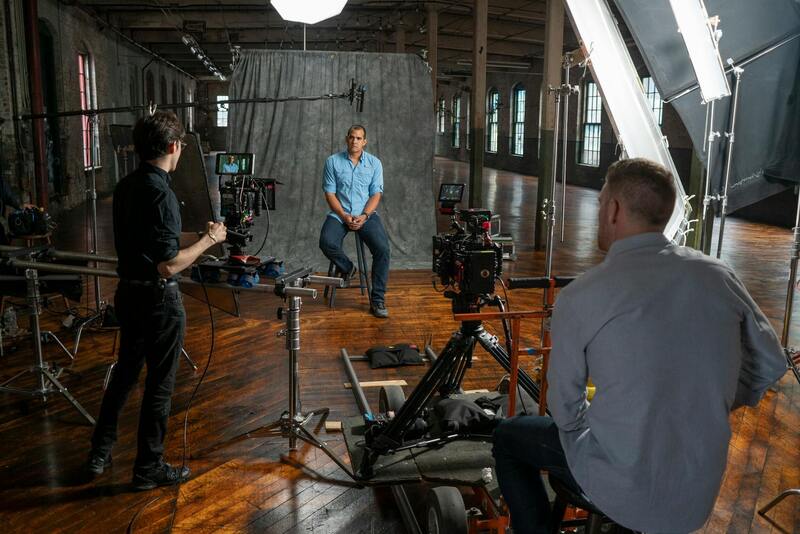
Ethical practices extend beyond content creation to include obtaining necessary permissions for all footage, especially when capturing private or involuntary imagery. Clear consent protocols safeguard privacy rights and help avoid disputes. Additionally, all audio tracks, including background music, should be properly licensed to prevent intellectual property issues. Keeping meticulous records of permissions, licenses, and consent forms solidifies a foundation of transparency and professionalism.
Avoiding exaggerated claims through manipulative editing is essential for maintaining credibility within the real estate industry. Presenting a true and honest portrayal of the property fosters trust and long-term client relationships. Regular training and adherence to established production standards help ensure consistency and quality across all video content.
The Legal Considerations and Best Practices in Real Estate Video Production
In the realm of real estate marketing, adhering to structured legal practices is crucial to maintaining professionalism and protecting all parties involved. While navigating the production of property videos, agents and videographers must ensure that every aspect of content creation aligns with established guidelines that promote transparency and respect for individual rights.
Securing explicit permissions is paramount when filming properties, especially when capturing private areas or sensitive spaces. This involves obtaining prior consent from property owners and, where applicable, tenants, to prevent misunderstandings or conflicts. Clear communication about the scope of filming and the intended use of footage helps establish trust and sets clear expectations.

Additionally, all visual content should accurately reflect the property's true features. This means avoiding manipulative editing techniques that could lead to misinterpretation or overpromising. The authenticity of virtual staging, 3D walkthroughs, and other enhancements are vital in providing prospective buyers with a genuine understanding of the property. Ethically representing a property's condition fosters credibility and reduces the risk of potential disputes.
Licensing rights for any background music, voiceovers, or third-party footage integrated into the video must be properly managed. Using licensed content not only aligns with intellectual property laws but also demonstrates a commitment to ethical standards and professionalism.
Maintaining detailed records of releases, permissions, licenses, and consent forms provides an organizational foundation that supports accountability and transparency. These documentation practices are essential for demonstrating compliance and quickly resolving any questions regarding content origin or rights.
Best Practices for Ethical Video Production
- Obtain written consent from all individuals appearing in the footage.
- Use accurate and honest representations of the property features and condition.
- Secure appropriate licenses for all background music and third-party content incorporated in the videos.
- Disclose any virtual modifications, such as virtual staging or enhancements, to prevent misleading viewers.
- Keep thorough records of all permissions, licenses, and documentation related to the video project.
By committing to these standards, real estate professionals and production teams cultivate trust with clients and viewers alike, ensuring that all marketing efforts stand up to professional integrity and industry best practices.