Role and Importance of a Residential Real Estate Photographer
In the competitive Miami housing market, the visual presentation of a property significantly influences prospective buyers' perceptions and decisions. A professional residential real estate photographer plays a vital role in crafting compelling images that highlight a property's best features, making listings more attractive and engaging. Accurate, high-quality photographs serve as the first impression of a home, capturing its essence and potential in ways that generic or amateur photos cannot achieve.
When a well-executed photograph showcases spacious interiors, desirable architectural details, and inviting outdoor spaces, it draws in more interest and increases the likelihood of viewings. This heightened engagement can lead to faster sales and potentially higher offers. In Miami's vibrant real estate scene, where listings are often competing against luxurious properties and unique architectural styles, having professionally taken photographs can set a property apart in online listings, print advertisements, and other promotional materials.
Furthermore, high-caliber imagery enhances credibility and demonstrates professionalism, reassuring potential buyers and agents alike of the quality of the property and the attention to detail by the seller. In an era where online search and virtual tours have become paramount, investing in expert photography is essential for any seller wishing to maximize visibility and appeal. It is not uncommon for real estate agents and property owners to partner with experienced photographers who understand the nuances of Miami's diverse and often high-end residential landscape.
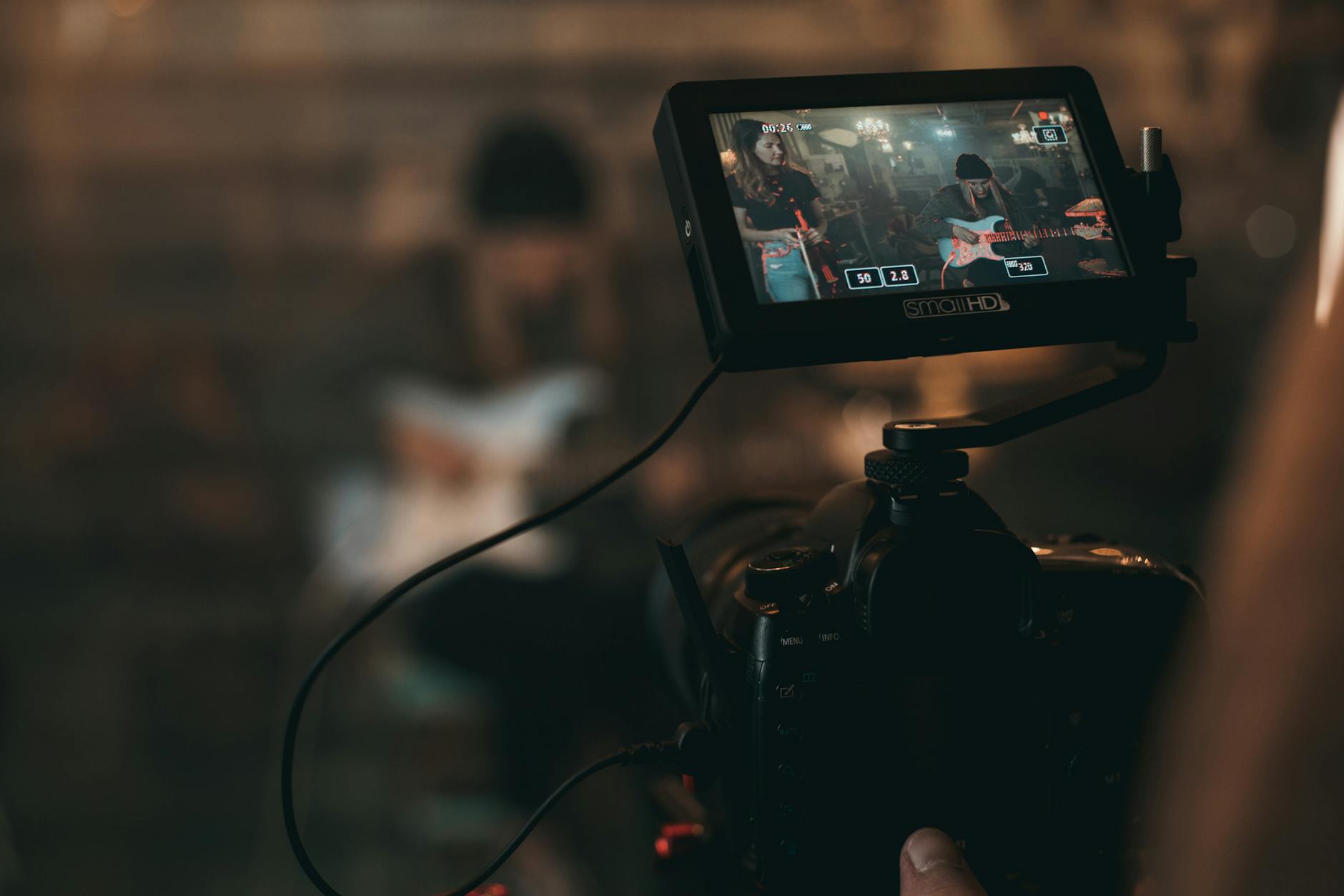
Overall, the role of a residential real estate photographer extends beyond merely taking pictures. It involves a strategic approach to image composition, lighting, and editing to craft visual narratives that resonate with target markets. As Miami continues to attract global investors and homebuyers, professional real estate photography becomes an indispensable tool in the marketing arsenal, elevating listings and facilitating quicker, more lucrative property transactions.
Skills and Equipment for Residential Real Estate Photography
Achieving outstanding visual representations of properties requires a specific set of skills paired with the right equipment. A professional residential real estate photographer must possess a keen eye for detail, an understanding of architectural features, and mastery over photographic techniques to highlight a property's best attributes effectively. Precision in composition, effective use of lighting, and an eye for perspective are fundamental skills that elevate property images from simple snapshots to compelling sales tools.
In addition to artistic talent, technical proficiency in managing camera settings—including aperture, shutter speed, and ISO—is essential. These adjustments ensure sharpness, clarity, and proper exposure, especially when dealing with challenging lighting conditions such as bright windows or shadowed interiors. Mastery of wide-angle lenses is also crucial, as they allow capturing expansive interior spaces and exterior views in a single frame, making spaces appear larger and more inviting.
Regarding equipment, a high-quality digital camera with a full-frame sensor is foundational. Such cameras provide superior image quality and better performance in low-light environments. Wide-angle lenses, typically ranging from 14mm to 24mm, are preferred for interior shots to encompass more of the space in each image. Tripods are indispensable for stability and clarity, especially during longer exposures needed in poorly lit rooms.
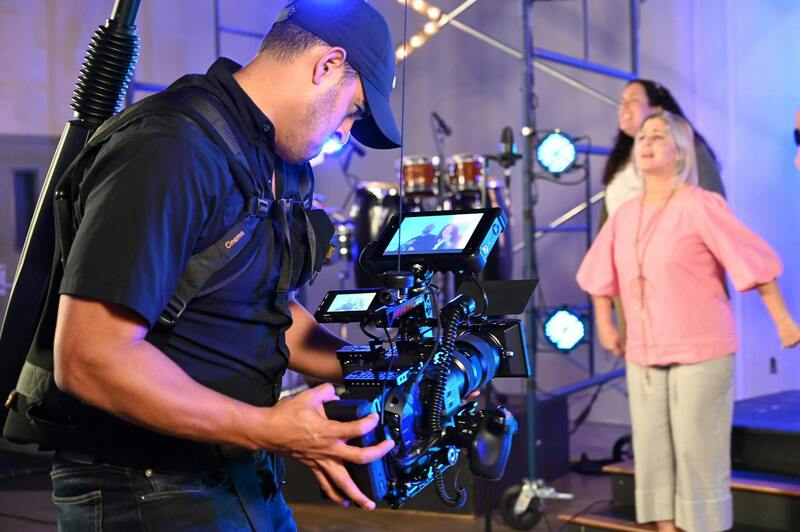
Lighting equipment may include portable LED panels, flash units, or reflectors, which help to evenly illuminate interiors and avoid harsh shadows. Additionally, post-processing software such as Adobe Lightroom or Photoshop enables photographers to refine images, correct color discrepancies, and enhance overall visual appeal without compromising authenticity. These tools allow fine-tuning of brightness, contrast, and sharpness, ensuring that the final output aligns with the client’s marketing goals.
Understanding the importance of image consistency and branding, many photographers also utilize standardized presets or templates that facilitate quick editing while maintaining a professional aesthetic across multiple listings. Through a combination of technical skill, appropriate hardware, and advanced editing capabilities, a residential real estate photographer can produce images that significantly boost a property's attractiveness and marketability in Miami’s dynamic real estate environment.
Advanced Techniques for Capturing Interior and Exterior Shots
Achieving captivating images that accurately depict a property's appeal requires mastery of various technical and compositional techniques. For interior photography, wide-angle lenses are essential to capture the full scope of a room, making spaces appear larger and more inviting. It is crucial to stabilize the camera using a tripod to avoid unwanted blur, especially when using slower shutter speeds to maximize indoor lighting without increasing ISO, which could introduce noise. Utilizing natural light by shooting during optimal times of day, such as late morning or early evening, enhances the ambiance and warmth of interior spaces, creating a welcoming atmosphere in photographs.
Exterior shots benefit from the golden hours—shortly after sunrise or before sunset—when the natural light adds depth and dimension to the property's façade. Employing a drone can offer unique aerial perspectives, providing a comprehensive view of the property and its surroundings, especially for larger estates or properties with attractive landscaping. When shooting exteriors, attention to alignment and framing helps to highlight key features such as entrances, gardens, or scenic views, making the property stand out in listings.
Posture and angle selection play a vital role in emphasizing the property’s best attributes. For interiors, shooting from a corner of a room to include two walls provides a sense of space, while exterior shots should focus on symmetrical framing, feature highlights, and landscaping. Additionally, using high dynamic range (HDR) techniques—taking multiple exposures and merging them—ensures images reveal detail in both shadows and highlights, which is especially useful in challenging lighting conditions.
High-quality images achieved through these techniques enable real estate agents to craft compelling listings, attracting qualified buyers and facilitating quicker sales. The goal is to produce imagery that not only showcases the property accurately but also evokes an emotional response, inspiring viewers to envision themselves living in the space.
Post-Processing and Editing of Real Estate Photos
After capturing high-quality images during the property shoot, the next crucial phase involves meticulous post-processing and editing to ensure each photograph accurately reflects the property's potential while appealing to prospective buyers. The editing process begins with color correction, where adjustments are made to enhance natural hues, balance white tones, and correct any color casts that may have been introduced by artificial lighting or camera settings. This step ensures that images are vibrant yet true to life.
Contrast and sharpness adjustments further define architectural details, interior textures, and landscaping features, helping the property stand out in online listings. Properly enhancing these elements creates visually striking photographs that draw viewer attention. Additionally, techniques such as perspective correction and distortion removal are employed to straighten lines and straighten warped images, maintaining architectural integrity and authenticity.
A critical component of post-processing involves selective editing using masking tools to brighten shadows or tone down overly bright highlights, especially in HDR images. These adjustments help uncover important details that might otherwise be lost. When executed precisely, post-processing elevates the overall quality of the photos without making them appear overly edited or unnatural.
Furthermore, creating consistent photo styles through standardized edits helps in establishing a recognizable visual brand for a realtor or real estate agency. This consistency enhances the professional appearance of property listings and reinforces brand recognition.
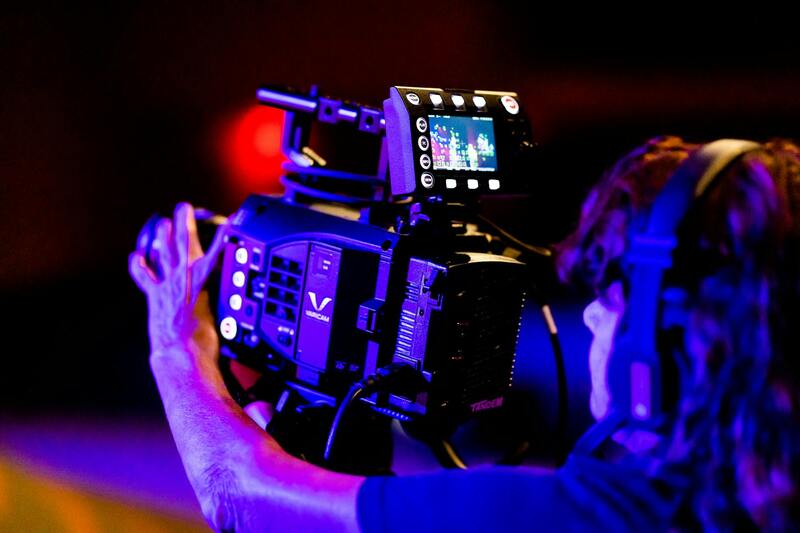
High-resolution images are then exported in suitable formats optimized for various marketing channels, including online listings, social media, and printed brochures. Each photo should have a balance between file size and quality to ensure fast loading times without sacrificing detail. Delivering polished, compelling images allows real estate professionals to craft captivating listings that resonate emotionally with potential buyers and facilitate quicker sales.
Choosing a Residential Real Estate Photographer in Miami
Selecting the right photographer for residential real estate in Miami involves a careful evaluation of their experience, portfolio, and professional approach. Real estate photography demands a nuanced understanding of how to best showcase property features, lighting conditions, and architectural details. It’s essential to review a photographer’s prior work to ensure their style aligns with your marketing goals and that they have a proven track record of capturing properties in a competitive market like Miami.
Key considerations include assessing the photographer’s familiarity with the Miami real estate market, as this knowledge enhances their ability to highlight unique property attributes that appeal to local buyers. Additionally, their technical expertise in handling various lighting scenarios and complex architectural structures plays a significant role in producing high-quality images. Competent real estate photographers utilize advanced techniques and equipment to deliver sharp, vibrant photographs that stand out across listings and promotional materials.
Another vital aspect is understanding the full scope of services offered. A professional photographer should provide comprehensive packages that include interior and exterior shots, drone photography, twilight images, and virtual tours if needed. The ability to adapt to a property’s specific needs—such as tight spaces, challenging lighting, or extensive landscaping—is crucial for achieving optimal results.
It is also advisable to consider the photographer’s technical reputation, which can be gauged through reviews, client testimonials, and industry recognition. A photographer confident in their craft will be transparent about their process, offer guidance on property preparation, and communicate effectively throughout the project. Cost transparency is equally important—an experienced photographer provides clear estimates aligned with the scope of work and ensures timely delivery of images ready for marketing channels.
Evaluating Portfolio Quality and Style
The portfolio serves as an immediate indicator of a photographer’s expertise and aesthetic approach. For Miami properties, look for a diverse range of images that display mastery in managing different lighting conditions and architectural details. The images should be crisp, well-composed, and exhibit an understanding of spatial dynamics to make rooms feel inviting and expansive. Consistency across the portfolio suggests an ability to maintain quality standards that will reflect positively on your listing.
Style alignment is also important; whether you prefer bright and airy photos or moodier twilight shots, your chosen photographer should demonstrate a range that aligns with your branding. A consistent visual style helps create cohesive property listings and strengthens brand recognition for real estate professionals.
Professional Credentials and Industry Knowledge
Another consideration is a photographer’s familiarity with real estate marketing best practices. Experienced residential real estate photographers understand how to utilize angles, focal lengths, and lighting settings to create compelling images that resonate with potential buyers. They also stay updated on emerging technological trends such as high dynamic range (HDR) imaging, 3D virtual tours, or drone footage, which can significantly enhance property presentation.
Moreover, a good photographer should be proactive in advising clients on property staging and preparation to optimize the visual appeal of each shot. Their knowledge of Miami’s property market enables them to advise on what features to emphasize and how to frame the property to generate maximum interest and attract qualified buyers.
Role and Importance of a Residential Real Estate Photographer
A residential real estate photographer plays a crucial role in shaping the initial impression of a property online. Their primary objective is to capture the essence of a home in a manner that appeals to prospective buyers, highlighting its best features while maintaining an authentic representation. In today’s digital-driven real estate market, high-quality images act as the first point of contact between a property and potential buyers, influencing their decision to schedule a visit. Effective real estate photography helps listings stand out in crowded online marketplaces, increasing visibility and engagement.
Beyond aesthetics, professional photographers understand how to utilize lighting, angles, and composition techniques to evoke emotion and create a compelling narrative around each property. A well-executed photo can suggest spaciousness, warmth, and a lifestyle that resonates with target audiences. They also ensure consistency in visual presentation across multiple listings or a portfolio, which reinforces trust and professionalism for real estate agencies and property owners.
In addition, adept real estate photographers can assist in marketing efforts by providing images suitable for multiple platforms, including online listings, social media, print brochures, and virtual tours. Their expertise contributes directly to faster sales processes and higher closing prices by making properties more appealing and accessible to a broad audience.
Skills and Equipment for Residential Real Estate Photography
To excel in residential real estate photography, professionals must possess a blend of technical skills and artistic sensibility. A thorough understanding of camera systems—including DSLR or mirrorless cameras—is essential for capturing high-resolution images with rich detail. Wide-angle lenses are commonly employed to encompass entire rooms and exterior facades, creating an immersive viewer experience.
Lighting techniques are paramount. Photographers often utilize natural light enhanced by supplemental lighting equipment, such as portable flashes or strobes, to eliminate shadows and balance exposure. Bracketing and HDR (High Dynamic Range) imaging enable capturing multiple exposures to produce well-lit images that accurately reflect how the space appears naturally.
Stability is also crucial; tripods keep shots steady, ensuring sharpness and clarity. Drones are increasingly used to capture impressive aerial footage of properties, especially in Miami's scenic landscapes or waterfront locations. Post-processing tools like Adobe Photoshop and Lightroom are indispensable for adjusting brightness, contrast, color balance, and removing minor imperfections, all aimed at presenting the property in the best possible light.
Preparing Properties for Photography Sessions
Preparation is a critical component that significantly influences the outcome of real estate photography. First, decluttering and deep cleaning are essential to showcase the property’s space and features without distractions. Removing personal items, excess furniture, and staging spaces with tasteful decor can make a room feel more inviting.
Lighting setup begins with opening blinds and curtains to maximize natural light, which is generally preferred for creating bright and airy images. Additional lighting may be used to supplement darker areas or to balance exterior and interior shots, especially during overcast days or twilight hours.
Arranging furniture to highlight architectural features and creating a sense of flow between rooms enhances visual appeal. Outdoor spaces should be tidied, with unobstructed views cleared and landscaping attended to for curb appeal. Weather considerations are also important; scheduling shoots during optimal weather conditions ensures clear skies and vibrant surroundings.
Techniques for Capturing Attractive Interior and Exterior Shots
Interior photography relies on strategic composition. Photographer’s often utilize the rule of thirds to place focal points effectively and avoid cluttered images. Shooting from corners provides a sense of space, while capturing multiple angles helps create a comprehensive view of each room.
Lighting remains one of the most influential factors. Utilizing natural light whenever possible reduces the need for extensive artificial lighting and produces more authentic visuals. When supplementing with artificial lighting, the goal is to achieve even illumination, avoiding harsh shadows or hotspots.
Exterior shots benefit from the golden hour—shortly after sunrise or before sunset—when sunlight is softer and warmer, adding a welcoming tone to the property’s facade. Elevation shots with drones help showcase the property’s surroundings, landscaping, and outdoor amenities, offering prospective buyers a sense of context and scale.
Post-shot techniques such as panoramic stitching, HDR processing, and virtual staging can further enhance visuals, providing detailed, vibrant, and engaging images that stand out in listings. Attention to detail during the shoot, like framing, horizon alignment, and lens choice, ensures the final images accurately represent the property’s true appeal.
Role and Importance of a Residential Real Estate Photographer
Professional residential real estate photographers play a pivotal role in shaping the visual narrative of a property. Their expertise extends beyond merely capturing images; they are skilled storytellers who highlight a home's most compelling features to attract potential buyers. High-quality photos serve as the first point of contact for prospective clients, often determining whether they will visit the property in person. In a competitive Miami market, where visual appeal is a critical factor, having professionally taken images sets a listing apart from others and can significantly influence the speed and final sale price of a property.
Specialized residential real estate photographers understand the nuances of property presentation, lighting, and composition. They are adept at showcasing spaces in their best light, emphasizing room sizes, natural light entry, and unique architectural features. The strategic use of angles and perspectives can make spaces appear larger, more inviting, and better suited to prospective buyers' visions. Their work not only helps generate interest but also builds trust and credibility for real estate agencies, property owners, and developers, reinforcing the property's perceived value.
Skills and Equipment for Residential Real Estate Photography
To produce compelling images, residential real estate photographers employ a combination of specialized skills and professional-grade equipment. Expertise in lighting techniques, composition, and post-processing ensures that each photograph accurately reflects the property's ambiance and details. Photographers often use wide-angle lenses to capture maximum spatial information, providing a comprehensive view of rooms and outdoor areas.
Equipment plays a crucial role in achieving high-quality results. A typical arsenal includes DSLR or mirrorless cameras capable of high-resolution captures, tripod stabilizers for steady shots, and drone technology for aerial views of the property and its surroundings. Proper lighting equipment, such as external flashes, diffusers, and reflectors, assist in balancing natural and artificial light in interior shots. Additionally, post-processing software enables professionals to optimize images further, correcting exposure issues, enhancing colors, and removing distractions.
Preparing Properties for Photography Sessions
Preparation is fundamental to ensure that the property's best features are effectively showcased during the photography session. Property owners should invest time in decluttering and tidying spaces to create an impression of cleanliness and spaciousness. Minor repairs, such as fixing leaky faucets or squeaky hinges, add to the perception of well-maintained properties. Staging—arranging furniture and décor—can significantly enhance visual appeal, making spaces seem more inviting and functional.
Exterior preparation involves landscaping, trimming shrubbery, washing windows, and ensuring that the driveway and walkways are clean. Proper lighting is also critical; scheduling shoots during the golden hour or in optimal weather conditions enables warm, natural illumination that enhances exteriors. Additionally, removing personal items and excess décor helps create neutral, universally appealing visuals that allow potential buyers to envision themselves living in the space.
Techniques for Capturing Attractive Interior and Exterior Shots
Capturing compelling images requires deliberate techniques that emphasize the property's best qualities. Interior photography benefits from strategic use of the rule of thirds, leading lines, and framing to guide viewers’ attention towards focal points such as fireplaces, views, or architectural features. Shooting from corners creates a sense of depth and spaciousness, while multiple angles provide a comprehensive perspective of each room.
Lighting is paramount in creating attractive interior photos. Utilizing natural light minimizes reliance on artificial sources and results in more authentic images. When supplementary lighting is necessary, it should be evenly distributed to avoid shadows or hotspots. Exterior shots should leverage the golden hour for soft, warm lighting that enhances curb appeal. Drone photography can be employed to showcase the property's external features, landscaping, and surrounding neighborhood, offering prospective buyers a contextual understanding of the property’s location.
Post-Processing and Editing of Real Estate Photos
Post-processing is a critical step in delivering polished, professional images. Editing workflows often include adjusting exposure, contrast, and color balance to ensure accurate representation of the property. High dynamic range (HDR) imaging techniques can combine multiple exposures to capture both interior details and exterior vistas simultaneously, preventing overexposure or underexposure in challenging lighting conditions.
Other enhancements include lens correction, perspective adjustments, and image retouching to remove distractions or imperfections. Virtual staging and panoramic stitching are advanced techniques that provide potential buyers with a clearer understanding of spatial arrangements and property potential. Proper editing ensures that images are vibrant, inviting, and aligned with the property's actual appearance, ultimately strengthening listing attractiveness and visitor engagement.
Role and Importance of a Residential Real Estate Photographer
In the competitive Miami real estate market, first impressions can significantly influence a property's appeal and sale potential. A professional residential real estate photographer plays a vital role in capturing the home’s best features, emphasizing its unique architectural details, interior space, and exterior curb appeal. High-quality images serve as the initial visual contact for prospective buyers, often determining whether they will schedule a visit or move on to another listing. The expertise of a seasoned photographer ensures that each room’s dimensions, lighting, and atmosphere are authentically represented, creating an emotional connection that compels potential buyers to explore further.
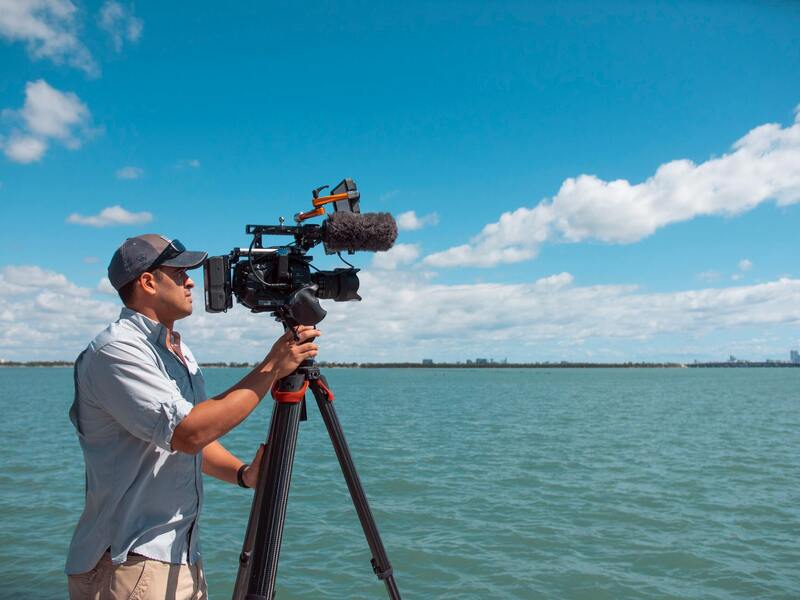
Moreover, visually compelling photos can significantly enhance online listings, leading to increased views, higher engagement, and potentially faster sales. In a city like Miami, where real estate offerings vary from oceanfront estates to modern condos, a professional photographer adapts their approach to showcase each property’s distinctive elements effectively. This strategic presentation not only elevates individual listings but also reinforces the credibility and professionalism of real estate agents and agencies, fostering trust among clients and prospective buyers alike.
Skills and Equipment for Residential Real Estate Photography
Achieving top-tier images requires a blend of technical proficiency and specialized equipment. A residential real estate photographer should possess an in-depth understanding of lighting, composition, and staging to present properties in the most appealing manner. High-quality cameras equipped with wide-angle lenses are essential for capturing expansive room interiors and exterior landscapes, providing viewers with an immersive experience of the space.
- Professional-grade DSLR or mirrorless cameras capable of high-resolution captures.
- Wide-angle lenses to encompass more of each space, highlighting room size and layout.
- Tripods and stabilizers to ensure sharp images, especially in low-light settings.
- Advanced lighting tools, including external flashes and diffusers, to evenly illuminate interiors and reduce shadows.
- Drone technology for aerial shots that showcase the property’s exteriores, landscaping, and neighborhood context.
Using the right equipment enables photographers to produce images that are sharp, vibrant, and true to life, which is crucial for impressing prospective buyers and facilitating a smooth sales process. Skilled use of post-processing software further enhances these images, adjusting color balance, correcting distortions, and removing distractions to present a polished final product.
Preparing Properties for Photography Sessions
Effective preparation enhances the quality of photographs and reduces editing time later. Homeowners and agents should aim to declutter and depersonalize interior spaces, allowing potential buyers to envision themselves living in the home. Natural light should be maximized by opening curtains and blinds, while artificial lighting can be adjusted to eliminate shadows. Exterior areas should be tidied, and landscaping improved where possible to boost curb appeal. Ensuring the property is clean and well-maintained conveys care and quality to viewers, setting the tone for a successful listing.
Techniques for Capturing Attractive Interior and Exterior Shots
To capture compelling images, photographers employ techniques such as shooting during optimal lighting conditions, like dawn or dusk, to produce warm, inviting tones. Interior shots benefit from wide-angle perspectives that reveal spaciousness, while vertical and horizontal framing techniques help showcase architectural features. Exterior photography often involves the golden hour, when the soft, warm light enhances textures and colors. Drone photography complements ground shots by providing sweeping views of the property and its surroundings, enhancing the overall marketing narrative.
Incorporating these techniques ensures that each photograph portrays the property at its best, attracting more interested buyers and effectively communicating the property’s potential.
Post-Processing and Editing of Real Estate Photos
Post-processing is critical for translating raw images into captivating visuals. Adjustments to exposure, contrast, and color balance ensure that the images reflect the property’s true appearance and ambiance. High dynamic range (HDR) techniques combine multiple exposures to blend interior lighting with exterior views, preventing overexposure or underexposure and maintaining detail in all areas.
- Lens correction to straighten lines and reduce distortion.
- Perspective adjustments to align images correctly, making rooms look more proportionate.
- Retouching to remove distractions such as minor imperfections, personal items, or clutter.
- Virtual staging to showcase potential uses of empty spaces, adding furniture for better visualization.
- Autonomous panoramic stitching to create comprehensive views of larger areas or outdoor spaces.
Proper editing ensures the images are vibrant, inviting, and accurately represent the property’s true character, which ultimately enhances listing appeal and engages prospective buyers more effectively.
Delivering Images and Meeting Client Expectations
Efficient delivery of high-quality images is integral to client satisfaction. Photographers should provide multiple formats tailored to various listing platforms, ensuring compatibility and optimal display quality. Timelines are crucial; delivering images promptly enables timely marketing campaigns. During the project, maintaining open communication with clients about their preferences and specific requirements is important, whether that involves emphasizing certain features or adjusting the style of editing. This collaborative approach ensures the final images meet or exceed client expectations, fostering repeat business and strong professional relationships.
Integrating Photography into Miami Real Estate Marketing
The strategic use of professional photography enhances Miami's real estate marketing efforts by creating captivating listings that stand out in a competitive environment. High-resolution images, including aerial shots and virtual tours, are incorporated into digital campaigns, social media, and printed materials. Visual storytelling through well-composed photographs helps convey the lifestyle and unique appeal of Miami properties, attracting a broader pool of prospective buyers. Coupling professional photography with targeted digital marketing strategies ensures maximum exposure and expedites the sales process, solidifying the property’s position in the marketplace.