Role of a Realtor Videographer
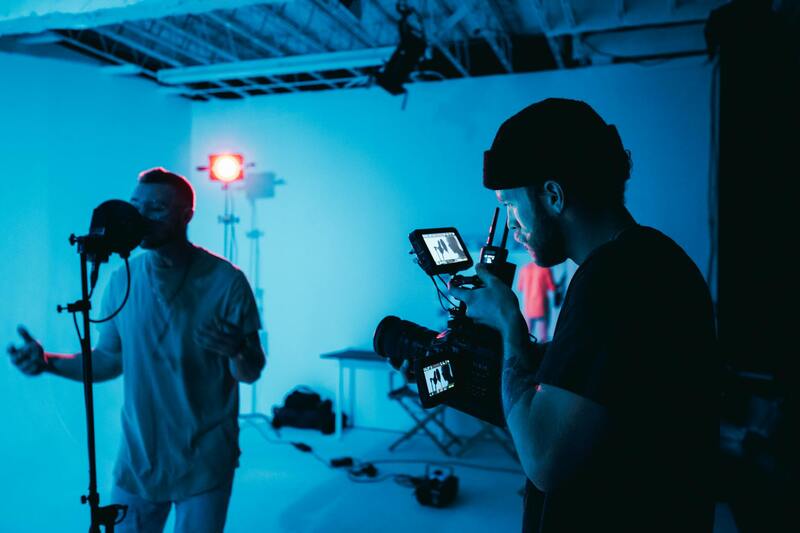
In today’s competitive real estate market, the utilization of professional videography has become an essential component of successful property marketing. A realtor videographer specializes in creating high-quality video content that showcases properties in the best possible light. Their primary responsibility involves capturing footage that highlights the unique features, layout, and atmosphere of a property, enabling potential buyers to experience a virtual walkthrough from anywhere. These professionals work closely with real estate agents and property owners to develop compelling visual narratives that attract targeted audiences and generate increased interest.
The importance of a realtor videographer extends beyond simple video recording. Their expertise lies in understanding the nuances of real estate presentation—knowing how to frame shots, utilize lighting effectively, and select angles that accentuate a property's strengths. They also possess the ability to craft engaging video tours, include drone footage for expansive views, and produce cinematic walk-throughs that provide a comprehensive view of the property’s space and ambiance. This level of quality and professionalism can significantly influence a property's visibility online, leading to quicker sales and higher offers.
Enhanced Property Listings
By incorporating expert videography into marketing strategies, real estate professionals can drastically improve the attractiveness and informativeness of property listings. Well-produced videos help potential buyers form emotional connections with the property, which photos alone may not fully achieve. Additionally, videos can be optimized for various digital platforms, ensuring maximum reach and engagement.
Marketing Strategy Integration
A proficient realtor videographer also understands how to align video content with broader marketing campaigns. They tailor each project to target specific audiences, whether it's first-time homebuyers, luxury clients, or commercial investors. The seamless integration of visual content across social media, real estate websites, and email marketing campaigns enhances brand visibility and credibility for real estate professionals.
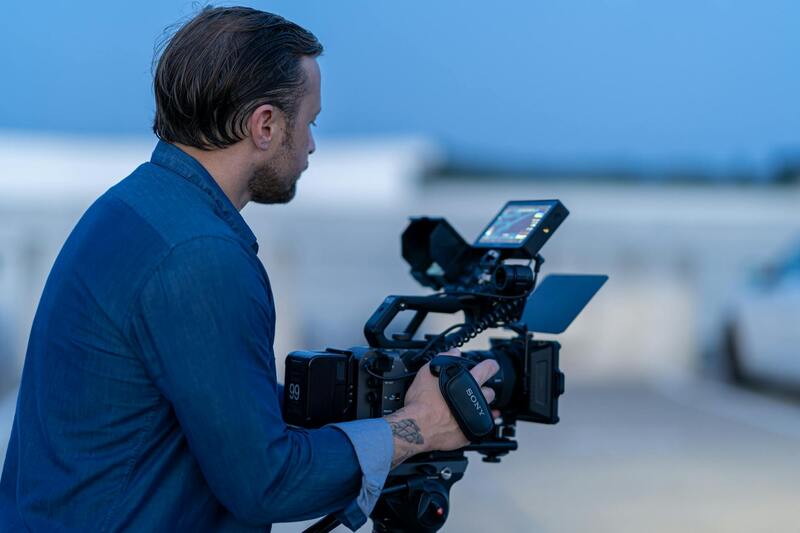
Employing a dedicated realtor videographer ensures that each property’s unique qualities are accentuated through cinematic visuals, elevating the overall marketing approach and helping real estate professionals stand out in a crowded marketplace.
Skills and Equipment Needed
To create compelling real estate videos that effectively showcase properties, a realtor videographer must possess a combination of technical skills and access to professional-grade equipment. The ability to operate advanced camera systems, including 4K and higher resolution cameras, is essential for capturing crisp, vibrant visuals that highlight every detail of a property. Gimbals, stabilizers, and drones further enhance footage quality by providing smooth, dynamic shots and aerial perspectives that can dramatically increase the property's appeal.
Aside from technical proficiency, an understanding of lighting techniques is crucial. Proper lighting ensures the interiors are bright and inviting, emphasizing the space’s best features. Knowledge of color grading and post-production editing helps refine footage, adding cinematic quality and coherence to the final product.
Effective composition and framing are fundamental skills that influence how viewers perceive a space, making it appear larger, cozier, or more luxurious as intended. The ability to operate editing software such as Adobe Premiere Pro or DaVinci Resolve is also necessary for producing polished videos with seamless transitions, sound design, and branding elements.
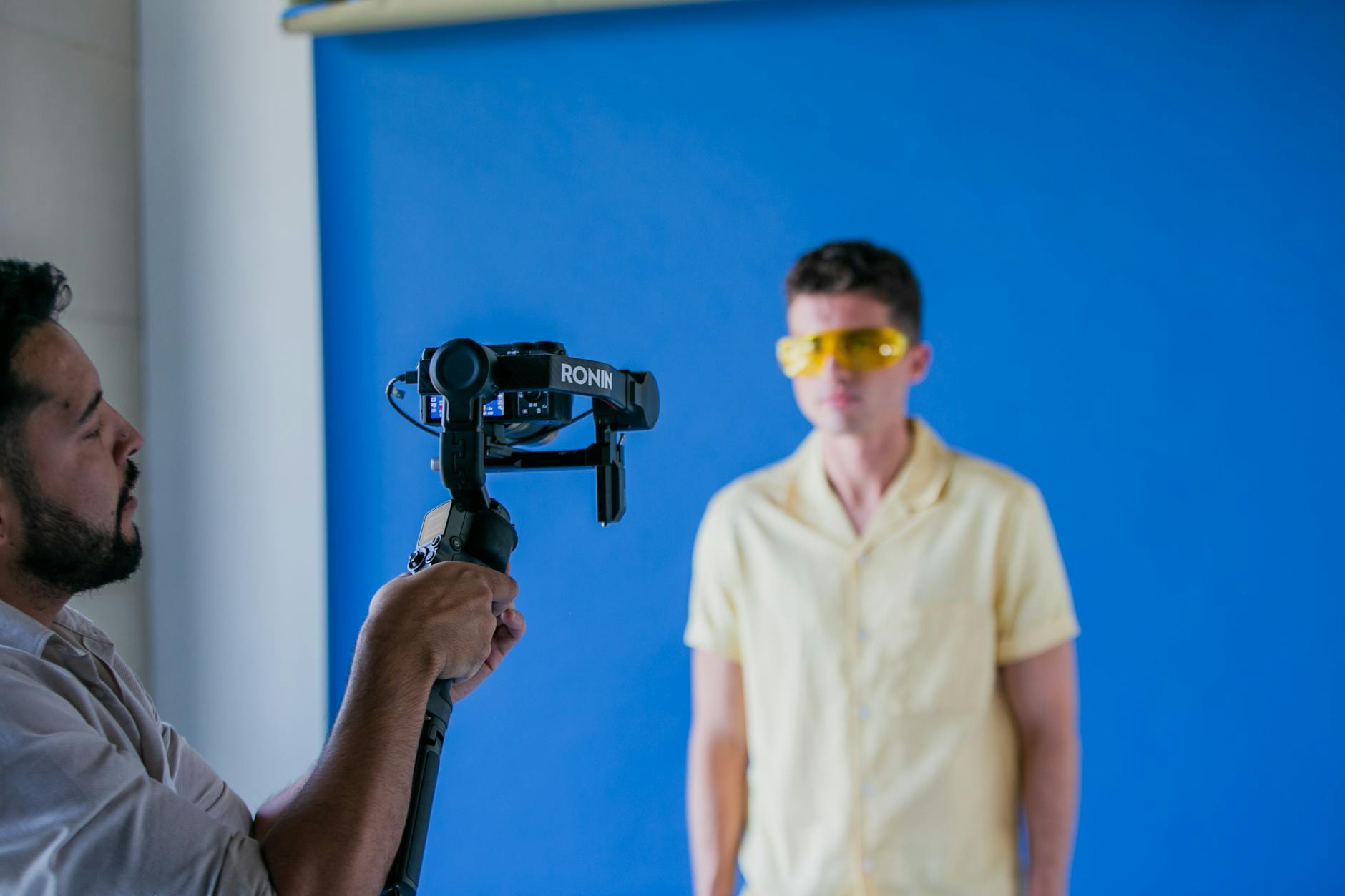
Continuous professional development and staying updated with the latest trends in videography and technology enable real estate videographers to adapt to evolving demands, ensuring the content remains engaging and competitive in the market.
Benefits for Realtors and Sellers
Investing in high-quality real estate videos delivers numerous advantages for both realtors and property sellers. Visual content that is well-crafted can significantly boost online engagement, attracting more potential buyers. Videos often result in longer viewing times, increasing the likelihood of inquiry and showing requests.
For sellers, professionally produced videos can accelerate the sales process by providing a comprehensive and authentic view of the property, reducing the number of unnecessary visits and time spent on the market. They also enhance the property’s perceived value, often leading to higher offers.
Realtors benefit from showcasing their professionalism and marketing capabilities, establishing a competitive edge in a crowded marketplace. Incorporating cinematic visuals demonstrates dedication to quality, which can reinforce client trust and attract premium listings.
Overall, the strategic use of real estate videos created by skilled videographers fosters a stronger emotional connection with prospective buyers, leading to more successful sales outcomes and satisfied clients.
Skills and Equipment Needed for Realtor Videography
Producing compelling real estate videos requires a blend of technical expertise and artistic acumen. A professional realtor videographer must possess a comprehensive skill set that ensures each property is showcased optimally. Mastery over camera operation, including understanding different shooting modes, aperture settings, and stabilization techniques, is fundamental. This technical knowledge allows for capturing smooth, clear footage that highlights the property's best features.
Beyond technical skills, a keen eye for composition and lighting is crucial. Effective framing emphasizes the property's spatial flow and unique characteristics, while proper lighting enhances the ambiance and details, creating a welcoming visual experience. An understanding of color grading and post-production editing further refines the footage, ensuring the final video is polished and engaging.
Legal and Privacy Considerations
In the realm of realtor videography, adhering to established standards for privacy and permissions is vital for maintaining professional integrity and trust. Prior to filming, obtaining explicit consent from property owners, tenants, or residents ensures that all parties are aware of and agree to the recording process. This not only fosters transparency but also aligns with industry best practices for respecting individual privacy rights.
It is equally important to clearly communicate the intended use of the footage, outlining how and where the videos will be displayed or distributed. This can be formalized through written agreements that specify usage rights, duration of the content’s availability, and any restrictions involved. Such documentation helps prevent misunderstandings and protects both the videographer and the client from potential disputes.
In addition to consent, attention should be given to sensitive areas within the property, such as personal belongings, confidential documents, or any private areas that homeowners may prefer excluded from filming. Meticulous planning and thorough walkthroughs before recording can mitigate inadvertent capturing of private information or images that might infringe on privacy expectations.
Compliance with local regulations related to drone usage is also essential if aerial shots are part of the video content. Regulations often govern altitudes, no-fly zones, and privacy zones, requiring videographers to obtain necessary permits or authorizations to operate drones legally within specified areas. Failing to adhere to these guidelines can result in legal complications or fines, compromising the integrity of the marketing effort.
By diligently following these procedures, real estate professionals can produce high-quality, engaging videos that respect privacy, uphold legal standards, and cultivate trust with clients and the community.
Legal and Privacy Considerations for Realtor Videography
When producing real estate videos, ensuring adherence to legal and privacy standards is paramount. This involves obtaining necessary permissions from property owners and residents before filming. Clear communication about the scope of the shoot, the intended use of footage, and the duration of its availability helps set proper expectations and safeguards all parties involved.
Contractual agreements play a crucial role in defining rights related to the footage. These documents specify who holds ownership over the produced content, how it can be utilized across various platforms, and any restrictions on its use. Well-crafted contracts prevent potential misunderstandings and establish a professional working relationship grounded in transparency.
Special considerations should be given to private areas within the property, such as bedrooms, bathrooms, or personal storage spaces. To protect privacy, thorough walkthroughs prior to filming are recommended, allowing the videographer to identify areas that should be excluded. This proactive approach minimizes the risk of inadvertently capturing sensitive information or private belongings.
In cases where drone footage is incorporated, compliance with aerial photography regulations is necessary. This includes obtaining permits for flight operations, respecting no-fly zones, and adhering to altitude restrictions. Awareness of local regulations ensures that aerial shots are captured ethically and legally, avoiding potential fines or operational interruptions.
Proper permissions, adherence to local regulations, and meticulous planning uphold the integrity of realtor videography. When these standards are maintained, real estate professionals can confidently showcase properties while respecting privacy rights, ultimately building trust with clients and the community.
Maintaining compliance and clear communication in every stage of video production embodies ethical standards that support sustainable success in the competitive Miami real estate market. This approach not only enhances the quality of the marketing material but also reinforces the reputation of realtors as responsible service providers.
Role of a Realtor Videographer
A realtor videographer plays a crucial role in the modern real estate marketplace by creating compelling visual content that enhances property listings. Their expertise extends beyond basic filming; they understand how to showcase a property's unique features, facilitate emotional connections, and attract prospective buyers through professional-quality videos. Realtor videographers collaborate closely with real estate agents to develop customized marketing strategies, ensuring each property’s visual presentation aligns with the target demographic.
In addition to filming, realtor videographers are adept at post-production editing, incorporating elements like music, voiceovers, and graphic overlays to enhance the viewing experience. They also provide guidance on optimal camera angles, lighting setups, and staging to maximize perceived space and desirability. The final product serves as a dynamic tool that can be shared across various digital platforms, including MLS listings, social media, and dedicated property websites, thus broadening reach and engagement.
Types of Real Estate Videos
Realtor videographers produce diverse styles of visual content tailored to different marketing goals and property types. Common formats include:
- Walkthrough Videos: Virtual tours that guide viewers through the entire property, emphasizing flow and layout.
- Drone Footage: Aerial shots that provide context of the property’s location, neighborhood, and surrounding landscape.
- Highlight Reels: Short, engaging videos focusing on the property's key features and unique selling points.
- Neighborhood Tours: Videos that showcase local amenities, schools, parks, and community highlights to add value to the listing.
Each type plays a strategic role in capturing the interest of different buyer segments and can be integrated for a comprehensive marketing package that maximizes property exposure.
Skills and Equipment Needed
Successful realtor videographers leverage a combination of technical skills and specialized equipment to produce standout content. Essential skills include proficiency in videography, editing software, and a keen eye for aesthetics. Knowledge of lighting, composition, and advanced filming techniques ensures each shot enhances the property’s appeal.
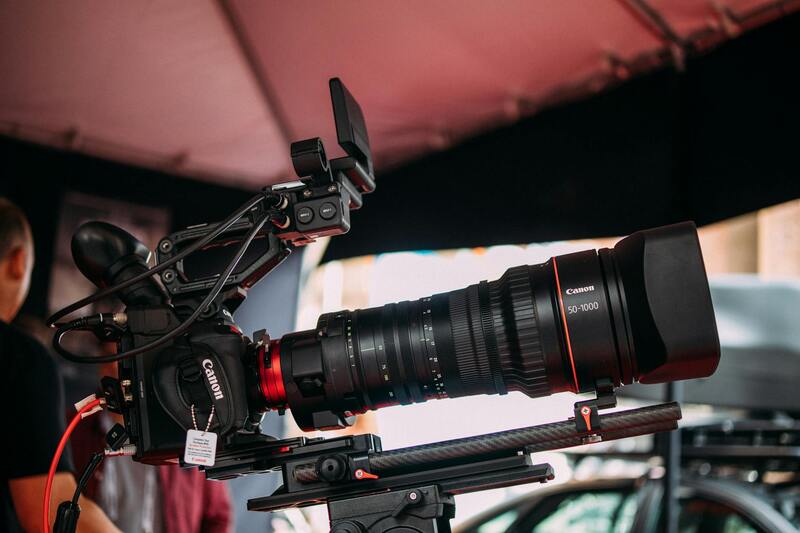
Regarding equipment, a professional-grade camera capable of high-resolution recording is fundamental. Stabilization gear such as gimbals or steadicams help achieve smooth footage, especially during walkthroughs and drone flights. Drone cameras provide aerial perspectives, requiring licensed drone pilots who understand the operational and regulatory considerations.
Other vital tools include wide-angle lenses to capture expansive interiors, professional lighting kits to brighten dim spaces, and audio equipment if narration or interviews are involved. Investing in high-quality equipment translates into superior video quality, which directly impacts the attractiveness and effectiveness of property marketing campaigns.

Benefits for Realtors and Sellers
Engaging, professionally produced videos amplify a listing’s visibility across digital platforms, attracting a broader audience of potential buyers. For realtors, this means increased inquiries, faster sales, and a competitive edge in the marketplace. High-quality visuals also reinforce the professionalism and credibility of the realtor’s brand, building trust with clients and prospects alike.
For sellers, the advantages include better online presentation of their property, which can translate into higher perceived value and increased offers. Videos allow for remote viewing, expanding the reach beyond the local geographical area and accommodating busy or distant buyers. Additionally, well-crafted videos foster emotional connections, making buyers more likely to envision themselves living in the space, thus accelerating their decision-making process.
This visual storytelling effectively bridges the gap between the physical property and potential buyers’ imaginations, often leading to quicker sales at favorable prices. It also provides a comprehensive, easily accessible view of the property, reducing the need for numerous in-person showings and streamlining the sales process.
Legal and Privacy Considerations
When producing real estate videos, particularly in the context of realtor videography, adherence to legal and privacy standards is essential. The process involves obtaining the necessary permissions from property owners and ensuring all parties involved are informed and consented to the filming. Consent forms should clearly outline what footage will be used, how it will be shared, and for what purposes, thereby establishing transparency and trust.
It is crucial to respect the privacy rights of individuals who may be present during filming. This includes avoiding capturing private areas or personal belongings that could infringe upon individual privacy. In properties with personal or sensitive features, careful editing or obtaining explicit consent helps mitigate potential issues.
Permissions and Documentation
- Property Owner Authorization: Written approval from property owners before filming ensures clarity of purpose and prevents misunderstandings.
- Tenant Consents: In rental properties, tenants should be informed and approve of the video shoot to respect their rights.
- Drone Usage Permits: When employing drone footage, specific permissions may be required based on local regulations. Ensuring compliance involves obtaining the necessary airspace authorizations and adhering to safety protocols.
Privacy and Data Protection
Digital privacy standards dictate how video content is stored, shared, and presented. Personal information captured unintentionally must be managed carefully, with restrictions on distribution to prevent misuse or breaches of confidentiality. Screenings or reviews prior to public release can identify potential privacy issues, preventing costly conflicts.
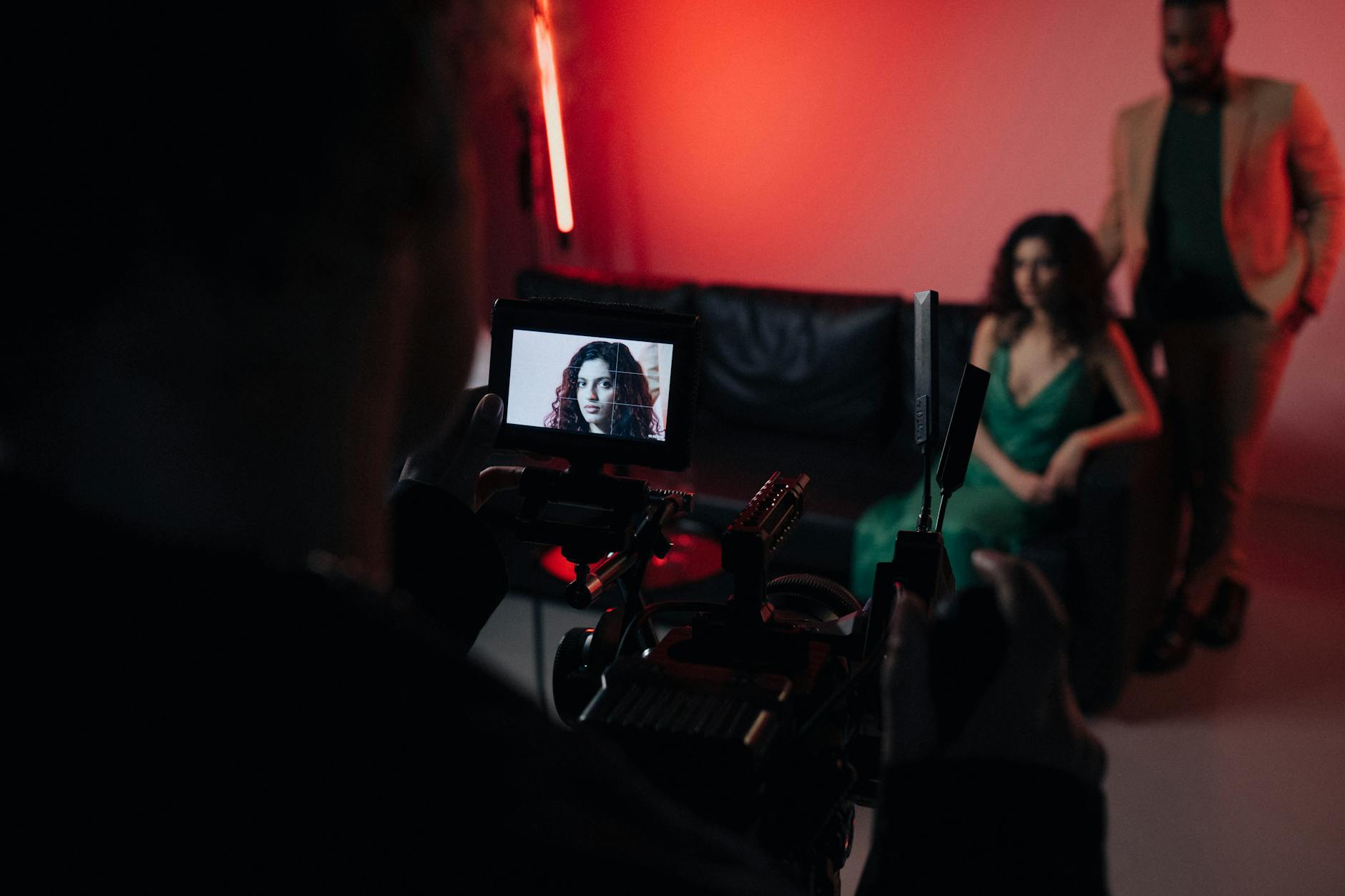
By maintaining rigorous adherence to these guidelines, real estate professionals can leverage videography as an effective tool that respects legal boundaries and prioritizes the privacy of all parties involved. This professionalism underscores the credibility of the realtor and enhances client confidence, facilitating smoother marketing workflows and favorable outcomes.
Legal and Privacy Considerations for Realtor Videographers
Ensuring compliance with legal and privacy standards is paramount when producing real estate videos that effectively showcase properties while respecting all involved parties' rights. Proper adherence to these considerations fosters trust and maintains professionalism in the marketing process.
Obtaining Necessary Permissions and Documentation
- Property Owner Authorization: Securing written approval from property owners before filming is vital. This provides clarity on the video’s purpose and prevents potential misunderstandings about the intended use of footage. Documentation should specify the scope of filming, distribution rights, and duration of usage.
- Tenant Consents: In rental or leased properties, tenants must be informed about the filming schedule and approve of the video production activities. Respecting tenant rights and privacy is essential to avoid conflicts and legal complications. Ideally, tenants should sign consent forms that detail the areas to be filmed and any restrictions.
- Drone Usage Permits: When using drone technology to capture aerial footage, specific permissions are often required in accordance with local airspace regulations. Securing necessary airspace authorizations, registration, and adherence to safety protocols are critical steps that ensure the legality of drone operations.
Privacy and Data Management
Handling video content responsibly involves implementing robust privacy and data protection measures. Digital privacy standards dictate how videos are stored, shared, and presented, emphasizing the importance of managing personal information carefully.
- Managing Unintentional Personal Data: During filming, personal features such as faces, license plates, or confidential details may be captured inadvertently. Editing techniques like blurring or cropping, along with explicit consents, help mitigate privacy issues.
- Restrictions on Content Sharing: Sharing videos without proper authorization can lead to breaches. Establishing clear protocols for reviewing content prior to public distribution ensures that no sensitive information is inadvertently disclosed.
- Screenings and Review Processes: Conducting thorough reviews of video content internally or with clients before public release helps identify potential privacy concerns, reducing the risk of conflicts or legal challenges.
By strictly following these guidelines, realtor videographers uphold professionalism and demonstrate respect for legal boundaries and individual privacy. This commitment enhances credibility, promotes client trust, and streamlines the marketing workflow, ultimately contributing to successful property sales and leasing efforts.