Importance of Video in Real Estate Marketing
In today's dynamic Miami real estate market, visual storytelling has become a critical component for effectively showcasing properties and attracting discerning buyers. High-quality real estate videos serve as virtual tours that allow potential clients to experience the layout, design, and ambiance of a property from any location. This immersive viewing experience helps viewers envision themselves living in the space, significantly increasing engagement and interest.
The competitive nature of Miami’s real estate scene necessitates innovative marketing strategies. Video content enables real estate professionals to differentiate their listings by highlighting unique architectural features, interior finishes, and outdoor amenities with clarity and impact. This visual emphasis enhances online listings and provides a comprehensive view that static images often cannot deliver.
Moreover, the integration of professional real estate videos into digital marketing campaigns on platforms such as social media, real estate portals, and email marketing boosts the visibility of properties. Videos have shown to generate higher click-through rates and extended viewer engagement, leading to faster sales cycles. For Miami’s luxury and waterfront property markets, where aesthetic appeal is paramount, visually compelling videos are indispensable tools for attracting high-net-worth individuals and international buyers.
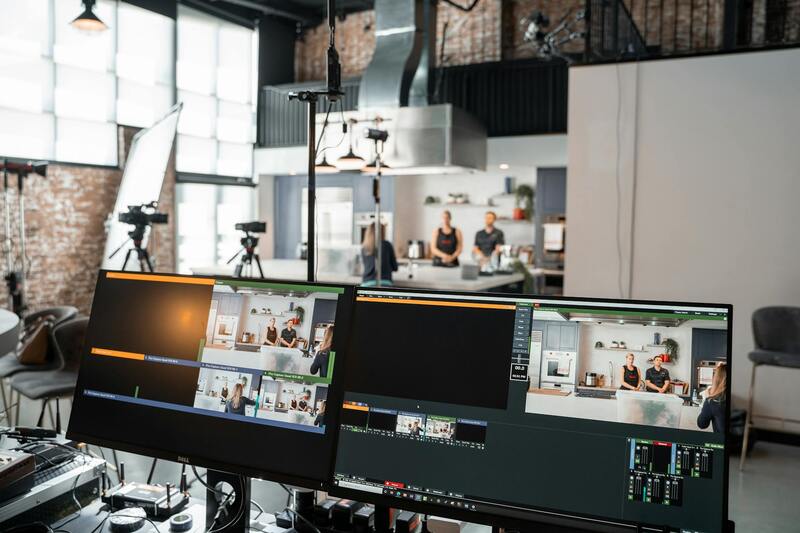
By leveraging strategic video content, real estate professionals can effectively communicate the story behind each property, build trust with prospective clients, and create a lasting impression. As digital consumption continues to rise, the role of professionally produced videos in Miami real estate is more vital than ever for securing competitive advantage and achieving successful property transactions.
Types of Real Estate Videos for Miami Properties
In Miami’s vibrant real estate market, showcasing properties through diverse video formats enhances engagement and highlights the unique lifestyle each property offers. Effective video marketing combines various styles to appeal to different buyer preferences and emphasizes key property features.
- Property Tours: Guided walkthrough videos provide a comprehensive view of the property’s layout, design, and flow. These videos allow prospective buyers to virtually stroll through the home, capturing details such as spacious living areas, finishes, and architectural elements. A well-executed tour video can evoke the feeling of interior space, making viewers more emotionally connected to the property.
- Drone Footage: Aerial shots captured by drones elevate property presentations, especially for waterfront, luxury, or large estate listings. Drone videos effectively highlight the property’s scale, landscaping, and proximity to beaches, parks, or city attractions. For Miami's high-end market, aerial footage underscores exclusivity and scenic surroundings, appealing to high-net-worth buyers from around the globe.
- Neighborhood Videos: Showcasing the neighborhood and local amenities provides context and enriches the property’s story. Neighborhood videos include glimpses of nearby schools, shopping centers, recreational spaces, and cultural attractions. These showcase the lifestyle and community vibe, helping prospective buyers visualize their future life in the area.
- Lifestyle and Aesthetic Visuals: Highlighting outdoor living spaces, pools, terraces, and panoramic views aligns with Miami’s outdoor-centric lifestyle. Short, cinematic clips focusing on sunsets, coastlines, and outdoor entertainment areas evoke the ambiance of Miami living.

Adopting multiple video formats allows real estate professionals to craft compelling stories for each property, capturing the attention of various buyer segments. Incorporating professional quality in all formats—whether static or dynamic—further enhances the visual appeal, builds credibility, and boosts overall marketing effectiveness.
Essential Equipment and Technology for Real Estate Videography
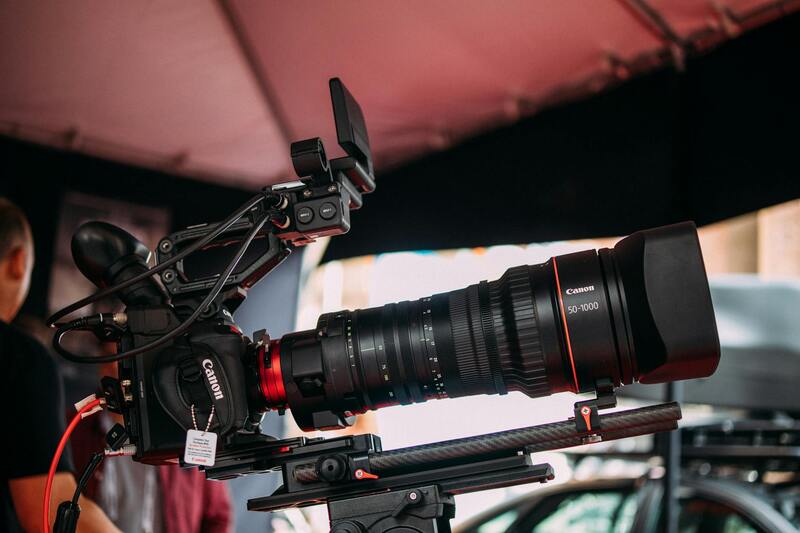
Producing compelling real estate videos requires an investment in the right tools and technology. High-quality visuals are fundamental to capturing the attention of potential buyers and showcasing properties effectively. The core equipment includes professional-grade cameras capable of shooting in 4K resolution, which ensures clarity and detail in every shot. Mirrorless or DSLR cameras with wide-angle lenses are particularly suitable for interior and exterior shots, providing expansive views that make spaces appear larger and more inviting.
Drone technology has revolutionized property marketing, allowing for breathtaking aerial footage that highlights estate size, surrounding landscapes, and neighborhood features. Investing in a licensed drone with stabilization features ensures smooth, cinematic shots that add a dynamic perspective to listings.
Lighting equipment, such as portable LED lights, helps illuminate interiors evenly, minimizing shadows and enhancing visual appeal, especially in spaces with limited natural light. Stabilizers and gimbals keep footage steady during handheld shots, delivering a professional, polished look.
Editing software plays a vital role in refining raw footage into captivating videos. Industry-standard programs like Adobe Premiere Pro or Final Cut Pro offer advanced editing tools, color correction, and effects that elevate the final product. Additionally, audio recording devices ensure clear narration and ambient sound, further immersing viewers in the property experience.

Best Practices for Shooting Real Estate Videos
To capture the best footage, filming should be planned meticulously, focusing on natural lighting and optimal times of day. Typically, early morning or late afternoon provides softer, more flattering light that accentuates a property’s features.
Before filming, review the property thoroughly, identify key selling points, and create a shot list. Wide shots establish the overall layout, while close-ups highlight unique details and finishes. It's important to shoot multiple angles of each room to provide a comprehensive view.
Maintaining a steady camera during movement is crucial; utilizing stabilizers or gimbals ensures smooth footage. When capturing exterior shots, consider the weather; clear, sunny days yield vibrant, inviting visuals.
Incorporate various shot types, including wide panoramas, slow walks through the property, and cinematic transitions, to tell a compelling story. Overlapping shots and consistent pacing help maintain viewer engagement.

Editing and Post-Production Tips for Real Estate Content
Post-production is where raw footage transforms into persuasive marketing content. Begin with organizing clips, selecting the strongest shots that best showcase the property’s features.
Color grading and correction bring visual consistency, enhance lighting, and set the mood, whether emphasizing the warmth of a sunset view or the crispness of a modern kitchen.
Incorporating smooth transitions, text overlays, and informative graphics can add professionalism and clarity. Narration should be clear and concise, providing relevant property details without overwhelming viewers.
Background music must be selected carefully to complement the property's style—upbeat for modern homes or mellow for luxury estates. Ensuring proper audio levels prevents narration or ambient sounds from being drowned out.
Finally, optimizing video format and size for different platforms ensures quick loading and high-quality playback across websites, social media, and virtual tour apps. Consistent branding elements, like logos and contact information, reinforce credibility and facilitate lead generation.
Best Practices for Shooting Real Estate Videos
Capturing compelling real estate videos requires meticulous attention to detail and adherence to proven techniques. For Miami properties, where vibrant visuals and captivating storytelling can significantly influence buyer interest, understanding staging, lighting, camera angles, and timing is essential.
Staging the Property: Proper staging ensures that each space appears inviting and functional. Collaborate with clients to declutter areas, arrange furniture to highlight the space, and add decorative elements that enhance the property's appeal. Emphasizing key features—such as a modern kitchen, a spacious living room, or scenic outdoor areas—guides the viewer’s focus.
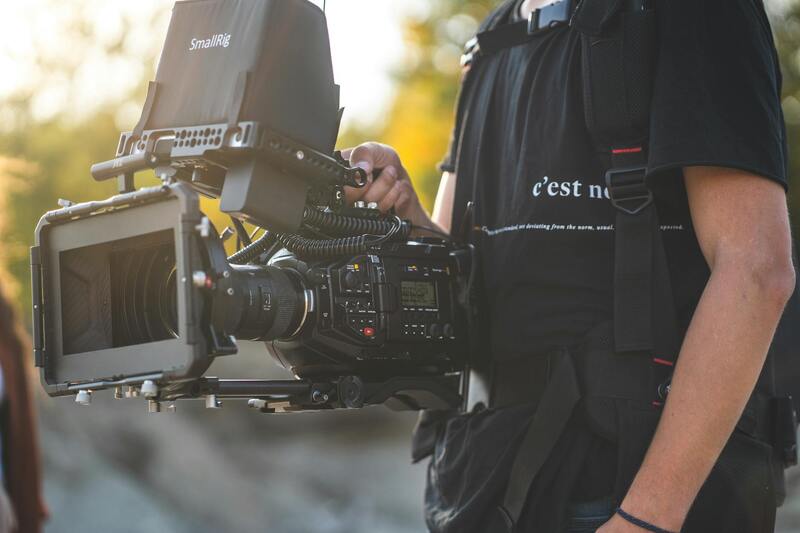
Lighting Techniques: Utilizing natural light during shooting days with clear, sunny weather ensures vibrant, appealing visuals. You can also employ reflectors and diffusers to bounce light into darker corners, softening shadows and creating an even illumination. For twilight or sunset shots, plan the shoot during the golden hour to achieve warm, inviting tones.
Camera Angles and Positions: To portray the property comprehensively, employ a combination of wide-angle shots, close-ups, and cinematic movements. Wide shots help establish the scale and layout, while lower camera angles can make spaces appear more expansive. Use smooth camera movements—such as slider shots or gimbal stabilizers—to add professionalism and fluidity.
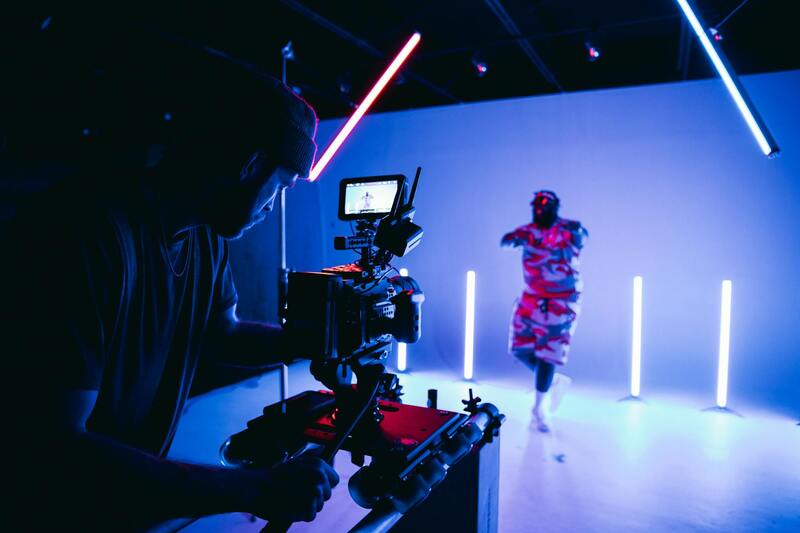
Timing and Shot Selection: Plan your shots to coincide with optimal lighting and minimal foot traffic. Take multiple takes of key scenes to ensure flexibility during editing. Keep camera movements deliberate, allowing viewers to process the visuals without feeling overwhelmed.
Attention to these practices ensures that each property is presented in its best light, capturing the unique allure of Miami homes and apartments. Combining technical skill with an eye for detail will produce visuals that resonate with prospective buyers and facilitate immersive virtual tours.
Effective Distribution Strategies for Real Estate Videos in Miami
Distributing real estate videos strategically is essential for maximizing visibility and attracting potential buyers in the competitive Miami market. An effective approach involves leveraging multiple channels to ensure your content reaches a diverse audience. Utilizing dedicated real estate platforms, such as MLS databases and property listing websites, allows your videos to be seen by serious buyers actively searching for Miami homes. Additionally, integrating videos into your agency or personal website enhances your online presence and provides a centralized location for prospective clients to learn more about available properties.
Social media channels are powerful tools for real estate video distribution. Platforms like Facebook, Instagram, and YouTube enable you to reach broad audiences rapidly. Visual storytelling through Instagram Stories, Facebook Live tours, or YouTube walkthroughs helps generate engagement, shares, and inquiries. Consistent posting schedules and targeted advertising campaigns can further amplify reach. For instance, promoting videos through geo-targeted ads ensures the content is seen by prospective buyers in specific Miami neighborhoods or regions interested in Miami real estate investments.
Collaborating with local influencers and real estate bloggers can also boost exposure. These partnerships allow your videos to be integrated into broader content strategies, increasing credibility and interest among followers. When sharing videos on multiple channels, optimizing their presentation for each platform is crucial. Using compelling thumbnails, engaging descriptions, and strategic keywords enhances discoverability and encourages viewer interaction.
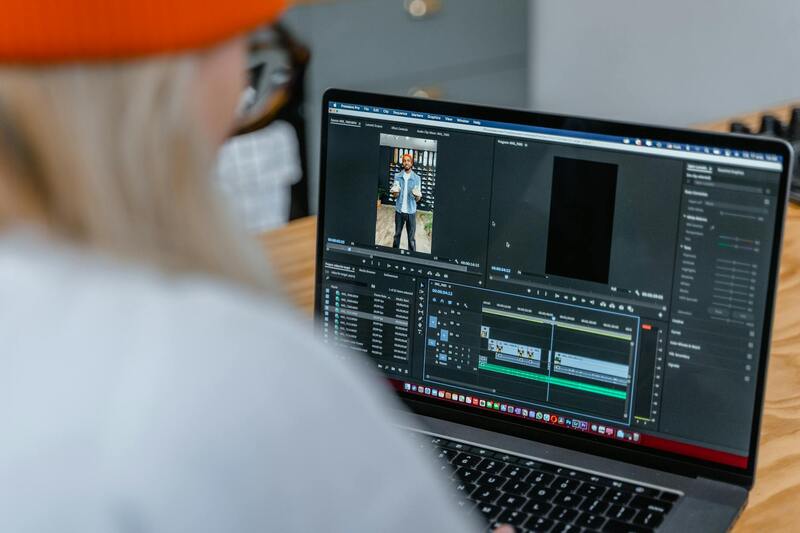
Additionally, email marketing campaigns targeting your existing client database, local investors, and interested parties can showcase new listings or open house events. Embedding videos within newsletters and property updates offers an immersive experience that preserves viewers' interest. Moreover, participating in virtual real estate expos and online webinars can present your video content to niche audiences, including international investors seeking Miami properties.
Consistent analytics and performance tracking are fundamental to refining your distribution efforts. Monitoring metrics such as view counts, engagement rates, and lead conversions enables you to identify the most effective channels. Adjusting your strategies based on these insights ensures optimized use of resources and sustained growth in your real estate marketing efforts.
Strategies for Effective Real Estate Video Distribution in Miami
Maximizing the visibility of your real estate videos requires a strategic approach tailored to the Miami market. Leveraging multiple channels ensures broader reach and engagement from diverse audiences, including local buyers, international investors, and industry partners.
Utilizing Social Media Platforms
Social media remains a cornerstone for distributing real estate videos. Platforms such as Instagram, Facebook, and LinkedIn facilitate targeted advertising and organic content sharing. Establishing a consistent posting schedule with high-quality video snippets or teasers can generate ongoing interest. Incorporating location tags and relevant hashtags increases the discoverability of your content among Miami-specific audiences.
Embedding Videos on Real Estate Listing Websites
Integrating videos directly into property listings enhances user engagement, providing potential buyers with immersive experiences. High-quality visuals give detailed views of the property's features and flow, encouraging longer site visits and higher inquiry rates. Ensure videos are optimized for quick loading and mobile responsiveness, considering that many users browse properties on smartphones or tablets.
Targeted Digital Advertising
Investing in targeted advertising enables precise audience segmentation based on demographics, location, and interests. Platforms like Google Ads and Facebook Ads allow for ad campaigns focused on viewers actively searching for Miami real estate opportunities. Utilizing compelling thumbnails, strategic keywords, and clear calls-to-action can significantly improve conversion rates.
Leveraging Email Marketing Campaigns
Sending curated email campaigns to your existing client database, prospects, and investors is an effective way to keep them engaged. Embedding video content in newsletters or property updates offers an interactive experience that reinforces interest. Personalization and consistent messaging help nurture relationships and encourage referrals or repeat inquiries.
Participation in Virtual and Online Events
Hosting or participating in virtual expos, webinars, and live stream tours enables you to reach niche audiences interested in Miami real estate. Embedding your videos within these digital events ensures participants get an engaging overview of properties, fostering direct interaction and follow-up opportunities.

Monitoring and analyzing performance metrics across these channels is vital. Track key indicators such as view counts, engagement levels, and inquiry conversions to identify the most effective distribution strategies. These insights enable fine-tuning of your efforts, ensuring that your investment in video content delivers optimal results within the competitive Miami real estate landscape.
Enhancing Visibility Through Targeted Video Marketing Channels
To maximize the impact of real estate videos, implementing strategic distribution across multiple online channels is essential. These platforms include popular video-sharing networks, social media platforms, and dedicated real estate portals. Each channel offers unique opportunities to target specific audiences effectively, expanding the reach of Miami property listings.
Embedding videos on high-traffic real estate websites and property listing platforms increases visibility among serious buyers actively searching for Miami homes. Additionally, leveraging social media channels like Instagram, Facebook, and LinkedIn allows for targeted advertising campaigns. These platforms enable precise audience segmentation based on demographics, interests, and behaviors, which enhances the likelihood of attracting qualified prospects.
Implementing pay-per-click (PPC) advertising strategies on platforms such as Google Ads can further boost exposure by placing your videos in front of users actively searching for Miami real estate. Utilizing compelling thumbnails and strategic keywords helps improve click-through rates and directs targeted traffic to your property listing pages.
Monitoring Performance and Analyzing Data
To continuously improve marketing efforts, it is critical to monitor and evaluate performance metrics associated with video campaigns. Tools like analytics dashboards allow for tracking key indicators such as view counts, engagement rates, and the number of inquiries generated. These insights inform adjustments to content, distribution timing, and targeting parameters.
Analyzing audience engagement data helps identify the most responsive segments, enabling more precise content adjustments and media placement strategies. This iterative process ensures that marketing investments generate optimal return and help maintain a competitive advantage in the vibrant Miami real estate market.
Integrating Video Content into Broader Marketing Strategies
Incorporating video content into broader marketing initiatives such as email campaigns, virtual open houses, and online webinars can significantly enhance client engagement. Personalized video messages can nurture leads through the sales funnel, fostering stronger connections and trust.
Consistent branding and messaging across all channels reinforce your market position and make your listings stand out. By adopting a cohesive multimedia approach, real estate professionals can create a more immersive experience that resonates deeply with prospective buyers and investors, ultimately increasing conversion rates.
Building Client Relationships and Pricing Strategies
Developing strong relationships with clients is fundamental to the success of a real estate video business. Transparent communication about services, delivery timelines, and pricing helps establish trust and sets clear expectations. Offering tailored video packages that align with clients' specific needs ensures they perceive value and are more likely to recommend your services to others. Additionally, maintaining a professional demeanor and delivering consistent quality cultivates long-term partnerships that benefit both parties.
Pricing strategies should be competitive yet reflect the quality and professionalism of your work. Consider factors such as the scope of the project, complexity of footage, post-production requirements, and market trends when setting prices. Offering tiered packages can accommodate various client budgets, from simple footage for quick listings to comprehensive virtual tours and drone videos for premium properties. Providing clear breakdowns of what each package includes helps clients make informed decisions, reducing ambiguities that could hinder negotiations.
Building client loyalty also involves proactive outreach and follow-up. After project completion, soliciting feedback demonstrates your commitment to excellence and provides insights for continuous improvement. Referral incentives or discounts for repeat business can strengthen these relationships further. As the Miami real estate market remains dynamic, adapting your pricing and relationship management strategies ensures your video business continues to grow sustainably.
Final Thoughts on Growing Your Real Estate Video Business
Success in the competitive Miami property market hinges on your ability to produce compelling, professional videos that elevate listings and attract serious buyers. Investing in quality equipment, honing your shooting and editing skills, and employing strategic marketing efforts can significantly differentiate your services. Maintaining strong client relationships and offering transparent, value-driven pricing structures further cement your reputation as a trustworthy and reliable videographer in the industry.
The evolving landscape of real estate marketing invites continuous learning and adaptation. By staying abreast of emerging technologies such as virtual reality and 3D tours, and integrating these innovations thoughtfully into your service offering, you can position your business at the forefront of Miami’s dynamic market. Combining technical expertise with personalized service creates a distinctive brand that resonates with clients and drives sustainable growth.