Importance of High-Quality Real Estate Photos
In the competitive Miami real estate market, the visual presentation of a property can make or break its chances of attracting potential buyers. High-quality real estate photos serve as a digital handshake, offering a first impression that can significantly influence a viewer’s decision to explore further. Well-composed, professionally captured images highlight a property's best features, creating an inviting and aspirational view that resonates with prospective buyers.
Investing in professional photography is more than just capturing images; it’s about telling a compelling visual story of the property. In Miami, where properties range from luxurious waterfront condos to expansive family homes, the quality of photos can determine how quickly a listing gains traction. Attractive images appeal to buyers’ emotions, spark interest, and motivate them to schedule viewings, thereby accelerating the sales process.
High-quality photos also enhance a property’s online visibility. Many prospective buyers begin their search on digital platforms, and listings with clear, bright, and well-composed images tend to stand out. These images can increase click-through rates and engagement, leading to a higher number of inquiries and viewings. Furthermore, visually appealing listings often command higher asking prices, as they communicate value and exclusivity effectively.

In essence, the visual quality of property photos can influence the perception of the property's condition, style, and overall appeal. When potential buyers see images that accurately and beautifully showcase a property’s features, they are more likely to develop a genuine interest. This makes investing in high-caliber real estate photography a strategic move that supports faster sales, higher prices, and a more competitive edge in the vibrant Miami property market.
Impact on Sales and Market Perception
Effective real estate photography can alter the market perception of a property, positioning it as a desirable asset that aligns with buyer interests in Miami's dynamic environment. Good images create buzz and establish a professional image for sellers, fostering trust and confidence among prospective buyers. Hence, high-quality real estate photos are not just an aesthetic enhancement—they are a pivotal tool in strategic property marketing that influences buyer behavior and market success.
Types of Photos for Real Estate Listings
Capturing a variety of images ensures that prospective buyers receive a comprehensive view of the property, highlighting its best features and creating an engaging virtual experience. The core categories include exterior shots, interior images, key amenities, and distinctive details unique to the property.
- Exterior Shots: These images set the first impression and showcase the property's curb appeal. They typically include the front facade, backyard, driveway, landscaping, and any additional structures like garages or pools. Proper lighting and wide-angle lenses help accentuate the property's size and aesthetic appeal.
- Interior Photos: Showcasing each main room — living areas, bedrooms, kitchens, bathrooms — with well-balanced lighting and proper staging elevates the property's attractiveness. Focus on clean spaces, natural light, and specific architectural features that add character, such as moldings, fireplaces, or high ceilings.
- Key Amenities: Highlight features that matter most to buyers, such as modern appliances, smart home integrations, outdoor kitchens, or recreational areas. These images emphasize the property's value and lifestyle potential.
- Unique and Special Features: Capture elements that distinguish the property from others in the market. This could include panoramic windows, custom finishes, art installations, or scenic views. Effective use of angles and lighting can amplify their impact.

Integrating these varied image types provides potential buyers with a multifaceted understanding of the property, nurturing an emotional connection and encouraging them to schedule viewings. Professional photographers meticulously plan the shot sequence, ensure image consistency, and employ techniques such as HDR (High Dynamic Range) imaging to balance light and shadow, thereby producing visually striking and accurate representations of each property.
Best Practices for Real Estate Photography
Effective real estate photography hinges on certain best practices that maximize visual appeal and clarity. These include:
- Proper Lighting: Shooting during the day with ample natural light reduces shadows and highlights the space’s openness. Supplement with professional lighting when necessary to enhance darker areas, especially in interior shots.
- Staging and Decluttering: A tidy, well-arranged space looks more attractive. Remove personal items, excess furniture, and clutter to create a neutral environment that appeals to a broad audience.
- Camera Settings and Composition: Use a wide-angle lens to capture more of each room, but avoid distortion. Employ the rule of thirds to compose balanced images that guide the viewer’s eye naturally across the space.
- Consistent Style and Perspective: Maintain a uniform aesthetic across all photos to create a cohesive listing. Shoot from eye level and at the same height for similar rooms to ensure consistency.
- Post-Processing: Edit images to correct color balance, straighten horizons, and enhance brightness and contrast, ensuring the photos accurately represent the property without overdoing enhancements that could mislead viewers.
Equipment and Technology for Real Estate Photos
Investing in state-of-the-art equipment ensures high-quality images that meet professional standards. The typical toolkit includes:
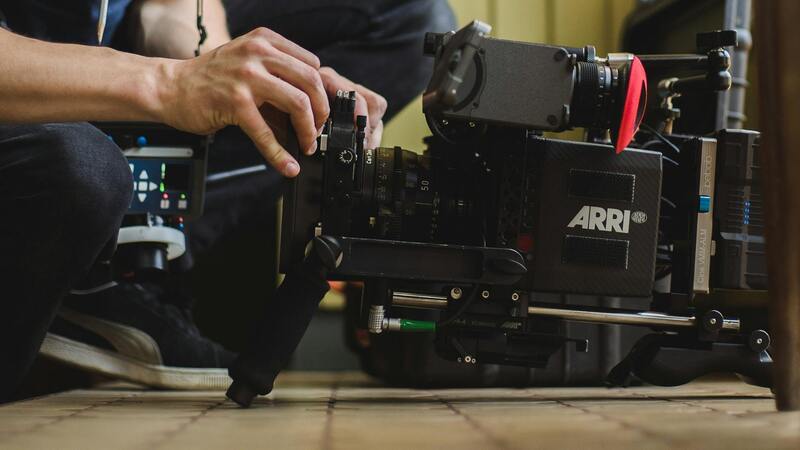
- Camera: A DSLR or mirrorless camera with full-frame sensors offers superior image quality and flexibility.
- Lens: Wide-angle lenses (generally 14-24mm) are essential for capturing entire rooms and exterior views without distortion.
- Tripod: Stabilization equipment reduces camera shake, allowing for precise framing and HDR imaging.
- Lighting Equipment: Portable strobes, softboxes, or continuous LED lights help illuminate darker spaces and ensure even lighting throughout the scene.
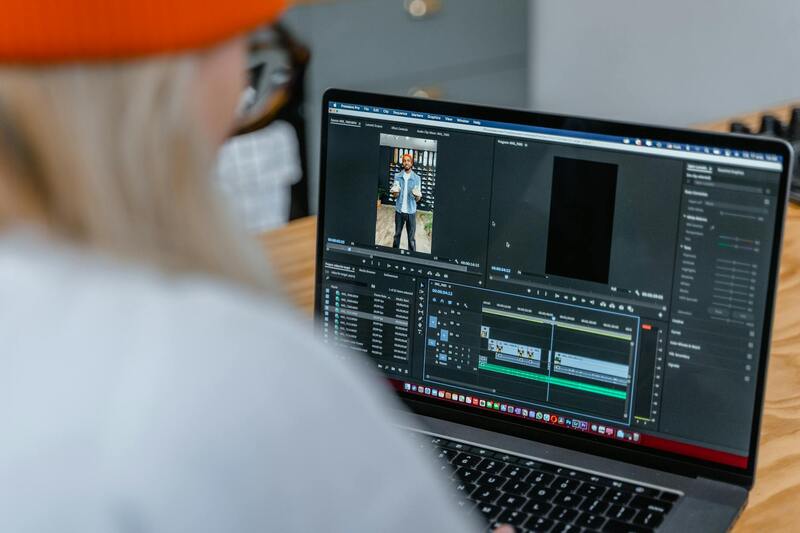
- Editing Software: Programs like Adobe Lightroom and Photoshop streamline post-processing, enabling color correction, perspective adjustments, and minor retouching for a polished final image.
The integration of drone technology is also becoming increasingly prevalent, offering aerial shots that provide a broader perspective of the property and surrounding area. These images enhance listings by showcasing landscape features, property boundaries, and neighborhood context.
Importance of High-Quality Real Estate Photos
In the competitive landscape of property marketing, high-quality real estate photos serve as a critical component in attracting potential buyers or renters. Well-composed images that highlight a property's best features can significantly influence initial impressions and marketing effectiveness. Clear, crisp, and well-lit photographs not only make listings stand out but also convey professionalism and attention to detail, fostering trust among prospective clients.
High-resolution imagery ensures every detail—from architectural nuances to interior decor—is visible, allowing viewers to assess the property's appeal remotely. This is especially vital in an era where online browsing dominates property searches, making instant visual impact paramount. Properly captured images can reduce the number of inquiries and viewings needed, streamlining the sales process and saving valuable time for real estate professionals.
Moreover, high-quality photos help to accurately represent the property, providing an honest depiction that aligns with actual viewing experiences. This transparency fosters a sense of trust and reduces the likelihood of disappointment during physical visits, leading to more serious and qualified inquiries. It’s crucial that images are produced via legitimate methods to ensure authenticity while avoiding deceptive practices that could undermine the reputation of the listing or agency.
Types of Photos for Real Estate Listings
A comprehensive set of images captures both the overall layout and the finer details of the property, catering to diverse viewer preferences. Different shot types serve different purposes and collectively create a compelling visual story of the property:
- Exterior Shots: Wide-angle photographs of the front and back exteriors provide context, curb appeal, and showcase outdoor amenities like gardens, pools, or patios.
- Living Spaces: Wide views of living rooms, kitchens, and bedrooms highlight space and layout. Utilizing proper angles ensures rooms appear spacious and welcoming.
- Special Features: Close-up shots of unique architectural elements, luxurious finishes, or upgrades draw attention to the property's distinctive qualities.
- Lighting and Ambiance: Images taken during optimal lighting times or with professional lighting equipment emphasize the natural and artificial light within spaces, creating an inviting atmosphere.
- Neighborhood and Amenities: Aerial and street-level photos depict the surrounding environment, proximity to key locations, and community features, providing additional context for prospective buyers.
Best Practices for Real Estate Photography
To maximize the visual appeal and impact of property images, several best practices should be adhered to throughout the photography process. These include optimal lighting, strategic staging, appropriate camera angles, and careful timing.
- Proper Lighting: Use natural light whenever possible, supplemented by professional lighting equipment to eliminate shadows and evenly illuminate spaces.
- Effective Staging: Arrange furniture and decor to enhance the room’s features without clutter, ensuring spaces appear organized and inviting.
- Camera Angles: Experiment with different perspectives to highlight spaciousness and design elements while avoiding distortions and misrepresentations.
- Timing: Shoot during daylight hours with favorable weather, and consider the property’s natural light patterns for the most flattering results.

Implementing these techniques through legitimate and professional methods ensures that property photos meet high industry standards, effectively attract interest, and accurately portray the listing. Such practices foster transparency and help buyers or tenants make informed decisions, ultimately enhancing the overall success of real estate marketing efforts.
Legal and Ethical Considerations in Property Photography
When capturing real estate images, adherence to prescribed standards and protocols is essential to maintain trust and professionalism. Using equipment that complies with industry regulations ensures consistency and safety during the photography process. It is important to secure proper permissions before photographing private property to respect ownership rights and privacy concerns. This encompasses obtaining consent from property owners and ensuring that no unauthorized individuals or proprietary information are visible in the images.
Respecting privacy extends to avoiding the inclusion of personal items or confidential details that could compromise the security or privacy of current occupants. Photographers should follow established guidelines for representing properties responsibly, avoiding distortions or misleading perspectives that could misrepresent the actual space. Accurately portraying a property’s features builds confidence among prospective buyers, fosters transparency, and upholds the integrity of the listing.
Additionally, maintaining clear records of image rights and usage permissions is vital. This ensures that all photographs used in marketing efforts are legitimately acquired and utilized within agreed-upon terms. By following these ethical practices, real estate professionals demonstrate commitment to honest, transparent marketing that aligns with industry standards and builds lasting client trust.
Techniques for Capturing Standout Real Estate Property Photos
Achieving exceptional real estate property photos requires employing proven techniques that highlight a property's best features while providing an accurate representation of the space. Proper lighting, composition, and staging are fundamental components that influence the overall quality of images. Natural light should be maximized by shooting during daylight hours and opening window coverings to allow sunlight to flood the interior. When natural light is insufficient, professional lighting equipment can be used to illuminate dark corners and minimize shadows, ensuring the photo accurately depicts the space.
Composition is equally critical. Photographers should utilize the rule of thirds to create balanced and engaging images. Wide-angle lenses are commonly employed to capture more of the room in a single shot, making spaces appear larger and more inviting. It is essential to avoid distortion by maintaining proper camera alignment and using high-quality equipment designed for architectural photography. Shooting from optimal angles—usually eye-level or slightly elevated—helps showcase the space’s dimensions and flow.

Staging the property before photographing also produces more appealing visuals. This involves decluttering, arranging furniture to maximize space, and adding tasteful decor to create an inviting atmosphere. Ensuring the property is clean and well-maintained enhances the overall aesthetic and prevents distractive elements from detracting from the photos.
Enhancing Photos with Post-Processing Techniques
Post-processing is an integral step in producing professional real estate images. Basic adjustments such as brightness, contrast, and color correction can improve image clarity and vibrancy. Advanced editing might involve straightening images, removing minor imperfections, or adjusting perspective distortions caused by wide-angle lenses. However, it is crucial to maintain authenticity; over-editing can mislead viewers and undermine trust. Enhancing images in a way that accurately reflects the property’s actual appearance ensures prospective clients have a genuine understanding of the space.

Utilizing professional software such as Adobe Lightroom or Photoshop allows for precise adjustments and consistency across all images. Implementing a standardized editing process helps in creating a cohesive visual presentation for listings, reinforcing brand professionalism and trustworthiness.
Utilizing Virtual Tours and 3D Visualizations
In addition to high-quality photography, integrating virtual tours and 3D walkthroughs has become an effective way to enhance online property listings. These immersive experiences enable prospective buyers to explore the property remotely, gaining a comprehensive understanding of the layout and space. Virtual tours can be created using specialized equipment like 360-degree cameras or through software that stitch together multiple images into interactive panoramas.
Such visual tools not only expand a property’s reach but also reduce the number of physical showings needed, streamlining the sales process. They are particularly valuable in today’s digital-first real estate environment, where convenience and detailed visualization significantly influence buyer decisions.
Legal and Ethical Considerations in Property Photography
Ensuring that real estate photos accurately represent a property is essential for maintaining trust and transparency throughout the sales process. Photographers must adhere to strict standards that prevent misleading visuals, which can lead to misconceptions and potential disputes. This involves capturing images that showcase the true dimensions, colors, and condition of the property without deceptive angles or manipulations that alter perceptions.
When staging a property for photography, it is important to present each room honestly. This includes removing clutter, ensuring good lighting, and capturing the space from angles that faithfully depict its size and layout. The use of wide-angle lenses can be beneficial for highlighting spaciousness, but should be used judiciously to avoid exaggerating the actual space.
Equally important is the ethical handling of image post-processing. While editing tools can enhance lighting and correct color imbalances, excessive editing that changes the property's appearance beyond its real condition should be avoided. Enhancements should serve to reflect the true look of the home, not to embellish or conceal aspects that could influence a buyer’s decision under false pretenses.
In addition to photographic integrity, professionals should be knowledgeable about privacy considerations. This includes obtaining proper permissions before photographing private spaces and ensuring that any identifiable individuals or personal items are not unnecessarily visible in public listings. Respecting privacy standards fosters a positive reputation and demonstrates credibility within the industry.
Adhering to these ethical practices not only complies with industry standards but also enhances a real estate professional’s reputation as a trustworthy source of accurate property information. This commitment to authenticity ultimately benefits all parties involved by promoting transparency and fostering long-term relationships with clients and buyers alike.
Legal and Ethical Considerations in Property Photography
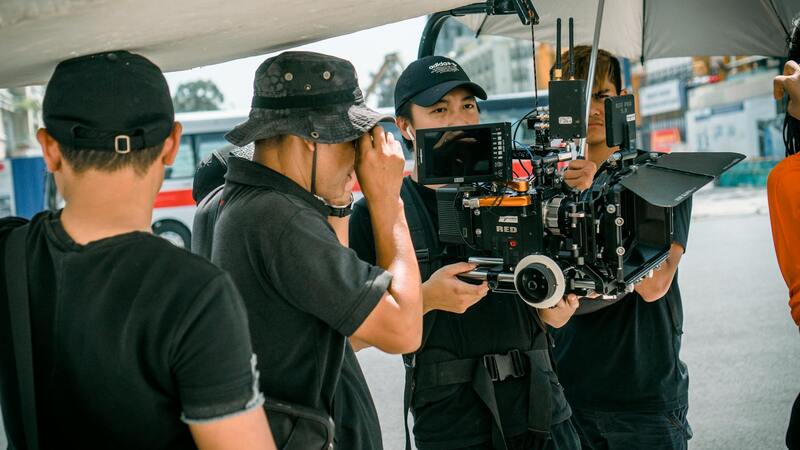
Engaging in real estate photography involves adhering to standards that uphold transparency and respect for all parties involved. Photographers must obtain proper permissions before capturing images of private properties, especially when images include private spaces or personal belongings. It is essential to respect the privacy of current occupants and household members, ensuring their comfort and security when photos are taken.
Additionally, photographers should be mindful of privacy considerations related to individuals who may be present during photoshoots. Any identifiable features of people, such as faces or private information, should be avoided unless explicit consent has been provided. This not only preserves personal privacy but also aligns with best practices for responsible imaging.
Post-processing images must be approached with integrity. While enhancements to lighting, color balance, and overall image quality are common, such adjustments should accurately reflect the property's true appearance. Significant alterations that could mislead potential buyers—such as removing features or exaggerating space—are discouraged. Maintaining this level of honesty ensures that online listings portray a faithful representation of the property, fostering trust among prospective buyers.
In addition to respecting individual privacy, photographers and real estate professionals should be adequately familiar with applicable guidelines on image content. This includes avoiding the depiction of restricted areas or sensitive features and ensuring that the images do not inadvertently breach confidentiality agreements. Maintaining ethical standards not only complies with industry expectations but also enhances reputation, contributing to a positive perception of the listing and the agent’s professionalism.
Legal and Ethical Considerations in Property Photography
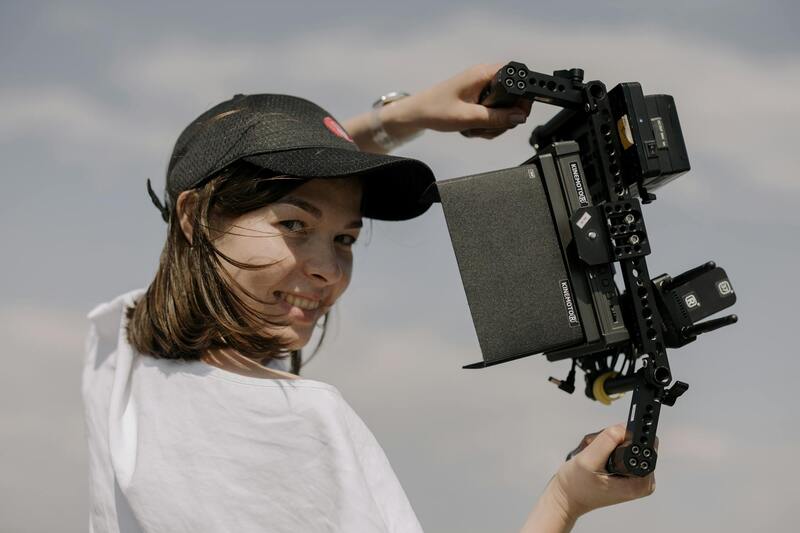
Adhering to established standards in real estate photography is fundamental to preserving trust and integrity within the property listing process. Photographers must be vigilant to ensure that all images accurately portray the actual conditions and features of a property, avoiding any form of misrepresentation. This includes truthful lighting adjustments, color correction, and framing that reflect the genuine state of the property, without exaggeration or omission.
Furthermore, meticulous attention should be paid to the privacy rights of individuals and the confidentiality of property details. This entails securing explicit consent before capturing images that include identifiable individuals, and being cautious about depicting private areas or proprietary features. Respecting these boundaries upholds the reputation of the real estate professionals involved and fosters confidence among clients and potential buyers.
It is equally important to avoid displaying restricted zones or sensitive information in the photographs. This can include personal belongings, confidential documents, or areas not meant for public viewing. Photographers should also be aware of applicable guidelines pertaining to the depiction of certain property features. Preventing unauthorized disclosures protects the interests of all parties and mitigates potential misunderstandings that could arise from misleading imagery.
Maintaining high professional standards in property photography entails ongoing awareness and adherence to industry best practices. It involves a commitment to authenticity, transparency, and respect for privacy, ensuring that each image contributes positively to the visibility and reputation of the property listing. Such ethical conduct supports a fair and trustworthy property marketplace, where buyers make informed decisions based on accurate visual representations.
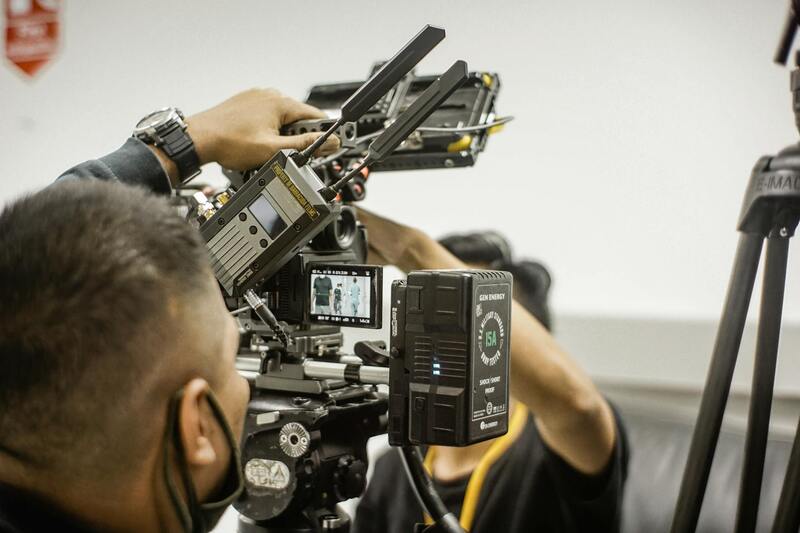
In addition to privacy considerations, photographers should be familiar with the scope of permissible modifications during post-processing. Professional editing should serve to enhance the true appearance of a property without crossing into deceptive territory. This includes refining lighting conditions, correcting colors, and cleaning up minor imperfections, but not fabricating features or altering the spatial perception of rooms significantly. Such practices maintain honesty and bolster the credibility of listings.
Ultimately, a commitment to ethical and responsible photography advocates for transparency, fostering a positive reputation for real estate agents and photographers alike. This integrity in visual marketing not only attracts serious buyers but also sustains long-term professional relationships grounded in trust and professionalism.