Role of Real Estate Photography Specialists
In the competitive Miami real estate market, visual presentation plays a pivotal role in attracting potential buyers and renters. Real estate photography specialists are highly trained professionals who focus on capturing the essence of each property through expertly crafted imagery. Their responsibilities extend beyond simple photography; they are tasked with highlighting the unique features, spatial layouts, and ambiance of properties to appeal to a broad audience.
These specialists understand the importance of lighting, angles, and composition in creating compelling visuals. They work closely with real estate agents to ensure that each property’s story is told visually, optimizing appeal in listings and marketing materials. Their expertise contributes significantly to faster sales cycles and higher listing prices by ensuring that properties stand out in crowded marketplaces.
Understanding the Unique Demands of Miami's Market
Miami’s vibrant real estate scene features diverse properties—luxury condominiums, sprawling waterfront estates, historic homes, and modern urban apartments. Real estate photography specialists tailor their approach to capture the distinctive character of each property type, using techniques suited for various styles and settings. Their familiarity with local aesthetics and property features ensures the images resonate with Miami’s target demographic.
Enhancing Online and Offline Marketing Strategies
High-quality images curated by these specialists are essential for effective online listings, social media campaigns, and printed marketing materials. They understand that most property searchers begin their journey online, making visually stunning photos a critical component of digital marketing success. By leveraging their skills, specialists help real estate professionals make impactful first impressions that can lead to quicker transactions and higher offers.
Collaborative Process for Optimal Results
The process typically involves pre-shoot consultations where specialists assess the property's best features and plan the shoot accordingly. During the shoot, they employ advanced techniques to ensure proper lighting, framing, and exposure. Post-production editing further enhances the images, ensuring they meet high industry standards and accurately represent the property’s true appearance.
Ultimately, real estate photography specialists are indispensable partners in Miami’s property sales and leasing processes. Their expertise ensures properties are presented at their absolute best, making them a vital component of a successful real estate marketing strategy in one of the most dynamic markets in the world.
Skills and Techniques Used by Professionals
Professional real estate photography specialists employ a comprehensive set of skills and techniques to produce captivating images that effectively showcase each property's unique features. Their mastery begins with understanding and applying advanced lighting principles, including natural light utilization and supplemental artificial lighting, to create balanced, inviting atmospheres that highlight the property's best aspects without exaggeration or distortion.
Preparation is critical; specialists thoroughly evaluate the property beforehand to identify the most photogenic angles and key selling points. They utilize techniques such as drone photography to capture expansive exterior views and provide contextual surroundings that can attract potential buyers. Interior shots are carefully composed to emphasize spaciousness, layout, and noteworthy architectural details, often employing wide-angle lenses to give an immersive sense of scale.
Post-processing is an integral part of their workflow, involving precise editing to correct color accuracy, enhance lighting, and remove minor imperfections. Skilled specialists understand the importance of consistency across images, ensuring seamless photo sets that reinforce professional branding and marketing efforts. They also employ high dynamic range (HDR) imaging, blending multiple exposures to preserve details in both shadows and highlights, resulting in visually balanced and vibrant photos.
Furthermore, specialists are well-versed in the latest photographic trends and standards to create images that align with current market expectations. Their attention to detail ensures each shot accurately represents the property, fostering trust with clients and viewers alike. Employing a diverse set of techniques, they can adapt to various property types, lighting conditions, and aesthetic preferences, consistently delivering images that elevate listings' appeal and effectiveness.
Types of Equipment and Technology
To produce compelling and accurate real estate images, specialists in the Miami market rely on an advanced arsenal of equipment and cutting-edge technology. High-resolution digital cameras equipped with full-frame sensors are the backbone of professional real estate photography, capturing crisp details and vibrant colors that make listings stand out. These cameras often feature wide-angle lenses, typically ranging from 14mm to 24mm, enabling the capture of expansive interior spaces and architectural details in a single shot. Such lenses minimize distortion and provide a true representation of room dimensions, giving potential buyers a clear sense of space.
Lighting equipment is equally critical, especially when natural light is insufficient. Portable strobe lights, softboxes, and reflecting panels are employed to evenly illuminate interiors, diminish shadows, and highlight architectural features. These tools allow specialists to control light quality, ensuring each image appears inviting and professional regardless of external weather conditions.
In addition to traditional photography gear, specialists integrate drone technology into their workflows. Unmanned aerial vehicles (UAVs) equipped with high-definition cameras provide breathtaking aerial shots, showcasing property boundaries, landscaping, and surrounding amenities from perspectives impossible to achieve with ground-level photos. Drone imagery not only enhances the visual appeal of listings but also offers comprehensive insights into property size and neighborhood context.
Post-processing software is an integral component of the specialists' toolkit, with programs like Adobe Lightroom and Photoshop unlocking the potential of captured images. These editing tools facilitate precise color correction, brightness and contrast adjustments, and the removal of minor imperfections such as lens flare or distracting objects. Advanced editing techniques—including HDR processing—allow specialists to blend multiple exposures seamlessly, balancing highlights and shadows within a single image. This results in vibrant, natural-looking photos that accurately depict the property's appearance under varying lighting conditions.
The adoption of virtual staging software further broadens the visual impact of property images. By digitally adding furniture and decor, specialists can help prospective buyers visualize the property's potential, creating an emotional connection that encourages engagement and inquiry.
Industry Standards and Best Practices
Adhering to established industry standards ensures that real estate photography specialists deliver consistent, high-quality results that meet client expectations and market demands. Professional standards encompass proper lighting techniques, optimal camera settings, and composition rules that highlight a property's best features. Photographers are trained to capture images at the ideal times, often during the golden hour or under optimal weather conditions, to achieve natural lighting that enhances the property's appeal.
In addition to technical proficiency, specialists follow best practices in staging and decluttering. Proper staging allows focal points within the property to stand out, while minimal clutter ensures that potential buyers' attention remains on the property's selling points. It is essential to shoot from multiple angles and perspectives, including wide shots that provide comprehensive views of each room and exterior shots that capture the property's curb appeal.
Color accuracy and image consistency are crucial components. Photographers use color calibration tools and standardized workflows to ensure that images accurately reflect the property's true hues and textures. This fidelity is critical for creating trust with prospective buyers and preventing misrepresentation that could lead to dissatisfaction or legal disputes.
Furthermore, specialists incorporate crowd-sourced and market-specific benchmarks to tailor their approach based on the Miami real estate landscape. This involves understanding local preferences in home aesthetics, typical target audiences, and the visual cues that resonate most with prospective buyers in the region.
Choosing the Right Photography Specialist in Miami
Selecting a qualified real estate photography specialist involves evaluating their portfolio, understanding their technical capabilities, and assessing their familiarity with Miami's unique market dynamics. A reputable specialist should demonstrate experience in residential and commercial listings, showcase a diverse array of property types, and utilize cutting-edge equipment to ensure top-tier image quality.
Communication skills and professional conduct also play a vital role. An effective specialist listens to client needs, offers creative input, and provides timely delivery of images. Local knowledge of Miami neighborhoods can further enhance the effectiveness of their photography, as familiarity with the area's architecture, landscaping, and lighting conditions enables tailored photographic approaches.
It is advisable for clients to seek references and reviews, compare packages and pricing, and verify that the specialist stays updated on industry innovations. A strategic partnership with a seasoned professional ensures that the property's visual presentation aligns with marketing goals, boosting visibility and attracting serious inquiries.
Industry Standards and Best Practices
In Miami's dynamic real estate market, adhering to industry standards and best practices is crucial for real estate photography specialists aiming to produce compelling visuals. These standards ensure consistency, accuracy, and appeal, ultimately enhancing the property's marketability. Professionals commit to high-resolution imaging, proper lighting techniques, and accurate color representation to showcase the property's features authentically.
Guidelines also specify the importance of decluttering and staging interiors to create inviting spaces that resonate with prospective buyers. Maintaining a neutral yet appealing aesthetic allows viewers to envision themselves in the space, which is vital in attracting serious inquiries. For outdoor shots, specialists prioritize capturing the property's best angles during optimal lighting conditions, often utilizing natural light during golden hour for warm, inviting images.
Another critical aspect involves post-processing standards. Skilled photographers apply subtle enhancements that improve image clarity, correct color imbalances, and remove distractions without altering the property's true appearance. This balanced approach ensures images are visually striking and truthful, which aligns with both ethical marketing practices and client expectations.
Role of Real Estate Photography Specialists
Real estate photography specialists play a pivotal role in the effective marketing of properties within Miami's competitive market. Their expertise extends beyond simply capturing images; they are responsible for presenting a property's most appealing features through strategic framing, lighting, and composition. These professionals understand how to highlight architectural details, interior layouts, and outdoor amenities to attract potential buyers or renters.
In Miami, where luxury properties and waterfront estates dominate the landscape, the necessity of high-grade visuals cannot be overstated. Specialists in this field are well-versed in the nuances of real estate marketing, such as emphasizing property proximity to key attractions or exploiting natural lighting conditions that enhance the property's aesthetic appeal. Their work often serves as the first impression in online listings, making their role essential for generating interest and facilitating faster sales.
Additionally, real estate photography specialists collaborate closely with real estate agents and property owners to understand the unique selling points of each property. This collaborative approach ensures that every listing aligns with the targeted market segment, whether it’s luxury condos, suburban homes, or commercial spaces. Their strategic photographic techniques help shape the narrative of the property, making it stand out in a crowded digital landscape.
Skills and Techniques Used by Professionals
These specialists employ a variety of advanced skills and techniques to produce captivating imagery that resonates with viewers. Mastery of composition ensures that each shot directs attention to the property's most attractive features. Utilizing principles such as the rule of thirds and leading lines helps create balanced and engaging images.
Lighting techniques are fundamental, with professionals often leveraging natural light during optimal times of the day—such as the golden hour—to provide warm, inviting tones. In interior settings, they utilize portable lighting equipment and reflectors to evenly illuminate spaces, avoiding shadows that can detract from the shot’s clarity.
Post-production editing enhances these images further without compromising authenticity. Techniques include color correction to accurately depict the property's true hues, image sharpening for clarity, and minor retouching to remove distractions like clutter or imperfections. These refinements ensure each photograph compellingly represents the property and appeals to prospective buyers.
Types of Equipment and Technology
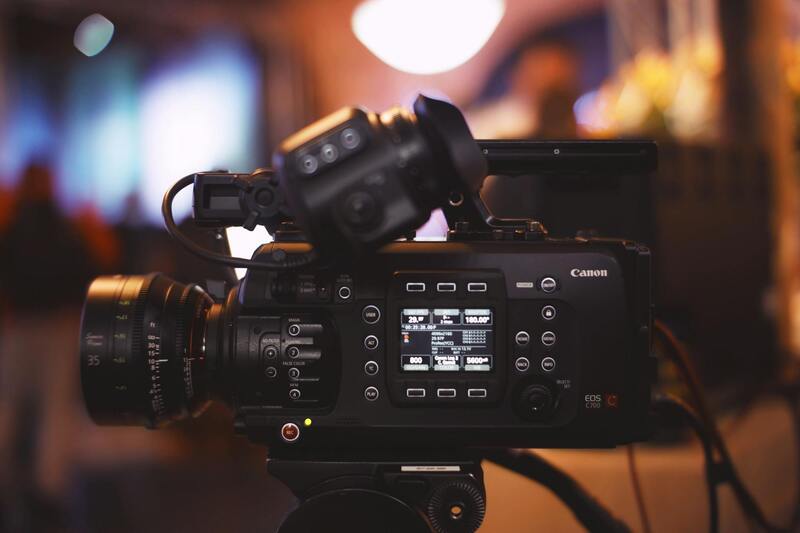
High-quality real estate photography depends on specialized equipment that allows specialists to capture images with precision and clarity. Professional cameras with high-resolution sensors are standard, providing detailed images that allow viewers to scrutinize property features closely. Wide-angle lenses are essential for creating expansive views, especially in smaller spaces, offering a comprehensive perspective that makes rooms appear larger and more inviting.
Tripods and stabilization gear ensure stability during shots, reducing blur and enabling precise framing, especially in low-light conditions. Drones have become increasingly popular for capturing aerial images and videos, showcasing large properties, surrounding landscapes, and outdoor amenities from unique angles. This technology is particularly effective for waterfront estates or properties with extensive grounds.
Emerging technological advancements, such as HDR (High Dynamic Range) imaging and 3D virtual tours, further enhance the complexity and immersive quality of property presentations. These tools allow specialists to create detailed, interactive visual experiences that engage prospective buyers beyond static images, providing a comprehensive view of the property's features and layout.
Role of Real Estate Photography Specialists
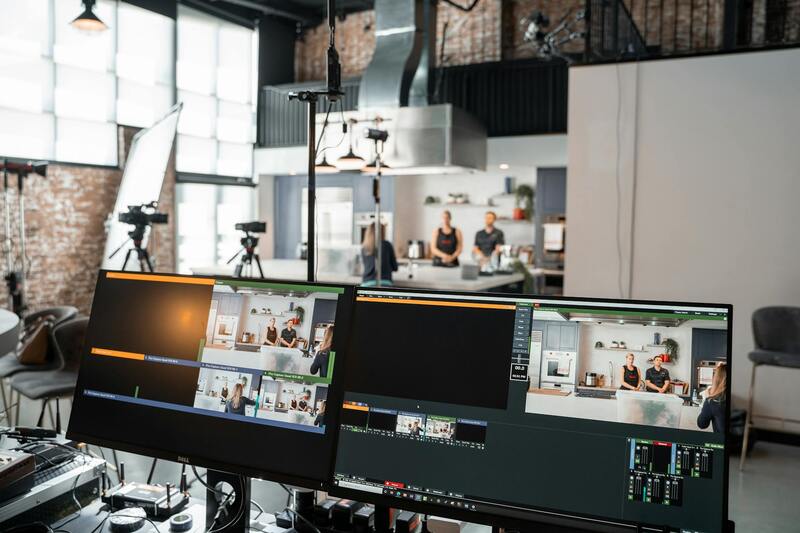
Real estate photography specialists serve as the visual architects of property marketing, translating the essence of a home into compelling images that resonate with potential buyers. Their expertise lies not only in capturing attractive visuals but also in understanding the unique selling points of each property. By applying their knowledge of lighting, angles, and composition, these professionals ensure that each image highlights the property's best features, minimizes imperfections, and creates an appealing narrative that engages viewers. Their work is vital in creating a first impression that can significantly influence a buyer’s decision-making process, especially in competitive markets such as Miami where high-quality visuals are expected and valued.
Skills and Techniques Used by Professionals
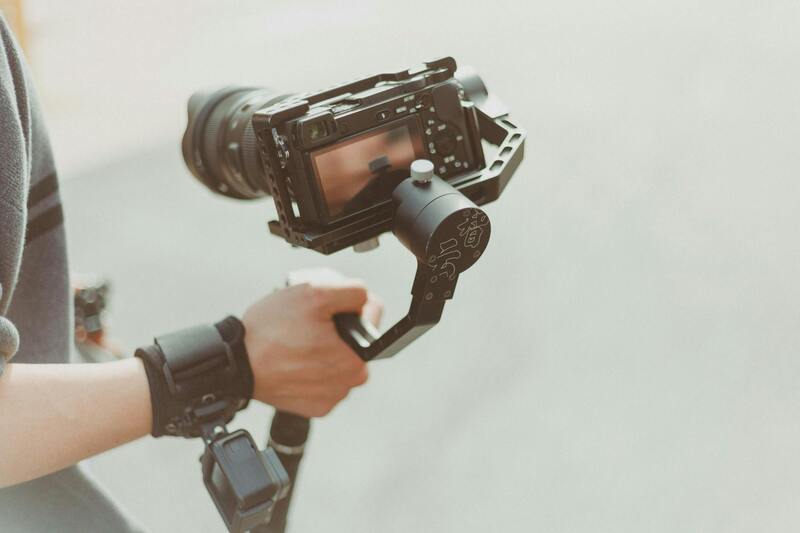
Real estate photography specialists employ a comprehensive suite of skills and techniques tailored to showcase properties effectively. Mastery in lighting is essential; professionals often shoot during the golden hour or use supplemental lighting to create warm, inviting atmospheres that accentuate a property’s features. Composition skills guide the arrangement of spaces within the frame, ensuring that each photo captures the flow and functionality of the property. Techniques like the use of wide-angle lenses amplify spatial dimensions, making rooms appear open and accessible. Additionally, they utilize HDR imaging to blend multiple exposures, balancing interior and exterior lighting, revealing details that might be lost in high-contrast scenes. Mastering these techniques ensures that every visual asset is poised to impress and persuade prospective buyers.
Types of Equipment and Technology
High-caliber real estate photography depends on specialized equipment that guarantees precision and clarity. Professional cameras equipped with high-resolution sensors form the backbone of quality imaging, capturing intricate details that enhance visual realism. Wide-angle lenses are indispensable for providing comprehensive views of interiors and exteriors, helping potential buyers grasp the scale and layout of a property. Stabilization tools like tripods and gimbals ensure sharpness and consistency across shots, even in challenging lighting conditions. Drones have revolutionized the portrayal of large estates or waterfront properties, offering striking aerial perspectives that display the context of the property within its surroundings. Technologies like HDR, which merge multiple exposures for balanced lighting, and 3D virtual tours, that enable interactive walkthroughs, are increasingly incorporated to elevate the immersive quality of property presentations.
Impact of High-Quality Photography on Property Listings
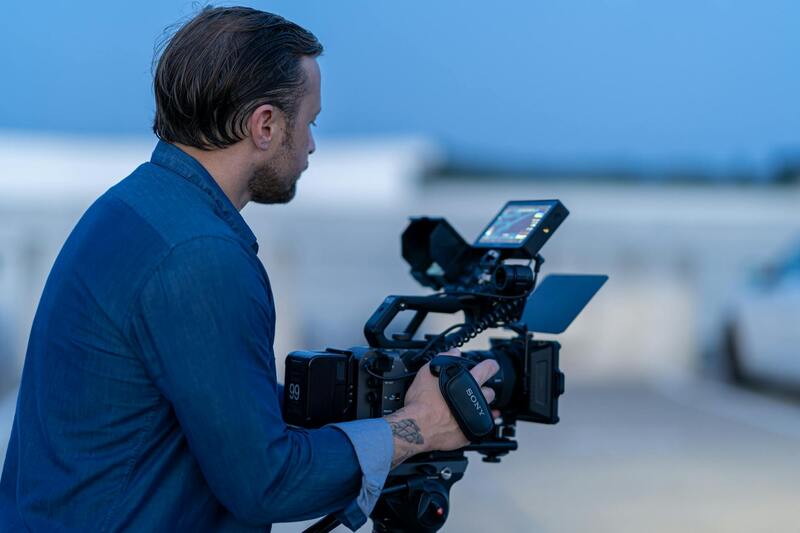
The visual quality of property images plays a pivotal role in shaping buyer perceptions and engagement levels. Listings featuring professionally taken photos tend to generate higher click-through rates and longer viewing durations, which can translate into faster sales. Crisp, well-lit images convincingly showcase a property's potential, helping buyers imagine themselves living there. Conversely, subpar images can deter interest, making properties appear less appealing or harder to evaluate. High-resolution visuals also enable detailed online browsing, allowing prospective buyers to scrutinize features and gauge property condition remotely. This heightened visual appeal not only attracts a broader pool of potential buyers but also positions the property as a premium listing, often justifying higher price points and faster closing times.
Industry Standards and Best Practices
Adhering to industry standards ensures consistency, professionalism, and maximum efficacy in real estate photography. Best practices include shooting at optimal times of day when natural light enhances interiors, staging spaces to maximize visual appeal, and maintaining a clean, clutter-free environment. Professional editors work meticulously on color correction and image enhancement, preserving true-to-life accuracy while elevating visual impact. Scripting a standardized workflow that includes planning, shooting, editing, and delivery guarantees a seamless process. Incorporating modern technologies such as virtual tours, 3D walkthroughs, and drone footage aligns with contemporary marketing expectations. Moreover, continuous education and staying updated on emerging trends enable specialists to adapt techniques and equipment, maintaining a competitive edge in the Miami real estate market.
Role of Real Estate Photography Specialists
Real estate photography specialists serve as vital contributors to the property marketing ecosystem. They possess the expertise to capture compelling visuals that highlight a property's unique features, architectural details, and overall charm. By leveraging their artistic eye and technical skills, these professionals transform ordinary spaces into captivating visual narratives that resonate with potential buyers. Their ability to interpret the property’s best angles, optimize lighting conditions, and stage interiors effectively creates images that evoke emotion and desire, making listings stand out in a competitive market.
These specialists also ensure consistency in branding and presentation across multiple listings, reinforcing the credibility and professionalism of real estate agencies. They understand how to tailor their approach to different property types, whether residential, commercial, or luxury estates, aligning their strategies with the target audience's preferences. Through strategic image composition and meticulous post-processing, real estate photography specialists play an integral role in elevating property visibility and attraction.
Skills and Techniques Used by Professionals
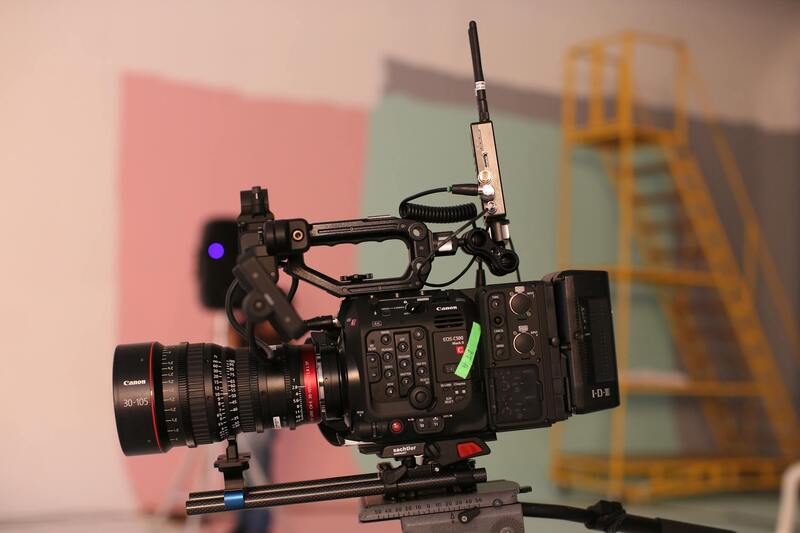
Real estate photography professionals employ a diverse set of skills to produce high-impact images. They are adept at utilizing advanced techniques such as wide-angle shooting to maximize space, HDR (High Dynamic Range) imaging to balance interior and exterior lighting, and strategic staging to ensure each room’s best features are highlighted. Understanding the importance of natural light, specialists often schedule shoots during optimal times of day to capture the property in its most flattering state.
Moreover, they incorporate composition principles like the rule of thirds and leading lines to guide viewers’ eyes and create visual interest. Image editing plays an essential role in refining photographs, with color correction, perspective adjustments, and minor retouching enhancing overall presentation without misrepresenting the property's true appearance. This meticulous approach ensures that listings are both visually appealing and accurate reflections of the property, facilitating confident decision-making by prospective buyers.
Types of Equipment and Technology
The backbone of professional real estate photography is the advanced equipment and cutting-edge technology employed. High-resolution DSLR or mirrorless cameras form the core of image capture, enabling crisp, detailed visuals that can be enlarged without loss of quality. Wide-angle lenses are commonly used to showcase spatial dimensions and give viewers a comprehensive perspective of each room.
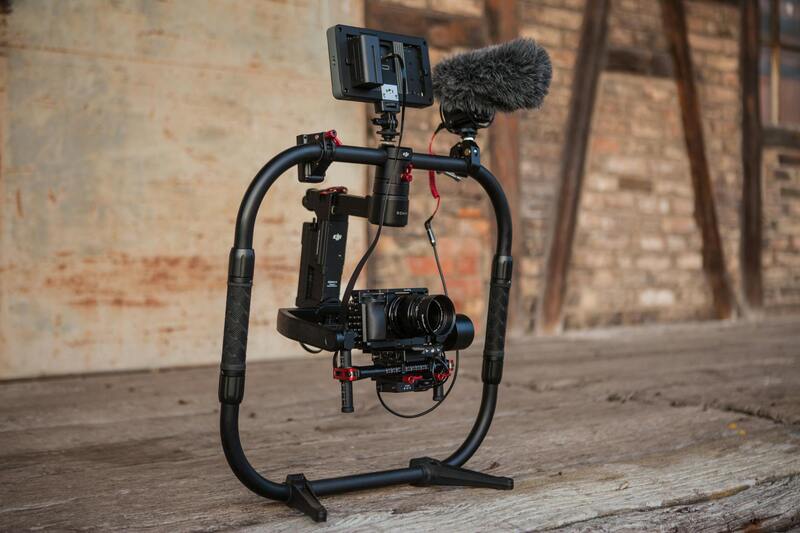
Additional tools include tripod mounts to ensure stability during long exposures, drone technology for aerial imagery that highlights property exteriors and surrounding areas, and advanced lighting equipment to fill in shadows and enhance interior brightness. Recent technological innovations such as 3D mapping and virtual reality software further augment the presentation, offering immersive experiences for online viewers. Post-processing software like Adobe Photoshop and Lightroom allows specialists to fine-tune images, ensuring optimal delivery that aligns with marketing objectives.
Impact of High-Quality Photography on Property Listings
The quality of photographs directly influences how a property is perceived in the marketplace. High-resolution, professionally captured images draw more attention in online listings, significantly increasing the number of views and inquiries. They facilitate a virtual experience that allows prospective buyers to explore spaces remotely, fostering a stronger emotional connection and confidence in the property’s appeal.
Listings featuring compelling images tend to generate quicker responses and higher interest levels, often leading to faster sales. Moreover, visually striking photos position a property as a premium offering, which can justify higher asking prices and attract serious buyers. In competitive neighborhoods like Miami, where buyers have numerous options, standout visuals become a crucial factor in securing a deal swiftly.
Industry Standards and Best Practices
Maintaining professional standards is essential for ensuring consistency and excellence in real estate photography. Industry best practices include shooting during times when natural light naturally enhances interior space, often early morning or late afternoon. Proper staging and decluttering are fundamental to present properties at their best, highlighting architectural features and creating inviting atmospheres.
Post-production processes follow strict guidelines to preserve the property's authentic appearance while improving visual clarity and color balance. A standardized workflow encompasses pre-shoot planning, precise execution, meticulous editing, and timely delivery to clients. Incorporating innovative tools like virtual tours, drone footage, and 3D walkthroughs aligns with evolving buyer expectations, offering comprehensive views and immersive experiences. Constant education and staying abreast of technological advances ensure specialists provide contemporary, effective marketing visuals that resonate across Miami's dynamic real estate landscape.
Choosing the Right Photography Specialist in Miami
Selecting an experienced provider involves evaluating their portfolio, understanding their familiarity with local market trends, and their ability to adapt to various property types. Workshops, certifications, and ongoing education reflect a specialist’s commitment to quality and innovation. Additionally, reputable agencies will provide tailored solutions that meet specific marketing goals, ensuring properties are showcased in their best light. Ultimately, partnering with a proven professional enhances listing appeal, accelerates transactions, and sustains a competitive edge in Miami’s vibrant real estate sector.
Cost and Value of Professional Real Estate Photography
Investing in high-quality real estate photography offers substantial returns by increasing listing visibility and buyer engagement. While pricing varies based on property size, location, and project scope, the value gained through professional imagery often outweighs the initial expenditure. Better photographs can lead to quicker sales at higher prices, reducing time on the market and associated costs for property owners and agents. The professionalism and consistent quality delivered by specialists also reinforce credibility, translating into more successful marketing campaigns and long-term client relationships.