Factors Influencing Real Estate Photo Pricing
Setting the right price for real estate photography services requires a comprehensive understanding of several key factors that directly influence the overall cost. These elements help photographers and agencies establish competitive yet fair pricing strategies that reflect the quality of their work and the specifics of each property. When evaluating real estate photo pricing, variables such as property size, location, and the photographer’s experience play critical roles in determining the final costs presented to clients. Recognizing how these factors interact allows professionals to develop transparent and justifiable pricing models that meet market expectations while maintaining service excellence.

Property Size
The physical dimensions of a property significantly impact the time, effort, and resources required to complete a shoot. Larger homes with multiple rooms, extensive outdoor spaces, or complex architectural features necessitate more equipment, staging, and editing work, translating into higher costs. Conversely, smaller or simpler layouts typically require less preparation and post-processing, making the pricing more straightforward. Accurate assessment of property size ensures that photographers allocate appropriate resources and set pricing that reflects the scope of work involved.
Location
The geographic position of a property within Miami or surrounding areas influences pricing due to differences in accessibility, demand, and logistical considerations. Properties located in high-demand neighborhoods or remote areas may incur additional travel expenses or require specialized equipment to capture their unique features. Market conditions within specific Miami districts can also affect pricing, with more competitive or affluent locations often commanding higher fees to match the expectations of clients seeking premium presentation.
Photographer Experience and Skill Level
The proficiency and reputation of the photographer are vital elements in pricing strategies. Experienced professionals with an extensive portfolio of successful real estate images are typically able to command higher rates due to their proven ability to produce compelling visuals that sell properties faster. Skilled photographers employ advanced techniques, high-end equipment, and meticulous editing processes to ensure each shot highlights the property's best attributes. Clients often perceive higher-priced services as delivering greater value, making experience an essential component of justified real estate photo pricing.
Factors Influencing Real Estate Photo Pricing
In the competitive Miami real estate market, setting the right price for professional photography services requires a detailed understanding of various influencing factors. These determinants help photographers and agencies balance their service quality with market demand and operational costs, ensuring sustainable pricing strategies that reflect true value.
Property Size and Complexity
The size of the property remains a primary variable in determining photographic costs. Larger homes, commercial spaces, or properties with unique architectural features necessitate more extensive planning, additional time for setup, and multiple shots from various angles. Properties with intricate designs or extensive outdoor areas can also demand specialized equipment such as drone photography or HDR imaging, which influences overall pricing. Conversely, smaller or simpler layouts generally involve fewer resources, resulting in more predictable and affordable rates.
Location and Accessibility

The geographic setting of a property significantly impacts pricing. Properties situated in high-demand Miami districts, such as Miami Beach or Coral Gables, often command premium rates due to higher client expectations and customer willingness to invest in premium presentation. Remote or less accessible locations may incur additional travel expenses, and photographers might need specialized equipment or permissions to access certain sites, all of which influence the final price.
Photographer Experience and Skill Level
An experienced photographer with a robust portfolio and a reputation for producing compelling, high-quality images can justifiably charge higher rates. Skilled professionals utilize advanced techniques, professional-grade equipment, and detailed post-processing to ensure each shot enhances property appeal. Clients seeking faster sales or premium listings are often willing to pay more for expert services that can dramatically reduce the time a property spends on the market.
Market Demand and Client Expectations
Real estate photography pricing also reflects current market conditions in Miami. During peak selling seasons, increased demand for high-quality imagery can lead to higher prices, especially for agencies or photographers with a strong reputation. Moreover, client expectations for visual presentation play a role; luxury listings typically demand higher standards, such as twilight images, 3D walkthroughs, or aerial shots, which may involve additional charges.
Post-Processing and Editing Requirements
The complexity of editing required for a property can significantly influence pricing. Basic adjustments to color and contrast are included in standard packages, but extensive retouching, object removal, or virtual staging require extra time and expertise. These advanced editing services contribute to a more polished final product and are reflected in the cost structure.
Equipment and Technology
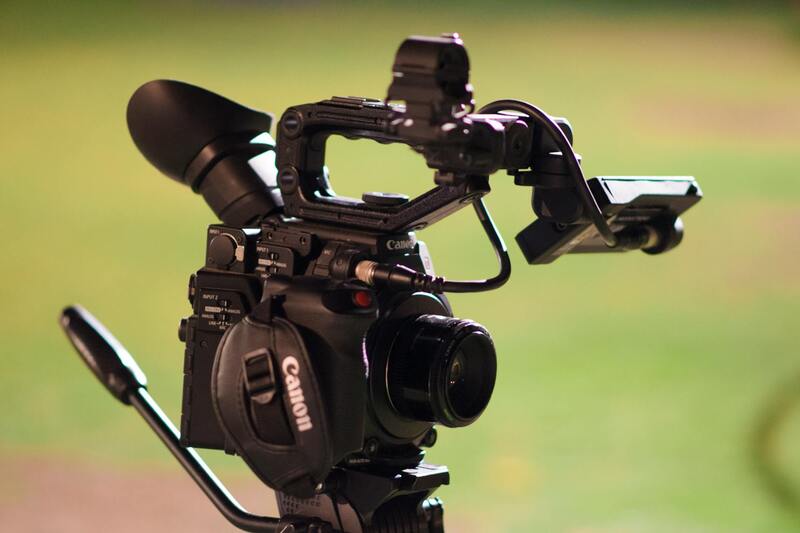
Utilizing cutting-edge equipment—such as high-resolution cameras, drone technology, or stabilized gimbals—entails higher operational costs. Photographers investing in the latest tools can deliver superior images but often pass those costs onto clients through adjusted pricing. This investment in quality equipment is crucial for capturing Miami’s diverse property styles and unique architectural features effectively.
Factors Impacting Real Estate Photo Pricing Variability
Pricing for real estate photography services in Miami can fluctuate based on several dynamic factors that reflect both the scope of the project and the specific needs of clients. While standard packages provide a baseline rate, variations are common when certain elements influence the overall workload or require specialized skills and equipment.
One of the primary considerations is the size and complexity of the property. Larger estates or multi-story buildings demand more extensive coverage, often involving additional time for setup, shooting, and post-processing. Similarly, properties with intricate architectural details or unique design features may necessitate specialized techniques, such as HDR imaging or drone photography, which can increase costs.
Location within Miami also plays a significant role. Prime neighborhoods with high-value listings or properties situated in areas with restricted access may incur premium charges due to logistical challenges or higher demand. Conversely, homes in less central areas might be priced slightly lower, aligning with local market conditions.

Client requirements further influence pricing. For example, real estate agents seeking all-encompassing visual packages—including aerial shots, 3D walkthroughs, and high-definition video—should anticipate higher fees. These comprehensive services demand additional equipment, technical expertise, and editing time, all of which contribute to variable rates.
Meanwhile, seasonal shifts impact demand and availability, with peak selling months commanding higher prices due to increased activity. Photographers and agencies may also adjust their prices based on their reputation and specialization; those with extensive experience or exclusive capabilities command premium rates.
Factors That Impact Pricing Variability
Understanding the nuances that influence real estate photo pricing is essential for professionals aiming to position their services competitively in the Miami market. Several key aspects contribute to fluctuations in established rates, primarily driven by the complexity of the property, specific client requirements, and the scope of the shoot.
Property Complexity and Size
Large estates or multi-story buildings often demand more extensive planning, equipment setup, and coverage time, which naturally elevates costs. Similarly, properties with intricate architectural features, such as ornate facades or custom interior designs, require specialized techniques like high-dynamic-range (HDR) imaging or drone photography to accurately capture their unique characteristics. These added processes contribute to higher rates due to the increased technical expertise and time required.
Timing and Environmental Conditions
Scheduling shoots during specific times of the day, such as twilight or dawn, can significantly affect pricing. Lighting conditions are crucial for creating appealing images that highlight a property's best features, and capturing these precise moments may involve waiting for optimal weather and lighting conditions. Additionally, seasonal shifts—when demand for real estate photography peaks—may lead to increased prices, especially if photographers need to prioritize certain projects or adjust their schedules accordingly.
Post-Processing and Editing Requirements
The scope of post-processing directly influences pricing. Basic retouching, such as color correction and straightening, is standard, but more advanced editing like virtual staging, object removal, or HDR blending entails additional hours and technical effort. Agencies offering high-end virtual tours or 3D walkthroughs further justify premium rates based on the sophistication and scope of their editing capabilities.
Client-Specific Needs and Service Packages
Clients requesting comprehensive visual packages—including aerial shots, virtual tours, and high-definition videos—should expect to pay a premium. These services necessitate specialized equipment, extended shoot times, and advanced editing skills. Photographers may also customize packages based on individual property requirements, influencing the overall price point.
Logistical Considerations
Properties located in hard-to-access areas, such as gated communities or for waterfront estates, often incur additional charges. Permitting processes, restricted access, or the need for specialized equipment like drones to capture aerial views are factors that contribute to pricing variability. In some cases, the proximity to Miami's prime neighborhoods, with higher market values, prompts set rates to be adjusted upwards to reflect the demand and logistical complexities involved.
Factors That Impact Pricing Variability
When determining the cost of real estate photography, several key elements influence how prices are set across different projects. Understanding these factors helps photographers and agencies establish fair, competitive rates while maintaining quality and profitability.
One primary consideration is the scope of post-processing and editing. Basic edits, such as adjusting brightness, contrast, and color correction, are typically included in standard rates. However, when clients require more sophisticated enhancements—like virtual staging, removal of unwanted objects, or HDR blending—the complexity increases. These additional editing processes are labor-intensive and demand advanced technical skills, which can justify higher charges. For example, a property that requires extensive virtual staging to showcase potential layouts or digital object removal for a cleaner presentation will cost more due to the extra work involved.

Another factor is the client-specific needs and the service packages provided. Agencies that bundle various media formats—such as aerial shots, 360-degree virtual tours, high-definition videos, and even drone footage—set higher price points. These comprehensive packages leverage specialized equipment and enhanced editing techniques, ultimately requiring more time and expertise. Customization based on the property's attributes, size, and location also influences overall pricing.
Logistical considerations further impact costs, especially for properties situated in challenging or exclusive locations. Gated communities, waterfront estates, or properties in remote areas necessitate additional planning, permits, and possibly the deployment of specialized equipment like drones. The use of drones for aerial imagery, in particular, involves certifications and potential fees for obtaining permissions, which can increase the project’s total expense.
Lastly, market demand and property value in Miami also influence pricing. High-demand neighborhoods with premium listings often see rates adjusted upwards to reflect the market’s expectations and the logistical demands of capturing compelling visuals in these sought-after areas. These pricing variations ensure that photographers can sustainably operate while delivering high-quality results tailored to each property's unique characteristics.
Factors Influencing Real Estate Photo Pricing
Understanding the elements that determine real estate photo pricing is essential for both clients and professionals in the Miami market. Several key factors play a role in shaping the final cost, including the scope of the project, property features, and the level of detail required.
Primary considerations encompass the size of the property, the variety of shots needed, and the complexity of the environment. Larger homes or commercial properties demand more extensive shot lists, requiring additional time and equipment. Similarly, properties with unique architectural features or luxurious finishes may necessitate specialized techniques to capture their essence effectively.
The location of the property also impacts pricing. Homes situated in high-demand neighborhoods or remote areas may involve more logistical planning. For instance, waterfront estates or properties within gated communities often require permissions, permits, and careful scheduling, all of which contribute to higher costs. Additionally, properties that demand aerial or drone photography involve licensed operators and special equipment, further influencing the price structure.
Another significant element is client-specific requests, such as virtual tours, twilight photography, or high-definition videos. These add layers of complexity and time investment, directly impacting pricing. Seasonal or market-specific demands can also sway rates; during peak real estate seasons, prices tend to reflect increased demand for professional-quality imagery.
Common Pricing Models for Real Estate Photography
There are several standard approaches to pricing in the industry, each suited to different client needs and project scopes. Most professionals adopt a flat fee, package-based pricing, or per-photo model, depending on the services offered and the level of customization required.
- Flat Rate Packages: These offer clients predefined sets of images based on property size and type, typically including a set number of images, basic editing, and sometimes virtual tour options.
- Per-Photo Pricing: Ideal for clients who require specific shots or want flexible options, this model charges a set fee for each image delivered, allowing for precise cost management.
- Hourly Rates: Sometimes used for complex projects or large-scale marketing campaigns, hourly rates cover the photographer's time, editing, and setup requirements, especially when multiple properties are involved.
Choosing the right model depends on the project scale, the level of detail necessary, and client preferences. Transparency in pricing helps foster trust and clarity across all engagements.
Average Price Range for Miami Real Estate Photography
Pricing for Miami real estate photography can vary widely based on several factors, but typical rates range from $150 to $500 per property. Entry-level packages for smaller homes or apartments often start at the lower end of this spectrum, offering basic images and minimal editing. Premium services for high-end properties or luxury estates, incorporating aerial shots, virtual tours, and extensive retouching, can elevate costs well beyond the $500 mark.
It’s common for photographers to offer tiered packages, allowing clients to select services aligned with their budget and marketing goals. For example, a standard package might include 20-25 images captured at dusk or during optimal lighting conditions, with basic post-processing, while a full-service package offers comprehensive marketing media, including videos and 3D walkthroughs.

Given Miami’s vibrant real estate market, prices tend to be competitive but reflect the high quality and sophisticated techniques required to showcase properties effectively. Professionals often adjust their rates based on the property’s exclusivity and the anticipated marketing impact, ensuring investments translate into compelling visual narratives.
Factors That Impact Pricing Variability
Multiple factors can cause fluctuations in real estate photo pricing within Miami’s dynamic market:
- Property Size and Layout: Larger or more complex layouts require additional shooting time and editing efforts.
- Location and Accessibility: Difficult-to-access locations or properties within restricted areas can incur extra charges for permits, transportation, or specialized equipment.
- Media Formats and Enhancements: Incorporating aerial drone footage, twilight photos, or 3D virtual tours adds to the cost due to the need for specialized skills and equipment.
- Turnaround Time: Expedited delivery options, often essential in competitive markets, typically involve premium pricing strategies to accommodate quick editing and delivery schedules.
- Seasonal Demand and Market Trends: Fluctuations in demand during peak listing seasons can influence pricing, with some providers adjusting rates according to market conditions.
Understanding these determinants allows both photographers and clients to approach pricing discussions with clarity, ensuring mutually beneficial arrangements while maintaining high standards of visual presentation.
Factors Influencing Real Estate Photo Pricing
Pricing for real estate photography in Miami is shaped by a combination of technical requirements, property specifics, and client expectations. The cost structure often considers the size and complexity of the property, the type of visuals needed, and the level of post-production involved. Properties with intricate architectural details or expansive layouts demand more shooting time and editing, which naturally leads to higher costs. Properties in desirable or hard-to-access locations may necessitate additional logistics, such as permits, specialized transport, or equipment, impacting the overall price. Moreover, the inclusion of advanced media formats—such as drone footage, twilight shots, or 3D virtual tours—requires specialized skills and tools, significantly influencing the pricing. Turnaround times also play a crucial role; clients needing rapid deliveries often pay a premium for expedited processing. These variables collectively drive the diversity in pricing strategies across Miami’s competitive real estate market, demanding clarity and transparency from photographers and clients alike to ensure mutual understanding of value and expectations.

Common Pricing Models for Real Estate Photography
Residential real estate agents and property owners typically encounter several standard models when engaging photography services. Fixed packages are popular, offering a set number of high-quality images and a guaranteed delivery timeline for a predetermined fee. Per-property pricing is also common, where the cost is calculated based on the property size, level of detail, and media formats requested. Some professionals implement tiered pricing, providing basic options with essential photos and premium packages featuring advanced visuals like aerial shots or virtual tours. Additionally, hourly rates are sometimes applied, especially for properties requiring extensive onsite work or multiple visits. The choice of model often depends on the property’s uniqueness, the scope of the project, and the preferences of the client, helping streamline budgeting and project planning processes.
Average Price Range for Miami Real Estate Photography
In Miami, the cost for professional real estate photography varies broadly yet generally falls within certain ranges. Basic packages for smaller or less complex properties tend to start around $150 to $300, providing essential photos suitable for standard listings. Mid-tier services, which include exterior shots, interior photos, and basic editing, typically range from $300 to $600. For larger properties, luxury homes, or those requiring specialized features such as drone or twilight images, prices often extend from $600 to $1,200 or higher. These figures serve as general benchmarks within Miami’s thriving market, where competition encourages a spectrum of pricing options aligned with property value and marketing goals. Clients should evaluate offerings comprehensively, balancing cost against the quality and scope of visual assets delivered.
Factors That Impact Pricing Variability
Several key elements drive fluctuations in real estate photography costs in Miami. The physical aspects of the property, including total area, number of rooms, and architectural complexity, directly influence shooting time and editing effort. Properties situated in remote or hard-to-access locations may incur extra charges for permits, transportation, or inclement weather adaptation. The demand for high-end digital formats—such as aerial drone imagery, twilight photography, and virtual tours—requires specialized skills, often commanding higher prices. Urgency for rapid turnaround also impacts prices, especially when clients require immediate image delivery for time-sensitive marketing campaigns. Seasonal market activity, such as increased listings during peak selling seasons, can cause providers to adjust their rates accordingly, reflecting market demand and operational costs. Recognizing these factors helps all parties establish fair, transparent, and effective pricing arrangements that meet project needs while respecting budget constraints.
Pricing Tips for Photography Agencies and Freelancers
For professionals operating within Miami’s vibrant real estate sector, establishing a sustainable and profitable pricing structure is crucial. Begin with a clear understanding of the scope of work and customize your rates based on property size, desired media formats, and client expectations. Leverage detailed quoting to clarify what is included in each package, avoiding surprises or undervaluing services. Consider offering tiered packages to appeal to different market segments, from budget-conscious clients to luxury property owners. Efficient workflows, including batching editing processes and utilizing high-quality equipment, can help control costs and improve turnaround times, allowing for competitive yet fair pricing. Regularly researching market rates and adjusting your prices accordingly ensures competitiveness while reflecting the quality of your offerings. Building strong client relationships through transparent communication about pricing and value fosters repeat business and positive referrals, essential in Miami’s thriving real estate scene.
Additional Costs to Consider in Real Estate Photo Pricing
When setting prices for real estate photography, it’s important to account for various supplementary expenses that may impact profitability. Equipment upgrades or maintenance, including camera gear, drones, and lighting, incur ongoing costs. If a shoot necessitates permits, especially for drone operations or twilight photos in restricted areas, these fees should be incorporated into pricing. Travel expenses, including transportation, accommodations, and per diems, become relevant for properties in remote Miami suburbs or nearby islands. Post-production processes, such as advanced editing, HDR processing, or virtual staging, may increase labor hours and thus expenses. Additionally, licensing or copyright fees for certain images or formats might influence overall pricing structures. Transparency about these potential extra costs helps clients understand the comprehensive value they receive while enabling photographers to maintain sustainable operations across fluctuating project scopes.
Factors Influencing Real Estate Photo Pricing
Setting the appropriate price for real estate photography services involves evaluating several critical factors that affect both costs and perceived value. Location plays a significant role; properties in high-demand Miami neighborhoods with luxurious and distinctive features often command higher rates due to the specialized skills and equipment required to showcase their appeal effectively. Additionally, the size and complexity of the property influence pricing, as larger homes or commercial spaces necessitate more extensive shot lists, equipment, and editing time.
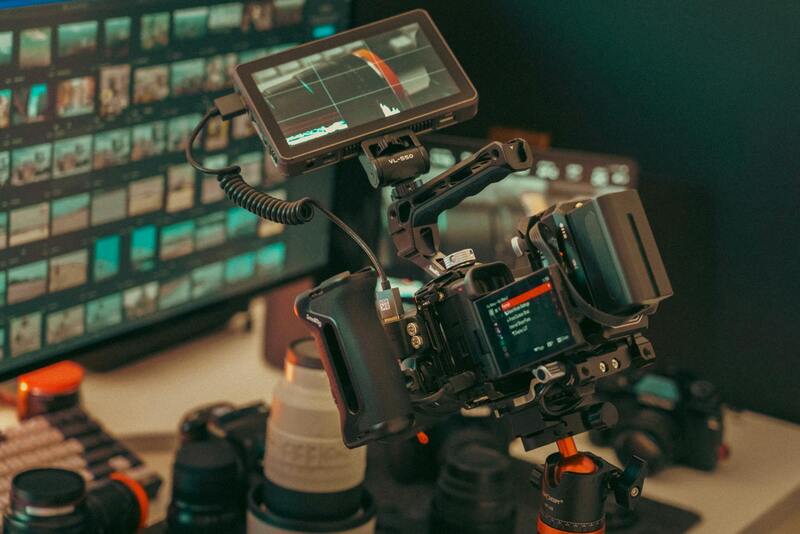
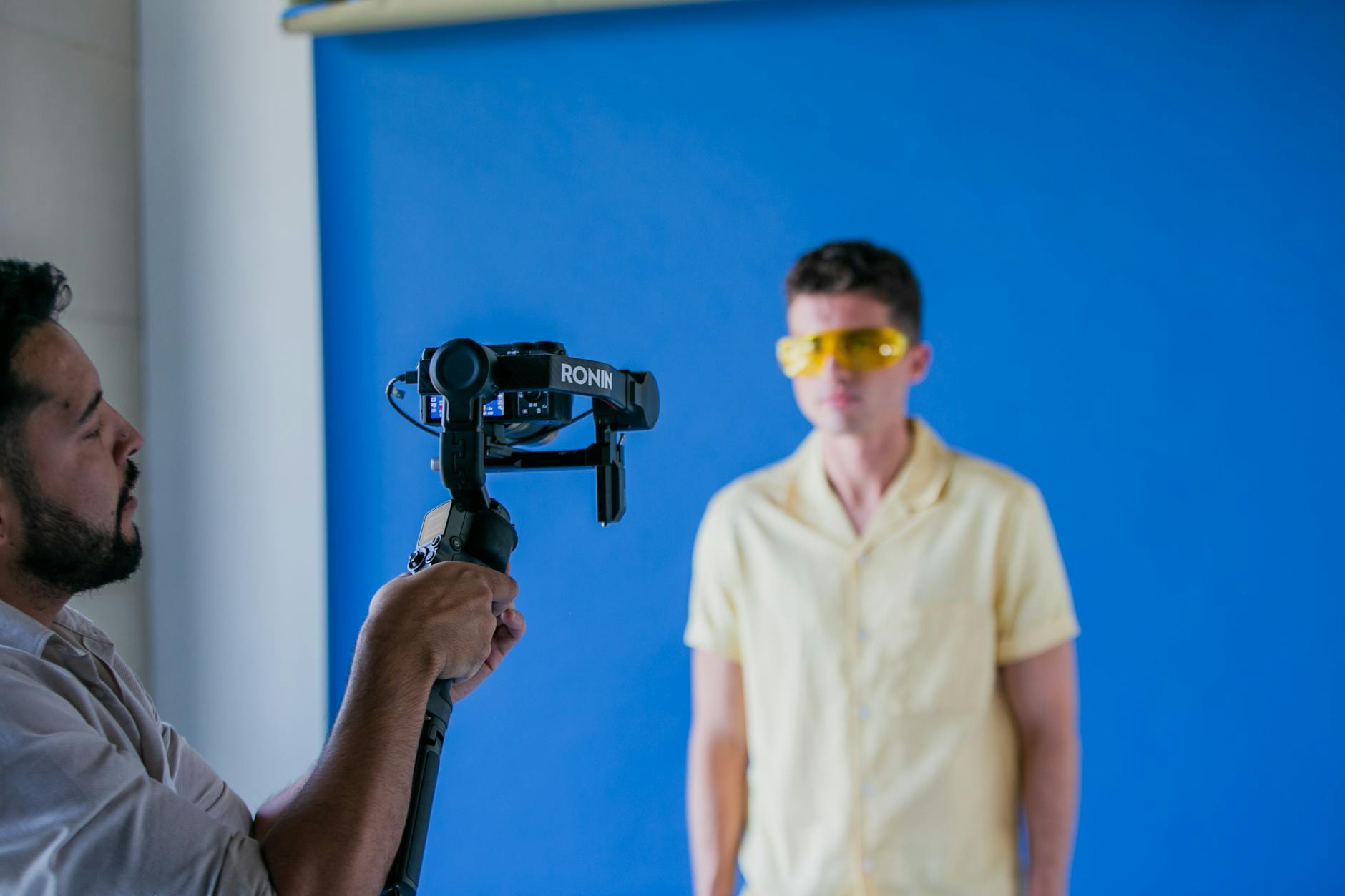
Equipment quality and specialization are other key elements. High-end cameras, drone technology, and editing software enable capturing superior images but also come with higher depreciation or rental costs, which should be reflected in service pricing. The scope of the project, including the number of images required, shoot duration, and the complexity of client requests (such as twilight shots or virtual staging), directly impacts pricing structures. Travel distance and accessibility to the property are also vital considerations; remote or hard-to-reach locations entail additional logistical planning and costs.
Common Pricing Models for Real Estate Photography
Real estate photographers and agencies typically adopt a few standard models to determine their rates. The most prevalent includes the flat fee model, where a fixed rate is charged per property regardless of the project scope. This approach simplifies decision-making for clients and streamlines billing but requires thorough assessment of the average time and resources needed for each property type.
Hourly rates are another common method, especially suited for larger or more complicated shoots where the project’s duration can vary significantly. This model ensures photographers are compensated for all the time spent on capturing images, editing, and client communications. Additionally, some professionals offer tiered packages, providing clients with options for basic, standard, and premium photography services, each with a set number of images and additional features like drone shots or virtual staging.
Average Price Range for Miami Real Estate Photography
In Miami’s competitive real estate market, pricing can vary widely based on property type, location, and service scope. On average, a basic real estate photoshoot may start at around $150 to $300 for a modest property, with larger or more luxurious homes commanding between $300 and $700 or more. Prime listings in high-end neighborhoods or commercial properties might see prices exceeding $1,000, especially when coupled with advanced features like aerial photography, twilight shots, or virtual tours.
Freelance photographers tend to offer more flexible rates, often adjusting prices based on the client’s specific needs. Agencies, meanwhile, may have standardized packages that incorporate multiple services, enabling them to offer competitive pricing on bulk or repeat projects while maintaining quality consistency.
Factors That Impact Pricing Variability
Several specific elements contribute to fluctuations in real estate photo pricing. The uniqueness of the property, including architectural style or historic significance, may require specialized photographic techniques or equipment. The scope of the shoot—number of images, inclusion of video, virtual tours, or 3D walkthroughs—also influences costs. Urgency or tight deadlines can necessitate overtime or expedited editing, impacting overall fees.
Geographical location within Miami affects pricing due to travel and logistical considerations. Properties in remote or less accessible areas might incur additional transportation costs. Client demands, such as multiple revisions or specific shot angles, can extend project timelines and labor hours, leading to increased pricing. Additionally, the level of professional editing and post-production desired by the client significantly influences the final rate, as intricate edits require more skilled labor.
Pricing Tips for Photography Agencies and Freelancers
Professionals operating in the Miami real estate market should focus on transparent, value-based pricing strategies. Clearly defining what each package includes helps manage client expectations and reduces scope creep. Establishing tiered pricing models allows flexibility, enabling clients to select services aligned with their budgets while encouraging upselling for premium features.
Investing in a thorough market analysis to understand competitors' pricing ensures your rates remain competitive yet profitable. Offering added value through quick turnarounds, high-quality editing, or personalized consultations can justify premium prices. Regularly reassessing your cost structure and investing in skill development and equipment upgrades helps maintain a competitive edge and justifies your pricing model.
Additional Costs to Consider in Real Estate Photo Pricing
When devising your pricing structure, it’s essential to account for ancillary expenses that may arise during project execution. Equipment upgrades, such as new cameras, drones, or lighting systems, involve significant investment and maintenance costs. Permits, especially for drone photography or shooting in restricted domains, often come with fees that should be incorporated into the project estimate.
Travel and accommodation expenses might be necessary for properties located outside central Miami or in neighboring islands, adding to the overall budget. Post-production tasks like advanced editing, virtual staging, or HDR processing increase labor hours, influencing final charges. Licensing fees for commercial use or specific image formats can also alter pricing, especially if exclusive distribution rights are involved. Laid out transparently, these considerations enable clients to appreciate the comprehensive value of professional photography offerings.
Adjusting Prices in a Competitive Miami Market
To remain competitive, agencies and freelancers should adopt dynamic pricing strategies. Monitoring current market trends and adjusting rates gradually helps sustain profitability without deterring potential clients. Offering flexible packages or discounts for repeat clients encourages loyalty and volume business. When setting prices, consider factoring in seasonal demand fluctuations—peak times in Miami’s real estate calendar may warrant higher rates, whereas quieter periods could be an opportunity for promotional discounts. Effectively communicating the quality and scope of your services reassures clients of your value proposition, even when prices shift, supporting ongoing business growth in Miami’s vibrant property landscape.