Importance of High-Quality Real Estate Photos
In the competitive real estate market, the visual presentation of a property can significantly influence purchasing decisions. High-definition (HD) photos serve as a primary tool for capturing the essence of a property, showcasing its best features with clarity and vivid detail. These images provide potential buyers with a realistic and inviting view of the property, enabling them to envision their future home or investment with ease. The impact of HD photos extends beyond initial impressions. They play a crucial role in attracting more potential buyers by making listings stand out in online searches and marketing campaigns. Listings enhanced with sharp, professionally captured images tend to receive higher engagement—more clicks, longer viewing durations, and increased inquiries. Official photography methods, which rely on professional-grade equipment and skilled photographers, ensure that every detail of a property is accurately represented. The use of high-end cameras, proper lighting setups, and advanced techniques helps to reveal the true size, space, and appeal of the property, reducing ambiguities or misrepresentations that can deter buyers. Moreover, professional HD photos contribute to building trust and credibility. When listings are accompanied by high-quality visuals, it signifies transparency and professionalism, encouraging potential buyers to take the next step in their journey. For real estate agents and property managers, investing in high-definition imagery is an effective strategy to elevate their brand and improve overall listing performance. Images that highlight architectural details, interior layouts, and exterior landscapes serve as essential assets in a comprehensive marketing approach. They allow potential buyers to explore estates virtually, saving time and filtering out less serious inquiries. As digital platforms continue to dominate property searches, the importance of having crisp, compelling real estate photos cannot be overstated. High-resolution images also facilitate more effective social media marketing, drawing attention from a broader audience spectrum. Ultimately, the quality of real estate photos directly correlates to faster sales and higher property values, making it a vital component of a successful real estate marketing strategy.
Types of Photos Needed for Real Estate Listings
To optimize property presentation, it is essential to include a variety of high-quality images that comprehensively showcase every aspect of a property. This includes exterior shots, capturing the facade, landscaping, and overall curb appeal, which are often the first visual impressions potential buyers encounter. Additionally, interior photos should highlight key rooms such as the living areas, bedrooms, kitchens, bathrooms, and unique features that add value, like fireplaces, custom cabinetry, or scenic views.
Floor plans and virtual tours can also supplement traditional photography, providing detailed spatial context and allowing prospective buyers to virtually navigate the property. Incorporating images of special amenities—gym facilities, pools, patios, or outdoor entertainment areas—helps to present a full scope of the property's features, appealing to diverse buyer preferences. Consistent, well-lit, and professionally composed shots create a cohesive visual story that invites viewers to imagine themselves in the space.

Techniques for Shooting HD Real Estate Photos
Achieving stunning, high-definition property photos requires mastery of various photographic techniques. Proper lighting is paramount; shooting during daylight hours with natural light enhances colors and clarity, while supplemental lighting can eliminate shadows and highlight architectural details. Wide-angle lenses are invaluable for capturing more expansive views of rooms and exterior spaces, giving a sense of scale and openness.
To ensure sharpness and clarity, photographers employ stabilization equipment like tripods and focus on precise composition. Vertical and horizontal lines should be kept straight to avoid distortion, and photos should be taken from vantage points that showcase the best features of each room. Post-processing can enhance images further, adjusting brightness, contrast, and color balance for optimal visual impact.
Editing and Enhancing Real Estate Photos
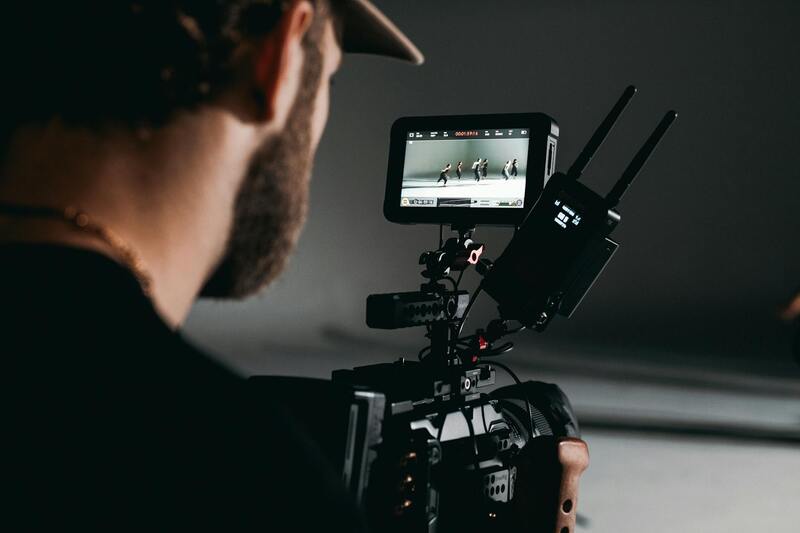
Post-shoot editing plays a critical role in delivering polished real estate visuals. Adjustments to exposure, contrast, and color correction help achieve accurate representations that attract viewers. Correcting lens distortion, straightening lines, and cropping images ensure that a property’s features are depicted precisely and attractively.
Selective editing can emphasize key areas, such as brightening darker corners or smoothing out minor imperfections, all while maintaining authenticity. Overly retouched images should be avoided to prevent misrepresentations, as transparency fosters trust and sets realistic expectations. High-quality editing enhances visual appeal without compromising the integrity of the property’s true appearance.

Choosing the Right Miami Photography Agency
Selecting a professional agency that specializes in real estate photography is crucial for obtaining high-quality images. Look for experienced photographers who understand the nuances of real estate marketing, including lighting techniques, staging, and post-production proficiency. An agency with a robust portfolio showcasing diverse property types demonstrates versatility and a commitment to excellence.
It is also valuable to consider agencies that are familiar with local market trends and possess the latest equipment for shooting in various lighting conditions. A reliable provider can deliver consistent results, work within tight deadlines, and adapt to specific property features, ensuring every listing is presented in the best light possible.

Integrating HD Photos into Marketing Platforms
Once high-definition images are captured and polished, they need to be integrated seamlessly into multiple marketing channels. Online listing platforms, social media accounts, email campaigns, and property websites all benefit from crisp, compelling photos that load quickly and display properly across devices. Optimized images prevent slow load times, which can deter potential buyers and reduce engagement.
Effective image integration involves proper file sizing, strategic placement within listings, and consistent visual branding. Virtual tours, slideshows, and 3D walkthroughs can supplement static images, providing immersive experiences that deepen buyer interest. For print marketing, high-resolution images should be printed with color accuracy and sharpness, ensuring the property's appeal translates well from digital to physical media.
Types of Photos Needed for Real Estate Listings
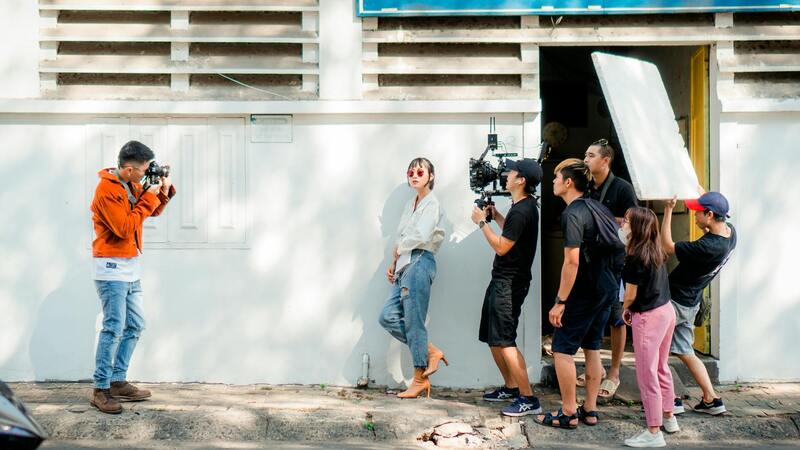
Creating a compelling real estate listing requires a comprehensive set of photos that showcase the property’s best features. High-quality visuals are crucial in capturing the attention of potential buyers and providing an accurate representation of the property’s layout and ambiance. The essential photos typically include exterior shots that highlight the property’s curb appeal, as well as interior images that reveal the flow and functionality of living spaces.
- Exterior Photos
- These images should emphasize the property's facade, landscaping, driveway, and entry points. Clear, well-lit exterior shots convey the overall condition and appeal of the home, making the first impression memorable.
- Interior Photos
- Interior shots should encompass key rooms such as the living room, kitchen, bedrooms, and bathrooms. Emphasis should be placed on natural lighting, spaciousness, and unique design elements. Proper staging and tidiness enhance visual appeal, allowing prospective buyers to envision themselves living there.
- Key Features and Upgrades
- High-resolution images of standout features such as fireplaces, hardwood floors, custom cabinetry, or state-of-the-art appliances help attract attention and highlight the property’s value enhancements.
- Amenities and Special Spaces
- Shots of outdoor spaces like patios, pools, gardens, or scenic views add depth to the listing. The same applies for amenities such as security systems, smart home features, or recent renovations that improve livability and convenience.
Each category of images should be captured using HD photography standards to ensure sharpness, clarity, and accurate color representation. Employing multiple shots from various angles allows viewers to gain a comprehensive understanding of the property, increasing the likelihood of engagement and inquiries.

Techniques for Shooting HD Real Estate Photos
Capturing high-definition photos of real estate properties requires meticulous attention to technical details. The quality of images significantly depends on optimal camera settings, lighting conditions, staging, and shooting angles. For professional results, a high-resolution DSLR or mirrorless camera equipped with a wide-angle lens (typically 14mm to 24mm) is recommended. These lenses help capture more of the space in each shot, providing viewers with a comprehensive understanding of room dimensions and layout.
Adjusting camera settings is crucial. Use a low ISO setting to minimize noise, typically ISO 100 or 200. Aperture selection should lean towards a narrower f-stop (f/8 to f/11) to ensure a greater depth of field, keeping the entire room in focus. Shutter speed should be balanced with the tripod's stability to avoid blur—bracket exposures if necessary to enhance dynamic range.
Proper lighting is essential. Whenever possible, shoot during daylight hours, taking advantage of natural light to prevent shadows and dark corners. Use wide-open curtains and blinds to maximize daylight penetration. Supplement natural light with external flash or continuous lighting to eliminate shadows and highlight architectural details, especially in rooms with limited windows.
Staging the property is a critical preparatory step. Declutter spaces, arrange furniture to showcase room dimensions, and add subtle decor to enhance aesthetic appeal. Using strategic angles, such as shooting from doorways or corners, can help portray more spacious interiors. A common approach involves capturing multiple shots from different viewpoints to allow an immersive virtual experience for potential buyers.
Ensuring consistent color balance and sharp focus across all shots creates a cohesive visual presentation. Some photographers utilize raw image formats for greater post-processing flexibility. Maintaining proper alignment and horizon level ensures professional-grade results, enhancing the overall attractiveness of the property listing.
Maximizing the Impact of HD Photos Through Strategic Presentation
Once high-quality real estate photos are captured, the next crucial step involves their strategic presentation to resonate with potential buyers and elevate the property's appeal. This includes selecting the most compelling images that showcase the unique features and layout of the property, as well as arranging them in a sequence that tells a cohesive story. Thoughtful arrangement of images—beginning with an inviting exterior shot, followed by spacious interior views, and concluding with special features—can guide viewers seamlessly through the property, creating an immersive virtual tour that entices further inquiry.
In addition, optimizing image resolution for various platforms ensures the photos remain crisp and engaging, whether displayed on a website, social media, or in virtual tours. Using high-resolution images avoids pixelation and preserves fine architectural details, which is essential for conveying quality and attracting discerning clients.

Furthermore, implementing consistent image styling—including color correction and uniform lighting—helps establish a professional and trustworthy brand identity. This consistency reassures viewers of the property’s integrity and enhances the overall aesthetic experience, making listings stand out in competitive markets.
Utilizing Visual Enhancements to Elevate HD Photos
While raw images provide a solid foundation, subtle enhancements in post-processing can significantly boost visual impact. Adjustments such as enhancing brightness and contrast can make interiors appear more inviting, while correcting color balance ensures walls and features look true to life. Perspective correction is also essential for eliminating distortions caused by wide-angle lenses, ensuring lines remain straight and architecture appears accurate.
Adding slight vignettes or sharpening details can draw attention to focal points within the images. These nuanced edits should enhance natural features without compromising realism, maintaining transparency and trust with prospective buyers.
Balancing Realism and Appeal in Post-Processing
The goal of image editing is to present properties in their best light without misrepresentation. Over-editing can lead to expectations that the property cannot meet upon physical viewing, which may harm the reputation of the listing in the long run. Therefore, each adjustment should aim to enhance clarity, vibrancy, and spatial perception while preserving an authentic appearance.
Employing professional editing standards guarantees that the images remain consistent across multiple listings, creating a recognizable and high-quality visual identity for your real estate marketing efforts. Consistent use of editing protocols also facilitates easier comparison for viewers, aiding faster decision-making and increasing engagement rates.
By meticulously selecting, presenting, and refining HD real estate photos, marketers can profoundly influence buyer perception, turning viewers into interested clients. This technical finesse combines with strategic staging and comprehensive presentation to deliver compelling listings that stand out in competitive property markets.
Choosing the Right Miami Photography Agency
When seeking to elevate a property listing with high-quality real estate photos, selecting a skilled photography agency based in Miami is crucial. A reputable agency will have a proven track record of delivering exceptional images tailored to the unique demands of real estate marketing. Key criteria to consider include their portfolio of previous work, particularly their experience with residential and commercial properties, and the ability to showcase properties in the best light via HD photography.
Understanding the agency’s technical expertise is essential. Superior equipment, such as professional-grade DSLR or mirrorless cameras with high-resolution sensors, ensures sharpness, clarity, and color accuracy. Additionally, their proficiency in using wide-angle lenses without distortion contributes significantly to capturing comprehensive spaces that invite engagement from prospective buyers.
An effective agency also offers comprehensive services that encompass not just photography but also post-processing, editing, and strategic advice on staging. These services ensure consistency across listings and help highlight a property’s best features. Client testimonials and reviews often serve as valuable indicators of their professionalism, reliability, and ability to meet deadlines.
Clear communication is another vital factor. An agency that understands the goals of real estate professionals and collaborates closely to tailor imagery to target audiences can significantly impact marketing success. Fast turnaround times and a flexible approach to scheduling serve as additional advantages, ensuring photos are available promptly for marketing campaigns.

Ultimately, partnering with a dedicated local agency familiar with Miami's real estate landscape ensures the images produced resonate with regional market trends and buyer preferences. This strategic choice boosts the property's visibility, helping listings stand out amid fierce competition and facilitating quicker sales.
Legal and Ethical Considerations in Real Estate Photography
When utilizing high-definition photos to market real estate listings, adherence to ethical standards and legal guidelines ensures transparency, professionalism, and respect for all parties involved. While not explicitly discussing legality here, it is essential to focus on practices that uphold trustworthiness and integrity in the photography process.
One critical aspect involves accurately representing a property. Photographers should avoid any form of image manipulation that could mislead potential buyers regarding the property's size, layout, or features. This includes refraining from augmenting photos with digital enhancements that could distort true dimensions or conceal flaws, as authenticity maintains the credibility of the listing and the reputation of the real estate agency.
Consistency across images is equally vital. All photos should be taken under similar lighting conditions and angles that genuinely reflect the property's true ambiance. This avoids creating false expectations and improves the credibility of the listing, which can positively influence buyer trust and decision-making.

Practitioners must also acquire proper permissions before photographing properties, especially when spaces require intentional staging, use of proprietary furniture, or inclusion of artwork and decor. Respect for privacy is paramount, ensuring that images do not reveal confidential or personal information of previous occupants or residents.
Furthermore, compliance with platform-specific image guidelines is an integral part of responsible marketing. Various listing sites and social media channels have technical and content standards, including image resolution, aspect ratios, and content restrictions, that should be followed diligently.
By maintaining honesty, transparency, and respect in photographic practices, real estate professionals uphold a high standard of integrity that benefits clients and enhances the overall reputation of their marketing efforts. Your commitment to these ethical principles fosters better relationships with buyers and contributes positively to Miami’s competitive real estate landscape.
Final Tips for Effective Use of HD Photos in Real Estate Selling
Leveraging high-definition (HD) photos for real estate listings requires strategic planning and execution to maximize their impact. When integrating these images into a marketing strategy, it is essential to choose the right platform and presentation method to attract potential buyers and generate meaningful inquiries. Additionally, ongoing optimization plays a significant role in maintaining relevance and visibility in a highly competitive market like Miami.
Optimizing Photo Presentation Across Platforms
To ensure consistent quality and appeal, real estate professionals should adapt HD images to meet platform specifications. This involves resizing and formatting images to conform with website requirements, social media standards, and email marketing templates. Proper optimization improves loading times, enhances visual clarity, and ensures that prospective buyers see the property at its best regardless of the device used. When uploading images to listing portals or your branded website, verify that the resolution and aspect ratios are compatible with the platform’s guidelines.

Measuring the Impact of HD Photos on Engagement
Monitoring analytics related to listing views, click-through rates, and inquiry volume is vital for assessing the effectiveness of HD images. High-quality photos tend to significantly enhance user engagement by providing a vivid, accurate representation of the property. By analyzing engagement metrics, agents can identify which images resonate most with potential buyers and refine their visual presentation accordingly. This data-driven approach allows for continuous improvement in marketing strategies, ensuring that each listing maximizes its chances of attracting serious interest.
Maintaining Consistency and Professionalism
Consistency in photographic style and quality is key to building a reliable brand image in the real estate market. Using a uniform approach in lighting, angles, and editing across multiple listings helps foster trust and recognition among clients. Professional photographers specializing in real estate in Miami can develop a signature style that highlights properties' best features while maintaining a cohesive visual narrative. This professionalism reflects positively on your agency, positioning it as a serious player in Miami’s bustling property market.
Building a Portfolio of High-Quality Visual Content
Continuously updating your portfolio with HD photos of current listings showcases your commitment to quality. A curated collection not only attracts prospective clients but also serves as an effective marketing tool to demonstrate your expertise. High-resolution images of various property types – from luxury condos to spacious family homes – exemplify your versatility and professionalism. This portfolio can be leveraged in presentations, social media campaigns, and your website to reinforce trust and credibility with potential clients.
Integrating HD Photos into Virtual Tours and 3D Presentations
Advanced marketing techniques such as virtual tours and 3D walkthroughs rely heavily on high-quality images. These immersive experiences provide a detailed view of the property, helping buyers appreciate spatial layouts and interior details remotely. Incorporating HD photos into these presentations enhances their realism and appeal, making it easier for prospective buyers to envision living in the space. Well-executed virtual content can differentiate your listings, attract a broader audience, and facilitate quicker sales in Miami’s dynamic real estate environment.