Importance of High-Quality Property Photography
High-quality property photography is fundamental to successful real estate marketing in today’s competitive market. Expertly captured images serve as the first point of engagement for potential buyers or tenants browsing online listings. When the visual presentation of a property is compelling and clear, it significantly enhances property visibility — a crucial factor in attracting interest. Properly executed photography not only highlights the property’s most attractive features but also provides an accurate representation, building trust and encouraging viewers to schedule showings.
In an era where digital platforms dominate property searches, the significance of professionally taken images cannot be overstated. Listings with vivid, well-composed photographs tend to receive more clicks, longer viewing durations, and ultimately, higher conversions. This increased engagement directly correlates with faster sales or rentals, making investment in professional property photography a strategic move.
Moreover, high-quality images distinguish a property in a saturated market. In competitive neighborhoods or popular areas, where many listings compete for attention, superior photography can be the decisive factor that draws a buyer’s or tenant’s eye. Well-lit, crisp images emphasize the property’s potential and foster emotional connections, encouraging prospects to take the next step.
Visual content quality impacts not just initial interest but also the overall perception of professionalism associated with a property. Listings backed by exceptional images reflect the seller or agent’s commitment to quality and detail, often translating into increased credibility and trustworthy relationships with clients.
Choosing the Right Equipment and Techniques
To capture stunning property images that highlight the finest features and draw potential buyers or tenants, selecting appropriate equipment and applying effective photography techniques are paramount. Professional property photography begins with tools that can accurately depict space, light, and detail, ensuring that each image is both visually appealing and true to the property’s real appearance.
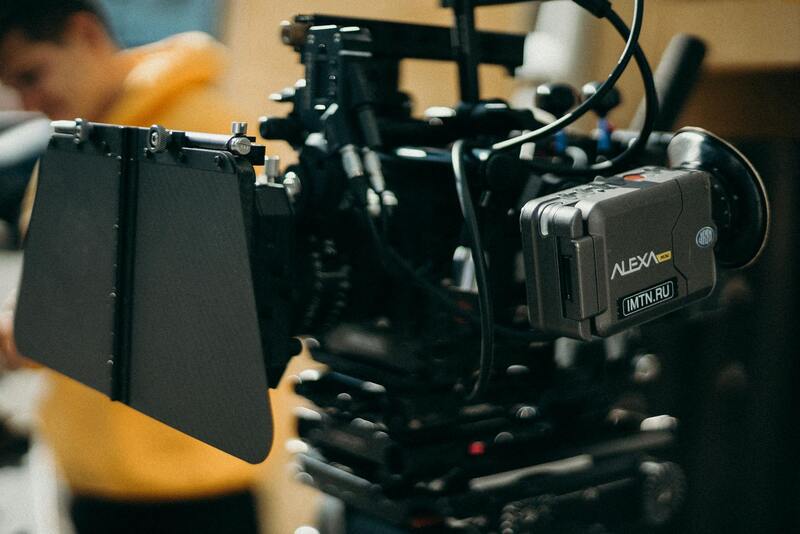
High-quality digital cameras with full-frame sensors are typically preferred due to their superior image resolution, dynamic range, and low-light performance. A wide-angle lens is a staple in property photography, as it allows for capturing more of a room in a single shot, conveying spaciousness and layout effectively. Additionally, a tripod ensures stability and sharpness, particularly in lower-light settings or interior shots requiring long exposures.
Lighting plays a crucial role in achieving professional-grade images. Utilizing natural light during optimal hours—often early morning or late afternoon—can infuse photographs with warmth and softness, reducing harsh shadows. When natural light alone isn't sufficient, supplementary lighting such as portable flashes or strobes can be strategically used to illuminate darker areas evenly. Proper lighting not only enhances the vividness of colors but also emphasizes the property’s best features without distortions.
Composition techniques are equally critical. Proper framing, rule of thirds, and strategic use of angles help create balanced and engaging images. Ensuring that rooms appear both inviting and spacious involves shooting from corners, at eye level, and capturing wide views of key areas like kitchens, living rooms, and bedrooms. Highlighting architectural details and unique features can further distinguish a property in listings.
Staging is a vital component that complements technical execution. Tidying spaces, removing clutter, and arranging furniture to showcase the potential of each room can significantly enhance the visual appeal of photographs. When combined with precise camera settings and thoughtful composition, staging brings out the property's true character and appeal.
Employing drone technology for exterior shots offers a captivating perspective that can elevate a listing. Aerial imagery provides context about the property's location, landscape, and surrounding amenities, giving prospective buyers a comprehensive view in a single glance.

Incorporating these advanced techniques and high-end equipment guarantees that property images are of the highest standards, ultimately boosting the property's marketability and appeal. The combination of technical precision and artistic vision produces visuals that not only attract attention but also communicate the property's unique story effectively.
Choosing the Right Equipment and Techniques
To produce captivating property images that highlight the space’s full potential, selecting appropriate equipment and applying proven techniques are essential. Wide-angle lenses are among the most critical tools for property photography, as they enable photographers to capture expansive views of rooms within a single shot, making rooms appear larger and more inviting. When used correctly, these lenses reduce distortion and ensure that the space's proportions are maintained, providing an accurate representation of the property.
Drone technology has become increasingly important for capturing exterior shots, especially for properties with stunning landscapes, large yards, or unique architectural features. Flying at various altitudes and angles allows for aerial perspectives that showcase the property’s scale, surrounding environment, and distinctive qualities often unseen from ground level. High-resolution drone footage can add a dynamic element to listings, providing potential buyers with a comprehensive visual narrative of the property and its location.
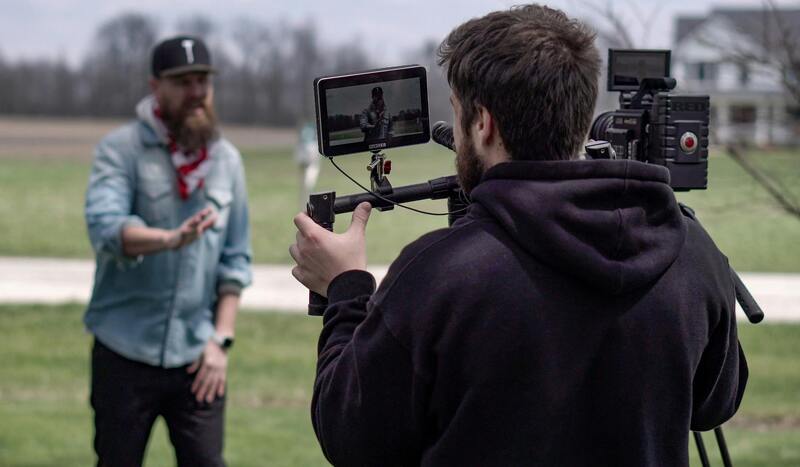
HDR (High Dynamic Range) imaging is another vital technique used to overcome challenges posed by varying lighting conditions within a property. By capturing multiple images at different exposures and combining them, HDR creates well-balanced photos with rich detail in highlights and shadows. This approach ensures that interior spaces look natural and appealing, even when windows or lighting fixtures may otherwise cause overexposure or underexposure.
Additionally, proper lighting setup is crucial. While natural light is preferred, supplementing with professional lighting equipment ensures clarity and warmth. Positioning lights strategically can eliminate harsh shadows and highlight architectural details, further enhancing the visual impact of each photograph.
Incorporating Advanced Techniques for Maximum Impact
- Strategic Composition: Applying the rule of thirds and framing key features directs viewer attention and creates aesthetically pleasing visuals.
- Multiple Angles: Shooting from various perspectives offers a comprehensive view of each room and exterior spaces, helping potential buyers visualize themselves within the property.
- Timely Shooting: Capturing images during optimal lighting conditions, typically during early morning or late afternoon, enhances natural hues and highlights textures.
Investing in top-tier equipment combined with skilled application of these techniques yields high-quality images that resonate with prospective buyers. The goal is to provide a truthful yet compelling visual story of the property that encourages further engagement and interest.
Legal and Ethical Considerations in Property Photography
Maintaining professionalism in property marketing photography involves adhering to established standards that respect privacy, property rights, and truthful representation. When capturing images of a property, it is essential to obtain the necessary permissions from property owners or clients before photographing the space. Ensuring all featured elements within the photographs are authorized for public display prevents potential misunderstandings and upholds the integrity of the marketing process.
Attention to detail is crucial when photographing interiors and exteriors. Avoid including private areas or personal belongings that could compromise the homeowner’s privacy or security. If objects such as personal photographs, confidential documents, or security systems are unintentionally visible, it is best to edit these out or reconsider the shot to prevent unintended disclosure.
Structural accuracy and honesty are fundamental in property photography. Avoid over-editing or manipulating images in a way that misleads potential buyers or tenants about the property's condition or features. Accurate lighting, color balance, and perspective help in creating authentic visuals that accurately represent the property’s true appeal.
Furthermore, adhering to guidelines related to copyright and intellectual property when using images—such as ensuring that professional photographs are properly credited if shared or used by third parties—enhances credibility and maintains professional standards.
Incorporating these ethical practices into property marketing photography underscores a commitment to trustworthy, respectful, and transparent promotion of real estate listings. This approach not only enhances the reputation of the photographer or agency but also fosters trust with clients and prospective buyers.
Legal and Ethical Considerations
When implementing property marketing photography, adhering to established standards and practices guarantees that the images used are both appropriate and effective. Ensuring the rights to capture and display property images involves understanding the importance of properly obtaining consent from property owners or representatives before conducting photoshoots. Clear communication about the intended use of photographs helps in setting proper expectations and upholding transparency.
Respecting privacy boundaries is essential. This includes avoiding the capture or display of private areas, personal belongings, or sensitive information that could be inadvertently visible during a session. Maintaining focus on the property's key features without infringing on personal privacy supports ethical marketing principles.
In the context of digital property listings, properly managing image copyrights and usage rights is critical. Professional photographers and agencies should ensure that their work is legally protected and that any third-party content integrated into their images complies with intellectual property regulations. Proper attribution and consent are vital when using images across multiple platforms.

Maintaining honesty in visual representations fosters trustworthiness among prospective buyers or tenants. This includes refraining from over-editing images to alter the property's true appearance, which could mislead viewers. Use of authentic lighting, perspective, and color correction preserves image integrity and ensures that representations are accurate.
In addition, published images should be consistent with the actual condition of the property. Misleading visuals can not only harm credibility but also lead to legal complications or customer dissatisfaction. Therefore, comprehensive quality control measures should be established before images are distributed for marketing purposes.

Legal and Ethical Considerations
Ensuring that property photography aligns with established legal and ethical standards is fundamental to maintaining trust and professionalism in the real estate industry. First and foremost, obtaining appropriate permissions before capturing images of private spaces or personal belongings helps respect residents' privacy and adheres to accepted practices. This is particularly vital in occupied properties, where the consent of inhabitants to photograph and publish interior spaces is mandatory.
Additionally, photographers must be vigilant about the consent related to the inclusion of third-party content, such as artworks, trademarks, or proprietary equipment visible within the images. Proper permissions and clear agreements mitigate potential liability and uphold respect for intellectual property rights.
In commercial settings, notable attention should be given to capturing visuals that honestly reflect the property’s condition without misleading potential buyers or tenants. This includes avoiding overly staged or digitally enhanced images that could distort the property's true appearance.

In sum, comprehensive understanding and adherence to these standards not only protect all involved parties but also enhance the authenticity and integrity of property listings.
Legal and Ethical Considerations
Legal and ethical standards serve as the foundation for trustworthy property marketing practices. Securing explicit permissions prior to photographing private residences ensures that residents' rights are respected and that images are used appropriately. This process involves obtaining consent from property owners or occupants, particularly when interior spaces or personal belongings are captured.
Photographers should also be mindful of third-party content that appears within the images. Artworks, trademarks, or proprietary equipment often require clear permissions for their inclusion in marketing materials. Proper documentation and agreements help prevent misunderstandings and protect intellectual property rights, fostering a professional environment that upholds integrity.
In addition to permissions, photographers must accurately depict the property’s condition. Overly staged or digitally enhanced images risk misleading potential buyers or tenants. Authentic representations build trust, ensuring that the visual content aligns with the property's actual features and condition.
Adhering to these principles reinforces credibility and enhances the reputation of property listings. It also ensures compliance with industry standards, promoting transparency and fairness in the marketing process.
By following established procedures for obtaining permissions, respecting privacy, and accurately representing properties, real estate professionals and photographers can effectively navigate the complexities of property marketing. This approach not only maintains compliance but also strengthens the overall perception of professionalism within the industry.
Legal and Ethical Considerations in Property Photography
When engaging in property marketing photography, adherence to legal and ethical standards is essential to maintaining professional integrity and fostering trust with clients and potential buyers. Proper authorization for photography, especially when capturing interiors, personal belongings, or proprietary content, safeguards against misunderstandings and protects the rights of all parties involved.
One critical aspect involves obtaining clear permissions from property owners or occupants prior to conducting photography sessions. This ensures that consent has been secured for capturing both interior and exterior images and that any restrictions or stipulations are respected. Documented agreements or release forms can serve as tangible proof that permissions were granted, which is particularly important in cases where sensitive areas or personal belongings are involved.

Respecting the privacy and personal space of current tenants or residents is fundamental. Photographers should coordinate scheduling to minimize disruptions and avoid capturing private areas unless explicitly authorized. When photographing shared or communal spaces, care should be taken to exclude any identifiable individuals unless their consent has been obtained.
Inclusion of third-party content, such as artwork, trademarks, or proprietary equipment, requires proper permissions to prevent infringement. Ensuring that such content is appropriately credited or excluded from marketing materials helps maintain ethical standards and demonstrates respect for intellectual property rights.
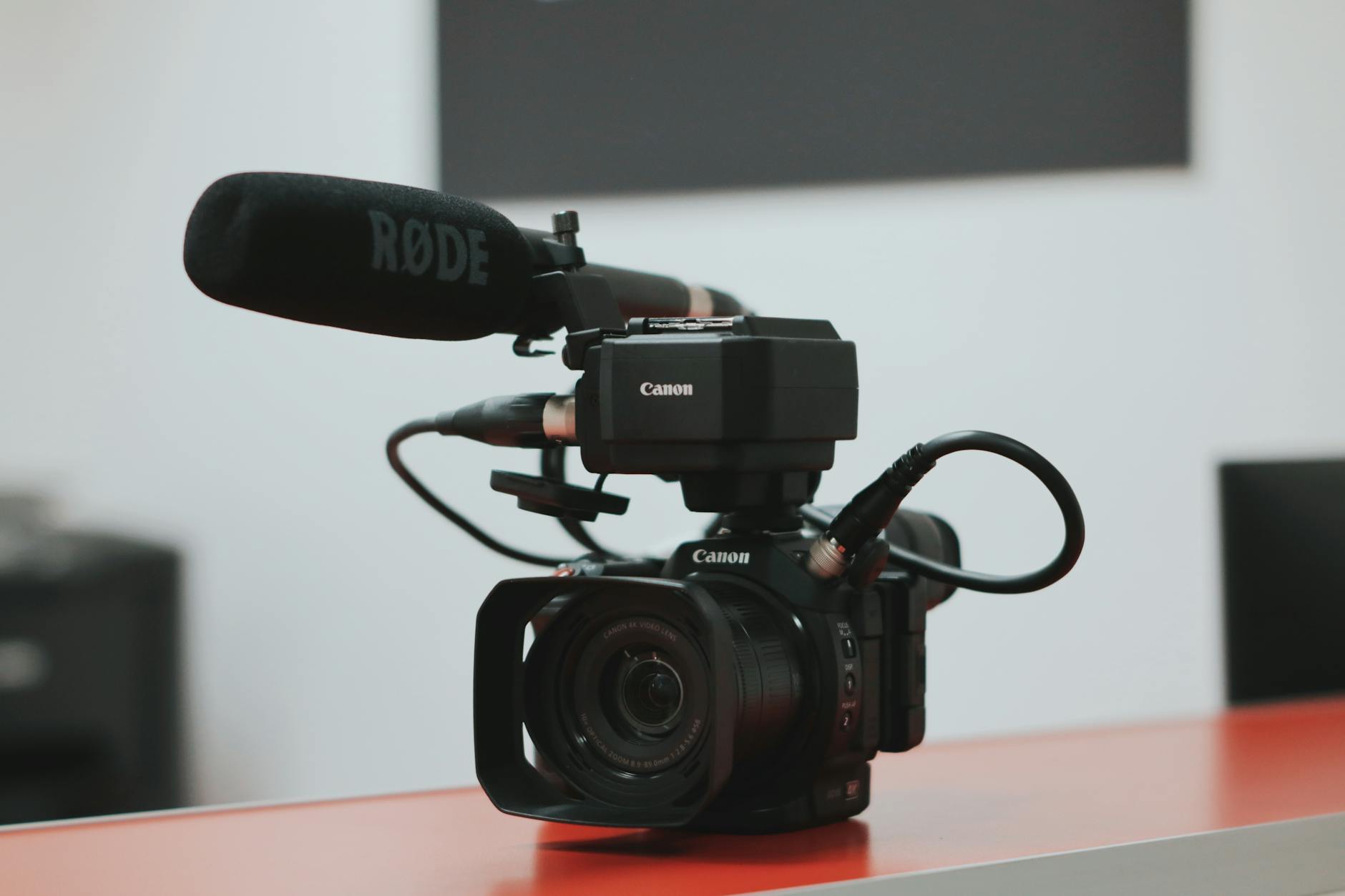
Authenticity in property photos is equally important. Overly staged or digitally enhanced images can mislead potential clients and damage credibility. Accurate depictions of the property’s condition, features, and dimensions build trust and foster transparency within the marketing process. Photographers should strive for images that reflect the property as-is, without exaggeration or deception.
Finally, transparency about the methods used in enhancing or editing images should be maintained. Disclosing the extent of digital adjustments ensures that prospective buyers or tenants have a clear understanding of what is being offered, creating an ethical foundation for the marketing campaign.