Importance of Video Marketing in Commercial Real Estate
In the dynamic landscape of Miami's commercial real estate market, establishing a compelling visual presence is crucial. Video marketing stands out as a powerful tool that significantly enhances property visibility, reaching a wider audience through engaging visual content. By showcasing commercial spaces in a vivid, immersive manner, videos can highlight unique features, floor plans, and the overall ambiance that static images often fail to convey.
Commercial real estate professionals leverage video content to attract prospective tenants and buyers, capturing their interest swiftly and effectively. Well-produced videos help create a memorable impression, encouraging viewers to explore properties further or initiate inquiries. Additionally, video marketing supports sales efforts by providing in-depth virtual tours that reduce the need for physical visits, saving time for both agents and clients.

In an environment where competition for prime commercial spaces is fierce, professionally crafted videos serve as an essential differentiator. They enable real estate companies to position their listings at the forefront of digital platforms, social media channels, and targeted marketing campaigns. This strategic approach not only amplifies exposure but also builds credibility and trust among prospective clients.
Moreover, videos facilitate storytelling—a key aspect in conveying the vision behind a property development or renovation project. By integrating testimonials, drone footage, and 3D virtual tours, real estate professionals can craft comprehensive narratives that resonate more deeply with their audience.
As the digital consumption habits of businesses and investors evolve, the importance of video marketing continues to grow. In Miami’s vibrant market, where industries such as finance, technology, and hospitality thrive, producing compelling commercial real estate videos ensures properties gain the necessary attention to close deals faster and at optimal values. Overall, integrating professional video content into marketing strategies is no longer optional but a strategic imperative for success in the competitive Miami commercial real estate landscape.
Types of Commercial Real Estate Videos
To maximize marketing impact, the diversity of video formats employed in commercial real estate is crucial. Each format serves a specific purpose and targets different segments of potential investors, tenants, or partners.
- Property Tour Videos: These comprehensive visual presentations allow viewers to explore a property remotely. They showcase architectural details, interior layouts, amenities, and the overall ambiance of the space, providing a real sense of scale and functionality without physical visits.
- Drone Footage: High-altitude aerial shots deliver sweeping views of the property and its surroundings. This perspective is particularly effective for showcasing large commercial sites, highlighting access routes, nearby infrastructure, and the property's integration within the local environment.
- Virtual Walkthroughs: Interactive 3D virtual tours simulate an in-person inspection. They enable users to move through space at their own pace, examining interior features and spatial relationships, which enhances engagement and decision-making confidence.
- Before-and-After Renovation Visuals: These videos illustrate transformations, emphasizing property value appreciation, redevelopment success, or modernization efforts. They appeal to investors interested in property appreciation potential.
- Testimonial and Client Success Stories: Incorporating client feedback or investor experiences can build credibility. Authentic stories foster trust and demonstrate expertise within Miami’s competitive market.

Key Elements of Effective Commercial Real Estate Videos
Creating impactful commercial real estate videos requires meticulous attention to several core components that ensure the final product resonates with prospective clients and stakeholders. High-quality visuals are paramount; they set the tone of professionalism and credibility, capturing the intricate details of the property with clarity and richness. Utilizing professional-grade cameras and lighting equipment ensures that each shot emphasizes the space’s best features, from architectural intricacies to ambient lighting and spatial flow.
Complementing top-tier visuals, professional narration adds depth and context to the video. A well-crafted script guides viewers through the property, highlighting key selling points such as location advantages, structural benefits, and unique amenities. A clear, confident voiceover can influence emotional engagement, helping potential investors visualize the potential of the space without ambiguity.
Strategic storytelling is equally vital. It involves weaving a narrative that not only showcases the property features but also aligns with the target audience’s aspirations. For example, emphasizing accessibility, technological integrations, or sustainability aspects can appeal to businesses seeking modern, forward-thinking spaces. This storytelling approach ensures the video resonates on a personal level, making it memorable and persuasive.

Moreover, incorporating branding elements subtly throughout the video reinforces the company's identity and professional standing. Consistent color schemes, logos, and brand messaging woven into the visuals and narration build recognition and trust across your target market.
Lastly, incorporating call-to-action cues at strategic points can guide viewers toward desired outcomes, whether it’s scheduling a viewing, making an inquiry, or signing up for updates. Effective videos balance informative content with engaging presentation to motivate prospective clients to take the next step.

Production Process for Commercial Real Estate Videos
Creating compelling commercial real estate videos requires a meticulous and strategic approach, beginning with thorough pre-production planning. This initial phase involves understanding the specific objectives of the property showcase, identifying the target audience, and developing a detailed storyboard or shot list that highlights the property's unique features and benefits. Recognizing the local Miami market's nuances, such as popular neighborhoods, zoning considerations, or architectural styles, is essential to craft visuals that resonate with prospective tenants or investors.
When planning the filming stage, selecting optimal times of day for natural lighting and scheduling shoots during periods of minimal disruption can enhance the quality of footage. For Miami-based properties, capturing exterior shots during sunrise or sunset can add warmth and vibrancy to visuals, while interior shots should focus on showcasing spaciousness, modern amenities, and high-end finishes. Employing drone photography provides striking aerial views that establish scale and context, especially for large commercial developments or properties with extensive land parcels.
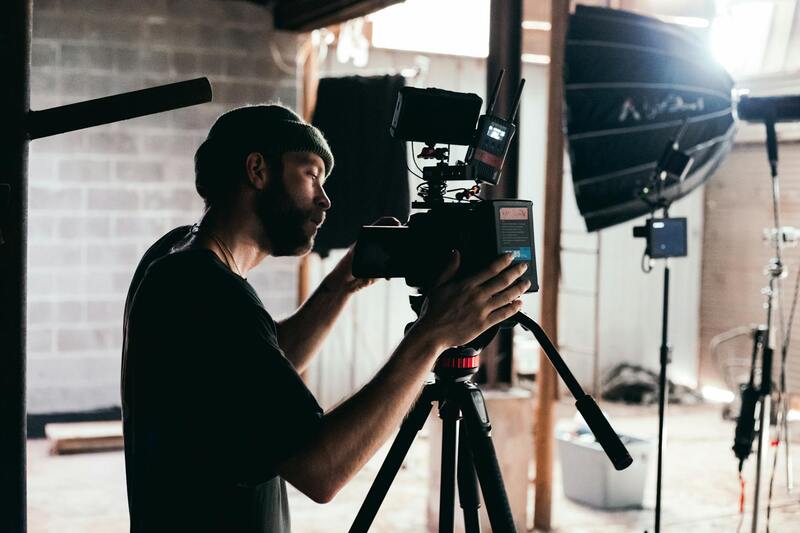
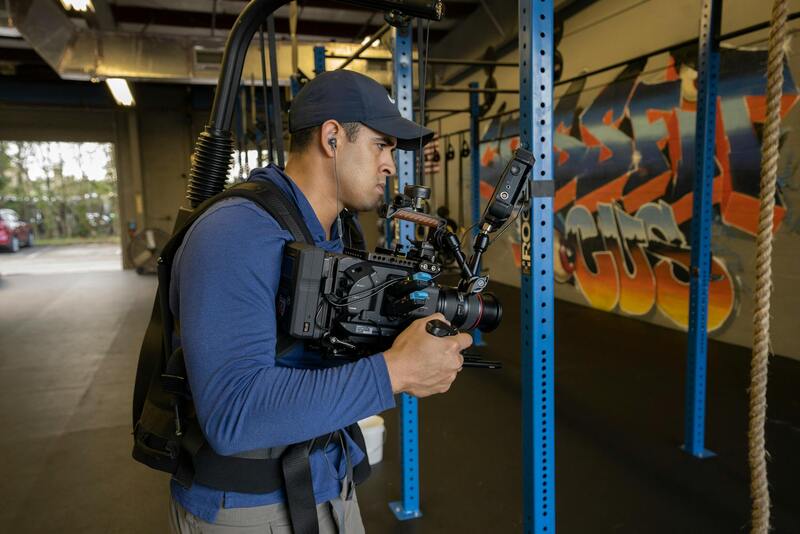
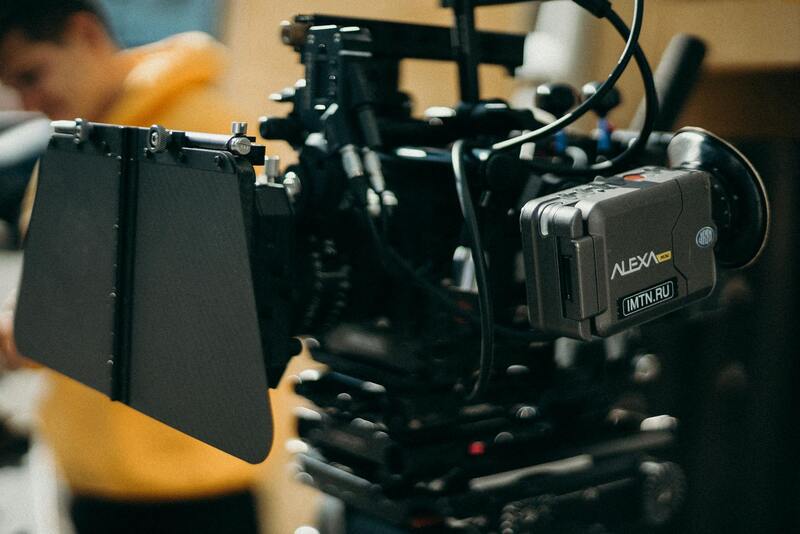
During the filming process, professional equipment ensures high-definition visuals and clear audio. Stabilized camera rigs, wide-angle lenses, and professional lighting play vital roles in presenting the property in its best light. For ongoing projects in Miami, considering local weather patterns and potential disruptions, such as hurricane seasons or tropical conditions, is necessary; contingency plans should be developed to adapt shooting schedules accordingly.
Post-filming, the editing phase involves assembling footage to craft a cohesive narrative that maintains viewer interest. Incorporating smooth transitions, attractive motion graphics, and informative overlays can highlight key aspects such as square footage, lease terms, or technological features. The addition of professional voiceovers and background music aligned with the property’s branding can heighten emotional engagement and reinforce messaging. Alternative options, like virtual tours or 3D walkthroughs, can be integrated at this stage to provide immersive experiences for prospective clients.
Finally, the delivery process involves exporting the final video in various formats suitable for different marketing platforms, including website embedding, social media sharing, and email campaigns. Optimizing video files for quick loading without compromising quality ensures seamless viewer experiences across all devices. Collaborating with local Miami media specialists who understand regional market expectations can further enhance the production quality, ensuring the final product aligns with industry standards and effectively supports your marketing objectives.
Production Process for Commercial Real Estate Videos
Executing a successful commercial real estate video begins with a meticulously planned production process that aligns with marketing goals and showcases the property's unique features. This process is typically divided into several key stages, each crucial for creating a compelling visual narrative that resonates with prospective investors, tenants, or buyers.
Initially, pre-production involves comprehensive planning and coordination. This includes defining the scope of the project, assessing the property's best angles, and determining the most effective shots to highlight key attributes such as location benefits, architectural design, interior layouts, and technological amenities. For properties in Miami, consideration of scenic elements like waterfront views or city skyline vistas can significantly enhance visual appeal. Additionally, scheduling shoots around optimal weather conditions and local events ensures footage captures the property at its best and avoids disruptions caused by storm seasons or other regional factors.
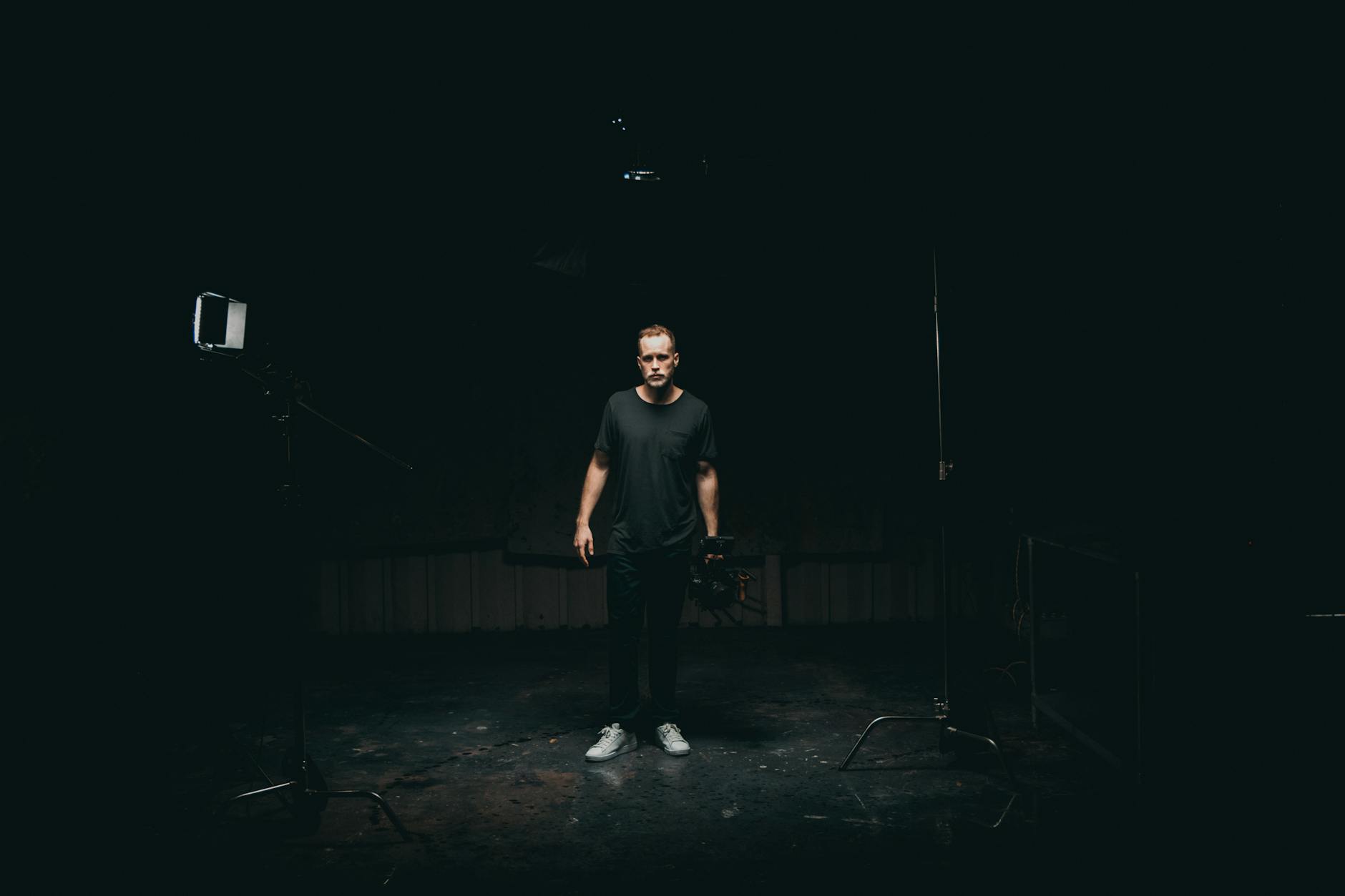
The next phase, production, involves capturing high-quality footage through professional filming techniques. Drone shots are increasingly popular for providing sweeping aerial views, especially in areas like Miami where spacious landscapes and scenic environments are prominent. Ground-level filming emphasizes interior aesthetics and operational features—large conference spaces, modern technology integrations, or sustainable building systems. During filming, utilizing stabilization equipment, appropriate lighting, and asset-specific lenses helps ensure footage clarity and visual consistency. For locations with variable weather, having backup plans or weather-protected equipment safeguards the shoot schedule, maintaining project timelines without compromising quality.
Post-production marks the transition from raw footage to a polished marketing material. Editing involves sequencing clips to craft a narrative flow that guides viewers through the property's most compelling aspects. Incorporating smooth transitions, motion graphics, informational overlays, and branding elements emphasizes property details such as lease options or investment returns. Professional voiceovers and background music calibrated to the property's branding tone can significantly enhance viewer engagement, turning simple footage into an emotionally compelling story. For Miami-specific markets, integrating regional soundscapes or local imagery can strengthen the connection with target audiences.

Modern commercial real estate videos often incorporate immersive elements like virtual tours or 3D walkthroughs, allowing prospects to explore properties remotely with a realistic sense of space and flow. These immersive technologies can be integrated during editing and are especially valuable in today’s digital-first environment, where remote access significantly influences decision-making processes. Delivery involves exporting the final video in various formats tailored to each platform—websites, social media, email campaigns—to ensure rapid load times and optimal viewing experiences on all devices. Collaborating with Miami-based media specialists ensures that the final product aligns with regional expectations and high industry standards, effectively supporting your marketing efforts with a polished visual asset.
Choosing the Right Video Production Partner in Miami
Selecting a reputable commercial real estate video production partner in Miami involves careful consideration of experience, expertise, and local market understanding. The right team should possess a comprehensive portfolio that demonstrates a capacity to produce high-quality visual content tailored to the specific needs of the commercial real estate sector. This includes proficiency in various video styles such as virtual tours, drone footage, and promotional videos that highlight property features effectively.
An essential aspect of collaboration is understanding regional nuances and market dynamics unique to Miami. A production partner familiar with the Miami commercial landscape can develop content that resonates with local investors, tenants, and developers. They should also be adept at translating the property's unique selling points into engaging visual narratives that captivate potential clients.
When evaluating potential partners, inquire about their process, equipment, and post-production capabilities. Advanced technology like 4K cameras, stabilizers, and drone systems ensures crisp, professional footage that elevates the property's visual appeal. Additionally, their team should have a solid grasp of branding and marketing strategies to align the video content with your broader real estate campaign.
Communication and project management are also critical. A reliable partner will provide clear timelines, regular updates, and opportunities for feedback, ensuring the final product meets your expectations. Given Miami's vibrant and diverse market, selecting a video production company with regional experience and a track record of successful projects across commercial real estate sectors can be a decisive factor in your marketing success.
Partnering with a local Miami-based media specialist not only guarantees an understanding of the regional aesthetic but also facilitates smoother logistics, quicker turnaround times, and a more personalized service. This localized expertise can translate into a more compelling and culturally relevant visual presentation, ultimately helping to attract the right tenants or investors to your property.
Strategies for Tracking Video Performance Metrics
Effective measurement of commercial real estate videos is essential to evaluate their impact and refine marketing strategies. Key performance indicators (KPIs) include engagement rates, which reflect how viewers interact with the content through likes, shares, comments, and watch time. High engagement often correlates with increased interest and credibility among potential clients.
Tracking the number of views provides an initial gauge of reach, but deeper insights are gained by analyzing viewer retention rates—identifying at which point viewers tend to stop watching. This data helps identify elements within the video that may need adjustment to hold audience attention longer.
Lead generation is a critical metric that directly correlates video performance with tangible business outcomes. Monitoring inquiries, form submissions, or calls generated after viewing the video allows property marketers to assess how effectively the visual content prompts potential tenants or investors to take action.
Leveraging Data for Continuous Improvement
Integrating analytics tools into your video hosting platforms enables real-time data collection, facilitating swift adjustments to ongoing campaigns. For example, if a video’s engagement drops sharply after a certain segment, that part can be enhanced or replaced in future productions.
Additionally, employing A/B testing with different versions of video content can reveal what messaging, visuals, or call-to-actions resonate most with your target audience. This iterative approach ensures the ongoing enhancement of your commercial real estate marketing efforts.
Utilizing Local Data for Market-Specific Optimization
In Miami's diverse and competitive market, understanding regional viewer preferences and behaviors enriches your insights. Localized data, such as preferred property types or neighborhood interests, can inform the creation of targeted content that appeals directly to your audience’s specific needs.
Combining performance metrics with regional data allows for more precise segmentation, ensuring that each video reaches the right demographic with tailored messaging. This strategic alignment boosts the likelihood of converting views into active inquiries or deals.
Documenting and Reporting Results
Regularly compiling performance reports helps stakeholders understand the effectiveness of video campaigns. Clear visualization of KPIs over time demonstrates the return on investment and guides budget allocation for future projects.
By maintaining meticulous records of data points and insights, Miami real estate professionals can establish benchmarks for success and craft data-driven narratives that support their marketing propositions.
Measuring the Success of Commercial Real Estate Videos
Assessing the effectiveness of commercial real estate videos is essential for refining marketing strategies and ensuring a strong return on investment. Metrics such as view counts, watch time, and audience retention rates provide valuable insights into how viewers engage with the content. Tracking these metrics helps determine which segments resonate most and identifies areas where viewer interest wanes, guiding future content enhancements.
Beyond basic engagement metrics, considering interaction signals such as click-through rates, inquiries generated, and sharing activity can illuminate the real impact of the videos on lead generation and deal progression. High engagement levels often correlate with targeted messaging and compelling visuals, confirming their effectiveness in capturing the audience's interest. Analyzing geographic data within platform analytics allows marketing professionals to understand regional preferences and adjust messaging accordingly.
Implementing A/B testing with different video styles—such as varying calls-to-action, visual presentation, or property highlights—can identify the most effective approaches. These tests facilitate data-driven decision-making, ensuring future videos better align with viewer preferences and market trends.
Continually monitoring and reporting performance metrics allows real estate professionals to craft detailed insights and demonstrate measurable progress. Regular performance reports that visualize key performance indicators (KPIs) over time establish clear benchmarks, enabling stakeholders to gauge campaign success and make informed decisions about ongoing or future investments.
Integrating regional data specific to Miami enhances these assessments by highlighting neighborhood-specific interests and property preferences. Localized insights enable targeted marketing efforts, ensuring videos reach the most relevant audiences and prompt engagement with active inquiries or transactions.
By maintaining rigorous documentation of campaign results and insights, Miami's commercial real estate professionals can refine their video marketing strategies continuously. This systematic approach converts raw performance data into actionable intelligence, driving smarter investment and more effective outreach campaigns.