Role of a Commercial Real Estate Photographer
In the competitive Miami real estate market, the visual presentation of commercial properties plays a crucial role in attracting prospective buyers, tenants, and investors. A commercial real estate photographer specializes in capturing high-quality, impactful images that highlight the unique features, spatial qualities, and potential of commercial spaces such as office buildings, retail centers, warehouses, and industrial facilities. Their work supports property listings, marketing campaigns, and investor presentations, making their role vital in the sales and leasing process.
These professionals are responsible for producing images that accurately represent the property's appearance and scale while also emphasizing its selling points. They often collaborate with real estate agents, property managers, and developers to tailor images that meet specific marketing objectives. By understanding the nuances of lighting, perspective, and composition, they ensure that each shot effectively engages viewers and encourages them to take the desired action, whether that is scheduling a showing or submitting an inquiry.
In Miami, where the real estate landscape features a diverse array of properties—from sleek modern office towers overlooking Biscayne Bay to expansive industrial spaces near the port—having professionally captured images is essential for standing out in listings and promotional materials. The visual content created by a commercial real estate photographer not only enhances property appeal but also aids in branding and establishing a strong market presence for property owners and agencies.
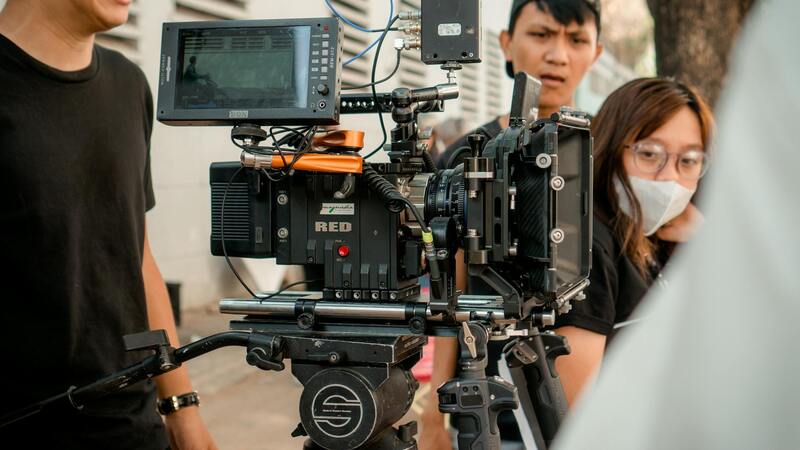
Effective commercial real estate photography goes beyond simple aesthetic appeal; it involves strategically showcasing spaces to maximize their perceived value and functionality. This includes capturing the property's best angles, ensuring proper lighting, and creating a visual narrative that aligns with the property's target audience and market positioning. As Miami continues to grow as a hub for business and development, the demand for professional visual content generated by skilled commercial real estate photographers remains critical for success in property marketing campaigns.
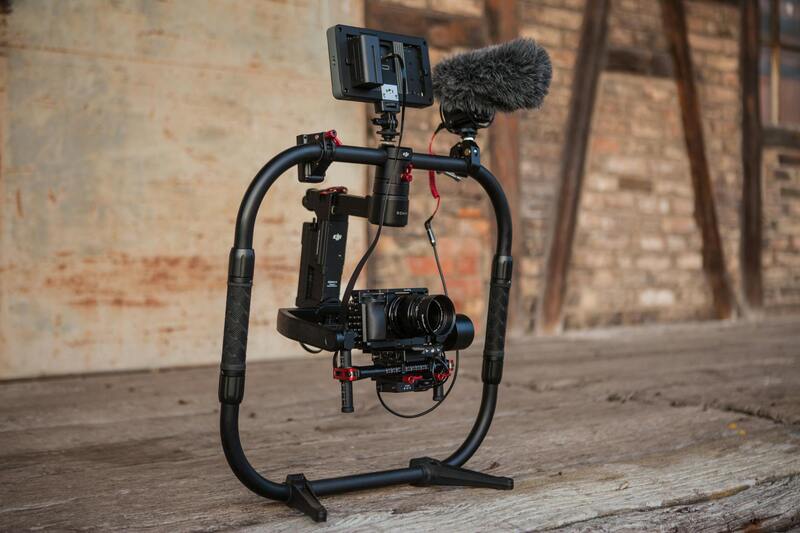
Key Skills and Equipment Needed
Success in commercial real estate photography hinges on a blend of technical expertise, artistic vision, and specialized equipment. Photographers must possess a deep understanding of camera settings to adapt to varying lighting conditions within large commercial spaces. High dynamic range (HDR) photography is often employed to balance the bright exteriors and interior shadows, ensuring a comprehensive depiction of the property’s features.
Proficiency in wide-angle lenses is essential for capturing expansive interiors and exteriors, providing viewers with a sense of space and proportion. Tilt-shift lenses are also valuable for correcting perspective distortions, especially when photographing tall buildings or narrow room layouts.
Lighting plays a pivotal role in showcasing commercial properties. Natural light is preferred when possible, but supplementary lighting equipment, such as strobe lights or continuous LED panels, can enhance clarity and highlight architectural details during indoor shoots. Reflectors and diffusers help control shadows and create soft, even illumination.
Digital editing tools form an integral part of post-production, enabling photographers to enhance images through adjustments in brightness, contrast, color balance, and perspective correction. High-resolution image editing ensures that visuals maintain clarity and detail, making them suitable for both digital and print marketing.
Supremely skilled photographers also understand the importance of project preparation—from scheduling shoot times during optimal lighting conditions to coordinating access permissions and understanding the property's key selling points. The combination of advanced equipment, artistic ability, and strategic workflow culminates in compelling visual content that effectively supports commercial real estate marketing efforts.

Effective Strategies for Showcasing Commercial Spaces
Capturing compelling images of commercial real estate involves more than just technical proficiency; it requires an understanding of how to best represent the property's unique features to attract prospective tenants or buyers. A proficient commercial real estate photographer employs a series of strategic approaches to maximize visual appeal and accuracy.
Firstly, it’s essential to highlight the property's key attributes by carefully choosing the vantage points. Utilizing wide-angle lenses can exaggerate space, making interiors appear more expansive and inviting. For exterior shots, establishing shots taken during optimal lighting conditions—such as early morning or late afternoon—can enhance curb appeal, emphasizing architectural details and landscape features.
Another critical component involves controlling lighting conditions within the space. When natural light is limited, supplemental lighting equipment—such as softboxes, LED panels, or strobes—can fill shadows and highlight textures. Reflectors and diffusers assist in creating even, flattering light that emphasizes interior design elements without harsh shadows or overexposure.
To capture the spatial layout accurately, photographers often utilize tilt-shift lenses to correct perspective distortions, especially when photographing tall buildings or narrow corridors. This ensures that lines remain straight, preserving the authenticity of the property’s structure, which is crucial for professional marketing materials.
Moreover, strategic staging and decluttering of spaces play a significant role in making interiors appear orderly and appealing. Decluttering emphasizes the architecture and flow of the space, while tasteful staging can subtly showcase potential uses of different areas within the property.
Angles and composition are also paramount. Shooting from eye level or slightly elevated angles can provide comprehensive views of the interior layout. For exterior photos, capturing broad vistas that include landscaping or surrounding features can put the property into context, appealing to potential investors or tenants interested in location advantage.
Consistent color correction and post-processingedit optimize the visual quality. Adjustments should aim to preserve the true ambiance of the property while enhancing desirable features. Techniques such as HDR imaging can be employed to balance exposure differences between shadowed and sunlit areas, resulting in images that are both vivid and true to life.
Incorporating these photographic techniques and strategies ensures that each image not only presents the property accurately but also entices viewers by highlighting its best features. This level of professionalism is essential in a competitive market where first impressions significantly influence decision-making.
Understanding the Commercial Real Estate Market in Miami
Successful commercial real estate photography requires a nuanced understanding of the Miami market, its unique architectural styles, and the types of properties that dominate the landscape. Miami's market is characterized by a diverse array of commercial properties, including high-rise office buildings, retail centers, industrial warehouses, and luxury developments. Recognizing the distinct features of these property types allows photographers to tailor their techniques accordingly, capturing images that resonate with prospective investors, tenants, and stakeholders.
In Miami, the tropical climate presents both opportunities and challenges for real estate photography. Bright natural light often enhances exterior shots, but photographers must be adept at managing harsh sunlight and glare, especially during midday shoots. Utilizing techniques such as shooting during the golden hour or employing filters can help achieve balanced exposures that showcase the property's best features without sacrificing image quality.
Florida’s vibrant real estate scene also emphasizes the importance of showcasing the lifestyle and environmental context of commercial properties. Capturing surrounding amenities, waterfront views, or proximity to popular districts can significantly boost the property's appeal. A deep understanding of local zoning laws and development trends can inform the photography process, emphasizing aspects that align with market demands and property potential.
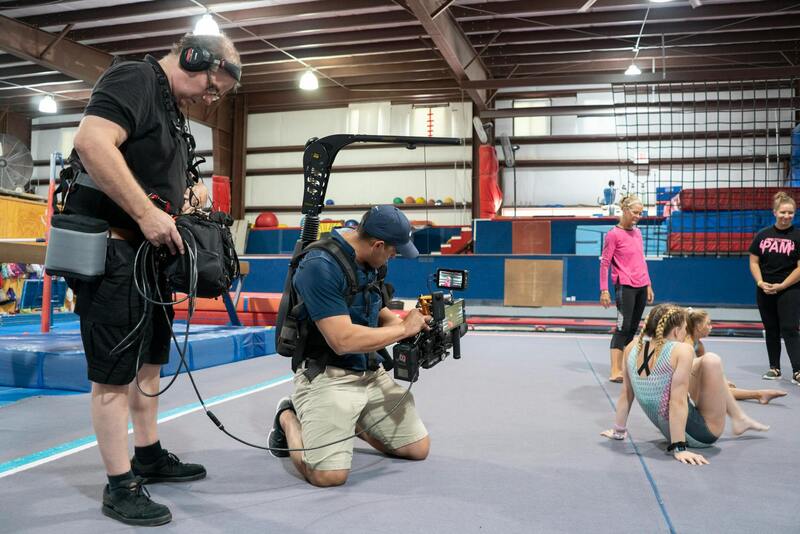
Moreover, familiarity with Miami’s architectural diversity—from modern glass towers to historic Art Deco buildings—enables photographers to adapt their style to match the property’s character. This ensures that images not only present the property accurately but also evoke the mood and prestige associated with Miami’s real estate market. Such awareness fosters trust and confidence among clients, reinforcing the photographer's professionalism and local expertise.
Ultimately, a thorough grasp of the Miami commercial real estate landscape equips photographers to produce compelling visual narratives that align with market trends and client expectations. This strategic approach ensures each shoot effectively communicates the property’s value and competitive edge, driving interest and engagement in a fast-paced, high-stakes market.
Understanding the Commercial Real Estate Market in Miami
Market Trends and Characteristics
The Miami commercial real estate sector is distinguished by its dynamic growth and diverse portfolio, including office spaces, retail outlets, industrial warehouses, and hospitality properties. Its strategic geographic location, favorable climate, and thriving tourism and financial industries contribute to robust investment activity. This vibrant market demands high-quality visual content to meet the needs of investors, developers, and tenants seeking properties that stand out in a competitive landscape.
Numerous high-profile developments and redevelopment projects continuously reshape Miami’s skyline and commercial corridors. As a result, the visual presentation of these properties must highlight their unique features, strategic advantages, and the lifestyle embedded within their surroundings. Marketing materials that effectively communicate the property’s positioning within Miami’s bustling economic environment significantly influence buyer interest and leasing opportunities.
Diverse Property Types and Their Visual Needs
- Office Buildings: Emphasis on modernity, connectivity, and accessibility, often requiring wide shots that capture the building’s stature and surroundings.
- Retail Spaces: Focus on visibility and foot traffic, with images that showcase storefronts, signage, and proximity to popular districts.
- Industrial Warehouses: Highlighting logistics features, scale, and ingress points to appeal to tenants and investors looking for operational flexibility.
- Hospitality Properties: Conveying ambiance, ambiance, and amenity offerings to attract both business and leisure travelers.
Market-Specific Visual Strategies
Understanding Miami’s unique architectural styles—from sleek modern glass edifices to historic Art Deco structures—allows commercial real estate photographers to tailor their approach. For example, capturing the reflective surfaces of contemporary towers requires expertise in lighting and angles to prevent glare and distortions, whereas photographing Art Deco buildings benefits from a keen eye for detail and symmetry.
Furthermore, the environmental context around a property—such as waterfront views, green spaces, or proximity to transportation hubs—plays a crucial role in positioning the property effectively. Pictures that incorporate these elements help portray the full spectrum of benefits, appealing to prospective clients who value location and lifestyle as integral parts of their investment decision.
Understanding Local Regulations and Market Trends
An in-depth knowledge of Miami’s zoning laws, development trends, and future project pipelines can inform the photographic storytelling process. Highlighting upcoming developments or regulatory allowances in a property’s vicinity can provide added value to potential investors, fostering a sense of opportunity and growth. Regularly monitoring market shifts allows photographers to adapt their techniques and produce images that resonate with current market sentiments and client expectations.
Post-Production and Delivery of Commercial Property Images
Once the photoshoot is complete, the photographer moves into the post-production phase, which is crucial for refining images to meet the highest standards of quality and professionalism. Expert editing involves adjusting exposure, contrast, and color balance to accurately portray the property’s appearance, as well as correcting distortions or imperfections that may have occurred during the shoot.
Retouching photos to enhance architectural details, clean up background distractions, and optimize lighting ensures the images highlight the property’s most attractive features. In commercial real estate, clarity and crispness are vital; this often includes sharpening details and ensuring the visual flow of interior and exterior shots aligns with the property’s branding and marketing objectives.
Timely delivery is equally important. Professional photographers typically offer fast turnaround times, utilizing efficient workflows and digital delivery platforms to ensure clients receive their images promptly. This agility allows clients to incorporate the images into their marketing campaigns, listings, and presentations without delay, maximizing the promotional impact.
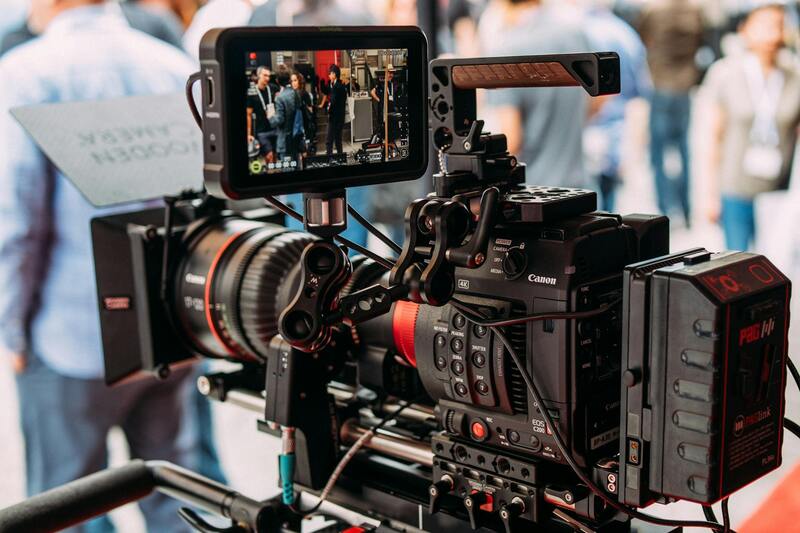
High-resolution files are provided in multiple formats suited for various marketing channels, from online listings to print brochures. Additionally, some photographers offer additional services such as virtual staging, aerial drone footage, and 360-degree virtual tours, expanding the versatility and appeal of the final output.
Overall, comprehensive post-production ensures that every image effectively communicates the property's value proposition and aligns with the strategic marketing goals of the client.
Role of a Commercial Real Estate Photographer
A commercial real estate photographer specializes in capturing high-quality images that showcase the architectural design, interior layout, and key features of commercial properties. Their role extends beyond simple photography; they are strategic visual storytellers who understand how to accentuate the unique aspects of each property to appeal directly to potential investors, tenants, or buyers. Their work involves creating compelling visuals that effectively communicate the value proposition of the property, whether it’s an office building, retail space, industrial facility, or mixed-use development. Within this role, a commercial real estate photographer collaborates closely with clients to understand their marketing goals, target audiences, and brand messaging. They utilize their expertise to produce images that not only depict the property accurately but also evoke a sense of desirability and professionalism. This includes capturing the property’s best features, illustrating spatial relationships through wide-angle shots, and highlighting lighting and design details that add depth and appeal.
Key Skills and Equipment Needed
Success in commercial real estate photography hinges on a combination of technical skill and specialized equipment. A proficient photographer must have a keen eye for composition, lighting, and perspective, ensuring each shot is intended to maximize the property’s strengths. Essential skills include:
- Understanding of architectural design principles to emphasize spatial layouts
- Mastery of lighting techniques, including natural light utilization and supplemental lighting setups
- Post-production editing abilities to enhance clarity, correct distortions, and improve overall image quality
- Knowledge of marketing objectives to tailor images accordingly
Regarding equipment, a professional photographer typically relies on high-resolution digital cameras, wide-angle and tilt-shift lenses, and sturdy stabilization gear like tripods or drone mounts for aerial shots. Advanced lighting systems, including strobes and diffusers, are critical for interior photography, especially in poorly lit environments. The use of aerial drones equipped with high-definition cameras allows capturing expansive exterior views and hard-to-reach angles, providing a comprehensive visual presentation of the property.
Understanding the Commercial Real Estate Market in Miami
To create impactful images, a commercial real estate photographer must have a solid grasp of Miami’s dynamic property landscape. Miami's real estate market is characterized by its diverse mix of high-rise developments, waterfront properties, and rapidly evolving neighborhoods. Understanding market trends, popular locations, architectural styles, and target demographics helps photographers deliver visuals tailored to specific client needs. Recognizing what makes Miami properties unique—such as their proximity to beaches, skylines, and cultural landmarks—enables photographers to highlight these features effectively. They also stay informed about local building codes and zoning considerations that influence the presentation of certain properties, ensuring that the images align with regional standards and expectations.
Preparation for a Commercial Property Shoot
Preparation is key to the success of any commercial real estate shoot. This process involves detailed planning and coordination to ensure all necessary elements are in place before the camera starts clicking. Key steps include:
- Scheduling the shoot at optimal times, often during daylight hours for natural lighting advantages.
- Arranging for property access, ensuring that the space is ready and clutter-free.
- Preparing the property by decluttering, tidying, and possibly staging key areas to enhance visual appeal.
- Surveying the property to identify the best angles and lighting conditions, including scouting exterior and interior shots.
- Communicating with clients about specific highlights they want to emphasize in the images.
In addition, photographers often prepare their equipment, checking camera settings, lenses, lighting devices, and aerial drone batteries for an efficient workflow during the shoot.
Photographic Techniques for Commercial Properties
Capturing compelling images of commercial properties involves specific techniques designed to showcase the property’s full potential.
- Wide-Angle Shots: Provide a sense of space and scale, illustrating both interior room sizes and exterior facades.
- HDR Photography: Combines multiple exposures to balance interior lighting with outdoor brightness, revealing details in shadowed areas.
- Aerial Photography: Offers expansive views of large properties or complexes, highlighting land use and surrounding amenities.
- Lighting Techniques: Employ natural and artificial lighting to emphasize architectural features and ensure clarity.
- Post-Processing: Enhances colors, sharpness, and perspective correction to produce clean, professional images.
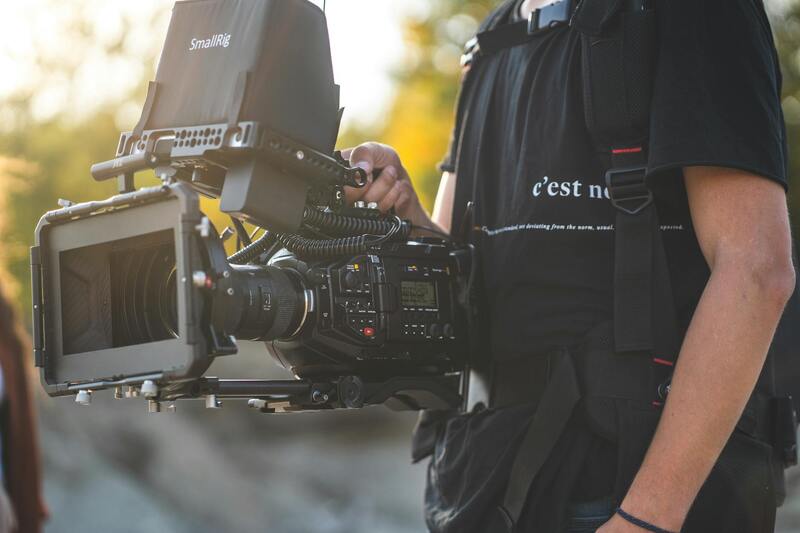
Post-Production and Delivery
After capturing the images, the editing process focuses on refining the visuals to meet marketing standards. This includes retouching to remove distractions, correcting distortions, and enhancing architectural details. Adjustments to color balance, saturation, and sharpness ensure the final images are vibrant and inviting. High-resolution files are delivered in multiple formats suitable for digital and print use. Fast turnaround times are essential, enabling clients to rapidly incorporate new visuals into listings, brochures, and advertising campaigns. Some photographers also offer additional services like virtual staging, drone footage, and virtual tour creation to enhance the overall marketing package. Effective post-processing bridges the gap between a good photograph and a captivating marketing tool, making it a crucial step in commercial property presentation.
Role of a Commercial Real Estate Photographer
A commercial real estate photographer plays a pivotal role in the visual presentation of commercial properties, ensuring that every shot captures the essence and appeal of a space. Their expertise lies in understanding the nuances of architectural design, lighting, and staging to produce images that attract potential tenants, buyers, or investors. These professionals work closely with property managers, brokers, and developers to showcase properties in the best possible light, emphasizing unique architectural features, spatial flow, and exterior curb appeal.
In Miami’s competitive market, the ability to produce compelling imagery can significantly influence a property’s exposure. A skilled commercial real estate photographer employs a strategic approach that combines technical proficiency with artistic sensibility, ensuring that each image communicates the property's value effectively. Whether highlighting the grandeur of an office tower, the versatility of a retail space, or the functionality of an industrial warehouse, these photographers tailor their approach to match the specific needs of each project.
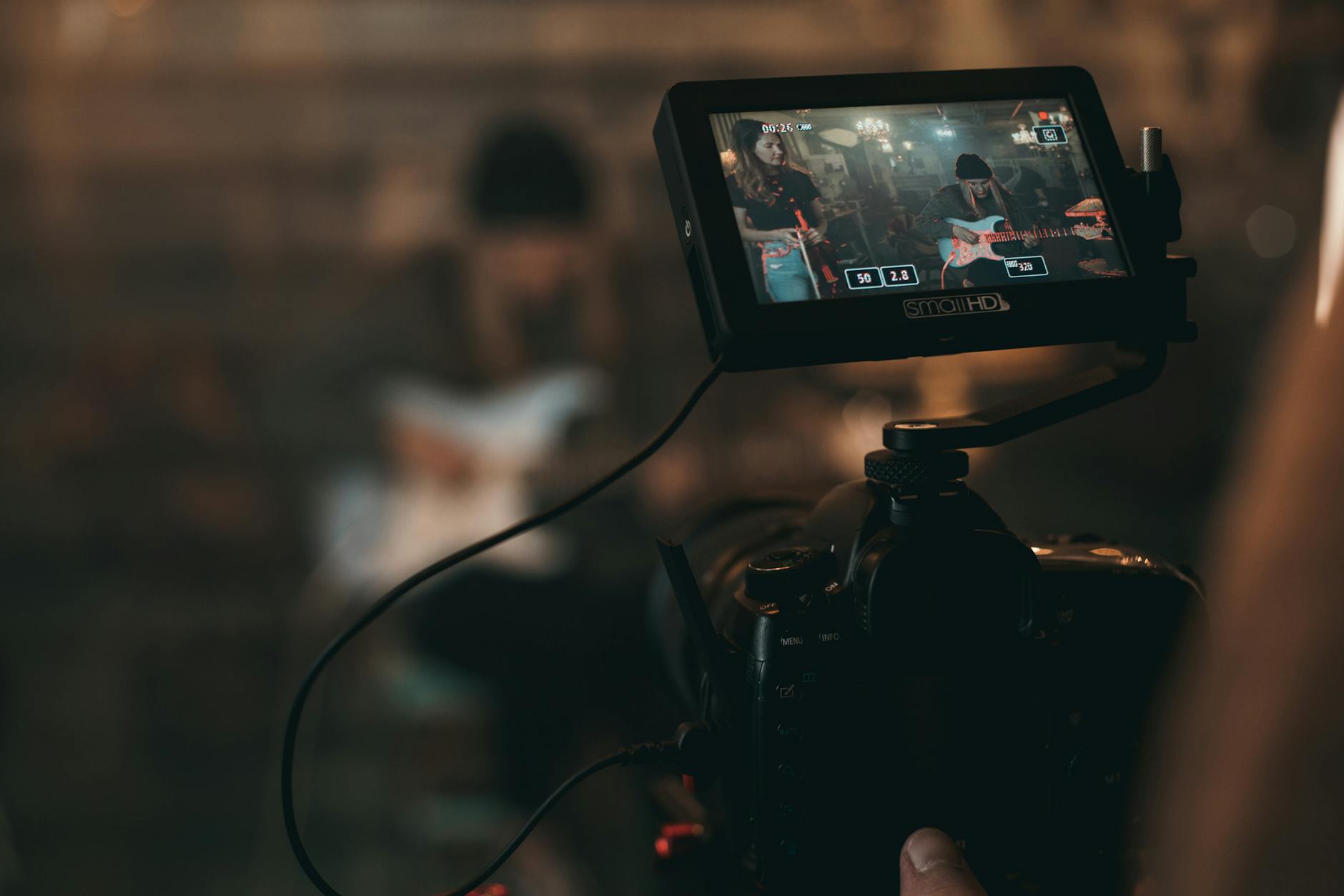
Key Skills and Equipment Needed
- Proficiency in advanced camera techniques, including HDR and panoramic stitching.
- Use of wide-angle lenses to capture expansive interiors and exteriors.
- Steady handheld or drone-based aerial photography equipment for unique perspectives.
- Knowledge of optimal lighting setups and editing to balance interior and exterior contrasts.
- Post-processing skills to enhance clarity, color accuracy, and perspective.
Understanding the Commercial Real Estate Market in Miami
Miami’s commercial real estate landscape is characterized by a vibrant blend of high-rise office buildings, retail centers, and industrial properties, each with distinct visual storytelling needs. Familiarity with local market trends, property types, and architectural styles enables photographers to craft images that resonate with target audiences. Understanding the competitive environment also guides the photographer in selecting angles, lighting, and compositions that set a property apart in listings and marketing campaigns.
Preparation for a Commercial Property Shoot
Thorough preparation is essential for a successful shoot. This includes coordinating with property owners to schedule the shoot during optimal lighting conditions, tidying up spaces to eliminate distractions, and selecting the right equipment to suit different areas of the property. It is vital to plan shots that highlight key features, such as spacious interiors, strategic land use, or unique architectural details, all while considering the flow and usability of the space.
Photographic Techniques for Commercial Properties
- High Dynamic Range (HDR) Imaging for balanced lighting between interior and exterior views.
- Aerial photography with drones to showcase property scale and neighborhood context.
- Proper use of natural light during different times of day to enhance space perception.
- Interior lighting techniques, including supplemental lighting and light painting, for clarity and ambiance.
- Panoramic images to provide comprehensive perspectives of large properties or complex layouts.
Post-Production and Delivery
After capturing the essential images, post-production work refines visual impact through color correction, perspective adjustment, and image retouching. This step ensures that each photograph aligns with the marketing goals and presents the property in its best light. High-resolution files are then delivered in formats suitable for digital platforms, print brochures, and advertisements, often with rapid turnaround times to keep pace with marketing schedules. Additional services such as virtual staging, drone footage, and 3D virtual tours can further elevate the property's appeal in the competitive Miami market.

Tips for Choosing the Right Commercial Real Estate Photographer
Selecting an appropriate photographer requires careful evaluation of their portfolio, experience with commercial properties, and familiarity with the Miami market. Consider photographers who demonstrate versatility across different property types and who have a track record of timely and professional deliverables. Reviewing client testimonials and seeking recommendations can provide insights into their reliability and service quality. Transparent pricing structures and clear communication about project scope also play crucial roles in making an informed decision, ensuring that the final images meet strategic marketing objectives.