Importance of Residential Real Estate Photography
In today’s competitive housing market, the visual presentation of a property can significantly influence its marketability and sale potential. High-quality residential real estate photography serves as a powerful tool to attract prospective buyers by showcasing properties in their best light. Clear, well-composed images help create a compelling first impression, encouraging viewers to schedule physical visits or make offers. Furthermore, professional photography can reduce the time a property spends on the market by increasing online visibility and generating more interest from qualified buyers. Well-crafted images highlight the unique features and spatial arrangements of a home, ensuring that potential buyers perceive the property’s full potential even before viewing in person.
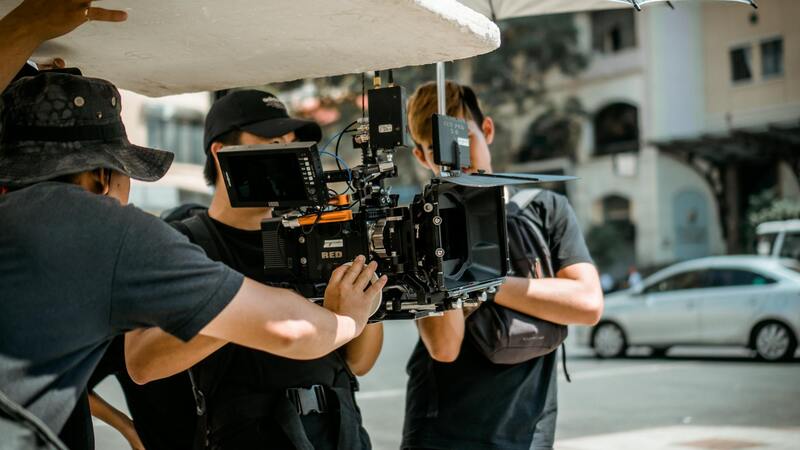
In addition to capturing attractive images, professional photography accounts for crucial aspects such as lighting, perspective, and angles. Properly lit photographs can accentuate the spaciousness and warmth of a home, making it more inviting. Proper perspective ensures that rooms appear proportionate and realistic, helping buyers better understand the property layout. As a result, high-quality photography not only attracts more interest but also fosters transparency and trust between sellers and buyers, establishing a more accurate visual narrative of the home.
Investing in professional residential real estate photography ultimately benefits all stakeholders involved—agents, sellers, and prospective buyers—by facilitating smoother transactions. It ensures that listings stand out in a crowded digital environment, maximizing exposure on multiple marketing platforms. With eye-catching images, a property is more likely to garner viewing appointments, generate offers, and close faster, translating into a more efficient sales process and satisfied clients.
Key Elements of Effective Residential Property Photos
- Bright, natural lighting that highlights the space without shadows or overexposure.
- Straight, level shots that accurately represent the home's architecture.
- Wide-angle perspectives to showcase room dimensions and connected spaces.
- Clean, clutter-free environments that emphasize the home's features.
- Consistent style and viewpoint across all images to establish a cohesive listing presentation.
Pre-Shot Preparation and Staging
Achieving high-quality residential real estate photography begins well before the camera is even set up. Proper pre-shoot preparation involves a meticulous process to ensure the property looks its best and presents a consistent, appealing narrative across all images. This phase includes thorough decluttering to eliminate personal belongings, which helps potential buyers visualize themselves living in the space. Staging plays a critical role here; strategically arranging furniture and decorative elements can enhance room functionality and aesthetic appeal. Neutral tones and minimal accessories tend to maximize visual harmony, drawing attention to architectural features rather than distracting clutter.
Cleaning the property comprehensively is essential—this includes dusting, vacuuming, tidying surfaces, and ensuring windows are spotless to permit maximum natural light. Organizing storage spaces to appear more spacious can significantly influence buyer perception. For outdoor shots, landscaping should be neat, with attention paid to curb appeal by trimming overgrown bushes, cleaning pathways, and ensuring the exterior facade is free of dirt or damage.
Preparation also entails checking the weather forecast to schedule shoots during optimal lighting conditions—preferably during times with abundant natural light—while avoiding rainy or overly cloudy days. Ensuring all amenities, fixtures, and features are in working order prevents unnecessary disruptions during the shoot. When staging and preparing a property, the goal is to create a clean, inviting environment that highlights the home's strengths while maintaining a natural look that appeals to a broad audience.
Photographic Techniques for Residential Properties
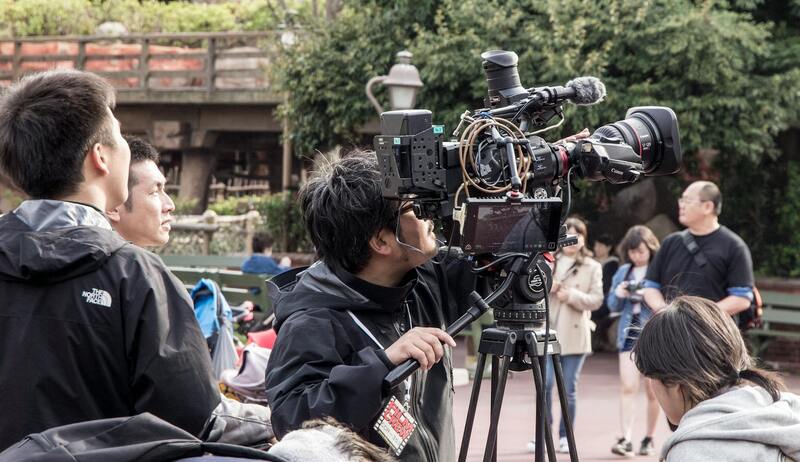
Mastering photographic techniques is vital for capturing compelling images that showcase a home's best features. One fundamental approach is utilizing natural lighting to enhance the property’s warmth and ambiance; this often involves scheduling shoots during daylight hours with optimal sunlight. Proper exposure settings are crucial to avoid high contrast that can obscure detail in bright or shadowed areas.
Lens selection greatly influences image quality in residential real estate photography. Wide-angle lenses are typically employed to capture expansive interior spaces, providing a sense of depth and spatial relationships. However, caution should be taken to prevent distortion, ensuring that lines remain straight and rooms appear proportionate. To achieve this, camera setups should incorporate level shots with carefully aligned horizon lines.
Composition techniques, including the rule of thirds and leading lines, guide the viewer's eye toward the key features of a space. Consistent focal lengths help to maintain a uniform look across all images. When photographing exteriors, variations in perspective, such as shooting from different angles, can emphasize the home’s architectural style and landscape features. Posture camera stability by using tripods to prevent blurring and enhance sharpness, especially in low-light conditions.
Photographic Techniques for Residential Properties
Executing high-quality residential real estate photography extends beyond basic camera settings; it involves a strategic application of advanced techniques to highlight each home's unique features. One effective method is the use of HDR (High Dynamic Range) imaging, which merges multiple exposures to accurately depict both interior shadows and exterior highlights. This ensures your images reflect a true-to-life appearance, enticing potential buyers with clarity and vibrancy. When capturing interior spaces, consider the importance of proper angle selection. Shooting at eye level and using a wide-angle lens allows for expansive shots that make rooms appear larger and more inviting. Maintain camera stability during shots by employing sturdy tripods, which prevent blurring caused by hand movement, especially in lower light conditions. In exterior photography, strategic perspective plays a pivotal role. Shooting from multiple vantage points—such as front, side, and rear angles—provides a comprehensive view of the property, emphasizing its curb appeal and landscape features. Elevation shots from drone photography can also offer dramatic aerial perspectives, showcasing the property's scale and surroundings effectively. Lighting remains a cornerstone of compelling real estate images. Natural light should be maximized by scheduling shoots during optimal sunlight hours, typically in the late morning or early afternoon. Additionally, diffusers or reflectors can help soften harsh shadows or brighten shaded areas without altering the natural ambiance. Color balance and exposure calibration are crucial for authentic-looking photos. Ensuring accurate white balance and appropriate exposure settings will prevent images from appearing overly warm, cool, or washed out. Post-shoot, photographers often utilize software to fine-tune contrast, sharpness, and color saturation, enhancing the overall visual appeal without compromising authenticity. Balancing technical skill with artistic vision allows for images that not only show a home’s attributes but also inspire emotional connections. Skillful framing and composition draw viewers into each space, compelling them to envision living there. Consistent image quality across all photos aids in creating a cohesive presentation, which can significantly influence a client's perception and interest. Effective residential real estate photography is thus a blend of technical mastery and artistic nuance. Leveraging the right techniques ensures each shot accurately and attractively represents a property, elevating its market appeal and increasing the likelihood of a successful transaction.
Ethical Considerations and Legal Aspects
In the realm of residential real estate photography, adhering to ethical standards is paramount to maintaining trust and integrity within the industry. Photographers must commit to capturing images that truthfully represent the property's features without deceptive alterations or manipulations. This transparency ensures that prospective buyers or tenants receive an accurate depiction of what they can expect, fostering confidence in the listing.
One fundamental aspect involves obtaining proper authorization before photographing a property. This includes securing permissions from property owners or authorized representatives, particularly when shooting interiors or private spaces. Respect for privacy is also essential; photographers should avoid capturing sensitive areas or personal belongings that are not meant for public view, guarding client confidentiality and respecting residents' privacy rights.
Legal considerations extend to the use of the images themselves. Photographers need to ensure they have the right to publish and promote the photos for commercial purposes, especially when featuring architectural elements or artwork that may be protected under intellectual property laws. Correct attribution and respecting licensing agreements safeguard against potential disputes or copyright issues.
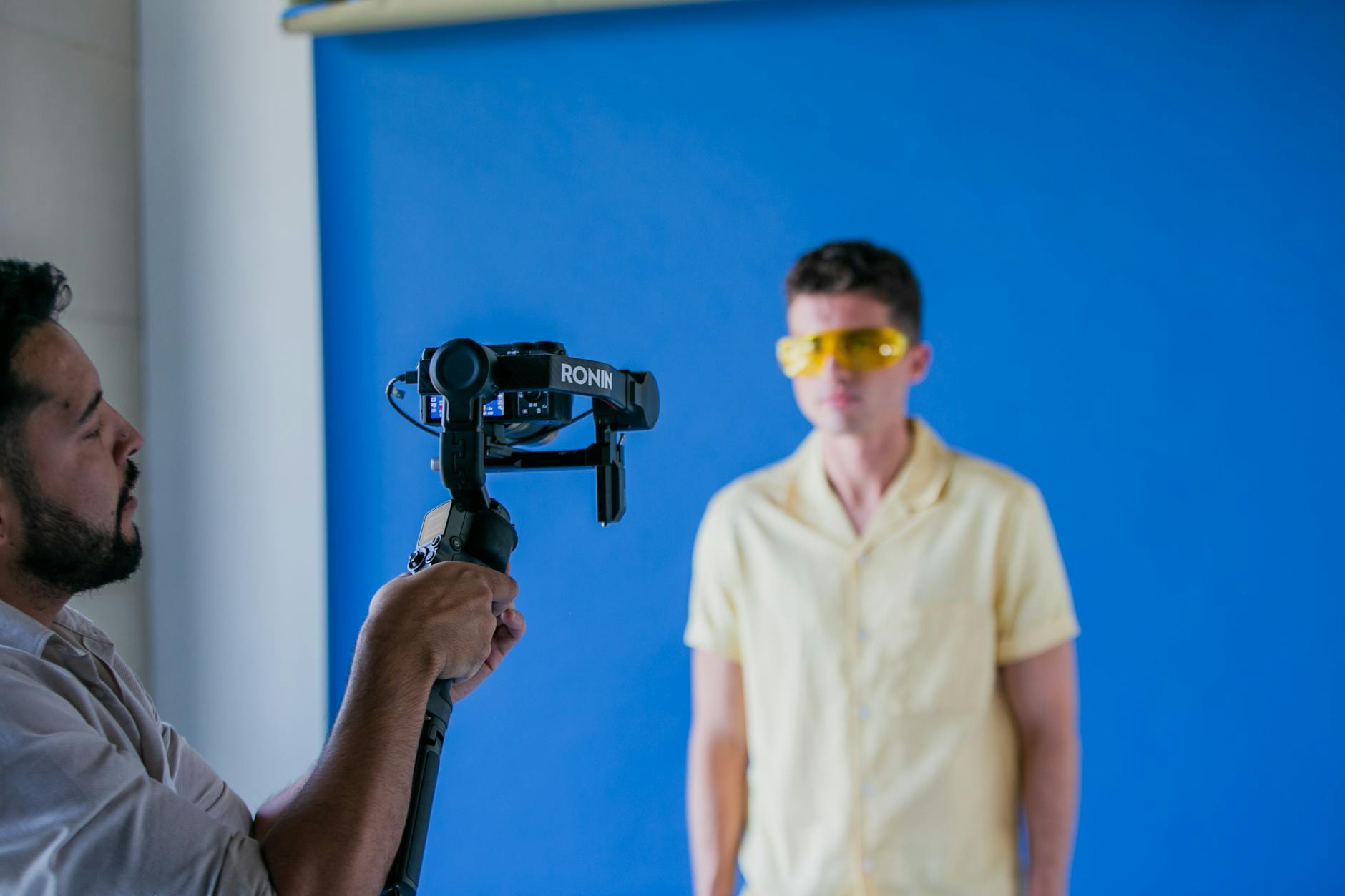
Furthermore, truthfulness in photography supports ethical marketing practices. Avoiding the use of misleading angles, over-promising features, or digital enhancements that alter the true appearance of a property helps uphold honesty. This approach not only builds a reputable image for the real estate agent but also aligns with best practices for professional conduct in real estate marketing.
To ensure compliance with these standards, many professionals incorporate detailed checklists and guidelines into their workflows. Regular training on ethical standards and staying updated with evolving regulations in the industry help photographers and agents maintain high levels of professionalism.
In summary, ethical considerations and awareness of legal aspects in residential real estate photography are integral to fostering trust, ensuring compliance, and delivering truthful representations to clients and prospective buyers. This responsible approach enhances the credibility of the listing and supports a positive reputation for all parties involved.
Ethical Considerations and Legal Aspects
When engaging in residential real estate photography, maintaining ethical standards and understanding legal requirements are critical for building trust and ensuring smooth transactions. Photographers must always work within the boundaries of intellectual property rights, securing necessary permissions when photographing properties that contain artwork, unique architectural features, or proprietary design elements. This diligence helps prevent disputes related to image usage and reinforces a professional reputation. Clear agreements with property owners and real estate agents serve as a safeguard, outlining the scope of image use, licensing rights, and attribution requirements.
Additionally, photographers should follow industry best practices related to image authenticity. This entails accurately representing the property’s condition, layout, and features without deceptive angles or digital enhancements that could mislead prospective buyers. Authentic imagery builds credibility in listings, aligns with ethical marketing standards, and fosters long-term client relationships. Avoiding digital manipulations that distort reality ensures that buyers receive truthful information, reducing the likelihood of disputes or disappointment during inspections or viewing.
Legal considerations also include compliance with local regulations concerning property signage, drone usage (if applicable), and privacy laws. For example, capturing images that inadvertently include neighbors' private spaces or personal property can lead to privacy issues. Photographers should be familiar with local ordinances and obtain any necessary permissions or releases, especially when using aerial drone photography for larger properties or scenic shots.
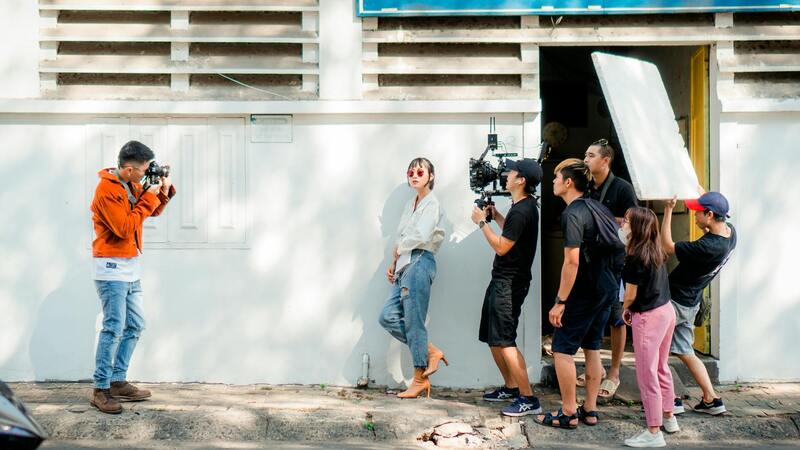
Maintaining transparent communication with clients about the scope of work and intended use of images promotes a proactive approach to potential legal concerns. Documenting agreements and securing written consents before conducting the shoot contribute to a smooth process and ministry peace of mind for all parties. Besides protecting individuals involved, this proactive stance demonstrates a commitment to integrity and professionalism, which can lead to repeat business and positive referrals in the highly competitive real estate market.

Ethical Considerations and Legal Aspects
Conducting residential real estate photography requires adherence to a set of professional standards that prioritize honesty, transparency, and respect for privacy. Photographers must ensure that all images accurately portray the property without distortion or enhancement that could mislead potential buyers. This commitment to truthful representation fosters trust and credibility within the industry.
Respecting client confidentiality and privacy rights is paramount. Photographers should avoid capturing images of neighboring properties, personal possessions inside the home, or private outdoor spaces without explicit permission. When using aerial photography via drones or other devices, obtaining the necessary permissions and respecting local airspace regulations is essential to prevent unintended invasions of privacy.
Clear communication from the outset helps set expectations. Clients should be informed about which areas will be featured, how images will be used, and any limitations related to the scope of the shoot. Written agreements or permissions can serve as important documentation, protecting both the photographer and the client from misunderstandings or disputes.
Compliance with local ordinances regarding drone usage, signage, and property access further underscores ethical responsibility. For example, some neighborhoods or homeowners' associations may have restrictions on drone flight or exterior photography. Photographers need to stay updated on these regulations to conduct shoots responsibly and avoid legal complications.
Additionally, ethical imaging involves avoiding digital manipulations that could alter the property's appearance in a way that might deceive viewers. Enhancements such as lighting adjustments, color correction, and sharpening are acceptable; however, altering structure shapes, sizes, or removing unwanted elements in a way that misrepresents the property should be avoided. Upholding this integrity aligns with industry best practices and enhances the reputation of the photographer and their services.
In summary, navigating ethical considerations in residential real estate photography involves respecting privacy, adhering to regulations, and maintaining visual honesty. These practices not only comply with professional standards but also contribute to a transparent, trustworthy experience for clients, agents, and prospective buyers alike.
Utilizing Appropriate Editing Techniques to Enhance Property Photos
Post-processing plays a crucial role in elevating residential real estate images, ensuring they are visually appealing while maintaining accuracy. The primary goal of editing is to correct imperfections, optimize lighting, and enhance details without distorting the actual appearance of the property. Techniques such as adjusting brightness, contrast, and color balance help produce vibrant, inviting images that attract potential buyers. Additionally, subtle sharpening can highlight architectural features, while noise reduction can improve clarity in lower-light conditions.
To ensure consistency across all property images, photographers often use editing presets tailored to real estate photography. These presets streamline the workflow, maintain a cohesive aesthetic, and reduce editing time. It’s important, however, to avoid over-editing, which can mislead viewers or create an unrealistic portrayal of the property. Digital enhancements should serve to present the property in its best light without misrepresenting its true condition or features.
Furthermore, removing distracting elements such as minor clutter or weather-related imperfections can help focus attention on the property's highlights. When performed ethically and subtly, these edits improve the overall presentation without compromising the integrity of the visuals. High-quality post-processing not only helps the property stand out in listings but also fosters trust in the professionalism of the photographer.
Choosing the Right Equipment for Superior Residential Property Photography
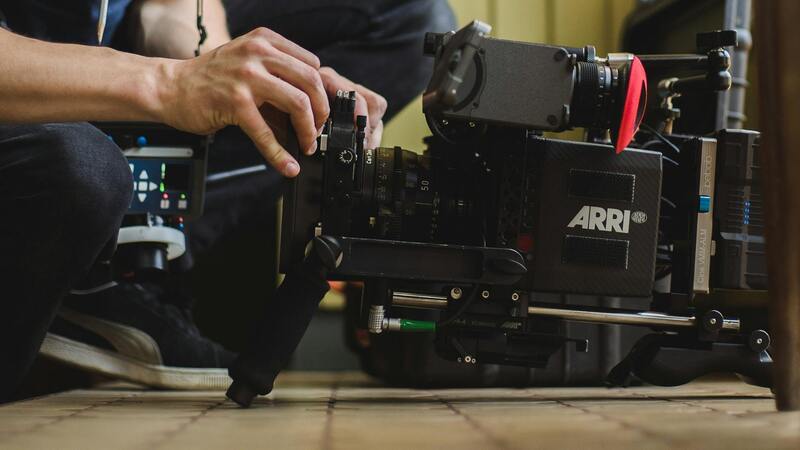
The foundation of compelling residential real estate photography lies in the selection of appropriate equipment. Utilizing high-resolution cameras ensures crisp, detailed images that accurately depict the property’s spatial dimensions and features. Wide-angle lenses are essential for capturing room layouts and creating a sense of space, especially in smaller rooms or tight areas.
Tripods are indispensable for achieving steady shots, particularly in low-light conditions or when employing longer exposures to brighten interiors without introducing motion blur. Additionally, professional lighting kit options, such as portable strobes or continuous lights, aid in illuminating darker areas and ensuring body tones, textures, and architectural details are correctly rendered.
In some cases, drones are valuable tools for capturing aerial perspectives of larger properties or outdoor amenities. When used responsibly, drone photography can provide prospective buyers with a comprehensive understanding of the property’s scale and surroundings. Equipment maintenance, proper calibration, and adherence to operational guidelines are critical to obtaining quality images consistently.
Implementing an Efficient Workflow for Residential Real Estate Photography
An organized workflow enhances efficiency and consistency in capturing high-quality images. Pre-shoot planning involves reviewing the property details, identifying unique features, and selecting suitable angles and lighting conditions. Arriving prepared with the necessary equipment, batteries, and memory cards minimizes delays during the shoot.
During the session, systematic coverage ensures all key areas—interior rooms, exteriors, and special amenities—are thoroughly documented. Using a checklist prevents overlooking essential aspects, guaranteeing comprehensive property representation. Post-shoot, sorting, editing, and optimizing images should follow a structured process to maintain quality and consistency across the portfolio.
Having a standard naming convention and back-up system for images safeguards against loss and facilitates seamless delivery to clients. Efficient workflow practices underpin the delivery of prompt, professional service that meets client expectations and enhances the overall marketing strategy for each property.
Ethical Considerations and Legal Aspects in Residential Real Estate Photography
Conducting residential real estate photography involves a commitment to honesty and transparency, ensuring that the images accurately represent the property's features and condition. It is essential to obtain clear permission and consent from property owners or authorized agents prior to conducting any photographic sessions. This process not only respects the rights of property stakeholders but also fosters a trustworthy professional relationship.
Photographers should familiarize themselves with local regulations and guidelines related to the use of photographic equipment, particularly when employing drones or other airborne devices. Adhering to operational standards minimizes risks and ensures that aerial shots are captured responsibly, respecting privacy and property boundaries. Properly documenting permission and adhering to any contractual agreements further bolsters credibility and legal compliance.
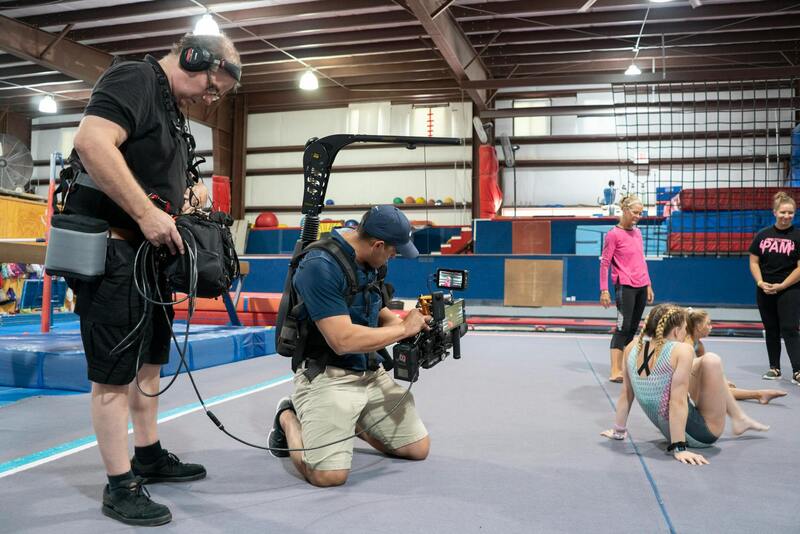
Maintaining transparency with clients about photographic methods and limitations is equally important. Clearly communicating the scope of the images, including any post-processing adjustments, helps set proper expectations. This proactive approach prevents misunderstandings and builds confidence in the photographer’s professionalism.
In addition, safeguarding client data and images is a core responsibility. Implementing secure storage solutions and establishing clear policies for image usage protect both the client’s interests and the photographer’s reputation. For instance, images should only be used in accordance with agreed terms, avoiding unauthorized dissemination or alteration.
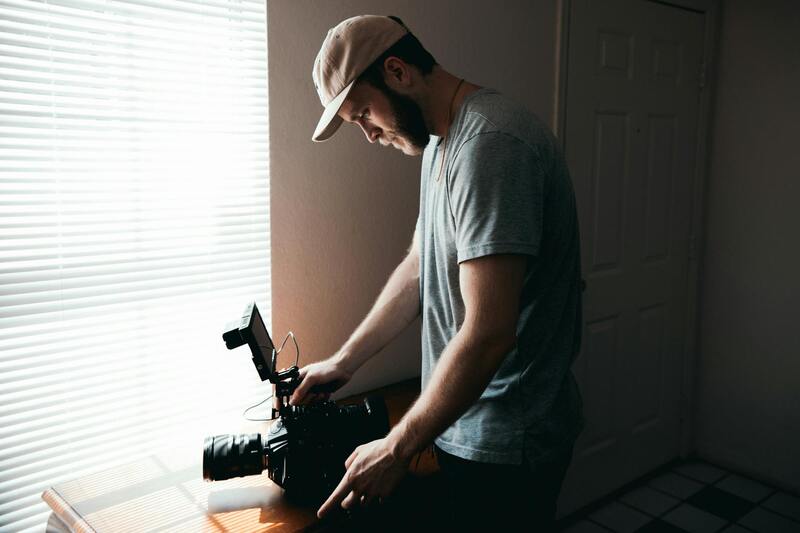
Photographers must also stay aware of intellectual property rights associated with images. Using proprietary or copyrighted material without proper authorization can lead to legal complications. Proper licensing, attribution, and usage rights should be established at the outset of any project, ensuring all parties understand their rights and obligations.
Finally, maintaining ethical standards in the editing process is essential. Modifications should enhance, not distort, the property’s appearance. Avoiding hyper-processed images that mislead prospective buyers preserves the integrity of the marketing campaign. Accurate, ethically produced images foster trust and contribute to a positive reputation within the residential real estate market.