Understanding the Importance of Video for Real Estate Listings
In today’s competitive Miami real estate market, captivating property presentation is essential for attracting qualified buyers and tenants. High-quality real estate videos serve as a powerful marketing tool, offering potential clients an immersive experience that static images cannot match. Unlike traditional listings, compelling videos can highlight the unique features, layout, and ambiance of a property in a way that captivates viewers from the first second. This dynamic format allows agents and property owners to showcase properties in a professional and engaging manner, ultimately accelerating the sales or leasing process.
The effectiveness of real estate videos lies in their ability to reach a wider audience through online platforms, social media, and email campaigns. With the increasing reliance on digital channels, well-produced videos position listings prominently, garnering more attention and generating higher engagement rates. By providing potential buyers or tenants with a virtual walkthrough, agents can significantly improve the quality of leads, reducing the time a property spends on the market.
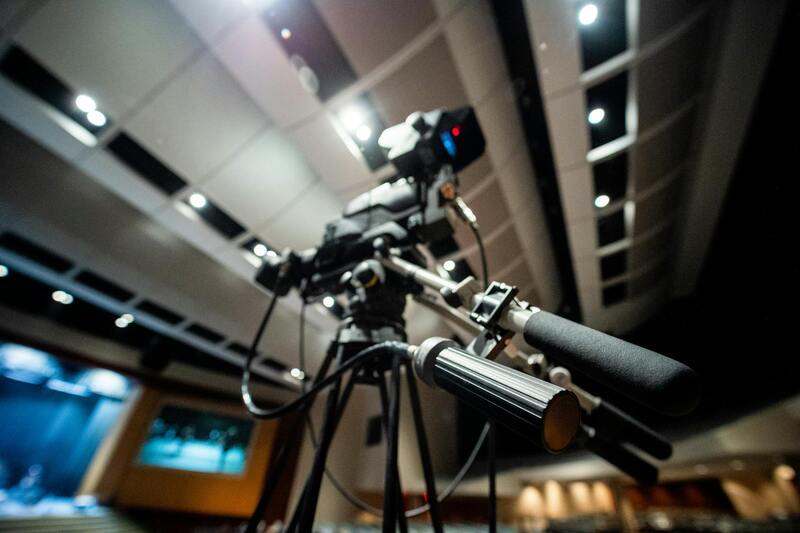
In the Miami area, where luxury properties, waterfront homes, and commercial spaces demand sophisticated marketing techniques, real estate videos are particularly impactful. They reveal the true character of a property, from sleek modern finishes to expansive outdoor spaces, increasing the likelihood of a buyer making an inquiry. Moreover, professionally crafted videos demonstrate a commitment to quality and attention to detail, instilling confidence in potential clients and positioning sellers or agents as credible market leaders.
As digital marketing continues to evolve, so does the importance of integrating high-quality videos into comprehensive listing strategies. Real estate professionals who leverage this media format can customize their approach to target specific demographics, showcase property highlights, and stand out in an increasingly crowded marketplace. Whether for luxury estates, commercial complexes, or multifamily apartments, investing in professional real estate video production is a strategic move rooted in delivering modern, appealing content that resonates with prospective buyers and tenants alike.
Key Elements of Effective Real Estate Video Production
Executing successful real estate video production requires meticulous attention to several critical components that ensure the final product resonates with potential buyers and enhances the property’s appeal. First and foremost is high-quality cinematography. Crisp, clear footage with steady camera work and appropriate framing accentuates the property’s design and unique features. Utilizing professional-grade equipment, including stabilizers and high-definition cameras, guarantees visuals are sharp and compelling, capturing every detail from luxurious finishes to scenic outdoor spaces.
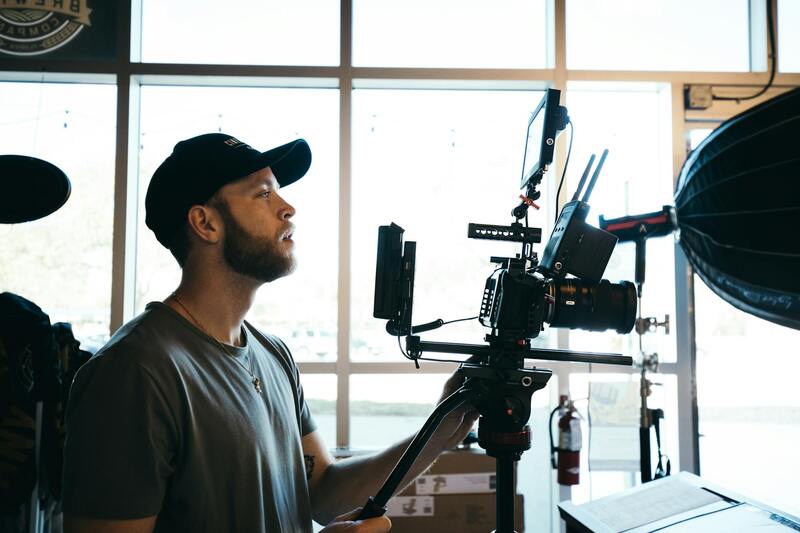
Lighting plays a pivotal role in setting the tone and mood of the video. Proper lighting ensures each room’s best attributes are highlighted without shadows or overexposure, making spaces appear more inviting and spacious. During indoor shoots, natural sunlight combined with professional lighting equipment can dramatically improve the visual quality, demonstrating the property in the best possible light.
Sound quality is often overlooked but profoundly impacts viewer engagement. Clear, professional narration or background music should complement the visuals without overpowering them. Employing high-quality microphones and sound editing techniques helps produce a polished auditory experience that aligns with the visual storytelling.
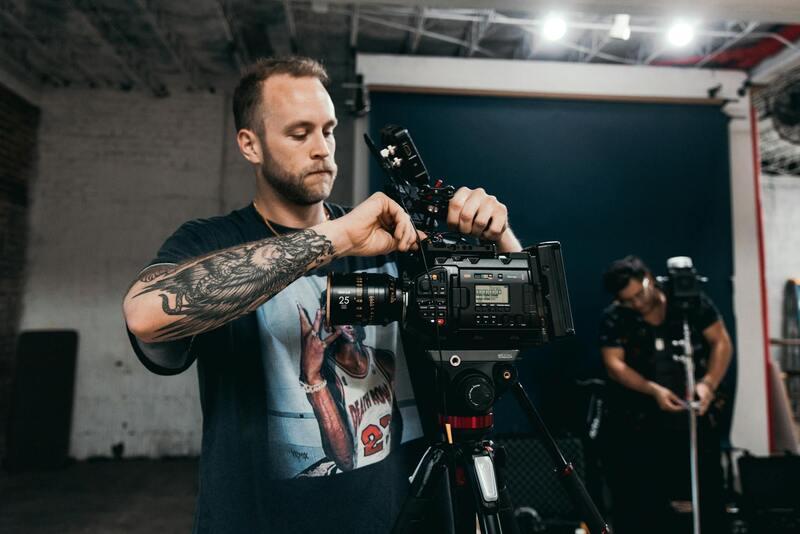
Narrative flow and pacing also play key roles. The video should tell a cohesive story about the property, highlighting key features and benefits while maintaining a rhythm that keeps viewers interested. Strategic editing, including smooth transitions and well-timed shots, ensures the narrative remains engaging without feeling rushed or disjointed.
Additionally, incorporating drone footage adds a valuable perspective, especially for larger properties or those with significant outdoor landscapes. Drone shots can showcase surrounding amenities, neighborhood context, and the property's scale, enhancing the overall presentation.
Color grading and post-production editing are the final touches that elevate a raw shoot into a professional real estate video. Adjusting color tones, contrast, and sharpness ensures consistency and visual appeal, ultimately delivering a polished product that stands out in digital listings.
Balancing these elements thoughtfully is essential. When executed properly, they not only display a property effectively but also convey professionalism and attention to detail, generating trust among prospective clients and differentiating listings in a competitive market.
Legal Considerations and Compliance in Video Production
In the realm of real estate video production, adherence to established standards and guidelines ensures that every piece of content reliably showcases a property's intended features while respecting privacy and safety norms. Utilizing drone footage, for instance, requires careful planning to avoid infringing on private spaces and comply with airspace regulations. It is crucial to obtain the necessary permits and authorization before capturing aerial shots, especially in densely populated urban areas like Miami.
When filming inside properties, gaining explicit consent from homeowners or tenants is essential to avoid privacy breaches. This includes obtaining permissions for any staff, visitors, or personal belongings captured inadvertently in the background. Clear communication and documented agreements diminish the risk of disputes or misunderstandings related to content use.
Furthermore, all video content must accurately represent the property. Misleading visuals or exaggerated descriptions can compromise trust with potential buyers and lead to misunderstandings. Ensuring authenticity through high-quality, truthful footage helps set accurate expectations and maintains credibility within the marketplace.
Complying with copyright laws related to music and visual elements incorporated into videos safeguards against intellectual property infringements. Permission should be secured for any licensed music or third-party footage used, or alternatively, royalty-free assets should be prioritized to avoid legal complications.
Another legal aspect involves adherence to advertising standards that govern promotional material. Content crafted for online listings must be transparent, avoiding false claims and ensuring that all features highlighted in the videos are factually verifiable. This fosters trust and upholds the professional reputation of real estate companies.
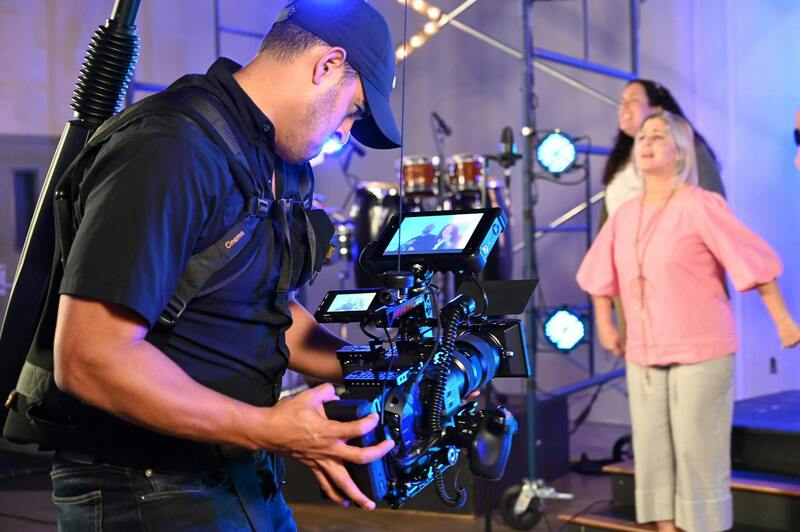
Employing a seasoned production team familiar with local laws and regulations in Miami ensures that the entire process aligns with regional requirements. This proactive approach not only minimizes the risk of legal issues but also enhances the overall quality and credibility of the promotional content.
Key Elements of Effective Real Estate Video Production
Creating compelling real estate videos that effectively showcase commercial properties requires a strategic approach grounded in professionalism and attention to detail. To ensure each video achieves its marketing objectives while maintaining authenticity, several core elements must be meticulously incorporated.
High-Quality Visual Content
The foundation of any successful real estate video is high-quality footage. This involves utilizing professional-grade cameras and stabilizing equipment to capture crisp, clear images that accurately reflect the property’s features. The footage should highlight the expansive spaces, architectural details, and unique design elements that set the property apart. Proper lighting is also essential, ideally achieved by shooting during optimal natural light conditions or using professional lighting setups to illuminate interior spaces evenly.
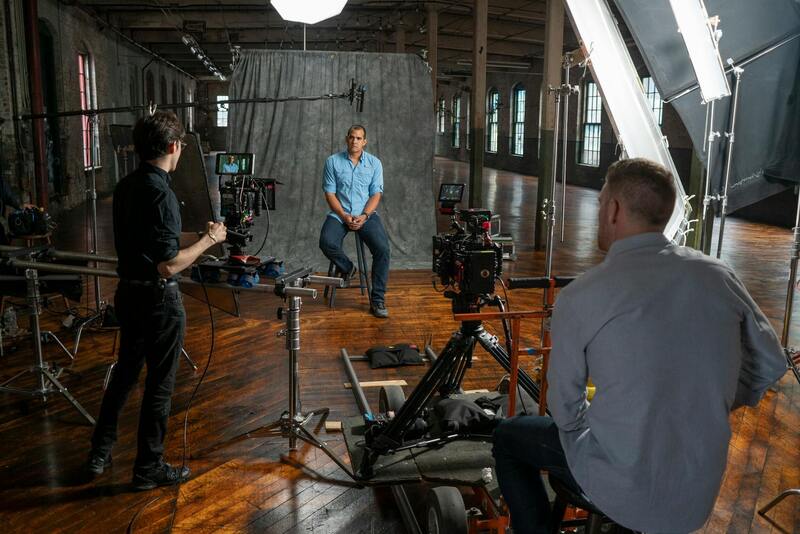
These efforts collectively ensure viewers can rely on the visuals to gain an authentic understanding of the property. While drone footage adds a dynamic perspective of the property's exterior and surrounding environment, its use should be legally compliant and conducted by licensed drone operators familiar with local regulations.
Engaging Narrative and Timing
Beyond visuals, the narrative component of the video is crucial. Clear, concise voiceovers or on-screen text should guide viewers through the property, emphasizing key selling points without being overly promotional. The pacing should be carefully managed to maintain viewer interest—avoiding rushed sequences or overly long shots. Timing is especially important in capturing the essence of spaciousness and flow, demonstrating how different areas connect seamlessly.
Consistent Branding and Call-to-Action
Including branding elements such as logos, contact details, and a consistent color scheme reinforces brand recognition. A compelling call-to-action prompts viewers to take the next step, whether it’s contacting a sales agent, scheduling a viewing, or accessing additional property details. These elements should be integrated unobtrusively within the video to maintain professionalism.
Adherence to Compliance Standards
All content must accurately represent the property, avoiding exaggerated or misleading visuals. Incorporating only approved branding and ensuring compliance with regional advertising standards protects the integrity of the marketing effort. Proper licensing for music and visual assets further upholds content legitimacy, ensuring the video aligns with industry best practices and regional regulations.

Incorporating these elements results in a professional, authentic, and engaging real estate video that effectively communicates the value of commercial properties in Miami. When produced with attention to detail and compliance, these videos become powerful tools for attracting prospective buyers and making informed decisions based on trustworthy visual content.
Legal Considerations and Compliance in Video Production
When creating real estate videos for commercial properties, adhering to established standards and guidelines is essential to protect the integrity of the marketing effort and ensure the content remains trustworthy. This involves a careful balance of accurately representing the property, respecting intellectual property rights, and following regional advertising standards.
First, it is crucial to ensure that all visual and audio assets used within the video are authorized for commercial use. This includes licensed music, stock footage, and images that are incorporated into the final product. Using unlicensed material can lead to unnecessary complications and undermine the professionalism of the presentation.
Secondly, the depiction of the property must be truthful and free from exaggeration or misleading visuals. This foundational principle helps avoid potential disputes and enhances credibility with prospective buyers and investors. For instance, showcasing the actual usable space and unique features of a property, rather than artificially enhancing perceptions through deceptive angles or editing, maintains transparency.

Regional advertising standards also influence how videos are produced and distributed. These standards often specify transparency about property details, discourage false claims, and require clear disclosure of contact information. Producers should familiarize themselves with local regulations to ensure compliance at every stage of content creation.
In addition, proper licensing and permissions should be secured for drone footage, if used, along with any required permits for commercial filming. This not only maintains legal integrity but also demonstrates professionalism and respect for property rights and local regulations.
Ensuring Ethical Marketing Practices
- Use only authorized visual and audio content to avoid licensing issues.
- Present honest and accurate depictions of the property without misleading enhancements.
- Follow regional advertising standards, including disclosures and contact details.
- Obtain necessary permits for drone or aerial footage if applicable.
- Disclose any material information that could influence a buyer’s decision.
By observing these practices, real estate professionals can produce high-quality visual content that is both compelling and compliant. This commitment to transparency and adherence to guidelines strengthens the overall credibility of the marketing campaign, fostering trust with prospective clients and reinforcing the reputation of the Miami real estate market.
Legal Considerations and Compliance in Video Production
Producing real estate videos that align with regional standards involves a comprehensive understanding of procedures that uphold content integrity and respect for property rights. It is essential to adhere to authorized methods of capturing and presenting property visuals, avoiding unauthorized use of proprietary content. This includes securing proper permissions for any third-party images, music, or footage integrated into the videos. One primary aspect of compliance involves obtaining necessary permits for aerial or drone shots. These permits are typically issued by local authorities or aviation agencies, ensuring that aerial footage is captured legally and safely. Additionally, when filming on private property, explicit consent from the property owner or authorized representative is required. This consent confirms that all parties recognize the intentions of the video production and agree to its scope. Disclosures play a vital role in maintaining transparency. Clear disclosures about the property’s features, including any imperfections or defects, help set accurate expectations for viewers and prospective buyers. This transparency fosters trust and aligns with regional advertising standards. Another critical factor is the use of licensed visual and audio content. Utilizing licensed music, images, and footage mitigates royalty issues and potential copyright disputes that could arise during or after distribution. Compliance with local advertising regulations also involves proper disclosure of contact information, licensing credentials, and any material affiliations. Ensuring these details are visibly included within the video or accompanying listing materials enhances credibility. Furthermore, adherence to data protection laws, especially when gathering viewer analytics or conducting targeted marketing campaigns, is paramount. Collecting user data responsibly and informing viewers of any data collection practices is necessary to align with regional privacy standards. Regularly staying informed about evolving regulations related to commercial filming and digital marketing ensures sustained compliance. Collaborating with experienced professional production crews familiar with these legal frameworks guarantees that each step—from pre-production planning to post-production editing—meets regional guidelines. Ultimately, meticulous attention to legal considerations and compliance in real estate video production reinforces the professionalism of your marketing efforts. It demonstrates a commitment to ethical standards that preserve the trust of clients and stakeholders, while also protecting your reputation in a competitive Miami real estate market.
Legal Considerations and Compliance in Video Production
Ensuring that your commercial real estate videos meet established industry standards involves meticulous attention to compliance with regional advertising and marketing regulations. This encompasses proper disclosure of all relevant information and adherence to guidelines that foster transparency and accuracy in property representation.
One fundamental aspect is the accurate portrayal of property features without misrepresentation. This includes providing truthful descriptions and highlighting key amenities or limitations, avoiding any exaggerations that could mislead prospective buyers or tenants. Accurate depictions boost viewer trust and align with ethical marketing practices.
Additionally, the use of licensed content is critical. This involves sourcing music, stock footage, and images from reputable providers that grant appropriate rights for commercial use. This approach not only safeguards against copyright issues but also maintains the integrity of your branding efforts.
Clear licensing and permissions extend beyond media assets to include talent and location releases. Securing consent from individuals appearing in videos and from property owners or location managers ensures legal clarity and respects privacy rights. This process prevents potential disputes that could disrupt marketing campaigns or lead to costly litigation.
Overlaying legal disclaimers or disclosures within the video is often necessary, especially when promoting investment properties or commercial ventures. These disclosures clarify terms, conditions, or specific investment details, contributing to transparency and informed decision-making among viewers.
In the realm of data collection and analytics, adhering to privacy standards is essential. When gathering viewer data for marketing analysis or retargeting efforts, it is vital to implement clear privacy notices and obtain necessary consent. Proper data handling not only aligns with regional policies but also reinforces trust with your audience.
Finally, staying current with evolving advertising regulations ensures ongoing compliance. This includes monitoring regional changes in digital marketing laws, advertising standards, and industry best practices. Partnering with experienced production firms familiar with these legal landscapes guarantees that each phase—from pre-production planning to the final edit—upholds all compliance requirements.

Legal Considerations and Compliance in Video Production
Creating compelling real estate videos for commercial properties in Miami entails meticulous attention to permissions, licensing, and respectful filming practices. Ensuring all necessary documentation is obtained before filming mitigates risks and upholds professional standards. This includes securing all relevant property access agreements, which outline the scope and duration of filming, as well as any restrictions or special conditions imposed by property owners or management entities.
When featuring individuals in videos, obtaining model releases is indispensable. These documents grant permission to include their likenesses in promotional materials, clarifying how the footage will be used. This not only facilitates smooth production workflows but also reassures clients and stakeholders that privacy rights are respected. It is beneficial for production teams to maintain an organized record of all signed releases to streamline review processes and ensure compliance during editing and distribution.

Licensing considerations extend beyond permissions; they encompass compliance with regional regulations related to filming permits, drone operations, and the usage of copyrighted music or footage. For example, drone footage used in Miami's urban landscape requires specific clearances from aviation authorities, especially for commercial purposes. Using licensed music enhances the professionalism of the final product and avoids infringement issues, ensuring smooth distribution across digital platforms.
Respectful filming practices are also vital to maintaining integrity and positive relations within the community. This involves minimizing disruptions during filming, respecting private property boundaries, and adhering to guidelines set forth by local authorities. Filming in sensitive locations or capturing commercial activities requires additional coordination and consent to prevent any infringement of privacy or operational standards.
Moreover, understanding regional laws and industry standards specific to Miami and Florida helps in framing content appropriately. These include regulations on advertising disclosures for real estate investments, zoning compliance, and environmental considerations. Staying informed about these legal parameters ensures that every phase of the video production process— from planning through post-production—is conducted responsibly, ethically, and in accordance with the law.
Engaging with experienced legal advisors or compliance specialists during the planning phase can further safeguard your project. Their insights help navigate complex licensing requirements, validate contractual agreements, and ensure that your marketing strategies promote transparency and trustworthiness within Miami's dynamic real estate sector.