Understanding the Importance of Professional Real Estate Photography
In the competitive landscape of Miami’s real estate market, the quality of photographic imagery can significantly influence a property's visibility and appeal. High-resolution, well-composed images serve as the first impression for potential buyers browsing online listings, which constitute a primary research method for most real estate transactions. Listings topped with vivid, professional photographs tend to attract more inquiries and generate higher engagement, ultimately increasing the likelihood of a successful sale or lease.
Miami's vibrant and dynamic environment necessitates images that not only showcase the physical attributes of properties but also evoke the lifestyle associated with the location. Professional real estate photography captures the essence of each property, emphasizing its unique features, spaciousness, lighting, and architectural details. Such images are essential for providing an accurate representation that aligns with the expectations of prospective buyers, reducing the chances of misunderstandings or mismatched perceptions.
Effective real estate visuals extend beyond simple documentation; they act as compelling marketing tools that differentiate listings in a crowded marketplace. Properly executed photography highlights the property's best angles, employs strategic lighting, and utilizes depth techniques to create inviting, aspirational narratives. In Miami, where properties often boast luxurious features, waterfront views, or expansive outdoor areas, professional photography ensures these assets are vividly portrayed to captivate viewers and motivate them to take the next step.
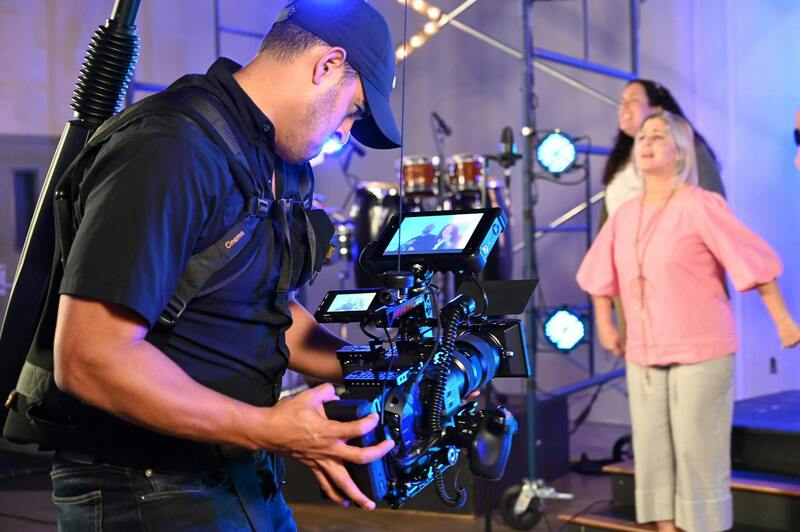
Furthermore, professional photos help to establish credibility and trustworthiness for real estate agents and property owners. Listings that feature crisp and professionally curated images reflect a level of care and attention to detail, which resonates with serious buyers. This perception fosters confidence, encourages showroom visits, and can facilitate quicker transactions.
In addition to attracting immediate interest, high-quality images are an essential component of a comprehensive marketing strategy. They are used across multiple channels, including online listings, social media advertisements, virtual tours, and print media. The investment in professional real estate photography ensures that properties are showcased in the best possible light, making them more memorable and increasing their chance of standing out in Miami's bustling property market.
Overall, the use of expert photography in real estate is a proven tactic to enhance marketing efforts, draw in targeted audiences, and help properties sell faster. For those involved in Miami's thriving market, partnering with skilled photographers is a crucial step toward achieving optimal results and maximizing property value.
Choosing the Right Equipment and Shooting Techniques
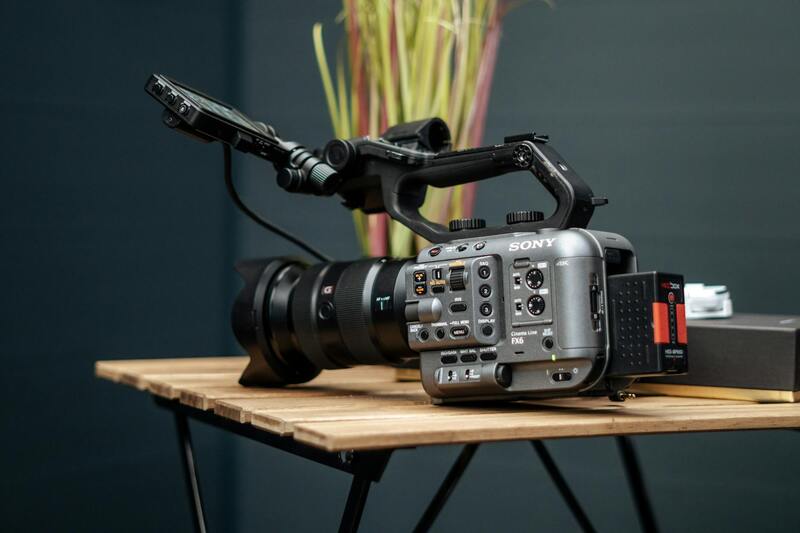
For a successful professional real estate shoot, selecting the appropriate equipment is fundamental. The right camera gear ensures high-resolution images, accurate color reproduction, and optimal clarity, even in challenging lighting conditions commonly encountered in Miami's diverse property styles. Full-frame DSLR or mirrorless cameras paired with wide-angle lenses are preferred because they capture expansive interior spaces and exterior views without distortion. These lenses allow the photographer to highlight the property’s best features by fitting more into each shot, creating a sense of spaciousness and grandeur.
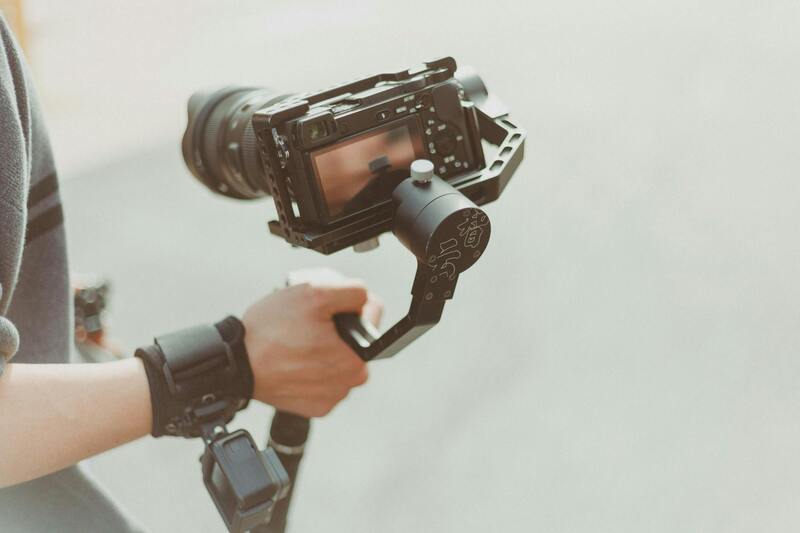
Utilizing a tripod stabilizes the camera, reducing blur and enabling precise framing. Stabilization is especially critical in low-light environments or during indoor shoots where natural light may be limited. For exteriors or properties with extensive outdoor spaces, polarizing filters can be employed to enhance sky contrast, reduce reflections, and improve color saturation. Incorporating high dynamic range (HDR) techniques allows photographers to balance lighting discrepancies between interior and exterior areas, ensuring that all features are visible and evenly illuminated. This is particularly beneficial for Miami homes with large window areas or scenic waterfront views.
Lighting plays a pivotal role in real estate photography. Natural light is often the most flattering and cost-effective lighting source, hence scheduling shoots during the day when sunlight is abundant is advantageous. Supplementing with professional lighting equipment, such as softboxes or LED panels, can help fill shadows, reduce glare, and produce consistent brightness across photographs. Properly lighting the interior eliminates dark corners and shadows, presenting spaces in their best light and helping prospective buyers visualize their future home accurately.
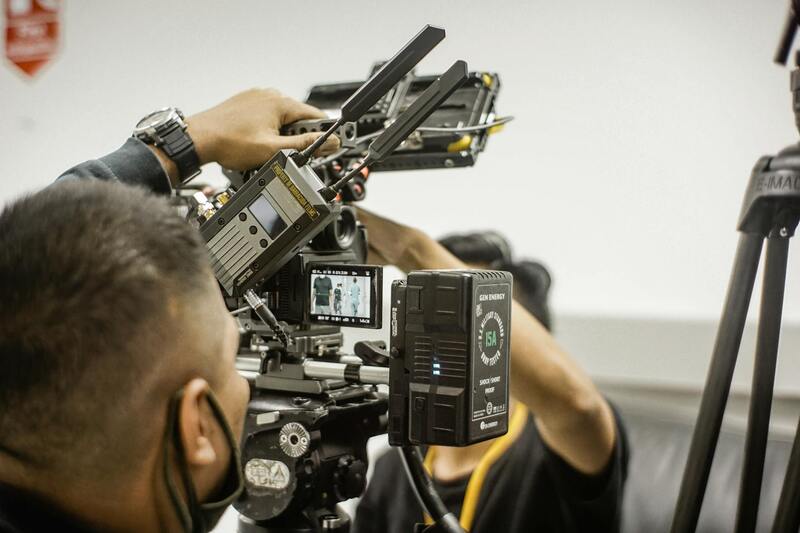
Advanced shooting techniques, such as panoramic stitching and tilt-shift photography, can further enhance visual storytelling by providing immersive views and correcting perspective distortions. These methods enable real estate professionals to showcase larger properties with comprehensive, true-to-life representations that captivate potential buyers and facilitate online engagement.
Choosing the Right Equipment and Shooting Techniques
Successfully capturing compelling real estate images hinges on using the appropriate camera gear, lighting, and shooting methods. High-resolution digital cameras with full-frame sensors are preferred because they deliver crisp details and excellent low-light performance, essential for showcasing properties under various lighting conditions. Wide-angle lenses, typically between 14mm and 24mm, allow photographers to encompass more of each space, making rooms appear larger and more inviting. These lenses minimize distortion and ensure that the property’s true proportions are accurately represented.
Proper lighting equipment enhances the visual appeal of interior shots. Portable LED panels with adjustable brightness and color temperature are invaluable for filling shadows and highlighting architectural features. Softboxes diffuse light evenly across subjects, creating a natural ambiance that resonates with potential buyers. When paired with natural sunlight, professional lighting ensures consistent, high-quality images regardless of external weather conditions or time of day.
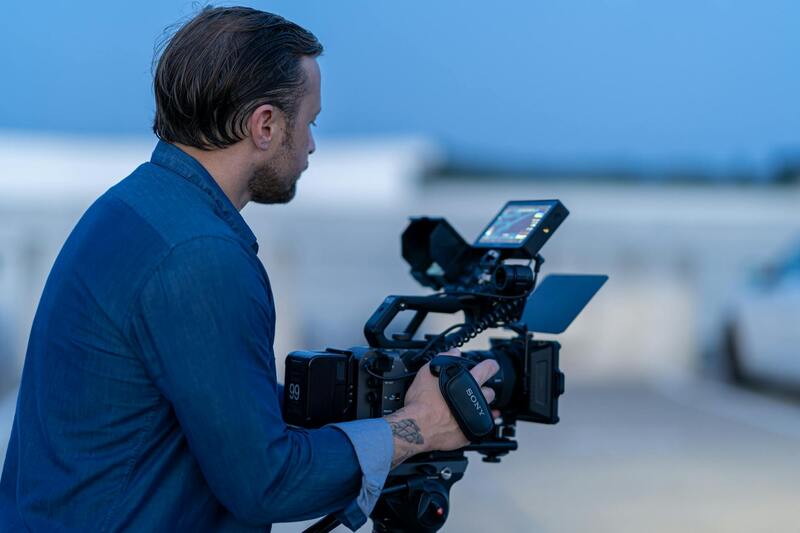
Advanced shooting techniques also play a vital role. Bracketing multiple exposures combined through high dynamic range (HDR) processing help balance lighting discrepancies in scenes with strong contrasts—such as brightly lit windows and shadowed interior corners. Panorama stitching expands the viewing angle, providing immersive images of large spaces or outdoor environments. Tilt-shift lenses correct perspective distortions, especially in tight urban settings, ensuring lines such as walls and ceilings appear straight and true to life.
To maximize the visual impact, photographers often employ strategic angles that emphasize key features, such as spaciousness or scenic views. Shooting from a corner position, for example, captures the room’s depth while showcasing multiple areas within a single frame. A higher vantage point might highlight unique architectural elements or outdoor landscapes. These techniques, combined with meticulous composition, create compelling imagery that engages viewers and helps properties stand out online.
Best Times and Angles for Real Estate Photography in Miami
Timing is crucial when scheduling real estate shoots to harness optimal lighting conditions. Mid-morning or late afternoon, known as the golden hour, offers soft, warm sunlight that enhances exterior features and reduces harsh shadows. Overcast days can also be advantageous, providing diffuse light that evenly illuminates interior and exterior spaces, reducing the need for extensive artificial lighting.
Angles significantly influence the perception of a property. Shooting from eye level or slightly elevated positions provides a natural perspective, allowing viewers to imagine themselves within the space. Wide-angle shots from doorways or corners maximize room size and spatial relationships. For outdoor areas, elevating vantage points, such as from a balcony or ladder, offers sweeping views of surroundings and landscaping details.
In Miami’s vibrant setting, capturing waterfront views or lush landscaping requires thoughtful positioning. Emphasizing elements like patios, pools, or scenic vistas from optimal angles invites potential buyers to appreciate lifestyle benefits. Combining well-chosen times with strategic angles guarantees compelling visual narratives that highlight a property's unique selling points and the lifestyle it offers.
Using Drone and Aerial Shots to Highlight Property Features
Integrating drone photography into real estate shoots offers a unique vantage point that captures the full scope of a property’s layout, surroundings, and key features. Aerial views are particularly effective for showcasing sprawling estates, large acreage, or properties with extensive outdoor amenities such as pools, gardens, or scenic waterfronts. Elevated perspectives provide potential buyers with a comprehensive understanding of the property’s scale, positioning, and landscape design, which is challenging to convey through ground-level images alone.
Drone footage also enhances the visual appeal by presenting dynamic perspectives that add depth and context to a listing. For instance, highlighting proximity to amenities, local attractions, or natural features helps to paint a complete lifestyle picture, increasing the property's desirability. Utilizing high-resolution drone imagery ensures sharp, clear visuals that maintain professionalism and effectively communicate the property's value. Advantages of aerial photography extend beyond visual appeal. It facilitates strategic marketing by enabling the creation of engaging virtual tours and promotional videos. These multimedia assets can be integrated into online listings, social media campaigns, and real estate presentations, making properties stand out in competitive markets like Miami.
Best Practices for Drone Photography in Real Estate
- Comply with Local Regulations: Ensure all drone operations adhere to local aviation guidelines and obtain necessary flight permissions.
- Optimal Weather Conditions: Schedule flights during clear, windless days to achieve stable, high-quality footage. Avoid fog, rain, or overly bright sunlight which can obscure details.
- Planning Flight Paths: Develop a flight plan that covers key angles and focal points, such as entryways, backyard amenities, waterfront views, and nearby attractions.
- High-Quality Equipment: Use drones equipped with high-resolution cameras capable of capturing sharp images and smooth footage.
- Professional Operation: Employ experienced drone pilots to ensure safety, precision, and the delivery of cinematic visuals.
Enhancing Property Listings with Aerial Footage
Incorporating drone images and video footage into property listings elevates visual storytelling and provides a competitive advantage. Potential buyers appreciate the transparency and depth offered by aerial perspectives, which foster a better understanding of spatial relationships and property boundaries. These images can be used to create engaging promotional materials that distinguish the property in online environments, compelling prospective buyers to engage and inquire further.
Conclusion
Employing drone and aerial photography as part of a comprehensive real estate marketing strategy significantly increases a property’s visibility and appeal. It offers viewers a compelling, multidimensional perspective that ground-level images cannot fully replicate. When executed with precision, these techniques provide valuable insights into a property's layout, scale, and surrounding environment, effectively engaging prospective buyers and supporting faster sales cycles.
Legal and Ethical Considerations for Real Estate Shoots
When conducting a real estate shoot, especially in a vibrant city like Miami, adhering to established standards and regulations is essential to maintain professionalism and protect all parties involved. While capturing stunning visuals, it is crucial to respect privacy rights, property boundaries, and local guidelines to ensure a seamless and responsible photography process.
One of the main aspects to consider is securing proper authorization prior to entering private properties. This involves obtaining explicit permission from property owners or managers. Such authorization ensures that the shoot proceeds without interruptions and that the imagery accurately represents the property as intended. Clear communication with stakeholders about the scope, purpose, and usage of the images fosters transparency and preserves professional relationships.
Furthermore, being aware of property restrictions and restrictions related to drone usage is vital. Many residential communities, commercial complexes, and public spaces may have specific rules governing the operation of aerial devices. Complying with these directives helps avoid potential legal issues and safety concerns. It is advisable to familiarize oneself with Miami’s local ordinances regarding drone flights, altitude limits, and no-fly zones.
Respecting personal privacy is another critical factor. Photographers should avoid capturing identifiable individuals without their consent, especially in private areas. This practice not only aligns with respectful conduct but also prevents disputes over privacy violations. In instances where capturing such details is unavoidable, obtaining model releases or consent forms is recommended.
To uphold ethical standards, photographers and clients should also be cautious to depict properties accurately. Avoiding manipulations that could mislead prospective buyers or misrepresent the property's condition is a fundamental aspect of ethical real estate photography. Honest, clear, and unaltered images build trust and facilitate a positive buying experience.
In essence, a well-conducted real estate shoot hinges on compliance with legal standards and ethical practices. Building a reputation rooted in trust and professionalism not only enhances your portfolio but also guarantees the ongoing success of your real estate photography endeavors in Miami and beyond.
Further Techniques for Elevating Your Miami Real Estate Photography
Mastering the craft of real estate photography in Miami involves more than just capturing interior spaces; it requires an attention to detail and an understanding of visual storytelling that accentuates the property's best features. Achieving this demands a strategic approach to camera positioning, lighting, and staging, aimed at producing images that resonate with prospective buyers. Proper framing should highlight architecture, spaciousness, and natural light, which are key selling points in Miami’s competitive market.
Understanding how to manipulate natural light is particularly vital. Shooting during specific times of day, such as early mornings or late afternoons, allows photographers to take advantage of soft, golden light that enhances textures and colors. Additionally, using reflectors or diffusers can help control shadows and ensure that interior spaces are bright and welcoming.
Complementing these techniques with meticulous staging — removing clutter, arranging furniture to showcase the flow of space, and adding subtle decorative touches — significantly impacts the visual appeal. Each shot should tell a story about the property, emphasizing its unique selling points while maintaining a natural look.
Utilizing Natural and Controlled Lighting to Enhance Property Features
Effective lighting is fundamental to capturing the true essence of a property in a real estate shoot. Properly used, lighting accentuates architectural details, highlights key features, and creates an inviting atmosphere that resonates with prospective buyers. Natural light, especially during the golden hour—shortly after sunrise or before sunset—casts warm, soft illumination that enhances the property's appeal. Shooting during these times can result in images that glow with a natural brightness, making spaces appear more spacious and welcoming.
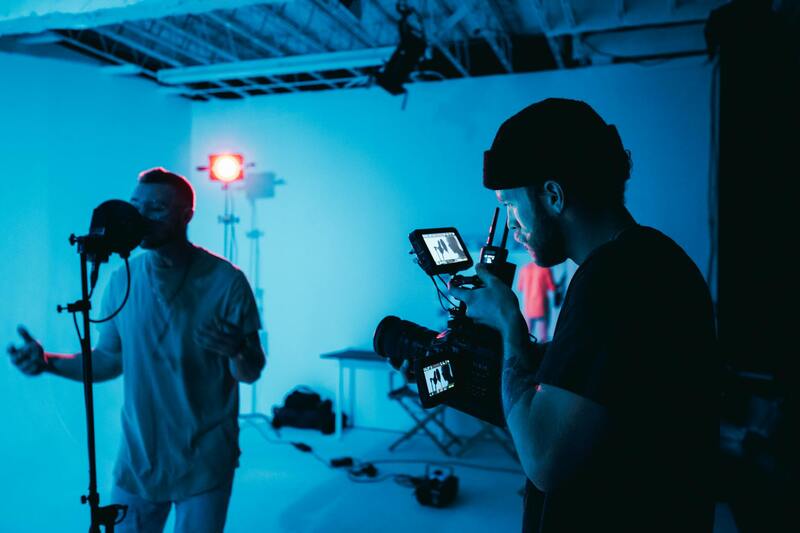
Controlled lighting, achieved through the strategic use of flashes, LED panels, and reflectors, allows photographers to manage shadows and highlight specific areas regardless of external weather conditions. These tools are particularly valuable when capturing interiors with limited natural light or exterior shots during overcast days. Diffusers can soften harsh sunlight, preventing overexposure and unwanted glare, while reflectors bounce light into darker corners, revealing intricate details without sacrificing ambiance.
Additionally, understanding and adjusting camera settings such as ISO, aperture, and shutter speed are crucial for maximizing lighting quality. Low ISO settings reduce noise in images, while aperture adjustments influence depth of field—ensuring entire interior spaces are in focus. Combining technical camera mastery with lighting techniques results in high-resolution, vibrant images that authentically represent the property's character.
Strategies for Consistent Image Quality Across Real Estate Portfolios
Maintaining consistency in image quality across a property’s portfolio is vital for establishing a professional visual identity. This involves standardizing camera settings, lighting conditions, and shooting angles to create a cohesive presentation. When each property is photographed with a consistent style, it not only fosters brand recognition but also assures clients of the photographer’s attention to detail and proficiency.
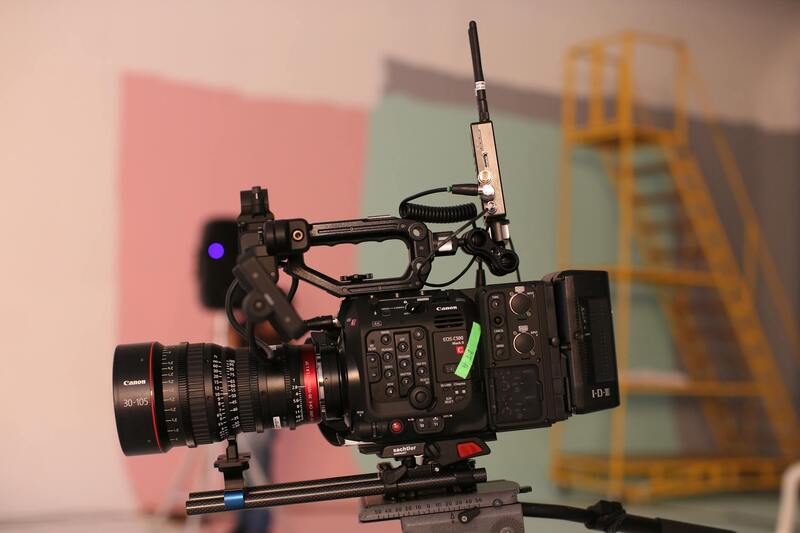
To achieve this, detailed shot lists should be prepared prior to the shoot, ensuring all essential areas are covered with similar framing and perspective. Employing the same equipment configurations, such as focal length and filters, minimizes variability and ensures uniformity. Post-shoot processes should also adhere to established editing standards, adjusting exposure, color balance, and sharpness uniformly across images.
Furthermore, quality assurance protocols, such as reviewing images on calibrated screens immediately after the shoot, enable the identification of inconsistencies or errors—like color imbalances or misaligned compositions—that can be corrected promptly. These practices guarantee that every image in the portfolio reflects professionalism, precision, and a compelling visual narrative essential for Miami’s diverse real estate market.
Utilizing High-Quality Imaging for Effective Marketing
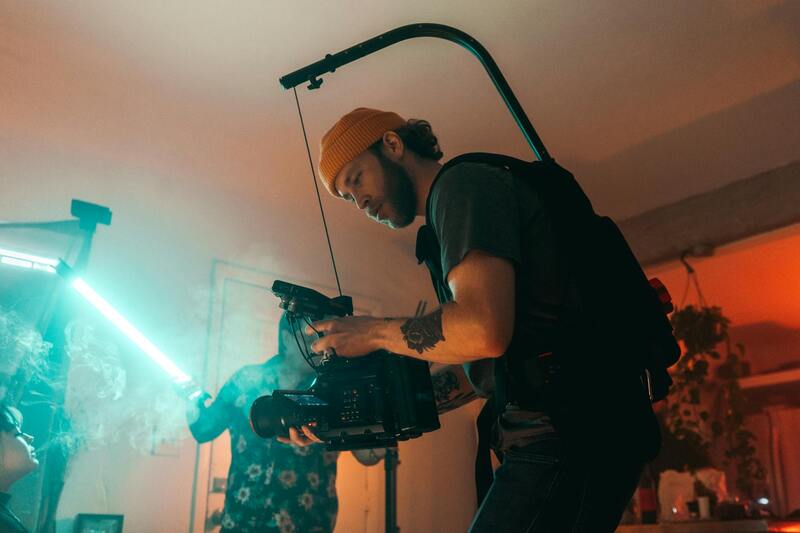
Once the comprehensive imaging of the property, including standard photography, drone shots, and panoramic views, has been completed, the next critical step involves optimizing these visuals for maximum marketing impact. High-resolution images need to be properly formatted and compressed to ensure quick loading times on property websites and listings without compromising on quality. This ensures that potential buyers or tenants have a seamless viewing experience, encouraging more engagement.
Additionally, strategic image selection is paramount. Not every shot captured during the session will serve the marketing goals; therefore, selecting the most compelling images that showcase the property's strengths is essential. This includes highlighting key features such as spacious living areas, modern kitchens, scenic outdoor spaces, and unique architectural details.
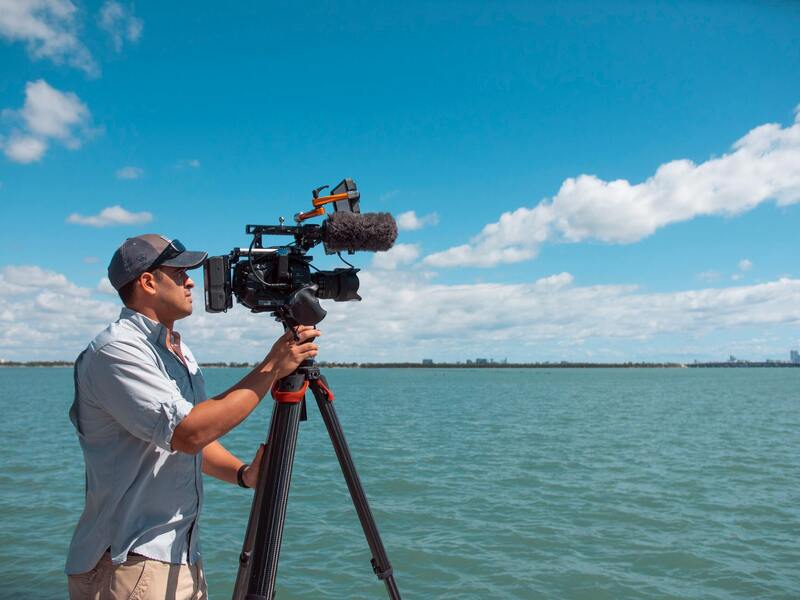
Careful image sequencing plays a significant role in presenting the property in a story-like manner. Starting with exterior shots sets the scene, followed by interior images that guide viewers through the space logically. This approach helps prospective buyers envision living in the property, fostering emotional engagement and increasing the likelihood of inquiries.
Quality control is a vital component during this phase. Every image should be examined for consistency in color balance, brightness, and perspective to maintain a professional appearance. Employing color grading and subtle retouching can further enhance the visual appeal, making images stand out in competitive Miami real estate markets.
Final images should be formatted appropriately for diverse platforms, including MLS listings, social media posts, and dedicated property websites. Use of optimized, web-friendly formats ensures swift loading times and preserves image clarity across devices, from desktop computers to mobile phones. Properly prepared visuals not only improve aesthetic appeal but also reinforce the property's perceived value, facilitating faster sales and lease agreements.
Maximizing Visual Impact Through Strategic Display and Integration
Beyond individual images, employing virtual staging can demonstrate how spaces can be utilized, increasing their appeal to potential buyers. Virtual staging allows for the addition of furniture or décor elements digitally, giving a realistic sense of the property's potential.
Embedding images within comprehensive virtual tours or 3D walkthroughs provides a more immersive experience that static images alone cannot offer. These technologies enable viewers to navigate the property at their own pace, viewing from multiple angles and perspectives, thereby enhancing engagement and interest.
Furthermore, integrating high-quality videos alongside images can significantly boost the property's marketing profile. Video tours offer dynamic visual storytelling, capturing the true atmosphere and flow of the space, and are often shared extensively across digital platforms to reach broader audiences.
Finalizing and Distributing the Marketing Content
After editing and optimizing visuals, the next step focuses on strategic distribution. Ensuring that images and videos are synchronized across various channels helps create a consistent marketing narrative. Regular updates with fresh visuals can keep listings current and maintain audience interest.
Ultimately, leveraging professional-grade imagery as part of a comprehensive marketing plan significantly elevates the property's presentation, attracts more qualified leads, and accelerates the sales process. Skilled visualization not only highlights individual property features but also establishes a strong, recognizable brand presence within Miami’s highly competitive real estate market.