Importance of High-Quality Property Photos
In the competitive Miami real estate market, the visual presentation of a property can significantly influence its desirability and the speed at which it sells. High-quality property pictures are more than just aesthetic choices; they are strategic tools that attract prospective buyers and generate increased interest. Well-crafted images highlight the unique features and the overall appeal of a property, making it stand out in a crowded marketplace.
Professional photographs give potential buyers a comprehensive view of the property, allowing them to experience the space remotely and imagine themselves living there. This emotional connection can lead to quicker offers and more competitive pricing. Moreover, compelling visuals enhance online listings, increasing visibility across digital platforms and attracting a broader audience. In a city like Miami, where luxury and distinctive architecture are common, high-resolution images that showcase the property's best features are essential for capturing attention and establishing credibility.
Aside from attracting buyers, high-quality real estate photos also support marketing efforts by facilitating various advertising channels. Whether used in social media campaigns, email marketing, or real estate portfolios, professional imagery ensures that the property is presented consistently and attractively. This presentation builds trust and positions the property as a desirable option, ultimately leading to successful sales outcomes.
Key Elements of Compelling Real Estate Photos
To craft appealing property images, certain elements must be prioritized. These include bright lighting that highlights the space, wide-angle lenses to capture more of the room, and accurate color rendering to represent the property authentically. Composition plays a pivotal role, with a focus on symmetry and decluttering to ensure the property appears inviting and well-maintained. Additionally, capturing essential rooms such as the kitchen, living areas, and outdoor spaces provides a comprehensive view that appeals to diverse buyer preferences.
- Lighting: Use natural light to create a warm, inviting atmosphere; supplement with professional lighting if necessary.
- Angles: Employ strategic angles to emphasize space and architectural features.
- Declutter: Remove personal items and clutter to showcase the property's potential.
- Focus: Ensure sharp focus on key elements to highlight details and textures.

Photography Equipment and Techniques
Achieving professional-quality real estate photos requires specialized equipment and techniques. High-resolution digital cameras equipped with wide-angle lenses allow photographers to capture expansive views of rooms and outdoor spaces. A tripod is essential for maintaining stability and consistency across shots, especially in low-light conditions. Advanced techniques such as HDR (High Dynamic Range) imaging help blend multiple exposures, balancing highlights and shadows for well-lit, vibrant images.
Proper camera settings, including appropriate aperture, ISO, and shutter speed, are critical for clarity and depth of field. Using remote triggers or timers minimizes vibrations, ensuring sharp images. For outdoor shots, considering the time of day for optimal sunlight is crucial to avoid harsh shadows or overexposure. Mastering these technical aspects ensures that each photograph is crisp, bright, and enticing, ultimately convincing viewers of the property's value.
Staging and Preparing Properties for Photoshoots
Before capturing images, thorough staging and preparation of the property are indispensable. A clean, organized space conveys a sense of care and attention to detail that prospective buyers notice immediately. Eliminate personal clutter, depersonalize the space, and ensure surfaces are spotless. Highlight the property's best features through strategic furniture placement and decoration.
During preparation, consider enhancing curb appeal with fresh landscaping and exterior cleaning. Ensure windows are spotless and lighting fixtures are functioning correctly. Properly arranging furniture and accessories can make rooms appear larger and more inviting. Well-prepared properties result in more appealing images that resonate with viewers, increasing the chances of interest and inquiries.
Key Elements of Compelling Real Estate Photos
Capturing high-quality real estate property pictures requires a strategic approach that emphasizes several key elements. The primary focus should be on lighting, composition, and perspective, as these factors significantly influence the visual impact of the images. Proper lighting ensures the property appears bright, welcoming, and true to life. Natural light, when available, should be maximized, ideally during early morning or late afternoon hours to avoid harsh shadows and overexposure. Supplementing natural light with professional lighting equipment can help illuminate interior spaces evenly, showcasing features without unwanted shadows or glare.
Composition plays a crucial role in creating visually appealing photos. Utilizing the rule of thirds, leading lines, and framing techniques helps guide viewers’ eyes naturally through the space. Wide-angle lenses are often preferred to capture more of the room within a single shot, giving a sense of spaciousness while maintaining clarity and detail. Carefully chosen camera angles can highlight the property's best features, such as a scenic view, an architectural detail, or an inviting entryway.
The perspective from which images are captured also impacts viewer perception. Low or eye-level shots can create depth, making spaces appear larger and more inviting. Overhead shots may be useful in depicting entire layouts, especially for large outdoor spaces or combined living areas. Ensuring symmetry and balance in framing helps convey a sense of order and harmony, making the property more appealing to potential buyers or tenants.
Color accuracy and clarity are vital for conveying a true representation of the property. Using professional-grade cameras set to appropriate ISO and aperture settings can help reduce noise and ensure sharpness. Consistent white balance adjustments across images prevent color distortions that can mislead viewers about the property's true appearance. High-resolution images allow for detailed viewing, which enhances online listings and supports effective print marketing.
To avoid distortions and preserve proportions, photographers utilize proper lens selection and careful post-processing. These technical nuances contribute to captivating and trustworthy visuals that effectively communicate the property's value, increasing engagement and interest from prospective clients.
Photography Equipment and Techniques
Achieving exceptional real estate property pictures requires the right combination of advanced equipment and refined techniques. Professional photographers typically utilize high-resolution digital cameras equipped with wide-angle lenses, which are essential for accurately capturing both interior spaces and expansive outdoor areas. The use of wide-angle lenses allows for a broader field of view, making rooms appear more spacious and inviting without distorting proportions excessively. These lenses are particularly advantageous when photographing tight spaces or architectural details that benefit from a wider perspective.
Proper lighting is fundamental to producing high-quality images. Photographers often schedule shoots during optimal daylight hours, utilizing natural light to illuminate interiors vividly. Supplementing with professional lighting equipment such as softboxes or LED panels can eliminate harsh shadows and highlight key features. In some instances, exterior shots benefit from twilight or golden hour timing, which enriches the ambiance and adds depth to each scene.
Stability and image clarity are achieved through the use of tripods, ensuring sharpness even in low-light conditions. Additionally, polarizing filters can be employed to reduce reflections on glass surfaces and water features, delivering clearer, more detailed visuals. The selection of appropriate camera settings—such as ISO, aperture, and shutter speed—is vital. Keeping ISO low minimizes noise; a wider aperture allows more light to enter, producing brighter images with a pleasing bokeh effect on background elements. Adjustments during post-processing can further fine-tune brightness, contrast, and color accuracy for optimal presentation.

Technique-wise, capturing images from multiple angles provides a comprehensive view of the property. High and low viewpoints, along with overhead shots for outdoor spaces, help to showcase the property’s layout and key features. Ensuring that lines are straight and converging points are aligned prevents distortion and maintains proportional integrity. Framing each shot with symmetry and balance draws the viewer’s eye across the image and emphasizes the property’s best attributes. Post-shoot review and editing, including color correction and perspective adjustment, refine images to meet high aesthetic and informational standards.
Overall, the integration of sophisticated equipment and meticulous techniques forms the foundation of compelling real estate imagery. These high-quality visuals serve as the critical first impression for prospective clients browsing online listings, influencing engagement and decision-making.
Post-Processing and Editing for Best Results
Effective post-processing is essential to elevate real estate property pictures from good to exceptional. High-quality editing enhances the original capture by correcting exposure, balancing colors, and sharpening details, ensuring the images accurately represent the property’s appeal. Advanced photo editing software allows for precise adjustments, including eliminating minor imperfections, brightening shadows, and adjusting contrast to make features stand out.
Color correction plays a crucial role in refining images, ensuring that the hues of walls, flooring, and outdoor elements appear natural and inviting. Proper white balance adjustment prevents color casts, maintaining consistency across all photographs. Perspective correction is also fundamental; it ensures vertical lines, such as walls and doorframes, remain straight and undistorted, accurately reflecting the real dimensions of the space.
Cropping and framing can help remove distractions from the edges of photos, focusing attention on the property’s best features. When done strategically, these edits can improve composition and visual flow, guiding viewers through the property seamlessly.
Specialized tools within editing software enable targeted enhancements—such as increasing brightness or contrast in specific areas—without compromising overall image quality. High Dynamic Range (HDR) techniques may also be employed to balance exposure between bright outdoor spaces and interior shadows, delivering images with depth and clarity.
The goal is to produce polished images that entice potential buyers or tenants, presenting spaces in their best light. Consistent color grading across a series of photographs maintains a cohesive look on online listings, reinforcing the property's appeal and professionalism.
Post-Processing and Editing for Best Results
After capturing high-quality real estate property pictures, the editing process plays a pivotal role in ensuring that images truly highlight the property's appeal. The goal is to enhance visual impact while preserving realism, making sure that prospective buyers or tenants receive an accurate representation of the space. This involves meticulous adjustments to brightness, contrast, and color saturation, crafted to bring out the property's best features without overstating or misrepresenting its appearance.
Color correction is essential for achieving true-to-life hues, especially when natural lighting varies throughout the day or across different rooms. Adjusting the white balance helps eliminate unwanted color casts, ensuring that whites appear neutral and colors are vibrant yet realistic. Enhancing brightness and contrast can add depth to the images, making spaces feel more inviting and spacious. However, these enhancements must be balanced carefully to avoid creating an overly edited or artificial look.
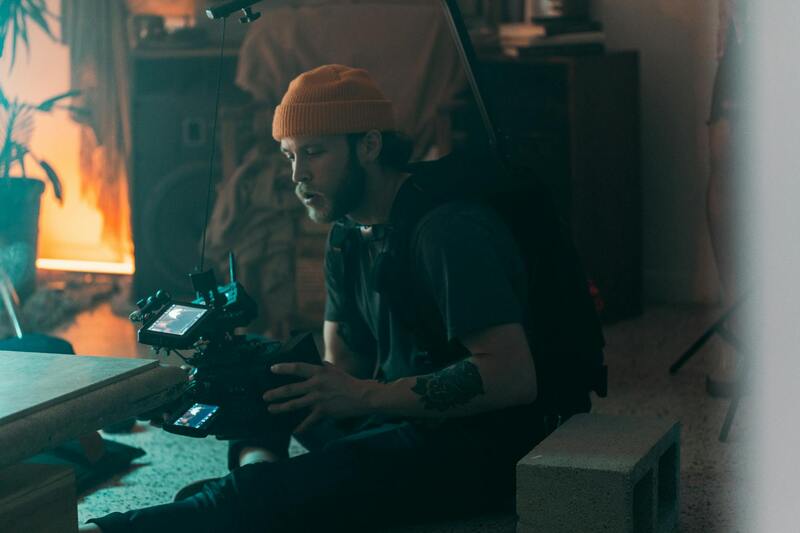
Advanced editing techniques such as local adjustments allow for targeted improvements—brightening shadowed areas or bringing out details in darker corners—without affecting the entire image. This precision helps maintain the natural feel of the space while highlighting its best features.
Utilizing tools like high dynamic range (HDR) imaging can be beneficial, especially for properties with challenging lighting conditions, by merging multiple exposures to create well-balanced images that showcase both indoor and outdoor areas effectively. Additionally, retouching minor imperfections—such as dirt, clutter, or blemishes—can make the property look pristine, further enticing viewers. Nonetheless, it's crucial that these edits stay within the realm of realism, ensuring potential clients see an authentic view of the property.
Consistent color grading across a series of images enhances the professional appearance of listings, creating a cohesive visual story that captivates audiences. Properly processed images help maximize the property’s online appeal, making listings more noticeable and trustworthy.
When images are optimized for different platforms—websites, social media, printed brochures—the editing process should be tailored to meet specific display requirements, such as resolution and aspect ratio. This ensures that images retain their quality and impact regardless of where they are viewed. Sharp, well-edited photos serve as an essential tool in standout property marketing, effectively attracting interest, accelerating inquiries, and ultimately facilitating faster sales or rentals.
Legal and Ethical Considerations in Property Photography
Engaging in property photography requires adherence to established standards that uphold professionalism and respect for all parties involved. One of the fundamental aspects is ensuring that all images accurately represent the property without exaggeration or misleading enhancements. This involves capturing true-to-life visuals that genuinely reflect the current condition, layout, and features of the property, fostering transparency for prospective buyers or tenants.
Obtaining proper permissions before photographing a property is crucial, especially in cases involving private residences or tenant-occupied spaces. It is necessary to coordinate with owners or property managers to secure authorization and schedule shoots at suitable times. Respecting privacy boundaries also means avoiding intrusive angles or images of personal belongings, ensuring that the privacy of current occupants is maintained at all times.
Respectful communication and professional conduct during the photoshoot process help establish trust and a positive reputation. Photographers should clearly outline the scope of work, usage rights for the images, and any post-processing limitations to prevent misunderstandings. This clarity supports an ethical framework that benefits both photographer and client, leading to results aligned with mutual expectations.
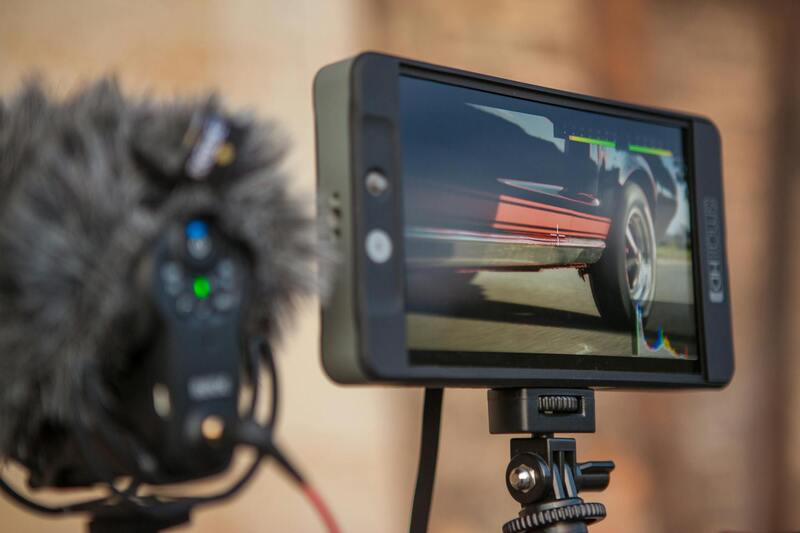
Additionally, it is important for photographers to stay informed about emerging industry standards, such as avoiding digitally altering features to the point where the images no longer depict the actual property. Maintaining these integrity principles reinforces credibility and fosters long-term relationships with clients.
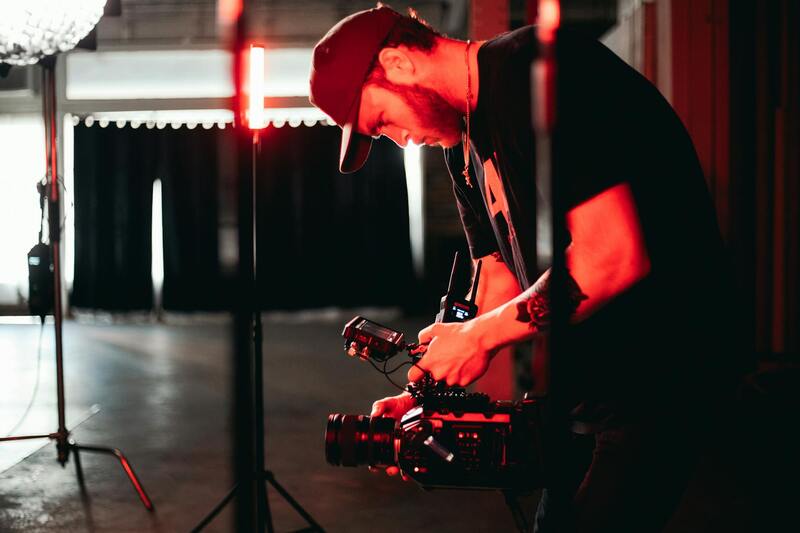
Techniques for Capturing Outstanding Real Estate Property Pictures
Achieving visually captivating and accurate real estate property pictures demands the use of sophisticated photography techniques that highlight the property's best attributes while maintaining an authentic representation. A combination of proper camera settings, lighting strategies, and composition plays a crucial role in producing images that attract potential buyers and showcase the property effectively.
Use of wide-angle lenses is a standard practice in real estate photography, enabling photographers to capture spacious interiors and architecture in a single frame. This approach accentuates the property's sense of scale, making rooms appear larger and more inviting. Careful control over aperture settings helps achieve sharp focus throughout the scene, ensuring that key features are easily identifiable.
Lighting is arguably the most significant factor influencing photo quality. Natural light, when available, should be maximized by shooting during the day when sunlight illuminates rooms evenly. To compensate for areas with insufficient natural light, photographers employ supplementary lighting solutions, such as external flashes or softboxes, to avoid shadows and maintain a bright, welcoming ambiance.

Mastering camera angles and perspectives is vital for creating engaging images. Shooting at eye level produces natural and relatable views, while strategic angles can emphasize architectural features or spacious layouts. Vertical lines should be kept straight to prevent distortion, especially when photographing rooms with tall ceilings or multiple levels, ensuring images reflect the true dimensions of the property.
Incorporating HDR and Post-Processing for Enhanced Visuals
High Dynamic Range (HDR) photography combines multiple exposures to accurately represent a scene’s light and dark areas, producing balanced images that reveal all details both inside and outside the property. This technique is particularly effective in cases where windows or exterior lighting conditions challenge the camera's dynamic range.
Post-processing plays a crucial role in refining real estate images. Adjustments to brightness, contrast, and color saturation can make photos more vibrant and appealing, while perspective corrections ensure walls and lines are straight and true to life. It is essential to avoid excessive editing that could misrepresent the property's appearance, maintaining integrity and transparency in marketing materials.
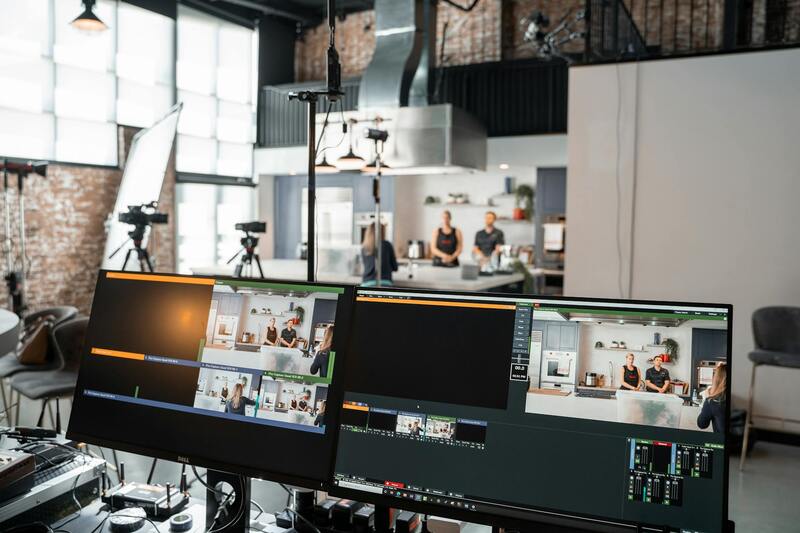
Overall, a combination of advanced photography techniques and responsible post-processing approaches ensures the production of high-quality, compelling real estate property pictures that resonate with prospective buyers and uphold the standards of professional marketing.
Legal and Ethical Considerations in Property Photography
Adhering to established guidelines and maintaining transparency are essential aspects of professional real estate photography. Photographers must accurately represent the property without exaggerating features or omitting critical details. This involves capturing images that genuinely reflect the property's current condition and layout, which helps prospective buyers form realistic expectations.
Respecting privacy and property rights is also vital. Photographers should obtain proper permissions from property owners or agents before conducting photoshoots. Ensuring that no personal belongings, sensitive information, or private spaces are inadvertently included in images is integral to ethical practice.
Moreover, the use of realistic lighting and avoiding over-editing ensures that images do not mislead viewers. While enhancements can improve visual appeal, they should not alter the genuine appearance of the property or disguise defects. Maintaining this balance supports a trustworthy presentation, fostering confidence among prospective buyers.

To uphold high standards, real estate professionals are encouraged to work with trained photographers who understand these ethical considerations. This collaboration ensures that marketing materials are both visually compelling and faithful to the actual property, facilitating a smooth sales process rooted in transparency and integrity.