Importance of HD Real Estate Pictures
In today’s competitive real estate market, the quality of property images significantly influences an agent’s ability to attract potential buyers. High-definition (HD) real estate pictures serve as a critical visual tool that can make a property stand out in online listings and marketing materials. Such images provide clarity, detail, and a true representation of the property’s features, enabling viewers to gain an accurate impression of the space without physically visiting the location. Enhanced visual appeal through HD photography often results in increased online engagement, higher click-through rates, and faster sales cycles. Buyers increasingly rely on digital images to evaluate a property’s condition and attractiveness, making HD photos an essential component of successful real estate marketing strategies.

Moreover, professional-grade HD images help to establish a trustworthy and credible listing, giving potential buyers confidence in the property’s presentation. Given that most prospective buyers start their search online, investing in high-definition photography can provide a competitive edge, ensuring the property appears polished and inviting among countless listings. The clarity and detail captured in HD images allow viewers to notice subtle yet important features—such as spacious interiors, high-end finishes, and well-maintained exteriors—thus facilitating a more informed decision-making process.
In essence, the visual representation of a property through HD imagery is no longer an optional luxury but an integral part of effective real estate marketing. It enhances the property's perceived value and can significantly shorten the sales cycle by attracting serious buyers early in the process. Real estate agents and property owners aiming to maximize their listing’s visibility and appeal should prioritize high-definition photography as a fundamental step in their promotional efforts.

Key Features of HD Real Estate Photography
High-definition real estate images are distinguished by their exceptional clarity and precise color rendering, which together create an immersive viewing experience. The core characteristics that set HD photography apart include sharp focus, balanced exposure, and accurate color reproduction that reflect the true aesthetic qualities of the property. This ensures that potential buyers see exactly what the space offers without misrepresentation. Additionally, wide-angle shots are fundamental, capturing expansive views of rooms and exteriors in a single frame. These lenses reduce distortion, allowing viewers to grasp the full scope of a space, and making rooms appear more spacious and inviting.
Lighting quality plays a pivotal role in HD real estate imagery. Proper lighting techniques, including natural light utilization and artificial illumination balancing, enhance visual appeal while minimizing shadows and highlights that can obscure details. When these features work together, HD images highlight architectural features, interior finishes, and exterior landscapes with remarkable detail, which persuades viewers of the property’s value and potential.
Incorporating these characteristics into real estate photos ensures the images are not only attractive but also reliable representations of the property, fostering trust and setting the stage for increased buyer interest. As a result, professional-quality HD images have become an indispensable component of compelling property listings, enabling prospective buyers to experience the property remotely with a realistic impression that encourages further inquiry.
Techniques for Capturing HD Real Estate Photos
Achieving the best possible HD images involves a combination of technical expertise and strategic planning. Utilizing advanced camera equipment with high-resolution sensors is essential to capturing fine details and vibrant colors. Correct lens selection, typically wide-angle lenses, allows for comprehensive room captures while maintaining image quality. Tripods stabilize the camera, ensuring sharpness and reducing motion blur, especially in low-light conditions. Shooting during optimal lighting conditions—preferably during daylight hours with ample natural light—helps produce images that are bright and welcoming. Multiple exposures can be combined through HDR (High Dynamic Range) techniques to balance interior and exterior lighting, preventing dark shadows or washed-out highlights. Post-processing is equally vital. Adjustments in color balance, brightness, contrast, and sharpness refine the image, ensuring it aligns with the property's real-life appearance. Properly processed HD images not only look professional but also stand out in digital listings, attracting serious buyers faster.
Editing and Post-Processing of HD Photos
Post-processing enhances the visual quality of HD images, making them more appealing and accurate. This stage involves cropping, straightening, and adjusting exposure levels to highlight the property's best features. Color correction ensures that the hues are true to life, which is crucial for maintaining authenticity. Retouching minor imperfections—such as blemishes, reflections, or distractions—helps create polished and inviting visuals. Additionally, HDR blending techniques are employed to achieve a balanced exposure in challenging lighting scenarios, ensuring interior details are visible without sacrificing exterior clarity. Advanced editing software allows for subtle enhancements without distorting the reality of the space. The goal is to produce images that are vibrant and eye-catching, yet truthful representations of the property. Well-executed post-processing not only elevates the overall quality but also solidifies the property's professional appeal across digital platforms.
Benefits of Using HD Images in Real Estate Marketing
Utilizing high-definition images significantly impacts the effectiveness of real estate marketing by increasing listing visibility and attraction. HD photos provide a more comprehensive view, enabling potential buyers to virtually tour the property with clarity and confidence. This level of detail can distinguish listings from competitors that rely on lower-quality images. Enhanced visual appeal directly influences the perception of a property’s value. Listings with sharp, well-lit images tend to generate more inquiries and showings, reducing the time a property spends on the market. Furthermore, high-quality images reduce the need for multiple visits, as buyers can assess preliminary interest based on compelling visuals. The use of HD images also facilitates social media marketing, where crisp visuals are more likely to be shared, expanding the property's reach. These images support consistent branding efforts, conveying professionalism and attention to detail that inspire trust among prospective buyers and investors. Ultimately, integrating HD imagery into marketing strategies drives engagement, accelerates sales processes, and enhances the overall reputation of real estate agents and owners alike.
Techniques for Capturing HD Real Estate Photos
Creating stunning high-definition real estate images requires a combination of professional techniques, suitable equipment, and meticulous planning. Photographers specializing in real estate often utilize advanced DSLR or mirrorless cameras equipped with wide-angle lenses to capture expansive, detailed shots of interiors and exteriors. These lenses allow for a broader field of view, making spaces appear more open and inviting.
Optimal lighting is central to producing crisp, vibrant images. Professional photographers often schedule shoots during times when natural light is abundant, such as late morning or early afternoon. They may also employ additional lighting equipment, including diffusers, softboxes, and external flashes, to eliminate shadows and evenly illuminate spaces. Proper lighting not only enhances the true colors of the property but also ensures that all features are clearly visible, reducing the need for excessive post-processing.
To achieve impeccable results, photographers meticulously plan each shot, considering perspectives that highlight a property's best features while minimizing any visual distractions. Using tripod stabilizers ensures sharp images, especially in low-light settings, preserving the highest detail clarity. Additionally, exterior photos are often taken during the golden hour—the period shortly after sunrise or before sunset—when natural sunlight enhances the property's curb appeal and casts warm, inviting tones.
Post-capture techniques such as HDR (High Dynamic Range) photography further enhance image quality. HDR involves capturing multiple shots at different exposures and blending them to create a balanced image that displays details in both bright and shadowed areas. This technique is particularly beneficial for interior shots where window lighting can create contrast challenges. Skilled photographers also employ perspective correction tools during editing to prevent distortion and ensure linear, accurate lines of walls, windows, and architectural features.
Ultimately, consistent adherence to technical best practices results in images that accurately represent the property and appeal to prospective buyers and investors, making the investment in professional photography a worthwhile endeavor.
Techniques for Capturing HD Real Estate Photos
Achieving stunning high-definition real estate pictures requires a combination of technical expertise and strategic execution. Photographers focusing on HD quality employ a variety of methods to ensure each image captures the property's true essence while appealing to prospective buyers and investors.
One fundamental technique involves optimal lighting conditions. Natural light remains the preferred choice, especially during the golden hour, when soft, warm sunlight enhances architectural features and creates inviting atmospheres. Exterior shots are often scheduled during this window to maximize curb appeal. Conversely, indoor photography relies on a mix of ambient light and supplemental lighting sources such as softboxes and reflectors. This approach minimizes harsh shadows and highlights interior details without overexposing or underexposing certain areas.
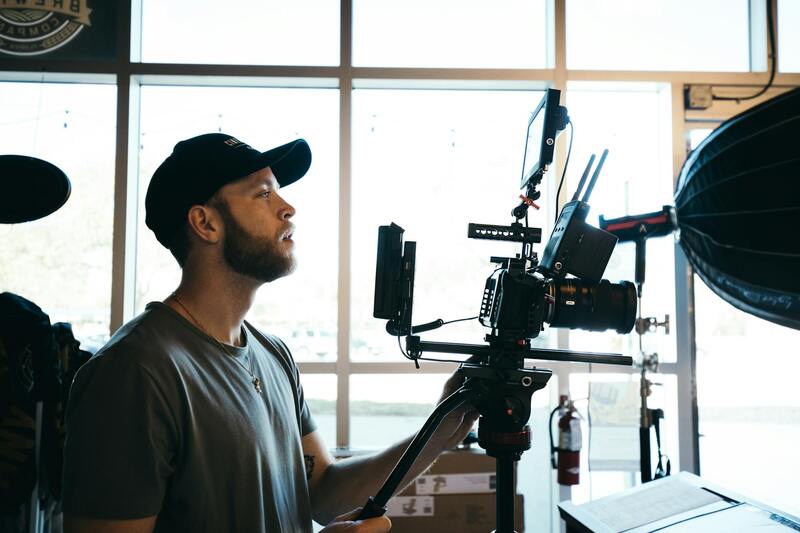
Stabilization equipment plays a crucial role in capturing sharp, crisp images. Tripods and stabilizers are employed to eliminate camera shake, particularly in low-light environments where slower shutter speeds are necessary. This ensures that every element within the frame maintains maximum sharpness and clarity, which is vital for high-resolution imagery.
Perspective management is another key aspect. Photographers meticulously choose angles that highlight a property's spaciousness, architectural details, and flow between rooms. Wide-angle lenses are common, allowing for comprehensive views of interior spaces without distortion. When shooting exteriors, a strategic vantage point that captures the property's façade and landscaping ensures a compelling first impression.
Post-capture workflows include the application of high dynamic range (HDR) photography. This technique involves taking multiple shots at different exposures and blending them to produce images that retain details in both shadows and highlights. HDR is especially effective in interior photography, where window light can create stark contrasts. Custom perspective correction tools are used during editing to ensure lines remain straight and true to the structure, thereby preserving the integrity of the architectural form.
Color correction and white balance adjustments are also essential. They ensure that the images accurately reflect the true colors of the property’s interior and exterior features. A consistent editing style helps in developing a portfolio that maintains visual coherence across all property listings, which can enhance brand recognition and viewer trust.

In addition, the selection of optimal lens settings and focus points guarantees that key features of the property are prominently displayed. Emphasizing focal points such as entryways, living areas, kitchens, and outdoor amenities can significantly impact the perception of space and desirability. High-resolution sensors paired with advanced post-processing further bring out the fine details, ensuring the final images are detailed, vibrant, and engaging.
Overall, professionals approach high-definition real estate photography with a comprehensive workflow—starting from precise planning, through careful shooting under the right conditions, to meticulous post-processing. Such diligence results in images that are not only visually stunning but also truthfully representative of the property, facilitating effective marketing and sales strategies.
Techniques for Capturing HD Real Estate Photos
Achieving high-definition clarity in real estate images requires mastery of specific photographic techniques that emphasize detail, depth, and visual appeal. One essential approach involves using professional-grade DSLR or mirrorless cameras equipped with wide-angle lenses. These lenses allow photographers to capture expansive interior and exterior spaces without distortion, providing viewers with a comprehensive view of the property that feels both accurate and inviting.
Optimal lighting plays a pivotal role in HD real estate photography. Utilizing natural light during daytime shoots is preferable, as it offers a soft, even illumination that highlights textures and colors authentically. When natural light is insufficient, professional lighting equipment such as softboxes, diffusers, and fill lights should be employed to eliminate shadows and balance exposure. This ensures that every corner of the space is visible and that the images reflect the true ambiance of the property.
Camera settings are equally vital. A narrow aperture (high f-stop) increases depth of field, allowing multiple features within a space to remain sharp and in focus. Using a tripod stabilizes the camera, preventing blurring during longer exposure times needed to capture well-lit high-dynamic-range images. Combining multiple exposures through HDR techniques can enhance details in shadowed and brightly lit areas simultaneously, resulting in images that mirror what the human eye perceives.
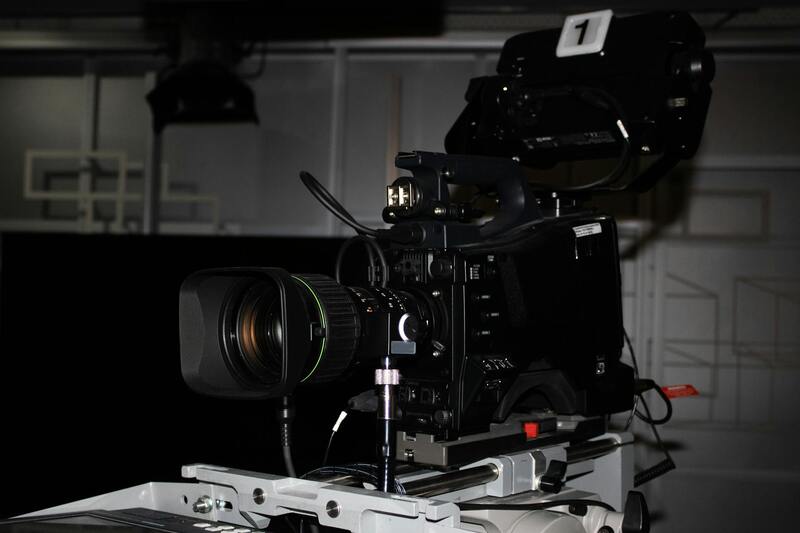
Moreover, careful composition enhances the overall impact of the photos. Following principles such as the rule of thirds, leading lines, and balanced framing ensures that the viewer’s eye is naturally guided through the space, emphasizing key features without clutter. Perspective considerations, like shooting at eye level or slightly elevated angles, can also add depth and dimension, making rooms appear more spacious and inviting.
Post-shoot, it’s crucial to review and select images that best represent the property’s unique qualities. Shooting multiple shots from different angles provides options during editing, allowing for a curated showcase of the property's best features. This meticulous approach helps in producing HD images that are not only technically excellent but also compelling to prospective buyers.
Techniques for Capturing HD Real Estate Photos
Achieving high-definition quality in real estate imagery requires a combination of precise camera settings, strategic positioning, and expert handling of the equipment. One of the foundational techniques includes the use of wide-angle lenses, which enable photographers to capture more of a room in a single frame. This perspective makes spaces appear larger and more inviting, a vital aspect in property marketing. When selecting lenses, it is crucial to choose those with minimal distortion to preserve the true proportions of the space.
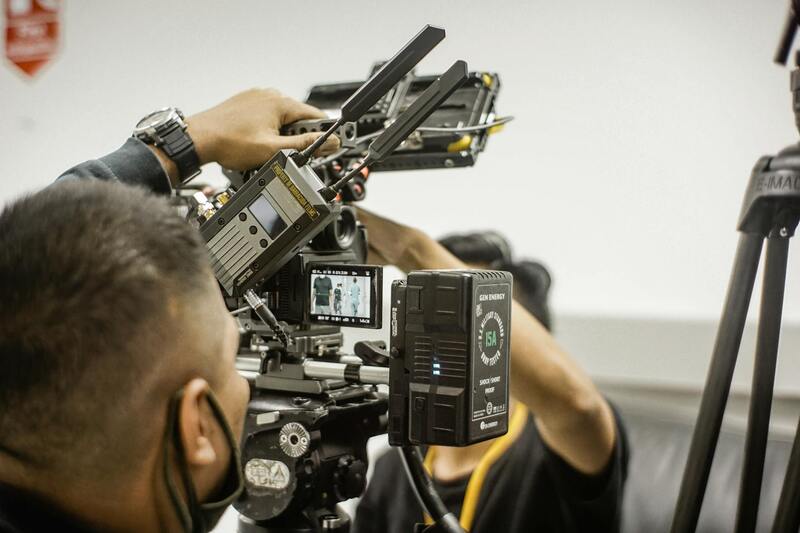
Camera stability plays a vital role in the clarity of high-quality images. Utilizing a tripod ensures steady shots, especially during longer exposure times needed in low-light conditions or when capturing HDR images. This stability prevents blurriness and maintains sharpness across the photograph. Additionally, employing mirrorless or DSLR cameras with manual control allows precise adjustments of ISO, shutter speed, and aperture, culminating in vibrant, crisp images every time.
Optimized exposure settings are critical for balanced lighting in each photograph. Photographers often take multiple exposures—underexposed, correctly exposed, and overexposed—to capture a full range of light in a scene. The successful combination of these exposures through HDR techniques reveals details in shadowed areas and highlights, replicating what the human eye perceives naturally. This process is vital for rooms with large windows or varied lighting conditions, ensuring the final image is both bright and detailed.
Composition and Perspective for Optimal Results
Beyond technical settings, compositional principles significantly influence the visual impact of real estate photos. The rule of thirds helps in positioning key features or focal points off-center, creating more dynamic images. Leading lines and natural symmetry guide the viewer’s eye through the space, emphasizing architectural details or attractive features like fireplaces, large windows, or built-in shelving.
Shooting from eye level or slightly elevated angles offers a more natural and spacious feel to rooms. Such perspectives reduce distortions and help highlight the dimensions of the space, making rooms seem larger and more welcoming. Multiple shots from various vantage points provide a comprehensive view of each space, allowing for selecting images that best showcase the property’s unique qualities during editing.
Finally, careful post-shoot review ensures that only the most compelling photos are used in marketing materials. This meticulous approach guarantees consistency, clarity, and visual attractiveness across all images, helping properties stand out in competitive markets.
Techniques for Capturing HD Real Estate Photos
Achieving professional-grade real estate images requires more than just high-end equipment; it involves applying specific techniques that maximize the clarity, depth, and appeal of each shot. One fundamental approach is strategic lighting, which can transform a space by eliminating harsh shadows and emphasizing architectural details. Photographers often use diffused natural light during daytime shoots, complemented by professional studio lighting when necessary, to create a balanced luminance throughout the property.
Another essential technique is proper camera settings. Utilizing a tripod helps stabilize the camera and allows for longer exposure times without blur, especially crucial in low-light interior conditions. Adjusting ISO settings to the lowest possible value minimizes noise, ensuring crisp and clear images. Aperture control is equally important; a narrower aperture (higher f-stop) helps keep the entire room in focus, providing sharpness from the foreground to the background.
Room Composition and Perspective
Composition plays a vital role in the visual impact of real estate photos. Employing the rule of thirds helps position key features off-center, creating a more engaging image. It's beneficial to shoot from multiple angles—both eye level and slightly elevated—to showcase the spatial layout effectively. Shots taken from lower angles can make rooms appear more expansive, while higher vantage points can emphasize ceiling height and overall spaciousness.
- Use wide-angle lenses: These are indispensable for capturing the full scope of rooms and exterior views without distortion.
- Maintain vertical lines: Ensure walls and structures remain straight and proportionate to prevent a skewed appearance, which can be achieved with proper lens choice and camera alignment.
- Focus on key features: Highlight unique architectural elements, such as fireplaces, large windows, or custom cabinetry, to attract potential buyers.
- Control reflections and glare: Adjust angles to minimize unwanted reflections, particularly on shiny surfaces or glass doors/windows.
Ensuring Consistency and Clarity
Consistency across images is crucial for creating a professional listing portfolio. Photographers review their shots carefully during the session, selecting images with optimal focus, brightness, and composition. Post-shoot editing helps correct minor distortions and enhances colors to reflect the property's true appearance. High dynamic range (HDR) techniques are frequently employed to balance exposure levels, especially in spaces with contrasting lighting conditions—such as interior rooms with windows or exterior views during daylight and twilight.
Properly captured and processed images not only accurately represent the property but also create an inviting impression that entices potential buyers or renters. Mastering these technical and artistic aspects ensures each photograph highlights the property’s best features, ultimately supporting successful marketing efforts.
Maximizing Visual Appeal with HD Real Estate Pictures
The strategic use of high-definition (HD) images in real estate marketing can significantly influence potential buyers' perceptions and decisions. When a property is showcased through crisp, detailed photographs, it conveys a sense of quality and care that encourages viewers to envision themselves living in the space. Properly captured HD images highlight the property’s best features, from spacious layouts to exquisite architectural details, making listings more compelling and competitive.
Showcasing Authenticity and Detail
High-quality images reveal the true character of a property. The clarity of HD pictures allows viewers to appreciate textures, finishes, and design nuances that standard photographs might obscure. This transparency builds trust, demonstrating transparency and giving prospective clients confidence that what they see accurately reflects the property’s condition.

Influence on Listing Engagement
Listings accompanied by professional-grade HD photos typically attract higher engagement. Enhanced visuals lead to increased online views, longer browsing times, and more inquiries. When potential buyers can see clear images that effectively showcase each room, they are more likely to consider scheduling a viewing, accelerating the sales process.
Creating a Consistent Visual Narrative
Consistency across all images ensures a cohesive visual story. Employing similar lighting, angles, and editing styles throughout the gallery presents a unified and professional appearance. This consistency reinforces the property's quality and helps create a memorable impression among viewers.
Technical Accuracy and Quality Assurance
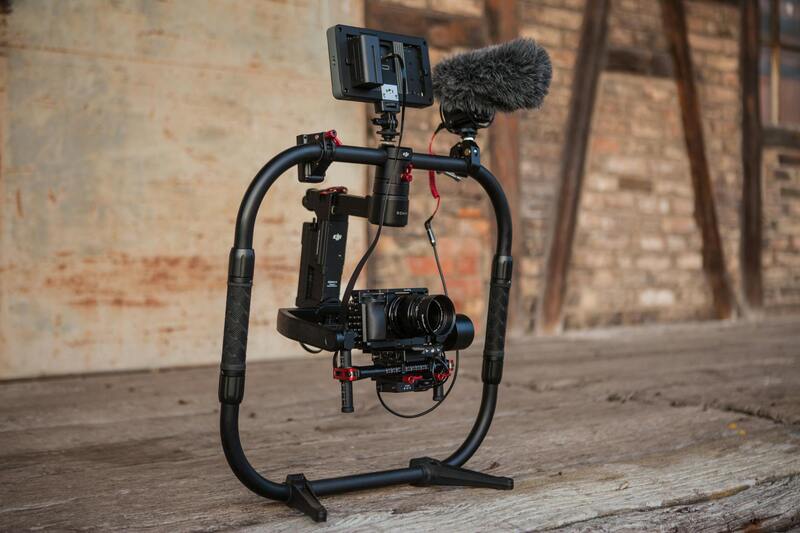
HD photography involves meticulous attention to technical details, including proper lens selection, camera settings, and illumination. Using wide-angle lenses can capture expansive rooms while maintaining proportion. Proper lighting ensures that interiors are well-lit and natural, without harsh shadows or overexposure. Post-processing should focus on subtle enhancements—such as color correction, sharpness, and minor retouching—to maintain authenticity without misrepresentation.
Implementing Strategic Shooting Techniques
- Optimal Angles: Capture each space from multiple viewpoints to provide comprehensive perspectives. Slightly elevated angles often work well for interior shots, adding depth and showcasing room flow.
- Timing: Shoot during the golden hour for exterior images to take advantage of soft natural light. Inside, synchronize lighting with natural daylight to enhance warmth and vibrancy.
- Staging: Arrange furniture and decor to highlight the room’s functionality and aesthetic appeal. Keeping spaces tidy and clutter-free ensures the focus remains on the property's features.
- Focus on Key Features: Emphasize architectural highlights, unique finishes, and eye-catching details that differentiate the property from competitors.
Post-Processing for Polished, Professional Results
The editing phase is crucial for transforming good images into exceptional ones. Adjustments should include balancing exposure, enhancing brightness and contrast, and correcting color tones to mirror real-life conditions. Techniques such as HDR processing help manage high-contrast scenes, especially in properties with large windows or multi-light environments. Maintaining realism ensures that the images attract serious buyers without creating false expectations.
Adapting to Modern Market Expectations
In a competitive market, the presentation quality of property images can make a vital difference. High-definition imagery not only elevates the listing’s aesthetic but also aligns with current consumer expectations for clarity and detail. As digital marketing continues to dominate the real estate landscape, the use of HD images remains essential for attracting serious investors and streamlining the sales process.