Overview of Real Estate Photography Videography
In the competitive Miami real estate market, high-quality photography and videography have become essential tools for effective property marketing. Potential buyers increasingly rely on visual content to evaluate homes before scheduling visits, making the presentation of properties through stunning images and engaging videos a crucial factor in sealing deals. Professional real estate visuals not only capture the true essence and appeal of a property but also serve as a powerful marketing asset that can significantly boost online engagement and visibility.
In the vibrant and diverse Miami real estate scene, where listings frequently compete on crowded online platforms, the importance of exceptional imagery and videography cannot be overstated. Quality visuals help properties stand out in search results, attract more potential buyers, and foster a faster sales process. As technology advances and buyer expectations evolve, the demand for sophisticated visual content continues to grow, underscoring the need for experienced professionals who specialize in real estate photography and videography.
Key Elements of Effective Real Estate Visuals
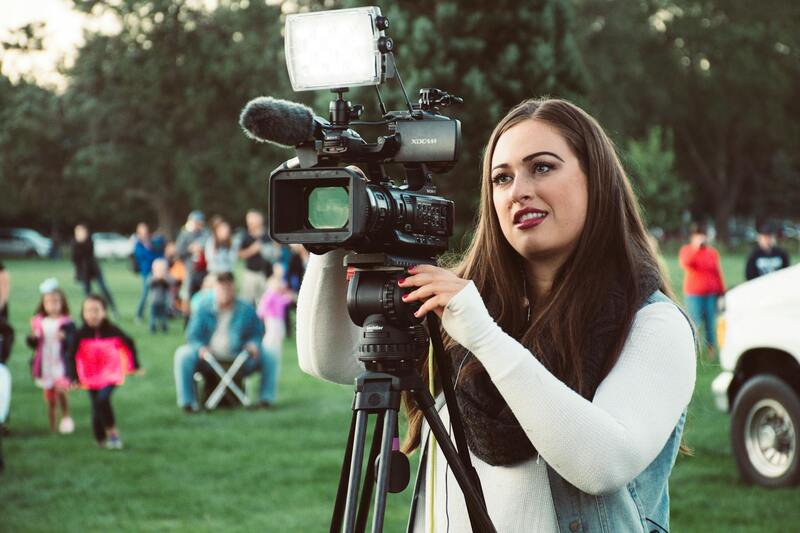
Creating compelling visuals involves a combination of technical skill, artistic vision, and an understanding of what buyers seek. High-quality photos should accurately depict a property’s features, maintain optimal lighting, and employ strategic angles to showcase space and flow. When producing videos, it is essential to include comprehensive tours that highlight both architectural details and desirable amenities, providing viewers with a virtual experience that sparks their interest.
Attention to detail—such as decluttering, proper staging, and color balance—plays a vital role in elevating visual content. The use of drone footage can also add a unique perspective, offering sweeping views of the property and its surroundings that are especially valuable for waterfront or landscaped estates.
Choosing the Right Equipment and Technology
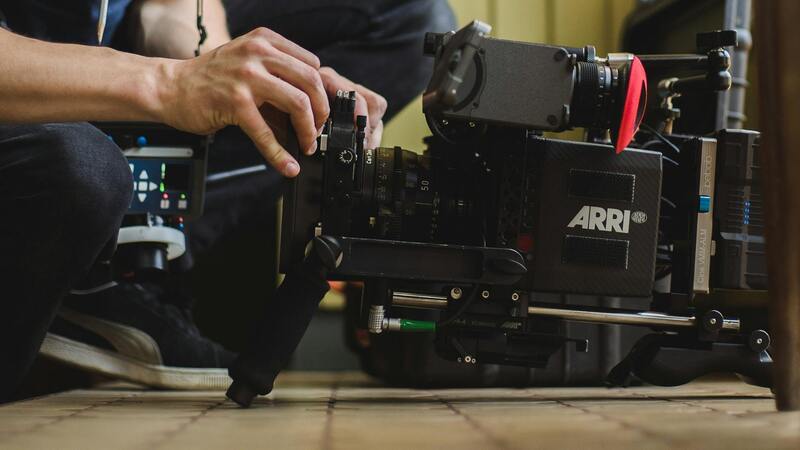
Achieving high-caliber real estate visuals requires specialized equipment and cutting-edge technology. DSLR and mirrorless cameras with wide-angle lenses are standard tools for capturing expansive, detailed images. For videography, stabilizers and gimbals ensure smooth, professional shots, while high-resolution drones provide aerial footage that offers context and grandeur.
Lighting is critical; professional lighting setups or natural light optimization techniques help maximize the appeal of interiors. Additionally, HDR (High Dynamic Range) imaging can be employed to accurately portray both bright and shadowed areas, ensuring each shot reflects the true ambiance of the property.
Creating Engaging Property Video Tours
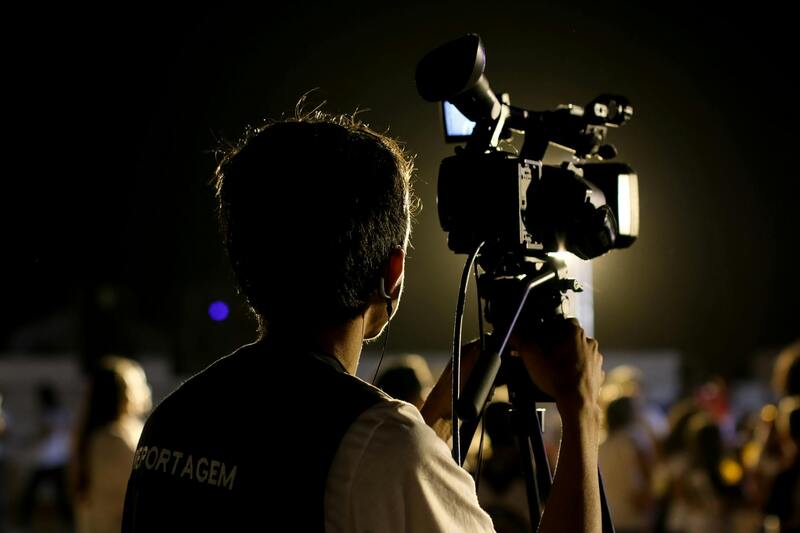
Developing compelling virtual walkthroughs is a cornerstone of modern real estate marketing. To capture the property's true essence, it is crucial to meticulously plan the flow of the video, emphasizing key rooms and features that resonate with prospective buyers. Smooth transitions, well-paced narration, and high-quality footage work together to craft an immersive experience that appeals to viewers and encourages inquiries.
Utilizing professional stabilization tools, such as gimbals, ensures stable, cinematic shots that maintain viewer engagement. Incorporating various angles and dynamic movements, such as sliding reveals or tracking shots, can add visual interest while drawing attention to architectural details and spatial relationships. Strategically timed shots that slow down to highlight unique features—like custom moldings, high-end fixtures, or scenic views—help create memorable impressions.
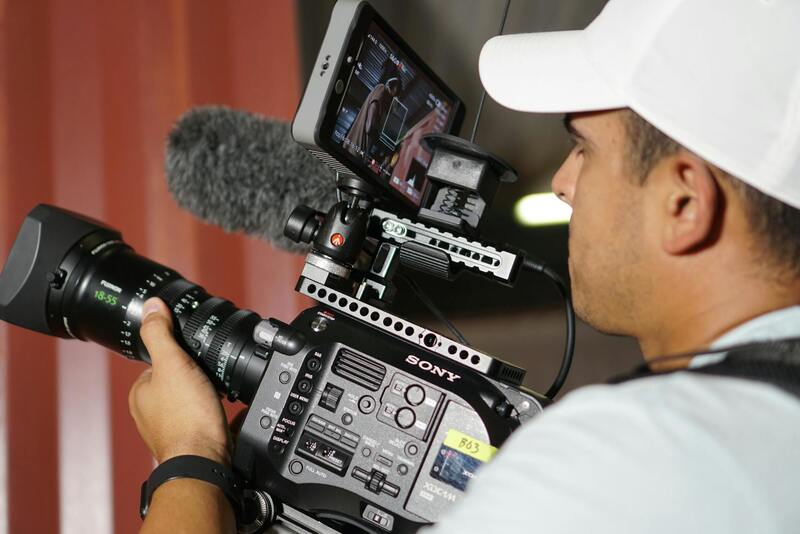
Lighting plays a crucial role in setting the tone and atmosphere. Natural light enhances interior appeal, but supplementing with professional lighting setups ensures consistency and clarity, particularly in darker spaces or during overcast days. Combining HDR techniques with controlled lighting creates vibrant, accurate visuals that faithfully represent the property's aesthetic.
Effective editing is essential for a polished presentation. Seamless cuts, color correction, and audio synchronization contribute to a professional look that elevates the property’s visual narrative. Incorporating subtle background music or narration can further guide viewers through the property, providing context and highlighting key features.
It's vital to maintain a balance between showcasing all relevant details and keeping the video concise. Typically, a 3 to 5-minute tour is enough to capture the property’s essence without losing viewer interest. The final product should be optimized for online platforms, ensuring quick load times and compatibility across devices, helping attract a wider audience.
Official Techniques for Producing High-Quality Real Estate Visuals
Developing captivating and accurate visual content for real estate listings requires adherence to established methods that ensure consistency, quality, and authenticity. This involves using professional-grade equipment and refined techniques to achieve visuals that truly represent the property’s features and ambiance.
One fundamental approach is the utilization of high-resolution digital cameras equipped with wide-angle lenses. These lenses help capture expansive interior spaces and architectural details, providing potential buyers with a comprehensive view of the property. The use of stabilization gear, such as gimbals or tripods, ensures steady shots, reducing blurriness and enhancing overall clarity.
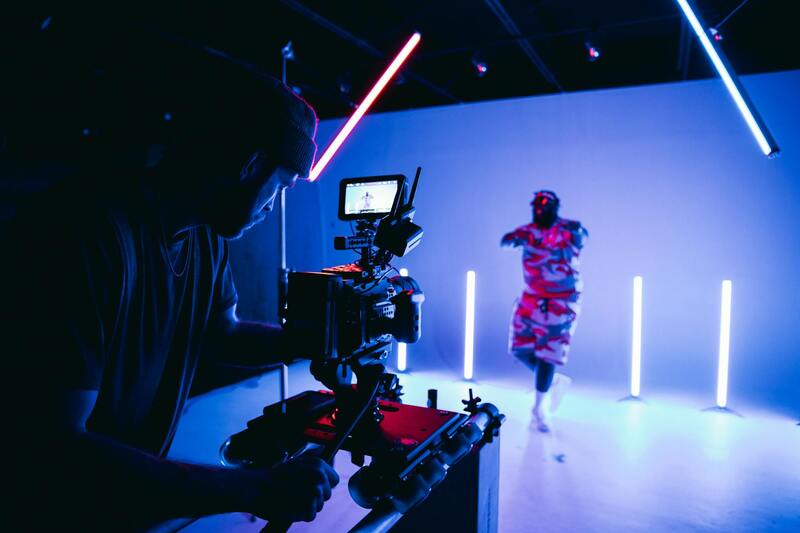
Lighting remains a critical component in producing compelling visuals. Natural daylight is ideal for showcasing a property’s true colors and spaciousness; however, professionals often supplement with portable lighting solutions to fill shadows and achieve uniform illumination, especially in interior spaces with limited natural light. High Dynamic Range (HDR) imaging techniques combine multiple exposures to produce vibrant, balanced photos that retain detail in both shadows and highlights.
Drones serve as indispensable tools for capturing aerial views, offering prospective buyers a perspective on the property's size, landscape, and surrounding environment. When operated within permitted guidelines, drone footage can add a dynamic element to property marketing campaigns, displaying features like large yards, pools, or scenic vistas in a compelling manner.
Post-production editing consolidates raw footage and images into a cohesive visual story. Professional editing software enables color correction, perspective adjustments, and the removal of blemishes or distracting elements. It also allows for the integration of virtual staging, floor plans, and other graphical overlays that enhance the viewer’s understanding of the property without misrepresenting its condition.
To ensure the visuals are aligned with standards for online listings, the final content should be optimized for various platforms. This involves adhering to recommended resolutions, aspect ratios, and file sizes to ensure rapid loading times and compatibility across desktops, tablets, and smartphones. Such practices increase the visibility and engagement of property listings in the competitive Miami real estate market.
Adopting these official methods guarantees that real estate visuals are not only visually appealing but also truthful representations that facilitate informed decision-making among buyers and sellers. Employing a combination of advanced technology, professional techniques, and meticulous editing results in compelling property presentations capable of setting listings apart from competitors.
Choosing the Right Equipment and Technology
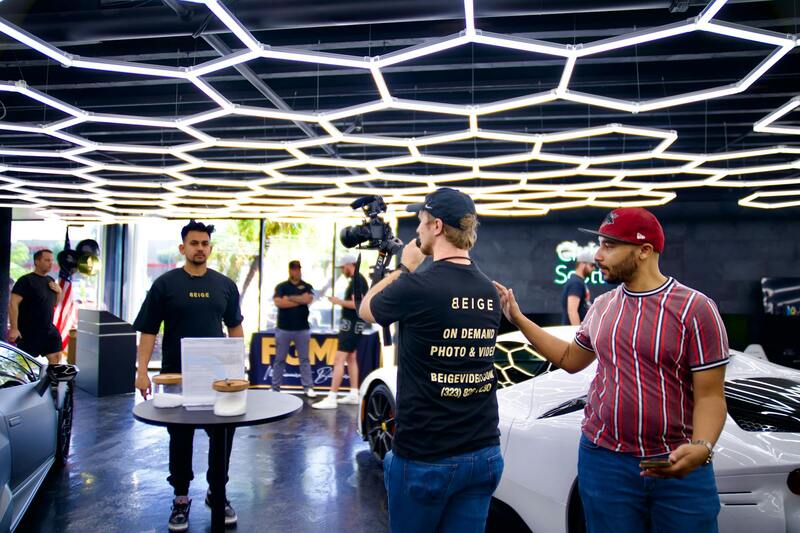
For real estate photography videography to achieve its full potential, leveraging the appropriate equipment is paramount. Professional-grade cameras, equipped with wide-angle lenses, enable capturing expansive views of interiors and exteriors, providing viewers with a comprehensive understanding of the property's spatial layout. High-resolution sensors ensure that images and footage maintain clarity and sharpness across various devices and screens, which is essential for attracting serious buyers.
Drone technology has become an integral part of modern real estate visuals, offering aerial shots that highlight property size, surrounding landscapes, and neighborhood features. Utilizing drones with stabilization gimbals reduces vibrations and ensures smooth footage, giving upcoming buyers a cinematic perspective that enhances their connection to the property.
Lighting equipment also plays a crucial role, especially when shooting indoors. Professional lighting setups ensure even illumination, eliminate dark corners, and emphasize key areas of the property. Natural light should be maximized whenever possible, with supplementary lighting adjustments made during post-production to achieve a balanced, inviting ambiance.
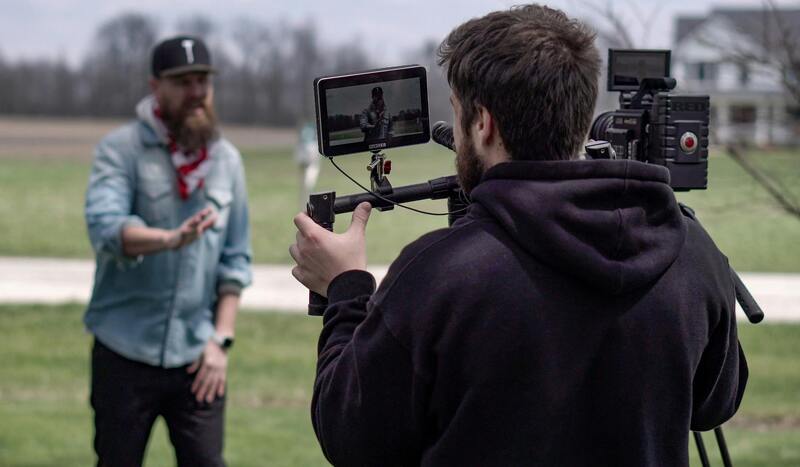
Advancements in stabilization technology, such as gimbals and steadycams, are critical for producing smooth walk-through footage that mimics the human eye, avoiding shaky or distracting shots. High-end editing software complements these tools, allowing seamless integration of footage and images into compelling narratives that showcase the most appealing aspects of each property.
For more strategic marketing, virtual staging software can be employed to digitally furnish empty spaces, providing buyers with a clear vision of how the space can be utilized. These technological tools, when used appropriately, create a polished, professional presentation that aligns with industry standards.
Creating Engaging Property Video Tours
Developing captivating real estate video tours requires a meticulous approach to storytelling, technical execution, and audience engagement. Each video should not only showcase the property's features but also evoke an emotional response, prompting viewers to envision themselves living there. To achieve this, planners typically map out the property's highlights and unique selling points before filming, ensuring a coherent flow that guides viewers seamlessly through various spaces.
Effective property tours usually start with an exterior shot that captures the home's facade, landscaping, and curb appeal. Drone footage can significantly enhance this opening, providing a sweeping aerial view that establishes context within the neighborhood. Transitioning smoothly into interior shots, the narration or on-screen text can emphasize key aspects such as spacious living areas, updated kitchens, and luxurious bathrooms.
Lighting plays a vital role in creating an inviting atmosphere. During filming, natural light should be maximized by scheduling shoots during optimal times of day. Complementary lighting setups help eliminate shadows and highlight architectural details. The camera movements should be deliberate, employing slow, steady pans and tilts to maintain viewer comfort and create a cinematic sense that draws the audience into each space.
Incorporating strategic angles and perspectives highlights a property's best features while minimizing flaws. For instance, wide-angle lenses can make rooms appear more spacious, and high vantage points can showcase impressive ceiling heights or open floor plans. Additionally, stabilizers and gimbals are indispensable for producing smooth footage, especially when navigating through walk-throughs or exterior grounds.
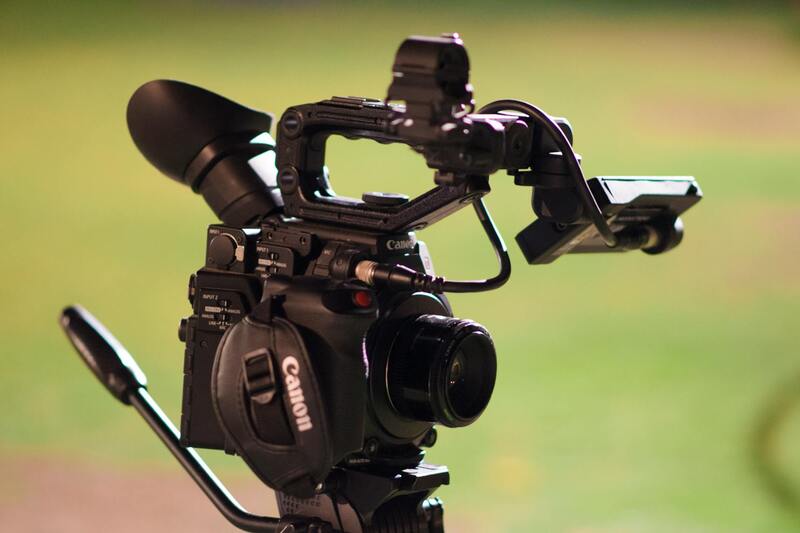
Post-production editing is crucial for refining the video content. Color correction ensures accurate, vibrant visuals that match the property's true appeal. Sound editing adds an extra dimension, with background music and narration enhancing the viewing experience. Graphics and text overlays can be used sparingly to highlight important features or provide additional contextual information.
Interactive elements like 360-degree virtual tours further enrich the property presentation, offering potential buyers the ability to explore spaces at their own pace. These immersive experiences require careful planning and execution but significantly boost engagement and interest.
Ultimately, a well-crafted property video tour serves as an effective digital asset that combines visual storytelling with technical excellence. When executed with a clear understanding of the target audience and marketing goals, these videos become powerful tools in the real estate sales process, attracting qualified buyers and accelerating transactions.
Regulations and Best Practices in Miami
Conducting real estate photography videography in Miami requires adherence to a set of established guidelines designed to ensure safety, privacy, and the quality of visual content. Understanding the specific regulations surrounding drone usage is essential for capturing aerial shots, especially in densely populated or protected areas. Drone operators should obtain necessary permits, follow altitude restrictions, and respect no-fly zones such as near airports or sensitive wildlife habitats. Using registered drones and certified pilots can also help maintain compliance with local standards. When filming on private property, it is vital to secure the property owner's consent prior to shooting. This practice respects privacy and prevents potential disputes. Additionally, ensuring that all personnel involved have appropriate permissions minimizes risks associated with trespassing or unauthorized access. Miami's unique architecture and landscape also influence filming practices. Respect for local cultural sites, historic districts, and environmentally sensitive areas should guide the planning process. Filming at specific times of day can help harness optimal natural lighting, such as golden hour, to enhance visual appeal. Employing eco-friendly equipment and practices aligns with sustainable content creation, further supporting community standards. For on-location shoots, coordinating with property managers or residents ensures smooth execution. Maintaining clear communication channels and scheduling shoots during non-peak hours minimizes disruptions and enhances the overall experience for all parties involved. Finally, maintaining high production standards involves rigorous equipment checks, stabilization techniques, and post-shoot quality control. Comprehensive planning and adherence to these practices result in professional, compelling visuals that are both effective and compliant with Miami's local requirements.
Enhancing Visual Content Through Consistent and Ethical Practices
Effective real estate photography videography hinges on maintaining a high standard of professionalism and adherence to proven methodologies. This includes using legitimate techniques for capturing and presenting property visuals that meet the expectations of clients and viewers alike. Ensuring careful planning and execution involves thoroughly understanding the property’s features and highlighting its best attributes through a combination of well-composed images and dynamic video tours.
Utilizing legitimate and reliable photographic equipment such as high-resolution cameras, wide-angle lenses, and stabilized gimbals ensures that visuals are crisp, clear, and accurately represent the property. Additionally, drone footage, when employed appropriately, provides a comprehensive perspective of the property’s layout and surrounding environment. The use of registered drone operators ensures that aerial footage aligns with industry standards and safety protocols.
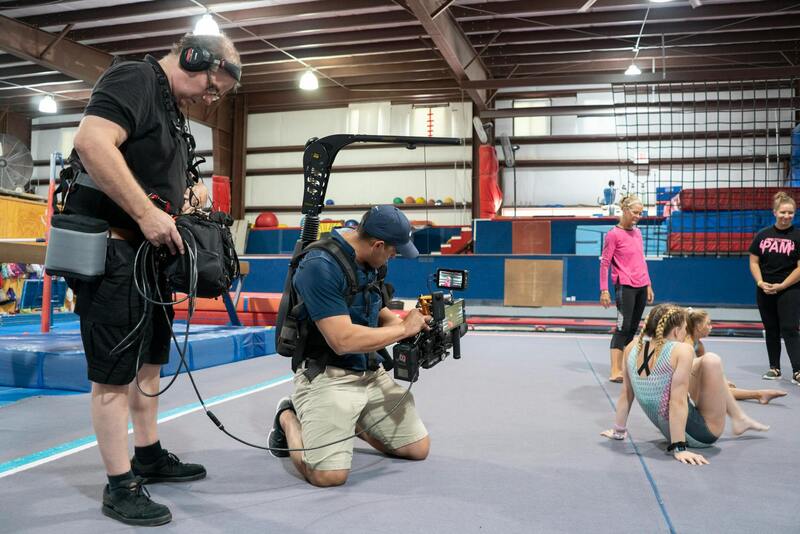
Lighting plays a crucial role in producing compelling content. Employing natural light during optimal times of the day and supplementing with professional lighting equipment can dramatically improve the visual appeal. Proper post-processing techniques, including color correction and image enhancement, elevate the overall presentation without exaggerating the property's features.
Maintaining Ethical Standards and Respectful Collaboration
Creating visual content that aligns with best practices involves securing necessary permissions before filming or photographing on private property. Clear communication with property owners, managers, and other stakeholders ensures a smooth process and helps prevent misunderstandings. Respecting privacy concerns and avoiding intrusive filming practices demonstrate professionalism and foster trusted relationships within the community.
In some cases, local regulations may require notifications or approvals when filming at certain locations, especially near sensitive ecological zones or historic sites. Adhering to these guidelines helps mitigate risks associated with non-compliance and preserves the integrity of the content creation process.
Implementing Standardized Techniques for Consistency and Quality
Standardized approaches to staging, framing, and editing contribute to consistent visual quality across different projects. Utilizing checklists and quality control measures ensures that each image or video adheres to industry standards. Professional editing software enables clarity improvements while maintaining authenticity, thereby preventing over-editing that might mislead viewers.
Moreover, a structured workflow—from pre-production planning through to final review—optimizes efficiency and guarantees superior results. Continual training and staying informed about emerging technologies equip photographers and videographers with the latest tools and techniques, reinforcing credibility and capacity to produce top-tier visual content.
Securing and Maintaining Official and Respective Filming Practices
Legitimate methods include scheduling shoots during designated hours, using official permits where required, and employing certified personnel for drone operations. These practices not only comply with regulatory frameworks but also demonstrate a commitment to ethical content production. When documenting properties, ensuring that all content is original, accurately represents the property, and respects the rights of all involved parties is fundamental to establishing trust and professionalism.
Applying these official practices consistently elevates the quality, compliance, and reputation of real estate videography services. Clear documentation and adherence to industry standard procedures create a robust foundation for successful visual marketing initiatives and support the effective promotion of properties within the competitive Miami market.
Regulations and Best Practices in Miami
Adhering to official standards is essential for producing high-quality real estate photography videography that respects legal and ethical guidelines. In Miami, professionals utilize a combination of approved methods and industry best practices to ensure their content is both effective and compliant. This involves obtaining necessary permits for drone footage, scheduling shoots during permissible hours to minimize disruptions, and employing certified drone operators. Such measures demonstrate a commitment to responsible content creation and uphold the integrity of the marketing process.
Understanding and respecting property rights and privacy concerns are fundamental. This means obtaining consent from property owners or authorized representatives before capturing visuals and ensuring that proprietary information is protected. Professional teams also guarantee that all imagery and videos are original, accurately representing the property's features without distortion or misleading enhancements. Producing truthful and fair representations fosters trust with clients and prospective buyers, reinforcing the service provider’s reputation in the competitive Miami real estate landscape.
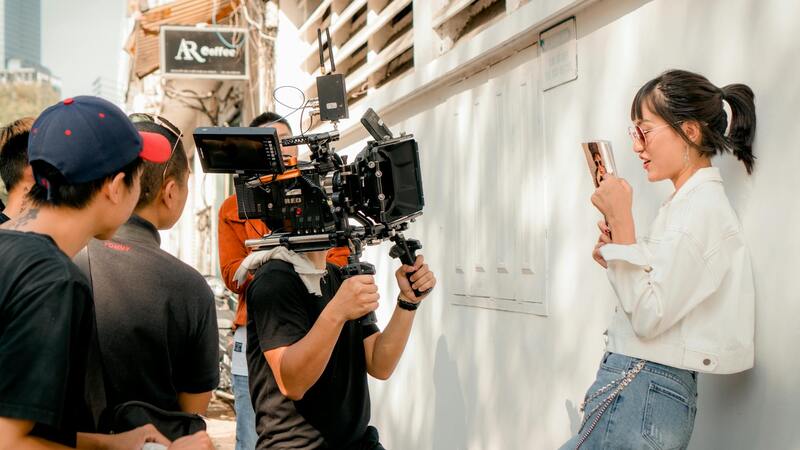
Another key aspect is the use of official permits for drone operation and aerial videography. Miami mandates specific permissions for UAV flights, especially in densely populated areas or near private properties. Licensed drone pilots leverage certified equipment and follow strict safety protocols, minimizing risks associated with aerial filming. This not only ensures safety and legal compliance but also reinforces professionalism and trustworthiness to clients and viewers alike.
- Consistent documentation of the permissions and permits obtained for each project
- Adherence to FAA guidelines and local government regulations concerning drone usage
- Employing trained and certified personnel for all aspects of production
- Ensuring the content accurately and ethically depicts the property's features
In addition, best practices involve preparing comprehensive pre-production plans, which include risk assessments, shot lists, and client approval processes. During production, maintaining transparency with stakeholders and respecting the property and surrounding community is crucial. Post-production workflows should emphasize authenticity through honest editing, avoiding over-enhancement that could mislead potential buyers.
By integrating these official and respectful methods into every phase of the visual content creation process, Miami real estate professionals can boost their credibility, meet regulatory expectations, and provide high-value marketing solutions that resonate with discerning clients.