Understanding the Real Estate Photography Market in Miami
Miami stands as one of the most vibrant and competitive real estate markets in the United States, with a continual influx of luxury properties, commercial spaces, and residential developments. This dynamic environment drives a significant demand for high-quality real estate photography services that can showcase properties in their best light, both online and in print. Homeowners, property developers, real estate agents, and rental management companies all rely heavily on professional images to attract prospective buyers and tenants.
The market trends suggest a steady increase in the utilization of visual marketing tools, particularly high-resolution images, virtual tours, and drone photography, to meet the evolving expectations of clients. Modern buyers are often influenced by digital impressions, making compelling visuals a key factor in property marketing success. As a result, real estate photography businesses in Miami must stay ahead by offering innovative and consistent quality services that align with current industry standards.

Client expectations extend beyond mere photo quality; they seek authenticity, clarity, and the ability to evoke emotion through images. This includes the strategic presentation of space, lighting, and perspective, all tailored to the unique features of Miami properties. Recognizing these demands, professionals in this field continually adapt their equipment and techniques to deliver visually stunning results that turn casual browsers into motivated buyers.
Given Miami's diverse property landscape—from oceanfront condos and sprawling estates to high-rise apartments and commercial hubs—real estate photography businesses must cultivate expertise across different property types. This versatility allows them to serve a broad client base, ensuring consistent demand and brand recognition in a competitive environment.
Maintaining a strong online presence and cultivating relationships with real estate agents and property developers are critical for sustained growth. High-quality, visually compelling content not only enhances property listing visibility but also reinforces the credibility and reputation of the photographer’s brand. As the market continues to evolve with technological advances, staying informed and adaptable becomes essential for success in Miami's thriving real estate photography sector.
Establishing a Robust Portfolio That Resonates with Miami Real Estate Professionals
Creating an impactful portfolio is fundamental for any aspiring real estate photographer aiming to establish a foothold in Miami's competitive market. It is essential to showcase a diverse range of property types, including luxury condos, waterfront estates, commercial spaces, and urban apartments. Each project should highlight key visual elements such as lighting, perspective, and staging that emphasize the property's unique features. High-resolution images that reflect technical proficiency and artistic sensibility will help demonstrate craftsmanship and attract serious clients.
Potential clients, including real estate agents and property developers, seek portfolios that provide clear evidence of the photographer’s ability to enhance property appeal through compelling imagery. Highlighting before-and-after shots can effectively illustrate the transformative power of professional photography. Additionally, including detailed client testimonials and case studies can build credibility, reassuring prospects of consistent quality and reliable service.
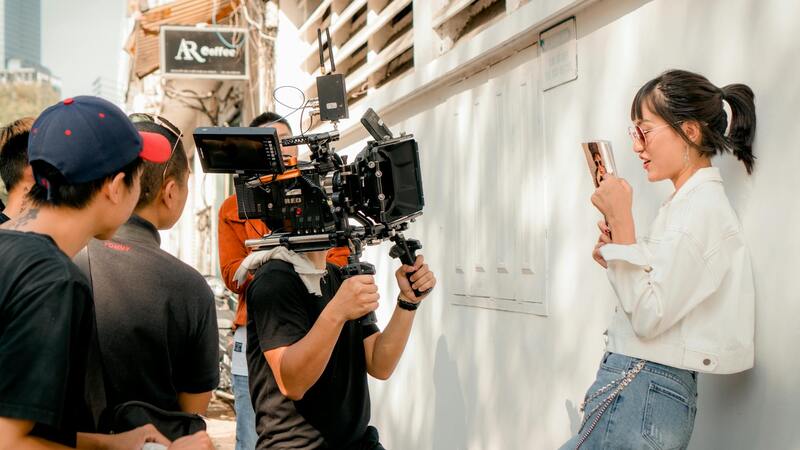
Focus on creating a user-friendly, visually engaging online portfolio hosted on the website. Invest in professional website design that organizes your work into categories aligned with property types or styles. Incorporate high-quality thumbnails, easy navigation, and quick access to contact information to make it simple for prospective clients to reach out. Incorporating behind-the-scenes images can also add authenticity and provide insight into your creative process, enhancing trust.
Regularly updating your portfolio with recent projects is crucial to reflect current trends and your evolving expertise. Consider creating specialized sections for luxury, commercial, and vacation properties, each tailored to appeal directly to the target clientele. Utilizing high-quality, optimized images ensures fast loading times and clarity across devices, which benefits both user experience and search engine rankings.
In addition to visual content, including comprehensive project descriptions helps contextualize your work, emphasizing how your photography enhances property marketing efforts. Emphasize details such as lighting choices, unique angles, and post-processing techniques that set your work apart. Strategic presentation of your portfolio not only demonstrates competence but also aligns your visual branding with the expectations of Miami’s upscale real estate market.
Developing a Portfolio That Attracts Clients
In the competitive landscape of Miami's real estate market, a carefully curated portfolio serves as a vital tool for attracting discerning clients such as real estate agents, property managers, and developers. An effective portfolio should not only showcase a broad range of property styles but also highlight your technical prowess and artistic sensibility. The goal is to communicate your capacity to deliver images that can elevate property listings, attract more potential buyers, and facilitate quicker sales.
To craft a compelling collection, focus on a variety of property types, including luxury residences, commercial spaces, vacation homes, and urban apartments. Each category demands distinct photography techniques and styling considerations. High-end residences, for example, benefit from dramatic lighting and wide-angle shots that highlight space and luxury amenities, while commercial spaces may require structured, clarity-driven images that emphasize functionality and accessibility.
Detail your approach to each project within your portfolio. Describe the lighting strategies used to enhance features, angles chosen to create depth and interest, and post-processing techniques that ensure consistency and vibrancy across your images. Showing before-and-after images can further demonstrate your editing capabilities and commitment to quality.
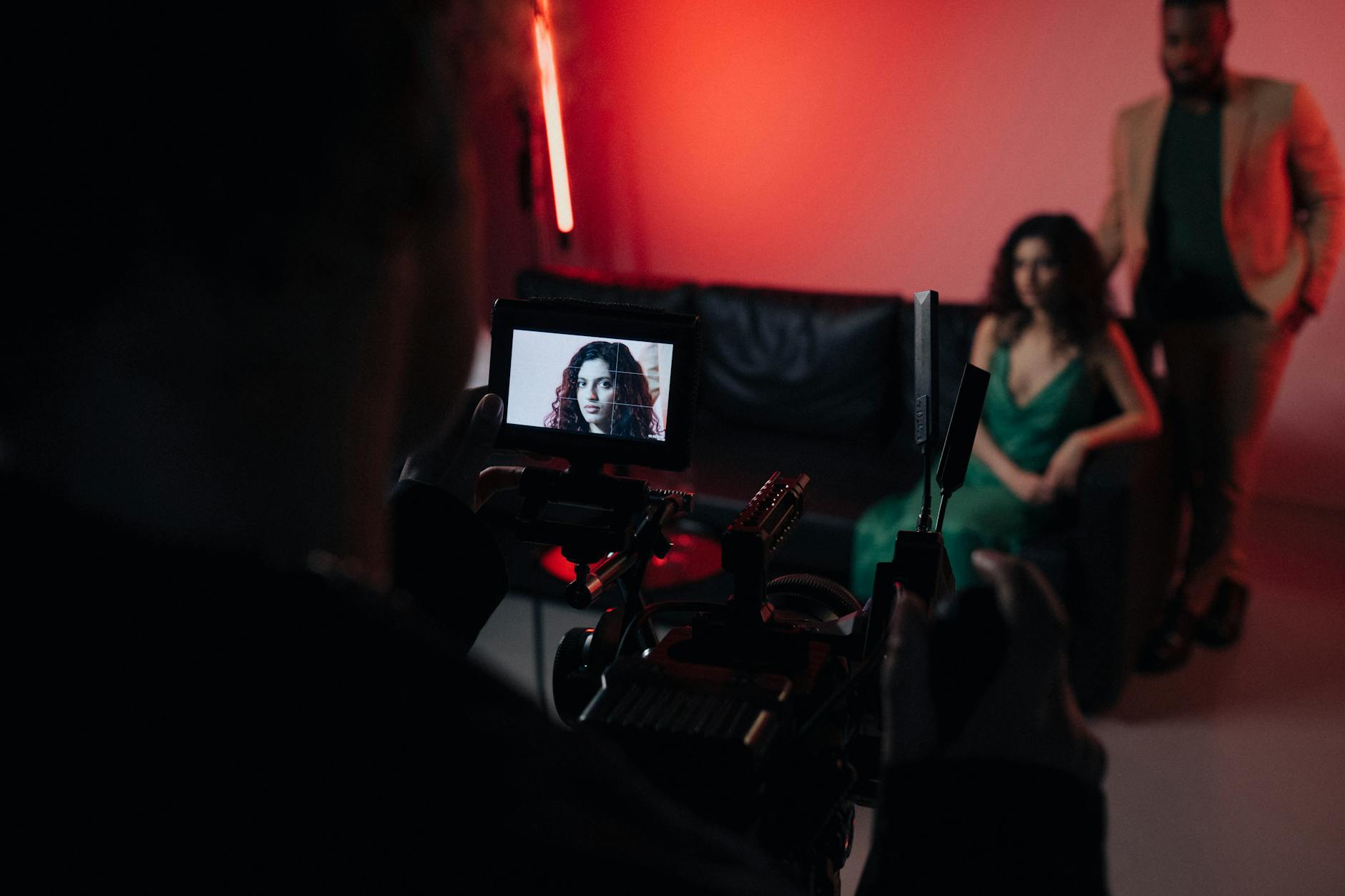
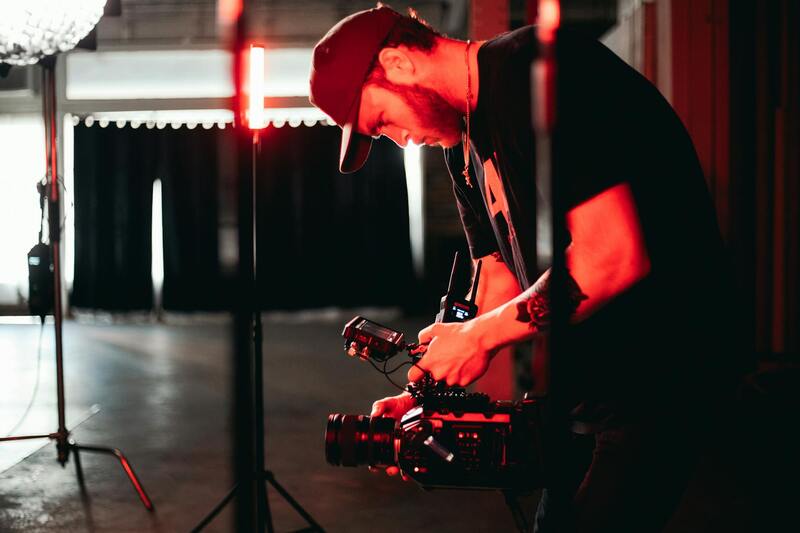
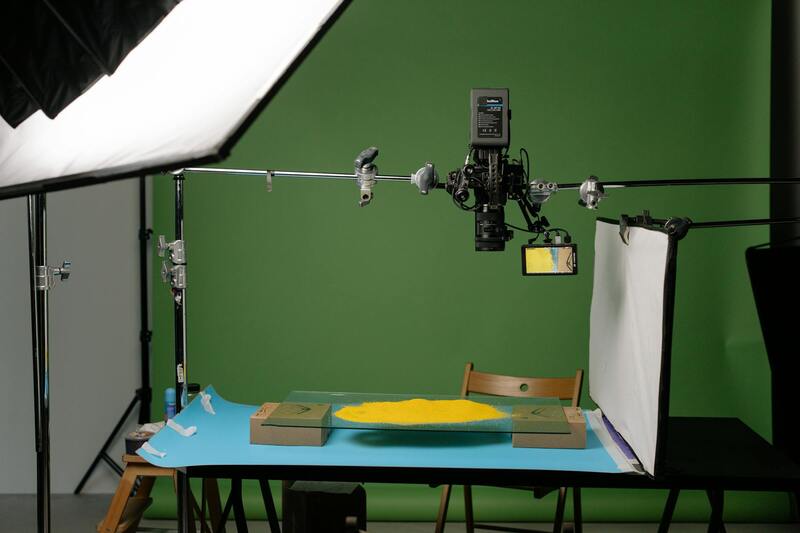
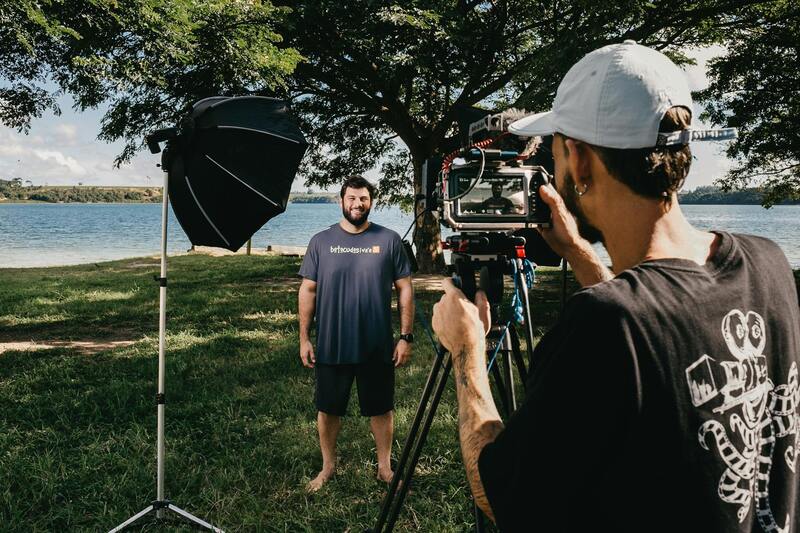
Incorporating behind-the-scenes or process-oriented visuals can add authenticity to your portfolio. These images can include staging setups, equipment in use, or the careful positioning of camera equipment to capture the perfect shot. Such insights build trust with prospective clients by illustrating your professional approach and dedication to delivering top-tier images.
Focusing on a Consistent and Professional Presentation
- Maintain a consistent visual style throughout your portfolio, aligning with your branding and the upscale Miami real estate market.
- Use high-resolution images optimized for fast loading and clarity across various devices, ensuring prospective clients experience your work at its best.
- Organize your portfolio into categories based on property types, styles, or services offered, making it easier for visitors to find relevant examples.
- Include detailed descriptions and project narratives to provide context and showcase how your photography enhances property marketing efforts.
Regular Updates and Audience Engagement
Frequent updates to your portfolio with recent projects keep your work current and demonstrate ongoing growth and innovation. This not only attracts returning viewers but also signals your active presence in the Miami real estate scene. Additionally, consider collecting testimonials from satisfied clients to reinforce your reputation and reinforce confidence in potential collaborations.
By meticulously curating your portfolio with diverse, high-quality images and informative content, you position yourself as a trusted and capable professional in Miami’s real estate photography industry. Consistency, authenticity, and attention to detail in your portfolio will significantly influence your ability to attract high-value clients and build a thriving business.
Official Methods for Establishing Your Real Estate Photography Business in Miami
Launching a successful real estate photography business in Miami requires adherence to proven, official methods that ensure credibility and operational excellence. These strategies focus on legal registration, branding, industry standards, and recognized practices that bolster your reputation and foster trust among clients.
Firstly, register your business with the appropriate local authorities. In Miami, this typically involves registering as a sole proprietorship, LLC, or corporation through the Florida Department of State. Proper registration not only provides legitimacy but also facilitates access to business banking, liability protection, and proper tax management. Securing a Federal Employer Identification Number (EIN) from the IRS further legitimizes your enterprise and simplifies tax reporting processes.
Develop comprehensive insurance coverage tailored to your professional activities. This might include general liability insurance, equipment coverage, and, if applicable, worker’s compensation insurance. These policies protect your assets, investments, and reputation in case of unforeseen incidents, such as property damage or accidents during shoots.

Furthermore, adhere to local zoning and licensing requirements specific to Miami. Obtain necessary permits for commercial activities and ensure your operations align with city regulations. This can include special permits if you plan to operate from a commercial studio or use certain types of equipment on-location.
Invest in professional branding and marketing aligned with industry standards. Create a business website showcasing your portfolio, service offerings, and contact information. Ensure your website is optimized for search engines by including keywords like "Miami real estate photography" and relevant location tags, increasing your visibility to local real estate professionals.
Use official industry platforms and directories to list your services. Platforms such as the National Association of Realtors (NAR) or local Miami real estate associations often facilitate connections with real estate agents seeking high-quality photography services. Additionally, building a relationship with local real estate agencies fosters referrals and ongoing collaborations.
Implementing Standard Industry Practices
Maintain a high standard of work that complies with best industry practices. Use industry-standard equipment, such as professional-grade cameras, wide-angle lenses, and lighting gear, to produce images that meet the expectations of the Miami upscale market. Properly calibrate your gear and follow established techniques for capturing both interior and exterior shots to highlight property features effectively.
Develop a consistent workflow that includes pre-shoot planning, on-site shooting protocols, and post-processing standards. Following established editing procedures ensures that your images are sharp, color-accurate, and true to life, aligning with the professional standards expected in Miami's competitive real estate market.
Additionally, adhere to legal standards related to image rights and privacy. Obtain necessary permissions when photographing occupied properties, and respect clients’ confidentiality by following strict data management protocols. Authenticity and transparency in your work reinforce your standing in the industry.
Regularly update your skills and knowledge through official certifications and training courses offered by recognized organizations. Staying informed on new technologies and techniques ensures your services remain aligned with industry standards and client expectations in Miami’s vibrant real estate scene.
Pricing and Service Packages
Establishing clear and competitive pricing structures is essential for attracting and retaining clients within the Miami real estate market. When developing your pricing strategy, consider factors such as property size, location, the scope of services offered, and the level of post-processing required. Offering tiered packages—such as basic, premium, and full-service options—allows clients to select services tailored to their specific needs and budgets, elevating your professionalism and flexibility.
A standard package might include basic exterior and interior shots, optimized for quick listings and social media sharing. Premium packages could incorporate drone photography, twilight shots, or virtual tours, providing clients with comprehensive marketing materials. Full-service packages may also include detailed floor plans, 3D walkthroughs, and extensive post-processing for high-end listings.
Transparency in pricing encourages trust and simplifies the decision-making process for clients. Clearly outlining what each package entails—such as the number of images, editing time, and delivery format—reduces misunderstandings and enhances customer satisfaction. Additionally, consider implementing add-on services like same-day delivery, social media-ready images, or custom branding options to increase revenue streams.
Pricing should reflect the quality of your work and the local market conditions in Miami. Conduct regular market research to stay informed about competitors’ rates, and adjust your pricing accordingly to remain competitive yet profitable. Offering introductory discounts or package deals for new clients can also help establish your reputation in this vibrant market.
Incorporate official invoicing and payment methods—such as secure online payment platforms or professional invoicing software—to streamline transactions and maintain accurate financial records. This not only enhances professionalism but also facilitates seamless business operations, allowing you to focus on delivering exceptional photography services that meet Miami’s high standards.
Implementing Efficient Workflow Management in Your Real Estate Photography Business
To ensure consistent delivery of high-quality images and meet client expectations, establishing a streamlined workflow is essential for a real estate photography business operating in Miami. This involves integrating organized scheduling systems, efficient editing processes, and quality control measures that uphold professional standards.
Start by adopting reliable appointment management tools that allow clients to book sessions seamlessly and enable your team to allocate time slots effectively. Clear communication regarding appointment confirmations, reminders, and any necessary preparations reduces scheduling conflicts and keeps operations smooth. Utilizing calendar software that syncs across devices helps prevent overlaps and last-minute cancellations, maintaining a professional image.
Once shoots are completed, a systematic editing workflow becomes pivotal. This can include categorizing images based on property type, ensuring consistent color correction, and applying standardized editing presets tailored for real estate photography. Batch processing techniques save time while preserving image quality, allowing for quicker turnaround times essential for client satisfaction.
Quality assurance is the final step before delivery. Implementing a checklist that includes reviewing images for clarity, proper exposure, and overall visual appeal minimizes errors. Regularly updating your editing methods to incorporate new techniques and industry standards can also enhance your portfolio’s appeal to high-end clients in Miami’s competitive market.
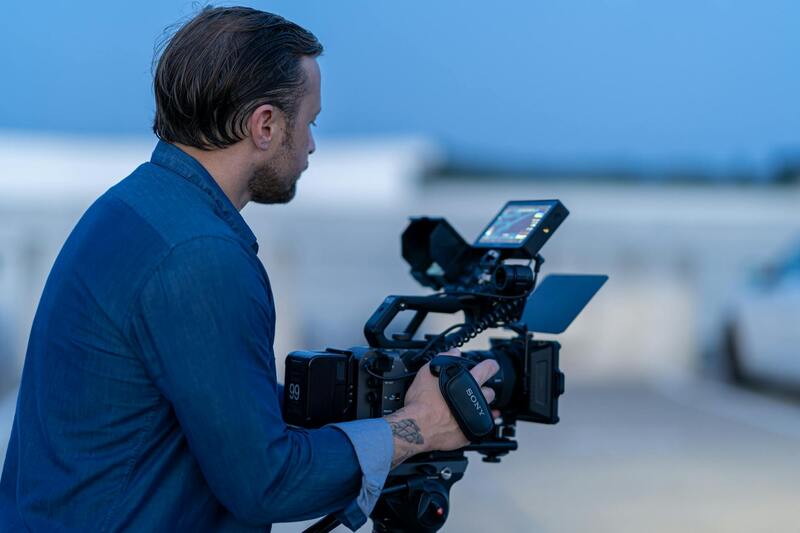
Maintaining meticulous records of workflow processes and client preferences supports building a reputation for reliability and professionalism. This dedication to quality control not only satisfies existing clients but also attracts new referrals through positive testimonials and repeat business, strengthening your foothold in Miami’s thriving real estate sector.
Optimizing Operations for Efficiency and Quality
To establish a reputable real estate photography business in Miami, streamlining operational workflows is essential. This begins with effective scheduling management, where utilizing dedicated calendar software that integrates seamlessly across multiple devices ensures accurate appointment setting and minimizes scheduling conflicts. Such tools assist in maintaining a professional reputation by preventing last-minute cancellations or overlaps that could compromise client trust.
Post-shoot processes are equally vital. Implementing a structured editing workflow enhances productivity and guarantees consistent quality. Categorizing images based on property types or rooms allows for systematic editing, reducing oversight and improving overall cohesion within a portfolio. Standardized presets for color correction and exposure adjustments help achieve uniformity across projects, a vital factor when appealing to high-end clients seeking polished visuals.
Batch processing techniques are invaluable for saving time. By applying similar edits simultaneously to multiple images, photographers can expedite delivery timelines without sacrificing image quality. This efficiency is paramount in a fast-paced real estate market where timely delivery can influence sale outcomes.
Before final delivery, a rigorous quality control checklist is recommended. Key considerations include ensuring images are sharp, properly exposed, and free of artifacts or distracting elements. Regularly updating editing methodologies to incorporate cutting-edge techniques and reflect evolving industry standards keeps a photographer’s work competitive. Such dedication showcases a commitment to excellence, fostering trust among Miami’s discerning real estate professionals.

Expanding Your Real Estate Photography Business in Miami
Scaling Operations Effectively
As your real estate photography business in Miami begins to thrive, scaling operations becomes an essential step for sustained growth. This process involves increasing capacity through strategic hiring, leveraging advanced technology, and optimizing workflow systems. To maintain high standards while expanding, it’s crucial to implement standardized procedures for shoots, editing, and client communication. Utilizing management software tailored for creative businesses can streamline scheduling, invoicing, and project tracking, ensuring you stay organized even as client demands grow.

Hiring and Training Staff
Building a reliable team is vital for expanding your real estate photography presence in Miami. Consider recruiting photographers with a strong portfolio, ideally with experience in architectural and real estate imagery. Equally important is hiring support personnel such as editing specialists, client coordinators, and sales managers. Proper onboarding and ongoing training ensure consistency in quality and service delivery, reinforcing your business’s reputation. Regular skill upgrades and industry seminars keep your team aligned with the latest trends and technology advances.
Diversifying Service Offerings
Broadening your service portfolio can significantly increase your market share. In addition to standard real estate photography, consider offering drone photography, 3D virtual tours, video walkthroughs, and twilight shooting. These advanced visual marketing tools appeal to high-end Miami property owners and real estate agents looking for comprehensive marketing solutions. Implementing tiered packages that combine various services allows clients to choose options that best suit their needs and budget, thereby boosting sales and customer retention.
Investing in Cutting-Edge Equipment
Staying ahead in Miami’s competitive market requires continual investment in high-quality equipment. Upgrading to full-frame cameras, professional lighting setups, and versatile drone systems ensures you can deliver stunning visuals under various conditions. Modern software solutions for editing and post-processing, equipped with AI-enhanced features, further streamline production and improve image quality. Regular maintenance checks and upgrades for your gear prevent technical issues and help you meet demanding deadlines efficiently.
Utilizing Data-Driven Marketing Strategies
Data analytics can provide valuable insights into market trends and client preferences in Miami’s vibrant real estate sector. Monitoring data related to inquiries, project turnaround times, and client feedback allows you to tailor your services more precisely. Implement targeted advertising campaigns based on geographic and demographic data, and enhance your online presence through search engine optimization (SEO) for keywords relevant to Miaimi real estate and photography. Maintaining a robust online portfolio and engaging social media presence further attracts potential clients.
Fostering Client Loyalty and Repeat Business
Building lasting relationships with real estate agents, property managers, and developers in Miami is crucial for long-term success. Providing exceptional service consistently encourages repeat business and word-of-mouth referrals. Developing personalized communication channels and offering loyalty discounts or referral incentives help nurture these relationships. Additionally, prompt follow-up after project completion demonstrates professionalism and dedication, cementing your reputation as a trusted partner in Miami’s property market.