Understanding the Importance of Real Estate Photography Advertising
Effective real estate photography advertising serves as a crucial element in the competitive Miami property market. High-quality visuals not only highlight the aesthetic appeal of a property but also communicate its unique features to prospective buyers swiftly and convincingly. In a city renowned for its vibrant real estate scene, immersive imagery can significantly influence a buyer's initial perception, often determining whether they pursue further engagement with a listing.
Real estate photography advertising combines compelling images with strategic placement to reach targeted audiences efficiently. This synergy amplifies a property’s visibility, ensuring it stands out amid numerous listings. Well-crafted visuals can evoke emotional responses, foster a sense of urgency, and ultimately accelerate the selling process. By investing in professional photography tailored specifically for advertising purposes, real estate professionals and property owners maximize their marketing efforts, reaching more qualified buyers and increasing the likelihood of a successful transaction.
In Miami’s dynamic real estate environment, quick decision-making is common among buyers, who often prioritize visual impressions due to the abundance of options available. High-resolution, well-composed imagery can capture the vibrant lifestyle, modern amenities, and desirable features of Miami properties, compelling viewers to take the next step in their purchasing journey. Additionally, targeted advertising campaigns utilizing these visuals ensure that the right demographics—whether luxury buyers, investors, or first-time homeowners—are exposed to the most compelling aspects of each property.
Moreover, employing professional photography in advertising builds credibility and trustworthiness. It signals to potential buyers that the property is presented with professionalism and care, which can influence their entire perception of the listing. As a result, real estate photography advertising is not merely about aesthetic appeal but a strategic tool that enhances the overall effectiveness of property marketing in Miami’s highly competitive market.
Legal and Ethical Considerations in Advertising Visual Content
In the realm of real estate photography advertising, adhering to established standards of authenticity and honesty is essential. Professional images should accurately reflect the property's appearance, including its condition, features, and overall ambiance. Manipulative editing, such as exaggerated enhancements or deceptive representations, can erode trust and damage reputation. Ensuring that all visual content maintains integrity supports a transparent marketplace where buyers can make informed decisions.
Respect for privacy rights is another critical aspect. Photographers and agents should secure consent prior to capturing images that include private spaces, personal belongings, or neighboring properties. This respect extends to avoiding misrepresentation by showcasing areas that are not accessible or not part of the listing. Proper permissions not only uphold ethical standards but also prevent potential disputes or misunderstandings.
Additionally, clear attribution and acknowledgment of any third-party content, such as drone footage or specialized equipment, reinforce transparency. When utilizing such assets, it is vital to ensure that licensing agreements are in place and that content is credited appropriately.
Compliance with all advertising regulations warrants careful attention. This includes appropriate use of keywords, avoiding misleading claims, and aligning with platform-specific advertising guidelines. Staying informed about evolving policies ensures that every piece of visual content contributes positively to the listing’s credibility.
Choosing the Right Platforms for Advertising Real Estate Photography
Effectively promoting property visuals involves selecting the most suitable platforms that align with the target audience and the unique dynamics of the Miami real estate market. When planning a real estate photography advertising strategy, it's crucial to focus on channels that maximize visibility, engagement, and lead generation.
Online listing websites remain the cornerstone for property marketing. Platforms that support high-resolution images and virtual tours enable prospective buyers to explore listings from the comfort of their homes, making them ideal for showcasing compelling visuals. Additionally, utilizing real estate-specific social media channels, such as Facebook Marketplace and Instagram, can significantly enhance reach by tapping into Miami’s vibrant digital community.
Paid advertising options, including targeted social media ads and pay-per-click campaigns, enable precise audience segmentation based on location, income level, and interests. This precision ensures that high-quality images attract genuinely interested buyers, increasing the likelihood of inquiries and viewings.
Real estate agents and marketers should also consider emerging platforms such as virtual reality marketplaces and niche luxury property sites. Leveraging such venues enhances exposure to demographic segments that seek premium and exclusive properties, especially in a high-end market like Miami.
Moreover, integrating content marketing strategies—such as publishing blog posts or guides on home staging, market trends, and neighborhood highlights—can complement visual advertising efforts. These informational assets not only reinforce the property's appeal but also establish the agent’s authority and trustworthiness.
In sum, the selection of advertising platforms must be informed by audience behaviors, platform capabilities, and the nature of the property being marketed. A diversified approach that combines traditional listing sites, social media, targeted ads, and innovative digital experiences ensures a comprehensive outreach that maximizes the impact of high-quality real estate photography.
Effective Off-line Channels to Amplify Real Estate Photography Advertising
While digital methods garner significant attention, traditional media channels remain vital for establishing a comprehensive real estate marketing strategy. Local print media, such as magazines, newspapers, and specialized real estate publications, offer tangible exposure for high-quality property images. These outlets often cater to specific segments of the Miami market, such as luxury buyers or investors, providing targeted visibility that complements digital efforts.
In addition, establishing a presence at community events, real estate expos, and open house tours allows for direct engagement with potential buyers and investors. Professional signage, such as responsive banners or boards featuring captivating images, can attract attention from passersby and reinforce online advertising campaigns. Such physical advertising methods serve as touchpoints that drive prospects to explore the digital listings, creating a cohesive marketing approach.

Partnering with local businesses, such as furniture stores or interior design studios, can also expand reach. Displaying printed high-quality images of properties within these venues introduces the listings to a targeted audience that values aesthetics and quality—key factors in Miami’s luxury market.
Integrating Traditional and Digital Strategies for Maximum Impact
Aligning offline efforts with online advertising amplifies overall campaign success. For example, QR codes on print ads or signage can direct interested viewers to virtual tours or high-resolution image galleries. This integration bridges physical exposure with digital engagement, making it easier for prospects to access detailed property visuals and information.
Furthermore, utilizing direct mail campaigns featuring striking images of available homes can personalize outreach and nurture leads. Sending professionally crafted postcards or brochures with compelling photography encourages recipients to contact agents for a closer look.
Leveraging Network and Community-Based Advertising
Building relationships within local communities enhances visibility and reputation. Partnering with neighborhood associations or participating in community initiatives allows real estate professionals to showcase property images in relevant contexts. These efforts foster trust and community awareness, positioning agents as reliable and knowledgeable experts in the Miami real estate landscape.
In summary, integrating a variety of offline advertising channels—ranging from print media, signage, and community outreach—enhances the reach and visibility of high-quality real estate photography. When combined with digital strategies, these efforts create a well-rounded and effective marketing presence that appeals to a diverse Miami audience interested in premium properties.
Optimizing Visual Content for Maximum Engagement
Effective real estate photography advertising hinges on the presentation quality of visual content. High-resolution images are essential to showcase a property's best features clearly and attractively. To optimize these visuals, professional editing and staging techniques should be employed judiciously. Enhancing images through careful color correction, brightness adjustments, and sharpness improves visual appeal without distorting the true appearance of the property.
In addition to basic editing, strategic staging can significantly influence viewer perception. Proper furniture placement, decluttering, and use of neutral tones create inviting, adaptable spaces that appeal to a broad audience. Utilizing natural lighting during the shoot captures the property's authentic ambiance, which can later be refined through post-processing to emphasize warmth and vibrancy.
Implementing consistent branding elements—like logo placement or a signature color palette—helps reinforce brand recognition across visual assets. Using overlays, brief captions, or call-to-action phrases directly on images can also increase engagement, prompting viewers to take the next step toward inquiry.
Furthermore, integrating virtual staging allows potential buyers to visualize the space with different furniture styles or decor. This provides a tailored experience, especially for empty or under-furnished interiors, enhancing the property's appeal in competitive markets like Miami.
Utilizing Localized Content to Enhance Real Estate Photography Ads
In the gem of Florida, Miami, the integration of localized content within real estate photography advertising significantly elevates the appeal of property listings. Incorporating visuals and themes that resonate with Miami's vibrant lifestyle — such as ocean views, modern high-rise interiors, and lively outdoor spaces — allows potential buyers to envision their life within these spaces.
When crafting ad campaigns, highlighting specific neighborhoods, iconic landmarks, or nearby amenities can enrich visual narratives, making listings more relatable and compelling. This targeted approach helps attract buyers looking for properties with unique Miami characteristics, whether they seek luxurious waterfront condos, charming Art Deco homes, or spacious family residences in suburban enclaves.
By aligning high-quality images with the distinct attributes of the Miami market, real estate agencies can create a powerful regional branding statement. This strategy not only enhances the visual storytelling but also reinforces the property's suitability for the local audience, ultimately driving higher engagement and inquiry rates.
Strategic Use of Testimonials and Success Stories in Advertising
Including testimonials from satisfied clients and success stories within advertising materials adds a layer of credibility and trust. High-resolution images of happy homeowners in their new residences, paired with authentic feedback, serve as compelling evidence of an agency's expertise and dedication. Such visual and textual integration humanizes the listing, making it more relatable to prospective buyers.
This method fosters a sense of confidence, especially in a competitive market like Miami, where buyers are often inundated with choices. Effective real estate photography advertising leverages these personal narratives to strengthen the emotional connection and motivate action.
Maintaining Consistency in Visual Branding
Consistency across all advertising visuals is crucial for establishing a memorable brand presence. Utilizing a uniform color palette, logo placement, and editing style ensures that viewers immediately recognize the source of a property listing. This visual coherence builds trust and familiarity, which are vital components in attracting repeat clients and referrals.
Real estate photography ads should reflect the brand's identity, whether through sleek, modern imagery or warm, inviting tones. Consistent branding not only reinforces professionalism but also helps differentiate your agency in a bustling Miami market.
Final Thoughts
High-quality visuals, localized content, authentic storytelling, and consistent branding are cornerstones of effective real estate photography advertising. When these elements are thoughtfully implemented, they create immersive, engaging campaigns that resonate with Miami’s diverse buyer demographic. Leveraging official and reputable methods ensures that each advertising effort builds trust, elevates property visibility, and ultimately accelerates sales in this competitive landscape.
Utilizing Official and Reputable Marketing Channels
To ensure that your real estate photography advertising reaches the right audience effectively, it is essential to leverage official and reputable marketing channels. These channels include established online listing services, such as MLS platforms, which are recognized by industry professionals for broad reach and credibility. Incorporating high-quality visual content into these listings not only increases visibility but also reinforces a professional image that buyers trust.
Major real estate websites serve as vital platforms for showcasing your photography portfolio. These websites attract serious buyers and investor interest, making them ideal for targeted advertising campaigns. Partnering with these platforms often involves adhering to their image standards, deadlines, and data submission protocols—ensuring your photographs highlight properties effectively while maintaining compliance with platform guidelines.
Social media remains a potent tool for official advertising efforts, provided the content aligns with platform policies and best practices. Creating dedicated business pages or profiles on platforms like Facebook, Instagram, and LinkedIn allows for centralized management of property visuals. Paid promotions and targeted advertising features on these platforms enable precise demographic targeting, such as Miami-area residents or international investors interested in Miami real estate. When using these channels, ensuring the authenticity and quality of visual content is paramount to maintaining trust and engagement.

Furthermore, collaborating with reputable real estate agencies and brokers to feature your photography in their marketing campaigns boosts both reach and authority. Many agencies prefer to partner with trusted and well-established photographers to ensure their listings stand out amid rising competition. In such collaborations, formal agreements often govern content rights, usage, and promotional expectations—further emphasizing the importance of using official channels for advertising efforts.
Finally, local Miami-based publications, property magazines, and industry newsletters can serve as additional channels for officially promoting stunning real estate visuals. These platforms target segmented audiences, including high-net-worth individuals and international buyers familiar with the Miami market, making them ideal for high-quality real estate photography advertising.
Legal and Ethical Considerations in Advertising Visual Content
When developing a comprehensive real estate photography advertising strategy, adhering to established standards for content accuracy and representation is fundamental. High-quality visuals should faithfully depict the property’s features without exaggeration or misrepresentation. This approach not only builds trust with potential buyers but also aligns with professional standards within the industry.
Using official channels ensures that the content reaches the appropriate audiences through verified platforms, which maintain guidelines for authenticity and transparency. For instance, sharing property images on reputable online marketplaces, official social media pages, or industry newsletters helps establish a consistent brand image rooted in honesty and professionalism.
Additionally, securing proper permissions and licenses for any creative material used in the advertisements is essential. This includes obtaining rights for professional photos, drone footage, or virtual staging elements. When working with models, vendors, or third-party content, formal agreements should clarify usage rights, attribution, and scope to prevent misunderstandings or disputes.
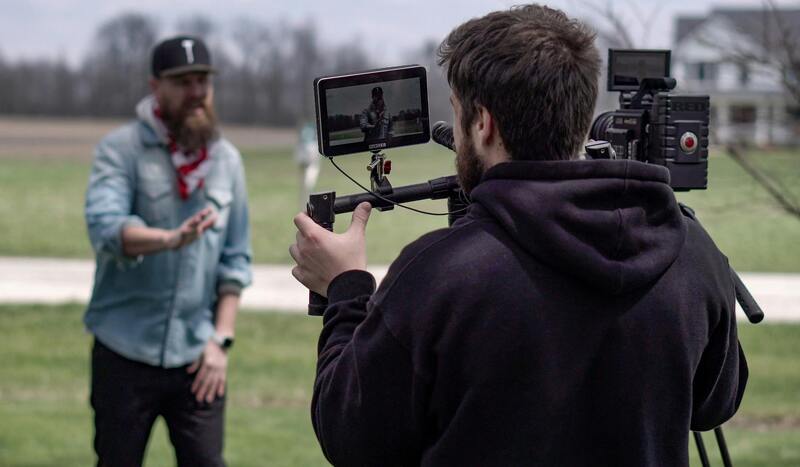
To maintain ethical standards, all visual content should accurately reflect the property's condition, features, and surroundings, avoiding techniques that could mislead viewers. Proper lighting, perspective, and editing are acceptable to enhance commercial appeal, but alterations that misrepresent the property’s true look are discouraged. Transparency about virtual staging or post-processing ensures prospective buyers receive a genuine understanding of the property. Furthermore, respecting copyright laws and intellectual property rights is vital. Unauthorized use of proprietary images or videos can compromise a brand’s reputation and lead to legal consequences. Relying on professionally produced, licensed content from trusted sources guarantees that advertising efforts remain within legitimate boundaries. In the dynamic Miami market, where international buyers and diverse demographics are common, maintaining integrity in advertising practices fosters long-term trust and success. Transparency, clarity, and adherence to official content guidelines solidify a reputable presence in the competitive real estate landscape, ultimately enhancing the effectiveness of real estate photography advertising campaigns.