Understanding the Role of a Real Estate Photographer
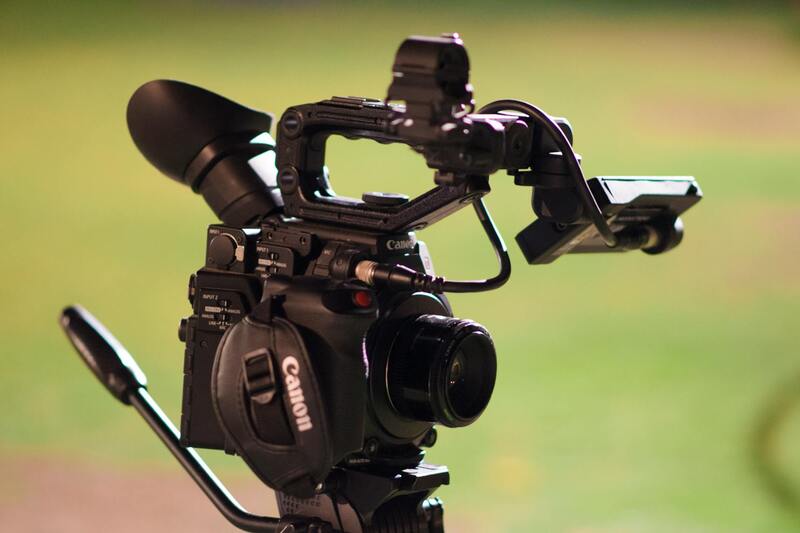
In the competitive Miami real estate market, the visual presentation of a property can significantly influence potential buyers' perceptions and decisions. A professional real estate photographer specializes in capturing high-quality images that showcase a property's best features, creating compelling visual narratives that enhance marketing efforts. Their responsibilities extend beyond simply taking pictures; they are skilled in understanding the unique aspects of each property, including lighting, angles, and composition, to highlight spaces effectively.
The core skills of a real estate photographer include proficiency with advanced camera equipment, knowledge of lighting techniques, and an eye for detail. They often utilize wide-angle lenses to capture entire rooms, drone photography to showcase larger properties or unique outdoor features, and HDR imaging to produce images with balanced exposure. This combination of skill and equipment ensures that each listing stands out in online listings, brochures, and virtual tours.
In addition to technical prowess, a real estate photographer must possess an understanding of real estate marketing principles. They work closely with real estate agents, property managers, and homeowners to understand the key selling points of a property and how best to emphasize them visually. Attention to detail, punctuality, and an ability to work efficiently within tight schedules are vital qualities in this profession.
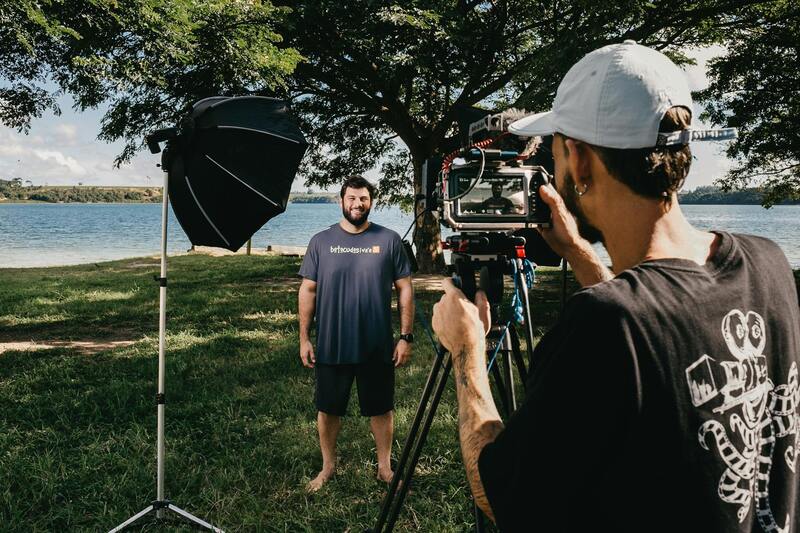
Employing a real estate photographer who understands the nuances of property marketing ensures that each listing is presented in the most engaging and attractive manner possible. They play an integral role in creating a strong first impression, which can lead to increased interest, faster sales, and higher asking prices. The right images can convey space, light, and lifestyle potential that words alone cannot fully express.
How to Find and Evaluate a Real Estate Photographer
Locating a skilled real estate photographer who specializes in Miami's vibrant property market requires a strategic approach. It is essential to explore reputable sources and assess candidates thoroughly to ensure they meet the specific demands of real estate marketing. The process begins with examining local industry directories, professional associations, and photography collectives that verify the credentials and track record of photographers in the area.
Online portfolios are invaluable tools for evaluating the quality and style of a real estate photographer. Viewing a collection of their previous work provides insight into their technical competence, creativity, and ability to capture properties in a way that highlights their unique features. Pay close attention to consistency in lighting, composition, and clarity, as these elements directly influence the perceived quality of the images.
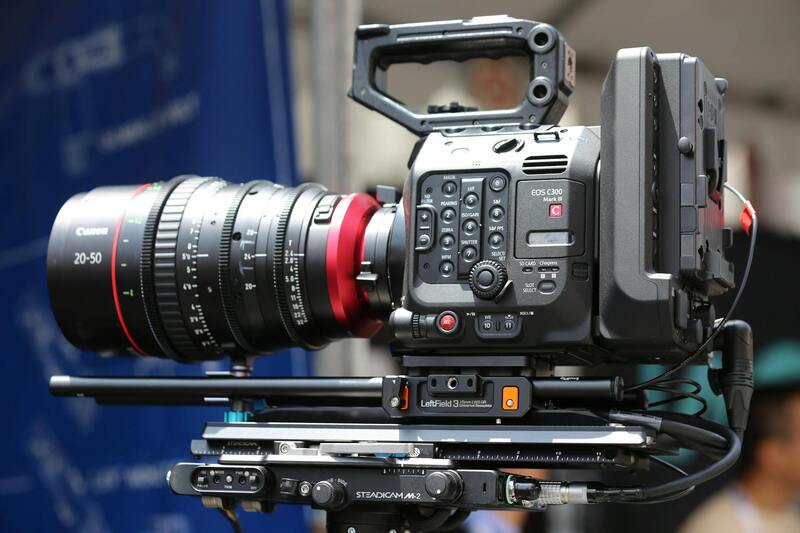
In addition to portfolio review, conducting interviews with potential photographers allows for a better understanding of their process, experience with similar properties, and familiarity with Miami's real estate scene. Questions about their equipment, post-processing techniques, and availability help determine how well they can align with your listing schedule and marketing goals.
References or testimonials from previous clients provide further validation of their professionalism and reliability. Combining visual assessment with direct communication ensures a comprehensive evaluation, leading to more informed hiring decisions. Since real estate images substantially impact your listing’s success, investing time in selecting the right photographer yields long-term benefits in property presentation and buyer engagement.
Remember, the ideal photographer not only possesses technical skill but also understands the nuances of real estate marketing. They should actively listen to your objectives and offer creative solutions tailored to Miami's diverse property landscape, from waterfront estates to downtown condos. This integration of expertise and local knowledge guarantees that your listings are positioned to attract qualified buyers effectively.
Key Skills and Equipment for Miami Real Estate Photographers
For Miami-based real estate photographers, possessing a blend of technical expertise and specialized equipment is essential to capture compelling property images. Mastery of lighting techniques allows photographers to highlight a property’s best features while ensuring consistent, natural-looking illumination across different spaces. Precision in composition ensures that each shot emphasizes the property's strengths, whether it's a spacious living room, panoramic waterfront views, or architectural details unique to Miami's diverse properties.
Understanding the nuances of space, perspective, and color correction plays a pivotal role in producing images that resonate with potential buyers. Photographers should be proficient in post-processing software to enhance images without losing authenticity, ensuring that the final visuals accurately reflect the property’s true appearance and appeal.
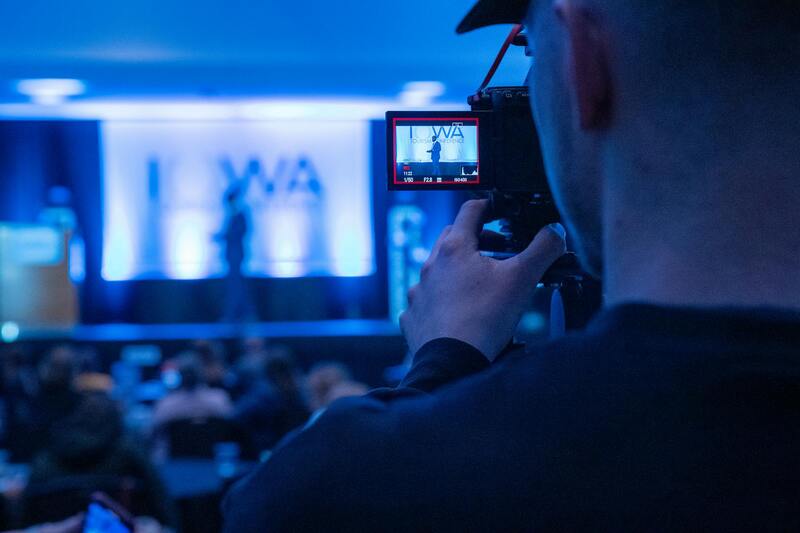
The equipment selected is equally crucial. Professional-grade cameras with full-frame sensors provide excellent detail and color accuracy. Wide-angle lenses are standard for capturing more of a room or view within a single shot, making spaces appear larger and more inviting. Tripods contribute stability, especially in low-light conditions, ensuring sharp images. Drones are increasingly used to showcase expansive properties, aerial views, or waterfront locations, offering a comprehensive perspective that elevates listings.
Lighting tools such as portable flash units and reflectors help control shadows and enhance clarity in both interior and exterior shots, particularly when natural light is limited or inconsistent. Additionally, software tools for image editing, dehazing, and color correction allow photographers to achieve polished, professional results that stand out in competitive Miami real estate markets.
Staying updated with the latest camera models, lens options, and editing techniques is vital to meet the evolving expectations of property buyers. With the right combination of skills and equipment, Miami real estate photographers can deliver visually captivating images that significantly improve property visibility and attract qualified buyers.
Measuring the Effectiveness of Real Estate Photography
Assessing the impact of professional real estate photography requires a combination of data analysis and client feedback. High-quality images contribute directly to increased engagement in online listings, measured by metrics such as click-through rates, time spent on a property page, and the number of inquiries received. When a property’s photos are visually compelling and accurately represent the interior and exterior features, prospective buyers are more likely to schedule viewings and make offers.
It is also essential to compare listings with and without professional photography to understand its influence. Properties featuring high-quality images typically experience shorter time on the market, reflecting their attractiveness and the value added by skilled photography. By tracking these metrics over time, real estate agencies and individual sellers can validate their investment in professional photography services.
Maintaining a Portfolio and Staying Updated
For Miami-based real estate photographers, creating and maintaining an extensive portfolio is critical in attracting new clients and showcasing versatility. An online portfolio provides visible proof of skills, attention to detail, and the ability to adapt to different property styles and lighting conditions. Regularly updating this portfolio with recent projects ensures that potential clients see current capabilities and quality standards.
Additionally, keeping abreast of trends and technological advancements in photography is crucial. Emerging techniques such as twilight photography, 3D virtual tours, and augmented reality integrations are becoming more prevalent in property marketing. Photographers who invest in ongoing training and equipment upgrades can offer innovative solutions that meet the evolving demands of Miami’s competitive real estate market.
How to Find and Evaluate a Real Estate Photographer
Locating the right real estate photographer requires a strategic approach centered on thorough research and careful evaluation. Potential clients should begin their search through reputable sources such as industry directories, professional photography associations, and local real estate networks. These sources often vet their members, providing a baseline assurance of professionalism and expertise.
Building a shortlist of candidates entails reviewing portfolios and examining the consistency of image quality across diverse property types. An effective portfolio demonstrates versatility in capturing different architectural styles, lighting conditions, and interior layouts. It also reveals the photographer’s proficiency with various techniques, from wide-angle shots to twilight photography, which are essential for creating compelling property listings.
Reviewing client testimonials and feedback provides insights into the photographer’s reliability, punctuality, and communication skills. A history of positive experiences indicates a professional approach and dedication to client satisfaction. For additional assurance, consider asking for references from previous clients in Miami’s real estate market to gain firsthand perspectives on their experiences.
When evaluating potential photographers, it’s important to verify their technical capabilities. This includes understanding their familiarity with the latest camera equipment, lighting techniques, and editing software. A photographer well-versed in these areas can deliver images that enhance property appeal, highlight key features, and create a sense of space. Additionally, it’s worthwhile to explore their adaptability to different property types—residential, commercial, or luxury estates—as each requires specific stylistic approaches.
Communication skills are also a critical component. The ability to understand specific property highlights and client branding objectives ensures that the photographer can tailor images to meet marketing goals. Professionalism in scheduling, responsiveness, and the ability to work within tight deadlines further distinguishes top-tier candidates. Preferring photographers who are proactive in discussing project details and providing consultation ensures smoother collaboration and higher quality outcomes.
Finally, consider the practical aspects such as pricing structures, availability, and geographic proximity. Transparent pricing that aligns with the scope of work and property size prevents budget overruns. Confirming availability during critical marketing periods ensures timely delivery of images that synchronize with listing schedules. Ultimately, selecting a photographer who combines technical skill, artistic vision, and professional integrity will significantly enhance the visual presentation of properties, accelerating sales and maximizing value for sellers and agents alike.
Legal and Contractual Aspects of Hiring a Photographer
Securing professional real estate photography services involves understanding the contractual landscape to ensure clarity and protection for both parties. A comprehensive agreement should clearly outline the scope of work, deliverables, pricing, timelines, and revision policies. These elements provide a mutual understanding and set expectations, preventing misunderstandings and ensuring smooth project execution.
It is essential to specify licensing rights in the contract. Ownership rights determine how the images can be used, whether solely for marketing purposes of the listing or for broader promotional initiatives. Defining prohibited uses helps preserve the photographer’s intellectual property rights and clarifies any restrictions for the client.
Terms of payment and cancellation policies are also crucial. Conditions under which payments are due, whether upfront, upon delivery, or in installments, should be explicitly stated. Likewise, cancellation clauses specify any penalties or refunds applicable if either party decides to terminate the agreement prematurely.
Additional Considerations for Contracting a Real Estate Photographer
- Insurance and Liability: Verify if the photographer products any liability coverage, especially important if property damages or accidents occur during shoots.
- Work Authorization: If the shoot requires access to restricted areas or properties, permissions and access rights should be covered within the agreement.
- Confidentiality: Provisions may be necessary to protect sensitive information or private property details not intended for public dissemination.
- Indemnity Clauses: Establish protections against claims resulting from use of the images or other unforeseen issues.
Negotiating these contractual elements ensures that the collaboration between property owners, listing agents, and photographers proceeds smoothly. It reinforces professionalism and secures legal and financial interests, ultimately contributing to successful marketing efforts.

Legal and Contractual Aspects of Hiring a Photographer
When engaging a professional for real estate photography, establishing clear legal and contractual terms is vital to ensure a smooth working relationship. This process begins with issuing a comprehensive service agreement that outlines the scope of work, delivery timelines, and payment terms. Contracts should specify the usage rights of the images, detailing whether the photographer retains ownership or grants exclusive rights to the client. This clarity is crucial for all parties to understand how the images can be used across various marketing channels, including online listings, print materials, and social media campaigns.
Insurance considerations are equally important. Photographers should carry liability insurance to cover potential damages or accidents that may occur during the shoot. It’s essential to verify this coverage before scheduling the session. If the property requires special access or permits, these permissions should be explicitly included in the contractual documentation. Additionally, confidentiality and privacy clauses may be necessary, especially when dealing with sensitive or private property details.
Other contractual elements include indemnity clauses that safeguard against legal claims arising from the use of images, as well as provisions for dispute resolution. Clear limitations on project scope and deliverables help prevent misunderstandings and ensure that expectations are managed effectively. Furthermore, specifying deadlines for the editing and delivery of photographs keeps the project on track, allowing for timely use in marketing efforts.
Best Practices for Negotiating Contracts
- Define clear deliverables and turnaround times for image delivery.
- Establish usage rights upfront, including any restrictions or limitations.
- Verify insurance coverage and request proof of liability insurance.
- Include clauses for access permissions and property-specific considerations.
- Address confidentiality and privacy concerns appropriately.
- Set terms for dispute resolution and cancellation conditions.
Drafting comprehensive agreements before the commencement of work minimizes risks and fosters a professional working environment. Maintaining open communication during contract negotiations ensures that both parties understand their rights and obligations, leading to successful project execution and high-quality photographic results.
Legal and Contractual Aspects of Hiring a Photographer
When engaging a professional real estate photographer, establishing clear contractual terms is essential to ensure a smooth and successful collaboration. A well-drafted agreement should precisely define the scope of work, including the number of photos required, the types of shots, and any specific styling or staging instructions. Such clarity helps prevent misunderstandings and aligns expectations between both parties.
It is also important to specify timelines for when the images will be delivered, ensuring the photos are available for marketing campaigns at optimal times. Including provisions for revisions or additional editing requests can protect both the client and photographer from last-minute disputes. These clauses should clearly outline what constitutes a revision and any associated costs, if applicable.
Usage rights form a critical part of the contractual agreement. Detailed terms about how the images can be used—whether for online listings, print brochures, or advertising—should be established upfront. Restrictions, such as exclusivity clauses or limitations on resale rights, should also be addressed to protect the property owner’s interests and avoid unauthorized use.

Insurance requirements are another key aspect. Requesting proof of liability coverage from the photographer ensures coverage in case of accidental property damage or injuries during the shoot. This measure safeguards property owners against potential liabilities and demonstrates the professionalism of the service provider.
Moreover, incorporating confidentiality clauses can be beneficial, especially if the property involves sensitive information or is part of a private disclosure. These clauses restrict the photographer from sharing images or details without prior approval, maintaining privacy and respecting the owner's preferences.
Dispute resolution procedures should be included, laying out steps for mediation or arbitration if disagreements arise. Clear cancellation policies and penalties for breach of contract can also illustrate the responsibilities and consequences for both parties, fostering accountability and trust.
In sum, comprehensive contract preparation minimizes risks, clarifies obligations, and establishes a professional framework for the photographic process. Open communication throughout contract negotiations fosters mutual understanding, ensuring that the project proceeds smoothly, on schedule, and with a focus on delivering high-quality real estate imagery that meets both legal and professional standards.