Understanding the Importance of Professional Real Estate Photography
In the highly competitive Miami real estate market, the presentation of a property can significantly influence buyers' perceptions and their decision-making process. High-quality real estate listing photography serves as the digital storefront that attracts potential buyers and encourages them to explore further. With the majority of home searches beginning online, captivating images can make a critical difference in capturing attention and generating interest.
Professional listing photos showcase the property in its best light, highlighting key features, layout, and ambiance. They help convey the property's unique appeal and create a visual narrative that resonates with prospective buyers. Well-composed images can communicate space, style, and lifestyle, making listings stand out amid a crowded market. Accurate and compelling photos also set realistic expectations, reducing the likelihood of mismatched perceptions that could lead to dissatisfaction or delayed sales.
In Miami, where diverse architectural styles and vibrant neighborhoods attract a broad spectrum of buyers, the quality of real estate photography directly impacts marketing efficacy. Listings with crisp, well-lit images tend to generate more inquiries, higher showings, and faster sales, often at better price points. This underscores the strategic importance of investing in professional photography services. Such investment not only boosts online visibility but also fosters confidence and trust in the listing, ultimately accelerating the path to closing.
Moreover, strategic photography can emphasize the property's best aspects, from breathtaking ocean views to stylish interiors, appealing to targeted buyer demographics. Detailed and attractive images serve as a potent marketing tool, transforming online listings into compelling visual stories that resonate emotionally with prospective purchasers.
In essence, investing in professional real estate listing photography is no longer optional but a fundamental component of a successful Miami property sales strategy. It maximizes exposure, enhances perceived value, and ultimately leads to quicker transactions, reinforcing the critical role that high-caliber visuals play in today’s digital real estate landscape.
Choosing the Right Equipment and Techniques
Selecting the appropriate equipment is fundamental to capturing high-quality real estate images that effectively showcase a property's features. A professional photographer relies on high-resolution full-frame cameras that can capture intricate details and produce vibrant, sharp images even in challenging lighting conditions. Wide-angle lenses are indispensable, enabling the photographer to encompass more of a room or exterior in a single shot, which is crucial for illustrating the spatial layout and making spaces appear larger and more inviting.
Tripods enhance stability, reducing blurriness caused by hand movement, especially in interior spaces with lower light levels. Additionally, advanced capturing techniques such as HDR (High Dynamic Range) imaging combine multiple exposures to balance bright windows and shadowed corners, ensuring the entire scene is well-exposed. Drones and aerial photography tools are invaluable for providing comprehensive views of large properties, particularly those with expansive grounds, pools, or scenic surroundings.

Techniques like proper lens selection, strategic use of tilt-shift lenses, and focal length adjustment allow for corrected perspectives and minimal distortion, maintaining accurate spatial relationships. Professional photographers also employ precise focusing and depth-of-field controls to draw attention to key features like architectural details, chef’s kitchens, or outdoor living spaces, ensuring each image emphasizes the home's unique selling points.
Best Practices for Styling and Staging
Effective styling and staging are integral to creating compelling images that resonate with prospective buyers. Clean, clutter-free spaces with carefully curated decor accentuate a home’s best attributes and allow viewers to envision their own lives within the space. Arranging furniture to optimize flow and highlight open areas makes rooms appear more spacious and welcoming.
Color schemes should be neutral and harmonious, avoiding overly bold or distracting hues that detract from the property’s appeal. Decorative accessories like fresh flowers, tasteful artwork, and plush textiles add warmth and personality without overwhelming the space. In outdoor shots, well-maintained landscaping, freshly trimmed lawns, and inviting patios enhance curb appeal and provide context for the property's exterior features.
Lighting Strategies for Bright and Inviting Photos
Lighting is a critical element that can make or break a real estate photograph. Utilizing natural light wherever possible results in bright, airy images that evoke feelings of openness and comfort. Photographers often schedule shoots during the day when sunlight is abundant, allowing for a mix of interior and exterior shots to be taken at optimal times.
To complement natural light, artificial lighting such as softboxes, LED panels, and strobe lights are employed to fill shadows, highlight architectural details, and create consistent brightness across images. Properly balanced lighting ensures that indoor spaces appear warm and inviting without harsh reflections or overexposure. Exterior shots benefit from strategic timing at dawn or dusk, capturing the property during golden hour to achieve a warm, appealing glow.
Editing and Post-Processing Techniques
Post-processing is essential for refining images and aligning them with the highest standards of quality. Color correction, contrast adjustment, and sharpening help produce crisp, vibrant visuals that accurately represent a property. Professional editors remove minor imperfections, such as dust spots or distractions in the background, ensuring a clean, polished appearance.
Advanced editing may involve perspective correction, straightening lines, and subtly enhancing lighting to create balance and harmony within each frame. However, it is important that images remain authentic and true to reality, avoiding excessive manipulation that can mislead buyers.
Delivering Photos and Maximizing Online Visibility
Fast, reliable delivery of high-resolution images is crucial for timely marketing efforts. Digital files should be optimized for various online platforms, balancing quality and load times. Properly formatted images improve listing performance across real estate portals, social media channels, and agency websites.
Strategic image placement, such as showcasing key features first and including a variety of interior and exterior shots, enhances the property's online narrative. Incorporating virtual tours or360-degree images complements still photos, providing an immersive viewing experience that captures buyer interest and encourages inquiries.
Choosing a Local Miami Production Agency for Listing Photos
Partnering with a Miami-based real estate photography professional ensures familiarity with local properties, neighborhoods, and market preferences. Local agencies have nuanced insights into Miami's diverse architectural styles and outdoor environments, which translate into tailored, high-impact visuals.
Choosing the Right Equipment and Techniques
Achieving high-quality real estate listing photography begins with selecting appropriate equipment and employing effective shooting techniques. The foundation lies in using professional-grade cameras that can capture detailed images with high dynamic range. Full-frame DSLRs or mirrorless cameras equipped with CMOS sensors are ideal choices, as they handle low-light conditions and produce stunning image clarity.
Choosing the right lenses significantly impacts the visual appeal of property photos. Wide-angle lenses, typically between 14mm to 24mm, allow photographers to capture more of a room in a single shot, making interior spaces appear more spacious and inviting. These lenses are crucial for highlighting key areas such as living rooms, kitchens, and master suites without distortion that can misrepresent the space.
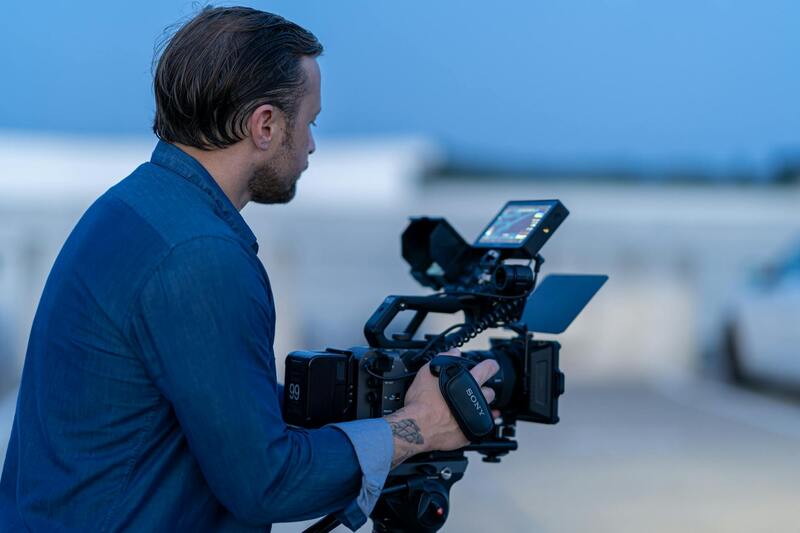
In addition to camera equipment, the use of tripod mounts ensures stability and consistent framing, especially during slower shutter speeds needed in low-light environments. A sturdy tripod also helps maintain vertical integrity, reducing tilt and ensuring straight vertical lines in architectural features. For properties with varying lighting conditions, using HDR (High Dynamic Range) techniques combines multiple exposures to create images with balanced brightness and contrast, capturing both interior details and exterior views effectively.
Shooting techniques further influence the final image quality. It is essential to shoot during the day when natural light is abundant, opening curtains and blinds to maximize daylight. Utilizing a systematic approach—such as capturing multiple shots of each room from different angles—provides flexibility during the editing phase and presents comprehensive views of the property.
Photographers should also pay attention to vertical lines, ensuring walls and door frames remain straight through lens correction or perspective adjustment during post-processing. Proper composition involves aligning horizons and framing the subject to draw viewers' eye naturally towards the property’s best features.
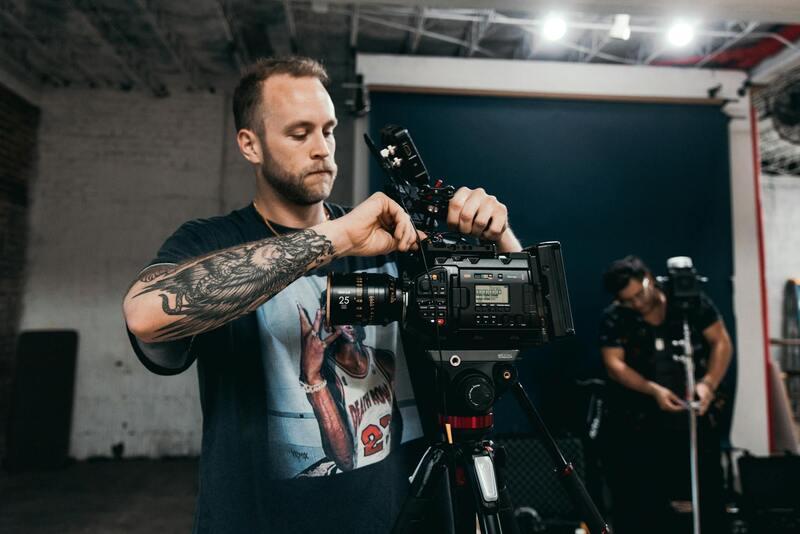
Finally, incorporating supplementary tools such as drone photography can add a compelling aerial perspective, especially for properties with extensive outdoor areas or unique architectural elements. This approach offers potential buyers a comprehensive view of the property’s surroundings, enhancing overall listing appeal and engagement.
Choosing the Right Equipment and Techniques
For creating compelling real estate listing photos, selecting appropriate equipment and employing effective techniques are fundamental. High-quality digital cameras with full-frame sensors are preferred, as they perform well in varying lighting conditions and produce images with excellent detail and color accuracy. A wide-angle lens—typically between 14mm and 24mm—is essential to capture the full scope of interior and exterior spaces without distortion, allowing viewers to appreciate the property’s layout and spatial relationships.
Tripod usage stabilizes the camera, enabling sharper images and consistent framing across multiple shots. This stability is particularly important when shooting in lower light conditions, where longer exposure times are necessary to gather enough light without introducing blur.
Proper camera settings play a crucial role: utilizing a narrow aperture (such as f/8 to f/11) ensures greater depth of field, keeping more of the scene in focus. ISO settings should remain as low as possible to minimize noise, while shutter speeds are adjusted based on lighting conditions. For interior shots, avoiding overly high ISO values helps maintain clarity and crispness.
A critical technique involves the use of High Dynamic Range (HDR) imaging. By capturing multiple exposures—underexposed, properly exposed, and overexposed images—and merging them during post-processing, photographers can create balanced images that showcase interior details and exterior views equally well. This approach is particularly effective in spaces where windows allow significant outside light; it prevents the loss of detail in bright outdoor areas while keeping indoor shadows visible.
Implementing Valid and Effective Photography Methods
Securing high-quality real estate listing photographs involves adhering to established, recognized techniques that guarantee the authenticity and clarity of the images. Professionals in the field rely on methods that have been proven effective over years of experience, focusing on capturing true representations of the property’s features.
One core approach is the use of stable camera setups that prevent motion blur and ensure sharpness. Tripods are essential tools, providing a stable platform for capturing detailed images with consistent framing. When photographing interiors, maintaining level horizons and proper vertical alignment prevents distortions that could misrepresent room proportions or architectural accuracy.
Proper lighting remains fundamental. Leveraging natural light during optimal times of the day, like early morning or late afternoon, ensures that spaces are illuminated evenly without harsh shadows. When additional lighting is required, using standardized, daylight-balanced artificial lights helps maintain color consistency and avoid artificial color casts that can detract from a property's appearance.
Utilizing consistent photographic standards improves the reliability of images for listing platforms. Techniques such as HDR (High Dynamic Range) imaging combine multiple exposures to balance lighting across bright and shadowed areas, resulting in well-exposed images that reflect the true ambiance of each space. These practices help in creating a comprehensive visual story of the property that aligns with viewers' expectations.

Furthermore, adhering to the correct framing and composition principles is vital. The rule of thirds, for instance, guides photographers to position key features within the frame, emphasizing focal points without causing visual clutter. Vertical and horizontal lines should be kept straight to maintain the integrity of architectural details and spatial relationships.
Some methods also include revisiting shots to verify they meet quality standards—checking for appropriate focus, exposure, and distortion—to ensure every image contributes positively to the listing. By following a systematic and ethical approach to capturing images, real estate professionals can provide potential buyers with an honest, visually compelling presentation of the property.
Effective Use of Post-Processing to Enhance Real Estate Images
Post-processing plays a pivotal role in transforming raw images into compelling visual assets that enhance a property's appeal. Utilizing professional editing software, such as Adobe Lightroom or Photoshop, allows photographers to fine-tune exposure, contrast, and color balance, ensuring each scene accurately represents the property's true character. This meticulous attention to detail ensures that the images are vibrant and inviting without altering fundamental features that prospective buyers need to see.
Adjustments to highlight key architectural features or to correct minor lens distortions can prevent misleading impressions and foster transparency. Additionally, retouching techniques can improve the clarity and sharpness of details, making spaces appear more defined and attractive. For instance, removing small distractions like dust or smudges from surfaces and enhancing natural light can significantly elevate the perceived quality of the listing.
However, maintaining honesty through responsible editing is essential. Overly retouched images that distort the scale or misrepresent a space can set false expectations, ultimately undermining credibility. Skilled real estate photographers strike a balance, ensuring images are not only eye-catching but also truthful reflections of the property.
Following standardized editing protocols, including color correction, perspective correction, and the use of tone-mapping techniques, ensures consistency across the campaign. This consistency is crucial in constructing a professional and trustworthy brand image for the property listing, facilitating smoother decision-making for potential buyers.
Delivering High-Quality Photos for Maximum Impact
Effective delivery methods are just as vital as capturing exceptional images. High-resolution digital files should be provided in universally compatible formats like JPEG or TIFF, optimized for online platforms and print media. Ensuring images are appropriately scaled prevents degradation in quality, whether they're showcased on a website, MLS listing, or print brochure.
Organizing photos systematically, prioritizing those that best illustrate the property's unique features, enhances viewer engagement. Including a wide variety of shots—interior, exterior, unique architectural elements, and key rooms—gives potential buyers comprehensive visual information, increasing their confidence and interest.
Finally, utilizing multiple online channels, such as property listing websites, social media, and email campaigns, maximizes exposure. Optimized images that load quickly while maintaining visual integrity contribute to a seamless user experience, encouraging more engagement and inquiries from prospective buyers.
Choosing a Local Miami Production Agency for Listing Photos
Partnering with a local Miami-based real estate listing photography agency offers numerous advantages that can significantly enhance the marketing of your property. Local agencies possess an in-depth understanding of Miami’s unique real estate landscape, aesthetic preferences, and market trends. This insight enables them to tailor their photography services to highlight the specific features and lifestyle appeal of Miami properties, whether it’s a beachfront condo, a vibrant urban apartment, or a luxurious estate.
When selecting a professional agency, consider their familiarity with the Miami market and their capability to deliver images that resonate with potential buyers. Local agencies often have established relationships with real estate agents and developers, facilitating smoother coordination and more efficient service delivery. They are adept at scheduling shoots that complement property availability, avoiding delays that can hinder marketing efforts.
Another key benefit of working with Miami-based professionals is the ease of communication. In-person consultations, quick on-site adjustments, and immediate feedback are crucial for capturing ideal shots and ensuring that the property’s best features are highlighted effectively. Local agencies also tend to have access to area-specific props, backgrounds, and staging resources, which can add a distinctive Miami flair to your property’s imagery.
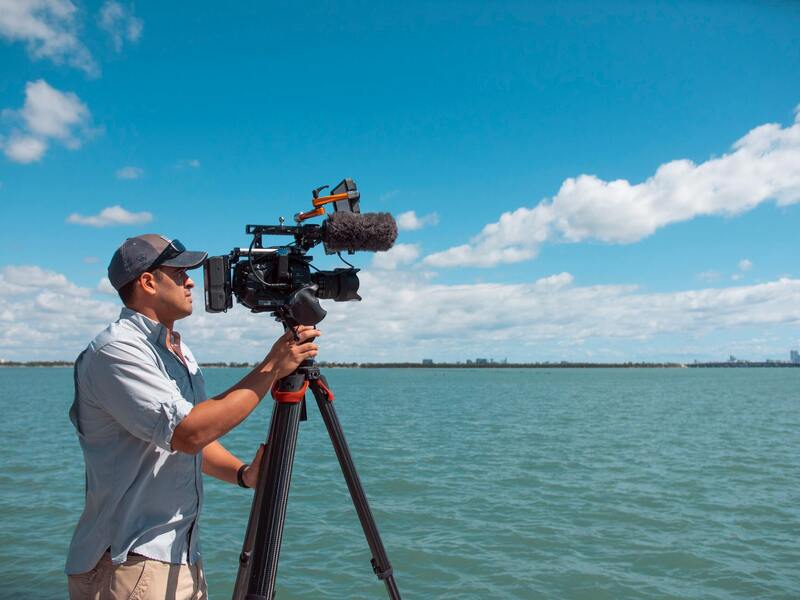
Furthermore, a Miami-based production agency is typically more agile, providing rapid turnaround times that can synchronize with your marketing timeline. This prompt service is especially beneficial in a competitive market where timely listing updates can influence buyer interest.
In summary, selecting a local Miami real estate photography agency means leveraging regional expertise, fostering seamless communication, and ensuring high-quality visuals that captivate prospective buyers. Their integral role in your marketing strategy can substantially increase your property’s visibility and appeal in Miami’s dynamic market environment.
Understanding the Importance of Professional Real Estate Photography
Professional real estate photography plays a vital role in attracting prospective buyers and enhancing the overall appeal of property listings. High-quality images serve as the first impression for online audiences, who increasingly rely on digital platforms to evaluate properties before scheduling visits. Well-executed real estate listing photos can significantly influence the perceived value of a property, making it stand out amidst a crowded market.
Effective real estate photography communicates the property’s best features through compelling visuals, capturing the space's scale, natural light, and unique architectural details. These images foster emotional connections with potential buyers, encouraging them to imagine living in the space. Moreover, professional photos demonstrate a property’s maintained condition and highlight recent upgrades or design elements, further persuading viewers of its desirability.

Additionally, listings with professional photos tend to generate faster sales and often command higher offers. Since online visuals are the primary decision-making factor for many buyers, investing in top-tier real estate listing photography translates directly into improved market performance. It also aligns with the expectations of modern consumers who are accustomed to viewing polished, professional images as part of a seamless digital experience.
Key Elements of Successful Real Estate Listing Photos
- Optimal Composition: Framing rooms to showcase their purpose and spatial relationships creates an inviting atmosphere.
- Natural Lighting: Utilizing sunlight to illuminate interiors ensures images appear vibrant and welcoming.
- Decluttering and Staging: Removing personal items and arranging furniture to accentuate space enhances visual appeal.
- Accurate Color Representation: Ensuring colors are true to life helps manage buyer expectations and facilitates better decision-making.
- Highlighting Unique Features: Focused shots of amenities, architectural details, and upgrades add extra value to listings.
- Consistent Style and Quality: Maintaining visual uniformity across photos reinforces professionalism and brand identity.
Choosing the Right Equipment and Techniques
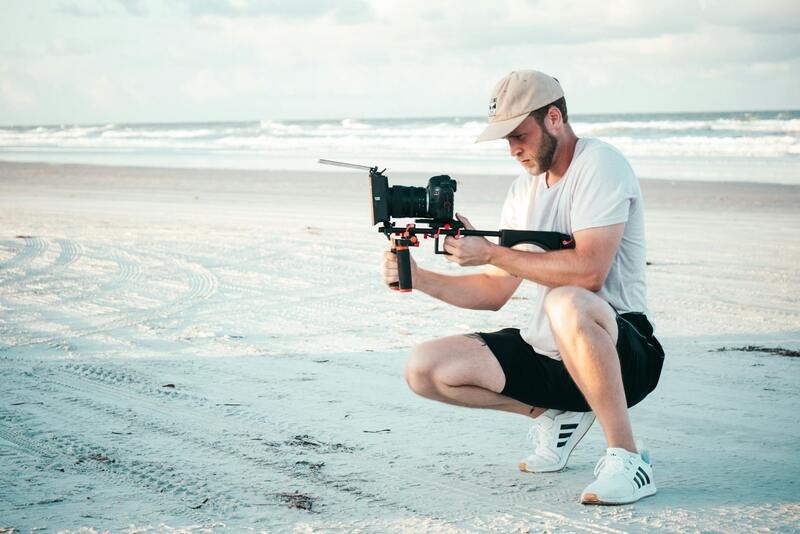
Professional real estate photographers rely on advanced camera gear, including wide-angle lenses to capture expansive interiors and high-resolution sensors for sharp images. Tripods provide stability, enabling precise framing and optimal exposure control. Additionally, specialized techniques such as HDR (High Dynamic Range) imaging balance exposure levels to accurately depict both interior and exterior lighting conditions.
Implementing drone photography can offer captivating aerial views that reveal property size, landscape, and neighborhood context—especially beneficial for large estates or properties with extensive outdoor spaces. Skilled photographers adjust camera settings thoughtfully to ensure consistent results, regardless of differing lighting conditions or property features.

Best Practices for Styling and Staging
Effective styling and staging are critical to showcasing a property’s potential. This involves strategic furniture placement, choosing complementary decor, and creating a neutral palette that appeals to a broad audience. Properly staged homes appear more spacious and inviting, encouraging viewers to envision themselves living in the space.
Professionals often coordinate with staging experts to optimize each room’s layout, emphasize focal points, and eliminate personal clutter. Well-maintained lawns, tasteful outdoor furniture, and coordinated color schemes further enhance curb appeal. Ensuring that each element aligns with the target market’s preferences increases the likelihood of eliciting strong interest.
Lighting Strategies for Bright and Inviting Photos
Lighting significantly impacts the quality of real estate images. Natural light is preferable, so photographers schedule shoots during times of day when sunlight floods the interiors. Opening curtains, turning on existing lights, and avoiding shadows create a balanced, authentic aesthetic.
In interior spaces, supplementary lighting—such as portable flash units or LED panels—can brighten dark corners and ensure even illumination. Exterior shots benefit from late morning or early evening light, often termed the “golden hour,” which produces warm tones and enhances the property’s visual appeal.
Editing and Post-Processing Techniques
Post-production editing refines real estate images by enhancing brightness, contrast, and clarity while maintaining true-to-life colors. Adjustments to perspective correction and straightening lines ensure accurate representations of rooms and exteriors. Removing minor imperfections, such as dust spots or distracting objects, contributes to a polished presentation.
Advanced editing may also include stitching multiple images to create panoramic views or applying subtle retouching to highlight architectural details. The goal is to produce attractive visuals that entice buyers without misrepresenting the property’s true appearance.
Delivering Photos and Maximizing Online Visibility
Timely delivery of high-resolution images enables swift listing updates and marketing campaigns. Photographers often provide files optimized for online platforms, ensuring fast loading times and quality retention across various devices.
Strategic image deployment includes publishing photos across multiple channels such as MLS, property websites, and social media platforms. Consistent branding and high-quality visuals contribute to stronger online presence, attracting a broader audience. Supplementing photography with virtual tours or 3D walkthroughs further enhances engagement, allowing prospective buyers to explore the property remotely and make more informed decisions.