Role and Importance of a Real Estate Listing Photographer
In the competitive landscape of real estate, the quality of property presentation can significantly influence buying decisions. A real estate listing photographer plays a pivotal role in creating visually compelling images that showcase a property's best features. Their expertise extends beyond simple photography; it encompasses understanding how to highlight space, lighting, and architectural details to attract potential buyers.
Professional photography elevates a property’s online presence, making listings more eye-catching and engaging. Listings that feature high-quality images tend to receive more clicks, greater interest, and higher chances of faster sales. Real estate listing photographers use specialized techniques to ensure each shot accurately represents the property, capturing its unique personality and appeal.
Effective imagery directly impacts property marketing strategies. Well-crafted photos help in establishing trust and credibility, providing prospective buyers with an accurate impression of the property. This level of professionalism can set a listing apart from competitors and ultimately influence the speed and price at which a property sells.
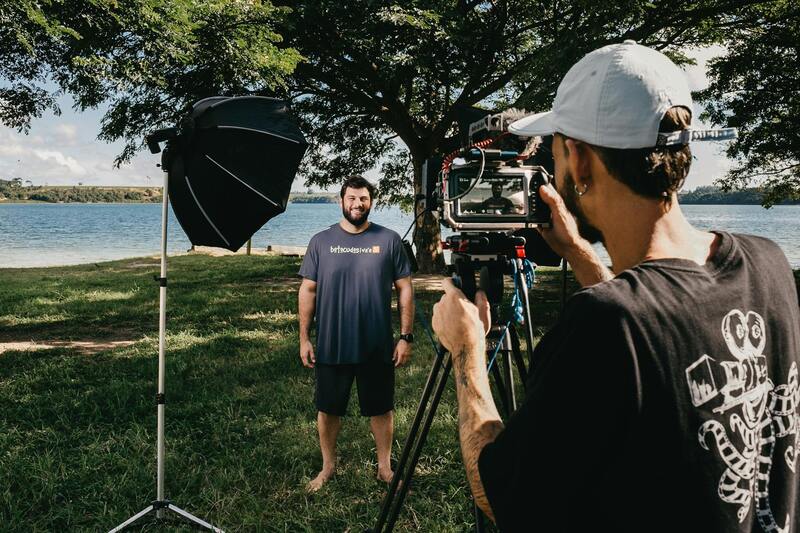
Furthermore, a skilled real estate listing photographer understands how different lighting conditions, angles, and perspectives can transform a space. They employ techniques such as wide-angle shots to capture entire rooms and drone photography to showcase expansive outdoor areas. These approaches help create a comprehensive visual story that entices buyers and helps them envision living in the space.
Moreover, real estate photographers often work closely with agents and property owners to prepare the property for the shoot. Their insights into staging, cleaning, and arranging furniture can optimize the visual impact of each photograph, making the property more appealing and memorable.
In essence, the role of a real estate listing photographer is critical in digital marketing strategies. Professional images not only enhance the aesthetic appeal but also enhance trustworthiness and clarity, which are essential for successful property transactions.
Skills and Qualifications of a Professional Listing Photographer
To excel in the competitive realm of real estate photography, a professional listing photographer must possess a combination of technical expertise, industry knowledge, and practical experience. Mastery of camera operations is fundamental, including a strong command of settings such as aperture, shutter speed, ISO, and white balance to accurately depict each property’s ambiance and details. Advanced proficiency in utilizing wide-angle lenses allows the photographer to capture expansive views of rooms and outdoor spaces, creating an immersive visual experience for viewers.
Understanding natural and artificial lighting is crucial. A skilled photographer assesses the ideal timing for exterior shots to maximize sunlight while managing interior lighting to eliminate shadows and ensure uniform brightness. They often employ supplemental lighting solutions or reflectors to enhance specific areas of a property, highlighting key features without distorting colors or dimensions.
Industry-specific knowledge also includes familiarity with real estate marketing standards. This insight enables the photographer to create images aligned with common portfolio styles, ensuring consistent branding and presentation across multiple listings. Experience working with real estate agents and property owners provides valuable insight into staging techniques and the importance of visual storytelling, thereby enhancing the property's appeal.
An extensive portfolio demonstrating versatility across various property types—including residential, commercial, and luxury estates—serves as proof of a photographer’s capability to handle diverse demands. Moreover, proficiency in post-processing software such as Adobe Lightroom and Photoshop is essential for refining images, correcting tonal imbalances, and removing minor imperfections without compromising authenticity.
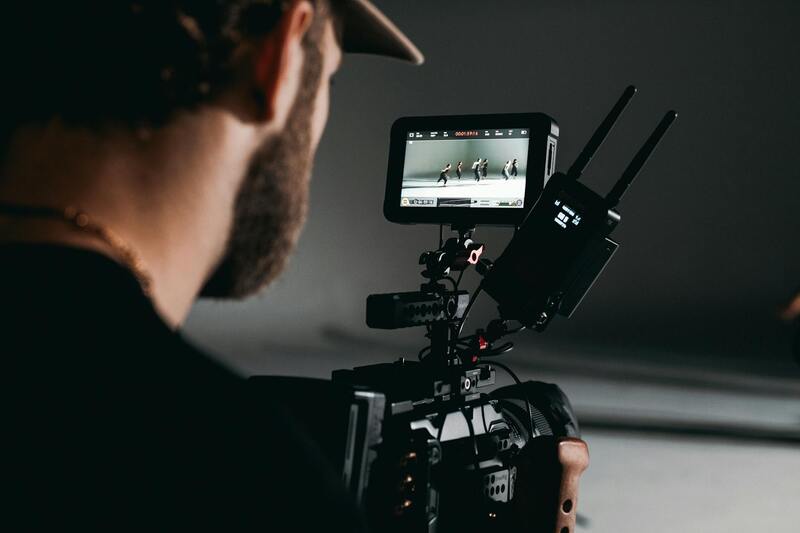
A comprehensive understanding of the latest technological trends, including drone photography and 3D virtual tours, further enriches a photographer’s toolkit. This technological fluency enables the creation of diverse, engaging visual content that appeals to a broad spectrum of potential buyers, contributing to a property’s visibility and desirability in the digital landscape.
Preparation for a Real Estate Photography Shoot
Effective preparation is a critical step in ensuring that real estate images accurately and attractively represent a property. Prior to the shoot, the photographer often collaborates with the property owner or real estate agent to understand which features and rooms should take prominence. This planning phase includes discussing the preferred style of images, such as emphasizing contemporary design elements or showcasing spacious layouts.
Property staging plays a significant role in how the photos turn out. Guides to decluttering and optimizing space are typically shared with homeowners or agents, as a clean, well-organized environment enhances visual appeal. Attention to details like removing personal items, adjusting furniture placement, and ensuring natural light can make a notable difference in the final images.
The timing of the shoot is also crucial. Conducting photographs during optimal lighting conditions—either early morning or late afternoon—ensures ample natural light, which contributes to bright and inviting images. Checking weather forecasts in advance helps avoid overcast days or rain, which could hinder outdoor shots. Additionally, preparing the camera equipment involves selecting the appropriate lenses, setting the right exposure levels, and ensuring all gear is clean and functional.
Pre-shoot site inspections allow the photographer to identify potential challenges, such as narrow hallways or areas requiring special lighting setups. These evaluations enable strategic positioning of equipment and lighting accessories to maximize space and minimize distortions. If drone or virtual tour technologies are involved, additional planning is necessary to secure necessary permissions and understand the drone flight plans or camera angles for 3D walkthroughs.
Preparation also encompasses verifying the functionality of post-processing software and storage devices to prevent data loss. Organizing shot lists based on priority rooms and angles streamlines the shoot, making it efficient and comprehensive. Through meticulous planning, a professional real estate listing photographer can capture compelling visuals that highlight each property's unique aspects.
Skills and Qualifications of a Professional Listing Photographer
Expertise in real estate listing photography requires a blend of technical proficiency, artistic vision, and comprehensive understanding of market presentation standards. A seasoned real estate listing photographer possesses proficiency in camera operation, including the use of high-resolution DSLR or mirrorless cameras equipped with wide-angle lenses to capture expansive room views and architectural details accurately. Mastery in managing various lighting scenarios, whether natural or artificial, ensures images are well-exposed, vibrant, and true to the property’s appearance. A professional photographer also demonstrates a deep understanding of composition principles. This involves selecting optimal angles, maintaining proper vertical and horizontal lines to avoid distortion, and emphasizing key features that appeal to potential buyers. Skilled post-processing knowledge is essential to enhance images without misrepresenting the property, balancing brightness, contrast, and color correction to produce clean and inviting visuals. Beyond technical skills, a reputable real estate listing photographer is familiar with industry trends and market expectations. They understand how to highlight a property’s unique selling points—such as spacious layouts, modern upgrades, or scenic views—through strategic shot selection. Additionally, familiarity with various shooting techniques, including HDR imaging and panoramic captures, allows for comprehensive representations of both interior and exterior spaces. Certification courses in real estate or architectural photography, along with an extensive portfolio, serve as confirming evidence of a photographer’s capabilities. Continuous education on evolving camera technology and editing software ensures they remain at the forefront of the industry, consistently delivering images that meet the highest standards. Furthermore, professionalism in project management is crucial. Efficient communication with real estate agents or property owners, adherence to deadlines, and the ability to adapt on-site to unforeseen challenges contribute significantly to a smooth, productive photoshoot process. Overall, a real estate listing photographer with a robust skill set and the right qualifications is instrumental in creating compelling visuals that attract interest and facilitate quicker sales, making them an indispensable part of the marketing team for any property listing.

Preparation for a Real Estate Photography Shoot
Effective preparation is essential to achieving high-quality images that accurately showcase a property’s best features. Before the shoot, the photographer should conduct a detailed consultation with the real estate agent or property owner to understand the key selling points and any specific areas of focus. This communication ensures alignment on the desired style and highlights for the property, optimizing the visual narrative.
Proper planning involves scheduling the shoot at optimal times, typically when natural lighting is most favorable, such as during late morning or early afternoon. This timing capitalizes on the property’s natural light to produce bright, inviting images. Additionally, the photographer should review the property layout, noting architectural features, potential clutter, and areas that require special attention during staging or editing.
Staging plays a critical role in the visual appeal of listing photos. Ensuring the property is tidy, well-organized, and accessorized with appealing decor can significantly enhance camera shots. Photographers often advise homeowners or agents on minor adjustments, such as repositioning furniture or adding fresh flowers, to create a welcoming ambiance.
Equipment checklists are vital to avoid disruptions during the shoot. This includes verifying camera batteries, memory cards, and lighting equipment. For properties with challenging lighting conditions, additional gear like portable flashes, reflectors, or drone cameras might be necessary to capture comprehensive perspectives.

On the day of the shoot, the photographer must arrive early to set up and make any last-minute adjustments. Attention to detail during setup—such as adjusting the camera settings for the perfect exposure and ensuring all areas are properly lit—results in crisp, vibrant images that appeal to prospective buyers. Post-shoot, a systematic review of shots ensures that only the best images are edited and delivered, reinforcing the importance of meticulous preparation in real estate marketing.
Best Practices for Capturing Real Estate Listings
When it comes to capturing compelling images for real estate listings, attention to detail and adherence to professional standards are crucial. High-quality photographs not only highlight a property’s best features but also attract a broader pool of prospective buyers, accelerating the sales process. Implementing the following best practices can make a significant difference in the effectiveness of real estate marketing efforts.
Optimize Natural Lighting
Maximizing natural light is fundamental to producing inviting and vibrant images. Photographers should plan the shoot to coincide with times of day when sunlight enhances the property's interior, such as late morning or early afternoon. Opening blinds and curtains can further amplify light, creating a brighter, more welcoming environment. Avoiding harsh shadows and overexposed areas ensures that the property's true colors and textures are accurately represented.
Ensure Proper Equipment Use
The quality of captured images depends heavily on the right equipment and settings. Professional real estate photographers utilize wide-angle lenses to encompass spaciousness and architectural details. Tripods stabilize shots, ensuring consistency and sharpness. Adjusting camera settings like ISO, aperture, and shutter speed according to lighting conditions is essential to achieve balanced exposure. For properties with complex lighting, additional tools such as reflectors and portable flash units can help even out light distribution and eliminate glare.
Meticulous Framing and Composition
Effective framing directs the viewer's attention toward key features of each room. Utilizing the rule of thirds can create visual harmony, making spaces appear more balanced and appealing. Consider capturing multiple angles of each room to offer comprehensive perspectives. Including elements like art pieces, decorative accessories, or outdoor scenery adds depth and context to images, making the listing more engaging.
Focus on Key Architectural Features
Highlight distinctive architectural elements such as vaulted ceilings, archways, or built-in features. Strategic positioning of the camera to showcase these aspects can elevate the overall impression of the property. For instance, capturing a spacious living area with a focus on large windows and natural light can emphasize the property’s openness and inviting atmosphere.
Maintain Cleanliness and Staging
Clutter-free and well-staged spaces are vital for a polished appearance. Homeowners or agents should ensure that each room is tidy, with minimal personal items visible. Small adjustments, like repositioning furniture to maximize space or adding fresh flowers, can make a noticeable difference. Proper staging creates a neutral yet appealing environment that allows potential buyers to envision themselves living in the space.
Final Review and Quality Control
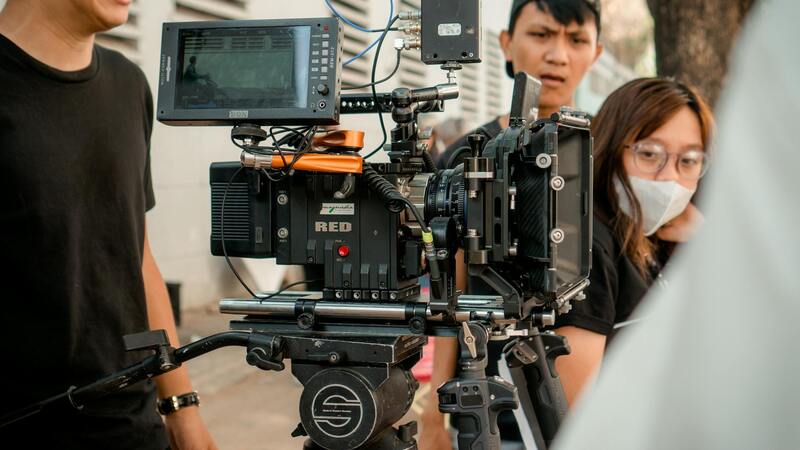
After capturing images, a thorough review is necessary to select the best shots. Ensure they are sharp, well-exposed, and free of distractions. Post-processing should involve subtle editing to correct color balance, straighten horizons, and enhance details without overdoing digital alterations. Consistent quality control guarantees that all images meet professional standards before they are uploaded to listing platforms.
Enhancing Listings with Professional Photography Equipment
Utilizing advanced photography equipment is fundamental for creating compelling real estate images that stand out in competitive markets like Miami. High-resolution digital cameras with full-frame sensors capture crisp details and vibrant colors, ensuring that each shot accurately reflects the property's features. Wide-angle lenses are indispensable for showcasing spacious interiors and architectural elements, providing viewers with a sense of scale and depth that monotone or narrow lenses cannot achieve. Tripods, stabilizers, and remote triggers guarantee sharpness and consistency across multiple images, minimizing blurriness that can detract from a property’s appeal.

Utilizing Drones for Aerial Footage
In the Miami real estate landscape, aerial photography using drones has become an increasingly valuable tool. Drones provide striking bird’s-eye views that encompass the property's surroundings—highlighting spacious yards, waterfront access, or nearby attractions. This perspective helps potential buyers grasp the full scope of the property's location and landscape, which is often a major selling point in scenic areas. Proper drone operation requires adherence to safety and privacy guidelines to produce legal, high-quality footage that seamlessly integrates with ground-level photographs.
Strategic Composition and Use of Lighting
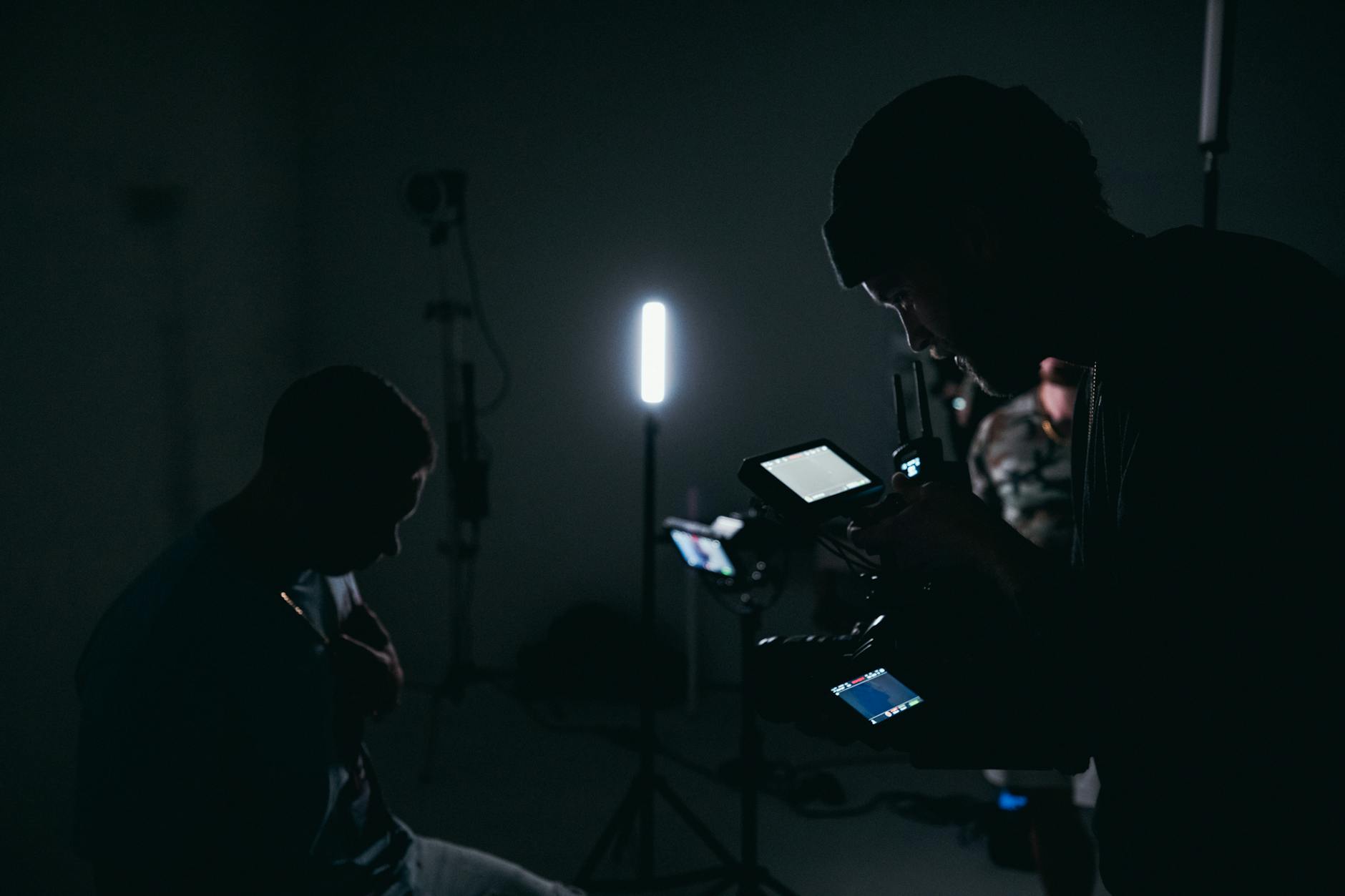
Mastery of composition and lighting techniques is crucial for capturing inviting and professional images. The rule of thirds, leading lines, and balanced framing direct viewers’ attention to key features of the property. Natural light, particularly during golden hour, can transform interiors by creating warm, inviting atmospheres. Supplementary lighting tools, such as portable LED panels or flash units, are essential for illuminating darker areas or bedrooms, ensuring uniform exposure and avoiding harsh shadows. Properly lit and well-composed photos help potential buyers envision living in the space and foster emotional connections.
Creating a Cohesive Visual Narrative
Effective real estate photos tell a story about the property, guiding prospective buyers through the space in a logical, inviting sequence. This includes capturing key rooms such as the kitchen, master bedroom, bathrooms, and living areas, along with outdoor spaces like patios, gardens, or pool areas. Consistency in perspective, lighting, and editing style across all images presents a professional and polished listing that builds trust and appeal. A cohesive visual narrative highlights the property’s unique character and neighborhood amenities, which are crucial for closing sales in competitive Miami markets.
Effective Strategies for Promoting Your Miami Property with a Professional Listing Photographer
Once high-quality images have been captured, optimizing their presentation on your digital platforms is essential. This not only enhances visibility but also attracts the right audience. Ensuring your photographs are properly formatted and sized for your website, MLS listings, and social media accounts guarantees they load quickly and display perfectly on all devices, including mobiles and tablets. Implementing descriptive, keyword-rich titles and alt text helps search engines understand the content of your images, increasing the chances of your listing appearing in relevant searches.
Additionally, integrating images into a cohesive virtual tour or slideshow offers prospective buyers an immersive experience, enabling them to explore the property at their own pace. Utilizing high-resolution images that are optimized for fast loading speeds ensures viewers remain engaged and reduce bounce rates. Embedding your professional photos within a well-structured, user-friendly property website can significantly elevate your marketing efforts, making your Miami real estate listing stand out in a crowded market.

Social media marketing plays a pivotal role in property promotion. Sharing professional images across platforms like Instagram, Facebook, and LinkedIn increases exposure among diverse buyer segments. Consistent branding and high-quality visuals help establish credibility and showcase the property’s best features. Targeted advertising campaigns can amplify reach, ensuring your Miami property catches the eye of both local and international buyers. Combining these strategies with a trusted real estate listing photographer maximizes your property's appeal and accelerates the sales process.
Moreover, leveraging impactful image descriptions and storytelling in your listing narratives creates an emotional connection with potential buyers. Clear, compelling descriptions complement the visuals, providing detailed insights about the property’s unique features, neighborhood advantages, and lifestyle benefits. This comprehensive approach not only engages viewers but also builds confidence, encouraging them to schedule viewings or inquire further.
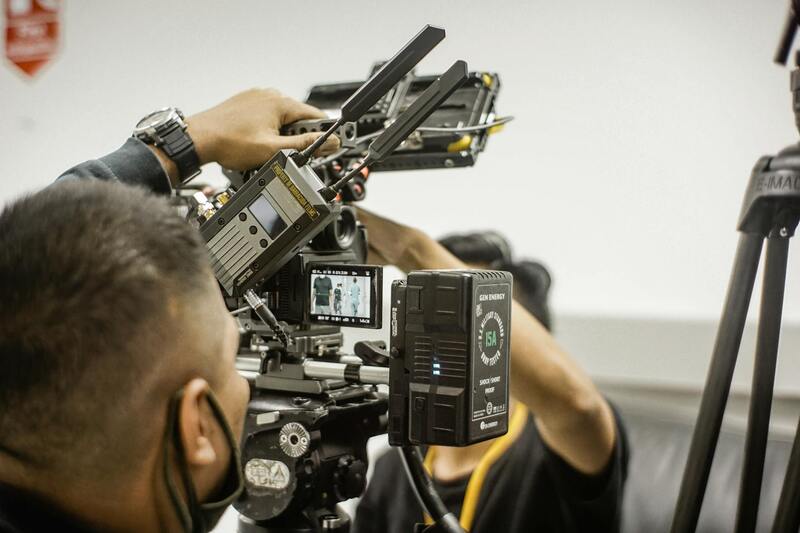
Finally, maintaining consistency in image quality across all listings is vital for building a strong brand presence. When prospective clients see a uniform, polished visual style, they develop trust and associate your real estate services with professionalism. Partnering with a Miami-based real estate listing photographer ensures you have access to ongoing support for your property marketing needs, keeping your listings visually fresh and competitive in Miami’s dynamic property market.