Importance of Professional Real Estate Photography in Miami
In Miami's competitive real estate market, the importance of high-quality, professionally captured house photos cannot be overstated. When prospective buyers browse listings online, the visual appeal of a property plays a pivotal role in their decision-making process. Stunning images that showcase a property's best features capture attention quickly and foster increased interest, ultimately leading to faster sales and often higher offers.
Miami's vibrant lifestyle, diverse architecture, and unique properties demand images that do justice to the real estate's potential. Professional photography brings out the property's true essence, highlighting spaces, lighting, and architectural details in a way that amateur shots often fail to achieve. Effective real estate house photos serve as powerful marketing tools, transforming listings into compelling visual stories that resonate with buyers and investors alike.

A well-presented image not only attracts more views but also creates a lasting impression of quality and value. This initial visual connection can influence a buyer’s perception, lowering their hesitation and increasing the likelihood of a scheduled visit. Such imagery also enhances online visibility, making properties more discoverable across multiple digital platforms and search engines, further amplifying marketing reach.
Investing in professional real estate house photos aligns with a comprehensive marketing strategy that emphasizes credibility, aesthetics, and engagement. For Miami real estate professionals and property owners, leveraging top-tier imagery is a strategic move to elevate their listing’s appeal and speed up the transaction process. In essence, standout images serve as the gateway to turning online interest into real-world inquiries and closed deals.
Preparing a Property for Photography
Effective preparation of a property significantly enhances the quality of real estate house photos, ensuring that every scene presents its best features in the most appealing manner. This process begins with decluttering each space, removing personal items, and organizing furniture to create a clean, spacious feel that allows potential buyers to imagine themselves living there. Proper staging plays a crucial role, highlighting the property's strengths such as architectural details, unique features, or expansive views.
Attention to detail extends to cleaning both the interior and exterior. Floors, windows, and surfaces should be spotless to reflect light and create a polished appearance. Landscaping around the property must also be tidied, with well-maintained gardens, trimmed bushes, and clear pathways. A well-kept exterior not only boosts curb appeal but also sets a positive tone for the photos, drawing in viewers from the outset.
Timing the photography session during optimal lighting conditions can dramatically improve the ambiance captured in images. Early morning or late afternoon often provides soft, warm light that enhances visual appeal. It's vital to open curtains and window treatments to maximize natural daylight, ensuring interiors are bright, inviting, and free of shadows. Additionally, turning on lights within the property can help balance lighting and highlight architectural features that natural light alone might not fully emphasize.
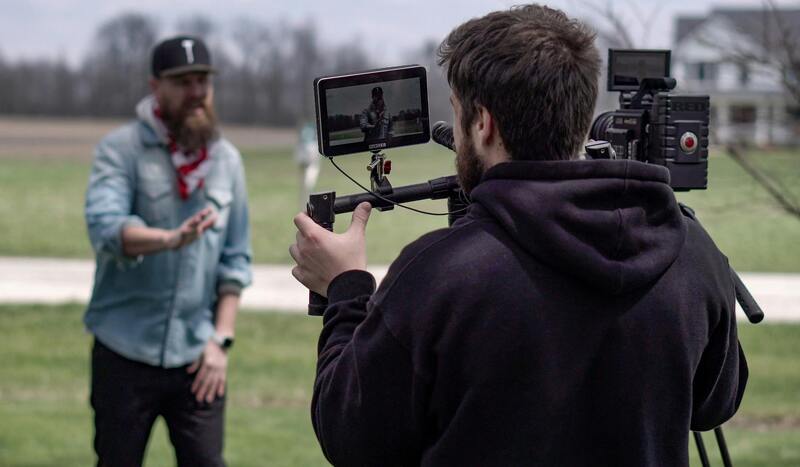
All these efforts contribute to creating a visually appealing setting that showcases the property's best qualities. When the property is meticulously prepared, professional photographers can focus on capturing images that truly reflect the space's potential, leading to more engaging listings and increased buyer interest.
Choosing the Right Equipment and Techniques
A successful photoshoot relies heavily on high-quality equipment and advanced techniques. Professional photographers employ wide-angle lenses to capture expansive spaces without distortion, making rooms appear larger and more inviting. Tripods help stabilize the camera, ensuring sharp, clear images, especially in low-light conditions. Drones may be utilized to include aerial shots of the property and its surroundings, providing a comprehensive visual overview that appeals to prospective buyers.
When photographing interiors, photographers often use HDR (High Dynamic Range) imaging to balance highlights and shadows, ensuring that both bright and dark areas are well-exposed. This technique is essential in spaces where natural light may vary significantly, helping to produce images with realistic color and tone. For exterior shots, polarizing filters can be applied to reduce glare and reflections, enhancing the clarity of windows and water features.
Employing the right techniques involves strategic composition—focusing on symmetrical lines, capturing interesting architectural elements, and highlighting focal points that draw viewers into the space. Furthermore, post-processing enhances the images by correcting color balance, adjusting brightness, and removing minor imperfections, all aimed at presenting the property in its best light.
Timing and Weather Considerations
The timing of the photoshoot can greatly influence the final images. Clear, sunny days with minimal cloud cover tend to produce vibrant photos that showcase properties at their most appealing. Overcast days offer soft, even lighting that reduces harsh shadows and highlights, creating a diffused glow across rooms and exteriors. Conversely, shooting during inclement weather or at times of low light can result in dull or poorly lit images that diminish the property's appeal.
Optimal weather conditions are particularly important in Miami, where natural sunlight enhances outdoor features and landscaping. Scheduling shoots during weather windows with consistent, favorable conditions minimizes the risk of cancellations or subpar images. Additionally, considering the time of day is crucial—mid-morning or late afternoon lighting provides warmth and depth, accentuating textures and architectural details without harsh shadows.
Benefits of Professional Photography Services in Miami
Partnering with experienced real estate photographers in Miami ensures high-caliber images tailored to the market's dynamic demands. Professionals possess an in-depth understanding of local architectural styles and lighting scenarios, enabling them to adapt techniques that best highlight each property’s unique attributes. Their expertise extends to optimizing images for various digital platforms, ensuring maximum visibility and impact across MLS listings, social media, and property websites.
Furthermore, professional services often include the use of cutting-edge equipment and post-production techniques that elevate the overall quality of the images. This level of refinement can lead to increased engagement, faster sale times, and potentially higher offers. The investment in top-tier photography is an essential component of comprehensive marketing efforts, especially in a competitive Miami market where first impressions are critical.
Preparing a Property for Photography
To ensure that real estate house photos accurately showcase a property’s unique features, thorough preparation is essential. Decluttering surfaces and organizing personal belongings create a clean, inviting environment that emphasizes the space's potential. Staging plays a vital role, involving the strategic placement of furniture and decor to highlight architectural elements and facilitate a sense of flow throughout the home. Proper lighting is another critical factor; opening curtains and turning on appropriate lights can brighten rooms and reduce shadows, presenting the property in the most appealing way possible.
Additionally, attention to detail extends to cleaning windows, carpets, and surfaces to eliminate dust and smudges. Outdoor spaces should be tidied up as well—mowing lawns, trimming bushes, and removing clutter from patios or balconies help to create an inviting exterior that complements the interior shots. When the property is prepared properly, professional photographers can capture images that truly reflect the home's best features, making it stand out in a competitive Miami market.
Choosing the Right Equipment and Techniques
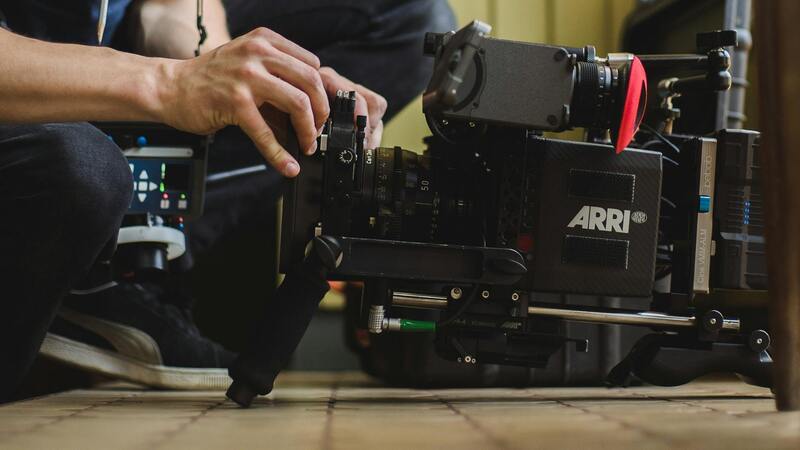
Selecting the appropriate tools and methods is fundamental in capturing high-quality real estate images. Professional photographers utilize high-resolution DSLR or mirrorless cameras equipped with wide-angle lenses, enabling comprehensive views of interior and exterior spaces. Tripods and drone photography are also valuable, providing stability and dynamic perspectives that enhance visual storytelling.
Post-processing techniques, such as color correction, exposure adjustment, and perspective correction, contribute significantly to the final presentation. HDR (High Dynamic Range) imaging is often employed to balance interior brightness with exterior lighting, preventing overexposed windows or dark corners. The use of panoramic shots or virtual tours can further engage prospective buyers by offering immersive experiences that highlight the property's layout and scale.

Timing and Weather Considerations
The timing of a photo shoot in Miami has a direct impact on image quality and the property's visual appeal. Optimal weather conditions, characterized by clear skies and abundant sunshine, enhance outdoor features and landscaping, making the property more attractive. Scheduling shoots during specific times of day—such as mid-morning or late afternoon—captures warm, natural light that adds depth and dimension to photos, avoiding harsh shadows that can detract from the property's allure.
Overcast days can also be advantageous, creating soft, diffused lighting suitable for capturing interior spaces without glare or overexposure. It's important to coordinate with weather forecasts and plan sessions accordingly, especially during Miami's known rainy season, to avoid images marred by rain or overly cloudy skies. Consideration of seasonal changes, such as blooming plants or well-maintained landscaping, can further highlight the property’s charm during the photo session.
Optimizing Display of Your Property Through Strategic Photography Techniques
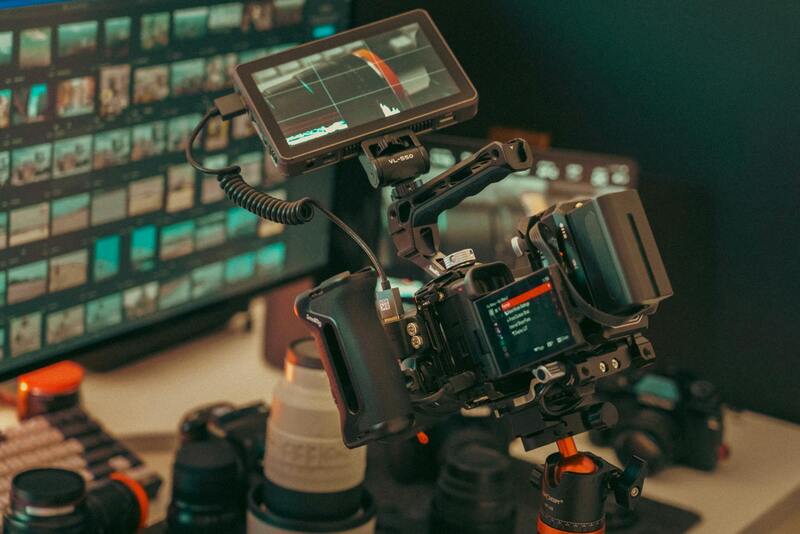
To truly capture the essence and appeal of a Miami residence, employing advanced photography techniques is essential. High dynamic range (HDR) photography is frequently utilized to balance brightness and dark areas, ensuring interior spaces are well-lit without losing detail in shadows or highlights. This approach is especially effective in showcasing homes where natural light plays a significant role, highlighting the openness and airiness sought by prospective buyers.
In addition, aerial drone photography has become a vital component in real estate imagery, especially for spacious or waterfront properties prevalent in Miami. Drone shots provide a comprehensive view of the property’s exterior, landscaping, and surrounding neighborhood, offering buyers a perspective that ground-level images cannot deliver. Such shots emphasize the property's unique location advantages, proximity to amenities, and scenic vistas.
When photographing interiors, utilizing wide-angle lenses is crucial to create a sense of space and layout clarity. This helps potential buyers visualize how furniture fits within rooms and gives a realistic impression of scale. Proper camera settings, including aperture and focal length, are carefully selected to ensure sharpness across the entire image, reducing distortion and emphasizing the property's best features.

Post-processing techniques further refine the photos. Adjustments to brightness, contrast, and color balance help produce images that align with the property's real-life ambiance. Skilled editing ensures that the final photos are neither overly polished nor inaccurately representative of the property, maintaining ethical standards and creating trustworthy marketing material.
Effective Strategies for Marketing with Apartment Photos
Beyond the technical aspects, strategic presentation of photos significantly impacts marketing success. For Miami real estate, emphasizing outdoor living spaces, waterfront views, and distinctive architectural details can differentiate a property in a competitive market. Highlighting features such as spacious balconies, lush landscaping, and swimming pools through carefully curated images captures the lifestyle that prospective buyers desire.
Virtual tours and 3D walkthroughs complement still images, providing dynamic, immersive experiences that attract online interest and reduce time on the market. These tools allow buyers to explore spaces at their own pace, creating a sense of familiarity and engagement before scheduling physical visits.
Investing in professional real estate photography not only elevates property listings but also enhances credibility and perceived value. Market-specific approaches, such as capturing Miami’s vibrant outdoor culture and sunny climate, require an understanding of the local aesthetic and lifestyle preferences, which seasoned photographers incorporate into their compositions. The result is a visually compelling narrative that resonates with target audiences and accelerates the sale process.
Choosing the Right Equipment and Techniques
In Miami's vibrant real estate market, investing in high-quality equipment is essential to produce captivating house photos that stand out online and in print. A professional photographer leverages DSLR or mirrorless cameras with full-frame sensors to capture the fine details and dynamic range of each property. Wide-angle lenses are particularly crucial, enabling the inclusion of expansive interiors and architectural features within a single frame, thus conveying spaciousness and functionality effectively.
Utilizing a sturdy tripod ensures stability, sharp images, and consistent framing, especially in low-light conditions or when capturing HDR (High Dynamic Range) images. This technique combines multiple exposures to accurately represent both shadowed and brightly lit areas, which is vital for showcasing properties with large windows or waterfront views.
Beyond equipment, mastering techniques such as optimal framing, proper angle selection, and maintaining straight lines prevents distorting architectural features. Employing vertical and horizontal alignment tools helps achieve level horizons and walls, making spaces appear more balanced and realistic. Additionally, shoot during the golden hour—shortly after sunrise or before sunset—to leverage the natural, warm sunlight that enhances the property's exterior appeal and creates inviting outdoor scenes.
Photo editing plays a pivotal role in finalizing images. Skilled post-production ensures colors are vibrant yet true to life, lighting is balanced, and unwanted blemishes or distractions are removed seamlessly. Ethical editing practices demand preserving the integrity of the property’s real appearance, fostering trust with prospective buyers.
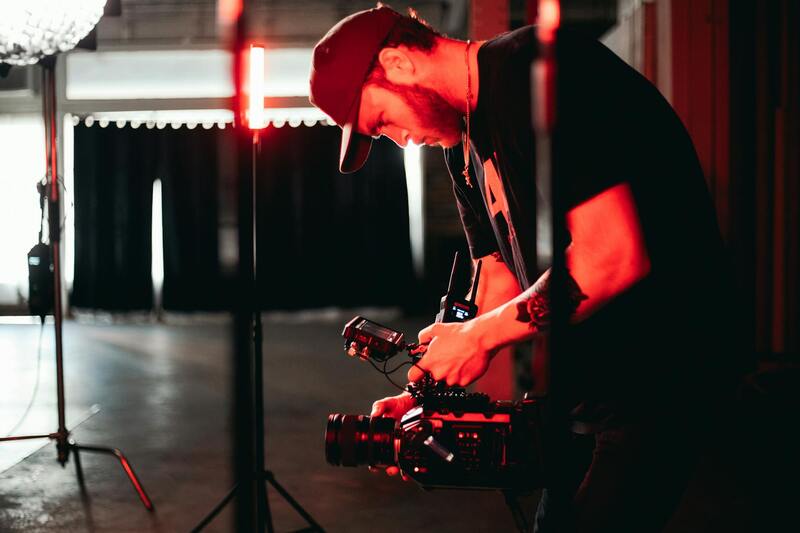
Using sophisticated equipment and proven methodologies will significantly elevate the quality of real estate house photos, positioning a property as a compelling and desirable option in the Miami market. Well-composed images not only draw attention but also communicate the lifestyle potential that flips the initial online interest into scheduled viewings and quick sales.
Legal and Ethical Aspects of Real Estate Photography
In the competitive Miami real estate market, showcasing properties effectively while maintaining transparency and respect for privacy is essential. Professional photographers must adhere to established standards that ensure images accurately represent the property without misleading prospective buyers. This includes capturing images that depict the space faithfully, avoiding excessive use of enhancements or filters that could distort the true appearance of the property, thereby fostering trust and integrity in the marketing process.
Photographers should obtain necessary permissions for capturing images of all areas, especially when private spaces or secured zones are involved. Respecting client confidentiality and privacy rights is fundamental, and photographers should avoid revealing sensitive features or personal belongings that are not meant for public viewing. Clear communication with property owners about the scope and style of photography ensures mutual understanding and sets realistic expectations.
Additionally, it is vital to comply with local regulations governing drone usage and aerial photography, which are frequently employed to capture Miami's scenic waterfront and expansive estates. These guidelines stipulate flight altitudes, no-fly zones, and privacy considerations to prevent disturbances and unauthorized recordings. By aligning with these protocols, photographers contribute to a respectful, safe, and professional marketing environment.
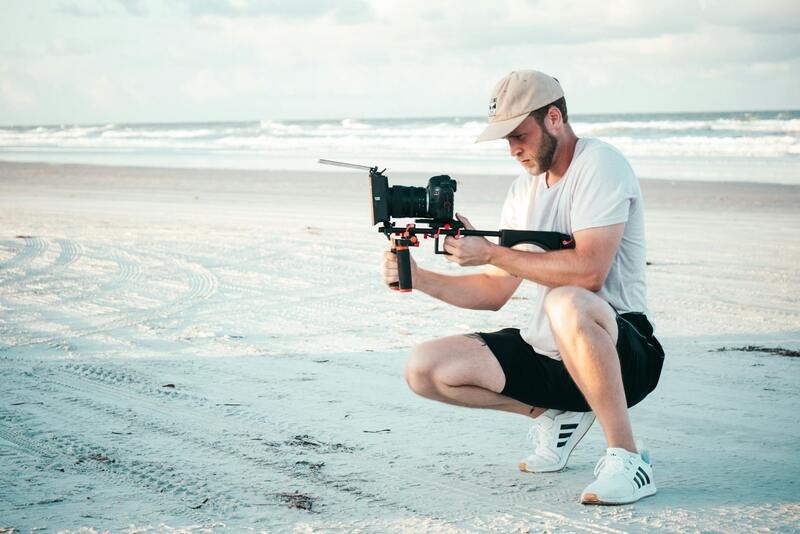
Another critical aspect is the ethical retouching of images. While editing can enhance clarity and color accuracy, excessive manipulation that alters the property's true form can mislead buyers and undermine trust. Ethical editing sustains the authenticity of house photos, aiding buyers in making informed decisions based on truthful representations.
In Miami's diverse market, professionalism extends beyond technical skill to encompass adherence to ethical standards, respecting privacy, and complying with region-specific laws. This responsible approach not only secures the reputation of photographers and agencies but also elevates the overall quality of property marketing, ultimately facilitating smoother transactions and satisfied clients.
Maximizing the Impact of House Photos in Marketing
Effective real estate marketing hinges on the strategic use of high-quality house photos that attract potential buyers and foster trust. Once the property has been professionally photographed with attention to detail, the next phase involves integrating these images into a well-rounded marketing plan to maximize reach and engagement.
Optimize Photo Placement Across Platforms
Property images should be prominently displayed on multiple marketing channels, including dedicated real estate websites, online listings, social media platforms, and email campaigns. Ensuring consistency in image quality and style across these channels reinforces the property's branding and makes it more memorable for viewers. High-resolution images, showcasing both interior and exterior views, should be optimized for fast loading without compromising visual clarity to enhance user experience.
Create Engaging Visual Narratives
Juggling a variety of images—such as wide-angle exterior shots, detailed interior features, and unique selling points—can craft a compelling visual story of the property. Virtual tours and 360-degree images further elevate this storytelling experience, encouraging potential buyers to explore the space interactively. Incorporating images that highlight Miami's distinctive lifestyle elements, such as waterfront views or proximity to vibrant neighborhoods, appeals strongly to targeted audiences.
Leverage Professional Editing with Care
While editing is essential to enhance image appeal, maintaining authenticity is crucial. Subtle adjustments to lighting, color correction, and perspective can make photos more inviting without distorting the property's true appearance. This balanced approach builds confidence among prospective buyers, who can rely on the images to accurately represent what they will find during physical visits.
Utilize SEO Best Practices for Online Listings
Incorporating relevant keywords, such as 'Miami house photos' or 'luxury real estate images,' within image descriptions and metadata improves search engine visibility. Geotagging images with specific locations can also drive targeted traffic from buyers interested in Miami's neighborhoods. High-quality, descriptive alt text ensures that images remain accessible and contribute to overall website SEO performance.

Additionally, it's important to schedule the timing of postings strategically. New listings should be promoted during peak online activity hours to maximize exposure. Regular updates with fresh, well-staged photos keep the property relevant and engaging throughout the marketing campaign.
Engagement Through Client Testimonials and Success Stories
Sharing before-and-after images of property staging or client success stories can demonstrate the value of professional photography. These narratives foster credibility and encourage wider sharing, increasing the property's reach. High-quality visuals combined with authentic testimonials forge a compelling story that resonates with prospective buyers and encourages them to take action.
Monitor and Analyze Performance
Tracking metrics like click-through rates, social media engagement, and inquiry volume helps evaluate the effectiveness of visual marketing strategies. Adjustments based on data insights—such as refining image selections or optimizing platforms—can significantly enhance overall marketing performance. Continuous improvement ensures that high-quality house photos consistently generate maximum interest and lead to faster sales.
Legal and Ethical Aspects of Real Estate Photography
Ensuring the integrity of real estate house photos is fundamental to building trust with prospective buyers and maintaining a reputable market presence. Adhering to established procedures and ethical standards during the photography process not only protects your professional image but also ensures compliance with industry best practices.
When conducting real estate photography, it is crucial to obtain proper permissions for all images taken within a property. This includes securing consent from property owners or authorized representatives before capturing photos to avoid misunderstandings or disputes. Respect for privacy is paramount; avoid photographing private areas or personal belongings unless explicit permission has been granted.
Accuracy in representation forms a core aspect of responsible real estate photography. Photographs should accurately depict the property's features, size, and condition without misleading potential buyers. This honesty helps set correct expectations, reducing the likelihood of dissatisfaction or legal complications post-sale.

It is also essential to avoid manipulative editing practices that might distort a property's appearance or misrepresent its attributes. While enhancing lighting and color balance to present the property in the best light is acceptable, altering structural elements or the scale of features can be misleading. Maintaining transparency about image editing techniques reinforces credibility.
In terms of file handling, images should be properly stored, labeled, and shared exclusively through authorized channels. This ensures that the property’s depiction remains consistent and prevents unauthorized use or distribution. Using watermarks or branding overlays can also subtly promote your professional services while deterring unauthorized image sharing.
Transparency extends to the use of virtual tours or 3D walkthroughs. When implementing digital enhancements, clear indications should be provided that these are virtual representations, not physical views. This fosters an honest relationship with viewers and potential buyers.
Ultimately, practicing these legitimate methods demonstrates your commitment to integrity in real estate marketing. Your adherence to these standards not only elevates your professional reputation but also fosters confidence among clients and buyers, facilitating smoother transactions and long-term success in the Miami property market.