Introduction to Real Estate Drone Videos
Real estate drone videos have transformed how properties are showcased to potential buyers. These innovative visual tools involve capturing high-quality footage from aerial perspectives using sophisticated unmanned aerial vehicles (UAVs). In vibrant markets such as Miami, where luxury properties and sprawling estates define the skyline, drone footage offers an unmatched vantage point that elevates property listings.
Aerial videos provide a comprehensive view of a property's layout, surrounding landscape, and the nearby amenities, giving prospective buyers a vivid sense of place that static images or traditional videos cannot match. The dynamic, sweeping shots captured through drone technology emphasize the property's size, curb appeal, and accessibility features, making properties more attractive to discerning clients.
As real estate continues to evolve in the digital age, the demand for compelling visual content has surged. High-resolution drone videos serve as a powerful marketing asset, drawing more attention online, engaging viewers for longer periods, and fostering quicker sales processes. Especially in competitive high-end markets like Miami, where property differentiation is crucial, drone videos offer a unique opportunity to stand out.
Legal and Regulatory Considerations in Miami
Flyer safety, airspace management, and adherence to local regulations are integral to the production of real estate drone videos in Miami. Professional drone operators must familiarize themselves with the specific rules that govern drone flights in the area, including restricted zones, altitude limits, and required permits. Regularly updated by local authorities, these regulations ensure that drone activities do not interfere with manned aircraft, emergency services, or private property rights.
Operators typically enforce strict compliance by obtaining necessary permits when operating over certain zones, such as near airports, skyscrapers, or private estates. They also plan flight paths meticulously to avoid no-fly zones and to minimize disturbances to residents and wildlife. This careful planning not only aligns with procedural standards but also guarantees a smooth, efficient shoot process.
Furthermore, drone operators utilize geofencing technology integrated into their equipment to prevent accidental entry into restricted areas. They stay informed of updates issued by the Federal Aviation Administration (FAA) and local Miami authorities, ensuring all flight operations adhere to current legal frameworks. This proactive approach enhances the credibility of the service and mitigates potential issues related to airspace management.
Technical Aspects of Creating Effective Drone Videos
Producing high-quality real estate drone videos necessitates proficiency in various technical elements. This includes selecting the right equipment, such as high-definition cameras with gimbal stabilization, to ensure smooth, cinematic footage. Additionally, skilled drone pilots master flight techniques that capture properties from optimal angles, including swooping reveals, vertical rises, and panoramic sweeps.
Lighting conditions are crucial, often requiring shoots during golden hour—the period shortly after sunrise or before sunset—to maximize visual appeal with natural lighting. Post-production editing enhances the footage, balancing colors and stabilizing images to create a polished, professional presentation.
Sound—the often-overlooked component—can also be incorporated to add depth, whether through narration, ambient background, or synchronized music, creating an engaging viewer experience. Ultimately, technical expertise and strategic planning lead to compelling real estate drone videos that highlight key property features and surrounding landscapes.
Choosing a Drone Service Provider in Miami
Selecting a reliable drone service provider involves evaluating experience, equipment quality, and understanding of local regulations. Experienced companies maintain a fleet of advanced drones equipped with high-resolution cameras and stabilization systems, capable of capturing cinematic shots even in challenging lighting or weather conditions.
Clients should consider providers with a proven track record of creating effective real estate videos and a comprehensive approach to project planning—covering permits, site assessments, flight paths, and post-production editing. Transparency about safety protocols and compliance further differentiates reputable providers.
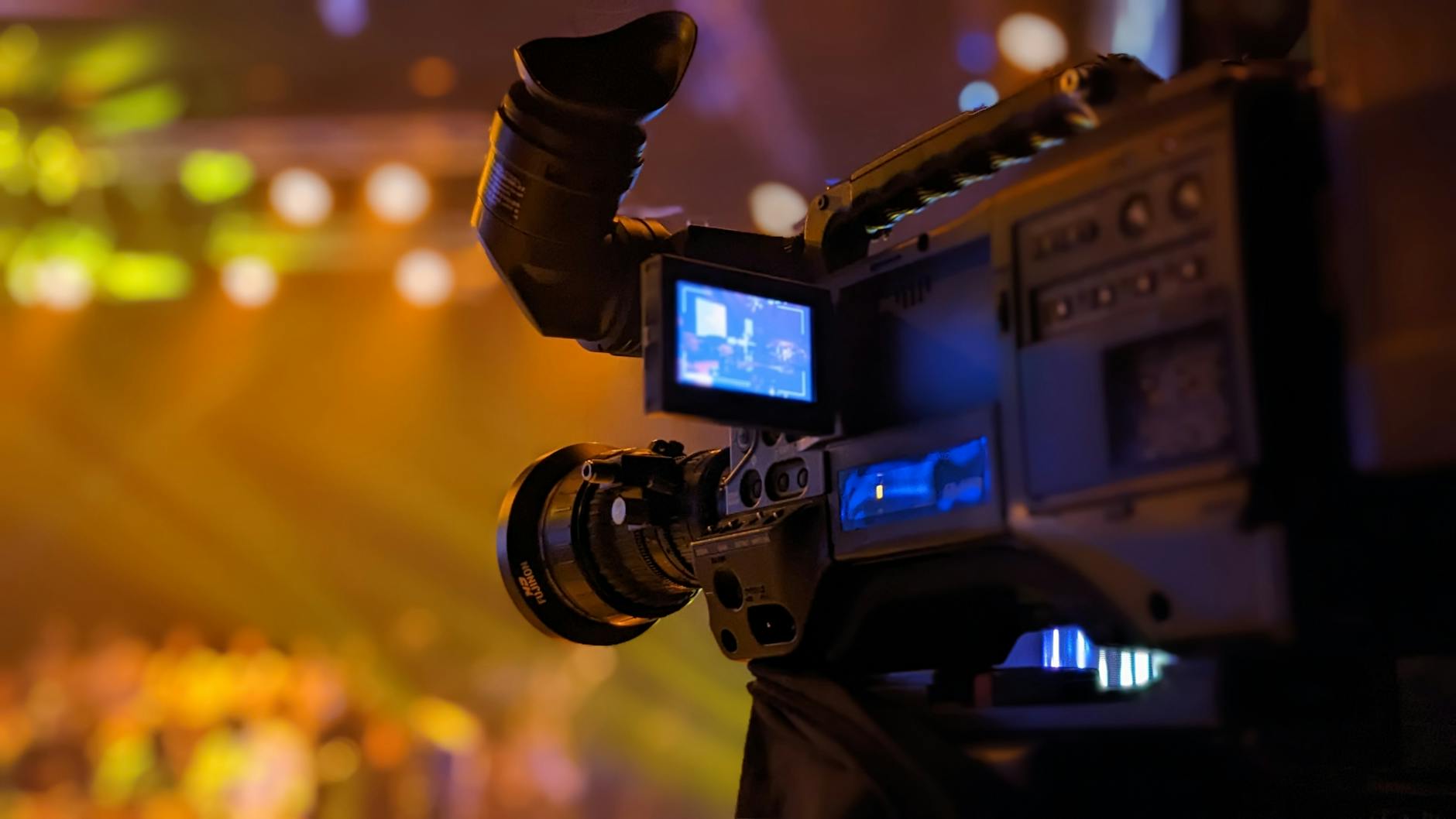
It’s advisable to review portfolios and seek client testimonials to gauge the quality and dependability of potential providers. A skilled drone operator collaborates with real estate agents and marketing teams to ensure the final product effectively showcases the property’s unique features while aligning with the overall marketing strategy.
Technical Aspects of Creating Effective Drone Videos
Producing high-quality real estate drone videos in Miami requires a meticulous understanding of the technical elements that contribute to compelling visual storytelling. At the core, a drone operator must be adept at selecting appropriate equipment, managing flight parameters, and implementing shooting techniques that enhance the property’s features. Modern drones used in real estate videography are equipped with high-definition, often 4K or higher resolution cameras, stabilized gimbals, and advanced flight controls that enable smooth, cinematic footage even in challenging conditions.
One critical factor is camera operation. Skilled pilots sort through various camera settings including shutter speed, ISO, aperture, and white balance to adapt to different lighting conditions. Optimal settings ensure clarity and richness of colors, making the property look inviting and larger-than-life. Drone pilots also employ specific shooting techniques, such as sweeping panoramic shots, orbiting around the property, and dynamic tracking shots that follow the movement of the landscape or architectural features.
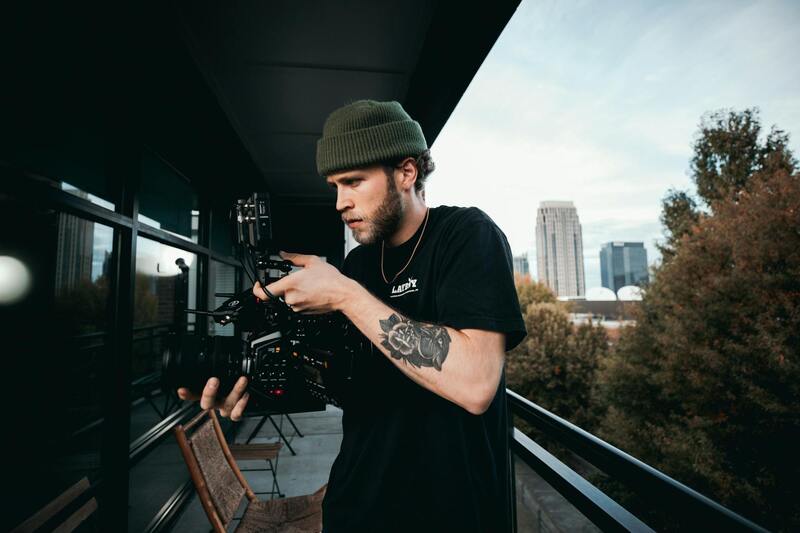
Flight planning is another crucial aspect, involving careful pre-flight assessments to determine safe and efficient flight paths. This planning takes into consideration local obstacles, no-fly zones, air traffic, and weather conditions to maximize safety and footage quality. Procedural protocols such as executing multiple takeoffs and landings, adjusting camera angles, and executing programmed flight paths ensure comprehensive coverage of the property while minimizing risk.
Post-production is equally vital in creating a polished final product. Editing involves color grading to enhance visual appeal, stabilizing shaky footage, and integrating transitions or overlays as appropriate. Sound design, including ambient noise or background music, can significantly enhance viewer engagement. Attention to detail in editing ensures that the drone video not only captures the property but also resonates with prospective buyers, highlighting the unique aspects that make the listing stand out.
Investing in quality equipment and skilled operators translates directly into more impactful marketing material. High-resolution footage combined with smooth camera movements and strategic angles helps communicate the property’s scale, architecture, and environment with clarity and appeal. When executed correctly, these technical fundamentals produce a comprehensive visual narrative that elevates the property’s online presentation, drawing in more prospective buyers and closing deals more efficiently.
Quality Equipment and Skilled Operators
To produce compelling real estate drone videos, it is essential to utilize advanced drone technology paired with experienced operators. High-resolution cameras capable of capturing 4K or higher video quality ensure that every detail of the property is showcased crisply and vividly. These cameras often feature gimbal stabilization systems that produce smooth, professional footage, even in challenging conditions such as wind or rapid movements.
Operators with a deep understanding of drone flight dynamics and camera operation can maximize footage quality through precise maneuvers and optimal angles. Their expertise allows for dynamic shots that highlight architectural features, landscape elements, and neighborhood surroundings effectively. Proper planning and execution by skilled pilots reduce the need for repeated takes, ensuring efficient use of resources and consistent delivery of high-quality content.
Investing in top-tier equipment and qualified operators transforms standard footage into engaging visual narratives. Such professionalism builds confidence among real estate agents and potential buyers, affirming the property’s appeal through striking aerial perspectives.
Shot Planning and Composition
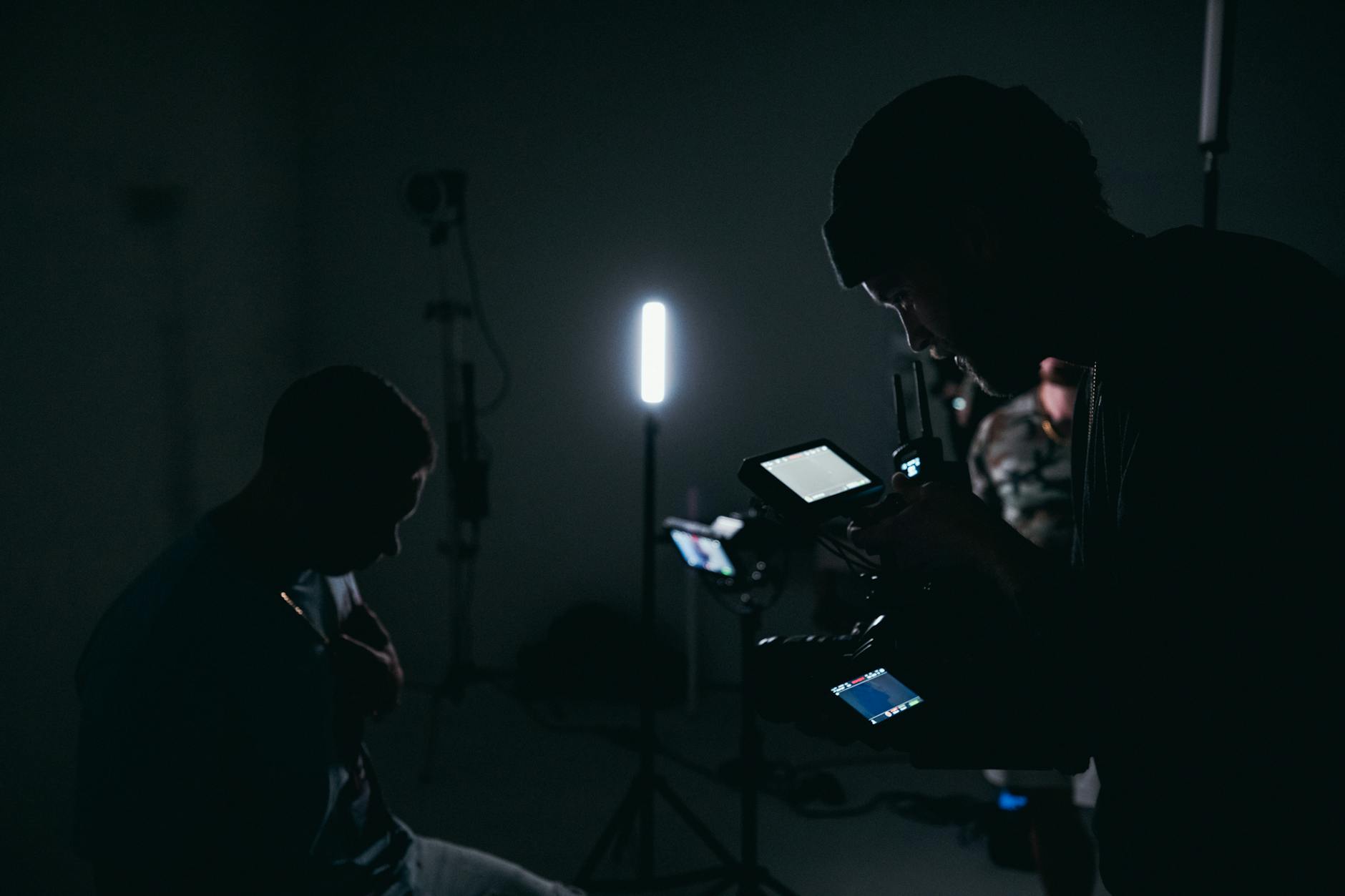
Effective real estate drone videos rely heavily on meticulous shot planning. This involves identifying key property features and determining the most compelling angles to showcase them from the air. Pre-visualization techniques, such as storyboarding or shot lists, help streamline the filming process and ensure comprehensive coverage.
During planning, considerations include the property’s size, layout, and surrounding landscape. The aim is to highlight unique architectural elements, outdoor amenities, and proximity to desirable locations like parks or waterfronts. Strategic placement of shots emphasizes spatial relationships and offers prospective buyers a sense of the property's scale.
Composition also involves camera settings—such as aperture, shutter speed, and frame rate—to optimize visual clarity and aesthetic appeal. Adjustments based on lighting conditions ensure the footage is vibrant without being overexposed or underexposed.
Integrating various shot types—including sweeping panoramas, close-ups of distinctive features, and elevation changes—creates a rich visual story that captures the property's essence and draws viewers into its environment.
Lighting Conditions and Timing
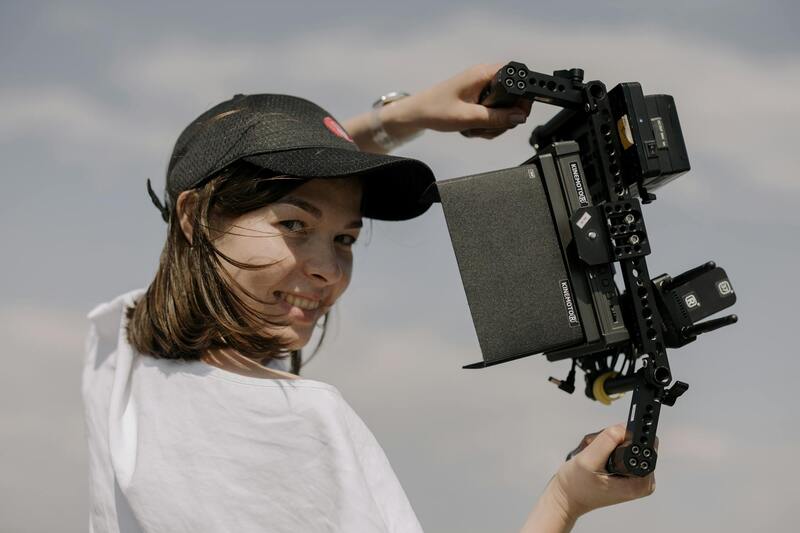
The success of drone footage largely depends on optimal lighting. Shooting during the golden hours—shortly after sunrise or just before sunset—provides soft, warm illumination that enhances visual appeal and reduces shadows. This timing accentuates architectural details and landscape features, creating a welcoming and appealing image.
Weather conditions also play a critical role. Clear skies with minimal wind allow for stable flight and sharp imagery. Overcast days can still yield quality footage, with diffused light reducing harsh contrasts. Conversely, shooting in adverse weather conditions such as rain or fog should be avoided, as these affect both safety and visual quality.
Real estate professionals often plan drone shoots around favorable weather forecasts to ensure consistent, high-quality footage. Adjustments in shooting schedule may be necessary to capitalize on ideal lighting conditions, ultimately resulting in more striking videos.

Technical Aspects of Creating Effective Drone Videos
Producing compelling real estate drone videos requires a blend of technical expertise and creative vision. Key factors that influence video quality include camera stability, flight precision, and appropriate equipment selection. High-quality camera stabilization systems, such as gimbals, are essential to capture smooth, professional footage, especially when navigating around intricate property features or terrain.
Pre-flight planning is crucial to ensure safety and optimal shot composition. This includes assessing wind conditions, selecting strategic flight paths, and determining the best angles to showcase property assets. Advanced drone operators utilize flight planning software to map precise routes, minimizing risks while maximizing coverage. Controlled altitude variations enable capturing both wide-overviews and detailed interior or exterior features, adding depth to the virtual viewing experience.
Optimal Shooting Techniques
- Shot Composition: Wide-angle shots establish the property's scale, while closer shots focus on distinctive architectural elements or landscaping details. Incorporating dynamic movement, such as sweeping or orbiting shots, can enhance visual interest and provide comprehensive property context.
- Camera Settings: Adjusting shutter speed, ISO, and aperture based on lighting conditions ensures clarity and color accuracy. Using high-resolution settings captures fine details, vital for upscale listings.
- Lighting and Timing: Shooting during golden hours offers warm, diffused light that flatters architectural features and surrounding landscapes. Early morning or late afternoon flights can also reduce shadows and glare, producing more appealing visuals.
- Wind and Weather Monitoring: Calm weather ensures stable footage and safe drone operation. Overcast days may be favorable for capturing evenly lit scenes without harsh shadows, while avoiding rain or fog maintains safety and visual clarity.
Post-Production Enhancements
Effective drone videography extends beyond on-site filming. Post-production involves editing footage to create seamless, engaging videos. Adjustments such as color grading, stabilization correction, and sequencing contribute meaningfully to viewer engagement and property presentation. Incorporating branded intros, informative captions, and calls to action can further elevate the marketing impact.
Utilizing specialized software allows for precise editing capabilities, such as removing unwanted elements or enhancing specific features through color correction and contrast adjustments. A professional edit ensures the highlight of the property's best attributes, making it stand out in competitive real estate markets.
Choosing the Right Equipment for High-Quality Drone Videos
Investing in the appropriate drone equipment is fundamental for producing professional-grade real estate videos that captivate potential buyers. The selection process involves considering camera capabilities, flight stability, and navigational features tailored for aerial property showcase. Drones equipped with 4K or higher resolution cameras provide crisp, detailed visuals essential for highlighting architectural details, landscaping, and surrounding amenities. These high-resolution images enable viewers to perceive the property’s true scale and quality, creating a compelling virtual experience.
Stabilization technology, such as gimbal systems, plays a critical role in ensuring smooth footage free from jitter or shake. This stability enhances the viewer’s focus on the property itself rather than distracting movements. For real estate applications, especially in densely populated or complex landscapes around Miami, drones with obstacle avoidance sensors are invaluable. These sensors facilitate safe navigation around trees, power lines, and other obstructions, allowing for precise and dynamic shot compositions.
Battery life and flight range are also key considerations. Longer flight times afford more comprehensive coverage, capturing multiple angles and elevations of the property and its surroundings. This ensures that the final video presents a holistic view, from aerial overviews to close-up details, in a cohesive manner.
Technical Aspects of Creating Effective Drone Videos
Producing compelling real estate drone videos in Miami requires meticulous attention to technical details that ensure the final product captures the property's essence accurately and attractively. One fundamental aspect is selecting the appropriate camera settings. High-resolution cameras equipped on professional-grade drones should be set to optimal parameters to maximize image clarity, color accuracy, and detail. Maintaining correct exposure, white balance, and frame rate ensures the video appears natural and professional, making the property stand out in a crowded market.
Lighting conditions significantly influence the quality of drone footage. Shooting during the golden hour—shortly after sunrise or before sunset—provides soft, warm light that enhances architectural features and landscape details. This timing minimizes harsh shadows and glare, creating a visually appealing atmosphere that draws potential buyers’ attention.
Another critical element is camera movement and shot composition. Smooth, stable footage is essential for maintaining a professional appearance. Using gimbals and stabilization technology on the drone minimizes vibrations and jitter, resulting in fluid movements that highlight the property's layout and surroundings seamlessly. Designing a shot sequence that includes sweeping aerial views, close-ups of architectural details, and panoramic shots of landscapes provides viewers with a comprehensive understanding of the property’s exterior spaces.
Flight path planning is fundamental to capturing the property from the best angles while avoiding obstacles. Pre-programmed waypoints and autonomous flight modes facilitate precise maneuvering, especially in complex environments. Ensuring that the drone maintains stable altitude and consistent camera tilt during filming helps produce uniform footage, making it easier to compile into a cohesive marketing video.
Post-production also plays a vital role in refining drone footage. Color grading, stabilization, and noise reduction enhance visual quality, ensuring the video aligns with the overall branding of the listing. Effective editing can also remove any imperfections captured during flight, such as unintended vibrations or extraneous objects in the frame.
Finally, legal compliance during filming—such as adhering to altitude restrictions and respect for private spaces—ensures a smooth production process. Collaborating with experienced pilots familiar with Miami’s unique aerial environment guarantees that the footage is not only visually striking but also obtained through safe and compliant methods. Attention to these technical factors produces high-quality drone videos that elevate the marketing of Miami properties and appeal directly to prospective buyers.
Enhancing Real Estate Listings with Professional Drone Video Integration
Incorporating high-quality real estate drone videos into your property marketing strategy significantly boosts the visual appeal and engagement of your listings. When executed with precision, drone footage provides potential buyers with an immersive view of the property’s layout, surrounding neighborhood, and unique features that traditional photography may not capture effectively. It allows real estate professionals to highlight outdoor amenities, landscape details, and spatial relationships from compelling aerial perspectives, making listings stand out in a competitive market.
Strategies for Effective Drone Video Integration
- Create a Narrative: Develop a storyline that guides viewers through the property, emphasizing key selling points from the exterior approach to interior features seen through dynamic flight paths.
- Highlight Unique Features: Use drone shots to focus on architectural details, outdoor living spaces, landscaping, pools, and proximity to local amenities, providing a comprehensive overview that static images cannot deliver.
- Maintain Consistent Branding: Ensure that footage aligns with your overall branding by incorporating logo overlays, branded color grading, and professional editing to produce seamless, high-quality videos.
- Optimize Video for Platforms: Tailor video formats and lengths to match target platforms such as MLS, social media channels, or your website, allowing for maximum reach and engagement.
- Include Call-to-Action Elements: End videos with clear contact information or prompts encouraging viewers to schedule a viewing or request more information, translating engagement into potential leads.
The Impact on Buyer Engagement and Sales
Studies and market observations indicate that properties featured with drone videos tend to receive higher online engagement compared to traditional listings. The immersive experience fosters a stronger emotional connection, helping prospective buyers visualize themselves in the space and better understand the property's full potential. This enhanced engagement often leads to increased interest, faster sales, and potentially higher offers.
Furthermore, well-crafted drone videos can serve as a powerful tool for agents to demonstrate their technological sophistication and commitment to innovative marketing, building trust and credibility within the Miami real estate market. The visual storytelling enabled by aerial videography enhances the perception of the property’s value, making it a crucial element in a comprehensive marketing plan.