Importance of Professional Real Estate Photography
In the competitive Miami real estate market, high-quality imagery stands out as a crucial element for attracting potential buyers and investors. Professional real estate business pictures serve as the first visual impression of a property, often determining whether a prospective buyer will schedule a viewing or move on to other listings. Engaging, crisp images highlight the unique features and layouts of properties, making them more appealing to viewers.
When well-executed, professional photography can significantly enhance a property’s perceived value. Well-lit, properly composed images reveal the true potential of each space, creating an aspirational feeling that motivates buyers. This heightened perception can lead to faster sales and often higher offers. Moreover, striking images boost a property’s online presence, amplifying its visibility across multiple platforms and listing sites.
The benefits extend beyond individual listings. For real estate agents and developers operating within Miami’s vibrant market, investing in professional photography elevates overall brand credibility. High-quality images demonstrate a commitment to excellence, attracting discerning clients who value professionalism and attention to detail.
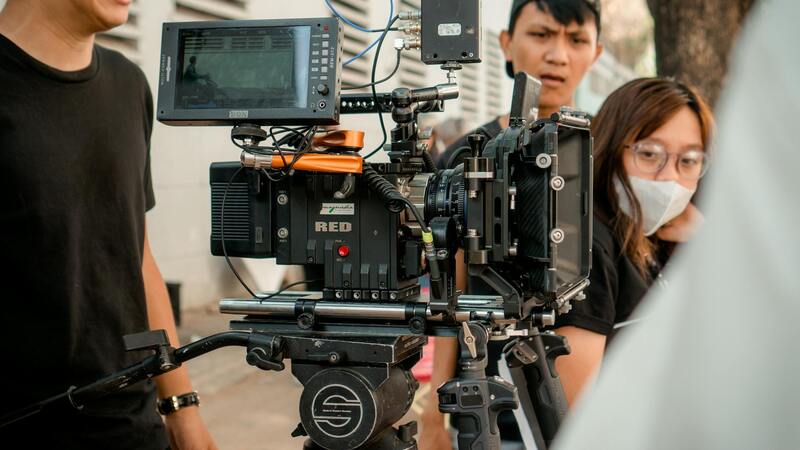
In addition, compelling visuals facilitate better storytelling. Through thoughtfully captured images, such as highlights of luxurious interiors or scenic outdoor spaces, real estate professionals can craft a narrative that resonates with target audiences. This ability to evoke an emotional response increases the likelihood of a property standing out amidst numerous listings.
In essence, professional real estate photography isn’t merely about capturing images; it’s about strategically showcasing properties to maximize interest and value. For those looking to succeed in Miami’s competitive real estate corridor, investing in top-tier visuals is an essential component of an effective marketing strategy.
Best Practices for Filming Real Estate Business Pictures
Capturing high-quality images of a property requires meticulous planning and execution. For real estate professionals aiming to present their listings professionally, adherence to established best practices ensures consistent, appealing visuals that attract potential buyers. This involves a sequence of deliberate steps focused on preparation, technique, and post-processing to achieve compelling results.
Preparation is a critical first phase. Property owners should ensure the spaces are tidy, well-staged, and free of clutter to highlight the property's strengths. Timing the shoot during daylight hours, preferably when natural light is abundant, enhances the overall brightness and warmth of images. Turning on all lights within the property can complement natural light, reducing shadows and creating a welcoming ambiance.
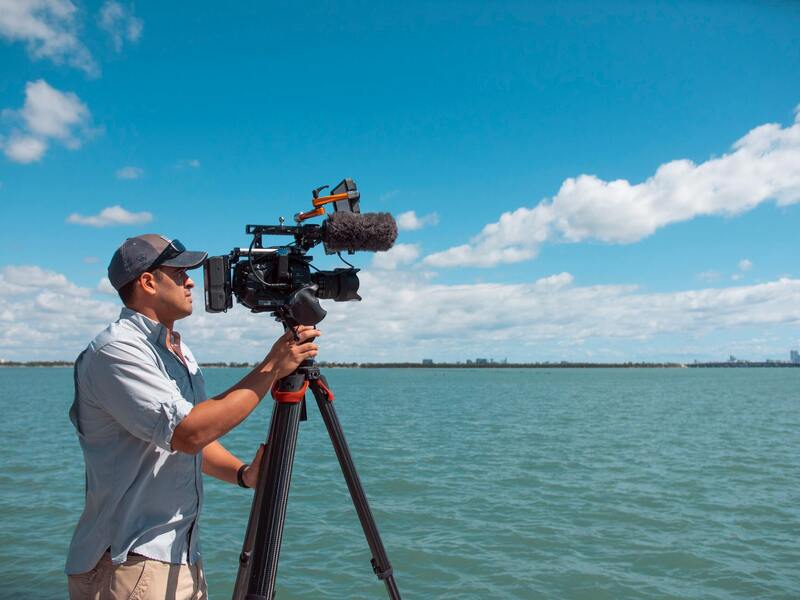
Technical setup involves the correct use of equipment and composition techniques. Employing a high-quality camera with a wide-angle lens allows capturing expansive interior spaces. It’s essential to use a tripod to maintain stability and consistency across shots. Adjusting settings such as ISO, shutter speed, and aperture ensures optimal exposure and clarity. For exteriors, choosing the right weather conditions and optimal times of day, like the golden hour, can bring out the property's best features.
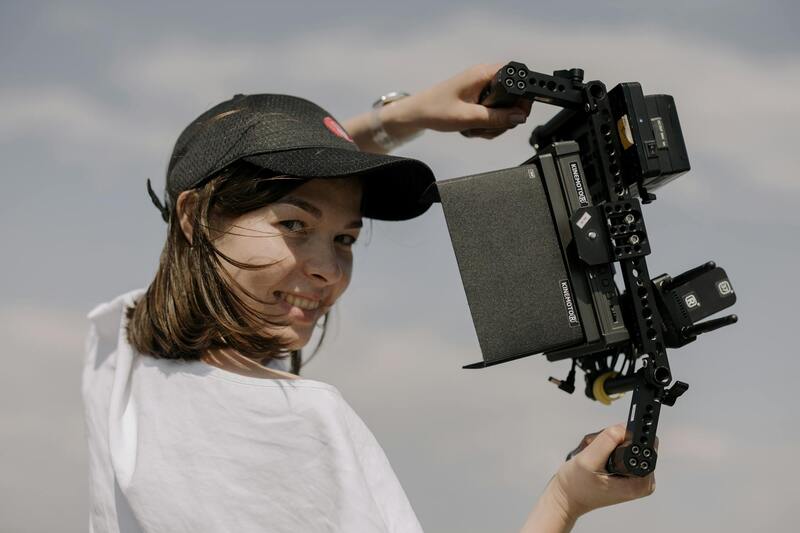
Angles are vital in showcasing the property's layout and flow. Wide shots from corners or doorways can help illustrate space and dimension, while highlighting unique architectural details adds character. Attention to vertical lines ensures buildings appear straight and true, avoiding distortion that could mislead viewers.
After capturing the images, post-processing plays a crucial role. Carefully editing photos to correct color balance, brightness, and contrast enhances visual appeal without misrepresenting the property. Maintaining authenticity is paramount; overly edited images can be misleading to prospective buyers and diminish trust.
In addition to still images, incorporating videos or virtual tours can strengthen marketing efforts. These dynamic formats enable viewers to experience the property more immersive manner, fostering a deeper emotional connection. For Miami’s competitive real estate market, combining high-quality photographs with innovative visual content maximizes exposure and engagement.
Partnering with experienced photographers who understand the nuances of architectural and interior photography can streamline the process. Professionals bring technical expertise, creative vision, and equipment that ensures each shot aligns with the property’s unique selling points.
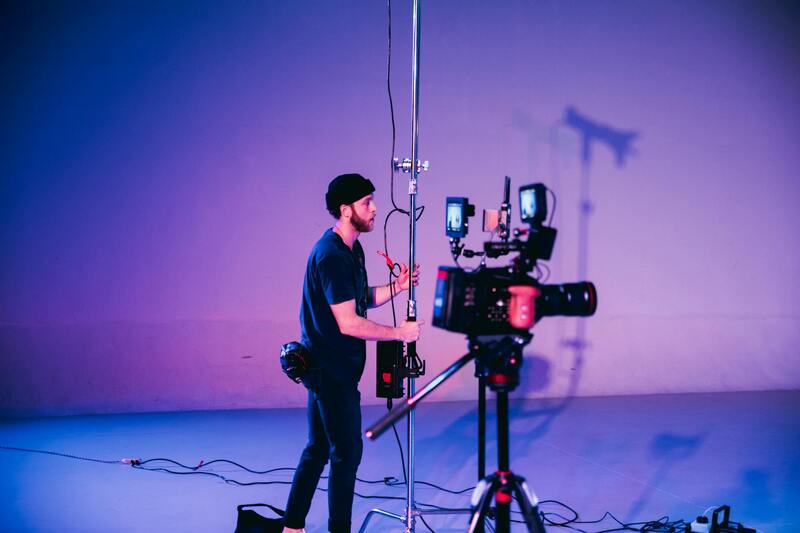
Best Practices for Filming Real Estate Business Pictures
Achieving high-quality real estate images requires adherence to established best practices that ensure consistency, clarity, and professionalism. These practices are essential for creating visuals that accurately and attractively represent property listings, ultimately aiding in decision-making for prospective clients.
One fundamental aspect involves meticulous planning before the shoot. This includes scheduling the shoot at optimal times to utilize natural lighting, typically during the early morning or late afternoon when sunlight enhances the property's features without causing harsh shadows. Preparing the property by decluttering spaces, staging rooms for appeal, and ensuring all lighting fixtures are functional can significantly improve the final images.
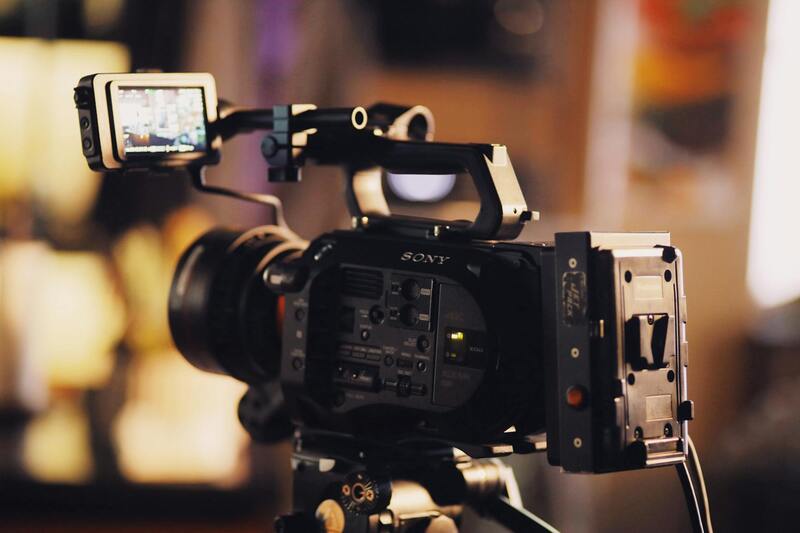
Equipment choice is pivotal; utilizing high-resolution DSLR or mirrorless cameras with wide-angle lenses enables capturing expansive views of interior and exterior spaces without distortion. Tripods assist in maintaining stability, especially in low-light conditions, resulting in crisp, clear images.
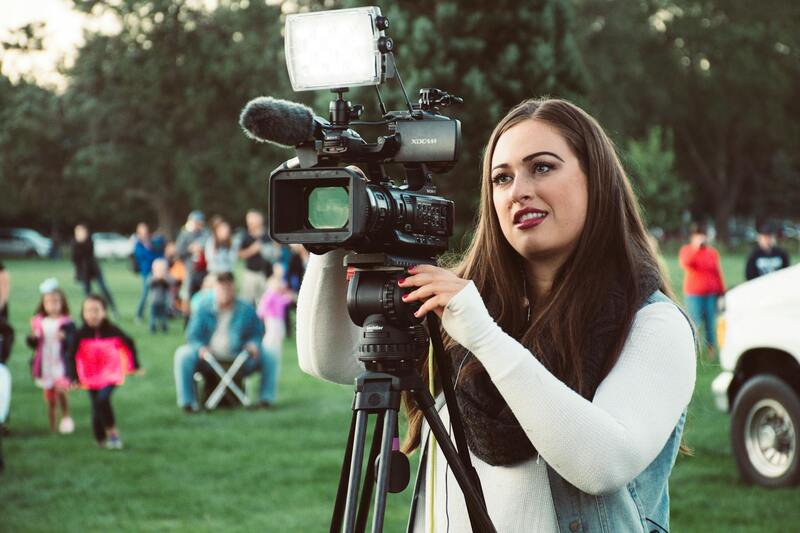
During the actual shoot, careful attention should be given to framing each shot for maximum impact. This entails capturing multiple angles of each room, including details that highlight unique architectural or interior design features. Horizontal shots from doorways or corners provide context and demonstrate room dimensions, while vertical lines should be checked for distortion to ensure accuracy.
Post-shoot editing enhances image quality further. Basic adjustments like correcting white balance, brightness, and contrast help produce inviting visuals that accurately reflect the property's true appearance. However, excessive editing can distort the viewer's perception; maintaining a balance upholds integrity while showcasing the property effectively.
Incorporating additional formats such as 3D walkthroughs or short video clips can elevate the marketing strategy. These formats offer potential buyers an immersive experience, allowing them to virtually explore the property at their convenience, thereby increasing engagement and interest.
When sourcing professionals for property photography, selecting those with specialized experience in real estate ensures a comprehensive understanding of the nuances involved. Professionals equipped with advanced editing software and specialized lenses can capture the property's essence, emphasizing its best features while preserving authenticity. It’s also beneficial to collaborate with photographers familiar with Miami’s unique architectural styles, neighborhood characteristics, and market trends.
By applying these best practices, real estate professionals can produce compelling visuals that resonate with prospective buyers. Ensuring consistency in style and quality across listings builds brand trust and strengthens market positioning. Additionally, a well-executed photography strategy enhances online listing performance, increasing visibility and attracting more inquiries from interested buyers or renters.
Implementing Legal and Ethical Standards in Property Photography
Adhering to established standards in real estate photography ensures that listings accurately represent the property, fostering trust with prospective buyers and maintaining professional integrity. Each image should be an authentic depiction, reflecting the true condition, layout, and features of the property without excessive enhancements that could mislead viewers. This transparency is critical in the competitive Miami market, where buyers rely heavily on visual cues to narrow down their choices.
It's essential to obtain proper permissions for using images that include personal property, artworks, or identifiable private spaces. When photographing exteriors or communal areas, ensure compliance with local regulations about drone usage and aerial photography, respecting privacy boundaries and airspace restrictions. Clear communication with clients about what will be captured and how the images will be used safeguards both parties and aligns expectations.

Professional photographers specializing in real estate understand the importance of ethical practices, including maintaining a respectful distance when shooting from neighbors' properties and avoiding intrusive angles. Properly edited images should enhance appeal without altering the property's fundamental features, thus providing an honest and compelling visual narrative.
In addition to respecting privacy and property rights, adhering to legal marketing frameworks involves using images that do not infringe on intellectual property rights. Photographers should utilize licensed equipment, royalty-free or licensed stock images when supplementing property visuals, and ensure all media used complies with copyright laws. Documenting the scope of work, including preliminary agreements and image rights, provides clarity and sets clear boundaries with clients regarding image usage and distribution.
Finally, documenting and archiving original images is vital for future reference, dispute resolution, or revisiting the property's visual history. This proactive approach not only reinforces professional accountability but also bolsters client confidence, ultimately strengthening the reputation of photography services within Miami's vibrant real estate sector.
Implementing Consistent and High-Quality Image Editing for Real Estate Business Pictures
Once the raw images of Miami properties are captured, meticulously editing and post-processing become vital to ensure each photograph meets professional standards and aligns with marketing goals. High-quality editing enhances visual appeal, corrects color imbalances, and removes minor imperfections, all while preserving the authenticity of the property. Using sophisticated editing software, professional photographers fine-tune exposure levels, contrast, and sharpness to create images that accurately reflect the property's true character and ambiance.
Maintaining consistency across all images is crucial for a cohesive and appealing online listing. Establishing standardized editing protocols—such as consistent color grading, perspective correction, and lighting adjustments—ensures that potential buyers experience a uniform visual narrative of the property. This approach not only enhances aesthetic appeal but also fosters trust by presenting a credible and polished view of the property.
Moreover, the final images should be optimized for web usage. This involves compressing file sizes without sacrificing quality, enabling faster loading times on various devices, including smartphones and tablets. Proper optimization improves user experience and increases engagement, which ultimately leads to more inquiries and faster sales.
Implementing a professional workflow that includes initial raw image review, consistent editing standards, and final quality checks ensures that every image presented on listings enhances the property's appeal. High-caliber visuals can significantly influence buyer perceptions, making effective editing an indispensable part of the real estate marketing strategy in Miami's competitive market.
Additionally, maintaining a systematic archive of original and edited images is essential for repeat uses, future updates, or disputes. Proper documentation of each image's versioning and editing history not only ensures transparency but also supports efficient management and retrieval of visual assets—a practice that strengthens the overall operational integrity of a real estate photography service.
Enhancing Visual Impact Through Proper Composition and Lighting Techniques
In the realm of professional real estate business pictures, composition and lighting are vital components that significantly influence a property's visual appeal. Mastery of these elements ensures that each image highlights the property’s best features, creating an inviting and accurate representation for potential buyers or clients.
Proper composition involves strategic framing that emphasizes the property's space, layout, and unique architectural details. Utilizing the rule of thirds, leading lines, and balanced angles directs the viewer’s eye towards focal points such as spacious living rooms, aesthetically designed kitchens, or scenic outdoor areas. This careful framing not only captures the essence of the property but also prevents distortion or misrepresentation.
Lighting, both natural and artificial, plays a crucial role in enhancing the aesthetic quality of real estate images. Utilizing soft, diffused natural light during the golden hour can create warm, inviting atmospheres that appeal to prospective buyers. Conversely, supplemental lighting—such as strobes or LED panels—can illuminate darker corners and highlight desirable features without creating harsh shadows or glare.

Professional photographers employ various techniques, including HDR (High Dynamic Range) imaging, to balance exposure levels across different areas of the home. This approach captures detailed shadows and highlights, ensuring the images accurately reflect real-life lighting conditions and maintain authenticity.
Additionally, the timing of photoshoots related to natural light availability is crucial. Scheduling during periods when natural light is optimal ensures that rooms appear bright, airy, and welcoming. Properly lit images can make small spaces seem more spacious, and they enhance the overall perception of quality and comfort.
Utilizing Space and Perspectives to Maximize Visual Appeal
Choosing the right vantage points and perspectives can effectively demonstrate the scale and flow of Miami properties. Wide-angle lenses are frequently used to capture entire rooms and expansive outdoor views, giving viewers a comprehensive sense of the space. Care must be taken to avoid distortion, which can mislead buyers or distort the true dimensions of the property.
Incorporating multiple perspectives—including eye-level, high, and low angles—creates a dynamic visual narrative that showcases various aspects of the property. Highlighting outdoor amenities like pools, gardens, or scenic vistas from elevated perspectives can significantly boost the property's desirability.
Meticulously planned compositions that make effective use of available space not only attract potential buyers but also promote transparency regarding the property's true layout and size. Combining these visual strategies with technical proficiency in lighting ensures the images are compelling, authentic, and designed to convert viewers into inquiries.
Legal and Ethical Considerations in Property Photography
Capturing high-quality real estate images in Miami involves more than just technical skill and an eye for detail; it also requires adherence to strict standards that respect privacy, ownership rights, and truthful representation. Ensuring that all necessary permissions are obtained before photographing private residences is fundamental. This includes securing consent from property owners or authorized representatives to avoid misunderstandings and to uphold professional integrity.
In addition, photographs must accurately depict the property without exaggeration or misleading alterations. This honesty fosters trust with prospective buyers and helps set realistic expectations about the property’s features, size, and condition. Use of digital editing should be restrained and transparent, avoiding enhancements that could mislead viewers regarding the property's actual appearance or amenities.
Respecting privacy is particularly critical when photographing communal areas, shared outdoor spaces, or interiors that include personal belongings. Clear communication with property owners about which areas will be showcased ensures comfort and consent. When working on condominiums, gated communities, or exclusive neighborhoods, coordinators should coordinate with community management or security as needed, maintaining respect for residents' privacy during shoots.
Additionally, understanding and complying with local regulations concerning drone usage and aerial photography is vital. Miami-specific ordinances may govern the altitude, flight patterns, and permissions required for aerial shots. Respecting these rules not only guarantees safety but also preserves the reputation of the photography team and the firm they represent.
Legal and Ethical Standards in Property Photography
Maintaining high standards in real estate business images involves more than just capturing attractive visuals; it requires strict adherence to established legal and ethical practices. This includes obtaining explicit consent from property owners or authorized representatives prior to photographing the premises. Securing proper authorization ensures clarity about the scope of the shoot and helps prevent misunderstandings that could impact the professional relationship. It also safeguards the photographer and the agency from any potential disputes related to unauthorized access or image use.
Authenticity in imagery is fundamental. Photographs should faithfully represent the property’s features, size, and overall condition without resorting to misleading edits or enhancements. While digital tools can enhance image quality, over-editing that alters the true appearance of the property can erode trust with prospective buyers. If post-processing is necessary, it must be disclosed transparently, emphasizing subtle corrections rather than significant alterations that might misrepresent the property.
Respecting the privacy of residents and property occupants is a critical aspect of ethical property photography. When capturing communal areas, gated communities, or interiors with personal belongings, photographers must communicate clearly with property owners about which spaces will be filmed. This approach helps alleviate concerns about privacy intrusion. If photographing condominiums, shared outdoor spaces, or private gardens, it is advisable to coordinate with community management or security personnel to gain appropriate permissions and maintain a respectful environment during the shoot.
Compliance with local regulations concerning both ground-based and aerial photography constitutes a vital component of ethical standards. In Miami, specific ordinances might regulate drone flight paths, altitude limits, and permit requirements for aerial shots. Photographers must stay informed about these regulations to avoid any violations that could compromise safety or disrupt community peace. Proper licensing and permission acquisition reflect professionalism and respect for local laws.
Ensuring ethical practices in real estate photography not only builds trust with clients and viewers but also upholds the integrity of the overall marketing campaign. Transparent communication, respect for property and privacy, and strict adherence to legal guidelines collectively contribute to creating authentic, high-quality visual content that elevates the property's appeal in a competitive Miami market.