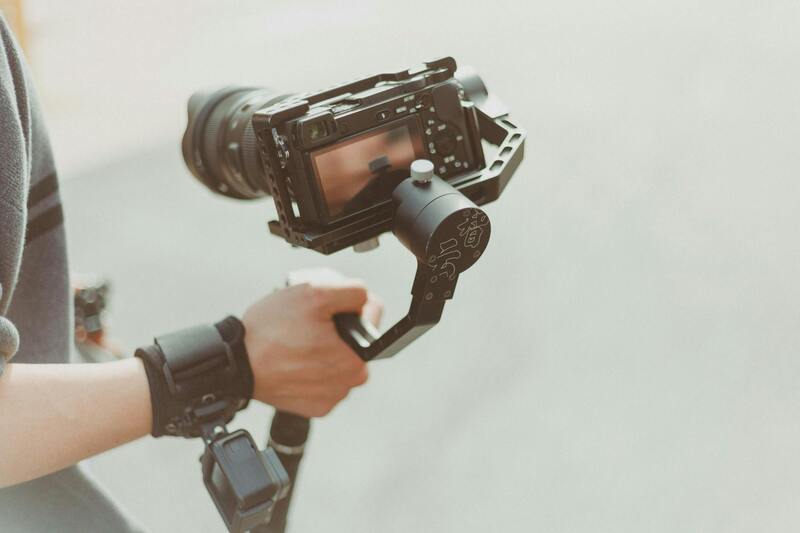
Importance of High-Quality Real Estate Photos
In the competitive Miami real estate landscape, capturing the essence of a property through compelling imagery is essential for attracting prospective buyers and investors. High-quality real estate photos serve as the visual first impression, often determining whether a listing gains sufficient interest to warrant a viewing. Professionally captured images highlight the property’s key features, maximize its appeal, and create an emotional connection with potential buyers. This is particularly significant in Miami, where the market is saturated with diverse listings and dynamic property styles.
Such images influence buyer interest by providing a clear, attractive representation of the property’s layout, design, and ambience. They help buyers visualize themselves living or working within the space, increasing engagement levels and reducing the time a property remains on the market. Accurate and appealing visuals can also enhance online visibility, drawing more traffic to listings and elevating the property’s perceived value. As a result, listings supported by professionally produced real estate photos tend to sell faster and often command higher prices, making this an indispensable component of an effective sales strategy.
In Miami’s bustling real estate environment, where properties often compete in a vibrant, fast-paced market, the importance of high-quality images cannot be overstated. They serve not just as a marketing tool but as a bridge connecting a property with qualified buyers, ensuring each listing reaches its fullest potential. Investing in professional photography is an essential step to maximize the property's market appeal and foster successful sales outcomes.

Choosing the Right Equipment and Techniques
Achieving exceptional real estate photos requires more than just a good camera; it involves utilizing advanced equipment and mastering specific photography techniques designed to enhance the property’s visual appeal. High-quality lenses, wide-angle optics, and professional-grade camera bodies are essential tools for capturing expansive rooms, intricate details, and dynamic lighting conditions. Proper use of tripods ensures stability, resulting in crisp, clear images free from motion blur, which is crucial when showcasing interiors or exterior shots.
Lighting is a cornerstone of effective real estate photography. Natural light often provides the most appealing ambiance, so shooting during the day when windows are letting in abundant sunlight can dramatically improve image quality. When natural light is insufficient or inconsistent, professional lighting setups—such as diffused flash or continuous lighting systems—help balance the illumination, eliminate harsh shadows, and highlight the space's best features. For exterior shots, timing the shoot during the golden hour—shortly after sunrise or before sunset—introduces warm, inviting tones that enhance curb appeal.
Camera techniques such as HDR (High Dynamic Range) imaging combine multiple exposures to produce well-lit, balanced images, especially in scenes with high contrast between bright windows and darker interior spaces. Techniques like proper framing, choosing optimal angles, and consistent styling help create a cohesive visual story of the property. Employing tilt-shift lenses can correct perspective distortions, ensuring walls and vertical elements appear straight and true to life. Additionally, drone photography or aerial shots offer comprehensive views of the property’s surroundings, adding another layer of depth and context to listings.

Implementing these methods ensures that each photograph conveys a clear, compelling story of the property, capturing its unique features while maintaining an authentic appearance. This precise attention to technical detail not only elevates the quality of photos but also aligns with best practices to appeal to discerning buyers and real estate professionals alike.
Choosing the Right Equipment and Techniques
Successful real estate photography hinges on utilizing the appropriate tools and methods to produce images that accurately showcase a property's best features. Professional-grade cameras with high-resolution sensors are essential in capturing crisp, detailed images that make a property stand out online. A full-frame DSLR or mirrorless camera equipped with a wide-angle lens, typically between 14mm and 24mm, provides the expansive perspective necessary for Interior shots, allowing viewers to appreciate the spatial relationships and room sizes effectively.
Tripods are indispensable in real estate photography for maintaining stability and capturing sharp images in varied lighting conditions. In low-light settings or interior spaces with limited natural light, tripod-based shots enable longer exposures without motion blur, ensuring clear, vibrant visuals. Additionally, employing remote shutter releases minimizes camera shake, further enhancing image clarity.
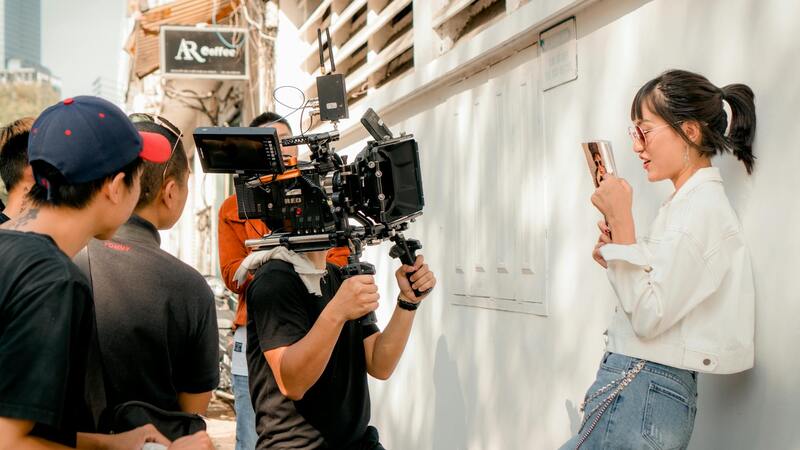
Mastering photography techniques is equally crucial. Bracketing multiple exposures (HDR photography) allows the merging of several images taken at different exposure levels, resulting in photos that reveal both interior details and exterior views with balanced lighting. This technique is particularly useful when capturing scenes with high contrast, such as large windows overlooking bright outdoor landscapes.
Proper framing and composition principles also play a major role. Positioning the camera at eye level and using a level can help maintain perspective accuracy. Shooting from various angles helps highlight the best features of each space while avoiding distortions or unflattering perspectives. Each shot should be thoughtfully composed to guide viewers' eyes through the property, emphasizing spaciousness, natural flow, and key details.
Innovative equipment like drone cameras broadens the scope of property presentation. Aerial shots provide a comprehensive view of the property's exterior and landscape, adding a dynamic element to listings. Additionally, tilt-shift lenses correct vertical distortions in architectural images, ensuring walls and structures appear true to form. Post-processing software, such as Adobe Lightroom or Photoshop, is used to enhance images further, adjusting brightness, contrast, and color balance to produce polished, appealing visuals that accurately represent the property.
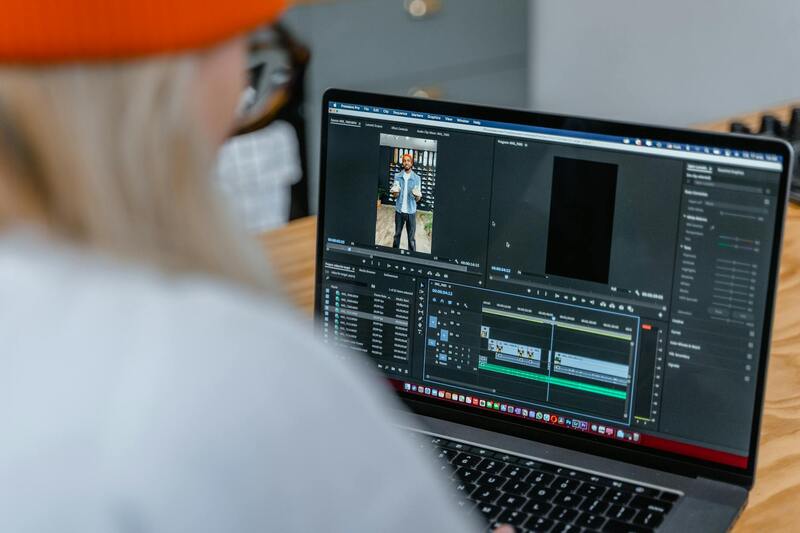
By integrating professional equipment with proven photographic methods, real estate professionals can ensure that each listing possesses the visual impact necessary to attract potential buyers. This technical precision becomes the foundation for compelling property marketing, leading to increased inquiries, faster sales, and higher listing value. The investment in proper gear and skillful techniques underscores a commitment to quality, establishing trust and confidence among clients and audiences alike.
Best Practices for Shooting Residential and Commercial Properties
To maximize the visual appeal of both residential and commercial real estate, adopting targeted shooting strategies is crucial. For residential properties, focus on capturing the flow and lifestyle potential of each space. Use wide-angle lenses to convey spaciousness and ensure that each room is well-lit with natural light where possible. Shooting during the daytime, especially in the early morning or late afternoon, can enhance natural shadows and create a warm, inviting atmosphere. Carefully stage rooms to highlight their best features—neatly arranged furniture, minimal clutter, and strategic decor accents help prospective buyers envision themselves in the space.
In the context of commercial properties, the emphasis shifts towards showcasing functionality, infrastructure, and accessibility. Capture exterior shots that highlight proximity to main roads, parking facilities, and key surroundings. Interior photography should focus on the layout, size, and condition of the premises, often requiring a more detailed approach to demonstrate the suitability for various business needs. Pay attention to the quality of lighting; supplement natural light with professional lighting equipment to ensure clarity even in darker areas. Emphasize architectural details and structural integrity through precise angles, which can influence a prospective investor’s perception of the property’s value and potential.

In addition to visual composition, maintaining consistency across all images reinforces professionalism. Use a consistent color palette and perspective style, which helps create a cohesive online presentation. When photographing larger commercial areas, consider breaking down the property into sections, capturing multiple angles of each part to give a comprehensive understanding of space layout and flow. Incorporate details that matter—a well-lit entrance, functional common areas, and well-maintained exteriors serve as indicators of the property's overall quality.
Utilizing the right equipment, such as steady tripods, panoramic cameras, and high-resolution sensors, ensures sharp, clear images that stand out in online listings. Techniques like HDR (High Dynamic Range) photography help balance exposure in scenes with contrasting lighting conditions, preventing areas from appearing too dark or washed out. Strategic editing enhances the final images without misrepresenting the property, maintaining transparency and viewer trust.
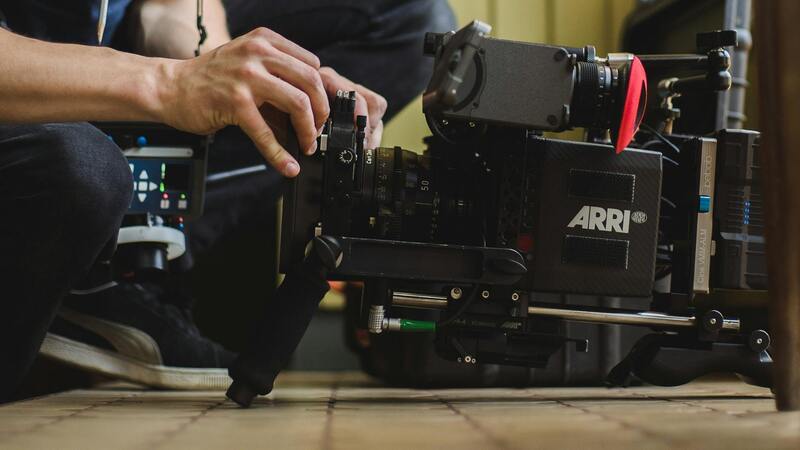
Ensuring Authenticity and Accuracy in Real Estate Photography
Authentic and accurate visual representations are fundamental components of effective real estate marketing. When prospective buyers or investors view property images, they rely heavily on these visuals to form initial impressions and evaluate potential interest. Therefore, it is imperative that photography maintains a truthful depiction of the property’s current state, features, and spatial dimensions. Misleading or overly enhanced images can lead to mismatched expectations, which may undermine trust and result in wasted time for all parties involved.
One of the primary methods to uphold authenticity is through the use of high-resolution imaging equipment that captures detailed, clear visuals without distortions. Ensuring proper lighting conditions during the shoot is essential—natural daylight typically offers the most accurate and appealing illumination, highlighting true colors and textures of surfaces and finishes. When natural light is insufficient, professional lighting techniques should be employed to evenly illuminate spaces, avoiding harsh shadows or overly bright spots that can distort the perception of size and ambiance.
Incorporating multiple exposures through High Dynamic Range (HDR) photography is another effective approach. HDR allows for a balanced representation of both interior shadows and exterior bright areas within a single image, providing viewers with a realistic perspective of how spaces appear in varied lighting conditions. This technique is especially useful in properties with large windows or complex architectural features.
Calibrating camera settings meticulously is crucial; adjusting exposure, aperture, and ISO ensures sharpness and color fidelity. Photographers should also pay attention to the vertical and horizontal alignment of images, avoiding distorted perspectives that can exaggerate or minimize certain spaces. When editing photos, it is important to focus on enhancing clarity, correcting color balance, and straightening lines without altering the true proportions or features of the property. Such integrity in post-processing reinforces transparency and builds confidence among viewers.
Moreover, including a variety of shots that depict different angles, close-ups of key features, and panoramic views of large spaces offers a comprehensive and truthful presentation. This holistic approach allows prospective clients to gain a clear understanding of the property’s layout, scale, ambiance, and distinguishing characteristics. For instance, showcasing the expansive kitchen, the inviting living area, or the well-maintained exterior provides meaningful insights that align with expectations set by the photographs.
Finally, incorporating virtual tours or 3D walkthroughs enhances authenticity by giving potential buyers an immersive experience that mirrors visiting the property firsthand. When used alongside high-quality photography, these tools facilitate more informed decision-making, reduce discrepancies, and foster trust in the listing.
Optimizing Real Estate Photos for Online Listings and Marketing
High-quality images are essential for making a positive first impression in the competitive online real estate marketplace. Efficient optimization involves more than just capturing stunning photographs; it encompasses a strategic process that ensures images are tailored to enhance listing visibility and appeal across various digital platforms.
Image Compression for Fast Load Times
Ensuring quick loading times for property images improves user experience and positively impacts search engine rankings. Image compression techniques reduce file sizes without compromising visual quality, allowing websites to load faster while maintaining clarity and detail. Properly optimized photos help prevent potential buyers from abandoning listings due to slow page performance.
Consistent Naming and Tagging
- Use descriptive, relevant filenames that include keywords related to the property and location.
- Implement metadata tagging to improve searchability and categorize images effectively.
This approach facilitates better indexing by search engines and helps prospective clients find the property more easily when searching for specific features or neighborhoods.
Mobile Optimization
With a growing number of users accessing real estate listings via smartphones and tablets, responsive design becomes paramount. Ensure that images are optimized for various screen sizes and resolutions, offering crisp and clear views regardless of device. Lazy loading, which delays loading images until they are needed during scrolling, can also enhance mobile site performance.
Creating Visual Consistency Across Platforms
Maintaining a consistent style and quality in your images fosters brand recognition and builds trust. Use uniform editing standards—such as color correction, contrast, and brightness adjustments—to ensure each photo aligns with your overall presentation. This consistency extends to social media posts, websites, and print materials, reinforcing your professional image.
Incorporating SEO Strategies in Image Optimization
Strategically embedding keywords into image file names, alt text, and descriptions enhances the visibility of your listings in search engine results. Alt text benefits accessibility and provides contextual information to search algorithms, further increasing the likelihood of your property appearing in relevant searches.

Strategies for Optimizing Real Estate Photos for Online Listings and Marketing
High-quality images are fundamental for capturing the attention of prospective buyers and elevating the appeal of property listings online. To maximize visibility and engagement, it is crucial to implement advanced optimization techniques tailored specifically for digital platforms. These methods ensure that each photograph not only represents the property accurately but also enhances search engine performance and user experience.
Image Compression and File Size Reduction
One of the primary considerations in optimizing real estate photos is balancing image quality with load speed. Large, uncompressed files can significantly slow down website performance, leading to higher bounce rates and diminished user satisfaction. Employing efficient compression tools that preserve visual fidelity allows images to load quickly across devices without sacrificing clarity. Formats like WebP are particularly beneficial for reducing file sizes while maintaining quality, thereby contributing to faster page loading times.

Strategic Use of Keywords in Image Metadata
Embedding relevant keywords in image file names, alt text, and descriptions enhances discoverability in search engine results. When the file names incorporate descriptive phrases—such as the city, neighborhood, or specific features of the property—they become easier for search engines to index and rank. Alt text not only boosts accessibility for users with visual impairments but also signals contextual relevance to search algorithms. Consistent application of these SEO strategies helps attract targeted traffic looking for properties in specific locations or with particular features.
Implementing Geotagging and Local SEO Practices
Including geographic information within image metadata and listing descriptions optimizes images for local search queries. Geotagging images with coordinates related to the property site enhances the likelihood of appearing in map-based searches and local listings. This approach is especially advantageous for attracting nearby buyers who are exploring options within a specific area, thereby increasing the chances of engagement and inquiries.
Integrating Responsive and Lazy Loading Technologies
Responsive images should adapt seamlessly to different screen sizes, ensuring consistent visual quality on desktops, tablets, and smartphones. Lazy loading techniques delay the loading of images until they are within the viewer’s viewport, reducing initial load times and conserving bandwidth. This approach results in a smoother browsing experience and improved site performance, particularly on mobile devices, enabling potential clients to view multiple property images effortlessly.
Consistency in Style and Branding
Maintaining visual uniformity across all property images reinforces brand recognition and professionalism. Standardized editing processes—such as consistent color correction, contrast levels, and lighting adjustments—create a cohesive portfolio that reflects the quality and credibility of your real estate business. This consistency not only enhances visual appeal but also fosters trust among prospective clients, encouraging them to consider your listings more seriously.
Leveraging Local Expertise for Maximum Impact
Working with local photographers who understand the nuances of Miami’s real estate market can further enhance the optimization process. These professionals are familiar with the most photogenic locations, optimal lighting conditions, and neighborhood features that appeal to target buyers. Their expertise ensures that each shot is strategically composed and optimized for online visibility, elevating your listing’s overall marketing effectiveness.
Legal and Ethical Methods for Real Estate Photography
Ensuring the authenticity and integrity of real estate images is crucial for establishing trust and credibility in the property market. Adopting legitimate practices not only safeguards your reputation but also provides a clear, transparent experience for prospective buyers. Here are the essential methods to produce genuine, high-quality real estate photos that comply with industry standards.
Utilizing Professional Equipment and Proper Shooting Techniques
High-quality images begin with the right equipment. Professional-grade cameras with wide-angle lenses capture expansive spaces clearly and accurately, providing viewers with a true representation of the property. Tripods, remote shutters, and appropriate lighting tools help maintain stability and consistency in every shot. Employing HDR (High Dynamic Range) imaging techniques balances interior and exterior lighting, preventing overexposure or underexposure and ensuring that all details are visible. These tools and techniques are fundamental for capturing images that reflect the property's actual condition and layout.
Preparing Properties for Photography
Thorough preparation of the property before shooting is a vital step in producing authentic images. This involves decluttering spaces, ensuring cleanliness, and arranging furniture in an appealing yet realistic manner. Natural lighting should be maximized; opening curtains and blinds allows sunlight to enhance the space's ambiance. Avoid artificial enhancements or filters that could mislead viewers, as the goal is to present the property in its true form. Proper staging supports a truthful depiction, helping potential buyers visualize themselves in the space without false expectations.
Acquiring Necessary Permissions and Consents
Documenting and securing consent from property owners and tenants is a fundamental aspect of ethical real estate photography. Clear agreements should specify how images will be used, ensuring that all parties are informed and agreeable to the photos' intended use. For properties within strata or managed communities, obtaining additional permission from the relevant authorities might be necessary. Respecting privacy rights and obtaining explicit consent before photographing ensures compliance with regulatory standards and maintains professional integrity.
Implementing Rigorous Editing and Post-Processing Standards
Editing plays a crucial role in preparing professional images. Adjustments to brightness, contrast, and color correction should be applied consistently to enhance clarity without altering the property's true appearance. Avoid excessive retouching or digital manipulation that could deceive viewers. Instead, focus on correcting distortions, straightening lines, and enhancing details to produce a fair representation. Documented editing procedures maintained through quality control checks reinforce transparency and trustworthiness in your photographic outputs.
Maintaining Accurate Image Metadata and Documentation
Embedding accurate metadata within each image supports proper attribution and tracking. Metadata includes details such as date, location, and photographer, providing a transparent record that can be referenced for legal or contractual purposes. Keeping detailed documentation of the photography process—including equipment used, settings, and editing protocols—further affirms your commitment to authenticity. This diligent record-keeping enhances the credibility of your marketing materials and ensures compliance with best practices.