Understanding the Importance of Professional Photos for Real Estate Agents
In today's competitive real estate market, the visual presentation of a property is often the first impression potential buyers and clients encounter. High-quality, professionally captured images serve as a powerful tool to attract interest quickly and effectively. For real estate agents, investing in a dedicated real estate agent photoshoot can significantly enhance online listings, social media profiles, and marketing materials, positioning the agent as a credible and polished professional.
This shift towards professional imagery is driven by the increasing reliance on digital platforms where visuals outshine descriptions. Listings with vibrant, well-composed photos tend to generate more clicks, longer view times, and higher engagement rates. These images not only showcase the property's best features but also reflect the agent's commitment to quality service.
Moreover, professionally taken photos contribute to building a strong personal brand. When agents display consistent, appealing imagery that aligns with their branding, they foster trust and recognition within their community. This consistency helps differentiate them from competitors and appeals to clients seeking a reliable, detail-oriented professional.
Quality imagery is also crucial in framing the property’s space and potential. Properly lit and composed images can make rooms appear more spacious, inviting, and attractive. Through strategic angles and skillful photo techniques, agents can highlight unique features and optimal property layouts that might otherwise go unnoticed.
In a market where first impressions are often made online, neglecting the quality of visual content can result in missed opportunities. Consequently, a well-executed real estate agent photoshoot isn’t merely an aesthetic choice—it’s a strategic investment that can elevate an agent’s visibility, credibility, and ultimately, their sales success.
Optimizing Your Space for a Photoshoot
Creating an inviting and polished environment is essential for a successful real estate agent photoshoot. Prior to the session, focus on decluttering and organizing each space to eliminate distractions and make the property elements stand out. Proper staging involves arranging furniture to highlight the functionality and flow of each room, emphasizing the property’s strengths. Incorporate tasteful decor and accessories that complement the style and appeal to prospective buyers, ensuring the space looks both welcoming and aspirational.
Deep cleaning all surfaces, windows, and fixtures is a fundamental step. Cleanliness not only enhances visual appeal but also prevents unwanted reflections or shadows in photographs. Pay special attention to details like fresh flowers, fluffing cushions, and arranging artwork to enhance the ambiance without overdecorating. Ensure that light fixtures and bulbs are functioning correctly to avoid inconsistent or dim lighting in final images.
Personal grooming and appearance of the agent are equally crucial. Well-groomed attire and a professional presentation convey trustworthiness and reliability. Depending on your branding, choose clothing that aligns with your image—whether it’s sleek and modern or classic and approachable. A confident demeanor combined with a clean, polished look helps establish a positive connection even before clients see your online listings.
Scheduling and Timing for the Photoshoot
Timing plays a pivotal role in capturing the best possible images. Schedule your session during daylight hours when natural light pervades the property, ideally mid-morning or early afternoon. Overcast days are preferable over harsh, direct sunlight, as they produce softer shadows and more even lighting across interior spaces. Avoid scheduling during periods of low light or just before dusk to prevent dim, poorly exposed images.
Coordinate the shoot to maximize efficiency, allowing sufficient time for setup, adjustments, and multiple angles. If possible, plan around weather forecasts, especially for outdoor shots, to ensure exterior images are bright and inviting. Early planning and careful scheduling help to achieve vibrant, crisp photographs that showcase the property at its best.
Strategic Wardrobe Choices for a Professional Look
The clothing you wear during a photoshoot impacts your perception and overall brand image. Opt for neutral, solid colors that complement your complexion and avoid overly busy patterns that can distract from your message. Tailor your attire to match the market niche you serve—whether that’s business formal, smart casual, or contemporary professional. Consistency in your appearance helps reinforce your personal branding and communicates credibility.
Ensure your grooming is meticulous: neat hair, minimal jewelry, and subtle makeup for those who wear it. This polished look translates well on camera, helping you to appear approachable yet authoritative. Remember, these images are a reflection of your professionalism, so dressing appropriately is a key component of effective representation in the competitive real estate landscape.
Maximizing Visual Impact Through Composition and Posing
Effective composition and posing techniques elevate your images from standard to exceptional. Engage a professional photographer experienced in real estate imagery, as they understand how to frame shots to emphasize space and scale. Use wide-angle lenses carefully to avoid distortion while capturing the full scope of rooms. Angles that showcase the entryways, panoramic vistas, and signature features of a property help create compelling narratives for buyers.
Posing as an agent should exude confidence and approachability. Adopt natural, relaxed postures that convey warmth and professionalism. Smiling quietly or engaging in light interaction with the environment can make you appear personable and trustworthy. Avoid stiff or overly staged poses that may diminish authenticity. The goal is to present yourself as an integral part of the property story, resonating with potential clients.
Pay attention to details—body language, eye contact with the camera, and how you position your hands or arms can significantly influence the perceived confidence and credibility in your images.
Optimal Use of Lighting to Elevate Property Presentation
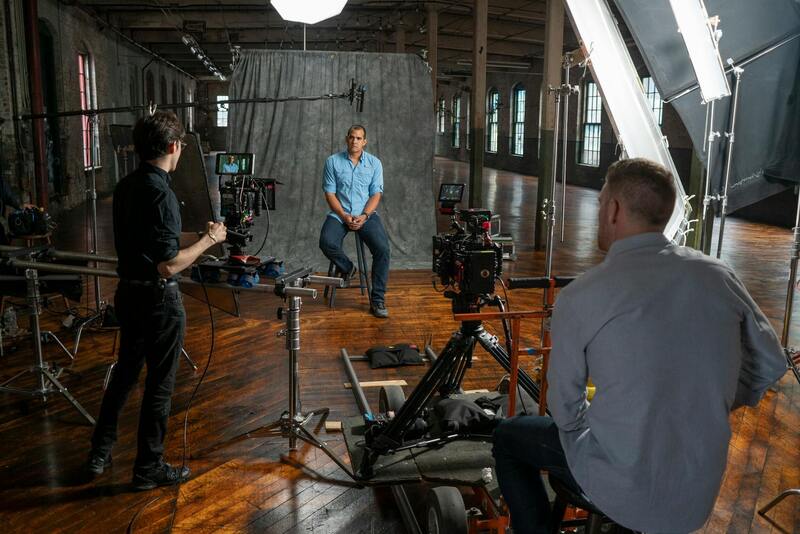
Impeccable lighting is a cornerstone of high-quality real estate photography. It plays a vital role in highlighting the features of a property, creating a welcoming atmosphere, and ensuring that potential buyers can envision themselves living in the space. When scheduling a photoshoot, agents should aim to capture images during times when natural light is at its best, such as early morning or late afternoon, often referred to as the golden hour. During this period, sunlight is softer and warmer, reducing harsh shadows and enhancing the property's interior and exterior appearance.
Incorporating a mix of natural and artificial lighting can dramatically improve image quality. For indoor shots, using diffused lighting helps to eliminate glare and reflections, while accent lighting can emphasize key architectural features or design elements. Ensuring consistent lighting throughout the images maintains a cohesive and professional look that appeals to prospective buyers.

Furthermore, deliberate positioning of lights outdoors can accentuate landscaping and outdoor living spaces, making them more appealing. When employing artificial lighting, use softboxes, reflectors, and diffusers to mimic natural lighting conditions, thereby avoiding flat or overly stark images. Skilled photographers can fine-tune these elements to balance light levels, ensuring every part of the property is visible and visually engaging.
Proper lighting techniques not only clarify the space but also evoke emotion. Bright, well-lit images tend to convey a sense of cleanliness and openness, qualities highly desirable in real estate marketing. Conversely, poorly lit photos risk obscuring details, undermining the property's appeal, and diminishing the impression of quality.
Optimal Angles and Composition Strategies for Real Estate Photos
Making the most of camera angles and composition can significantly elevate the visual appeal of real estate photographs. A skilled photographer employs a variety of techniques to highlight the best features of the property while maintaining an authentic representation. One of the primary considerations is to shoot at eye level; this perspective provides a balanced view that feels natural and inviting to viewers. For interior shots, using wide-angle lenses—carefully calibrated—can capture expansive spaces and architectural details without distortion.
Effective composition techniques involve adhering to principles like the rule of thirds, which strategically places key features along grid lines or intersections to draw the viewer’s eye. Emphasizing symmetry, especially in rooms with balanced design elements, can create a sense of harmony and order. Additionally, shooting from angles that showcase focal points, such as fireplaces, large windows, or panoramic views, can guide potential buyers through the space and evoke an emotional response.
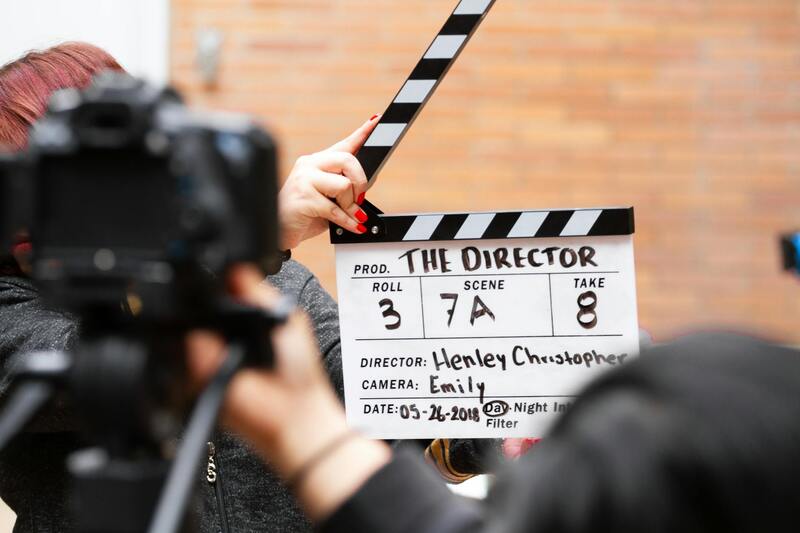
For exterior shots, choosing vantage points that reveal the property's curb appeal is crucial. This may involve shooting from slightly elevated positions to provide a comprehensive view of the front yard, driveway, and architectural features. Incorporating leading lines, such as pathways or fences, can naturally direct the viewer's gaze towards the home.
In addition to camera angles, proper framing and depth of field contribute to compelling images. Using foreground elements intentionally can add depth, making the space feel more three-dimensional and immersive. Depth of field control allows for sharp focus on key areas while softening less significant background elements, drawing attention precisely where it’s needed.
The technical mastery of these composition methods ensures each photograph accurately portrays the property's scale and layout, providing a true-to-life experience that builds trust and confidence among prospective buyers.
Choosing the Right Equipment and Techniques for a High-Quality Photoshoot
To achieve professional-quality images that effectively showcase real estate properties, selecting appropriate equipment and mastering specific techniques are essential. High-resolution digital cameras with full-frame sensors are preferred, as they capture fine details and produce vibrant, sharp images suitable for printed and digital marketing. Using wide-angle lenses, typically in the range of 14mm to 24mm, allows photographers to capture more of a room or exterior shot in a single frame, emphasizing space and layout without distortions that can occur with less suitable lenses.
Tripods play a crucial role in maintaining stability, especially in indoor settings where lighting may be limited. Steady shots prevent blurring and allow for longer exposure times, which are vital when working with low-light conditions. Additionally, employing remote shutter releases or timer modes reduces camera shake further, which is especially beneficial for exterior shots taken at dawn, dusk, or during overcast days.
Mastering camera settings is equally important. Shooting in RAW format provides maximum flexibility during post-processing, allowing adjustments to exposure, white balance, and sharpness without compromising image quality. Correctly balancing ISO settings to prevent noise, especially in low-light scenarios, ensures images remain clear and professional-looking. Aperture settings should be optimized to strike a balance between depth of field and sharpness; often, a mid-range aperture (around f/8 to f/11) delivers the best results for interior spaces.
Furthermore, mastering lighting techniques is fundamental. When natural light is available, shooting during the golden hours—shortly after sunrise or before sunset—can add a warm, inviting ambiance to images. For interior shots, supplementing natural daylight with professional lighting equipment, such as softboxes or diffusers, helps eliminate shadows and achieve even illumination. Reflectors can be used to bounce light into darker corners, ensuring every part of the property is well-lit.
Proper technique also involves meticulous attention to composition. Framing shots to highlight the property’s best features and utilizing leading lines to draw viewers’ eyes toward key details can significantly boost visual appeal. Elevating the camera angle slightly above eye level for interior shots produces a more dynamic perspective, making spaces appear larger and more welcoming. Conversely, exterior shots benefit from capturing the house from eye level or slightly elevated vantage points that showcase curb appeal and architectural details.
Ultimately, investing in the right tools and honing photography techniques ensures each image markets the property effectively, creating engaging visuals that attract and retain potential buyers.
Optimizing Interior Shots with Skillful Composition and Lighting
To achieve compelling images that accurately represent the property's features, real estate agents should focus on effective composition and lighting techniques during the photoshoot. Proper framing involves selecting angles that emphasize the spaciousness, functionality, and unique qualities of each room. Utilizing leading lines—such as pathways, furniture arrangements, or architectural elements—guides viewers’ eyes seamlessly through the space. Elevating the camera slightly above eye level for interior shots can enhance perceived room size, making spaces appear more inviting and open.
Lighting plays a crucial role in creating inviting visuals. Natural light, especially during the golden hours, adds warmth and vibrancy to the space. When shooting interiors in natural daylight, agents should open curtains and blinds to maximize light flow. For zones with limited natural light, supplementary lighting with softboxes or diffusers ensures even and soft illumination, reducing harsh shadows and highlighting architectural details.
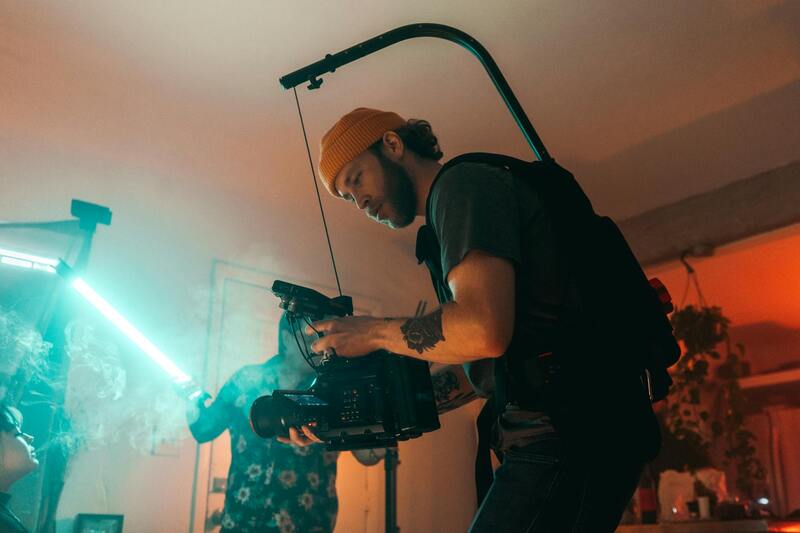
Additionally, mirrors, light-colored walls, and the strategic use of reflectors can bounce light into darker corners, balancing exposure across the entire room. Attention to detail—such as decluttering spaces, arranging furniture neatly, and capturing the room from multiple angles—further enhances the property's appeal. Consistent and intentional composition ensures each shot not only captures the space accurately but also evokes an emotional connection that encourages potential buyers to envision themselves living there.
Advanced Techniques for Capturing Standout Real Estate Agent Photos
To further elevate the quality of your real estate agent photoshoot, focusing on advanced composition and storytelling through imagery can significantly impact viewer engagement. Incorporating elements like dynamic angles, asymmetrical framing, and depth of field helps create compelling visuals that highlight your personality and professionalism while subtly showcasing property features.
When planning your shots, consider including candid moments that reflect your interaction with clients or behind-the-scenes glimpses of the property presentation process. Such images can foster trust and authenticity, crucial factors in real estate marketing. Use props or staging elements that align with your brand identity—such as branded signage, professional accessories, or personal items—crafted to seamlessly blend into the environment without overpowering the property's features.
Attention to detail remains paramount. Ensure that every element in the frame is purposeful—clean backgrounds, neatly arranged accessories, and minimized distractions. Utilizing wide-angle lenses can capture immersive views of the space, but be cautious to avoid distortion that can misrepresent room dimensions. The focus should be on authenticity and clarity, emphasizing the property's best qualities while maintaining an approachable and professional demeanor.
Effective Post-Processing for a Consistent Brand Image
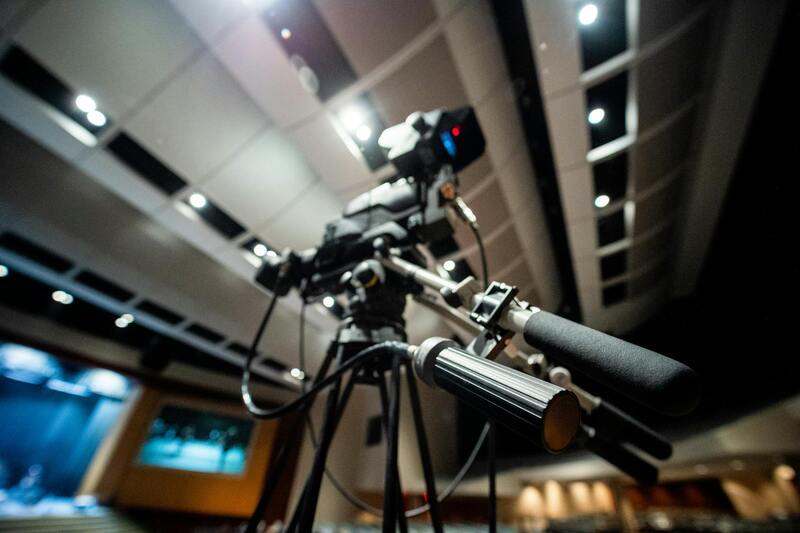
Post-production plays a critical role in refining the visual impact of your images. Professional editing involves adjusting brightness, contrast, and color balance to ensure accurate representation of the property's features. Avoid excessive enhancements that might lead to misrepresentation—transparency in your visuals builds trust with potential clients.
Retouching og features like skin tone, removing minor imperfections, and brightening the eyes can help present a polished and approachable image while keeping the authenticity intact. Maintaining consistency in editing style across all images reinforces your personal or agency brand identity, ensuring that your visual content remains recognizable and professional.
When selecting images for marketing, prioritize those that tell a compelling story. Look for photos that showcase your personality, highlight key property features, and evoke emotional responses. High-quality, well-edited images serve as powerful tools to attract more clients and foster lasting relationships.
Maximizing the Impact of Your Real Estate Agent Photos in Marketing Strategies
Professional photographs serve as a vital component of a comprehensive marketing plan for real estate agents. When employed effectively across various channels, these images significantly enhance your visibility and brand perception. It’s crucial to select the right photos to match the audience and platform, ensuring each visual aligns with your overall marketing objectives.
Integrating Photos into Online Listings
Online property listings are often the first point of contact for potential buyers and sellers. High-quality, professionally taken images create a compelling first impression. Use a curated selection of your best photos—exteriors with excellent lighting, welcoming interior shots, and your professional portrait—to establish trust and credibility. Incorporate images that highlight your expertise and approachability, which can reassure prospective clients of your professionalism.
Leveraging Social Media Platforms
Social media offers an interactive way to showcase your personal brand and recent successes. Sharing a mix of curated property images and professional headshots helps craft a consistent visual narrative. Use these visuals to tell stories about your client relationships, successful deals, and community involvement. Engaging posts with authentic, well-lit images tend to generate higher interaction and can foster community trust.
Utilizing Print Marketing Materials
Printable marketing pieces—business cards, brochures, flyers, and signage—benefit when supplemented with crisp, professionally captured photos. An eye-catching headshot paired with a professional logo reinforces brand recall, while property images in printed media establish an emotional connection with potential clients. Ensure these visuals are high-resolution, properly formatted, and consistent with your digital branding efforts.
Implementing Consistency Across All Channels
Maintaining visual consistency across digital and print platforms enhances brand recognition and credibility. Harmonize colors, styles, and editing techniques so that your images convey a unified and professional image. Consistent use of your branding elements—colors, logos, and visual motifs—in all photography reinforces your identity and fosters confidence among prospects.
Enhancing Engagement Through Visual Storytelling
Beyond static images, consider creating video content or virtual tours that incorporate your professional photographs. These dynamic formats allow potential clients to engage more deeply with your brand and properties. Effective storytelling with high-quality visuals makes your listings more memorable and can differentiate you from competing agents.
Measuring and Refining Your Visual Content Strategy
Track the performance of your visual content across different platforms. Metrics such as engagement rates, click-through rates, and inquiries can inform your ongoing photography choices. Regularly update your portfolio with fresh, professionally shot images to keep your marketing materials vibrant and aligned with current market standards.
By integrating high-quality agent photographs into your marketing channels thoughtfully and consistently, you build a trustworthy and recognizable brand presence. Authentic and professionally captured images not only attract more clients but also foster long-term relationships rooted in confidence and professionalism.