Role of a Real Estate Agent Photographer
In the competitive landscape of Miami's real estate market, visual appeal plays a critical role in capturing potential buyers' attention. A professional real estate agent photographer specializes in creating high-quality images that showcase a property's best features, helping listings stand out among countless options. These photographers understand the nuances of interior and exterior lighting, composition, and staging, ensuring each shot highlights the property's unique appeal.
Effective real estate photography provides an accurate visual representation of the property, fostering trust and transparency with prospective buyers. High-caliber images not only attract more viewings but also enhance overall marketing efforts, including online listings, social media campaigns, and print advertisements. They serve as a crucial first impression that can significantly influence a buyer’s decision-making process.
Furthermore, a skilled real estate agent photographer adapts to various property types—from luxury condominiums and sprawling estates to commercial spaces—tailoring their approach to best suit each listing. This specialization ensures that the authentic beauty and potential of each property are communicated through compelling visuals, increasing the likelihood of a quicker sale at optimal market value.
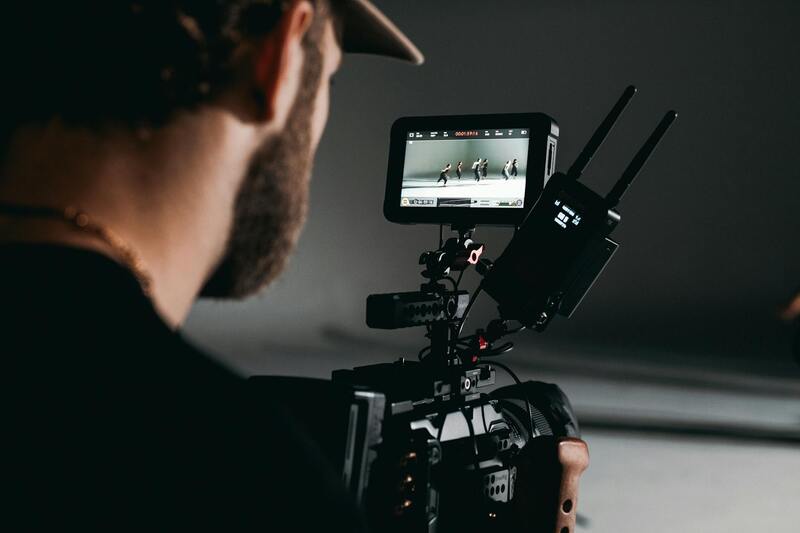
Optimal real estate imagery influences prospective buyers’ first impressions before they even visit a property. When listings feature crisp, well-lit photographs taken by experienced professionals, they tend to generate higher engagement rates, more inquiries, and faster sales cycles. In Miami's dynamic market, where many properties vie for attention, professional photography is an essential strategy to elevate a listing’s visibility and appeal.
Therefore, the role of a real estate agent photographer extends beyond mere picture-taking; it involves understanding market trends, the specific emotional appeal of properties, and the strategic presentation needed to resonate with target audiences. Their work bridges the gap between a property’s potential and a buyer’s desire, facilitating successful transactions through visual storytelling.
Understanding the Technologies and Skills Required for Effective Real Estate Photography
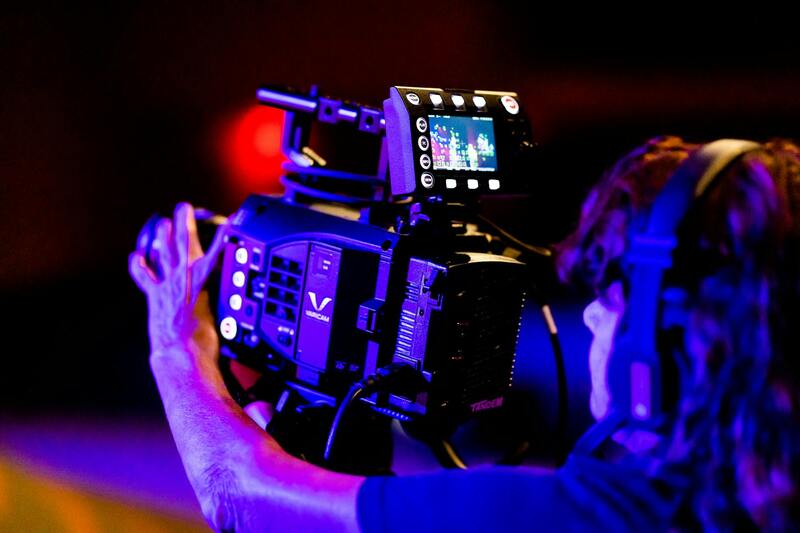
Achieving exceptional visuals for real estate listings hinges on a combination of technical expertise and strategic use of advanced equipment. Proficient real estate agent photographers leverage a deep understanding of camera settings, lighting techniques, and composition principles to produce images that highlight a property’s best features. Mastery of these skills ensures consistent quality, creating a visual narrative that appeals to prospective buyers.
High-resolution digital cameras are standard in professional real estate photography, offering the clarity needed to showcase properties in detail. Wide-angle lenses are particularly useful as they allow capturing expansive spaces within a single shot, emphasizing the openness and flow of rooms. Additionally, the use of tripod stabilization guarantees sharp images, especially in low-light conditions or when longer exposures are necessary to capture optimal brightness and color accuracy.
Lighting equipment also plays a crucial role. This includes external flash units and reflectors, which help balance natural light with artificial illumination to avoid shadows and overexposed areas. Skillful manipulation of lighting enhances the ambiance and visual appeal of interior spaces, making rooms look welcoming and spacious.
Post-processing software, such as Adobe Photoshop and Lightroom, is employed to refine images further. Adjustments may involve color correction, perspective correction, and minor retouching to eliminate imperfections, ensuring that each photograph accurately represents the property while maintaining a natural look. Attention to detail during editing directly influences a listing’s market reception, increasing engagement and interest from potential buyers.
Technical and Creative Skills That Elevate Property Visuals
- Understanding of composition and framing to create aesthetically balanced images
- Proficiency in lighting setup to highlight architectural features without overexposure
- Ability to operate professional-grade camera equipment effectively
- Knowledge of editing tools to enhance colors, correct perspectives, and remove distractions
- Experience with HDR photography techniques for capturing high-contrast environments
Further, a keen eye for detail and a creative approach to staging and perspective help to emphasize the unique selling points of each property. This fusion of technical skill and artistic insight ensures that each photo not only accurately depicts the space but also evokes an emotional response from viewers, ultimately encouraging inquiries and viewings.
Key Skills and Equipment for Real Estate Photography
Exceptional real estate photography hinges on a combination of technical proficiency and the right gear. A professional photographer specializing in real estate must master a variety of skills, including understanding optimal lighting techniques, effective composition, and the ability to operate high-end camera equipment seamlessly. These skills ensure each photograph captures the space's true essence, making it appealing to prospective buyers.
Concerning equipment, a professional-grade digital camera with a wide-angle lens is fundamental. Wide-angle lenses create a sense of space, demonstrating the property's full potential within a single shot. A sturdy tripod ensures stability, particularly during long exposure shots necessary in low-light conditions or interior photography where natural light may be limited. Additionally, advanced techniques like HDR (High Dynamic Range) imaging require multiple exposures to be seamlessly merged, highlighting both interior and exterior details without loss of clarity.
The lighting setup is equally vital. Natural light is preferred during the day, and photographers often employ supplemental lighting or diffusers to balance shadows and reduce glare. Proper lighting ensures interiors appear warm, inviting, and true to life, which can significantly influence a buyer’s perception.
Post-processing is the finishing touch that brings images to professional standards. Mastery of editing software such as Adobe Photoshop and Lightroom allows for color correction, perspective adjustments, and minor retouching. These edits should enhance the property's features without altering its authenticity—maintaining a natural look that resonates with viewers. Attention to detail in editing can highlight architectural intricacies, de-emphasize distractions, and ensure color accuracy, all of which contribute to more compelling listings.
Effective real estate photography is a strategic blend of technical skills, suitable equipment, and artistic insight. This synergy results in high-quality visuals that effectively showcase each property’s unique qualities and appeal directly to the target market segments. When executed correctly, it not only improves listing visibility but also accelerates the sale process and maximizes property appreciation.
Role of a Real Estate Agent Photographer
In the competitive Miami real estate market, a professional photographer specializing in property imagery plays a crucial role in shaping a property's market appeal. A real estate agent photographer is responsible for creating captivating images that highlight a property's best features, entice potential buyers, and facilitate quicker sales. Their expertise extends beyond simply capturing photographs; they understand the unique demands of real estate marketing by emphasizing spatial dimensions, architectural details, and visual storytelling that aligns with the target demographic's preferences.
During the photoshoot, the photographer collaborates closely with the real estate agent to identify the property's key selling points. This might include luxurious amenities, unique architectural elements, or desirable neighborhood features. Effective communication ensures that the images produced reflect these highlights, thereby maximizing their impact across various marketing channels. Moreover, a skilled real estate photographer helps new listings stand out on platforms crowded with competing properties, making a significant difference in online visibility and engagement.
Beyond the shoot itself, the photographer's role involves meticulous editing to refine images without compromising authenticity. Properly curated photographs not only appeal visually but are also optimized for different marketing formats, including online listings, social media promotions, and printed brochures. Ultimately, a real estate agent photographer acts as an essential partner in building a robust digital presence for property listings, directly influencing engagement rates and sale timelines.
Key Skills and Equipment for Real Estate Photography
To excel in this niche, photographers must possess a combination of technical proficiency and artistic sensibility. Key skills include an understanding of lighting techniques—particularly how to leverage natural light and supplement it with artificial lighting to achieve evenly lit, inviting interiors. A comprehensive knowledge of camera settings such as aperture, shutter speed, and ISO ensures sharp, well-exposed images regardless of environmental conditions.
Proficient use of specialized equipment is vital. This includes a high-resolution DSLR or mirrorless camera capable of capturing detailed images, wide-angle lenses to showcase entire rooms, and tripod stability to maintain sharpness during longer exposures. Additionally, the use of drone footage has gained popularity for capturing expansive exterior shots and aerial views that provide comprehensive context for potential buyers.
- DSLR or mirrorless camera systems with high megapixel counts
- Wide-angle lenses for interior shots
- Tripods for stability and consistent framing
- Drone cameras for aerial exterior views
- Lighting equipment such as diffusers, reflectors, and supplemental lights
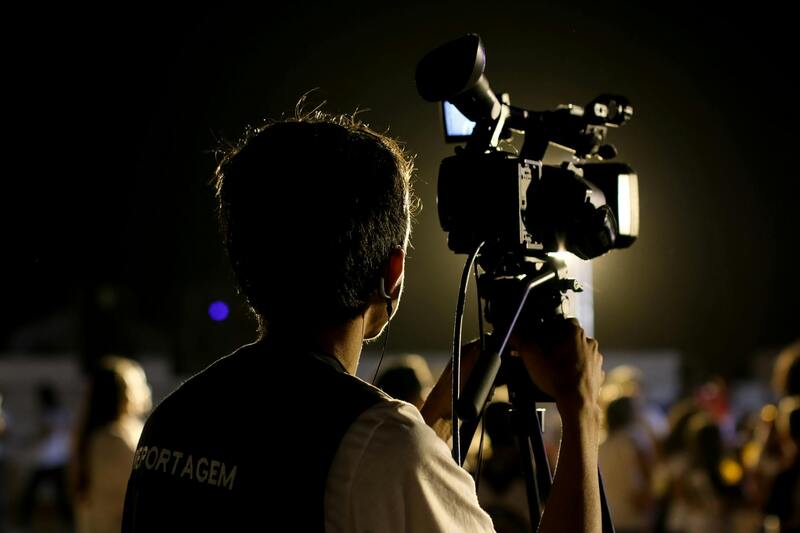
Best Practices for Shooting Real Estate Properties
Effective real estate photography hinges on well-executed techniques that capture a space's depth, clarity, and ambiance. Preparation begins with decluttering and staging each room to present it in its best light. A clean, organized space allows the camera to focus on architectural features and spatial flow, which are critical for buyers assessing the property's potential.
Lighting plays a pivotal role. Shooting during the day with ample natural light typically yields the best results; however, supplementing with artificial lighting enhances shadows and reduces glare, ensuring rooms appear warm and inviting. Using wide-angle lenses helps in capturing entire rooms within a single shot, emphasizing spaciousness. Multiple exposures and HDR (High Dynamic Range) techniques combine images with different exposure levels, producing balanced photographs that showcase both interior and exterior details effectively.
Angles and composition are critical. Shooting from corners or doorways provides a sense of depth, while ensuring vertical lines remain straight avoids distorted perspectives. Including outdoor views, gardens, or amenities in exterior shots broadens the property's appeal. Post-processing adjustments are necessary to correct color balance, straighten lines, and enhance overall clarity without exaggerating features, thereby preserving the authenticity of the property.
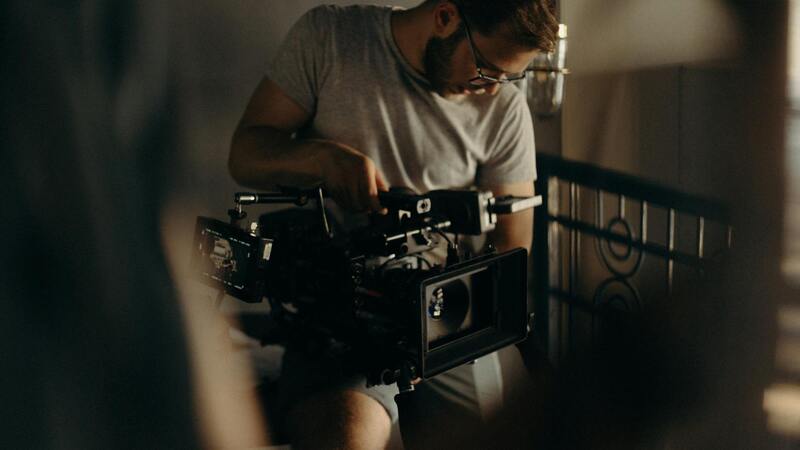
Optimizing Property Listings with Effective Photography
High-quality real estate photography serves as a cornerstone for attracting potential buyers and maximizing visibility in competitive markets like Miami. Effective property listings leverage professional images to highlight a property’s unique features, architectural details, and overall ambiance. By presenting properties with compelling visuals, real estate agents can elevate their marketing efforts and foster quicker transaction processes.
Ensuring consistency in style and quality across all property photographs establishes a recognizable brand identity, which is vital for building trust with clients. This consistency extends to staging, lighting, and post-processing techniques, creating a cohesive visual narrative that resonates with prospective buyers.
For property listings, the strategic use of angles, lighting, and composition emphasizes a property’s best aspects. Wide-angle shots should be utilized to portray spacious rooms accurately, while exterior shots capture curb appeal and surrounding amenities, which are particularly significant in Miami's vibrant neighborhoods. Incorporating lifestyle elements or images of nearby attractions subtly enhances the perceived value of the property, appealing to buyers seeking lifestyles aligned with Miami’s dynamic environment.
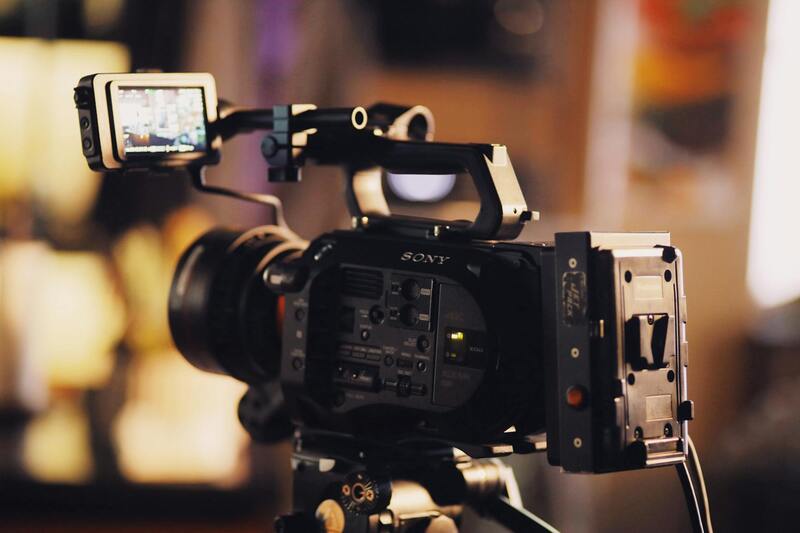
Investing in professional real estate photography also entails understanding the specific preferences of the market segment being targeted. For luxury Miami properties, images should evoke a sense of exclusivity, elegance, and modernity, often requiring specialized equipment like drone cameras or 3D imaging to provide comprehensive and immersive views of larger estates, waterfronts, or penthouse apartments. Conversely, more modest properties benefit from bright, inviting images that emphasize functionality and comfort.
Enhancing Listings with Virtual Tours and Interactive Content
Complementing static images with virtual tours, 3D walkthroughs, and interactive floor plans provides potential buyers with a more comprehensive view of the property. These tools allow users to explore the space remotely, gaining a better understanding of layout and scale, which can significantly increase engagement and lead conversions.
The integration of high-quality photography into digital marketing campaigns—including social media, MLS listings, and property websites—ensures wider reach and more targeted exposure. Effective SEO practices, such as optimized image tags and descriptions, enhance search visibility, making sure listings are seen by the right audience.

Overall, attention to detail in photography and listing presentation plays a critical role in the success of property marketing in Miami’s vibrant landscape, where the visual appeal can significantly impact buying decisions.
Legal and Ethical Considerations
When providing real estate photography services, maintaining a high standard of professionalism and integrity is essential. Clear and transparent agreements are fundamental, ensuring that all parties understand the scope of work, deliverables, and usage rights for images. It's crucial to have written contracts that specify licensing permissions, especially regarding how images can be used across various marketing channels.
Respecting a property’s privacy and security measures is also paramount. Photographers should obtain explicit permission before entering private properties and confirm access times, especially for high-profile or sensitive locations. Adhering to local regulations about drone usage, if drone photography is involved, ensures compliance with aviation authorities and safety standards.
Transparency about editing and post-processing techniques further supports trust and credibility. Clearly communicating the extent of image enhancements—such as sky replacements or perspective corrections—helps manage client expectations and maintains artistic integrity. Ethical standards also include avoiding misrepresentation of a property’s features, ensuring that images accurately reflect the space without deceptive alterations.
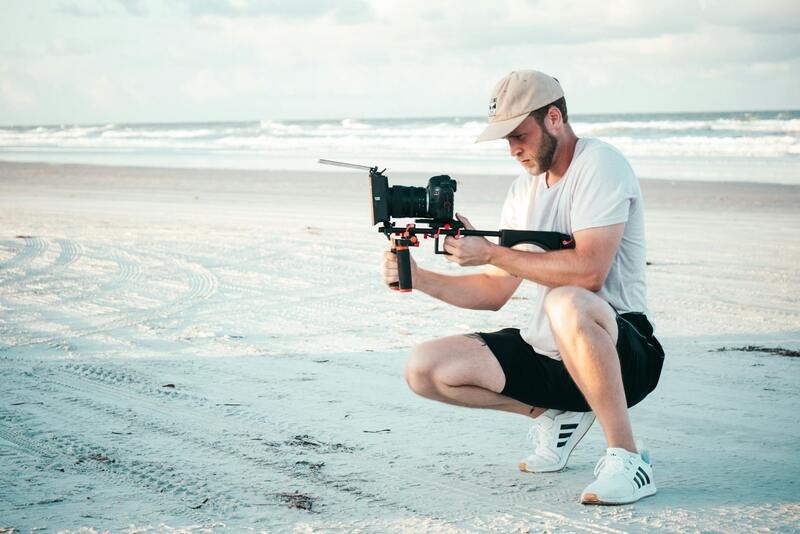
In addition, respecting intellectual property rights is essential. Photographers should ensure that they retain proper rights to their images but understand the limitations on usage to avoid conflicts. This includes being aware of proprietary branding or copyright notices on certain elements within the property or in the property’s marketing material.
By adhering consistently to these standards, real estate agent photographers build reputation and trust, forming the foundation for sustained collaborations with real estate professionals in Miami’s competitive market. Upholding ethical practices not only enhances professional credibility but also contributes to the overall integrity of the real estate marketing industry.
Building Long-Term Relationships with Real Estate Agents
Developing lasting partnerships with real estate agents is essential for establishing a stable client base and ensuring consistent workflow. A professional real estate agent photographer should focus on fostering trust, demonstrating reliability, and consistently delivering high-quality images that meet the agents' marketing needs. Regular communication and understanding the specific preferences of each agent or agency help tailor services to better align with their branding and sales strategies.
To cultivate these relationships, photographers should prioritize punctuality, responsiveness, and a thorough understanding of the property details before shooting. Providing insightful guidance on how best to showcase unique features of a property or advising on optimal times for natural lighting can enhance the overall quality of imagery. Moreover, offering flexible scheduling options and quick turnaround times can significantly differentiate a photographer from competitors.
Building a reputation for professionalism also involves transparent pricing structures and clear service deliverables. When clients have confidence that their expectations will be met or exceeded, they are more likely to retain the photographer for future listings and recommend their services to others in the industry.
Networking within the local Miami real estate scene is another effective way to develop enduring relationships. Attending open houses, industry events, and community gatherings helps photographers stay visible and build rapport with agents. Sharing insights, offering advice on photography trends, and staying updated on market shifts position the photographer as a valuable resource rather than just a service provider.
Furthermore, maintaining visibility through a well-curated portfolio, professional website, and active social media presence can attract ongoing opportunities. As the Miami real estate market evolves, those who adapt to changing trends and consistently showcase their expertise will strengthen their standing among agents and clients alike. This approach ensures that the photographer remains an integral part of a real estate professional’s marketing toolkit, fostering mutual growth and success.
Legal and Ethical Considerations in Real Estate Photography
Operating as a professional real estate agent photographer entails adhering to established standards that ensure transparency, safety, and respect for all parties involved. It's essential to familiarize oneself with the appropriate procedures for capturing and sharing property images, which align with industry expectations and regional guidelines.
One of the core aspects involves securing the necessary permissions before conducting a shoot. This includes obtaining consent from property owners or authorized representatives, especially when shooting interiors and private areas. Proper documentation of permissions helps prevent misunderstandings and protects the photographer from potential disputes.
Respecting the privacy of current occupants and neighbors is equally important. Photographers should avoid capturing images that reveal confidential information or personal details not intended for public viewing. This includes being cautious with drone photography, ensuring it complies with local regulations regarding airspace and privacy rights.
Another critical element pertains to the honest representation of the property. Photographers should avoid overly manipulating images or using misleading techniques that could create false impressions about the property's features or condition. Transparency in editing and accurate depiction are vital for maintaining trust with clients and the broader real estate industry.
Adherence to intellectual property rights, such as not reproducing images or content from others without permission, is also a fundamental ethical practice. Photographers should produce original content or secure appropriate licenses for any third-party material used in their marketing efforts.
Furthermore, clear communication about licensing, usage rights, and licensing duration helps set realistic expectations with clients. Consent and transparency foster a professional environment and reinforce collaborative trust.
Staying updated with regional and national guidelines related to digital media and photography practices ensures that practices remain current and compliant. Professional associations and industry groups often provide resources, training, and updates that help photographers navigate the legal landscape effectively.
In summary, integrating legal and ethical considerations into all aspects of real estate photography not only safeguards the photographer’s reputation but also enhances the quality and credibility of the services offered. This commitment to integrity underpins successful, long-lasting relationships with clients and real estate professionals in Miami's vibrant market.