Importance of High-Quality Property Photography
In the competitive Miami real estate market, the significance of professional property photography cannot be overstated. High-quality images serve as the first impression potential buyers and tenants get when browsing listings online. Well-composed, clear, and visually appealing photographs can dramatically increase a property’s visibility and attractiveness, leading to higher engagement rates. Consequently, listings with exceptional photos tend to generate more inquiries, scheduled viewings, and faster transactions.
Research indicates that properties with professional images are more likely to sell at or above the asking price and spend less time on the market. This is particularly relevant in Miami, where diverse property types—from luxury condos to expansive single-family homes—benefit from visual storytelling that highlights their unique features. Effective property photos not only showcase a property’s best attributes but also establish a level of trust and credibility that appeals to serious buyers and investors.
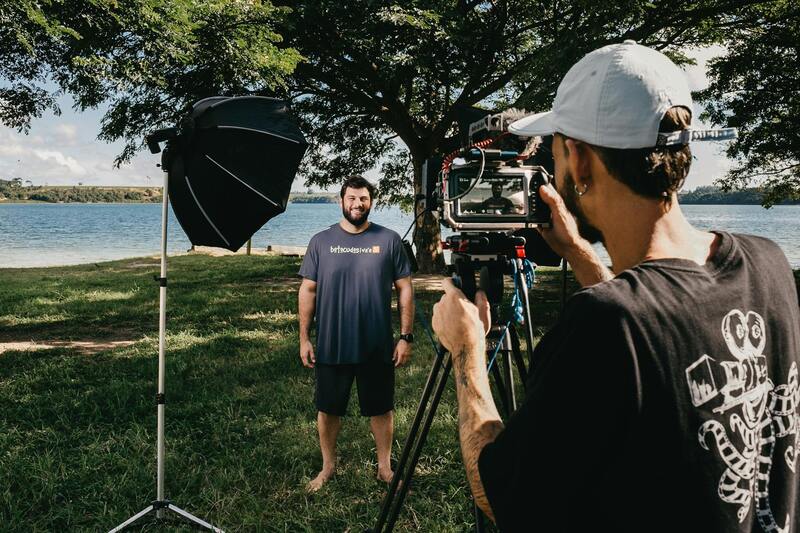
The impact of professional property photography extends beyond just attracting interest. It enables real estate professionals to create compelling online listings that stand out amid a sea of competing properties. In an era where the majority of property searches begin online, capturing attention quickly is crucial. Effective images can evoke emotions, highlight renovations or upgrades, and offer a virtual tour experience that encourages prospective buyers to take the next step.
Moreover, compelling property photos can reduce the number of walk-in visits required, streamlining the sales process. Buyers can get a comprehensive understanding of a property’s layout, scale, and ambiance without physically visiting immediately. This efficiency benefits both sellers, who can target serious inquiries, and buyers, who can pre-qualify properties of interest more effectively.
Given these factors, investing in high-quality property photography is a strategic choice for Miami's real estate stakeholders. It enhances listing visibility, builds trust, and ultimately accelerates the sales cycle—making it an essential component of successful property marketing in Miami’s dynamic environment.
Image Placeholder: 
Equipment and Technology for Property Photography
Utilizing the right equipment is fundamental to capturing high-caliber property images that accurately represent a space and appeal to potential buyers. The foundation of professional property photography rests on the use of advanced cameras, lenses, and accessories that facilitate high-resolution, dynamic shots.
Modern digital cameras with full-frame sensors are preferred within the industry for their superior image quality and ability to handle low-light conditions. These cameras should be paired with wide-angle lenses, typically ranging from 14mm to 24mm, to capture expansive interior spaces and give viewers a comprehensive perspective. Using tilt-shift lenses can also help correct perspective distortions, especially in architectural shots, ensuring straight lines and accurate proportions.
In addition to cameras and lenses, photographic accessories such as tripods, remote shutters, and high-quality lighting gear are essential. Tripods provide stability, especially during longer exposures or HDR (High Dynamic Range) photography, which is crucial for balancing the interior lighting with natural daylight. Portable LED lights or flash units can fill shadows and highlight key features without overpowering the scene.
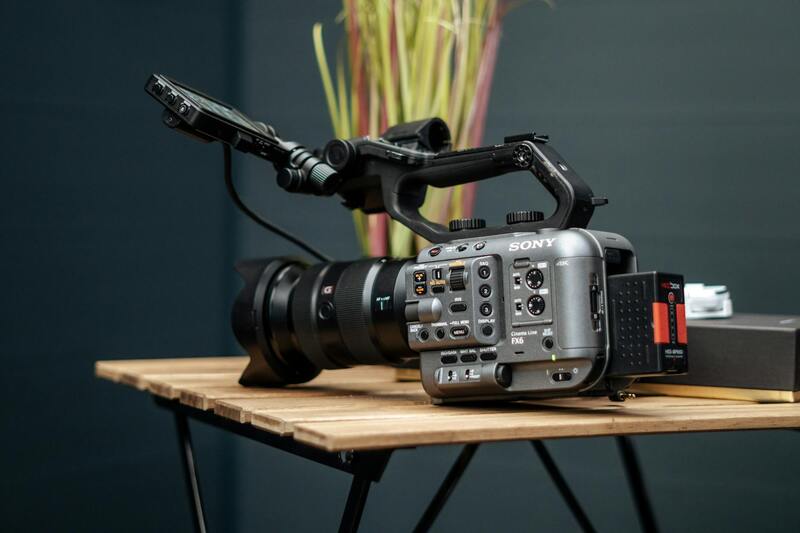
Emerging technology further enhances property photography capabilities. Drone cameras, for example, offer aerial views that showcase a property’s exterior, landscape, and surrounding amenities from a unique vantage point. Similarly, 360-degree cameras enable virtual walkthroughs, providing an immersive experience that can increase engagement and interest.
Post-processing software such as Adobe Lightroom or Photoshop is also indispensable. They allow photographers to adjust exposure, correct colors, straighten images, and remove minor imperfections, ensuring that every photo is polished and visually appealing. The combination of cutting-edge equipment and refined editing tools enables real estate professionals to deliver images that not only attract attention but also accurately reflect the property’s true beauty.
Enhancing the Visual Appeal Through Composition and Lighting
Effective property photography relies heavily on proper composition and lighting techniques, which directly influence a potential buyer’s perception of a property’s value and appeal. Composition involves strategically framing shots to highlight a property’s best features while maintaining a balanced, inviting aesthetic. Techniques such as the use of leading lines, the rule of thirds, and symmetry help draw the viewer’s eye toward focal points within each image, creating a sense of harmony and professionalism.
Lighting plays an equally vital role, as it determines the clarity, mood, and overall attractiveness of each photograph. Natural light remains a preferred choice for showcasing interiors, as it imparts a warm, welcoming atmosphere and highlights true colors. Shooting during the golden hour—shortly after sunrise or before sunset—can produce soft, diffused light that adds a subtle glow to the property’s features.
For interior shots, supplementary lighting equipment such as portable LED lights or softboxes can eliminate shadows and evenly illuminate spaces. These tools enable photographers to maintain consistent exposure across multiple images, especially in areas where sunlight doesn’t directly reach or during overcast days. When capturing exteriors, diffusers and reflectors help control harsh sunlight, preventing overexposed highlights and underexposed shadows, which can obscure details and diminish visual appeal.

Strategies for Maximizing Space and Highlighting Features
- Use Wide-Angle Lenses: These lenses allow for capturing more of a room or exterior in a single shot, making spaces appear larger and more inviting.
- Declutter and Stage: Removing unnecessary items and arranging furniture to showcase the space’s potential create a clean, appealing visual narrative.
- Emphasize Architectural Details: Focus on unique features like crown molding, fireplace mantels, or custom fixtures to add character and interest.
- Showcase Outdoor Space: Incorporate well-composed exterior shots, including landscaping and amenities, to provide a comprehensive perspective of the property’s environment.
- Photograph Multiple Perspectives: Capturing various angles ensures that viewers gain a complete understanding of the layout and flow, reducing ambiguity and increasing engagement.
Technical Tips for Consistent Results
Maintaining consistency across a property listing enhances professionalism and makes the presentation more appealing. Photographers should set a standard white balance and exposure settings for a shoot, ensuring that images match when viewed together. Bracketing exposures and then blending them in post-processing can balance interior and exterior lighting, especially in scenes with high contrast between sunlight and shadows.
Implementing a systematic approach—such as planning the sequence of shots, preparing equipment beforehand, and adjusting settings for different lighting conditions—ensures efficiency and high-quality outcomes. Employing a tripod is crucial for stabilizing the camera during longer exposures, eliminating motion blur and maintaining sharpness, particularly when shooting in low-light conditions or integrating HDR techniques.
Embracing Trends in Property Photography
Staying ahead with innovative techniques can significantly improve the appeal of property images. Utilizing drone photography provides breathtaking aerial views that enhance marketing materials by presenting a property within its suburban or urban context. Virtual staging allows prospective buyers to visualize potential without physical alterations or staging costs. Additionally, 3D virtual tours and walkthroughs have become valuable assets, offering an immersive experience that helps prospective buyers explore the property remotely and thoroughly.
Legal and Ethical Considerations in Property Photography
Maintaining transparency and integrity in property photography is essential for building trust with clients and prospective buyers. Photographers must obtain explicit permission from property owners or representatives before photographing a property, ensuring clear communication about the scope and purpose of the shoot. This practice not only respects the rights of property stakeholders but also fosters professional credibility.
During the shooting process, it is vital to avoid manipulating images in ways that could mislead viewers. This includes refraining from extensive digital alterations that significantly change the property's appearance or conceal flaws. Accurate representation helps manage buyer expectations and encourages informed decision-making.
Additionally, respecting privacy is paramount. Photographers should be cautious about including personal belongings, signage, or other identifiable elements that might infringe on individual privacy rights. When using tools like drones, photographers must operate within designated flight zones and avoid capturing intrusive images of neighboring properties or private spaces.
Implementing responsible practices extends to post-processing as well. Avoiding deceptive editing ensures that potential buyers receive an honest portrayal of the property. This commitment to authenticity not only aligns with professional standards but also enhances the reputation of the photographer's service.
Finally, maintaining accurate records of photo sessions, including permissions and the scope of work, provides documentation that can be valuable for resolving disputes or clarifications later. Professionalism in handling these aspects underscores the importance of integrity in property photography.
Legal and Ethical Considerations in Property Photography
Engaging in property photography involves adhering to essential standards that preserve trust, transparency, and professional integrity. Photographers should prioritize obtaining explicit permissions from property owners or authorized representatives before conducting any photographic sessions. Clear communication about the scope of work, intended use of images, and consent for capturing specific elements within the property helps prevent misunderstandings and promotes a cooperative environment.
When photographing private residences, it's crucial to respect residents' privacy and avoid capturing personal or sensitive areas, especially when using wide-angle or drone equipment. This entails having explicit agreements that outline areas that can be photographed and those that should remain private. Such agreements act as a basis for ethical practice and safeguard all parties involved.
In addition to securing permissions, photographers should be aware of property restrictions, such as areas that are off-limits or require specific access permissions. Respecting these boundaries demonstrates professionalism and ensures compliance with property management policies.
Digital editing should be approached with caution. While enhancing lighting and correcting minor flaws can improve image quality, excessive manipulations that significantly alter the property's true appearance are discouraged. Providing honest visuals helps set accurate expectations among potential buyers or tenants and upholds the credibility of the photography service.
Furthermore, adherence to local regulations regarding drone usage or aerial photography is essential. Operating drones responsibly requires knowing the airspace regulations, avoiding capturing images of neighboring private properties without consent, and respecting safety guidelines. Such practices not only demonstrate professionalism but also protect against potential disputes or misunderstandings.
Proper documentation—including consent forms, scope of work agreements, and records of permissions—provides legal clarity and can be referenced if questions or conflicts arise later. These records reinforce a photographer’s commitment to ethical standards and help maintain a trustworthy reputation within the real estate community.
Legal and Ethical Considerations in Property Photography
Capturing high-quality images of real estate involves more than just technical skill; it requires adherence to established standards that uphold respect for property rights, privacy, and intellectual property. When shooting property images, photographers must ensure they have obtained appropriate authorization to access and photograph the premises. This process often involves securing formal consent from property owners or authorized agents, which not only facilitates smooth operations but also establishes transparency and trust.
Respecting privacy is paramount, particularly when photographing properties that might include shared amenities, private gardens, or interior areas with sensitive occupants. Photographers should identify and restrict access to areas that are not intended for public viewing, avoiding any images that could infringe upon personal privacy or violate property policies. This conscientious approach prevents misunderstandings and fosters respectful relationships with clients.
Intellectual property rights also come into play when using certain tools and content during the photography process. For instance, the use of proprietary lighting setups, branded equipment, or copyrighted materials in repurposed editing templates must be managed responsibly. Photographers should ensure they own or have lawful rights to all elements incorporated into their images to prevent any disputes over intellectual property infringements.
Another critical aspect involves awareness and compliance with regulations concerning aerial photography, such as drone use. Operating drones should be done with a thorough understanding of local airspace rules and restrictions, particularly in urban or densely populated areas. This includes avoiding capturing images over neighboring private properties without explicit permission, which can lead to privacy invasions. Adhering to these guidelines ensures that aerial shots enhance property listings without infringing on others’ rights or creating potential conflicts.
Maintaining detailed records of permissions, scope of work agreements, and correspondence ensures clear communication and legal clarity. Such documentation becomes an essential resource if questions or disagreements arise over the scope of photographic rights or property access. Furthermore, transparency with clients about the methods and sources of property imagery underscores the professionalism of the photographer and solidifies their reputation within the real estate industry.
In summary, ensuring the legality and ethics of property photography involves a comprehensive approach—from obtaining explicit permissions and respecting privacy boundaries to managing intellectual property rights and operating aerial filming responsibly. These practices not only protect the photographer and the clients involved but also elevate the standards of the industry, ensuring that property images are both compelling and ethically captured.
Legal and Ethical Considerations in Property Photography
Ensuring that property photography adheres to recognized standards and respects the rights of all parties involved is essential for maintaining professionalism and trust. When capturing images of residential or commercial properties, photographers must diligently obtain consent from property owners or authorized representatives before conducting any shoot. This formal approval confirms that the property has been cleared for photography, minimizing misunderstandings and ensuring transparency.
Respect for privacy extends beyond merely securing permissions. Photographers should be mindful of capturing sensitive areas or personal belongings within a property that might inadvertently reveal private information. For instance, avoiding shots that include personal identification documents or confidential office setups preserves tenant or owner privacy.
Moreover, ethical practices dictate that the images accurately represent the property. This involves honest portrayal without deceptive enhancements or manipulations that could mislead prospective buyers or renters. Maintaining integrity in imagery not only enhances the trustworthiness of listings but also supports a fair and transparent real estate market.

It is equally important to manage intellectual property rights diligently. Photographers should establish clear agreements regarding image ownership, licensing rights, and usage limitations with clients prior to the shoot. This clarity helps prevent disputes and ensures that all parties understand how the photos can be used, whether for online listings, promotional materials, or other purposes.
Using aerial photography or drone footage introduces specific considerations, such as obtaining appropriate permissions to operate in restricted airspaces or over neighboring properties. Complying with local regulations on drone operations not only avoids legal complications but also respects the rights of individuals and entities in the vicinity.
Documentation is a critical component of ethical property photography. Keeping detailed records of permissions, scope of work, and correspondence ensures accountability and provides a reference point should any questions about the use or access to property images arise.
At its core, adhering to legal and ethical standards in property photography reinforces a reputation for professionalism. It demonstrates that a photographer values integrity, respects clients and property owners, and is committed to producing high-quality, truthful visual representations that benefit all stakeholders involved in real estate transactions.
Working with Real Estate Agents and Property Owners
Establishing a collaborative relationship with real estate agents and property owners is essential for successful property photography. Clear communication and mutual understanding ensure that photographers can capture the property's best features while respecting the intended use of the images. Engaging with clients early in the process allows photographers to understand specific requirements, branding considerations, and any restrictions that need to be observed during the shoot.
Building trust is critical, especially when working on commercial properties or high-value residences. Photographers should provide detailed proposals outlining the scope of work, expected deliverables, and timelines. This transparency helps align expectations and prevents misunderstandings later. Regular updates and open lines of communication throughout the shooting process facilitate swift adjustments when needed and demonstrate professionalism.
Understanding Client Goals and Property Features
Effective property photography hinges on a comprehensive understanding of what the client hopes to achieve. Whether the goal is to highlight luxury features of a high-end home or to present commercial spaces as functional and appealing, aligning the photographic approach with these objectives is vital. Asking targeted questions about key features, preferred angles, lighting preferences, and desired mood ensures that the final images resonate with the intended audience.
Additionally, photographers should be attentive to specific constraints or elements that must be emphasized in the photographs. For example, showcasing spacious interiors, scenic outdoor views, or unique architectural details can significantly influence the property's marketability. Understanding the client’s branding and marketing strategy further guides the choice of style, compositional focus, and shot selection.
Ensuring Confidentiality and Respect for Privacy
Respect for privacy and confidentiality is a cornerstone of professional property photography. Photographers must handle the property and client information with discretion, avoiding the disclosure of sensitive details that could compromise privacy or security. This includes securing permission before capturing areas with personal belongings or sensitive information or refraining from photographing private spaces not intended for public viewing.
In cases where drone or aerial photography is involved, additional precautions are necessary. Obtaining appropriate permissions and respecting the privacy rights of neighboring properties is vital to maintaining ethical standards. Properly managing access to the property and ensuring that all personnel involved are aware of confidentiality expectations contribute to a smooth and trustworthy working relationship.
Leveraging Feedback for Continuous Improvement
After completing a property shoot, engaging with clients for feedback helps identify areas for improvement. Constructive critiques on image quality, composition, and adherence to client expectations enable photographers to refine their techniques and better serve future clients. Employing a continuous improvement mindset is fundamental to maintaining high standards and adapting to evolving market preferences.
To facilitate this, photographers might implement post-shoot surveys, personal follow-up discussions, or portfolio reviews. Recording lessons learned from each project creates a valuable reference for enhancing workflows, equipment choices, and artistic direction. Ultimately, fostering a feedback loop ensures that property photography services remain aligned with industry standards and client needs, reinforcing a reputation for professionalism and reliability in Miami's real estate market.