Importance of Professional Realtor Photos
In the highly competitive real estate market, the quality of property imagery plays a crucial role in capturing prospective buyers' attention. When listings feature high-resolution, professional realtor photos, they tend to attract more views on multiple online platforms, including listing websites and social media channels. These images serve as the first impression, often influencing whether a potential buyer decides to explore a property further. Well-crafted photos highlight a property's strengths, minimize imperfections, and create a compelling visual narrative that encourages engagement.
Professional realtor photos have been proven to generate increased interest, leading to higher click-through rates on online listings. This heightened interest can translate into more scheduled viewings and faster transactions. Elevated image quality cuts through the noise of numerous competing listings, setting a property apart in a crowded marketplace. Ultimately, properties showcased with top-tier imagery tend to sell more quickly and often at a better price point, as the visual appeal aligns with buyers’ expectations of quality and value.
Investing in expert photography also bolsters a realtor's reputation for professionalism and attention to detail. It demonstrates a commitment to excellence that can foster trust with clients. Furthermore, compelling images are versatile, enhancing marketing efforts across websites, email campaigns, and virtual tours, ensuring consistent presentation across all digital touchpoints.
Key Elements of Effective Realtor Photos
Achieving impactful real estate imagery involves understanding and implementing several essential components. These include proper lighting, composition, staging, and choosing the best angles to showcase each space’s potential. Well-balanced lighting ensures all areas are clear and inviting, avoiding overly dark or washed-out images. Composition techniques focus on framing the property to highlight its most appealing features while maintaining clarity and balance.
Staging plays a vital role in how the space is perceived; decluttered, clean, and thoughtfully arranged rooms appear more spacious and inviting. Capturing multiple perspectives, including exterior shots, interior views, and unique selling points, provides a comprehensive visual story that appeals to diverse buyer preferences.
Optimal use of wide-angle lenses can make spaces appear larger without distorting proportions. Consistent color temperature and sharp focus across all images help maintain professionalism and visual coherence. These elements combined create a compelling visual presentation that draws viewers in and encourages them to learn more.
Choosing the Right Photographer and Equipment
Selecting an experienced real estate photographer is vital to securing high-quality images that meet market standards. Professionals specializing in realtor photos possess the technical expertise and artistic sensibility required to produce compelling visuals. They understand how to optimize natural and artificial light, manage perspectives, and use advanced photography techniques to highlight a property's unique qualities.
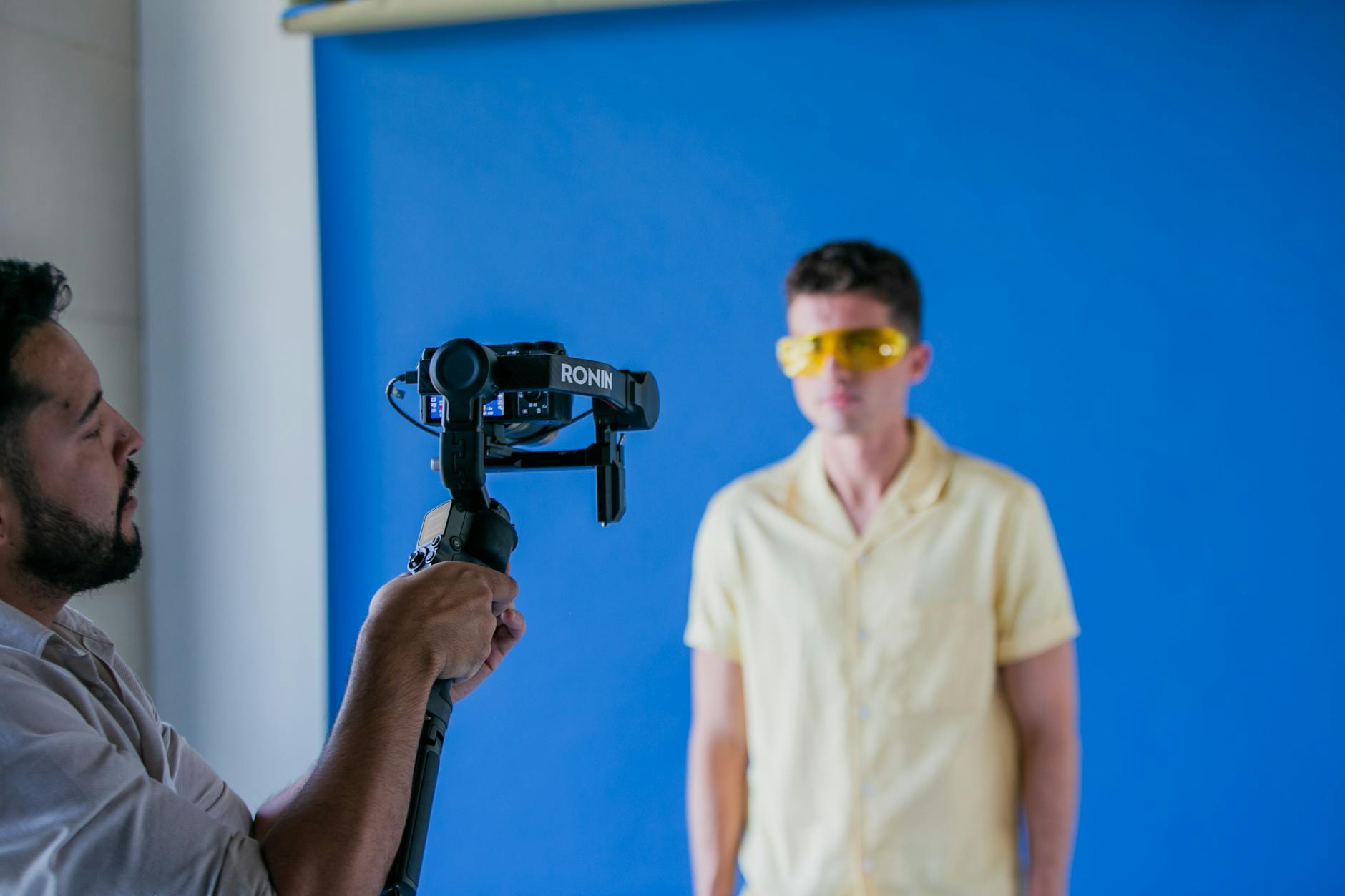
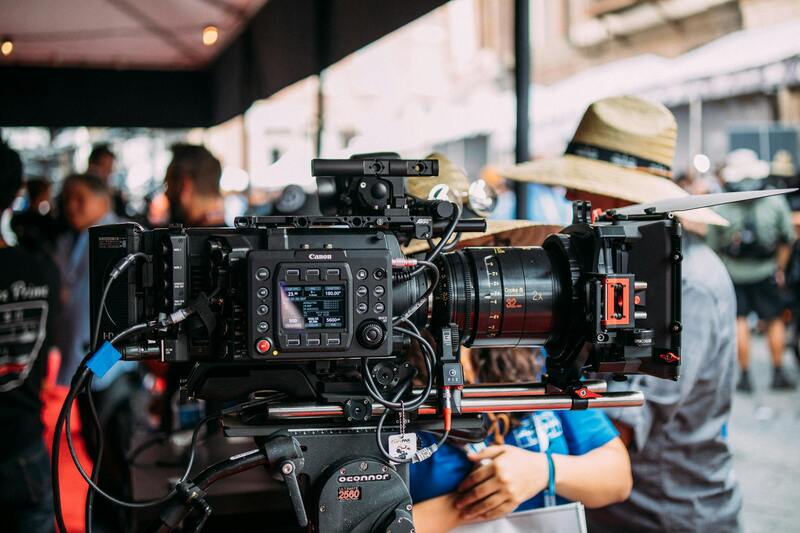
Equipping the photographer with the latest camera technology, including high-resolution sensors and specialized lenses, ensures images are crisp, detailed, and suitable for various marketing formats. Tripods, wide-angle lenses, and drone technology are common tools that expand creative possibilities and improve the overall quality of the photos.
Establishing a clear understanding of the property's features, target audience, and marketing goals is essential in guiding the photographer’s approach. Collaboration during the planning phase results in images that align with the listing strategy and resonate with potential buyers.
Key Elements of Effective Realtor Photos
When it comes to capturing compelling realtor photos, certain elements are fundamental in ensuring the images resonate with prospective buyers and accurately represent the property. These elements focus on showcasing each space's best features while maintaining clarity, balance, and visual appeal. High-quality realtor photos often include precise lighting, strategic composition, and well-chosen angles to make the property alluring and inviting.
Lighting
Lighting plays a pivotal role in real estate photography. Natural light, if available, should be maximized to make interiors feel warm and welcoming. Photographers often shoot during the day to leverage sunlight, ensuring spaces are illuminated evenly without harsh shadows. In areas where natural light is insufficient, professional lighting equipment can be used to fill shadows and enhance details without creating an unnatural look. Proper lighting emphasizes architectural details, textures, and spatial dimensions, contributing significantly to a property's perceived value.
Composition and Framing
Effective composition directs the viewer’s eye through the space, highlighting its most attractive features. Photographers use principles such as the rule of thirds, leading lines, and balanced framing to create visually engaging images. Proper composition ensures that rooms appear inviting, spacious, and well-organized. For exteriors, framing the house within its landscape pays attention to curb appeal and sets the tone for the property.
Angles and Perspectives
Choosing the right angles can dramatically influence the perception of space. Wide-angle lenses are typically employed to capture entire rooms in one shot, making even small spaces seem more expansive. Shooting from a corner or at eye level provides a natural perspective, avoiding distortions that can obscure the true scale of the property. Exterior shots benefit by capturing the property's overall curb appeal from slightly elevated vantage points to showcase the facade and surrounding landscape effectively.
Image Consistency and Cohesion
A consistent style across all photographs helps establish a professional and trustworthy listing. Uniform color tones, lighting style, and perspectives ensure the images feel cohesive, which enhances the overall presentation. This consistency not only appeals aesthetically but also conveys a sense of quality and attention to detail that buyers appreciate.
Utilization of Space
Highlighting flow and connectivity between rooms encourages viewers to imagine the liveability of the property. Photographers often stage the space, declutter, and arrange furniture to showcase functionality and style. The goal is to create inviting visuals that emphasize spaciousness without exaggerating or misrepresenting the property's true dimensions.
Visual Storytelling
Effective realtor photos do more than just showcase individual rooms; they tell the story of what it would be like to live in the home. Capturing lifestyle elements, such as outdoor entertainment areas or cozy interiors, appeals to the emotional connection buyers seek. Good visuals tease the potential life within these spaces, motivating viewers to take the next step in the purchasing process.
Legal and Ethical Considerations in Realtor Photography
Maintaining high standards in real estate photography involves adhering to established ethical practices to ensure trust and transparency between agents, photographers, and clients. It's crucial to accurately represent the property without misleading potential buyers. This includes capturing images that reflect the true condition and appearance of the home without extensive digital alterations that could distort reality.
Proper disclosure about promotional enhancements or staging techniques is also essential. If digital touch-ups are applied, they should be subtle and not alter the property's actual features significantly. Transparency about the methods used assures clients that the images are an honest representation, building confidence throughout the sales process.
Additionally, respecting the privacy of current occupants is vital. Photographers should obtain consent before entering private spaces and avoid including unpermitted personal items or confidential details that might inadvertently appear in photos. Sensitive handling of such elements fosters ethical standards and preserves privacy rights.
Under industry best practices, real estate professionals are encouraged to document the property objectively, presenting its strengths while accurately depicting areas that may need improvement. This balanced approach supports fair marketing practices and helps manage buyer expectations from the outset.
Using licensed or authorized imagery also safeguards against potential disputes. Unauthorized use of copyrighted images or misrepresentative visuals could create complications, so it’s important for all parties involved to operate within legal frameworks and uphold ethical guidelines. Such measures protect the reputation of real estate professionals and ensure the integrity of marketing campaigns.

Overall, the practice of professional realtor photography is built upon principles of honesty, transparency, and respect for client rights. When these ethical standards are carefully maintained, it enhances the reputation of the real estate listing, attracts serious buyers, and contributes to a smooth, reputable sales process. Ensuring that images truthfully represent the property is not just a best practice; it is a cornerstone of professional real estate marketing.
Choosing the Right Photographer and Equipment
Securing high-quality realtor photos begins with selecting a professional photographer equipped with the appropriate tools and experience. An adept real estate photographer understands the nuances of staging, lighting, and composition, which are critical for capturing visually compelling images that accurately showcase a property’s unique features. When evaluating potential photographers, consider their portfolio—side-by-side comparisons reveal their consistency and style. Look for images that demonstrate clarity, balanced lighting, and a strategic perspective that highlights a home’s spaciousness and attractive elements.
Investing in professional-grade equipment is essential for creating images that stand out in competitive markets. DSLR or mirrorless cameras with full-frame sensors, wide-angle lenses, and high dynamic range (HDR) capabilities enable photographers to capture rooms with precise detail and vibrant colors. Proper lighting gear, including diffusers and external flashes, helps eliminate shadows and ensures every corner of the property is illuminated evenly. Additionally, stabilizers and drones can add dynamic perspectives, such as bird’s-eye views, that provide potential buyers with a comprehensive understanding of the property’s layout and surroundings.
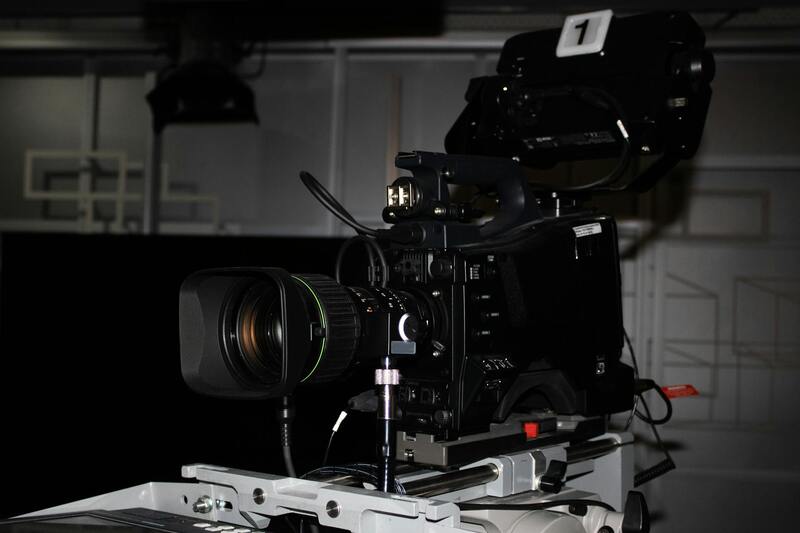
The technological advancements in photography tools and techniques directly translate into more engaging property listings. Professional photographers often employ advanced post-processing tools to fine-tune images after shooting, balancing color, correcting distortions, and removing minor imperfections. This meticulous approach ensures that visuals accurately reflect the property's true appearance, avoiding overly manipulated images that can lead to misrepresentation. With the right equipment and skill, a professional realtor photographer transforms ordinary spaces into compelling visual stories that resonate with prospective buyers.
Choosing a photographer with industry experience and a comprehensive understanding of real estate marketing nuances is key. They should also be familiar with the local market trends and the specific aesthetics that appeal to targeted buyers. Such expertise ensures that your property photography not only looks professional but also aligns with strategic marketing goals, ultimately increasing engagement and accelerating the sales process.
Legal and Ethical Considerations in Realtor Photography
Utilizing professional realtor photos involves adhering to established guidelines that ensure transparency and respect for property owners and buyers alike. Clear agreements between real estate agents and photographers should outline rights to images, usage rights, and privacy boundaries. This mutual understanding prevents misunderstandings and fosters trust in marketing efforts.
Property owners must be informed and give consent for their premises to be photographed, especially when images include personal or sensitive areas. Photographers should respect the privacy rights of current residents and avoid capturing intrusive or inappropriate images that could compromise confidentiality or personal safety.
It's crucial for real estate professionals to avoid deceptive practices such as staging, digital enhancements that misrepresent the property's actual condition, or selective angling that glosses over flaws. Transparency in presenting the property, including its limitations or imperfections, maintains integrity and builds credibility among prospective buyers. Ethical marketing strengthens reputation and encourages long-term relationships within the industry.
Furthermore, compliance with intellectual property rights is essential. Photographers own the rights to their images unless explicitly transferred through agreements. Real estate firms should secure appropriate licensing to use and reproduce photos across various marketing channels. Proper attribution and adherence to licensing terms safeguard against legal disputes and uphold professional standards.
In an increasingly digital marketplace, maintaining ethical considerations extends to the accurate representation of property features and conditions. This includes honest descriptions complemented by high-quality images, fostering transparency and protecting the interests of both buyers and sellers. Ultimately, embracing integrity in real estate photography contributes to a trustworthy transaction environment, encouraging confidence and satisfaction amongst all parties involved.
Legal and Ethical Considerations
Professional realtor photos must adhere to strict standards that promote honesty and transparency in real estate marketing. Ensuring that images accurately reflect the property's current state is essential for building trust with potential buyers. Misleading representations, whether through misaligned angles, digital alterations, or omitting key features, can undermine a seller’s credibility and damage client relationships. It’s vital to avoid any practices that could be perceived as deceptive, such as digitally enhancing images to hide flaws or exaggerate space.
Authenticity in real estate photography hinges on a commitment to providing truthful visual information. This means capturing images that showcase the property's actual layout, condition, and features without exaggeration. When additional enhancements are necessary, such as color correction or lighting adjustments, they should be applied subtly to preserve the genuine appearance of the property. Transparent communication about what has been edited or enhanced reassures clients and helps maintain professional integrity.
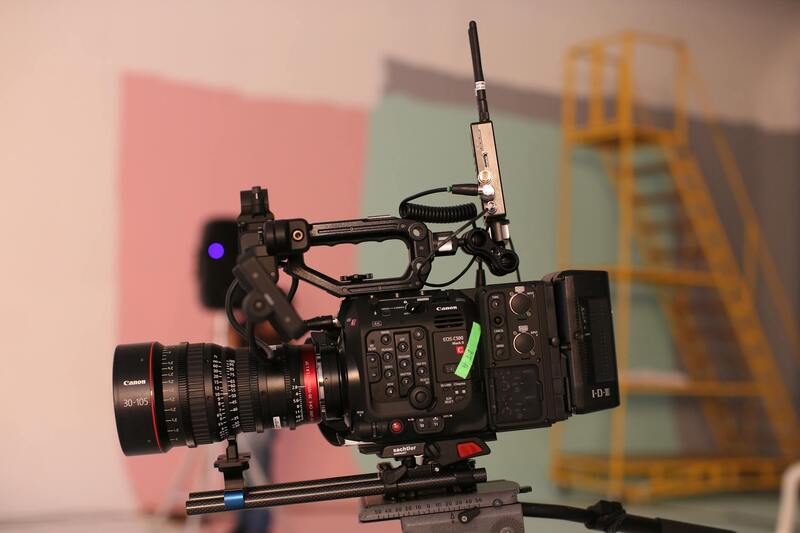
Another crucial aspect of responsible real estate photography involves respecting intellectual property rights. Photographers hold rights to their images unless explicitly transferred through signed agreements. Real estate firms should obtain proper licenses for the use of images across different marketing platforms, including online listings, printed brochures, and social media. Proper attribution respects the creators’ rights, upholding ethical standards and avoiding potential legal issues.
Furthermore, images should always be used in a manner that aligns with the specifics of the property, including its amenities, layout, and condition. This ensures that prospective buyers are not misled and can make informed decisions based on accurate visual representations. By committing to ethical practices, real estate professionals reinforce their reputation, foster transparency, and contribute to a positive market environment.
Optimizing Photography Outcomes Through Proper Equipment and Settings
Utilizing the right tools is fundamental to capturing high-quality realtor photos that attract prospective buyers. A professional photographer employs advanced cameras with high-resolution sensors, enabling the creation of sharp, detailed images that highlight every feature of a property. Wide-angle lenses are particularly effective in real estate photography, as they allow for the inclusion of more space within a single frame, giving viewers a genuine sense of room size and layout.
Beyond the camera itself, appropriate lighting equipment plays a vital role. Natural light is ideal, so photographers often plan shoots during times of day when sunlight enhances the property's features without causing harsh shadows or glare. Supplementary lighting tools, such as softboxes or strobes, help illuminate darker areas and balance exposure, ensuring that all aspects of the property are showcased effectively.
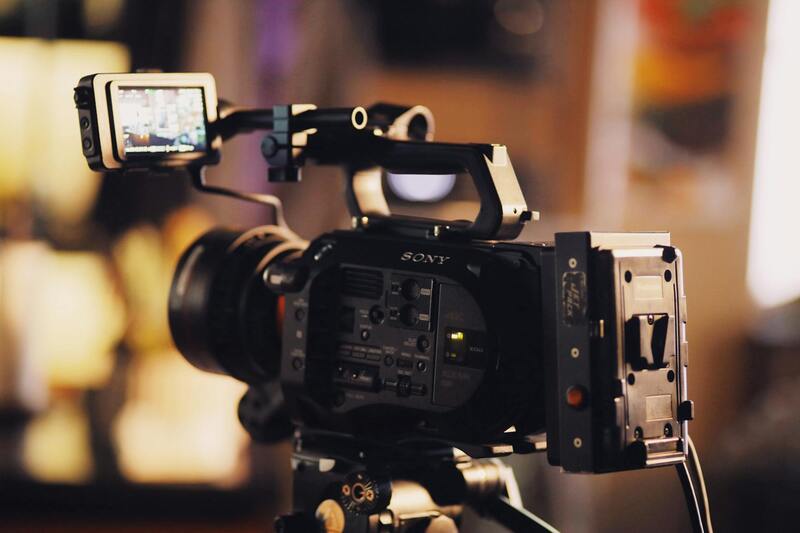
Implementing Systematic Shooting Techniques for Consistent Results
A structured approach to photography, including systematic scanning of each room and establishing optimal angles, guarantees consistency across all images. Photographers follow a detailed checklist, capturing multiple perspectives to provide a comprehensive view of the property. Utilizing proper camera settings—such as aperture, ISO, and shutter speed—is essential for maintaining ideal exposure and depth of field.
Another technique involves the use of tripod mounts to stabilize the camera, reducing blur and allowing for longer exposure times when necessary. This is particularly useful in low-light conditions or indoor spaces with limited natural light sources. Capturing multiple images at different exposures, a process known as bracketing, can be merged during post-production to create high dynamic range (HDR) photos that accurately portray both bright and shadowed areas.
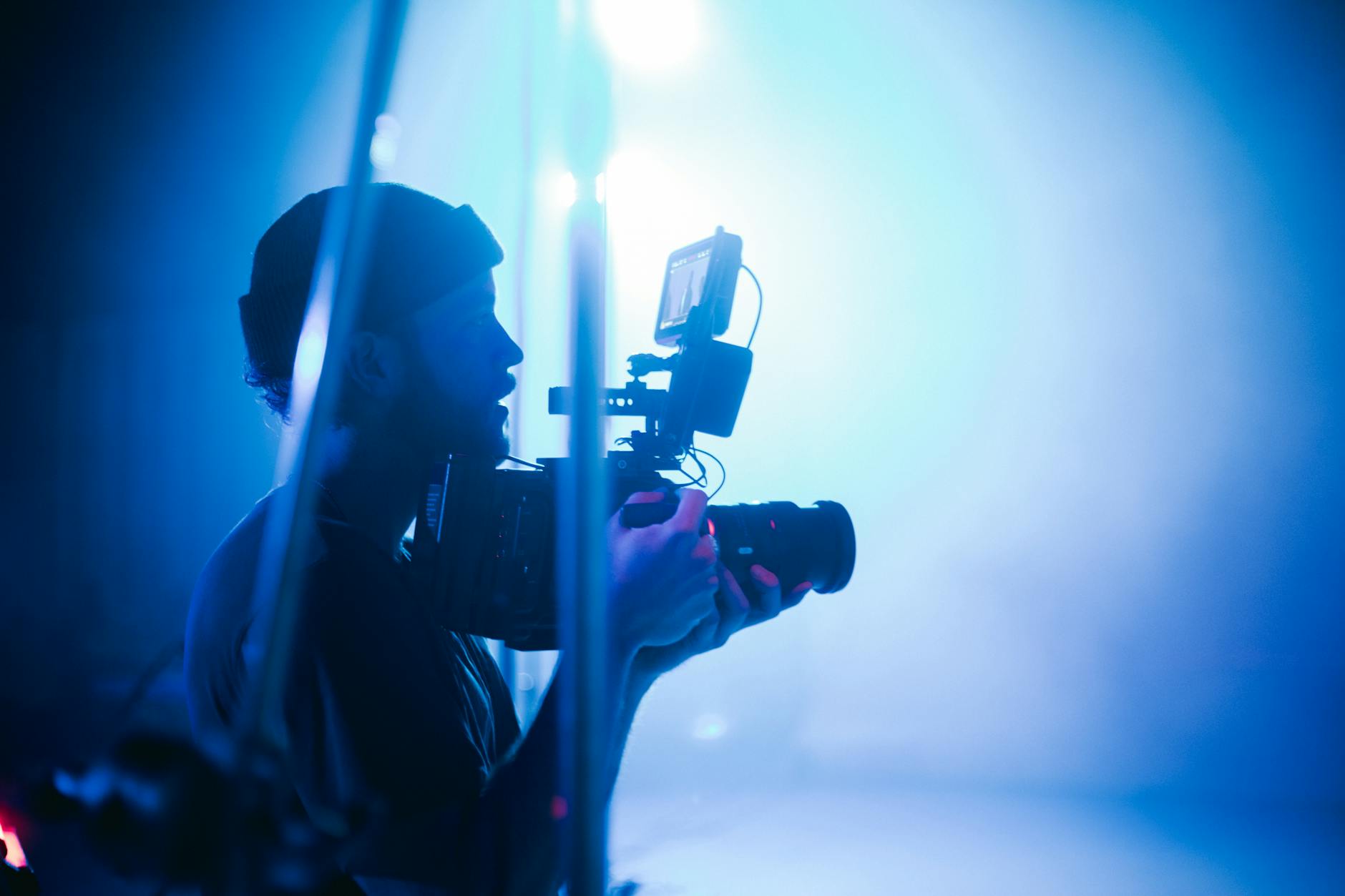
Maintaining Consistency and Accuracy in Property Representation
Consistency in photographic style and presentation across listings not only strengthens brand identity but also fosters trust among clients. Real estate professionals should establish standardized protocols for image composition, lighting, and post-production edits. When potential buyers browse multiple listings, uniformity in quality and perspective helps them compare properties more effectively.
Accuracy is equally critical. Photographers must avoid distortions or unintentional exaggerations caused by lens selection or editing choices. Straightening lines, correcting color balance, and ensuring that images reflect the actual condition and layout of the property fortify a truthful marketing approach.
Strategies for Collaborating with Skilled Photographers and Facilitating Effective Shoots
Partnering with experienced real estate photographers is essential to achieving professional results. A skilled photographer understands the nuances of property presentation, including how to highlight unique features and optimize lighting conditions. Clear communication with clients about the property's key selling points ensures that the photographer captures images that align with marketing goals.
Pre-shoot planning is equally important. This includes preparing the property by decluttering, staging, and ensuring all areas are accessible. Providing the photographer with a detailed property list informs the setup process and allows for targeted shots of specific features. During the shoot, maintaining a collaborative environment helps address emergent issues, such as adjusting angles or lighting to improve image quality.
Post-shoot, reviewing images promptly enables timely edits and selection. Selecting the best shots that accurately depict the property's strengths and layout ensures a compelling online presentation, ultimately drawing more interest and facilitating quicker sales.
Legal and Ethical Considerations
Maintaining transparency and integrity in real estate photography is crucial for fostering trust and credibility with potential buyers. When showcasing properties through professional realtor photos, it is essential that all images accurately represent the property's current state without misleading embellishments. This honesty ensures that prospective buyers can make informed decisions based on factual visual information, reducing the likelihood of misinterpretations or disputes later in the sales process.
Adhering to high standards of honesty in real estate photography involves meticulous attention to detail during the shooting, editing, and publishing stages. Photographers and realtors should avoid manipulating images in ways that alter the property's appearance significantly, such as artificially enlarging rooms or concealing defects. Instead, the focus should be on capturing the true character and layout of the property, using appropriate lighting, angles, and post-production adjustments to enhance clarity and appeal without distortion.
Furthermore, legal considerations also encompass respecting privacy rights and obtaining necessary permissions before photographing certain areas, especially shared spaces or properties with restrictions. It's important to clarify with property owners or tenants about which areas can be photographed and how the images will be used. This transparency not only aligns with ethical standards but also helps prevent potential disputes or misunderstandings related to image usage.
In addition, realtors should stay informed about the guidelines and best practices set by professional photography associations or local industry standards. These often include recommendations for honest representation, such as avoiding deceptive angle usage or excessive retouching that could mislead buyers. Implementing these practices signals a commitment to integrity, which enhances the professional reputation of the realtor and promotes a fair marketplace.
Finally, comprehensive documentation and clear contracts with photographers outlining the scope of work, usage rights, and confidentiality measures reinforce ethical standards. By establishing mutually agreed-upon terms, realtors can ensure that the images produced will serve their marketing goals transparently and responsibly, reinforcing their commitment to honest and ethical real estate practices.