Importance of Professional Real Estate Photography
In the highly competitive Miami real estate market, the significance of professional real estate photography cannot be overstated. High-quality images serve as the first impression for potential buyers browsing online listings, often making the difference between a quick sale and a property remaining on the market for an extended period. In an area characterized by vibrant neighborhoods, luxury waterfronts, and diverse architectural styles, compelling visual content is essential to showcase each property's unique features effectively.
Professional real estate photography elevates digital listings by accurately capturing the property's true essence, from spacious interiors to stunning outdoor views. Such images not only attract more attention but also foster trust among prospective buyers, who often judge the credibility and value of a listing based on its visual presentation. Moreover, well-executed photos can emphasize the property’s best attributes, making spaces appear larger, brighter, and more inviting.
In the global Miami real estate landscape, where international buyers comprise a significant segment, high-quality images serve as a universal language that transcends cultural and language barriers. They facilitate an emotional connection with viewers, encouraging them to schedule viewings and engage further with the property.
The impact of professional photography extends beyond online platforms. It influences the quality of print marketing materials, social media campaigns, and virtual tours, creating a cohesive and compelling narrative that resonates with prospective buyers. As buyers increasingly rely on digital content to inform their decisions, investing in professional real estate photography becomes a strategic necessity for property sellers aiming to maximize their market reach and achieve optimal sale prices.
By partnering with experienced photographers who understand the nuances of real estate visuals, sellers in Miami can ensure their properties are showcased in the best light, both literally and figuratively. Whether dealing with luxurious penthouses, family homes, or commercial properties, the visual presentation crafted through professional photography directly impacts the property's marketability and perceived value.
Choosing the Right Equipment and Techniques
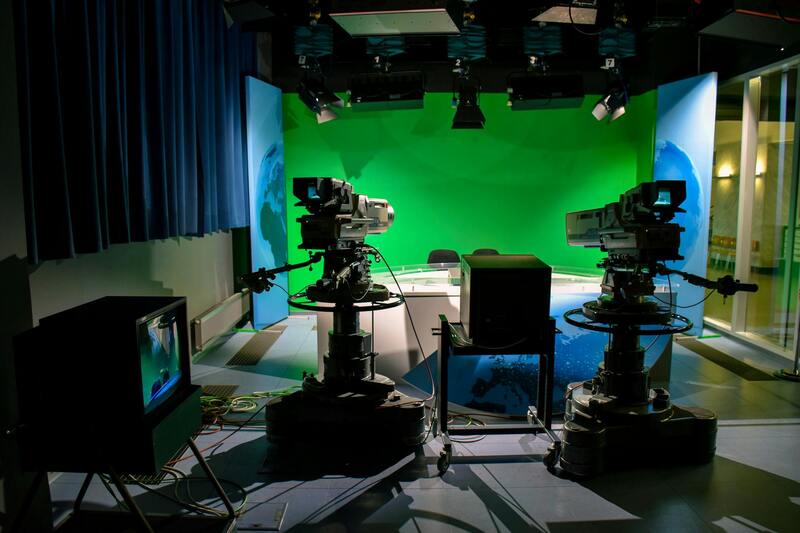
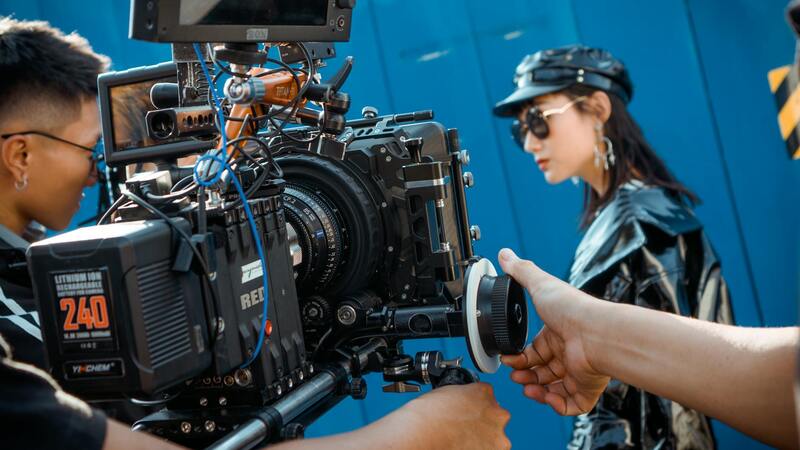
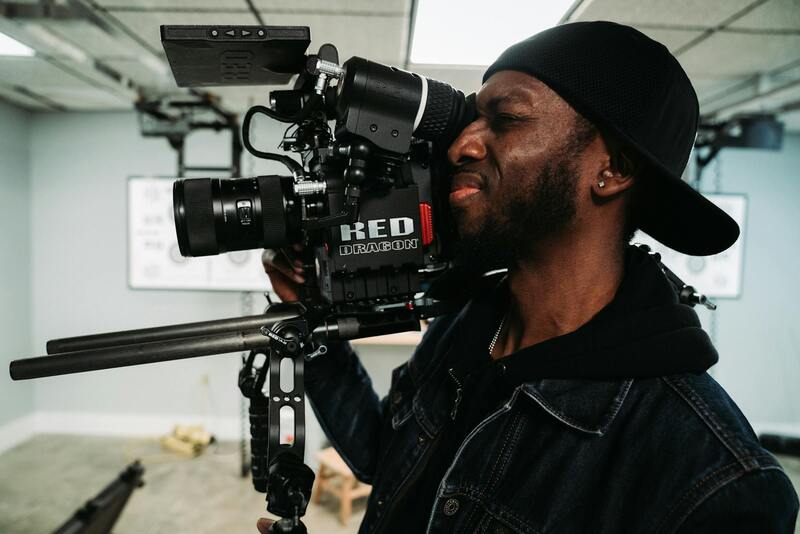
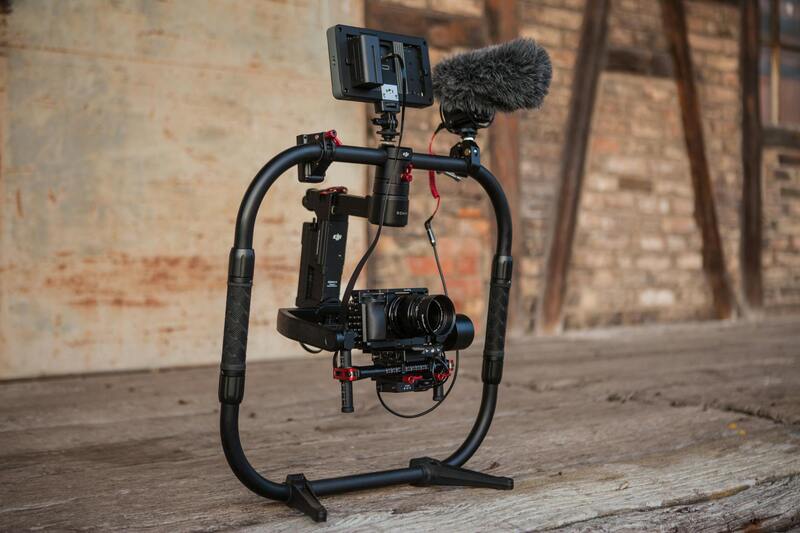
For capturing professional real estate images that effectively showcase a property’s unique features, selecting appropriate equipment and applying precise techniques are crucial. High-resolution digital cameras with full-frame sensors are the standard, as they produce detailed, sharp images that capture the true essence of a space. Lenses with wide-angle capabilities, typically between 14mm and 24mm, are essential to encompass expansive rooms and architectural details without distortion, ensuring a realistic representation of the property.
Beyond camera choice, tripods are fundamental for maintaining stability, achieving sharpness, and ensuring consistent framing, especially in low-light conditions. Additionally, professional photographers often leverage specialized accessories such as remote shutters, to prevent camera shake, and portable lighting equipment, to enhance illumination in darker areas such as basements or interior corners.
Techniques such as HDR (High Dynamic Range) imaging are invaluable for balancing exposure levels, particularly in scenes with contrasting light sources, such as bright windows and interior lighting. Bracketing multiple shots at different exposures allows the creation of images with rich details in shadows and highlights, resulting in visually balanced photos. Additionally, proper framing and composition, emphasizing the property’s strengths, are critical. This involves considering the rule of thirds, foreground interest, and avoiding clutter to produce compelling visuals.
Photographing Different Types of Properties
Adapting photography techniques according to the property type ensures maximum visual appeal. For luxury penthouses, capturing expansive city views through large windows and emphasizing high-end finishes is essential. In contrast, family homes benefit from showcasing functional layouts, spacious outdoor areas, and cozy interior details that appeal to families seeking comfort and practicality. Commercial properties require a focus on structural features, ample lighting, and clear depictions of available space.
An understanding of each property’s distinctive aspects guides the selection of angles, lighting setups, and post-processing priorities. For instance, emphasizing natural light in residential properties creates a welcoming atmosphere, while stark, well-lit images may better suit commercial spaces that highlight structural integrity.
Post-Processing and Image Optimization
Post-processing plays a vital role in refining real estate imagery, transforming good photos into compelling marketing tools. Skilled editing involves adjusting brightness, contrast, and color balance to ensure images accurately replicate the property’s real-life appearance. It also includes correcting lens distortions and removing minor imperfections, such as dust spots or distractions.
Image optimization focuses on minimizing file sizes without compromising quality, enabling faster load times on listing websites and social media platforms. This can be achieved through appropriate compression techniques and appropriate formatting, such as JPEG or WebP, tailored to specific digital channels.
Consistency in editing style across a property’s photo set helps maintain a cohesive presentation, reinforcing brand identity and making listings more appealing. When executed correctly, post-processing can significantly amplify the visual impact, drawing more eyes to the property and accelerating the sales process.
Choosing the Right Equipment and Techniques
High-quality real estate photography relies heavily on the kind of equipment used during photo shoots, as well as the techniques that capture the best possible images. Professionals typically utilize DSLR or mirrorless cameras with high-resolution sensors to ensure sharpness and clarity in every shot. These cameras can accommodate versatile lenses that adapt to various shooting scenarios, from wide-angle shots of entire rooms to close-up details of architectural features.
Specialized wide-angle lenses are particularly valuable in real estate photography because they allow the capture of expansive spaces within a single frame. This helps potential buyers or renters gain a comprehensive view of rooms, giving them a better feel for the property’s layout and size without creating distortions that could mislead. Tripods are essential for stabilizing the camera, especially in low-light conditions, ensuring crisp images free from blurring caused by hand movement.
In addition to capturing images with professional cameras and lenses, effective lighting techniques are crucial. Although natural light is often preferred to highlight a property’s true colors and create inviting atmospheres, supplemental lighting, such as softboxes or LED panels, can fill in shadows or brighten interior spaces uniformly. This is particularly important in rooms with limited windows or darker corners. The goal is to balance light sources and maintain consistent exposure across images, which can be achieved through careful control of camera settings such as aperture, ISO, and shutter speed.
Post-processing tools further enhance these images. Advanced editing software allows for precise adjustments and correction of minor imperfections, ensuring each photo reflects the property’s best features. For example, lens corrections can rectify distortions from wide-angle lenses, while color grading enhances the overall aesthetic. Skilled editing not only increases visual appeal but also ensures consistency in style across multiple images, reinforcing a professional brand image.
Optimizing Images for Maximum Impact
Effective post-processing and image optimization are critical steps in transforming raw photographs into compelling visual assets that attract potential buyers. Post-processing involves meticulous editing to correct color balance, adjust brightness and contrast, and enhance details that might be subdued in the original shot. Using advanced editing software, real estate photographers can remove minor imperfections, such as distracting clutter or alterations needed to correct lens distortions, ensuring each image accurately represents the property.
One of the key benefits of post-processing is achieving consistency across a property’s visual presentation. This consistency cultivates a professional appearance that enhances the credibility of the listing. Color correction, for example, ensures that interior hues accurately reflect real-life tones, which helps buyers visualize themselves in the space. Lens correction adjustments rectify distortions introduced by wide-angle lenses, eliminating unnatural curvature or skewed lines that could mislead viewers.
Image optimization for online platforms involves resizing images to appropriate dimensions and compressing files to ensure fast loading times without sacrificing quality. Faster-loading images improve user experience and reduce bounce rates, making visitors more likely to engage with the listing. Search engine optimization techniques, such as embedding relevant metadata and descriptive alt text, further enhance visibility in online searches, connecting the property with a broader audience.
Choosing the Right Equipment and Techniques
High-quality real estate images depend heavily on the selection of appropriate equipment and photographic techniques that can effectively showcase the property’s best attributes. Professional photographers utilize full-frame DSLR or mirrorless cameras equipped with wide-angle lenses, typically between 14mm and 24mm, to capture expansive interior and exterior views without distortion. The wide-angle perspective allows for more comprehensive framing of rooms, making spaces appear larger and more inviting. It is equally important to use tripods for stability, ensuring sharpness and consistency across shots, especially in low-light conditions.
In addition to hardware, technique matters significantly in capturing compelling images. Photographers often shoot during the golden hours—early morning or late afternoon—when natural light creates soft shadows and enhances the appeal of the space. Bracketing exposures and HDR (High Dynamic Range) techniques are employed to balance interior lighting with exterior brightness, particularly in properties with large windows or complex lighting scenarios. Proper aperture settings, typically between f/8 and f/16, provide ample depth of field, ensuring all elements in the scene are sharp.

Lighting plays a critical role; professionals often use supplemental lighting or reflectors to brighten shadowed areas or highlight architectural features. Consistent, uniform lighting helps maintain a realistic portrayal of the property, avoiding overly dramatic or artificially enhanced images which could mislead potential buyers. When shooting exteriors, drones or aerial photography may be used to provide a comprehensive view of the property’s surroundings, landscape, and proximity to local amenities.
Photographing Different Types of Properties
Each property type presents unique challenges and demands tailored approaches to achieve captivating imagery. Residential homes, whether single-family houses, condos, or townhouses, benefit from clean, organized shots that emphasize space utilization. Highlight key features such as updated kitchens, spacious living areas, or outdoor living spaces to attract interest.
Commercial properties, on the other hand, require an emphasis on functionality, accessibility, and scale. Images should include detailed shots of interior workspaces, signage, parking areas, and the property's exterior to provide comprehensive context. Luxury real estate demands high-end imaging techniques, including sophisticated lighting setups, staged scenes, and sometimes virtual tours, to convey exclusivity and opulence.
In all cases, consistency in visual style and high standards of quality are essential. The presentation must accurately convey the property's appeal while maintaining an authentic appearance, fostering trust and attracting the right buyers.
Legal and Ethical Considerations in Professional Real Estate Photography
Understanding the frameworks surrounding real estate imagery is essential for professionals in the field. Honest and transparent representation of properties fosters trust among clients and prospective buyers. Adhering to industry standards ensures that images accurately depict the current condition and features of the property, avoiding any embellishments that could lead to misunderstandings.
It is crucial to obtain proper permissions prior to photographing private properties, especially for interiors that contain personal or sensitive information. Respect for privacy rights extends beyond legal boundaries to encompass ethical responsibility, making it a priority to secure consent from property owners and residents before capturing images.
When editing photographs, maintaining authenticity is key. While post-processing can enhance image clarity, brightness, and color balance, excessive manipulation that alters the true appearance of the property should be avoided. This practice helps prevent misleading potential buyers and preserves the integrity of the listing.
In addition, photographers should be mindful of intellectual property rights. Using licensed or appropriately credited equipment, software, and content prevents infringement claims. Clear documentation of the image creation process can serve as proof of authenticity in case of disputes or inquiries.
Consistency in image quality and style is also a component of professional ethics. Delivering high-quality visuals that meet agreed-upon standards reflects a commitment to excellence and reinforces client trust. Regularly updating skills and staying informed about evolving industry guidelines are fundamental to maintaining ethical standards across all projects.
Importance of Professional Real Estate Photography
Professional real estate photography plays a vital role in the marketing and sale of properties. High-quality images capture the essence and potential of a space, allowing prospective buyers to envision living or working there. Exceptional visual content increases the visibility of listings on multiple platforms, attracting more interest and reducing time on the market. Every detail, from lighting to composition, is meticulously crafted to emphasize the property's best features, helping it stand out in a competitive market.
In the digital age, most buyers begin their property search online, making compelling visuals crucial for initial engagement. Properly executed professional photos evoke emotional responses and foster a connection with viewers, encouraging them to arrange visits. Furthermore, consistent quality in imagery builds a professional reputation for real estate agents and agencies, reinforcing trust with clients and prospects alike. Utilizing expert photography services also mitigates common pitfalls such as poor lighting, distracting clutter, or unflattering angles, ensuring each property is presented at its highest potential.
Key Elements of Effective Real Estate Photos
- Lighting: Natural light is preferred to highlight the true colors and textures of a space. Photographers often schedule shoots during daylight hours and use additional lighting equipment when necessary.
- Composition: Strategic framing emphasizes the room's size, shape, and focal points. Proper alignment and balanced shots help create an inviting atmosphere.
- Clutter-Free Spaces: Clear, tidy interiors prevent distractions and allow viewers to focus on the property's features.
- Wide-Angle Lenses: These create a sense of spaciousness, making rooms appear larger and more appealing.
- Accurate Color Representation: Maintaining true-to-life colors avoids misrepresentation and sets accurate expectations.
Additional Considerations
Incorporating drone imagery can enhance listings by showcasing entire property sites and surrounding amenities. HDR (High Dynamic Range) photography provides balanced exposures in challenging lighting conditions. A consistent style across photos maintains professionalism and brand identity, while images must be optimized for various digital platforms to ensure quick loading speeds and optimal display quality.
Choosing the Right Equipment and Techniques
To produce compelling real estate images, selecting appropriate equipment is essential. High-resolution DSLR or mirrorless cameras provide superior detail and clarity, while tripods ensure stability and sharpness. Wide-angle lenses are indispensable for capturing entire rooms, giving viewers a comprehensive sense of space without distortion.
Employing techniques such as panoramic stitching can effectively showcase large interior areas or outdoor views, creating immersive experiences for potential buyers. Proper use of lighting, both natural and artificial, helps balance shadows and highlights, resulting in well-exposed photographs that accurately depict the property’s ambiance. Bracketing and HDR imaging techniques are beneficial in environments with varying light levels, ensuring each shot maintains consistent quality.
Specialized Equipment for Unique Spaces
- 360-degree cameras for virtual tours and interactive viewpoints
- Drone cameras to capture aerial perspectives and extensive outdoor areas
- Advanced lighting kits to illuminate interior spaces evenly
Photographing Different Types of Properties
The approach to photographing varies according to property type. Residential homes benefit from warm, inviting imagery that highlights curb appeal, spacious interiors, and details such as gourmet kitchens or spa-like bathrooms. Commercial properties demand sharp, professional images that focus on the building’s structure, accessibility, and potential for business use.
Luxury estates often require specialized shots that emphasize expansive outdoor spaces, architectural details, and premium finishes. Multi-family units or apartment complexes benefit from multiple perspectives to showcase amenities, common areas, and unit layouts. Hotel and hospitality properties should focus on capturing the ambiance, comfort, and facilities available to guests.
Adapting Techniques for Different Settings
- Use of twilight or golden hour shots for exterior properties to enhance visual appeal
- Interior staging to showcase versatility and potential
- Highlighting unique architectural elements specific to historic or modern designs
Post-Processing and Image Optimization
Post-processing is a crucial step that enhances the quality of real estate images while preserving authenticity. Basic adjustments include correcting brightness, contrast, and white balance to reflect true colors. Cropping and straightening images help maintain proper framing and perspective, resulting in a clean, professional appearance.
Advanced techniques, such as noise reduction and lens correction, remove imperfections and distortions common in wide-angle shots. Retouching can subtly improve imagery by removing minor distractions or blemishes but should be used judiciously to avoid misrepresenting the property.
Optimization for digital platforms ensures that images load quickly while retaining high resolution. Using appropriate file formats and compression methods preserves quality without slowing down website performance. Consistency in style and tone across a property’s photo collection reinforces the listing’s professionalism and appeal.
Maintaining Visual Integrity
- Avoid excessive editing that alters the true appearance of the property
- Ensure color accuracy to match real-life conditions
- Use watermarking sparingly, if at all, to protect copyright and maintain a clean presentation
Legal and Ethical Considerations
When showcasing real estate through professional photography, adhering to legal and ethical standards is essential to maintain trust and uphold industry integrity. This involves obtaining appropriate permissions from property owners before photographing and using images for marketing purposes. Clear communication about the intended use of images helps prevent misunderstandings and ensures all parties are informed and agreeable.
Respecting image rights is crucial; photographers and agencies must ensure proper licensing for any third-party equipment or stock images included in promotional materials. Additionally, transparency about post-processing practices fosters credibility, assuring clients and prospects that what they see accurately reflects the property’s true appearance.
Accuracy in representation is not merely about honesty but also about fostering confidence with potential buyers and tenants. Avoid manipulating images in ways that could mislead viewers or exaggerate features. When highlighting unique features or recent upgrades, ensure that accompanying descriptions and visual cues align precisely with the visual content to maintain consistency and trustworthiness.
In Miami’s competitive real estate market, compliance with local regulations and industry standards helps professionals uphold their reputation. This includes respecting privacy rights, especially when photographing interiors of private residences. Ensuring that no sensitive information is inadvertently captured or shared contributes to a respectful and ethical marketing approach.