Importance of Professional Real Estate Photography
In the competitive Miami real estate market, the visual presentation of a property can significantly influence its sale prospects. High-quality, professional real estate photography has become a vital component in modern property marketing strategies. When potential buyers browse listings online, they are most often drawn to images that are clear, well-lit, and showcase the property's best features. Professional photography ensures that each listing captures the property's true essence, highlighting its unique architectural details, spacious interiors, and appealing outdoor spaces.
Effective real estate photos do more than just attract eyes—they generate serious interest. Listings with professionally taken images are known to attract more views and inquiries, which correlates directly to shorter time on the market. In Miami’s vibrant real estate scene, where luxury homes, condominium towers, and waterfront properties dominate the landscape, showcasing properties with compelling images is essential.
Moreover, professional photos help build credibility and trust in the eyes of prospective buyers. They underline the professionalism of the listing agent and the seriousness of the seller. This visual assurance often translates into more competitive offers and quicker negotiations. For real estate professionals, investing in quality photography is not merely about aesthetics; it is an aggressive marketing strategy designed to maximize property exposure, accelerate sales cycles, and ultimately secure better deals in a highly dynamic Miami market.
Key Elements of Effective Real Estate Photography
To optimize listings, professional real estate photography should incorporate several fundamental elements. These include proper lighting, strategic composition, and a comprehensive understanding of the property's best features. Effective photography captures the property in its best light, both literally and figuratively, emphasizing openness, natural light, and inviting spaces.
Precision in Composition
Framing each shot thoughtfully ensures that it showcases the room’s purpose and spatial relationships clearly. Horizontal shots tend to portray rooms more accurately, providing viewers with a sense of depth and dimension.
Optimal Lighting Techniques
Natural light is preferred, but supplemental lighting may be necessary to illuminate darker areas. Proper lighting techniques help reduce shadows and enhance color vibrancy, making the property look more appealing and realistic.
Highlighting Unique Features
Identifying and emphasizing the property's distinctive qualities—such as a stunning view, custom finishes, or outdoor living spaces—can set a listing apart from others.
Choosing the Right Equipment and Techniques
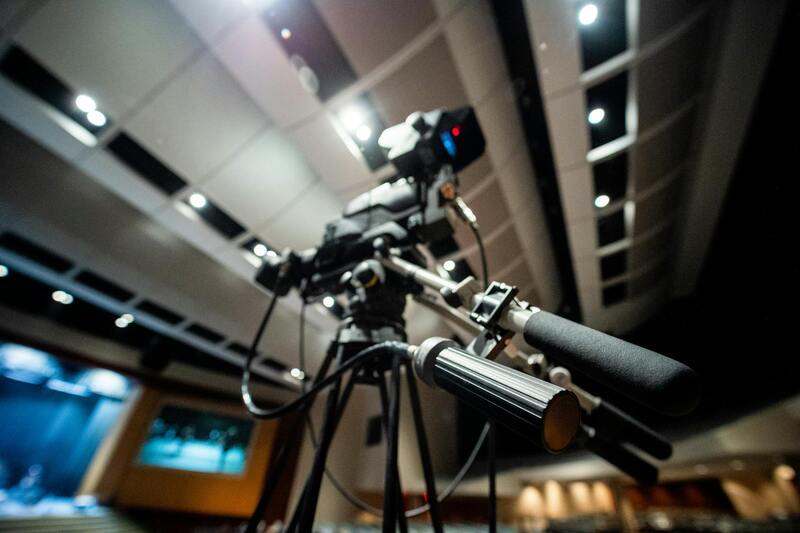
The foundation of high-quality real estate images lies in the right equipment. Professional cameras with wide-angle lenses are standard to capture broad spaces accurately. Tripods stabilize shots and enable longer exposure times, especially in low light, without sacrificing sharpness. Advanced techniques such as HDR (High Dynamic Range) imaging combine multiple exposures to produce images with balanced lighting, ensuring both interior and exterior views are well-exposed.
Using drone photography adds a valuable perspective, showcasing property grounds and surrounding amenities from above. Furthermore, proper lens selection and calibration are vital to avoid distortion and color inaccuracies. Skilled photographers also employ techniques like perspective correction and panoramic stitching to enhance visual storytelling.
Photo Editing and Post-Processing
High-quality real estate images are the result of meticulous editing and post-processing by seasoned professionals. This stage involves enhancing visual elements to present the property in its best light, while maintaining authenticity. Skilled editors adjust brightness, contrast, and color balance to ensure the photos accurately reflect the property's appearance. These enhancements help eliminate any minor imperfections or distractions, such as dust spots, reflections, or uneven lighting, which can detract from the overall visual appeal.
HDR (High Dynamic Range) processing plays a significant role by combining multiple exposures to produce images with perfect balance in shadows and highlights. This technique ensures interiors remain well-lit without losing detail in darker areas, and exteriors appear vibrant and inviting. Additionally, perspective correction tools are used to straighten lines and correct lens distortions, which is especially important in wide-angle shots that can sometimes appear warped.
Advanced editing software also allows for precise color grading, making features like lush landscaping, sparkling pools, or modern interiors pop without appearing artificially enhanced. Exporting images in high resolution ensures clarity and crispness, crucial for both print and digital marketing efforts. The end goal is to deliver images that captivate viewers, inspire confidence, and prompt potential buyers to explore further.
Styling and Staging for Photography
Effective styling and staging are essential components that significantly elevate real estate images. These practices involve arranging furniture and decor to showcase a space’s full potential, creating a welcoming atmosphere that resonates with prospective buyers. Professional stagers understand how to maximize space perception, highlight architectural details, and evoke a sense of lifestyle that appeals to target audiences.
In photography, natural light combined with well-placed furnishings ensures a harmonious visual narrative. Minimalistic decor tends to work best, allowing viewers to envision their own belongings in the space. Properly styled interiors not only look attractive but also help convey the intended ambiance—whether cozy, modern, or luxurious—matching the property’s market positioning.
Working with Miami Real Estate Agents and Clients
Collaboration between professional photographers and local real estate agents ensures that marketing objectives are met efficiently. Clear communication about the target market, property highlights, and preferred style allows photographers to tailor their approach and produce images aligned with sales strategies. Establishing a detailed shot list and timeline helps streamline the process and ensures all critical features are captured effectively.
Building trust and understanding client expectations are vital. Professional photographers often advise clients on how to prepare spaces prior to the shoot, such as decluttering, depersonalizing, and making necessary repairs or touch-ups. This cooperative approach results in compelling visuals that resonate with potential buyers and increase the property’s appeal in a competitive market.
Legal and Ethical Considerations
Adhering to ethical standards involves honest representation of the property without misleading viewers. This includes obtaining proper permissions for drone photography, ensuring that images do not misrepresent the size or features of a property, and respecting privacy when capturing images of neighboring areas or interior spaces. Accurate descriptions and consistent branding further reinforce trustworthiness and professionalism.
Selecting a Local Professional Photography Service
Choosing a seasoned local service brings several advantages, such as familiarity with Miami’s diverse real estate market and specific location nuances. Experienced providers have the right equipment, technical skill, and creative eye to produce high-impact visuals that distinguish listings. Their knowledge of regional preferences and target demographics allows for tailored images that attract qualified buyers.
Choosing the Right Equipment and Techniques
Optimal real estate photos hinge on the use of high-quality equipment and proven techniques that emphasize clarity, depth, and true color representation. Professional photographers typically utilize full-frame digital cameras equipped with wide-angle lenses. These lenses are essential for capturing expansive rooms and exterior views without distortion, providing an accurate portrayal of space and scale. Additionally, tilt-shift lenses may be employed to correct perspective distortions, especially in images of facades and interiors, ensuring vertical lines remain straight and the structure appears proportionate.
Lighting plays a pivotal role in authentic visual representation. Photographers often schedule shoots during the golden hour or utilize supplementary lighting, such as powerful strobes and softboxes, to illuminate dark corners and highlight architectural features without creating harsh shadows. Proper exposure settings are crucial; overexposure can wash out details, while underexposure can obscure key features. Techniques such as HDR (High Dynamic Range) imaging are frequently integrated to balance the light extremes within a single property, capturing both the bright and shadowed areas with precision.
Photo Editing and Post-Processing
Post-processing is a crucial phase that enhances real estate images while maintaining an honest depiction of the property. Skilled editors adjust brightness, contrast, and color balance to reflect accurate lighting conditions struck during the shoot. They also perform perspective corrections and straightening of lines to accurately represent the property’s structure. Removing minor imperfections such as dust, marks, or decorations that distract from the estate’s appeal is standard practice, but these edits must not alter the true state of the property.
Using professional software, editors might also synthesize images from multiple exposures to create compelling visuals that depict interior spaces with high dynamic range. This process ensures potential buyers receive a clear, detailed view that influences their decision-making process effectively. Consistent editing styles across all images reinforce branding and create a cohesive viewing experience for prospective clients.
Styling and Staging for Photography
Prior to capturing images, strategic styling and staging significantly elevate a property’s visual appeal. Professional photographers often advise on decluttering and removing personal items to create a neutral, inviting atmosphere. The arrangement of furniture, decor, and accessories should accentuate the space’s dimensions and functionalities, making rooms appear larger and more appealing.
Lighting and color schemes are coordinated to evoke warmth and vibrancy, encouraging emotional engagement. When staging is possible, it often involves repositioning key furniture to optimize flow and focal points within each room. This deliberate approach ensures that the visual narrative aligns with the property’s strengths, fostering an immediate connection with viewers.

Working with Miami Real Estate Agents and Clients
Successful collaborations with real estate professionals and clients are rooted in clear communication and understanding of market trends. Photographers should assess each property’s unique features and target demographic to tailor their approach accordingly. Regular consultations ensure alignment on desired outcomes, including specific shots or angles that highlight key selling points.
Building rapport often involves guiding clients on optimal space preparation, such as cleaning, minor repairs, or rearrangement of furnishings. Offering professional advice on how to enhance visual impact, coupled with timely scheduling and efficient workflows, results in compelling images that appeal to prospective buyers and accelerate the sales process.
Legal and Ethical Considerations
Maintaining high standards in real estate photography is essential to uphold trust and authenticity in property marketing. Professional photographers adhere strictly to ethical practices that focus on accurately representing the property without altering or enhancing images in misleading ways. This ensures potential buyers receive a truthful visual account of what to expect, fostering transparency throughout the sales process.
Permissions and rights management are a fundamental aspect of ethical real estate photography. Photographers must obtain explicit consent from property owners or authorized representatives before conducting shoots and using images for promotional purposes. This practice not only respects the property rights but also establishes clear boundaries concerning image usage and distribution.
When it comes to editing and post-processing, experts employ techniques that enhance the visual appeal of images while preserving their authenticity. Adjustments such as correcting color balance, improving lighting, and straightening lines are performed to accurately reflect the property's true appearance. Over-editing or adding elements that do not exist in reality can lead to misconceptions and potential disputes, which is why a professional approach emphasizes honesty and integrity in visual communication.
In addition, adhering to legal standards involves accurately capturing the property's features without misleading perspectives or deceptive angles. Photographers often use specific techniques and equipment to avoid distortion and misrepresentation, ensuring that the images serve as genuine reflections of the property. This responsible approach helps safeguard both the seller’s interests and the trust of prospective buyers.
Furthermore, ethical real estate photography practices include clarity about photo rights and ownership. Clear documentation about image rights protects both the photographer and the client, clarifying how images can be used, displayed, or shared across various marketing platforms. Transparency in these arrangements prevents misunderstandings and lays a solid foundation for ongoing professional relationships.
By prioritizing authenticity and integrity, professional real estate photography builds confidence among all stakeholders involved. Sellers are assured that their property will be showcased fairly, and buyers can make informed decisions based on honest representations. This ethical stance is integral to fostering a positive reputation within the real estate market, ultimately aiding in quicker sales and satisfied clients.
Legal and Ethical Considerations
Engaging in professional real estate photography involves a series of responsible practices that uphold standards of honesty, transparency, and respect for property rights. It is crucial for photographers to operate within established guidelines that promote truthful visual representation while protecting the interests of all parties involved. This includes maintaining clear documentation of image rights and ownership, which specifies how photographs may be used, shared, or displayed across various marketing channels. Such clarity minimizes potential misunderstandings and ensures both the photographer and client are aligned in their expectations.
Accuracy in photographic depiction is fundamental. While techniques like framing, lighting, and perspective enhancement can elevate visual appeal, they must not distort or exaggerate the property's features. For instance, avoiding wide-angle distortions from inappropriate lens use or manipulated perspectives ensures that prospective buyers receive an honest view of what the property offers. This commitment to authenticity helps foster trust between clients and the real estate community.
Another key aspect involves adhering to privacy and property access protocols. Photographers should secure proper permissions before capturing images, especially in private or sensitive areas. Respect for property boundaries and privacy rights safeguards relationships with homeowners and ensures compliance with community standards.
It's also important to be transparent about image rights and usage rights in contracts. Clear agreements specify whether images can be used for online listings, print marketing, or other promotional materials. This transparency helps prevent disputes and encourages a professional, trustworthy relationship with clients.
Practicing Ethical Editing and Post-Processing
While editing can enhance overall presentation, it must be practiced with restraint to prevent misrepresentation. Adjustments should focus on correcting lighting deficiencies, enhancing color accuracy, and removing minor imperfections while preserving the authenticity of the space. Over-editing, such as digitally altering features or manipulating perspective angles, can deceive viewers and undermine the integrity of the listing.
Ultimately, every step taken must prioritize truthful representation. Professional real estate photographers committed to ethical practices ensure that visuals accurately depict each property, thereby supporting informed decision-making and maintaining a reputable industry standard.
Legal and Ethical Considerations
Achieving high-quality real estate images involves adhering to established standards that respect privacy, property rights, and truthful representation. Photographers must operate within defined guidelines that uphold the integrity of the visual content and foster trust among clients and prospective buyers. This involves understanding the appropriate permissions required before entering properties, especially those with security measures or private spaces. Securing explicit consent from property owners or authorized agents ensures a smooth workflow, minimizes disputes, and maintains positive professional relationships.
Clear communication regarding the purpose and scope of the photography is also essential. Agreements should detail how and where images will be used, whether online listings, promotional brochures, or social media platforms. This transparency supports ethical business practices, reduces misunderstandings, and aligns expectations between photographers and clients. Moreover, respecting property boundaries during shoot sessions—such as not venturing into restricted areas—demonstrates professionalism and consideration for property owners' privacy rights.
Another critical aspect is preserving the authenticity of images through responsible editing. While post-processing can enhance visual appeal, excessive alterations that mask deficiencies or create deceptive impressions are detrimental. Adjustments should focus on accurate lighting, balanced color tones, and minor touch-ups that reflect the property's true appearance. Digital manipulation aimed at exaggerating space or features might attract attention temporarily but ultimately erodes trust and can lead to legal or contractual complications.
Professionalism also involves thorough documentation of image rights, including licensing and usage agreements. Clearly outlining how images may be utilized prevents unauthorized distribution and helps maintain control over visual assets. This clarity is part of ethical standards that promote transparency, prevent disputes, and uphold the reputation of both photographers and real estate professionals.
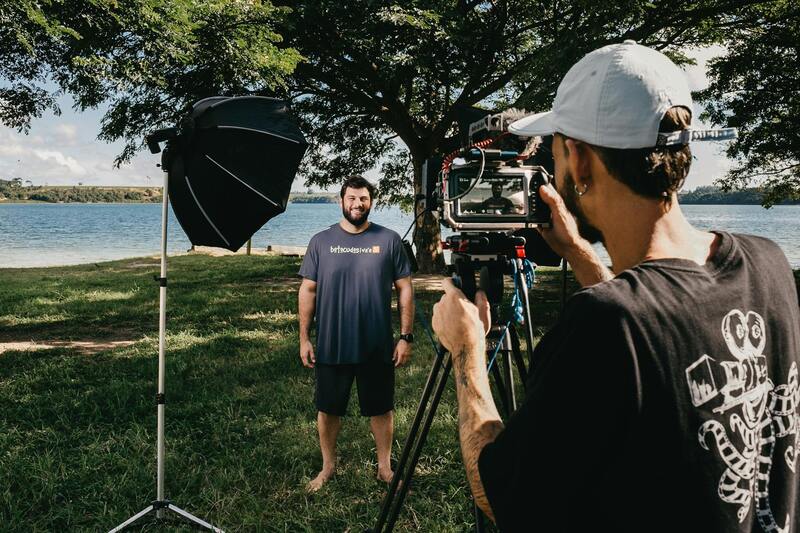
Ultimately, legal and ethical adherence in real estate photography upholds the industry’s credibility, supports genuine property representation, and reinforces the trust placed in visual marketing tools. Photographers committed to following these standards contribute to a transparent, efficient housing market where buyers and sellers can make informed decisions based on honest, high-quality images.
Ensuring Accurate and Authentic Visual Representation
Maintaining integrity in real estate photography requires strict adherence to authentic image capture and editing practices. Photographers must emphasize factual representation, capturing properties in their true state without distortions or misleading enhancements. This approach preserves trust between sellers and buyers, fostering confidence in the marketing process.
Implementing standardized shooting protocols ensures consistency across property listings. This includes optimizing lighting, framing, and perspective to accurately showcase space and features. Using natural light or professional lighting setups helps achieve balanced illumination, highlighting a property’s best attributes while avoiding exaggerated shadows or overexposure.
Post-processing techniques should focus primarily on correcting minor imperfections, adjusting exposure, and enhancing clarity without altering the fundamental appearance of the property. Techniques such as color correction, brightness adjustments, and perspective correction contribute to a true-to-life presentation, reinforcing credibility and transparency.
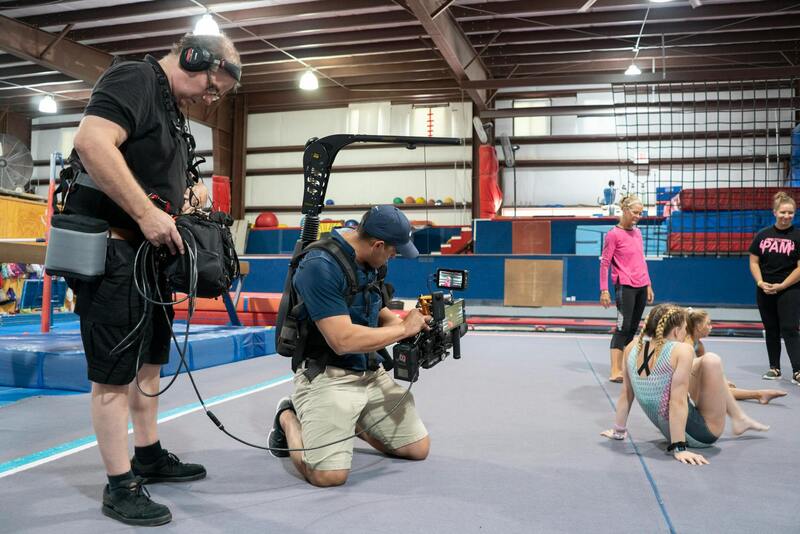
It is essential to document every stage of the photographic process, including shoot conditions and post-processing modifications. This documentation provides a clear record that helps address any future concerns regarding image authenticity and usage rights.
Leveraging Visual Consistency and Quality in Listing Strategies
Consistent visual presentation across multiple listings strengthens a real estate professional’s brand and credibility. Standardized editing workflows, color schemes, and compositional styles create a recognizable and trustworthy visual identity that appeals to potential buyers.
High-resolution images are crucial, as they allow viewers to examine property details with clarity. Employing optimal equipment, such as professional-grade cameras and lenses, ensures that images retain their quality when displayed across various digital platforms and print marketing materials.
Utilizing Advanced Techniques to Highlight Property Features
Incorporating techniques such as HDR photography, vertical stitching, and wide-angle shots can enhance the depth and spatial perception of listing images. These methods help prospective buyers gain a comprehensive understanding of a property’s layout and scale, ultimately making the listing more compelling.
Careful staging and timing of photo shoots also contribute significantly to image quality. Scheduling sessions during optimal lighting conditions and ensuring spaces are clean and well-organized results in striking images that convey a property’s true value.
Legal and Ethical Considerations in Real Estate Photography
Maintaining transparency and integrity in real estate imagery is imperative for building trust with clients, agencies, and potential buyers. Professional real estate photographers adhere to strict protocols to ensure that every image accurately represents the property. This includes capturing photographs that reflect true colors, spatial layouts, and lighting conditions, avoiding the temptation to enhance or manipulate images in ways that could mislead viewers.
Photographers also meticulously document the conditions under which images are captured, including camera settings and shoot timing. Such records serve as a reference to validate the authenticity of the visuals, thereby addressing any discrepancies or concerns that may arise during the listing process. This documentation process not only reinforces professionalism but also helps protect all parties involved from potential conflicts related to image use.
Additionally, photographers must obtain proper permissions to showcase interiors, especially when involving private spaces or featuring sensitive elements. Respecting privacy and property rights is essential, which includes securing consent from property owners and adhering to any restrictions or guidelines established by the clients. This focus on ethical standards ensures that the marketing strategies align with best practices, avoiding any issues that could compromise the professionalism of the listing.
Ensuring that images are legally compliant involves understanding intellectual property rights, especially regarding the use of proprietary software and stock images in post-processing. Photographers should use licensed tools and maintain clear records of any edits or overlays applied to their images. All these measures collectively contribute to a trustworthy and ethically sound approach to real estate photography, which ultimately benefits both sellers and buyers by providing genuine visual representations of properties.