Importance of High-Quality Property Photography
In Miami's highly competitive real estate market, the visual presentation of a property plays a pivotal role in attracting potential buyers and securing successful sales. High-quality property photos serve as the first impression for prospective clients browsing online listings, making them an essential component of effective marketing strategies. When images are clear, well-lit, and professionally composed, they highlight the property's best features and create an enticing visual narrative that encourages viewers to schedule a viewing or make an inquiry.
Real estate professionals and property owners recognize that stunning imagery can significantly increase online engagement, leading to higher click-through rates and faster sales processes. This is especially relevant in Miami, where buyers often consider numerous properties simultaneously. The ability to stand out through compelling visual content can be the difference between an overlooked listing and one that attracts serious interest.
Moreover, the investment in professional property photography can contribute to a more favorable perception of the property’s value. High-quality images convey a level of professionalism and attention to detail that reassures potential buyers and builds trust. This visual assurance fosters confidence in the property's condition and presentation, which can influence purchasing decisions.

Beyond attracting immediate interest, professional photos also facilitate a more streamlined sales process. Well-captured images reduce the need for multiple viewings by giving a comprehensive view of the property's features, thus saving time for both buyers and agents. This efficiency benefits all parties involved and accelerates the path to closing deals.
In essence, the prominence of high-quality property photography in Miami’s real estate landscape stems from its ability to present properties in their best light, accurately and attractively. Strategically crafted images create emotional connections with viewers, motivate action, and ultimately, assist in closing sales faster and more effectively.
Understanding the Impact of Accurate Image Representation
One of the fundamental reasons for utilizing professional property photos is to ensure accurate and truthful representation of the property. Potential buyers rely heavily on visuals to assess the condition, layout, and overall appeal of a home or commercial space before scheduling a viewing. Well-executed photography captures the essence of a property without exaggeration, fostering transparency and trust throughout the transaction process.
Accurate imagery also involves highlighting the property’s key features and unique selling points. For instance, spacious living areas, modern kitchens, and attractive outdoor spaces should be depicted in a manner that authentically reflects their size and quality. This provides prospective buyers with a realistic expectation, reducing potential disappointment during physical visits and increasing the likelihood of serious interest.
Furthermore, professional photographers utilize advanced editing and post-processing techniques to enhance image clarity, color accuracy, and lighting without altering the actual appearance of the property. These steps ensure that the visuals are compelling yet honest, creating a genuine impression that aligns with the on-site experience.
Enhancing Visual Appeal Through Composition and Style
Proper composition is vital for creating captivating property photos that draw viewers in. Techniques such as the rule of thirds, proper framing, and balanced perspective guide viewers' focus to the most impressive aspects of a space. Additionally, selecting the right time of day with optimal natural lighting enhances the ambiance and warmth, making spaces appear inviting and well-maintained.
Professional property photographers are skilled in staging and styling spaces to highlight their potential. This may involve decluttering, arranging furniture to maximize space visibility, and incorporating complementary decor to add visual interest. Such styling efforts ensure that photographs appeal emotionally to buyers, encouraging further exploration of the listing.
Consistency and Formatting for Market Standards
Consistency in image quality and style across real estate listings enhances the professional image of the property and the accompanying marketing materials. High-quality photos must adhere to specific formatting standards, such as appropriate resolution, aspect ratio, and lighting consistency, to meet the expectations of online real estate platforms and marketing campaigns.
Moreover, skilled photographers ensure that each shot maintains a cohesive aesthetic, providing viewers with a seamless visual journey through the property. This uniformity is essential when multiple images are included in a listing, creating an intuitive and engaging presentation that encourages potential buyers to explore further.
Optimized Images for Digital Platforms and Print
In today’s digital-driven real estate market, optimized images are crucial for fast-loading, attractive listings. Professional photographers prepare images in formats compatible with various online platforms, ensuring quick load times without sacrificing quality. For property brochures or printed marketing materials, high-resolution images are necessary for clarity and impact.
Properly optimized visuals facilitate a broader reach and improve the overall effectiveness of marketing strategies, helping listings to stand out amid stiff competition in Miami’s vibrant market. Clear, compelling images not only attract more views but also foster an emotional connection, increasing the chances of a quicker sale or lease.
Photography Equipment and Techniques for Real Estate
Creating impactful property photos requires more than just a good camera; it involves the strategic use of high-caliber equipment and refined techniques to accurately capture the essence and details of a property. Premium digital cameras with full-frame sensors are the standard choice among professional real estate photographers, as they offer superior image quality, dynamic range, and low-light performance. These features are essential for capturing interiors with varying lighting conditions and for highlighting architectural details without loss of fidelity.
Wide-angle lenses, typically ranging from 14mm to 24mm, are vital tools in real estate photography. They enable photographers to encompass more of a room in a single shot, reducing the need for multiple images and providing viewers with a comprehensive perspective. Proper use of these lenses helps in demonstrating the space's true dimensions and flow, giving potential buyers or tenants a realistic impression of size and layout.
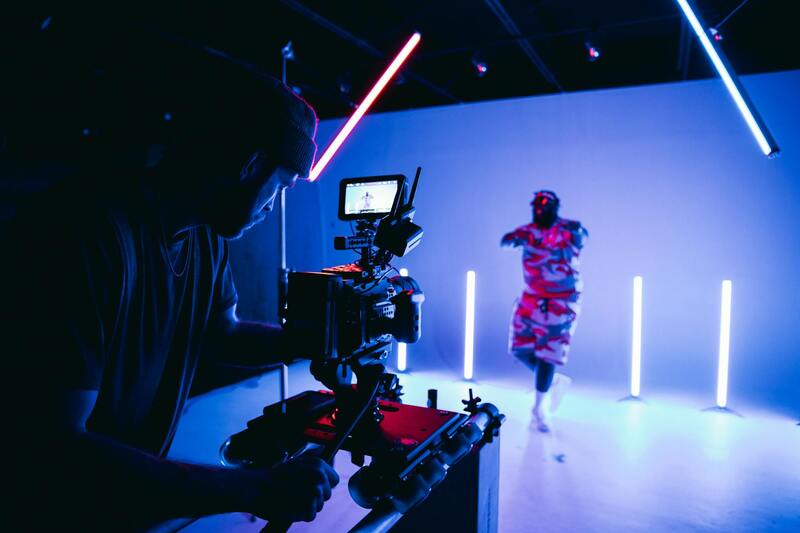
Lighting is a critical factor in producing high-quality property images. Professional photographers utilize a combination of natural light and supplemental lighting equipment such as strobes and softboxes to eliminate shadows and evenly illuminate spaces. Techniques such as balancing ambient light with flash and employing proper white balance settings ensure the natural colors of rooms and fixtures are accurately represented.
Staging and composition also play a significant role. Photographers often work closely with property owners or agents to stage rooms optimally, arranging furniture and decor to highlight the space's functionality and appeal. Skillful composition involves choosing optimal angles, framing shots to minimize distortion, and ensuring key features of the property are emphasized.

In addition to the technical gear, post-processing is essential to refine images further. High-end editing software allows photographers to correct exposure, adjust color balance, and remove minor imperfections—ensuring that the final images meet the highest standards of appeal and realism.
Advanced Techniques to Maximize Property Visual Appeal
Employing sophisticated photography techniques can significantly elevate the quality and impact of property images. High Dynamic Range (HDR) photography is frequently used to balance exposure levels across different areas within a shot, ensuring that both bright windows and darker interior corners are clearly visible. This process involves capturing multiple images at different exposures and blending them to produce a well-lit, detailed photograph that accurately reflects the property's ambiance.
Drone photography offers a compelling perspective for showcasing large or luxurious estates, providing aerial views that highlight the property's layout, surrounding landscape, and proximity to amenities. Utilizing drones equipped with high-resolution cameras allows for unique vantage points, creating images that can give potential buyers or tenants a clearer understanding of the property's scale and environment.

Properly executed virtual tours and 3D walkthroughs further complement high-quality images. These immersive features enable viewers to explore the property remotely, providing a sense of space and flow that static images alone cannot deliver. Integrating such advanced visual tools enhances online listings, making them more engaging and informative.
For optimal results, professional photographers employ a combination of techniques tailored to each property’s unique features. The use of tilt-shift lenses can correct perspective distortions, ensuring straight lines and true proportions. Additionally, careful attention to lighting angles and timing—such as photographing during the golden hour—adds warmth and depth to the images.
Implementing Cutting-Edge Equipment for Superior Results
Investment in high-quality cameras, stabilizers, and lighting equipment enables photographers to capture crisp, well-exposed images that are free of motion blur and noise. The integration of these tools allows for the creation of compelling visuals that highlight a property’s best aspects.

When combined with precise techniques such as bracketing, focus stacking, and strategic staging, these tools empower professionals to produce images that truly stand out. High-quality visuals not only attract more interest but also foster trust in the professionalism of the listing, ultimately facilitating quicker sales or rentals.
Legal and Ethical Aspects of Property Photography
Ensuring that property photos adhere to legal standards and ethical practices is essential for maintaining trust and transparency in real estate transactions. Professional photographers and agents must be diligent in capturing images that accurately represent the property without misrepresentation or manipulation. This involves honest depiction of the property's features, avoiding the use of overly edited or filtered images that could deceive potential buyers or renters.
When photographing properties, it is crucial to secure permissions for capturing images of interiors that include private areas or identifiable personal belongings, respecting the privacy of current residents. Additionally, any enhancements or post-processing should be clearly distinguishable from the original shot, maintaining the integrity of the listing and preventing potential disputes.
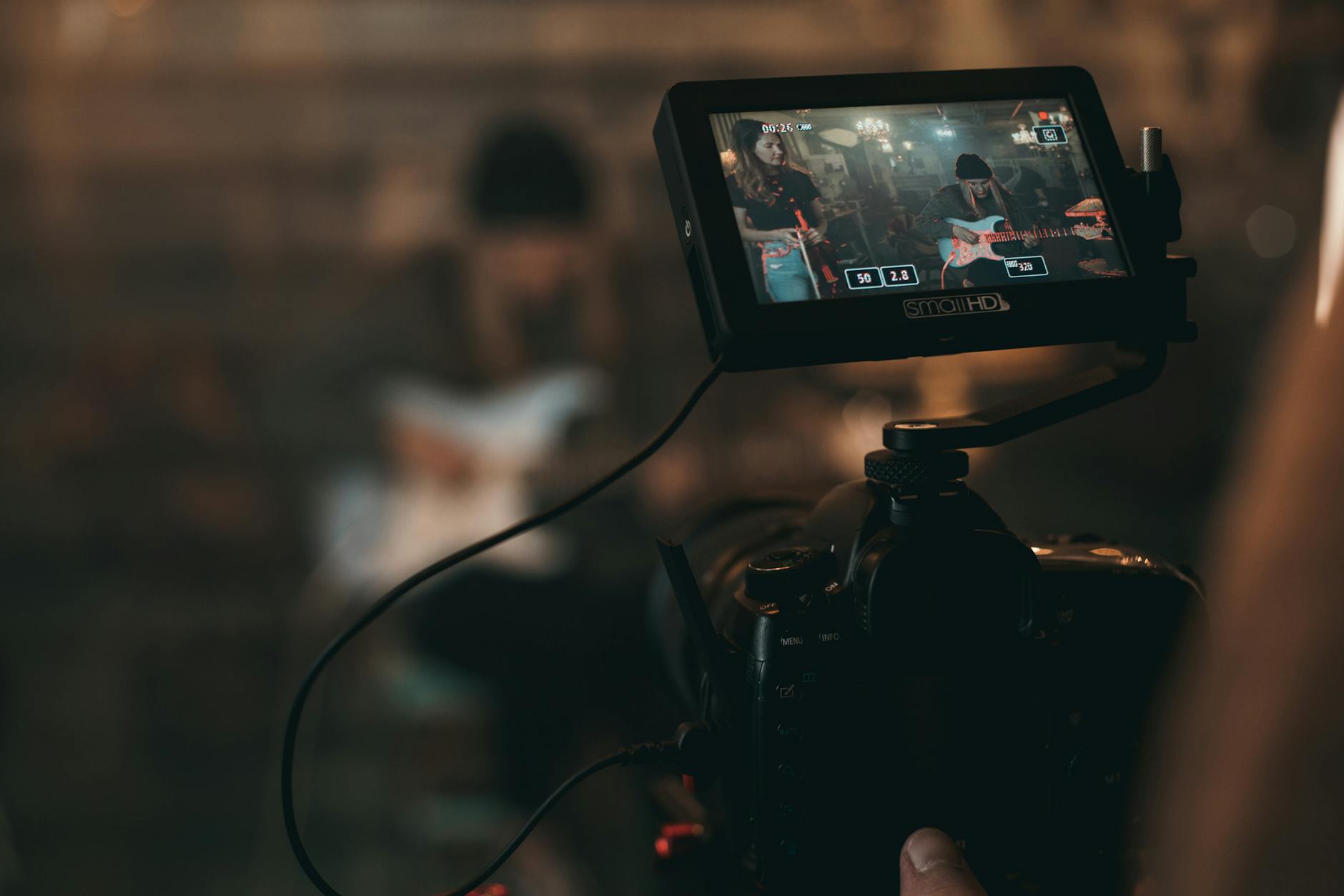
Photographers should also be mindful of copyright and intellectual property laws. Using proprietary or copyrighted elements without proper authorization can lead to legal complications and harm the reputation of the listing or agency. Clear agreements should be in place regarding image rights, particularly when working with third-party professionals or stock images.
Furthermore, transparency about the extent of editing or enhancements helps build trust with clients and audiences. Disclosing whether images have been digitally altered ensures ethical standards are met while enhancing the property’s visual appeal. This practice fosters a more authentic connection with potential buyers, reinforcing credibility.
In terms of ethical considerations, capturing images that highlight the property's best features without exaggeration is fundamental. Over-promising or misrepresenting a property through misleading visuals can lead to dissatisfaction and damage long-term relationships. Therefore, adhering to honest and professional standards in property photography not only respects the viewers' trust but also aligns with best practices in real estate marketing.
Effective Use of Professional Property Photos in Listings
High-quality property images are a crucial component of successful real estate marketing strategies. Once authentic, well-composed photographs have been captured by skilled professionals, it is essential to leverage them effectively across multiple platforms to maximize visibility and engagement. Proper utilization not only attracts potential buyers but also enhances the overall perception of the property, encouraging quicker sales and better offers.
Optimizing Images for Online Listings
When adding property photos to online listings, it's vital to ensure that each image is optimized for the platform's specifications. Clear, high-resolution images should be uploaded in appropriate formats, such as JPEG or PNG, with optimized file sizes to enable quick loading times. Slower-loading pages can deter potential buyers from exploring the listing further, reducing engagement and sales opportunities.
For property listings on real estate websites, ensure that the primary cover photo is visually appealing and accurately showcases the property's unique features. Incorporate a variety of images that highlight different aspects of the home—living spaces, bedrooms, kitchens, bathrooms, outdoor areas—giving viewers a comprehensive virtual tour.
Strategic Placement in Marketing Campaigns
Beyond online listings, professional property photos should be integrated into wider marketing efforts. This includes social media campaigns, email marketing, virtual tours, and print advertisements. Consistency in image quality across all channels reinforces professionalism and boosts brand trustworthiness for agents and agencies.
Avoiding Common Pitfalls
To ensure maximum impact, refrain from over-editing or heavily compressing images, which can lead to a loss of detail and clarity. Additionally, avoid using outdated or low-resolution photos, as these can diminish a listing’s credibility. Regularly updating images to reflect the current state of the property is an effective way to maintain accuracy and trust with prospective buyers.
Tracking and Analyzing Engagement
Utilize analytics tools to monitor how property images perform across different platforms. Metrics such as click-through rates, viewing durations, and inquiries can provide insights into which images resonate most with viewers. This data-driven approach allows real estate professionals to refine their visual presentation strategies continually, aligning images with buyer expectations and market trends.
Incorporating these best practices ensures that professional property photos fulfill their intended purpose—drawing in qualified buyers, building trust, and ultimately facilitating a smooth sale process. Consistent, strategic use of high-quality visuals underpins the credibility and success of any real estate marketing effort.
Legal and Ethical Aspects of Property Photography
Understanding Property Photo Rights
Proper property photography involves more than capturing visually appealing images; it also encompasses an awareness of rights associated with the content. Ensuring that all photographs are taken legally and ethically is essential to avoid potential disputes or misunderstandings. When professional photographers are engaged, they typically acquire the necessary permissions for capturing images, especially when including private or sensitive areas of a property. Additionally, obtaining consent from property owners or agents prior to photographing ensures full transparency and respect for property rights.
Respecting Privacy and Confidentiality
Photographers must be diligent in respecting the privacy of residents and the confidentiality of spaces within a property. This entails avoiding the inclusion of personal items, personal identifiers, or sensitive areas in the images. For example, personal documents, private backyard spaces, or areas containing confidential information should be either blurred or excluded from shots. Professional photographers use careful staging and framing to highlight the property's best features while maintaining respect for privacy considerations.
Avoiding Misrepresentation Through Photography
An ethical approach to real estate photography involves accurately representing the property's condition and features. Over-editing, using misleading angles, or digitally altering images to exaggerate space or features can mislead prospective buyers and undermine trust. High-quality images should faithfully depict the property's current state, providing an honest visual account that aligns with the actual listing. This transparency fosters credibility and facilitates a smoother transaction process.
Adhering to Industry Standards and Regulations
Professional property photographers adhere to established industry standards, which promote quality, consistency, and ethical practices. These standards often encompass guidelines on image composition, lighting, and editing. Following such protocols helps maintain a high level of professionalism and ensures that images meet the expectations of both clients and prospective buyers. Staying updated on regional or national advertising statutes related to real estate marketing also ensures compliance and prevents potential legal inconveniences.

Legal and Ethical Aspects of Property Photography
When showcasing a property through professional photography, it is crucial to adhere to specific standards that respect both legal guidelines and ethical practices. Ensuring proper permissions are obtained before photographing a property is a vital step in the process. This involves securing consent from property owners or authorized representatives, especially when the property is part of a trust, estate, or has multiple stakeholders involved. Proper documentation of permissions helps prevent disputes and reinforces transparency in marketing efforts.
Privacy considerations are equally important. Photographers must be vigilant to avoid capturing sensitive information, such as personal belongings, confidential documents, or private areas that are not meant for public viewing. This often involves meticulous planning and the use of techniques like careful framing, selective focusing, and digital editing to exclude or blur private elements. Respecting tenant privacy in lease-held properties is paramount, which may include obtaining explicit consent and scheduling shoots at appropriate times to minimize intrusion.
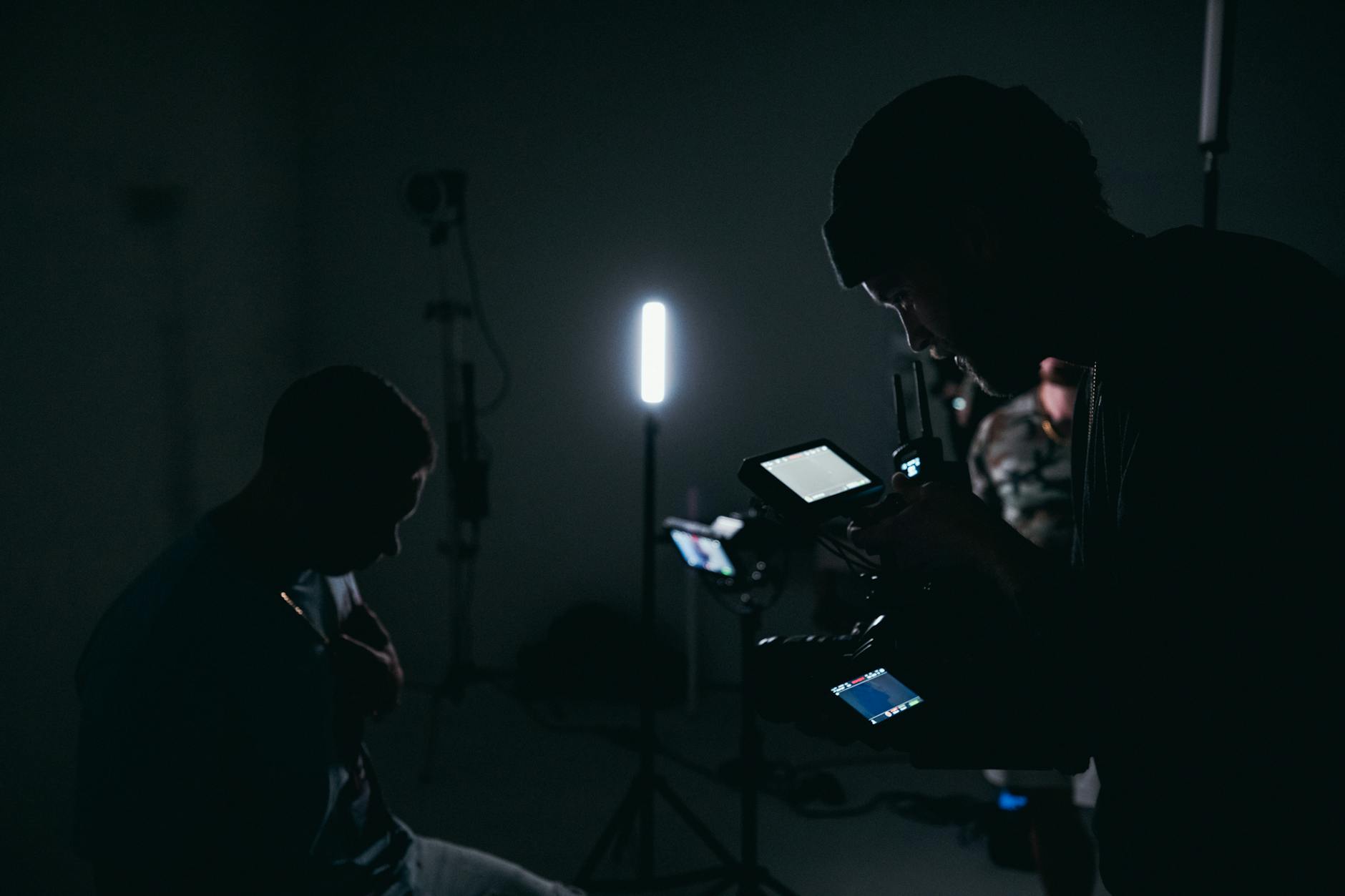
Ethical standards in property photography also encompass honesty and accuracy. Photographers should avoid engaging in practices that could distort the property's appearance, such as excessive digital manipulation or using misleading angles to exaggerate space. The images presented in listings should provide an accurate visual representation of the property's current state. This transparency builds trust with prospective buyers and aligns with professional integrity.
Staying informed about regional regulations and advertising guidelines ensures compliance within the Miami real estate market. This includes understanding acceptable promotional practices and adhering to advertising standards set forth by local authorities or industry associations. Such knowledge supports ethical marketing and helps agents and property owners avoid actions that could be perceived as deceptive or non-compliant.
Implementing these ethical standards enhances credibility and positions real estate professionals as trustworthy sources. It also minimizes legal risks associated with misrepresentation or privacy breaches. Maintaining a responsible and transparent approach to property photography ultimately contributes to smoother transactions, stronger client relationships, and an improved reputation within the Miami real estate community.