Importance of Professional Property Photography
In the competitive Miami real estate market, the visual presentation of a property plays a pivotal role in attracting prospective buyers and securing quick sales. High-quality, professional property photography significantly enhances the perceived value of a home, making it stand out among countless listings. It is an essential component of an effective marketing strategy, as compelling images can capture the unique features and ambiance of a property, encouraging viewers to take further interest and schedule viewings. Professional property photography does more than just showcase a home’s assets; it influences the overall perception of quality, trust, and credibility of the listing. Well-composed images highlight spacious interiors, natural light, and desirable finishes, all of which contribute to a buyer’s emotional connection with the property. In Miami’s vibrant real estate scene, where buyers often rely heavily on online listings, the importance of high-resolution, professionally shot photos becomes even more apparent.
Statistics indicate that listings with superior images receive more views and inquiries, which accelerates the sale process and can even elevate the final sale price. The integration of professionally captured photos into marketing efforts—such as social media campaigns, websites, and digital ads—serves as a foundation for successful property promotion. For Miami real estate professionals and homeowners alike, investing in professional property photography is a strategic move that can yield tangible benefits in terms of engagement and transactions.
Furthermore, professional images help to establish a property’s narrative, emphasizing its most appealing aspects while providing an accurate and attractive visual story. High-quality photos also reduce the need for multiple viewings, as prospective buyers can assess a property thoroughly from the comfort of their homes. This efficiency benefits both sellers and buyers, making the entire transaction process smoother and more transparent.
In summary, in the Miami real estate market, where first impressions are paramount, professional property photography is an indispensable element of effective listing marketing. The investment in quality imagery not only showcases the property at its best but also increases visibility, engagement, and ultimately, the likelihood of a successful sale. As Miami continues to attract local and international buyers, having striking, professional photographs becomes a key factor in standing out in a crowded marketplace.
Choosing the Right Photography Equipment and Techniques
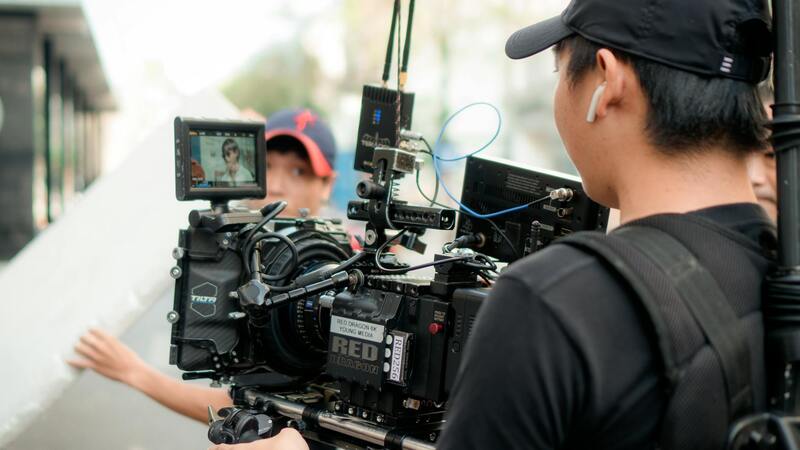
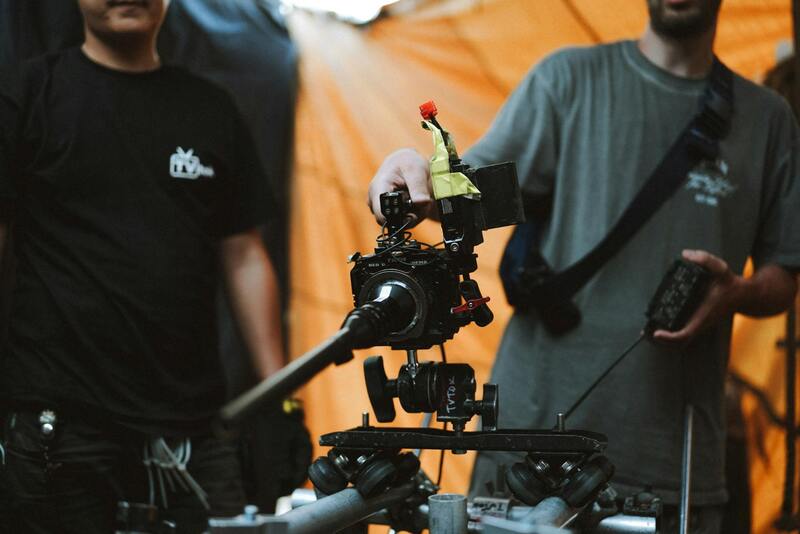
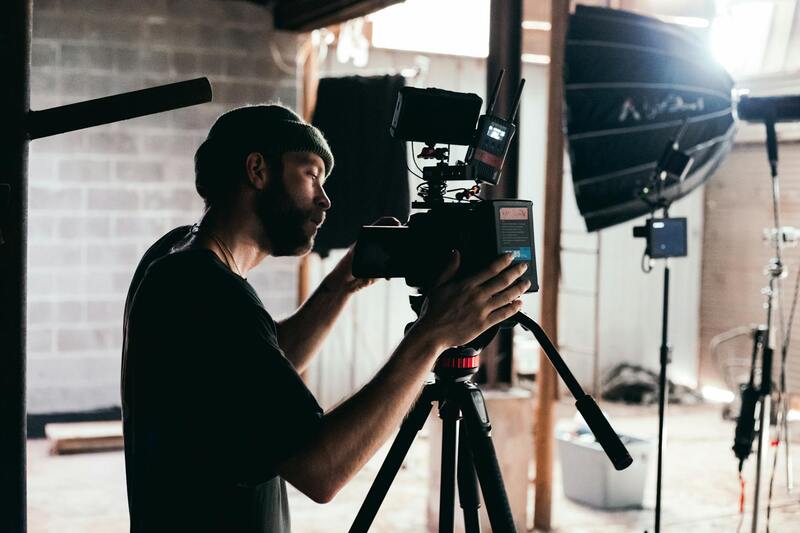
Achieving high-quality images for property listings demands more than just a good camera; it requires the utilization of advanced photography equipment and refined techniques. Professional property photographers typically employ high-resolution DSLR or mirrorless cameras equipped with wide-angle lenses, which are essential for capturing expansive interior spaces and architectural details accurately. The use of tripods ensures stability, resulting in sharp and well-aligned shots, especially in low-light conditions common in interior spaces.
Lighting is a cornerstone of effective property photography. Professionals often use external flash units or continuous lighting solutions to eliminate shadows and highlight the property’s features. Proper lighting not only enhances the vibrancy of images but also ensures that colors are rendered accurately, contributing to a true representation of the space.
Another critical technique involves strategic use of camera angles. Photographers consider the best perspectives to showcase spaciousness, depth, and key focal points within a property. Vertical and horizontal lines are carefully aligned to avoid distortion, and wide-angle lenses are applied judiciously to prevent image skewing or exaggeration of space. High dynamic range (HDR) imaging is frequently employed to balance exposure between bright windows and darker interior corners, resulting in well-exposed, captivating visuals.
Additionally, in outdoor shots, diffusion filters or reflectors are used to control sunlight and prevent overexposure, ensuring the property’s exterior is presented in the best possible light. The integration of drone photography or aerial shots offers a strategic advantage in capturing expansive properties or showcasing surrounding landscapes, adding depth and context to online listings.
By combining cutting-edge equipment with expert techniques, professional photographers deliver images that are both visually appealing and true to life. This approach significantly enhances the overall presentation of a property, making it more attractive to potential buyers and maximizing online engagement.
Staging and Preparation for Photo Shoots
Proper staging and preparatory work are vital to maximize the impact of property photography. Decluttering spaces and arranging furniture to create a welcoming and spacious environment helps visitors envision themselves living there. Small details, such as opening curtains, turning on lights, and cleaning windows, are essential steps that ensure the property looks its best in every shot.
Professional photographers often collaborate with stagers or real estate agents to arrange furniture and decor optimally. The goal is to highlight key features and create a cohesive visual narrative that appeals to prospective buyers. Fresh flowers, neutral color palettes, and minimalistic design elements can also elevate the aesthetic to evoke warmth and appeal.
Preparation extends to ensuring the property is clean and orderly before the shoot begins. Scheduling the shoot at optimal times of day, when natural light is abundant, contributes to brighter, more inviting images. Professional photographers often advise homeowners and agents on these best practices to guarantee the highest quality results, reducing the need for additional shoots and post-processing adjustments.
Choosing the Right Photography Equipment and Techniques
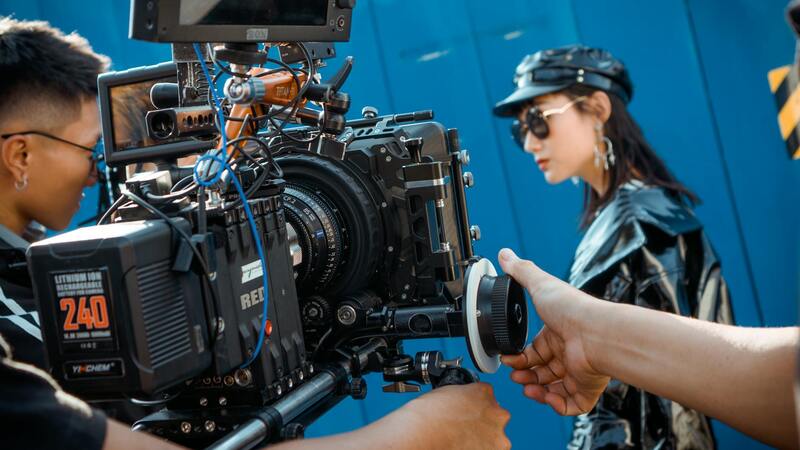
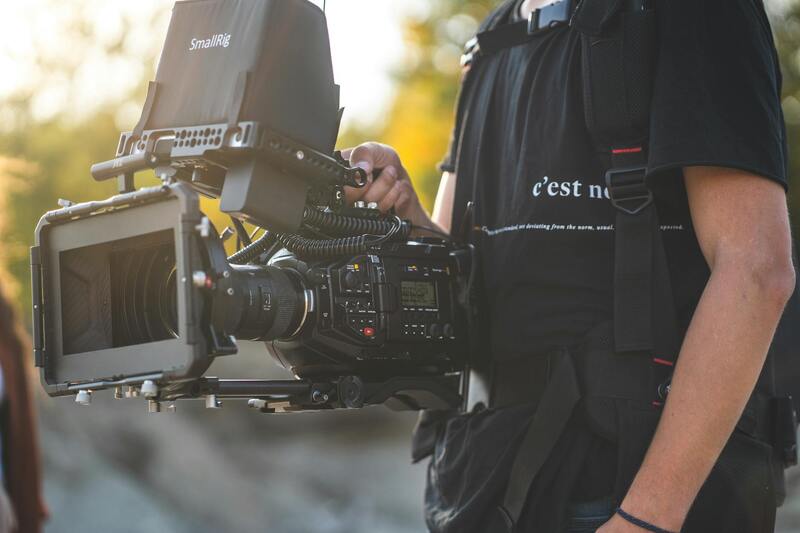
For capturing compelling property images, utilizing advanced photography equipment is essential. The foundation of high-quality property photography lies in the use of professional-grade cameras equipped with full-frame sensors, which deliver superior image resolution and color accuracy. Such cameras have the capability to capture fine details, ensuring that every aspect of the property is presented with clarity.
Wide-angle lenses are indispensable tools for real estate photography. These lenses enable photographers to capture expansive views of interior spaces within a single shot, making rooms appear larger and more inviting. This perspective is particularly beneficial in showcasing small or awkwardly shaped rooms, transforming them into appealing features for potential buyers.
In addition to ground-based photography, drone technology plays a vital role in modern property marketing. Aerial shots provide a comprehensive view of the property and its surroundings, highlighting landscaping, property boundaries, and neighborhood features from perspectives unattainable from the ground. Drone footage can significantly elevate a listing by offering a unique visual experience that captivates prospective buyers.
Post-processing techniques also contribute substantially to the final quality of property images. Skilled editing ensures color consistency, corrects lens distortions, and enhances lighting without misrepresenting the property. This careful approach results in polished images that accurately reflect the property's true character while maintaining visual appeal.
Implementing Advanced Techniques for Superior Results
To maximize the impact of property imagery, professional photographers employ various techniques including high dynamic range (HDR) imaging. HDR combines multiple exposures to produce well-lit interior shots even when exterior lighting conditions vary. This method captures the full spectrum of light within a scene, preventing overexposed windows or dark corners and delivering balanced, vibrant images.
Lighting is another critical factor. Photographers often shoot during times of day when natural light floods the property, typically early morning or late afternoon, to achieve softer shadows and a warm, inviting glow. Supplementary lighting, such as portable softboxes or reflectors, may be used to eliminate harsh shadows and evenly illuminate spaces, especially in interior shots with limited natural light.
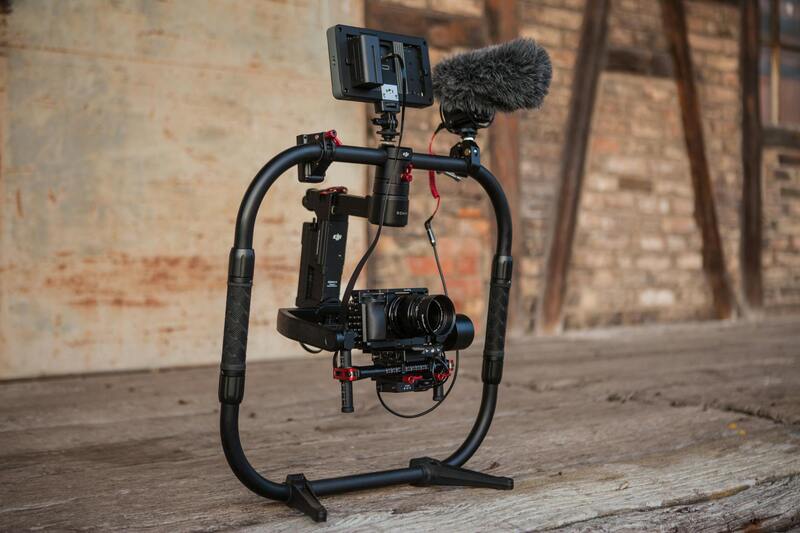
The use of tripod stabilizers and remote triggers ensures images are sharp and free from motion blur. In tight spaces, specialized fisheye lenses or tilting and shifting camera techniques are employed to capture the full scope of a room while avoiding distortion. These professional methods serve to produce images that are both technically proficient and visually compelling.
By integrating these advanced equipment choices and techniques, real estate professionals can create a portfolio of images that stand out in the competitive Miami property market, appealing directly to the aspirations and interests of prospective buyers.
Legal and Ethical Considerations in Property Photography
Secure and ethical property photography involves adherence to established standards that respect privacy, property rights, and intellectual property. When capturing images, professionals must obtain necessary permissions from property owners or authorized representatives, ensuring all shots align with the agreed-upon scope of work. Clear communication about how images will be used, stored, and shared is vital to uphold transparency with clients.
Photographers should avoid misrepresenting a property through photo manipulation or selective framing. Enhancing images through exposure adjustments or minor edits is acceptable, but any alterations that significantly distort the true appearance of the property undermine credibility and can lead to potential disputes. Respect for the property's existing features and truthful representation are cornerstones of professional property photography.
Furthermore, photographers should be conscious of the surrounding environment. Respecting neighbors' privacy by avoiding intrusive angles or capturing private property features without consent reinforces ethical conduct. When using aerial drone photography, operators must follow established flight and safety protocols, including obtaining necessary permits and avoiding no-fly zones, to prevent disruptions and safeguard public safety.
Adhering to copyright laws is also crucial. Photographers retain their rights to their images, and proper licensing agreements should be in place for the use and reproduction of photos. This ensures all parties are aware of usage rights, preventing unauthorized distribution or commercial use. Transparency, honesty, and respect for both legal guidelines and personal boundaries form the foundation of responsible property photography practices.
Legal and Ethical Considerations in Property Photography
Adhering to established practices ensures the integrity and credibility of property images used in marketing efforts. Photographers must prioritize transparency and honesty, avoiding any form of image manipulation that could mislead viewers or misrepresent the property's true condition. This includes refraining from overly selective framing that may hide flaws or imperfections. Instead, focus should be placed on capturing and enhancing images in a way that accurately reflects the property’s features and architectural details.
Respecting privacy and property boundaries is another cornerstone of professional property photography. Photographers should be mindful of surrounding properties and neighbors, avoiding intrusive angles that may infringe upon private spaces. When using aerial photography or drone footage, obtaining proper authorizations and following safety protocols is essential to prevent disruptions. This process often involves acquiring necessary permits and adhering to local regulations governing aerial operations.
Copyright considerations also play a vital role. Photographers retain ownership rights to their images but often license their use to clients for specific purposes. Clearly defining these rights through licensing agreements prevents unauthorized distribution and ensures proper attribution. This practice not only protects the photographer's intellectual property but also fosters trust with clients and stakeholders.
Additionally, truthful editing is crucial. Adjustments such as exposure correction, color balancing, and minor retouching that do not alter the property’s appearance are acceptable. However, any edits that substantially alter the integrity of the visual information can undermine the professionalism of the images and the credibility of the marketing effort.
Maintaining these high standards in property photography fosters a professional reputation and builds confidence among clients and prospective buyers. Ethical conduct in imagery not only enhances trust but also sets a benchmark for quality and responsibility within the real estate sector.
Legal and Ethical Considerations in Property Photography
Adhering to established legal and ethical standards is crucial for maintaining the integrity of professional property photography. Photographers must respect the privacy and rights of individuals, which involves obtaining explicit permission before capturing images that include private spaces or personal belongings. This responsibility extends to ensuring consent when photographing tenants or occupants, especially in rental or occupied properties. Proper licensing and clear documentation are essential to legitimize the use and distribution of images. These practices help prevent disputes over image rights and ensure clarity in how photographs are utilized across various marketing channels. Licensing agreements should specify the scope of use, duration, and any restrictions, providing a transparent framework for both photographers and clients. Furthermore, photographers should avoid manipulative editing practices that could misrepresent a property's condition or features. While enhancements like exposure adjustments and color corrections are acceptable to produce visually appealing images, any alterations that could deceive viewers compromise the authenticity of the visuals. Accurate representation of the property's features fosters trust with potential buyers and upholds the professional reputation of the photographer. Respecting intellectual property rights is also fundamental. Photographers retain ownership of their images, but clients should secure the appropriate licensing rights to use the photographs in marketing efforts. Clear agreements prevent unauthorized reproduction or distribution, safeguarding both parties' interests. Lastly, ethical considerations extend to respecting the environment and surrounding community. Avoiding the inclusion of private or sensitive areas, such as neighboring properties or personal belongings, upholds a standard of professionalism and decorum. When using aerial or drone photography, securing appropriate permissions and following safety protocols ensures that operations do not disrupt neighboring areas or violate regulatory standards. Implementing these guidelines demonstrates a photographer’s commitment to professionalism and responsibility, fostering trust and credibility in the competitive Miami real estate market.
Legal and Ethical Considerations in Property Photography
When engaging in professional property photography, particularly in vibrant markets like Miami, adhering to established standards is crucial to uphold trust and maintain high industry standards. Ensuring all photographs are taken with proper permissions involves obtaining explicit consent from property owners or relevant authorities before capturing images. This respect for privacy not only avoids potential disputes but also demonstrates a commitment to responsible photography practices.
Compliance with local regulations regarding drone and aerial photography is especially important. Certain areas may require specific permits or notifications prior to operation, and failure to adhere to these rules could lead to legal complications or safety concerns. Photographers should familiarize themselves with Miami's regulations on drone usage, including altitude restrictions and no-fly zones, to guarantee legally compliant operations.
Another key aspect involves safeguarding the privacy of neighboring properties and individuals. Photographers must be cautious to avoid capturing private spaces or personal belongings without consent. Strategic framing and angle selection can mitigate the risk of unwarranted intrusion while still showcasing the property's best features.
Proper licensing for the use of photography equipment, especially for drone cameras, is essential. This includes certifications or licenses required by the Federal Aviation Administration (FAA) or local authorities, which may dictate whether certain equipment can be operated in specific areas or under particular conditions. Ensuring these licenses are valid and up-to-date demonstrates a professional level of compliance, avoiding potential legal repercussions.
Furthermore, transparency with clients regarding image rights and usage rights is vital. Clear contractual agreements specifying how photos will be used, distributed, and stored help establish boundaries and prevent misunderstandings. Maintaining records of permissions and consent forms supports ethical standards and legal clarity in the photographer-client relationship.
In addition to regulatory compliance, photographers should adopt environmentally considerate practices. This includes minimizing noise disruptions during drone flights and respecting the surrounding community by avoiding overreach or intrusive photography. Ethical conduct in property photography fosters a reputation of integrity, encouraging long-term professional relationships and client trust.
By integrating these practices into their workflow, property photographers demonstrate a high level of professionalism and responsibility. This not only benefits their reputation but also contributes to the overall integrity of the real estate industry in a competitive market like Miami, where client trust and image accuracy are paramount.
Legal and Ethical Considerations in Property Photography
When engaging in professional property photography, adhering to established standards of conduct is essential to maintaining trust and credibility within the real estate industry. Respecting the rights of property owners and tenants is a fundamental aspect of ethical practice, ensuring that images are captured with proper consent and authorization. Obtaining written permissions prior to conducting photographs, especially when capturing interior spaces or private areas, helps prevent disputes and upholds respect for individuals' privacy.
Photographers must also be diligent in verifying that they have the necessary permits and permissions to operate specific equipment, such as drones or other aerial devices. This involves complying with local regulations concerning airspace and privacy, and ensuring all licenses and certifications are current. Demonstrating competence with equipment and understanding of pertinent regulations showcases professionalism and fosters confidence among clients and stakeholders.
Clear contractual agreements are essential components of ethical practice. These contracts should specify how images will be used, distributed, and stored, preventing misunderstandings and ensuring all parties are aware of their rights and responsibilities. Proper documentation of permissions, consent, and licensing agreements provides an additional layer of legal and ethical protection for photographers and clients alike.
Environmental consciousness also plays a role in ethical property photography. This includes minimizing noise disruptions, such as avoiding loud drone flights near residential areas during sensitive times, and respecting community spaces by refraining from intrusive or overreaching shots. Such considerations preserve community integrity and promote a positive reputation within the industry.
Developing a reputation for integrity and ethical conduct requires ongoing commitment. Adhering to privacy standards, respecting property boundaries, and maintaining transparency with clients reinforce trust and long-term professional relationships. Upholding these standards not only benefits individual careers but also contributes to the overall professionalization of property photography practices.
Ultimately, responsible property photography entails a proactive approach to respecting individuals' rights, complying with regulations, and maintaining high standards of integrity. Photographers who prioritize these principles foster a reputation for reliability and professionalism, crucial in a competitive real estate market such as Miami. By integrating ethical guidelines into every project, professionals contribute positively to their industry and ensure sustainable success.