Importance of Quality Visual Content in Real Estate Marketing
In the competitive landscape of real estate, the significance of compelling visual content cannot be overstated. High-quality images serve as the initial point of contact between property listings and potential buyers, making them instrumental in capturing attention and generating interest. When prospective clients browse online listing portals or social media platforms, visually appealing and professionally captured images stand out amidst a sea of similar properties.
Professional pictures significantly elevate the perceived value of a property, highlighting its best features and creating an emotional connection with viewers. This emotional engagement often translates into increased inquiries, scheduled viewings, and ultimately, faster sales. Moreover, well-crafted images reduce the need for multiple physical visits, streamlining the sales process and saving valuable time for both agents and clients. High-quality visuals also reinforce an agent’s credibility and commitment to excellence, fostering trust within the market.
Beyond initial listings, striking images play a vital role in marketing campaigns across various channels, including websites, email marketing, and social media advertising. They ensure consistent branding and enhance the overall aesthetic appeal, positioning agents and agencies as professional, reliable, and attentive to detail. As digital real estate continues to evolve, the importance of professional visual content remains paramount in attracting the right buyers, achieving quicker sales, and establishing a strong online presence.
Key Features of Professional Real Estate Photography
- High Resolution: Ensures clarity and sharpness across all devices.
- Proper Lighting: Highlights the property's best features and creates inviting atmospheres.
- Wide-Angle Lenses: Capture spacious interiors and provide comprehensive views of rooms.
- Even Composition: Balance elements within each shot for visual harmony.
- Post-Processing: Enhances images without misrepresentation, correcting colors and brightness.
Implementing these features guarantees that each photograph accurately represents the property's appeal and encourages engagement from potential buyers.
Roles and Responsibilities of a Professional Photographer for Real Estate
Hiring a dedicated professional photographer for real estate listings ensures that properties are captured in their best light, highlighting unique features and creating compelling visuals that resonate with potential buyers. These specialists bring a keen eye for composition, lighting, and detail, enabling them to produce images that truly showcase the property's strengths.
One of the primary responsibilities is to assess the property's layout and lighting conditions to determine the optimal angles and settings for each shot. This includes selecting the appropriate equipment, such as wide-angle lenses and possibly drone photography tools, to provide comprehensive views of both interior and exterior spaces. Attention to detail during the shoot guarantees that no important aspect of the property is overlooked.
Post-production editing also plays a key role, with the photographer enhancing images through color correction, brightness adjustment, and other editing techniques to ensure the pictures are crisp, inviting, and true to reality. Careful editing helps eliminate minor imperfections, ensuring the final images convey professionalism and high quality. Additionally, photographers often provide multiple formats and sizes suitable for various platforms, from online listings to printed brochures.
Collaborating with a professional also includes guidance on best practices for property staging, timing, and shot selection. Adequate coordination allows for the scheduling of shoots at optimal times of day with natural lighting, further elevating the visual impact. Furthermore, experienced photographers can advise on incorporating supplementary images such as aerial shots or virtual tours to diversify marketing content and provide comprehensive views of the property.
The role extends beyond simply taking pictures — it involves understanding market trends and buyer preferences to produce visuals that align with current demand. This strategic approach ensures that each photograph effectively communicates the property's value, cutting through the clutter of competing listings and capturing attention quickly.
Roles and Responsibilities of a Professional Photographer for Real Estate
A professional photographer specializing in real estate takes on a multifaceted role that extends beyond simply capturing images of a property. Their primary responsibility is to produce photographs that accurately showcase a property's features while evoking an emotional response from potential buyers. This involves a keen eye for composition, understanding of natural and artificial lighting, and the ability to highlight a property's unique selling points. A photographer must be well-versed in the latest imaging techniques and equipped with high-grade cameras, wide-angle lenses, and advanced lighting gear to produce sharp, well-exposed images across various conditions. Their expertise ensures that interior spaces appear spacious and inviting, while exterior shots capture the property's curb appeal. Moreover, experienced real estate photographers understand the importance of consistent branding and visual storytelling. They strategically plan each shoot, considering factors such as angles, focal points, and the overall narrative that the images will convey. This helps in curating a collection of visuals that resonate with target audiences and align with current market trends. Another critical aspect of their role involves post-production editing. This process includes color balancing, straightening images, removing minor imperfections, and enhancing visual appeal without misrepresenting the property. These edits ensure the final images are polished, professional, and ready for various marketing platforms.
In addition to technical proficiency, a real estate photographer must possess excellent communication skills to coordinate with agents regarding preferred shot lists and property staging. Their role encompasses understanding real estate market dynamics to produce images that effectively attract attention from prospective buyers. This strategic approach facilitates quicker sales and can often translate into higher property values, reflecting the value of professional visual content.
Implementing Official and Recognized Photography Techniques
For real estate professionals aiming to elevate their property marketing strategies, employing official and recognized photography methods is essential. These practices ensure consistency, authenticity, and a high standard of visual presentation across all listings. One fundamental approach is using professional-grade equipment, such as high-resolution digital cameras, wide-angle lenses, and stabilized tripods. These tools help capture expansive, clear images that accurately depict both interior and exterior spaces.

Moreover, complying with established photographic standards involves understanding proper lighting techniques, framing, and composition. Natural lighting, supplemented with professional lighting equipment, minimizes shadows and highlights property features effectively. Consistent use of these methods across different properties reinforces branding and builds trust with prospective clients.
Adherence to Ethical Shooting Standards and Guidelines
Ethical practices in real estate photography revolve around accurate representation and honest portrayal of properties. It’s imperative for photographers to capture images that reflect the true state of a home without excessive editing or digital enhancement that could mislead potential buyers. This involves meticulous planning of shoots to ensure all areas are photographed in their best light, capturing all relevant details that buyers would appreciate.
Developing a standardized set of guidelines for property shoots, such as framing techniques, image cropping, and avoiding distortions, upholds professionalism and integrity. Additionally, ensuring privacy and respecting property rules during the shoot aligns with recognized standards and maintains a respectful working relationship with property owners and agents.
Standardization for Consistency and Quality Control
Implementing standardized procedures for photography helps maintain consistent quality and visual coherence across all property listings. This process includes setting clear protocols for photo session preparation, camera settings, and post-processing edits. Photographers often utilize checklists to ensure each image meets quality benchmarks, including correct exposure, sharpness, and color accuracy.
Quality control measures may involve peer reviews or client feedback to assess the efficacy of images before publishing. This systematic approach reduces errors, enhances the visual storytelling of properties, and ensures listings appear polished and appealing to potential buyers.
In sum, adopting official, standardized, and ethical methods in real estate photography not only produces compelling visuals but also supports the trustworthiness and reputation of real estate brands. It elevates the overall perception of property listings, leading to faster sales cycles and higher property values, thereby offering strategic advantages in a competitive market.
Roles and Responsibilities of a Professional Photographer for Real Estate
Engaging a professional photographer for real estate imaging entails more than just capturing attractive images. It necessitates a clear understanding of the property's unique features and the target audience to tailor visual content effectively. The photographer’s primary responsibilities include assessing the property’s best angles, natural lighting conditions, and architectural highlights to produce compelling images that resonate with prospective buyers.
During the shoot, the photographer must adhere to established guidelines for composition, lighting, and perspective to ensure each image accurately represents the property's true appearance. This involves adjusting camera settings for optimal exposure and sharpness, utilizing specialized equipment such as wide-angle lenses to capture expansive views, and employing stabilization techniques to prevent blurring.
Beyond technical execution, a professional photographer acts as a visual storyteller—highlighting the property's best features in a way that appeals to buyers' emotions and aspirations. This includes ordering shots strategically, from curb appeal to interior details, to create a comprehensive visual narrative of the property.
Post-production work also plays a vital role in this process. The photographer's responsibilities extend to editing images for color correction, brightness, and contrast to produce vibrant, true-to-life visuals. The editing process upholds high standards, avoiding drastic modifications that could mislead viewers or compromise authenticity. Maintaining a natural, polished appearance ensures the images meet the expectations of real estate professionals and clients alike.

Furthermore, professional photographers often collaborate with real estate agents to understand the story behind each property, emphasizing unique selling points. They also ensure all images are optimized for various marketing channels, including online listings, social media, and virtual tours, to maximize reach and engagement.
Ultimately, a professional photographer's role encompasses technical expertise, aesthetic sensibility, and strategic insight—all aimed at creating high-quality visual content that enhances the property's marketability and accelerates the sales process.
Roles and Responsibilities of a Professional Photographer for Real Estate
A professional real estate photographer carries a multifaceted role that goes beyond simply capturing images of a property. Their responsibilities include executing a strategic visual plan that aligns with the marketing goals of the property, ensuring every shot emphasizes the property's unique features, and creating a compelling narrative that appeals to potential buyers.
One of the core duties involves meticulous property assessment to determine the best angles, lighting conditions, and times of day for optimal shots. This process requires a keen eye for detail and a thorough understanding of how visual elements influence perception and interest. Photographers must be adept at recognizing the property's strengths and determining how best to showcase them through composition and lighting techniques.
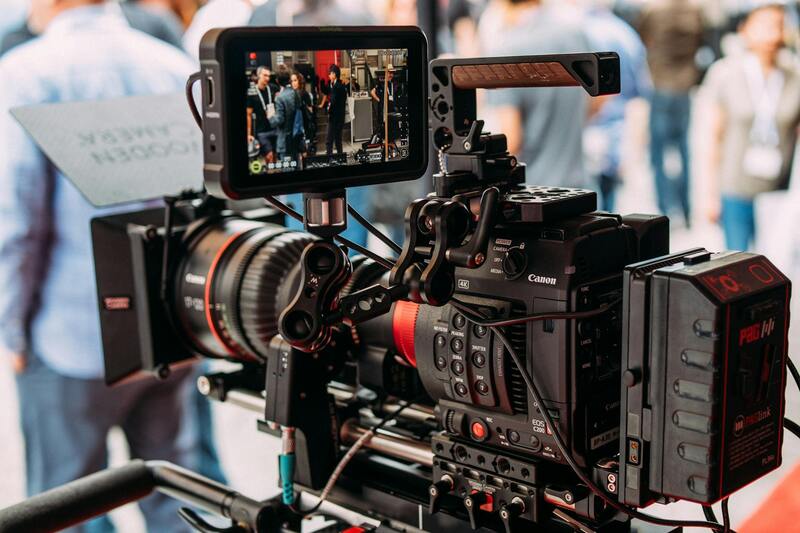
Furthermore, the professional photographer is responsible for managing all technical aspects related to image quality. This includes selecting the right camera equipment, lenses, and lighting setups to produce clear, sharp visuals. They must also handle post-production editing to enhance color accuracy, correct distortions, and ensure the final images are vibrant yet true to real life. The objective is to showcase the property authentically while making it as inviting as possible to prospective buyers.
Another vital responsibility involves maintaining consistency across all visual assets to reflect the property's style and appeal. When multiple images are used across different marketing platforms, uniformity in quality and presentation helps create a strong, cohesive visual identity that resonates with viewers.
Collaboration plays a significant role in this process. A professional photographer often works closely with real estate agents to understand the property's story, target audience, and marketing strategy. This partnership ensures that the photographic content aligns with the overall approach, emphasizing aspects of the property that will drive interest and inquiries.
Indeed, the role extends into advising on property staging and preparation to maximize visual impact. Photographers may suggest adjustments to furniture placement, decluttering, or lighting enhancements to improve the overall imagery. In some cases, they may also coordinate with other specialists, such as drone pilots for aerial shots or virtual tour providers, to present the property in its best light across various channels.
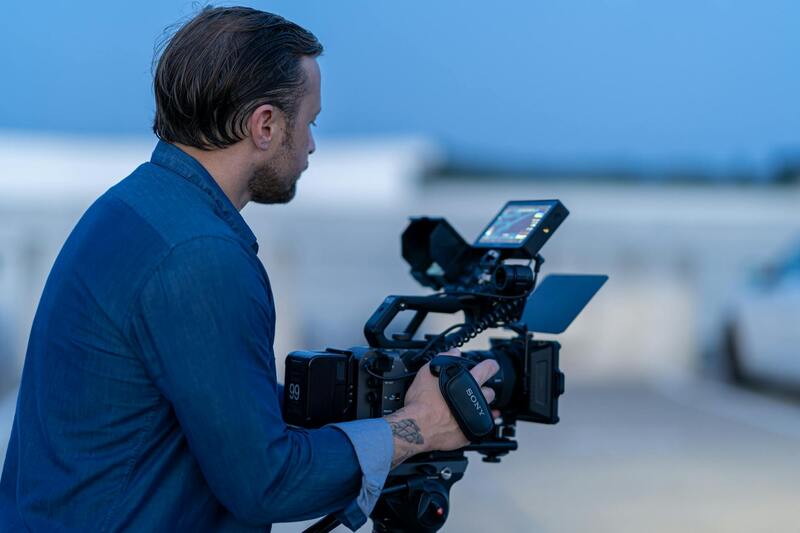
Ultimately, a professional real estate photographer’s responsibilities encompass technical mastery, creative storytelling, strategic collaboration, and a keen sense of visual marketing. Their work directly influences how properties are perceived online and can significantly impact how quickly and efficiently they sell, making their role a crucial component in successful real estate marketing efforts.
Roles and Responsibilities of a Professional Photographer for Real Estate
The role of a professional real estate photographer extends beyond simply capturing attractive images. It involves a comprehensive approach to presenting properties in the best possible light, ensuring that each visual element aligns with marketing objectives. A skilled photographer not only operates high-end cameras and lighting equipment but also possesses an understanding of composition, staging, and post-processing techniques that elevate property imagery to attract potential buyers.
One of their primary responsibilities is to assess the property beforehand. This includes noting the architectural features, assessing lighting conditions, and determining the best angles to highlight unique characteristics. Through meticulous planning, they decide on the optimal time of day for shooting, leveraging natural light to enhance the property's appeal.
During the shoot, a professional photographer meticulously manages lighting setups, camera settings, and composition to produce crisp, well-exposed images that accurately depict the property's dimensions and features. The goal is to create visuals that are both inviting and truthful representations of the property, fostering trust with prospective buyers.
Post-production editing also plays a pivotal role. A professional photographer uses advanced editing software to enhance images subtly—correcting exposure, adjusting color balance, and removing minor imperfections—without overdoing it. This ensures that the images are vibrant, clear, and compelling while maintaining authenticity. Such meticulous attention to detail can significantly influence a property's online presentation, making it stand out in a competitive market.
Moreover, a professional photographer often collaborates with real estate agents to understand the specific marketing angle needed. Whether emphasizing spaciousness, unique architectural elements, or interior design highlights, they tailor their approach to match the property's story and target audience. This strategic partnership ensures the resulting images serve as effective tools to generate interest and inquiries from potential buyers.
Beyond capturing static shots, many professional photographers expand their scope to include modern visual assets such as virtual tours and aerial photography. These elements provide immersive and comprehensive overviews of the property, capturing its full context within the neighborhood or surrounding landscape. Such visuals can dramatically enhance online listings, enabling prospective buyers to experience the property remotely and fostering a stronger connection before arranged viewings.

Ultimately, the responsibilities of a professional real estate photographer encompass technical mastery, creative storytelling, strategic collaboration, and a keen understanding of visual marketing. Their work impacts how properties are perceived online, directly influencing the speed and success of sales. By consistently delivering high-quality visual content, they enable real estate agents to stand out in a crowded market, attract more qualified inquiries, and close deals more efficiently.
Enhancing Listings with Innovative Visual Technologies
In today’s digital-first real estate market, leveraging cutting-edge visual technologies is essential for creating compelling property listings. One of the most impactful innovations is virtual staging, a process where digital furniture and decor are added to images of vacant or unfurnished spaces. This allows potential buyers to envision the property's full potential without the need for physical staging, saving time and resources while increasing emotional engagement.
Additionally, immersive 3D virtual tours have revolutionized the way buyers explore properties remotely. These tours offer interactive experiences where viewers can navigate through each room at their own pace, gaining a comprehensive understanding of layout, space, and flow. Incorporating high-resolution 3D walkthroughs can significantly boost online engagement metrics, providing a realistic sense of scale and ambiance that static images alone cannot achieve.

Overlaying aerial photography offers a bird’s-eye view of the property and its surroundings, emphasizing lot size, landscape features, and proximity to amenities. Employing drone technology captures high-quality, dynamic aerial images and videos that can set a listing apart by showcasing the property within its neighborhood or scenic environment. These aerial visuals are particularly valuable for large estates, waterfront properties, or residences with significant outdoor features.
Combining virtual staging, 3D tours, and aerial imagery creates a layered storytelling approach that appeals to modern buyers who prioritize transparency, convenience, and immersive experiences. By integrating these advanced visual tools, real estate professionals can craft rich, multi-dimensional representations of properties that attract more interest and foster quicker, more confident transactions.