Importance of Professional Photography in Real Estate
In the competitive Miami real estate market, captivating visual presentations are crucial in capturing the attention of potential buyers. High-quality professional photography not only enhances a property's visual appeal but also significantly influences purchase decisions. Well-executed images serve as the first impression for online listings, which are often the initial step in the buyer's journey. When prospective buyers view professionally shot photos, they are more likely to develop an emotional connection to the property, leading to increased inquiries and faster sales.
Research indicates that listings with top-tier visuals receive substantially more views and engagement compared to amateur photographs. This heightened visibility can result in a shorter time on the market and better sale prices. Particularly in Miami, where luxurious properties and vibrant residential neighborhoods attract discerning buyers, the importance of high-caliber imagery cannot be overstated. Real estate agents and sellers who prioritize professional photography have a competitive edge, ensuring their listings stand out amidst numerous options.
How Professional Photography Elevates Buyer Engagement
- Creates a memorable first impression: Clear, bright, and expertly composed images draw buyers into the property experience.
- Highlights key features: Strategic framing emphasizes the unique aspects of a property, such as spacious living areas, modern kitchens, and scenic views.
- Builds trust and credibility: Quality visuals convey professionalism and attention to detail, assuring buyers of the property's value.
- Expands online reach: Listings with professional photos are more shareable and appear more attractive across digital platforms.
Impact on Sale Speed and Price
Statistical data from various real estate markets demonstrates that homes with professional photography sell 32% faster than those with amateur images. Additionally, listings with high-quality visuals tend to command higher prices, often achieving offers above the asking price. In Miami's dynamic market, leveraging professional photography becomes a strategic investment that facilitates quicker transactions and maximizes property value.
In an environment where visual storytelling influences buyer perception, the role of expert photography extends beyond mere image capture. It involves a comprehensive approach to presenting a property in the most favorable light, fostering desire and prompting action. The next sections delve into the fundamentals of capturing compelling real estate images, ensuring that every listing can harness the full power of professional photography to achieve optimal results in Miami’s vibrant real estate scene.
Key Elements of Effective Property Photography
Creating compelling real estate images requires careful attention to several fundamental components. These elements work together to highlight a property's strengths and ensure that listings stand out across digital platforms.
- Lighting: Proper lighting is essential to produce bright, inviting images. Natural light is preferred, as it reveals true colors and textures, but professional lighting setups can correct deficiencies during indoor shoots. An expertly lit property emphasizes spaciousness and enhances visual appeal, making rooms appear larger and more welcoming.
- Staging: Well-staged homes translate into more attractive photographs. Strategic placement of furniture, accessories, and decor accentuates key features while creating a sense of lifestyle. Staging helps buyers visualize themselves in the space, fostering an emotional connection that can accelerate decision-making.
- Camera Angles and Composition: The choice of camera angles can dramatically influence how a property is perceived. Wide-angle lenses are commonly used to give a sense of space, while carefully considered compositions direct the viewer's eye to focal points, such as a striking fireplace or panoramic views. Proper framing captures the property's essence without distortion, maintaining authenticity and appeal.

Choosing the Right Photography Equipment and Techniques
Investing in high-quality equipment and applying advanced photography techniques are crucial to achieving professional results. Modern digital cameras with high-resolution sensors, paired with professional-grade lenses, enable the capture of crisp, detailed images. Tripods ensure stability, preventing blurriness and allowing for precise framing, especially in low-light conditions.
Techniques such as HDR (High Dynamic Range) photography merge multiple exposures to balance interior lighting, revealing both bright and shadowed areas. Drones can also be employed to showcase expansive properties and surrounding landscapes, adding a distinctive perspective that elevates a listing’s visual impact.
Preparing a Property for Photography
Preparation impacts the overall quality of the photos and, consequently, the impressions made on potential buyers. Cleaning and decluttering are primary steps to eliminate distractions. Rearranging furniture to maximize space and removing personal items create a neutral environment that appeals to a broad audience.
Timing is equally important; scheduling shoots during periods of optimal natural light and ensuring all lights are functioning improves the ambiance. Additionally, opening curtains and blinds allows sunlight to fill rooms, revealing the property’s true potential.
The Role of Professional Real Estate Photographers
Expert photographers bring specialized skills, equipment, and an artistic eye to real estate imagery. Their understanding of best practices in composition, lighting, and post-production ensures each shot enhances the property’s appeal. Collaborating with a seasoned professional minimizes the risk of poor-quality images that could potentially harm a listing’s effectiveness.
Post-Production and Photo Editing for Listings
Post-processing involves color correction, exposure adjustments, and minor retouching to create polished images that accurately reflect the property. Overly edited photos, however, should be avoided to maintain authenticity. Skilled editing enhances shadows and highlights, revealing details that might be lost in raw captures, and ensures consistency across all listing images.
Integrating Photography into Marketing Strategies
High-quality images are central to various marketing channels, including online listings, social media, and email campaigns. Carefully curated photo sets create a cohesive visual narrative, attracting a broader audience and encouraging sharing. Multiple images of each space, complemented by aerial shots where appropriate, provide comprehensive views and immersive experiences for prospective buyers.
Localization and Market Trends in Miami Real Estate Photography
Miami’s real estate market is characterized by its vibrant, luxury-oriented character. Photography styles should reflect local aesthetics, emphasizing outdoor living, waterfront views, and modern finishes. Staying current with emerging trends—such as virtual staging and 3D walkthroughs—enhances a listing’s competitiveness in this dynamic environment. Tailoring visual content to regional preferences helps properties resonate more effectively with targeted audiences and accelerates the sales process.
Choosing the Right Photography Equipment and Techniques
To ensure that property images effectively highlight the home's features, selecting appropriate equipment and mastering specific techniques are crucial steps. Professional photographers typically utilize wide-angle lenses, which allow for capturing more of a room in a single shot, making spaces appear more spacious and inviting. These lenses are particularly beneficial for small rooms or areas with limited natural light, enabling a comprehensive view that draws potential buyers into the space.
Alongside wide-angle lenses, High Dynamic Range (HDR) imaging is a popular technique that combines multiple exposures to produce images with balanced lighting and vivid details. This approach is especially effective in situations where there are significant differences between light levels, such as bright windows and darker interior spaces, ensuring that no area is underexposed or overexposed.
Utilizing tripod mounts enhances stability during shooting, which is vital for clarity and sharpness, especially in low-light conditions common in interior photography. Professional equipment also includes proper lighting gear, such as portable flash units or continuous lighting setups, to eliminate shadows and showcase the property in the best light.
Another key aspect involves staging the property effectively prior to shooting. This includes decluttering, arranging furniture to highlight flow and space, and emphasizing features that appeal to the target market. The combination of high-quality equipment and meticulous staging ensures that each image accurately represents the property’s potential and appeal.
Preparing a Property for Photography
Preparation plays a vital role in achieving outstanding listing images. Removing personal items, clutter, and excess furniture helps create a clean, neutral environment that invites prospective buyers to envision themselves living in the space. Proper lighting is essential; opening curtains and turning on all interior lights can significantly brighten a room and reduce shadows.
Timing of the shoot also impacts image quality. Conducting photography during the day when natural light floods the property ensures bright, vibrant photos. For exterior shots, shooting during the golden hour—shortly after sunrise or before sunset—produces warm, inviting images that highlight outdoor spaces and views.
Attention to detail during property preparation, including cleaning windows, aligning furniture properly, and removing personal clutter, substantially enhances the quality of the images. These efforts contribute to a polished presentation that attracts serious buyers and facilitates quicker sales.
Choosing the Right Photography Equipment and Techniques
Securing high-quality images for a real estate listing demands more than just a decent camera; it requires precise equipment selection and expert techniques tailored for property photography. Professional photographers specializing in real estate understand the nuances that distinguish average snapshots from compelling, market-ready images. They typically invest in high-resolution digital cameras capable of capturing fine details and accurately rendering colors under various lighting conditions. These cameras often support wide-angle lenses, which are essential for showcasing spacious interiors and making rooms appear larger and more inviting.
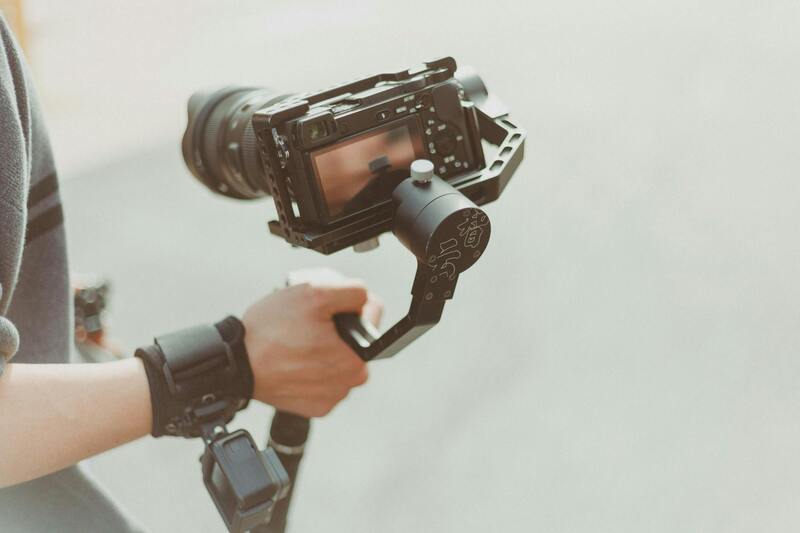
Utilizing the correct lens is crucial in real estate photography. Ultra-wide-angle lenses enable capturing entire rooms in a single shot, helping prospective buyers virtually walk through the property. These lenses should be used carefully to avoid distortion that can misrepresent the actual space or features of a room. Additionally, professional photographers often employ tripod mounts, which ensure stability and sharpness, especially in low-light environments or interior shots requiring longer exposure times.
Incorporating advanced techniques like HDR imaging, where multiple exposures are merged to balance lighting extremes, allows for uniform brightness that accurately depicts both interior and exterior views. This approach is especially valuable in spaces with large windows or complex lighting conditions, ensuring that no details are lost in shadows or blown out highlights. Drone photography is also gaining popularity for showcasing expansive outdoor areas, aerial views, and unique perspectives that set listings apart.
Post-processing plays an essential role in real estate photography. Skilled editing helps correct perspective distortions, enhance color accuracy, and optimize brightness and contrast without compromising the authentic look of the property. Overly extensive edits should be avoided to ensure images remain true to life, creating a trustworthy representation for potential buyers.
Given the competitive nature of the Miami real estate market, employing such advanced equipment and techniques serves to make listings stand out. Clients looking to sell property swiftly and at the best price benefit when skilled photographers combine technical excellence with artistic vision. From capturing the right angles to managing lighting and post-shoot editing, every step contributes to compelling imagery that attracts serious buyers and accelerates sales.
Ensuring Authenticity Through Legitimate Photography Methods
In the competitive real estate market of Miami, utilizing proven, credible photography methods is essential for creating listings that truly reflect property features and appeal to serious buyers. Authentic visuals help establish trust, allowing potential buyers to feel confident in the property's true condition and characteristics. Employing techniques such as high-resolution imaging, accurate color representation, and proper lighting adjustment ensures each photograph serves as a reliable and persuasive marketing tool.
Employing professional-grade equipment—like DSLR or mirrorless cameras with high-quality lenses—is fundamental to capturing sharp, detailed images that faithfully showcase the property's interior and exterior. These cameras boast superior sensors and dynamic range, allowing photographers to handle varied lighting conditions effectively. This technical advantage results in images that highlight the property's best features, from spacious living areas to meticulous landscaping.
Lighting remains a cornerstone of genuine property photography. Using natural light supplemented with professional lighting fixtures can significantly improve image quality. However, it’s crucial that the lighting setup remains true to real-life conditions, avoiding overexposure or unnatural color casts, which could mislead viewers and undermine trust. Techniques like HDR imaging can help balance contrasting light sources, ensuring the photos maintain integrity and provide a transparent view of what buyers can expect.
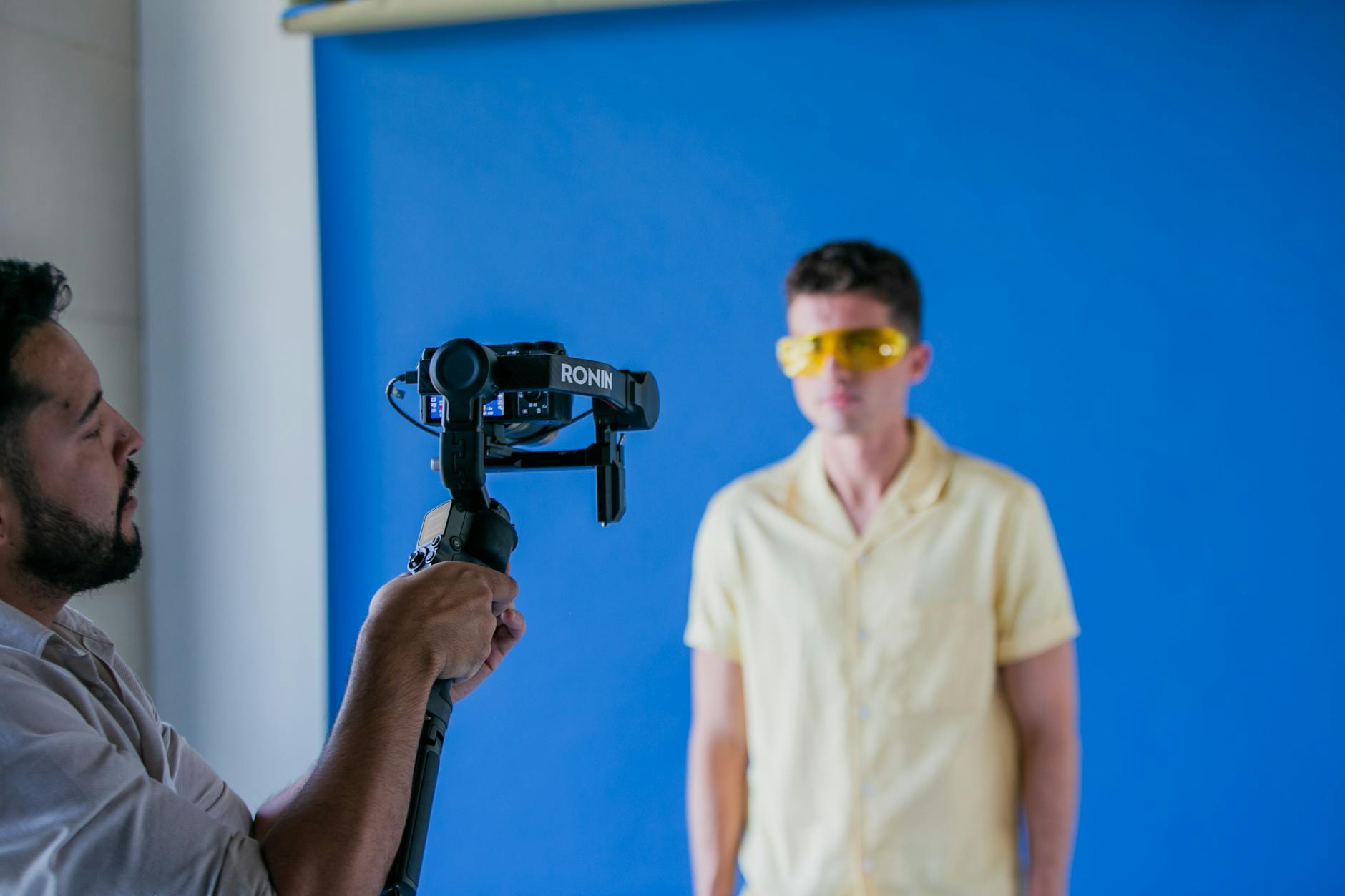
Another legitimate method involves the strategic use of drone photography for outdoor and aerial shots. These images capture expansive outdoor spaces and landscaping from above, offering a comprehensive overview that ground-level photography might miss. When executed with care and adherence to safety standards, drone shots can add a dynamic perspective without compromising authenticity.
Post-production editing also plays a critical role in maintaining integrity. Skilled photographers apply subtle adjustments to correct distortion, improve lighting, and enhance colors while avoiding excessive modifications that might distort the property's true look. This balance between enhancement and authenticity is vital to produce trustworthy visuals that prospective buyers can rely on when making decisions.
Adherence to Best Practices for Property Marketing
To maximize the impact of property imagery, real estate professionals should consistently follow proven strategies. These include standardizing photography procedures, regularly updating equipment, and staying informed about emerging techniques that enhance authenticity, such as specialized lens use or advanced editing software. These practices ensure listings are both attractive and truthful representations of the properties, leading to increased buyer confidence and faster sales.
Effective Use of Professional Photography in Selling Houses
Utilizing professional photography can serve as a powerful tool in showcasing a property's unique features and attracting serious buyers. High-resolution images that highlight a home's interior and exterior create an inviting first impression and help potential buyers visualize living in the space. By capturing rooms with optimal lighting and framing, photographs can emphasize the property's best aspects, including spaciousness, design details, and outdoor amenities. This visual storytelling encourages engagement and can substantially impact the decision-making process.
Investing in professional photography also enhances the overall marketing strategy by providing consistent, high-quality visuals across various platforms. Whether used on listing websites, social media, or printed brochures, professional images maintain a high standard of presentation. This consistency can elevate a property's perceived value, setting it apart in competitive markets and attracting more qualified leads. Clear, compelling photographs serve not only to generate interest but also to reduce the time a property spends on the market, making the selling process more efficient.
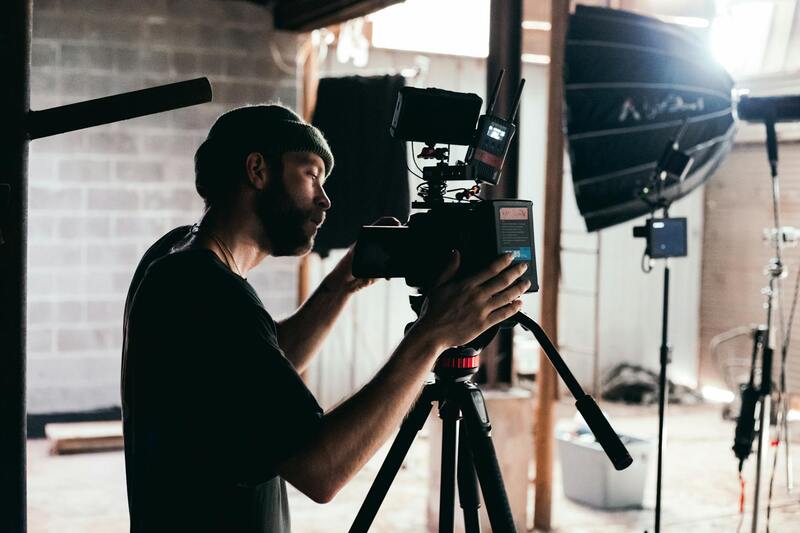
Strategic Visual Presentation for Maximum Impact
Effective real estate photography goes beyond simple snapshots; it involves strategic staging, lighting, and composition to craft appealing visuals. Proper staging ensures that each room appears welcoming and functional, while professional lighting corrects or enhances natural light, reducing shadows and highlighting architectural details. The use of wide-angle lenses can create an immersive feel, giving viewers a sense of space and layout.
Complementary techniques, such as capturing multiple angles and including exterior shots during different times of day, enrich the property's visual narrative. These approaches provide an authentic and comprehensive representation, aligning with the buyer’s expectations and fostering trust. Additionally, images taken with diligent attention to detail tend to perform better in online listings, drawing more eyes and encouraging visits.
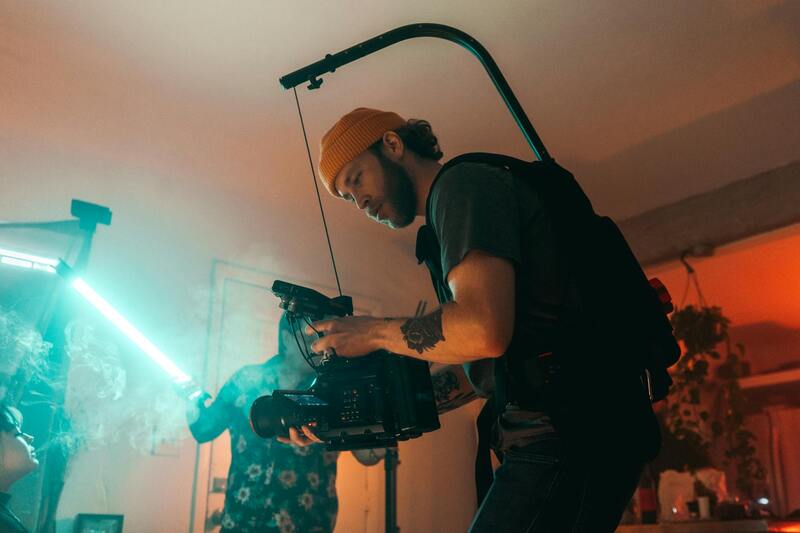
Creating a Cohesive Visual Story
- Consistent style and mood across all images to reinforce branding.
- Showcasing unique selling points, such as modern upgrades or outdoor spaces.
- Highlighting the flow and functionality of the home's layout.
- Incorporating neighborhood features to give a sense of community.
High-quality property visuals not only help in attracting initial attention but also sustain interest through compelling storytelling. This cohesive presentation plays a vital role in convincing buyers of the property's value and encouraging them to explore further.
Post-Production and Photo Editing for Listings
Once the professional photographs are captured, the process of post-production and editing begins, playing a pivotal role in refining images to their optimal presentation. This stage involves meticulous adjustments to enhance colors, correct lighting inconsistencies, and remove any distracting elements that might detract from the property's appeal.
High-quality editing ensures that each image accurately represents the property's true ambiance while showcasing its best features. Techniques like exposure correction, white balance adjustment, and contrast enhancement help create vibrant and inviting visuals that stand out in saturated online markets. Additionally, subtle retouching can eliminate minor imperfections such as blemishes, clutter, or reflections, fostering a clean and appealing look.
Photo editing also involves strategic cropping and framing to emphasize architectural details and interior space. Wide-angle distortions may be corrected to preserve proportion and realism, ensuring potential buyers receive an authentic representation. Layering techniques can be employed to highlight focal points or direct viewer attention, guiding them through the property's visual story seamlessly.

Consistency in editing style across all shots fosters a cohesive visual narrative, strengthening brand recognition for the listing and engaging viewers more effectively. This uniformity reassures prospective buyers, making the property appear well-maintained and thoughtfully presented.
Advanced editing tools also allow the creation of virtual staging or enhancement of outdoor elements, such as landscaping or sunset lighting, adding emotional appeal and distinctiveness to the images. Incorporating these visual strategies directly correlates with increased online engagement, higher inquiry rates, and ultimately, quicker sales.
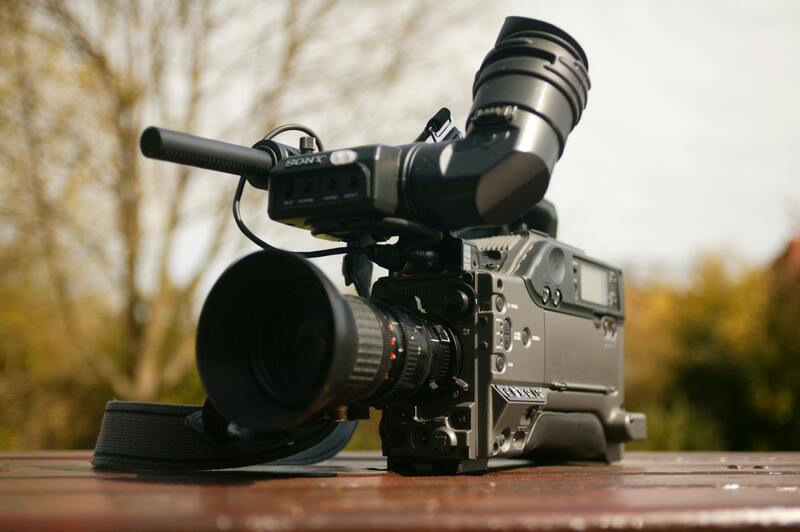
For real estate professionals and homeowners alike, investing in skilled editing ensures that each listing presents the property in the best light possible—literally and figuratively. Successful editing transforms raw photos into compelling narratives that resonate with target audiences, making the property not just seen, but remembered.
Advanced Strategies for Maximizing Visual Impact in Property Listings
Beyond the fundamental aspects of professional real estate photography, leveraging sophisticated techniques and strategic presentation methods can significantly elevate a property’s appeal to prospective buyers. High-quality imagery, when combined with targeted marketing tactics, enhances the perception of value and facilitates faster sales conversions.
Utilizing Virtual Tours and 3D Imaging
Modern property marketing increasingly benefits from immersive virtual tours and three-dimensional (3D) models. These tools allow potential buyers to explore the property remotely, experiencing spatial dynamics and layout flow in a highly engaging manner. Incorporating 360-degree images and interactive floor plans creates a virtual experience that closely mimics in-person visits, breaking geographical barriers and expanding outreach.
Virtual staging is another advanced technique that complements professional photography. By digitally adding furniture, decor, and accessories to vacant or under-furnished spaces, sellers can demonstrate a property's full potential without physical staging costs. This approach appeals particularly to online audiences who rely heavily on visual cues when making initial interest decisions.
Implementing Feature Highlighting and Narrative Techniques
Effective property images do more than showcase space—they tell a story. Strategic use of lighting, composition, and focal points emphasizes unique architectural features, high-end finishes, or scenic outdoor views. Creating a visual narrative guides viewers through the property, highlighting functional areas and emotional appeal. Detail shots of intricate moldings, custom fixtures, or spacious closets provide depth and attract viewers' attention to selling points that differentiate the listing in a competitive market.

Consistency and Brand Alignment in Photography
Maintaining visual consistency across all listing images builds a cohesive brand identity for the property. This involves standardized editing styles, balanced color tones, and uniform angles that reinforce the property's aesthetic and appeal. Consistency reassures potential buyers of quality and professionalism, making the listing more memorable and trustworthy.
Additionally, aligning photographic style with broader marketing campaigns—such as social media content, print advertisements, or website design—ensures a seamless audience experience. Cohesive visual storytelling fosters stronger emotional connections, ultimately encouraging inquiries and viewings.
Measuring and Analyzing Image Effectiveness
Employing analytics tools to monitor how listings perform online helps identify which images resonate most with audiences. Metrics such as engagement rates, click-throughs, and inquiry volumes provide insights into visual strategies' success. Data-driven adjustments—like refining lighting, angles, or staging—can optimize future photography efforts, ensuring each image aligns better with buyer preferences.
Investing in ongoing training and updates for photography teams ensures that the latest techniques and trends are incorporated, keeping listings fresh, competitive, and visually compelling.