Introduction to Professional House Photography
In the competitive real estate market of Miami, showcasing a property’s best features is essential to attracting potential buyers quickly and efficiently. Professional house photography has emerged as a vital tool in this process, enabling real estate agents and homeowners to present their properties through visually compelling images that highlight each home's unique appeal. This specialized form of photography combines technical skill with artistic vision, ensuring that every shot accurately portrays space, lighting, and design elements to create a lasting impression on viewers.
Expert house photographers utilize advanced camera equipment, sophisticated lighting techniques, and strategic staging to produce images that are both inviting and true to life. From capturing expansive ocean-view terraces to intimate interior spaces, professional photography aims to maximize the property’s potential in online listings and marketing campaigns. Especially in vibrant markets like Miami, where lifestyle and aesthetics play a significant role in property value, high-quality images serve as a crucial first impression that can significantly influence buyer interest and engagement.
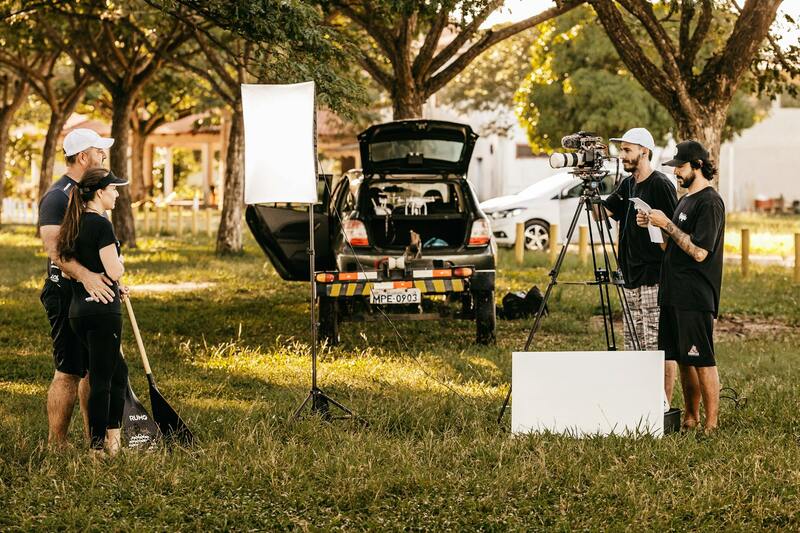
Whether for luxury condominiums, single-family homes, or commercial properties, professional house photography creates a polished and compelling presentation that elevates marketing efforts. This service is tailored to not only showcase the property’s structure but also to evoke emotion, convey lifestyle possibilities, and ultimately lead to faster sales at desirable prices. In Miami’s dynamic real estate environment, investing in professional imagery is a strategic step toward ensuring maximum visibility and appeal in a crowded marketplace.
Techniques for Capturing Attractive Interior and Exterior Shots
Achieving visually compelling images of residential properties requires a combination of technical proficiency and a keen eye for detail. For interior shots, professional photographers often utilize wide-angle lenses to encompass more of a room in each frame, creating a sense of space and openness that can be highly appealing to potential buyers. Proper lighting is crucial; natural light is preferred, but additional artificial lighting can be employed to eliminate shadows and highlight architectural features. Photographers often schedule shoots during times of day when sunlight filters through windows optimally, enhancing the ambiance without overexposing the shot. Beyond lighting, staging plays a vital role in interior photography. Subtle arrangements—like making beds neatly, arranging furniture to maximize flow, and decluttering—help to showcase each space's potential. Strategic angles are chosen to emphasize key features, such as high ceilings, unique architectural details, or a view through large windows. For exterior shots, the focus is on capturing the property’s curb appeal as well as the surrounding environment. Photographers often choose early morning or late afternoon to utilize soft, natural light that brings warmth and depth to the images. Elevation shots from a drone or ladder can provide a comprehensive view of the property layout, landscaping, and neighborhood context. In addition, weather conditions are considered carefully—clear days with good sunlight ensure vibrant, well-exposed images. For properties with pools, gardens, or outdoor living spaces, highlighting these areas can significantly boost the property's attractiveness. Using the correct aperture and shutter speed ensures sharp, detailed shots, making all features inviting and memorable.
Benefits of Using Professional Photographers vs. DIY
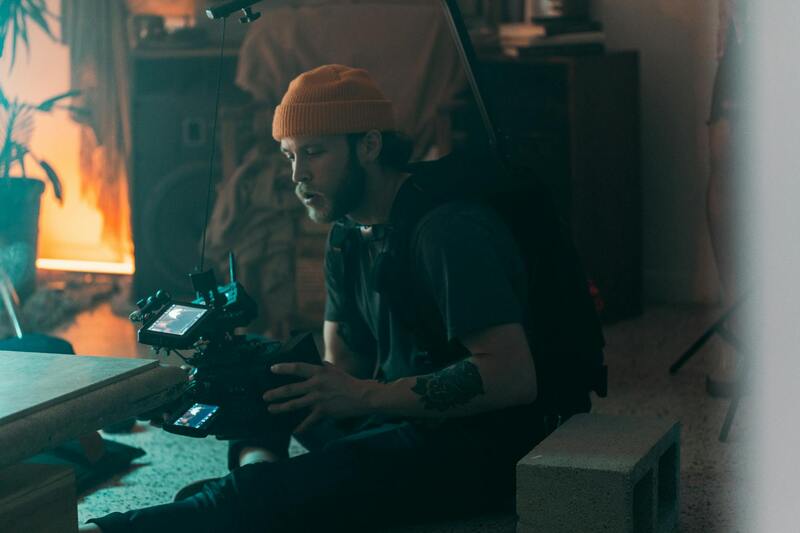
Employing skilled house photographers offers several advantages over do-it-yourself methods, especially when aiming for high-end presentation and maximum property appeal. Professional photographers possess specialized equipment—including high-resolution cameras, wide-angle lenses, stabilization gear, and advanced lighting tools—which ensures superior image quality. Their expertise in composition and staging allows them to highlight the property’s best features, making spaces appear more spacious, inviting, and well-designed. Proper editing and post-processing are also critical, and professionals are adept at enhancing images without compromising authenticity. They can correct distortions, adjust brightness and contrast, and remove minor imperfections to produce polished, market-ready photos. DIY photography often struggles with limitations in lighting, distortion, and perspective, which can result in images that are less compelling and less effective at attracting interest. Poorly executed photos may fail to convey the true value of the property, causing listings to be overlooked in competitive markets. Furthermore, using professional photography demonstrates a commitment to quality, which can influence buyer perception positively. High-quality visuals are more likely to be shared on social media, featured on premium listing platforms, and generate more inquiries, ultimately accelerating the sales process.
Techniques for Capturing Attractive Interior and Exterior Shots
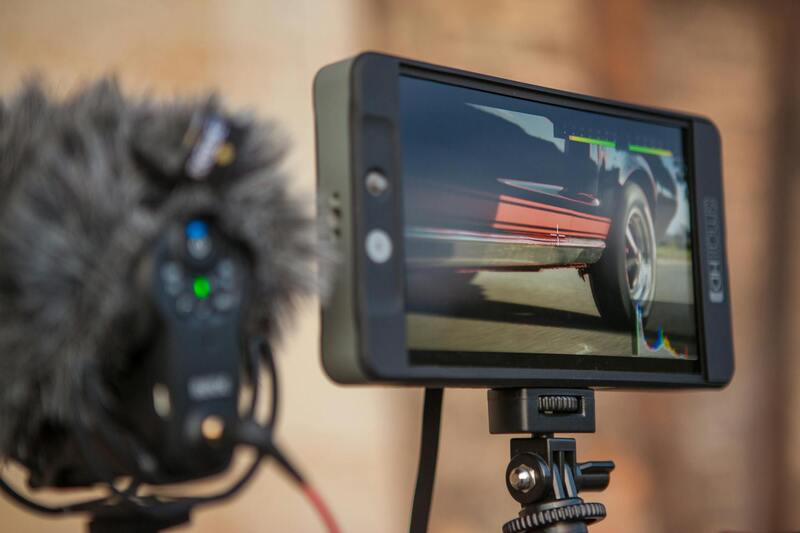
Achieving compelling images of a house requires mastery of various photographic techniques. For interior shots, professional photographers focus on creating a balanced composition that showcases the space’s flow and functionality. They employ natural light whenever possible, supplementing with artificial lighting to eliminate shadows and evenly illuminate key features. The use of wide-angle lenses enables capturing more of a room in a single shot, emphasizing spaciousness without distortion.
Staging plays a vital role in interior photography. Professionals often recommend decluttering, adding tasteful decor, and arranging furniture to maximize visual appeal. Strategic placement of items enhances the room’s natural focal points and guides the viewer’s eye through the space.
For exterior shots, timing is crucial. Photographers capture homes during the golden hour — shortly after sunrise or before sunset — when natural light imparts a warm, inviting glow. Using wide-angle lenses helps to showcase the property’s facade and landscaping comprehensively. Ensuring the camera is stable, often through the use of tripods, results in sharp, distortion-free images.
Professional photographers also pay attention to the environment surrounding the property. Proper framing includes elements like clean driveways, well-maintained lawns, and unobstructed views, which contribute to a positive first impression. Advanced editing techniques refine the images, correcting any perspective distortions and enhancing colors to produce images that truly reflect the property’s character.
Techniques for Capturing Attractive Interior and Exterior Shots
Achieving compelling images in professional house photography hinges on precise techniques that accentuate a property’s best features and convey its unique character. Interior photography demands a careful balance between technical skill and artistic vision. Photographers frequently employ ultra-wide-angle lenses to encapsulate entire rooms, making spaces appear more expansive and inviting. These lenses reduce the need for multiple shots, creating seamless, panoramic views that highlight open floor plans and natural flow.
Lighting plays a pivotal role—natural light is preferred to produce warm, authentic tones that evoke a welcoming atmosphere. Photographers shoot during daylight hours, utilizing windows and reflective surfaces to amplify light. When natural light is limited or inconsistent, artificial lighting systems—such as softboxes and diffusers—are used to soften shadows and streamline illumination.
Staging transforms an empty or cluttered space into an appealing showcase. This involves decluttering rooms, arranging furniture to emphasize natural focal points, and adding decor elements that complement the property’s style. Properly staged rooms guide viewers' attention and create a sense of lifestyle and comfort.
Exterior shots require meticulous attention to timing and environmental factors. Photographers aim for the golden hour—shortly after sunrise or before sunset—when sunlight is softer and more diffuse, resulting in vibrant, warm images that boost curb appeal. The use of tripods ensures stability and clarity, especially when capturing wide-angle shots of facades and landscaping.
The surrounding environment is also a crucial aspect of exterior photography. Clean driveways, manicured lawns, and unobstructed views help frame the property attractively. Incorporating landscaping details, like flower beds and trees, adds depth and frames the home naturally.
Post-production editing enhances these images further. Adjustments include correcting skewed perspectives, refining color balance, and enhancing details to accurately portray the property’s true appearance. Such refinements are essential to produce high-quality images that stand out in competitive online listings.
Effective Use of Off-Camera Lighting and Equipment
Achieving stunning interior shots often hinges on the strategic use of off-camera lighting and advanced equipment to enhance natural light rather than overpower it. Professional house photographers utilize tools such as strobes, continuous lights, and reflectors to control shadow areas and highlight key architectural features. By placing lights at various angles, they can create depth and dimension, avoiding flat and uninviting images. This technique allows for a consistent look across images, maintaining a cohesive visual narrative that appeals to potential buyers or renters.
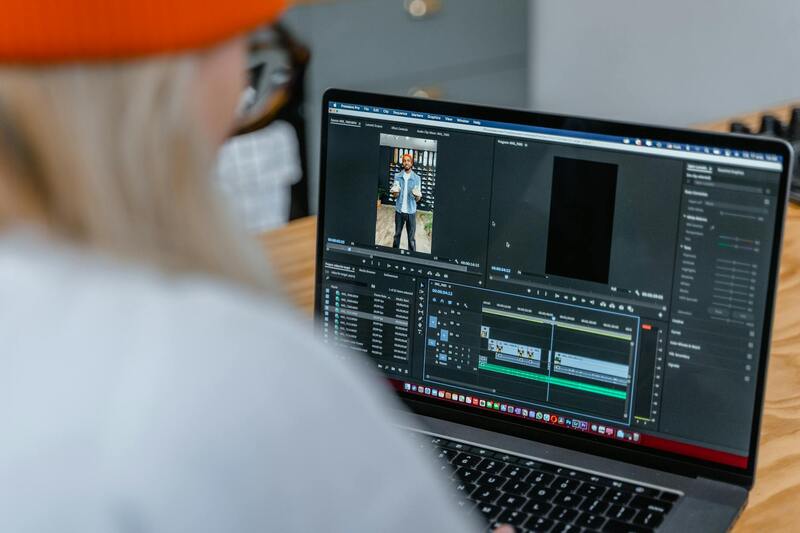
Tripods are vital for stability, ensuring clarity in wide shots, especially in low-light conditions or when lengthy exposures are required. Advanced lens choices, such as ultra-wide or tilt-shift lenses, allow for capturing entire rooms without distortion while maintaining straight lines and proportions. These tools not only refine image quality but also provide flexibility to creatively frame scenes according to the photographer's vision.
Mastering Composition and Perspective
Composition plays a crucial role in interior and exterior house photography. Techniques like the rule of thirds guide photographers to position key features—such as fireplaces, windows, or entryways—within the frame strategically. Proper perspective management ensures that rooms appear spacious and proportionate. Using a combination of vertical and horizontal lines, photographers can emphasize the structure's architecture while avoiding perspective distortions that can misrepresent the space.
Additionally, employing leading lines, such as hallways or rows of furniture, directs viewers' eyes toward focal points within each shot. This approach not only enhances visual interest but also creates an immersive experience that encourages potential buyers to envision themselves living in the space.
Environmental Control and Timing
Timing is crucial when capturing exterior images. Photographers often prefer the early morning or late afternoon hours—the golden hour—when sunlight casts warm, inviting tones on the house's facade. During these periods, natural light is softer, reducing harsh shadows and reflections. Controlling environmental factors, such as weather conditions and seasonal foliage, further enhances visual appeal.
For interior shots, controlling ambient light involves closing blinds, turning off unflattering lights, and supplementing with controlled artificial lighting to achieve uniform brightness. Such meticulous attention to lighting conditions ensures consistency across images, which is particularly important for branding and marketing purposes.
Post-Processing Precision
Post-production editing is an essential step in professional house photography. Adjustments such as perspective correction prevent skewed lines that can make spaces appear unbalanced. Color grading enhances warmth or neutrality, aligning with the property’s style and target audience expectations. Enhancing details in shadows and highlights ensures that textures and design elements stand out vividly, creating a compelling visual presentation.
Official Methods for Ensuring Authenticity and Quality in House Photography
Securing reputable and verified professionals for house photography involves a set of established practices that ensure the images meet high standards of quality and authenticity. First, searching for certified photographers or those affiliated with recognized industry associations is a reliable step. Many experienced house photographers obtain credentials from organizations that uphold quality standards, such as professional photography associations or local real estate marketing groups.
One of the most effective methods is reviewing a photographer’s portfolio through their official website or verified profiles on trusted industry platforms. A comprehensive portfolio provides insight into their expertise, style, and consistency. Look for portfolios that showcase a broad range of property types, from luxury estates to cozy homes, demonstrating versatility and technical skill.
Client testimonials and reviews also serve as valuable indicators of a photography service’s credibility. Engaging with past clients or viewing case studies related to real estate listings adds an extra layer of confidence. Reputable professionals often provide detailed client feedback that highlights their commitment to capturing the property’s distinct features and enhancing its market appeal.
In addition to visual evidence, verifying a photographer’s adherence to best practices involves ensuring they utilize state-of-the-art equipment and participate in ongoing training. Industry-standard gear, such as high-resolution digital cameras, wide-angle lenses, and professional lighting systems, is essential for producing high-quality images. Many professional photographers also stay current with the latest visual techniques and software updates by attending workshops, seminars, or industry conferences.
Finally, establishing a clear contract that specifies deliverables, timelines, and rights to images helps safeguard your interests. This documentation ensures transparency and confirms that the photography process aligns with your marketing goals, contributing to a seamless collaboration with reputable service providers.
Methods to Secure Authentic and Professional House Photography
Ensuring the authenticity of professional house photography involves a thorough evaluation of the sources and practices used by the photographer or agency. One of the most effective approaches is to request a comprehensive portfolio that highlights a diverse array of properties, including various architectural styles, interior layouts, and exterior landscapes. A well-rounded portfolio not only demonstrates technical versatility but also reflects the photographer’s ability to adapt to different property types and lighting conditions.
Additionally, reviewing client testimonials and feedback provides valuable insights into the photographer’s professionalism, reliability, and consistency in delivering high-quality images. Reputable service providers often showcase detailed case studies or before-and-after comparisons that reveal their skill in transforming property visuals for marketing purposes. Engaging in conversations with previous clients can further reveal the level of satisfaction and overall experience working with the photographer.
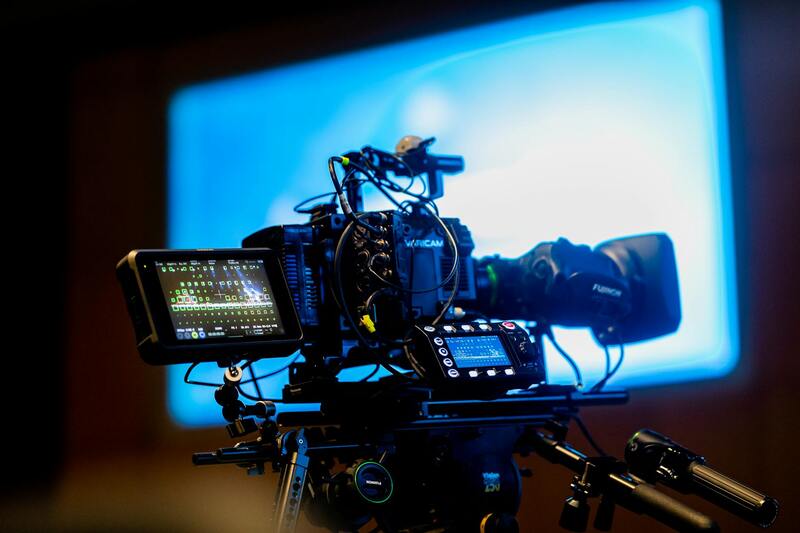
Assessing the technical competence of a photographer involves verifying their use of advanced equipment such as high-resolution digital cameras, professional-grade lens options, and sophisticated lighting setups. Photographers who invest in quality gear and stay updated with the latest industry innovations often participate in ongoing training, workshops, and industry events. This continuous professional development ensures they are familiar with emerging techniques and software, allowing them to produce compelling visuals that stand out in competitive real estate markets.
Another reliable method is to review the photographer’s adherence to established industry standards in image editing and processing. Responsible professionals employ post-production techniques to enhance images while maintaining a natural and realistic appearance, avoiding over-processed or exaggerated visuals that could mislead potential buyers.
Finally, clear communication and contractual agreements form a fundamental part of securing consistent and reliable house photography services. Authentic providers will furnish detailed contracts outlining project scope, delivery timelines, rights to images, and usage permissions. These agreements foster transparency and provide a structured framework for collaboration, ensuring that both parties are aligned on expectations and deliverables.
Investing time in meticulous research and validation processes guarantees that real estate listings are supported by credible, high-caliber imagery. This commitment to authenticity not only enhances visual appeal but also builds trust among potential buyers, ultimately accelerating the sales process and reinforcing market confidence.
Maintaining Authenticity and Transparency in House Photography
In the realm of professional house photography, ensuring the authenticity of images is vital for fostering trust among potential buyers and real estate agents. Leveraging advanced digital tools responsibly allows photographers to present properties in the most favorable light without compromising the honest portrayal of the home. High-quality images that accurately reflect the property's current condition and features create a transparent viewing experience, reducing the chances of misunderstandings or disappointment during physical visits or subsequent negotiations.
Calibration and Post-Processing Standards
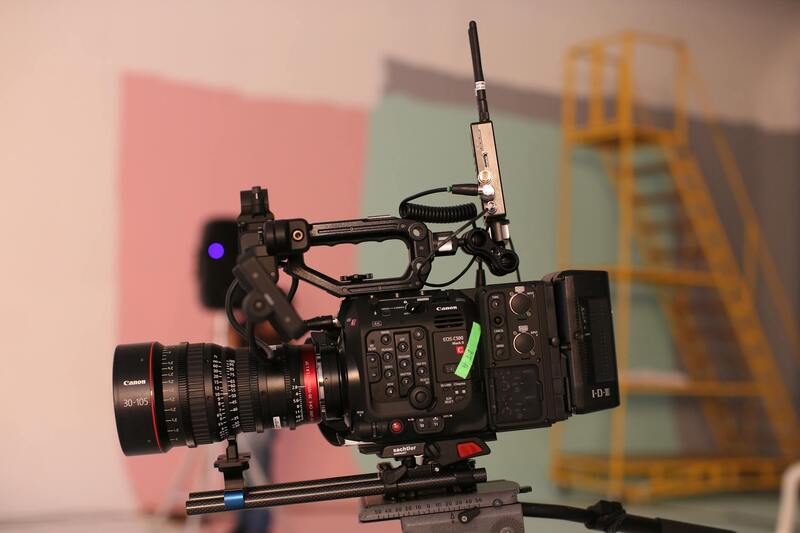
после capturing images, professional photographers employ meticulous calibration techniques to ensure consistent color representation and image sharpness. Post-processing work is performed with precision to enhance details, correct lighting issues, and eliminate minor disturbances like shadows or reflections that do not distort the actual features of the property. By adhering to rigorous editing standards, they avoid hyper-processed visuals that could mislead prospective buyers, thus preserving the property's integrity and appeal.
Transparent Use of Editing Software
Responsibly utilizing editing tools involves subtle enhancements rather than overt alterations. This balance ensures that property images retain their natural appeal while minimizing the risk of misrepresenting the home's true appearance. Clear communication with clients about editing practices further contributes to a trustworthy partnership, aligning expectations, and fostering long-term relationships.
Reliable Contracting and Service Agreements
Engaging with reputable professional house photography services involves detailed contractual agreements that specify the scope of work, image rights, confidentiality, and delivery timelines. Such agreements are essential for establishing clear expectations, securing rights to images, and planning ongoing marketing efforts effectively. A well-documented service contract ensures transparency, accountability, and mutual understanding, ultimately enhancing the quality and consistency of visual content delivered.
Research and Due Diligence in Selecting Photographers
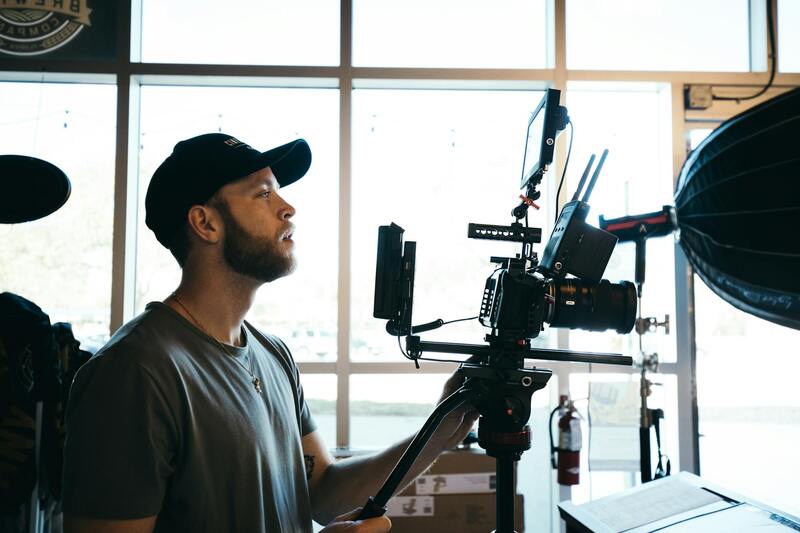
To guarantee top-tier results, property owners and real estate professionals should conduct thorough research into potential photographers. Reviewing portfolios, client testimonials, and industry certifications provides insights into their experience and adherence to established standards. Engaging with photographers who demonstrate consistent quality and transparency ensures a high-caliber presentation of listings, ultimately accelerating the sales process and enhancing market confidence.
Emerging Technologies Shaping Future House Photography
Advancements such as drone photography, 3D virtual tours, and augmented reality are revolutionizing how properties are showcased online. These tools offer immersive, comprehensive views of homes, enabling prospective buyers to explore spaces remotely with a realistic sense of scale and ambiance. As technology continues to evolve, professional house photography will increasingly integrate these innovative methods to provide unparalleled virtual experiences and elevate real estate marketing strategies.